Spandidos Publications Logo
  • About
    • About Spandidos
    • Aims and Scopes
    • Abstracting and Indexing
    • Editorial Policies
    • Reprints and Permissions
    • Job Opportunities
    • Terms and Conditions
    • Contact
  • Journals
    • All Journals
    • Oncology Letters
      • Oncology Letters
      • Information for Authors
      • Editorial Policies
      • Editorial Board
      • Aims and Scope
      • Abstracting and Indexing
      • Bibliographic Information
      • Archive
    • International Journal of Oncology
      • International Journal of Oncology
      • Information for Authors
      • Editorial Policies
      • Editorial Board
      • Aims and Scope
      • Abstracting and Indexing
      • Bibliographic Information
      • Archive
    • Molecular and Clinical Oncology
      • Molecular and Clinical Oncology
      • Information for Authors
      • Editorial Policies
      • Editorial Board
      • Aims and Scope
      • Abstracting and Indexing
      • Bibliographic Information
      • Archive
    • Experimental and Therapeutic Medicine
      • Experimental and Therapeutic Medicine
      • Information for Authors
      • Editorial Policies
      • Editorial Board
      • Aims and Scope
      • Abstracting and Indexing
      • Bibliographic Information
      • Archive
    • International Journal of Molecular Medicine
      • International Journal of Molecular Medicine
      • Information for Authors
      • Editorial Policies
      • Editorial Board
      • Aims and Scope
      • Abstracting and Indexing
      • Bibliographic Information
      • Archive
    • Biomedical Reports
      • Biomedical Reports
      • Information for Authors
      • Editorial Policies
      • Editorial Board
      • Aims and Scope
      • Abstracting and Indexing
      • Bibliographic Information
      • Archive
    • Oncology Reports
      • Oncology Reports
      • Information for Authors
      • Editorial Policies
      • Editorial Board
      • Aims and Scope
      • Abstracting and Indexing
      • Bibliographic Information
      • Archive
    • Molecular Medicine Reports
      • Molecular Medicine Reports
      • Information for Authors
      • Editorial Policies
      • Editorial Board
      • Aims and Scope
      • Abstracting and Indexing
      • Bibliographic Information
      • Archive
    • World Academy of Sciences Journal
      • World Academy of Sciences Journal
      • Information for Authors
      • Editorial Policies
      • Editorial Board
      • Aims and Scope
      • Abstracting and Indexing
      • Bibliographic Information
      • Archive
    • International Journal of Functional Nutrition
      • International Journal of Functional Nutrition
      • Information for Authors
      • Editorial Policies
      • Editorial Board
      • Aims and Scope
      • Abstracting and Indexing
      • Bibliographic Information
      • Archive
    • International Journal of Epigenetics
      • International Journal of Epigenetics
      • Information for Authors
      • Editorial Policies
      • Editorial Board
      • Aims and Scope
      • Abstracting and Indexing
      • Bibliographic Information
      • Archive
    • Medicine International
      • Medicine International
      • Information for Authors
      • Editorial Policies
      • Editorial Board
      • Aims and Scope
      • Abstracting and Indexing
      • Bibliographic Information
      • Archive
  • Articles
  • Information
    • Information for Authors
    • Information for Reviewers
    • Information for Librarians
    • Information for Advertisers
    • Conferences
  • Language Editing
Spandidos Publications Logo
  • About
    • About Spandidos
    • Aims and Scopes
    • Abstracting and Indexing
    • Editorial Policies
    • Reprints and Permissions
    • Job Opportunities
    • Terms and Conditions
    • Contact
  • Journals
    • All Journals
    • Biomedical Reports
      • Information for Authors
      • Editorial Policies
      • Editorial Board
      • Aims and Scope
      • Abstracting and Indexing
      • Bibliographic Information
      • Archive
    • Experimental and Therapeutic Medicine
      • Information for Authors
      • Editorial Policies
      • Editorial Board
      • Aims and Scope
      • Abstracting and Indexing
      • Bibliographic Information
      • Archive
    • International Journal of Epigenetics
      • Information for Authors
      • Editorial Policies
      • Editorial Board
      • Aims and Scope
      • Abstracting and Indexing
      • Bibliographic Information
      • Archive
    • International Journal of Functional Nutrition
      • Information for Authors
      • Editorial Policies
      • Editorial Board
      • Aims and Scope
      • Abstracting and Indexing
      • Bibliographic Information
      • Archive
    • International Journal of Molecular Medicine
      • Information for Authors
      • Editorial Policies
      • Editorial Board
      • Aims and Scope
      • Abstracting and Indexing
      • Bibliographic Information
      • Archive
    • International Journal of Oncology
      • Information for Authors
      • Editorial Policies
      • Editorial Board
      • Aims and Scope
      • Abstracting and Indexing
      • Bibliographic Information
      • Archive
    • Medicine International
      • Information for Authors
      • Editorial Policies
      • Editorial Board
      • Aims and Scope
      • Abstracting and Indexing
      • Bibliographic Information
      • Archive
    • Molecular and Clinical Oncology
      • Information for Authors
      • Editorial Policies
      • Editorial Board
      • Aims and Scope
      • Abstracting and Indexing
      • Bibliographic Information
      • Archive
    • Molecular Medicine Reports
      • Information for Authors
      • Editorial Policies
      • Editorial Board
      • Aims and Scope
      • Abstracting and Indexing
      • Bibliographic Information
      • Archive
    • Oncology Letters
      • Information for Authors
      • Editorial Policies
      • Editorial Board
      • Aims and Scope
      • Abstracting and Indexing
      • Bibliographic Information
      • Archive
    • Oncology Reports
      • Information for Authors
      • Editorial Policies
      • Editorial Board
      • Aims and Scope
      • Abstracting and Indexing
      • Bibliographic Information
      • Archive
    • World Academy of Sciences Journal
      • Information for Authors
      • Editorial Policies
      • Editorial Board
      • Aims and Scope
      • Abstracting and Indexing
      • Bibliographic Information
      • Archive
  • Articles
  • Information
    • For Authors
    • For Reviewers
    • For Librarians
    • For Advertisers
    • Conferences
  • Language Editing
Login Register Submit
  • This site uses cookies
  • You can change your cookie settings at any time by following the instructions in our Cookie Policy. To find out more, you may read our Privacy Policy.

    I agree
Search articles by DOI, keyword, author or affiliation
Search
Advanced Search
presentation
Oncology Reports
Join Editorial Board Propose a Special Issue
Print ISSN: 1021-335X Online ISSN: 1791-2431
Journal Cover
February-2026 Volume 55 Issue 2

Full Size Image

Sign up for eToc alerts
Recommend to Library

Journals

International Journal of Molecular Medicine

International Journal of Molecular Medicine

International Journal of Molecular Medicine is an international journal devoted to molecular mechanisms of human disease.

International Journal of Oncology

International Journal of Oncology

International Journal of Oncology is an international journal devoted to oncology research and cancer treatment.

Molecular Medicine Reports

Molecular Medicine Reports

Covers molecular medicine topics such as pharmacology, pathology, genetics, neuroscience, infectious diseases, molecular cardiology, and molecular surgery.

Oncology Reports

Oncology Reports

Oncology Reports is an international journal devoted to fundamental and applied research in Oncology.

Experimental and Therapeutic Medicine

Experimental and Therapeutic Medicine

Experimental and Therapeutic Medicine is an international journal devoted to laboratory and clinical medicine.

Oncology Letters

Oncology Letters

Oncology Letters is an international journal devoted to Experimental and Clinical Oncology.

Biomedical Reports

Biomedical Reports

Explores a wide range of biological and medical fields, including pharmacology, genetics, microbiology, neuroscience, and molecular cardiology.

Molecular and Clinical Oncology

Molecular and Clinical Oncology

International journal addressing all aspects of oncology research, from tumorigenesis and oncogenes to chemotherapy and metastasis.

World Academy of Sciences Journal

World Academy of Sciences Journal

Multidisciplinary open-access journal spanning biochemistry, genetics, neuroscience, environmental health, and synthetic biology.

International Journal of Functional Nutrition

International Journal of Functional Nutrition

Open-access journal combining biochemistry, pharmacology, immunology, and genetics to advance health through functional nutrition.

International Journal of Epigenetics

International Journal of Epigenetics

Publishes open-access research on using epigenetics to advance understanding and treatment of human disease.

Medicine International

Medicine International

An International Open Access Journal Devoted to General Medicine.

Journal Cover
February-2026 Volume 55 Issue 2

Full Size Image

Sign up for eToc alerts
Recommend to Library

  • Article
  • Citations
    • Cite This Article
    • Download Citation
    • Create Citation Alert
    • Remove Citation Alert
    • Cited By
  • Similar Articles
    • Related Articles (in Spandidos Publications)
    • Similar Articles (Google Scholar)
    • Similar Articles (PubMed)
  • Download PDF
  • Download XML
  • View XML

  • Supplementary Files
    • Supplementary_Data.xlsx
Article Open Access

Hypoxia‑mediated Krebs von den Lungen‑6 expression in breast cancer: Implications for tumor invasion and metastasis

  • Authors:
    • Taisei Ichihara
    • Yoshihiro Hayashi
    • Takuya Sato
    • Mitsuko Iguchi
    • Makoto Toi
    • Hironaga Satake
    • Ichiro Murakami
  • View Affiliations / Copyright

    Affiliations: Department of Medical Oncology, Kochi Medical School Hospital, Nankoku‑shi, Kochi 783‑8505, Japan, Science Research Center, Kochi University, Nankoku‑shi, Kochi 783‑8505, Japan, Diagnostic Pathology Department, Kochi Medical School Hospital, Nankoku‑shi, Kochi 783‑8505, Japan, Department of Pathology, Kochi Medical School, Nankoku‑shi, Kochi 783‑8505, Japan
    Copyright: © Ichihara et al. This is an open access article distributed under the terms of Creative Commons Attribution License [CC BY 4.0].
  • Article Number: 35
    |
    Published online on: December 19, 2025
       https://doi.org/10.3892/or.2025.9040
  • Expand metrics +
Metrics: Total Views: 0 (Spandidos Publications: | PMC Statistics: )
Metrics: Total PDF Downloads: 0 (Spandidos Publications: | PMC Statistics: )
Cited By (CrossRef): 0 citations Loading Articles...

This article is mentioned in:


Abstract

Krebs von den Lungen‑6 (KL‑6), a high‑molecular‑weight glycoprotein, is frequently elevated in patients with cancer; however, its precise role in the clinical progression of breast cancer (BC) remains unclear. Tumor hypoxia has been recognized as a critical driver of cancer progression. The present study aimed to investigate the effects of hypoxia on KL‑6 expression and its contribution to the invasive behavior of BC cells. Immunohistochemical analysis of KL‑6 and hypoxia‑inducible factor‑1α (HIF‑1α) was performed in 30 clinical BC tissue samples, and their expression levels were correlated with patient outcomes. BC cell lines (MCF‑7 and MDA‑MB‑231) were used for in vitro analyses, including immunofluorescence, western blotting, wound healing assays, and three‑dimensional spheroid cultures under normoxic and hypoxic conditions, as well as chemically induced hypoxia using cobalt chloride (CoCl2). The subcellular localization of KL‑6 was further examined through immunoelectron microscopy. In clinical specimens, high KL‑6 expression was significantly associated with increased recurrence or metastasis, as was elevated HIF‑1α expression. Although MCF‑7 cells exhibited higher basal KL‑6 expression, marked upregulation was observed in MDA‑MB‑231 cells under hypoxic spheroid conditions, where KL‑6 co‑localized with HIF‑1α, particularly within invasive cellular protrusions. Functional inhibition of KL‑6 suppressed the migration of MCF‑7 cells. Treatment with CoCl2 significantly induced KL‑6 and HIF‑1α expression in MCF‑7 cells. Ultrastructural analysis confirmed the localization of KL‑6 on cell membranes and within protrusive structures. Collectively, these findings demonstrated that hypoxia enhances KL‑6 expression in BC cells, partly mediated by HIF‑1α, and that KL‑6 contributes to tumor cell invasion.
View Figures

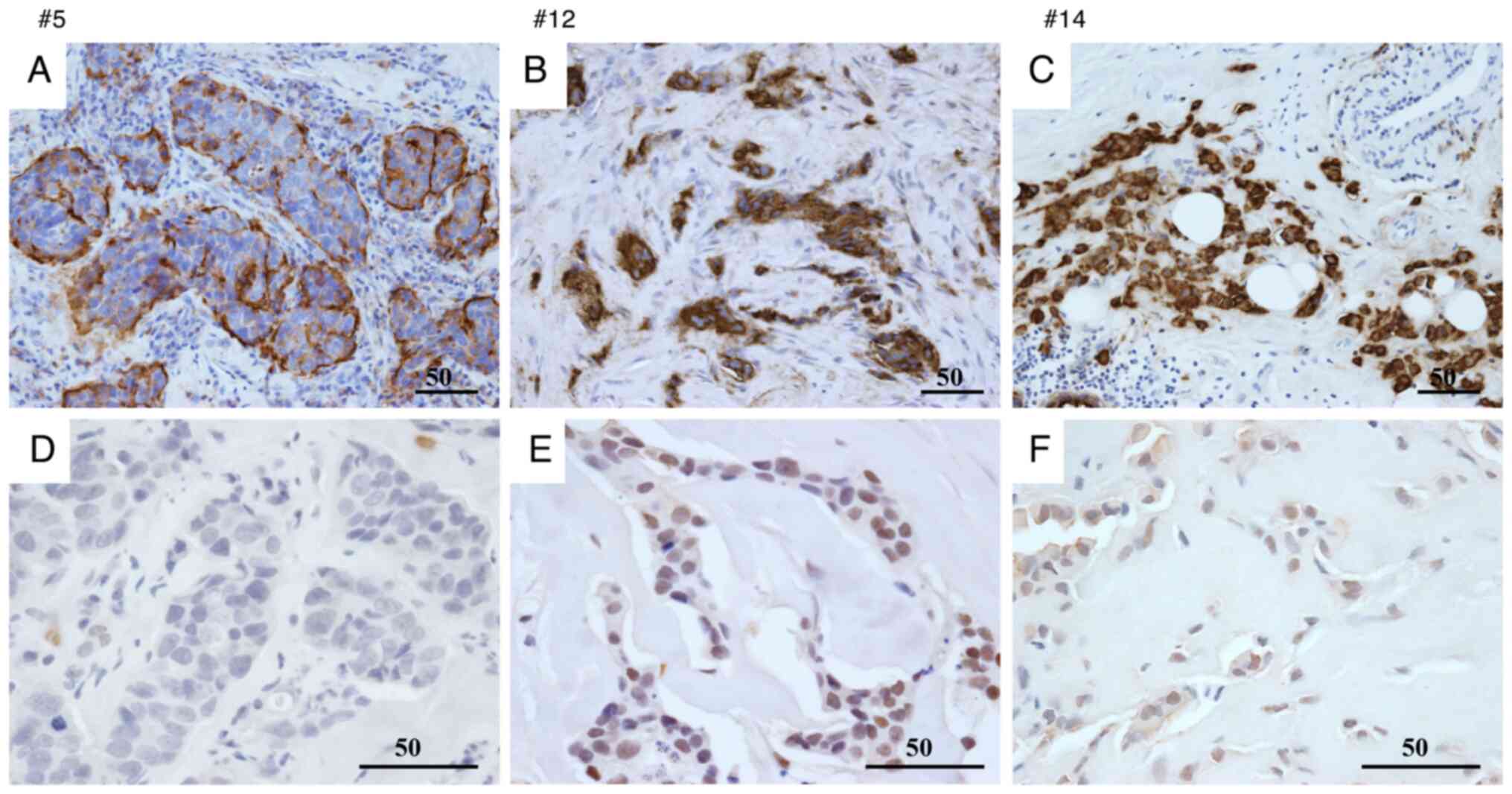
Figure 1

IHC expression of KL-6 and HIF-1α in
breast cancer tissues. (A-F) Representative IHC images showing KL-6
(A-C) and HIF-1α (D-F) expression in tissue samples from patients
5, 12 and 14. Scale bar, 50 µm. IHC, immunohistochemical; KL-6,
Krebs von de Lungen; HIF-1α, hypoxia-inducible factor-1α.

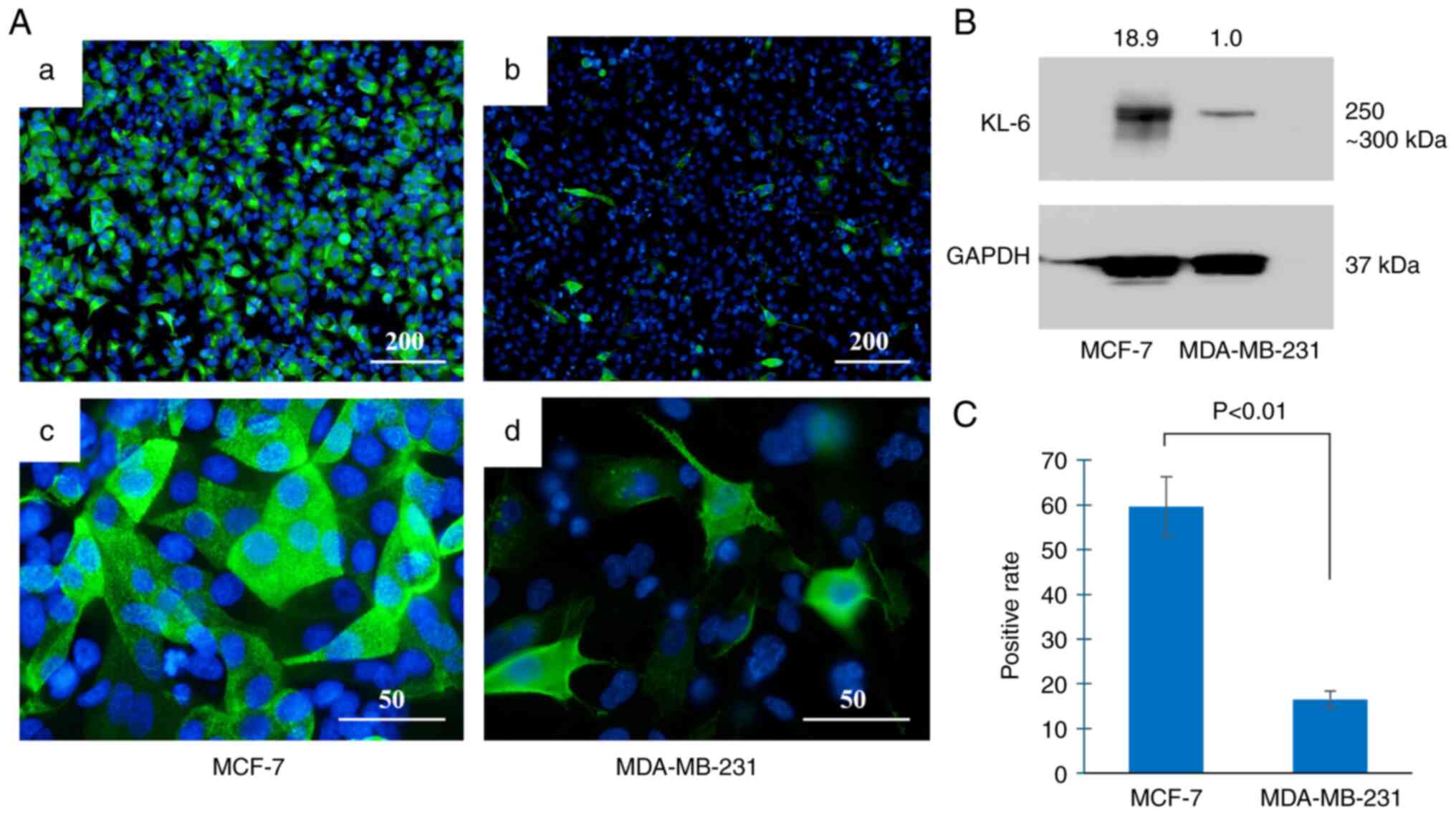
Figure 2

KL-6 expression in breast cancer cell
lines. (A) Immunofluorescence analysis shows that most MCF-7 cells
express KL-6 (a). Only a few MDA-MB-231 cells express KL-6 (b).
KL-6 localization is observed as dot-like signals on the plasma
membrane (c). KL-6 is localized at the membrane edges and cell
protrusions (d). Scale bar, 200 µm (a and b); 50 µm (c and d). (B)
Western blot analysis demonstrates lower KL-6 protein expression in
MDA-MB-231 cells compared with MCF-7 cells. (C) Quantification of
KL-6 positive cells in each cell line. KL-6, Krebs von de
Lungen.

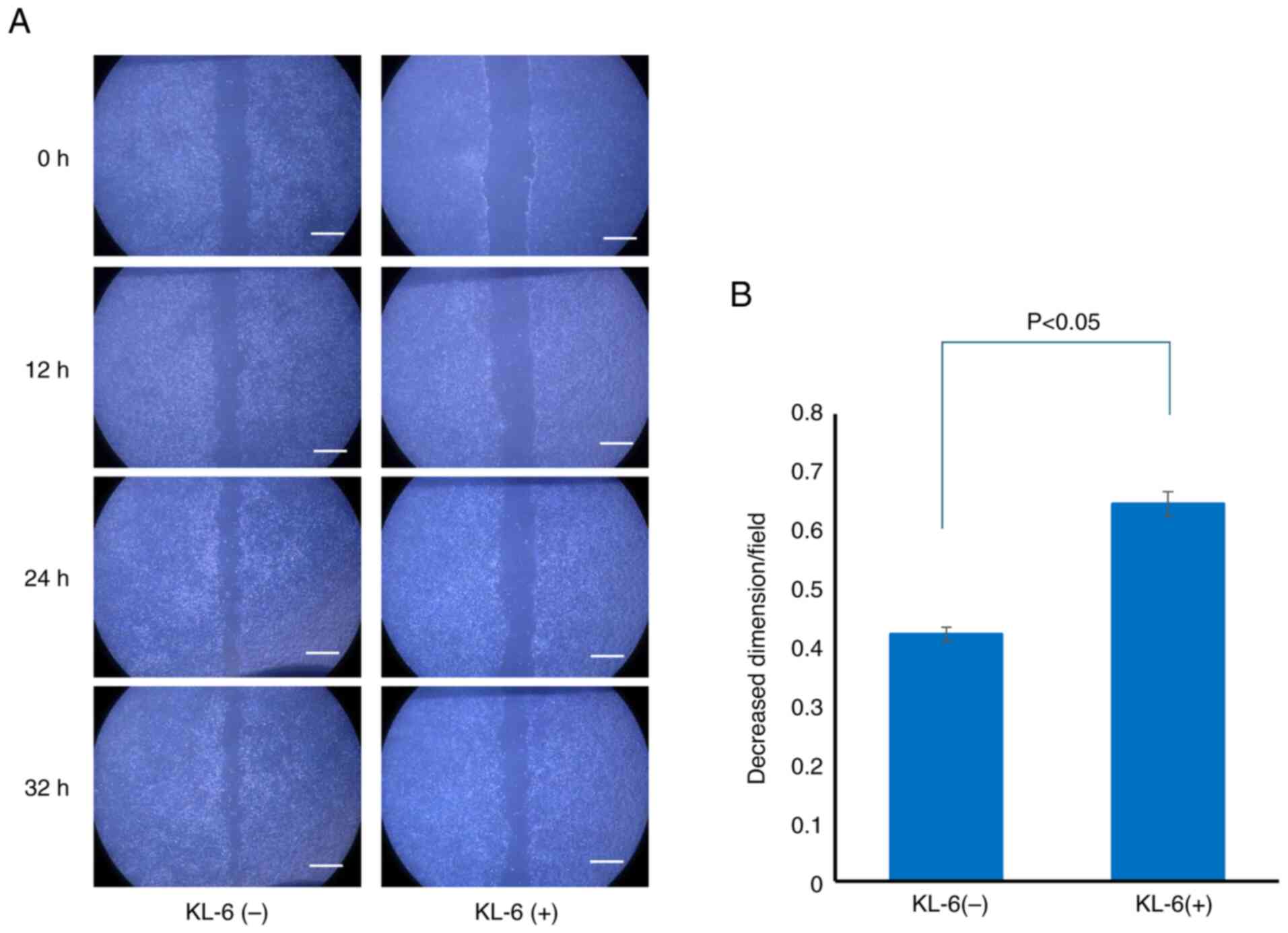
Figure 3

Effect of anti-KL-6 treatment on
MCF-7 cell migration (wound healing assay). (A) Representative
images of wound healing assays showing the impact of anti-KL-6
antibody treatment on MCF-7 cell migration. Scale bar, 500 µm. (B)
Quantitative comparison of relative wound closure areas between
control and anti-KL-6-treated groups. KL-6, Krebs von de
Lungen.

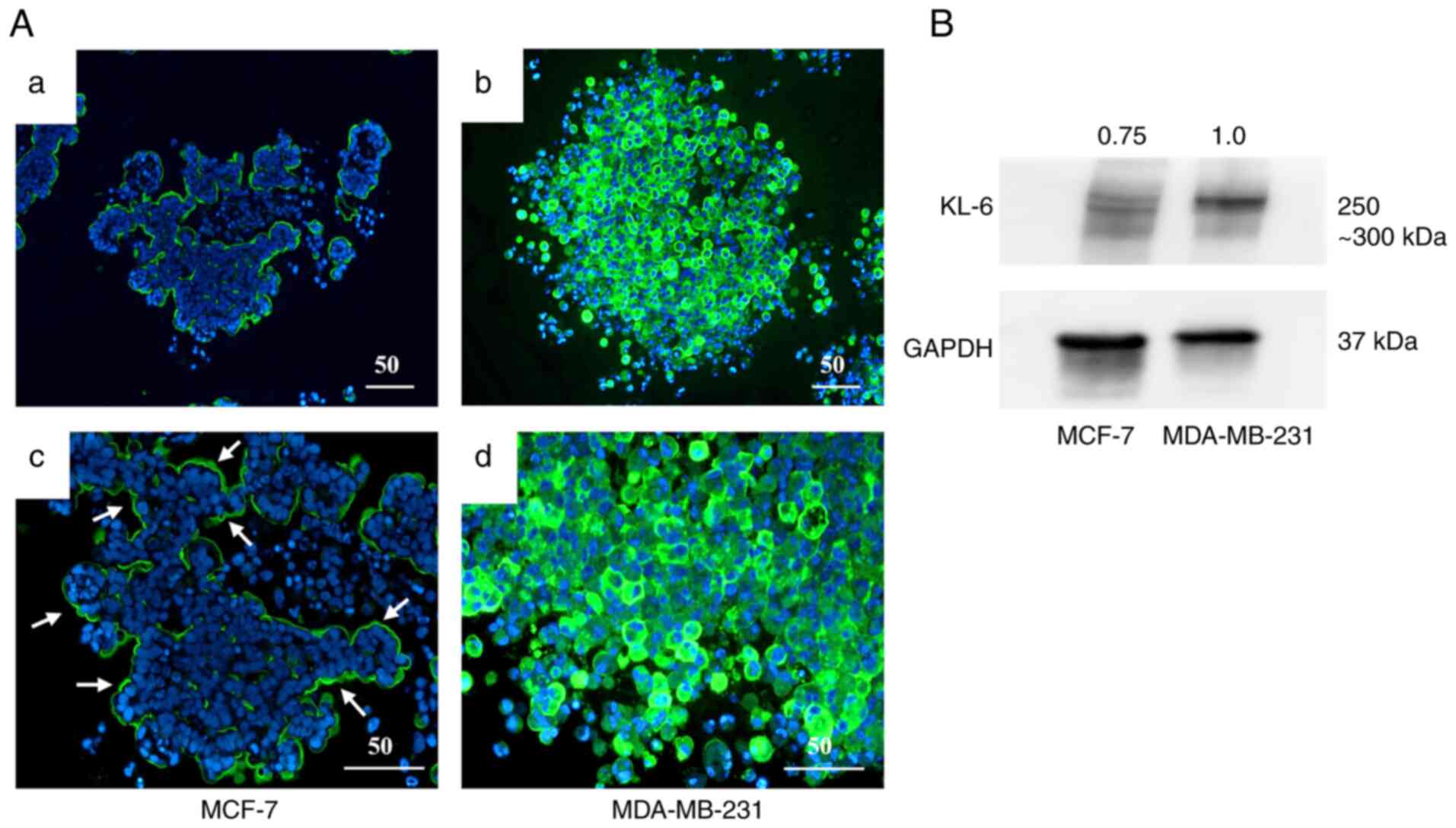
Figure 4

KL-6 expression in breast cancer
spheroids. (A) Immunohistochemical analysis of KL-6 expression in
three-dimensional spheroids. In MCF-7 spheroids, KL-6 is expressed
at the spheroid periphery (a and c), with strong expression
observed peripherally and internally in some spheroids (b and d).
KL-6-positive regions are indicated by arrows. Scale bar, 50 µm.
(B) Western blot analysis revealing higher KL-6 expression in
MDA-MB-231 spheroids compared with MCF-7 spheroids. KL-6, Krebs von
de Lungen.

Figure 5

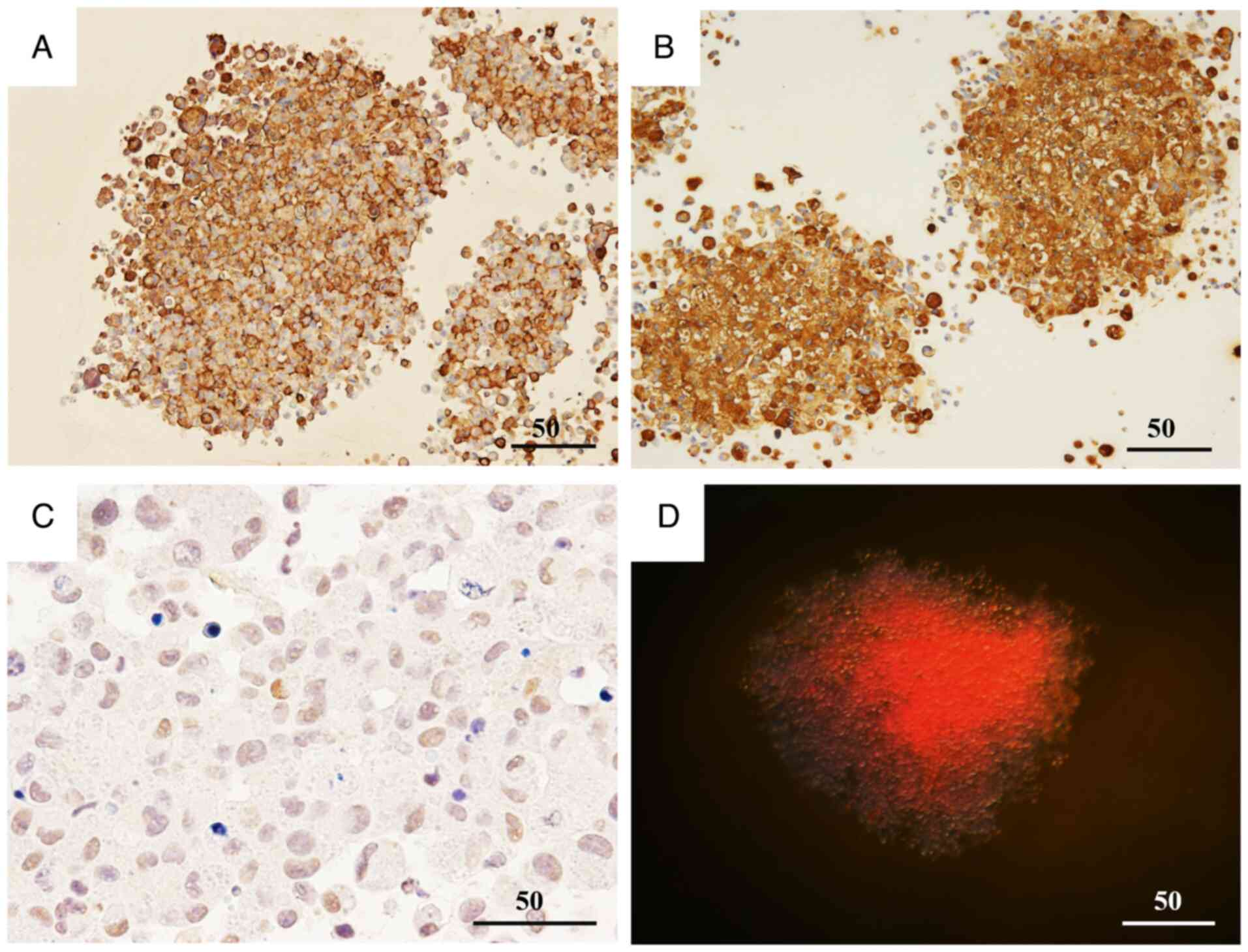
Time-dependent KL-6 expression and
hypoxia in MDA-MB-231 spheroids. (A and B) IHC analysis of KL-6
expression in MDA-MB-231 spheroids at 2 days (A) and 6 days (B)
after seeding, showing a mosaic-like expression pattern at both
time points. (C and D) IHC staining for hypoxia-inducible factor-1α
(C), a hypoxia marker, demonstrates nuclear localization at day 6
(D). Fluorescent hypoxia probe imaging confirms pronounced hypoxia
within the spheroid core at day 6. Scale bar, 50 µm. KL-6, Krebs
von de Lungen; IHC, immunohistochemical.

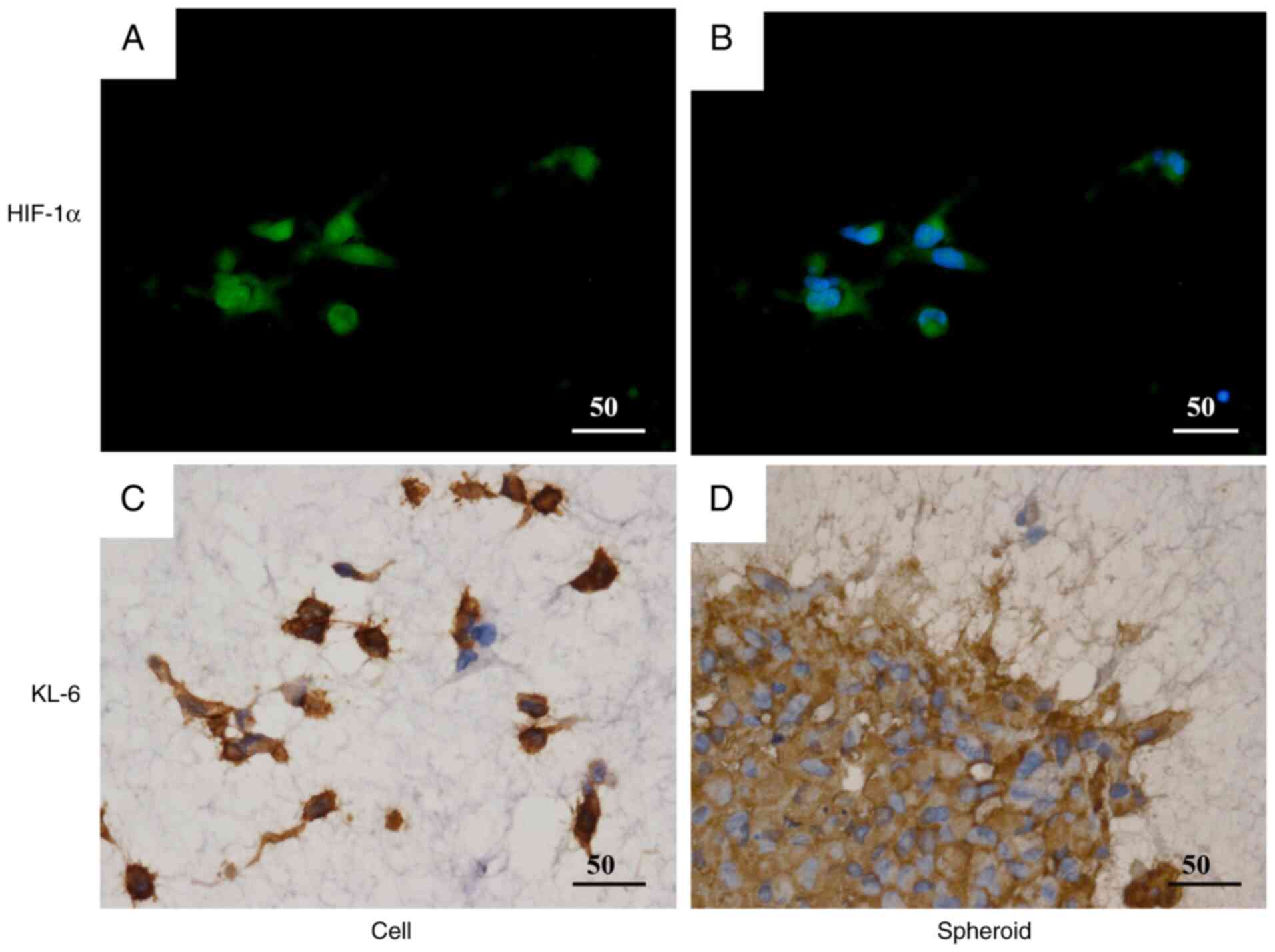
Figure 6

KL-6 expression in MDA-MB-231 cells
and spheroids embedded in the matrix. (A and B) Immunofluorescent
staining shows nuclear hypoxia-inducible factor-1α localization in
most MDA-MB-231 cells within the matrix. Nuclei were counterstained
with 4′,6-diamidino-2-phenylindole. (C and D) KL-6
immunohistochemical staining of MDA-MB-231 cells and spheroids
embedded in the matrix. KL-6 expression is observed on cell
protrusions extending from the spheroids into the surrounding
matrix. Scale bar, 50 µm. KL-6, Krebs von de Lungen.

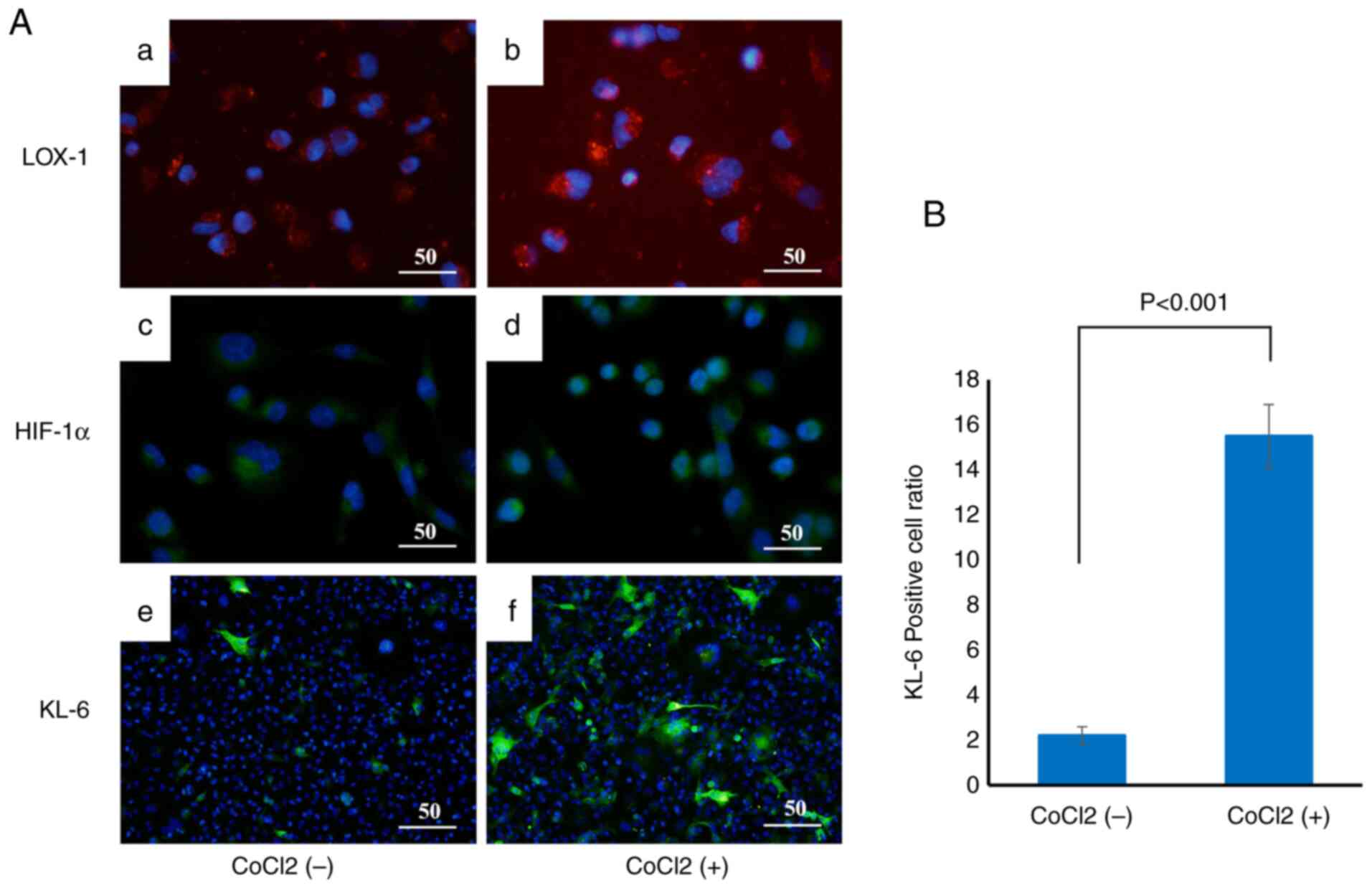
Figure 7

Hypoxia-induced upregulation of KL-6
expression. (A) Changes in hypoxia markers and KL-6 expression in
CoCl2-free (a, c and e) and CoCl2-added (b, d
and f) groups; after 12 h of CoCl2 addition, the
fluorescence intensities of LOX-1 (a and b) and HIF-1α (c and d)
increased, indicating hypoxia. Similarly, KL-6-positive cells were
markedly increased in treated samples (e and f). Scale bar, 50 µm.
(B) Quantification of KL-6-positive cells shows a significant
increase in the CoCl2-treated group compared with the
untreated control group. KL-6, Krebs von de Lungen;
CoCl2, cobalt chloride.

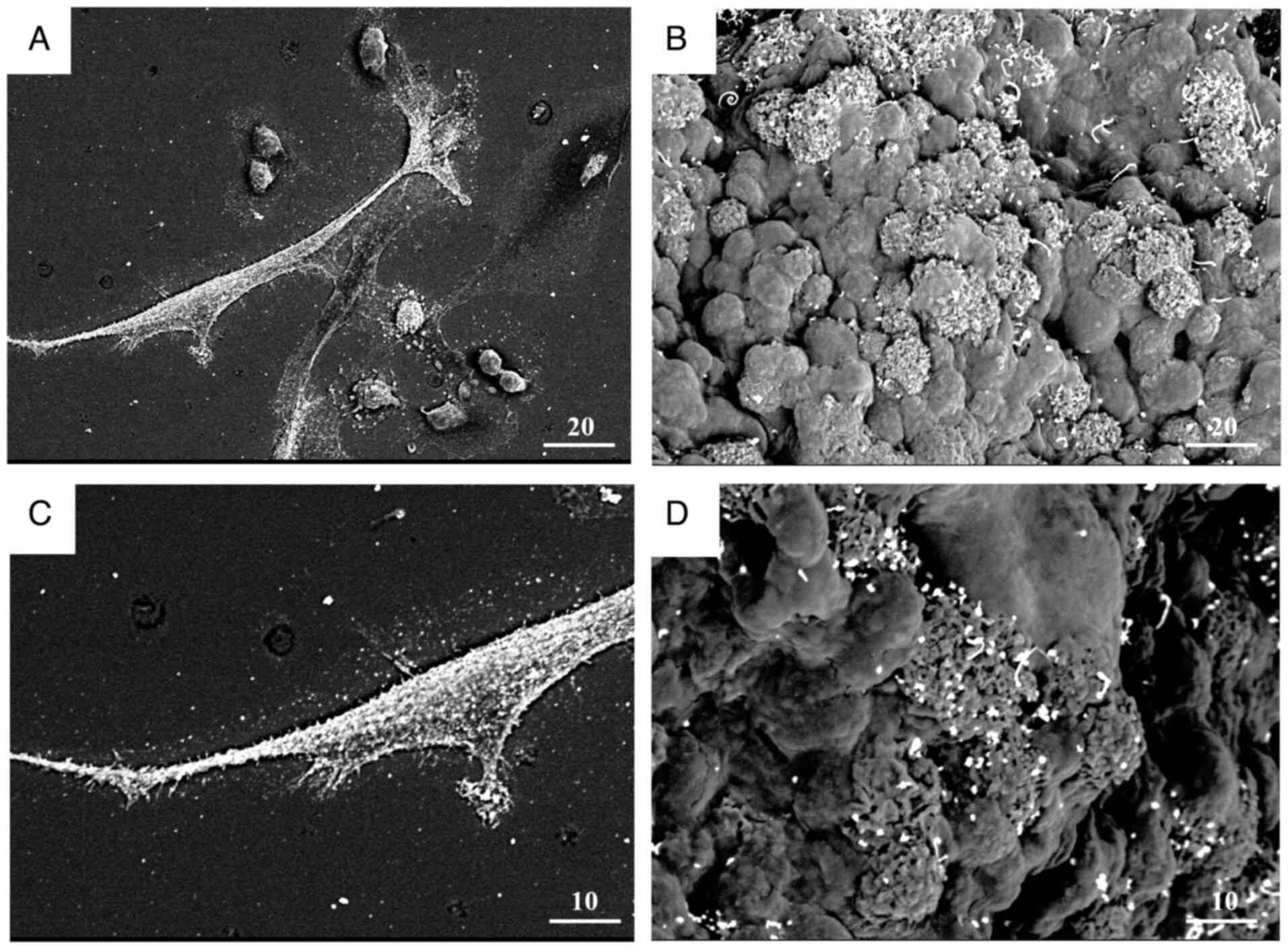
Figure 8

Immunoelectron microscopy of KL-6 in
MDA-MB-231 cells and spheroids. (A-D) KL-6 immunogold labeling of
cells (A and C) and spheroid surfaces (B and D). Positive gold
particles were observed on the cell membrane, in cell protrusions,
and around the cells (C). Positive staining of spheroid and cell
surfaces with cell protrusions (D). Scale bar, 20 µm (A and B) and
10 µm (C and D). KL-6, Krebs von de Lungen.
View References

1 

Bray F, Laversanne M, Sung H, Ferlay J, Siegel RL, Soerjomataram I and Jemal A: Global cancer statistics 2022: GLOBOCAN estimates of incidence and mortality worldwide for 36 cancers in 185 countries. CA Cancer J Clin. 74:229–263. 2024.PubMed/NCBI

2 

Salemme V, Centonze G, Avalle L, Natalini D, Piccolantonio A, Arina P, Morellato A, Ala U, Taverna D, Turco E and Defilippi P: The role of tumor microenvironment in drug resistance: Emerging technologies to unravel breast cancer heterogeneity. Front Oncol. 13:11702642023. View Article : Google Scholar : PubMed/NCBI

3 

Cancer Genome Atlas Network, . Comprehensive molecular portraits of human breast tumours. Nature. 490:61–70. 2012. View Article : Google Scholar : PubMed/NCBI

4 

Mittal S, Brown NJ and Holen I: The breast tumor microenvironment: role in cancer development, progression and response to therapy. Expert Rev Mol Diagn. 18:227–243. 2018. View Article : Google Scholar : PubMed/NCBI

5 

Quail DF and Joyce JA: Microenvironmental regulation of tumor progression and metastasis. Nat Med. 19:1423–1437. 2013. View Article : Google Scholar : PubMed/NCBI

6 

Ogawa Y, Ishikawa T, Ikeda K, Nakata B, Sawada T, Ogisawa K, Kato Y and Hirakawa K: Evaluation of serum KL-6, a mucin-like glycoprotein, as a tumor marker for breast cancer. Clin Cancer Res. 6:4069–4072. 2000.PubMed/NCBI

7 

Ohyabu N, Hinou H, Matsushita T, Izumi R, Shimizu H, Kawamoto K, Numata Y, Togame H, Takemoto H, Kondo H and Nishimura S: An essential epitope of anti-MUC1 monoclonal antibody KL-6 revealed by focused glycopeptide library. J Am Chem Soc. 131:17102–17109. 2009. View Article : Google Scholar : PubMed/NCBI

8 

Xu HL, Zhao X, Zhang KM, Tang W and Kokudo N: Inhibition of KL-6/MUC1 glycosylation limits aggressive progression of pancreatic cancer. World J Gastroenterol. 20:1217–12181. 2014. View Article : Google Scholar

9 

Wong CC, Gilkes DM, Zhang H, Chen J, Wei H, Chaturvedi P, Fraley SI, Wong CM, Khoo US, Ng IO, et al: Hypoxia-inducible factor 1 is a master regulator of breast cancer metastatic niche formation. Proc Natl Acad Sci USA. 108:16369–16374. 2011. View Article : Google Scholar : PubMed/NCBI

10 

Basheeruddin M and Qausain S: Hypoxia-inducible factor 1-alpha (HIF-1alpha) and cancer: Mechanisms of tumor hypoxia and therapeutic targeting. Cureus. 16:e707002024.PubMed/NCBI

11 

Rankin EB, Nam JM and Giaccia AJ: Hypoxia: Signaling the metastatic cascade. Trends Cancer. 2:295–304. 2016. View Article : Google Scholar : PubMed/NCBI

12 

Mikami Y, Hisatsune A, Tashiro T, Isohama Y and Katsuki H: Hypoxia enhances MUC1 expression in a lung adenocarcinoma cell line. Biochem Biophys Res Commun. 379:1060–1065. 2009. View Article : Google Scholar : PubMed/NCBI

13 

Aubert S, Fauquette V, Hémon B, Lepoivre R, Briez N, Bernard D, Van Seuningen I, Leroy X and Perrais M: MUC1, a new hypoxia inducible factor target gene, is an actor in clear renal cell carcinoma tumor progression. Cancer Res. 69:5707–5715. 2009. View Article : Google Scholar : PubMed/NCBI

14 

Godet I, Oza HH, Shi Y, Joe NS, Weinstein AG, Johnson J, Considine M, Talluri S, Zhang J, Xu R, et al: Hypoxia induces ROS-resistant memory upon reoxygenation in vivo promoting metastasis in part via MUC1-C. Nat Commun. 15:84162024. View Article : Google Scholar : PubMed/NCBI

15 

Yamamoto Y, Hayashi Y, Sakaki H and Murakami I: Downregulation of fascin induces collective cell migration in triple-negative breast cancer. Oncol Rep. 50:1502023. View Article : Google Scholar : PubMed/NCBI

16 

Hayashi Y, Yamamoto Y and Murakami I: Micromorphological observation of HLE cells under knockdown of fascin using LV-SEM. Med Mol Morphol. 56:257–265. 2023. View Article : Google Scholar : PubMed/NCBI

17 

Isert L, Mehta A, Loiudice G, Oliva A, Roidl A and Merkel OM: An in vitro approach to model emt in breast cancer. Int J Mol Sci. 24:77572023. View Article : Google Scholar : PubMed/NCBI

18 

Liu CY, Lin HH, Tang MJ and Wang YK: Vimentin contributes to epithelial-mesenchymal transition cancer cell mechanics by mediating cytoskeletal organization and focal adhesion maturation. Oncotarget. 6:15966–15983. 2015. View Article : Google Scholar : PubMed/NCBI

19 

Gest C, Joimel U, Huang L, Pritchard LL, Petit A, Dulong C, Buquet C, Hu CQ, Mirshahi P, Laurent M, et al: Rac3 induces a molecular pathway triggering breast cancer cell aggressiveness: differences in MDA-MB-231 and MCF-7 breast cancer cell lines. BMC Cancer. 13:632013. View Article : Google Scholar : PubMed/NCBI

20 

Nguyen CH, Senfter D, Basilio J, Holzner S, Stadler S, Krieger S, Huttary N, Milovanovic D, Viola K, Simonitsch-Klupp I, et al: NF-κB contributes to MMP1 expression in breast cancer spheroids causing paracrine PAR1 activation and disintegrations in the lymph endothelial barrier in vitro. Oncotarget. 6:39262–39275. 2015. View Article : Google Scholar : PubMed/NCBI

21 

Li H, Qiu Z, Li F and Wang C: The relationship between MMP-2 and MMP-9 expression levels with breast cancer incidence and prognosis. Oncol Lett. 14:5865–5870. 2017.PubMed/NCBI

22 

Dobie C and Skropeta D: Insights into the role of sialylation in cancer progression and metastasis. Br J Cancer. 124:76–90. 2021. View Article : Google Scholar : PubMed/NCBI

23 

Julien S, Lagadec C, Krzewinski-Recchi MA, Courtand G, Le Bourhis X and Delannoy P: Stable expression of sialyl-Tn antigen in T47-D cells induces a decrease of cell adhesion and an increase of cell migration. Breast Cancer Res Treat. 90:77–84. 2005. View Article : Google Scholar : PubMed/NCBI

24 

Zhou X, Chi K, Zhang C, Liu Q and Yang G: Sialylation: A cloak for tumors to trick the immune system in the microenvironment. Biology (Basel). 12:8322023.PubMed/NCBI

25 

Tian X, Wang W, Zhang Q, Zhao L, Wei J, Xing H, Song Y, Wang S, Ma D, Meng L and Chen G: Hypoxia-inducible factor-1α enhances the malignant phenotype of multicellular spheroid HeLa cells in vitro. Oncol Lett. 1:893–897. 2010. View Article : Google Scholar : PubMed/NCBI

26 

Koike T, Kimura N, Miyazaki K, Yabuta T, Kumamoto K, Takenoshita S, Chen J, Kobayashi M, Hosokawa M, Taniguchi A, et al: Hypoxia induces adhesion molecules on cancer cells: a missing link between Warburg effect and induction of selectin-ligand carbohydrates. Proc Natl Acad Sci USA. 101:8132–8137. 2004. View Article : Google Scholar : PubMed/NCBI

27 

Arriagada C, Silva P and Torres VA: Role of glycosylation in hypoxia-driven cell migration and invasion. Cell Adh Migr. 13:13–22. 2019. View Article : Google Scholar : PubMed/NCBI

28 

Goudarzi H, Iizasa H, Furuhashi M, Nakazawa S, Nakane R, Liang S, Hida Y, Yanagihara K, Kubo T, Nakagawa K, et al: Enhancement of in vitro cell motility and invasiveness of human malignant pleural mesothelioma cells through the HIF-1α-MUC1 pathway. Cancer Lett. 339:82–92. 2013. View Article : Google Scholar : PubMed/NCBI

29 

Habeeb IF, Alao TE, Delgado D and Buffone A Jr: When a negative (charge) is not a positive: Sialylation and its role in cancer mechanics and progression. Front Oncol. 14:14873062024. View Article : Google Scholar : PubMed/NCBI

30 

Shen L, Luo Z, Wu J, Qiu L, Luo M, Ke Q and Dong X: Enhanced expression of α2,3-linked sialic acids promotes gastric cancer cell metastasis and correlates with poor prognosis. Int J Oncol. 50:1201–1210. 2017. View Article : Google Scholar : PubMed/NCBI

31 

Wu X, Zhao J, Ruan Y, Sun L, Xu C and Jiang H: Sialyltransferase ST3GAL1 promotes cell migration, invasion, and TGF-β1-induced EMT and confers paclitaxel resistance in ovarian cancer. Cell Death Dis. 9:11022018. View Article : Google Scholar : PubMed/NCBI

32 

Pietrobono S, Anichini G, Sala C, Manetti F, Almada LL, Pepe S, Carr RM, Paradise BD, Sarkaria JN, Davila JI, et al: ST3GAL1 is a target of the SOX2-GLI1 transcriptional complex and promotes melanoma metastasis through AXL. Nat Commun. 11:58652020. View Article : Google Scholar : PubMed/NCBI

Related Articles

  • Abstract
  • View
  • Download
  • Twitter
Copy and paste a formatted citation
Spandidos Publications style
Ichihara T, Hayashi Y, Sato T, Iguchi M, Toi M, Satake H and Murakami I: Hypoxia‑mediated Krebs von den Lungen‑6 expression in breast cancer: Implications for tumor invasion and metastasis. Oncol Rep 55: 35, 2026.
APA
Ichihara, T., Hayashi, Y., Sato, T., Iguchi, M., Toi, M., Satake, H., & Murakami, I. (2026). Hypoxia‑mediated Krebs von den Lungen‑6 expression in breast cancer: Implications for tumor invasion and metastasis. Oncology Reports, 55, 35. https://doi.org/10.3892/or.2025.9040
MLA
Ichihara, T., Hayashi, Y., Sato, T., Iguchi, M., Toi, M., Satake, H., Murakami, I."Hypoxia‑mediated Krebs von den Lungen‑6 expression in breast cancer: Implications for tumor invasion and metastasis". Oncology Reports 55.2 (2026): 35.
Chicago
Ichihara, T., Hayashi, Y., Sato, T., Iguchi, M., Toi, M., Satake, H., Murakami, I."Hypoxia‑mediated Krebs von den Lungen‑6 expression in breast cancer: Implications for tumor invasion and metastasis". Oncology Reports 55, no. 2 (2026): 35. https://doi.org/10.3892/or.2025.9040
Copy and paste a formatted citation
x
Spandidos Publications style
Ichihara T, Hayashi Y, Sato T, Iguchi M, Toi M, Satake H and Murakami I: Hypoxia‑mediated Krebs von den Lungen‑6 expression in breast cancer: Implications for tumor invasion and metastasis. Oncol Rep 55: 35, 2026.
APA
Ichihara, T., Hayashi, Y., Sato, T., Iguchi, M., Toi, M., Satake, H., & Murakami, I. (2026). Hypoxia‑mediated Krebs von den Lungen‑6 expression in breast cancer: Implications for tumor invasion and metastasis. Oncology Reports, 55, 35. https://doi.org/10.3892/or.2025.9040
MLA
Ichihara, T., Hayashi, Y., Sato, T., Iguchi, M., Toi, M., Satake, H., Murakami, I."Hypoxia‑mediated Krebs von den Lungen‑6 expression in breast cancer: Implications for tumor invasion and metastasis". Oncology Reports 55.2 (2026): 35.
Chicago
Ichihara, T., Hayashi, Y., Sato, T., Iguchi, M., Toi, M., Satake, H., Murakami, I."Hypoxia‑mediated Krebs von den Lungen‑6 expression in breast cancer: Implications for tumor invasion and metastasis". Oncology Reports 55, no. 2 (2026): 35. https://doi.org/10.3892/or.2025.9040
Follow us
  • Twitter
  • LinkedIn
  • Facebook
About
  • Spandidos Publications
  • Careers
  • Cookie Policy
  • Privacy Policy
How can we help?
  • Help
  • Live Chat
  • Contact
  • Email to our Support Team