Spandidos Publications Logo
  • About
    • About Spandidos
    • Aims and Scopes
    • Abstracting and Indexing
    • Editorial Policies
    • Reprints and Permissions
    • Job Opportunities
    • Terms and Conditions
    • Contact
  • Journals
    • All Journals
    • Oncology Letters
      • Oncology Letters
      • Information for Authors
      • Editorial Policies
      • Editorial Board
      • Aims and Scope
      • Abstracting and Indexing
      • Bibliographic Information
      • Archive
    • International Journal of Oncology
      • International Journal of Oncology
      • Information for Authors
      • Editorial Policies
      • Editorial Board
      • Aims and Scope
      • Abstracting and Indexing
      • Bibliographic Information
      • Archive
    • Molecular and Clinical Oncology
      • Molecular and Clinical Oncology
      • Information for Authors
      • Editorial Policies
      • Editorial Board
      • Aims and Scope
      • Abstracting and Indexing
      • Bibliographic Information
      • Archive
    • Experimental and Therapeutic Medicine
      • Experimental and Therapeutic Medicine
      • Information for Authors
      • Editorial Policies
      • Editorial Board
      • Aims and Scope
      • Abstracting and Indexing
      • Bibliographic Information
      • Archive
    • International Journal of Molecular Medicine
      • International Journal of Molecular Medicine
      • Information for Authors
      • Editorial Policies
      • Editorial Board
      • Aims and Scope
      • Abstracting and Indexing
      • Bibliographic Information
      • Archive
    • Biomedical Reports
      • Biomedical Reports
      • Information for Authors
      • Editorial Policies
      • Editorial Board
      • Aims and Scope
      • Abstracting and Indexing
      • Bibliographic Information
      • Archive
    • Oncology Reports
      • Oncology Reports
      • Information for Authors
      • Editorial Policies
      • Editorial Board
      • Aims and Scope
      • Abstracting and Indexing
      • Bibliographic Information
      • Archive
    • Molecular Medicine Reports
      • Molecular Medicine Reports
      • Information for Authors
      • Editorial Policies
      • Editorial Board
      • Aims and Scope
      • Abstracting and Indexing
      • Bibliographic Information
      • Archive
    • World Academy of Sciences Journal
      • World Academy of Sciences Journal
      • Information for Authors
      • Editorial Policies
      • Editorial Board
      • Aims and Scope
      • Abstracting and Indexing
      • Bibliographic Information
      • Archive
    • International Journal of Functional Nutrition
      • International Journal of Functional Nutrition
      • Information for Authors
      • Editorial Policies
      • Editorial Board
      • Aims and Scope
      • Abstracting and Indexing
      • Bibliographic Information
      • Archive
    • International Journal of Epigenetics
      • International Journal of Epigenetics
      • Information for Authors
      • Editorial Policies
      • Editorial Board
      • Aims and Scope
      • Abstracting and Indexing
      • Bibliographic Information
      • Archive
    • Medicine International
      • Medicine International
      • Information for Authors
      • Editorial Policies
      • Editorial Board
      • Aims and Scope
      • Abstracting and Indexing
      • Bibliographic Information
      • Archive
  • Articles
  • Information
    • Information for Authors
    • Information for Reviewers
    • Information for Librarians
    • Information for Advertisers
    • Conferences
  • Language Editing
Spandidos Publications Logo
  • About
    • About Spandidos
    • Aims and Scopes
    • Abstracting and Indexing
    • Editorial Policies
    • Reprints and Permissions
    • Job Opportunities
    • Terms and Conditions
    • Contact
  • Journals
    • All Journals
    • Biomedical Reports
      • Information for Authors
      • Editorial Policies
      • Editorial Board
      • Aims and Scope
      • Abstracting and Indexing
      • Bibliographic Information
      • Archive
    • Experimental and Therapeutic Medicine
      • Information for Authors
      • Editorial Policies
      • Editorial Board
      • Aims and Scope
      • Abstracting and Indexing
      • Bibliographic Information
      • Archive
    • International Journal of Epigenetics
      • Information for Authors
      • Editorial Policies
      • Editorial Board
      • Aims and Scope
      • Abstracting and Indexing
      • Bibliographic Information
      • Archive
    • International Journal of Functional Nutrition
      • Information for Authors
      • Editorial Policies
      • Editorial Board
      • Aims and Scope
      • Abstracting and Indexing
      • Bibliographic Information
      • Archive
    • International Journal of Molecular Medicine
      • Information for Authors
      • Editorial Policies
      • Editorial Board
      • Aims and Scope
      • Abstracting and Indexing
      • Bibliographic Information
      • Archive
    • International Journal of Oncology
      • Information for Authors
      • Editorial Policies
      • Editorial Board
      • Aims and Scope
      • Abstracting and Indexing
      • Bibliographic Information
      • Archive
    • Medicine International
      • Information for Authors
      • Editorial Policies
      • Editorial Board
      • Aims and Scope
      • Abstracting and Indexing
      • Bibliographic Information
      • Archive
    • Molecular and Clinical Oncology
      • Information for Authors
      • Editorial Policies
      • Editorial Board
      • Aims and Scope
      • Abstracting and Indexing
      • Bibliographic Information
      • Archive
    • Molecular Medicine Reports
      • Information for Authors
      • Editorial Policies
      • Editorial Board
      • Aims and Scope
      • Abstracting and Indexing
      • Bibliographic Information
      • Archive
    • Oncology Letters
      • Information for Authors
      • Editorial Policies
      • Editorial Board
      • Aims and Scope
      • Abstracting and Indexing
      • Bibliographic Information
      • Archive
    • Oncology Reports
      • Information for Authors
      • Editorial Policies
      • Editorial Board
      • Aims and Scope
      • Abstracting and Indexing
      • Bibliographic Information
      • Archive
    • World Academy of Sciences Journal
      • Information for Authors
      • Editorial Policies
      • Editorial Board
      • Aims and Scope
      • Abstracting and Indexing
      • Bibliographic Information
      • Archive
  • Articles
  • Information
    • For Authors
    • For Reviewers
    • For Librarians
    • For Advertisers
    • Conferences
  • Language Editing
Login Register Submit
  • This site uses cookies
  • You can change your cookie settings at any time by following the instructions in our Cookie Policy. To find out more, you may read our Privacy Policy.

    I agree
Search articles by DOI, keyword, author or affiliation
Search
Advanced Search
presentation
Oncology Reports
Join Editorial Board Propose a Special Issue
Print ISSN: 1021-335X Online ISSN: 1791-2431
Journal Cover
February-2026 Volume 55 Issue 2

Full Size Image

Sign up for eToc alerts
Recommend to Library

Journals

International Journal of Molecular Medicine

International Journal of Molecular Medicine

International Journal of Molecular Medicine is an international journal devoted to molecular mechanisms of human disease.

International Journal of Oncology

International Journal of Oncology

International Journal of Oncology is an international journal devoted to oncology research and cancer treatment.

Molecular Medicine Reports

Molecular Medicine Reports

Covers molecular medicine topics such as pharmacology, pathology, genetics, neuroscience, infectious diseases, molecular cardiology, and molecular surgery.

Oncology Reports

Oncology Reports

Oncology Reports is an international journal devoted to fundamental and applied research in Oncology.

Experimental and Therapeutic Medicine

Experimental and Therapeutic Medicine

Experimental and Therapeutic Medicine is an international journal devoted to laboratory and clinical medicine.

Oncology Letters

Oncology Letters

Oncology Letters is an international journal devoted to Experimental and Clinical Oncology.

Biomedical Reports

Biomedical Reports

Explores a wide range of biological and medical fields, including pharmacology, genetics, microbiology, neuroscience, and molecular cardiology.

Molecular and Clinical Oncology

Molecular and Clinical Oncology

International journal addressing all aspects of oncology research, from tumorigenesis and oncogenes to chemotherapy and metastasis.

World Academy of Sciences Journal

World Academy of Sciences Journal

Multidisciplinary open-access journal spanning biochemistry, genetics, neuroscience, environmental health, and synthetic biology.

International Journal of Functional Nutrition

International Journal of Functional Nutrition

Open-access journal combining biochemistry, pharmacology, immunology, and genetics to advance health through functional nutrition.

International Journal of Epigenetics

International Journal of Epigenetics

Publishes open-access research on using epigenetics to advance understanding and treatment of human disease.

Medicine International

Medicine International

An International Open Access Journal Devoted to General Medicine.

Journal Cover
February-2026 Volume 55 Issue 2

Full Size Image

Sign up for eToc alerts
Recommend to Library

  • Article
  • Citations
    • Cite This Article
    • Download Citation
    • Create Citation Alert
    • Remove Citation Alert
    • Cited By
  • Similar Articles
    • Related Articles (in Spandidos Publications)
    • Similar Articles (Google Scholar)
    • Similar Articles (PubMed)
  • Download PDF
  • Download XML
  • View XML

  • Supplementary Files
    • Supplementary_Data1.xlsx
    • Supplementary_Data2.xlsx
    • Supplementary_Data3.xlsx
    • Supplementary_Data4.xlsx
    • Supplementary_Data5.xlsx
    • Supplementary_Data6.xlsx
    • Supplementary_Data7.xlsx
    • Supplementary_Data8.xlsx
    • Supplementary_Data9.xlsx
Article Open Access

Exploring the role of disulfidptosis‑related signatures in immune microenvironment, prognosis and therapeutic strategies of cholangiocarcinoma

  • Authors:
    • Yue Chen
    • Jun Wu
    • Danxia Zhu
    • Lu Jiang
    • Jian Wang
    • Dachuan Zhang
    • Wenting He
  • View Affiliations / Copyright

    Affiliations: Department of Oncology, The Third Affiliated Hospital of Soochow University, Changzhou, Jiangsu 213003, P.R. China, Department of Pathology, The Third Affiliated Hospital of Soochow University, Changzhou, Jiangsu 213003, P.R. China
    Copyright: © Chen et al. This is an open access article distributed under the terms of Creative Commons Attribution License.
  • Article Number: 37
    |
    Published online on: January 2, 2026
       https://doi.org/10.3892/or.2026.9042
  • Expand metrics +
Metrics: Total Views: 0 (Spandidos Publications: | PMC Statistics: )
Metrics: Total PDF Downloads: 0 (Spandidos Publications: | PMC Statistics: )
Cited By (CrossRef): 0 citations Loading Articles...

This article is mentioned in:


Abstract

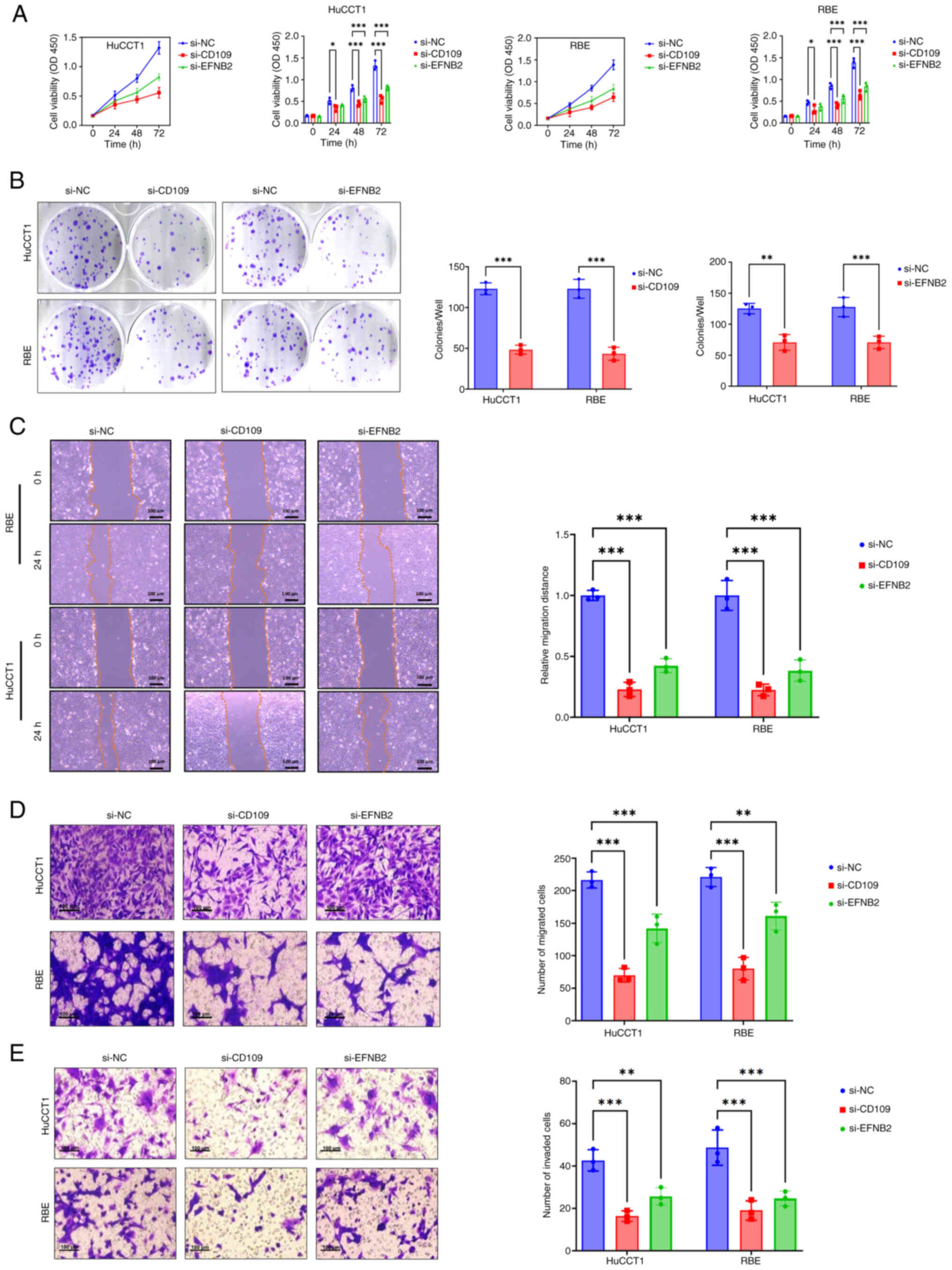
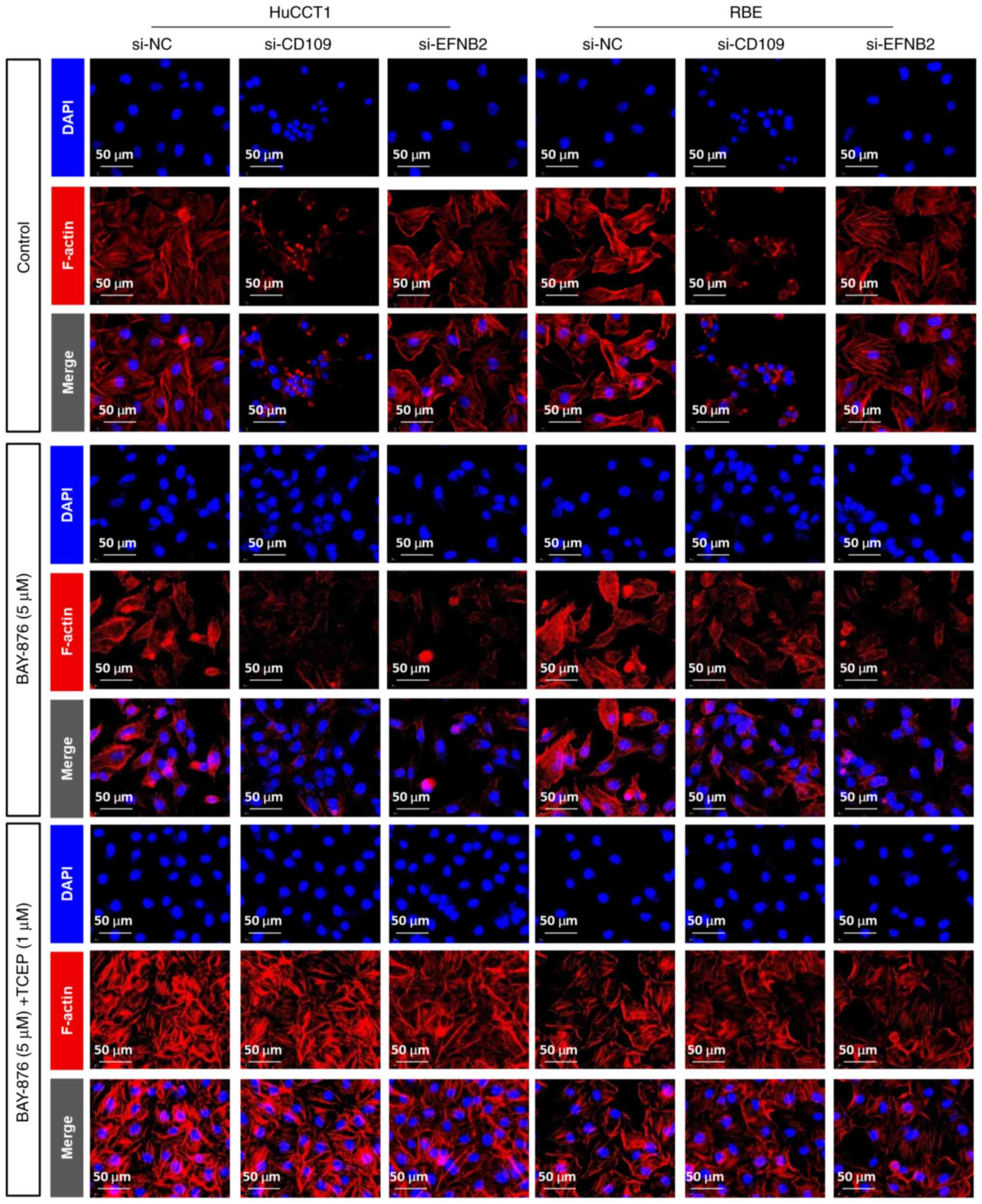
Cholangiocarcinoma (CCA) is an aggressive malignancy with poor prognosis and a limited number of treatments is available. Disulfidptosis, a newly identified form of cell death triggered by disulfide bond accumulation during glucose deprivation, may influence cancer progression but its role in CCA is poorly understood. The present study investigated disulfidptosis‑related genes (DRGs) and their impact on CCA prognosis and immune modulation. Differential expression analysis of 100 DRGs using RNA sequencing data from The Cancer Genome Atlas and EMBL‑EBI identified 74 dysregulated genes in CCA. Unsupervised clustering stratified patients with CCA into two distinct subtypes (Subs): i) SubA; and ii) SubB. A four‑gene prognostic signature was developed using least absolute shrinkage and selection operator regression and validated via Kaplan‑Meier survival analysis and receiver operating characteristic curves. Immune infiltration and tumor microenvironment were evaluated using Cell‑type Identification by Estimating Relative Subsets of RNA Transcripts, Estimation of Stromal and Immune cells in Malignant Tumor tissues using Expression data and single‑sample Gene Set Enrichment Analysis. Functional assays, including small interfering RNA knockdown of CD109 and EFNB2 in CCA cell lines were used to investigate proliferation, migration, invasion and F‑actin staining. Results showed SubB, associated with higher disulfidptosis activity, had worse prognosis, increased immune cell infiltration and elevated immune checkpoint gene expression. The four‑gene signature effectively stratified patients into risk groups. Knockdown of CD109 and EFNB2 significantly suppressed CCA cell proliferation, migration and invasion while it promoted disulfidptosis under glucose deprivation. The present study established an association between DRGs and CCA prognosis/immune dynamics, provided a robust four‑gene prognostic signature, and identified CD109 and EFNB2 as potential therapeutic targets, positioning disulfidptosis as a promising focus for precision medicine in CCA.
View Figures

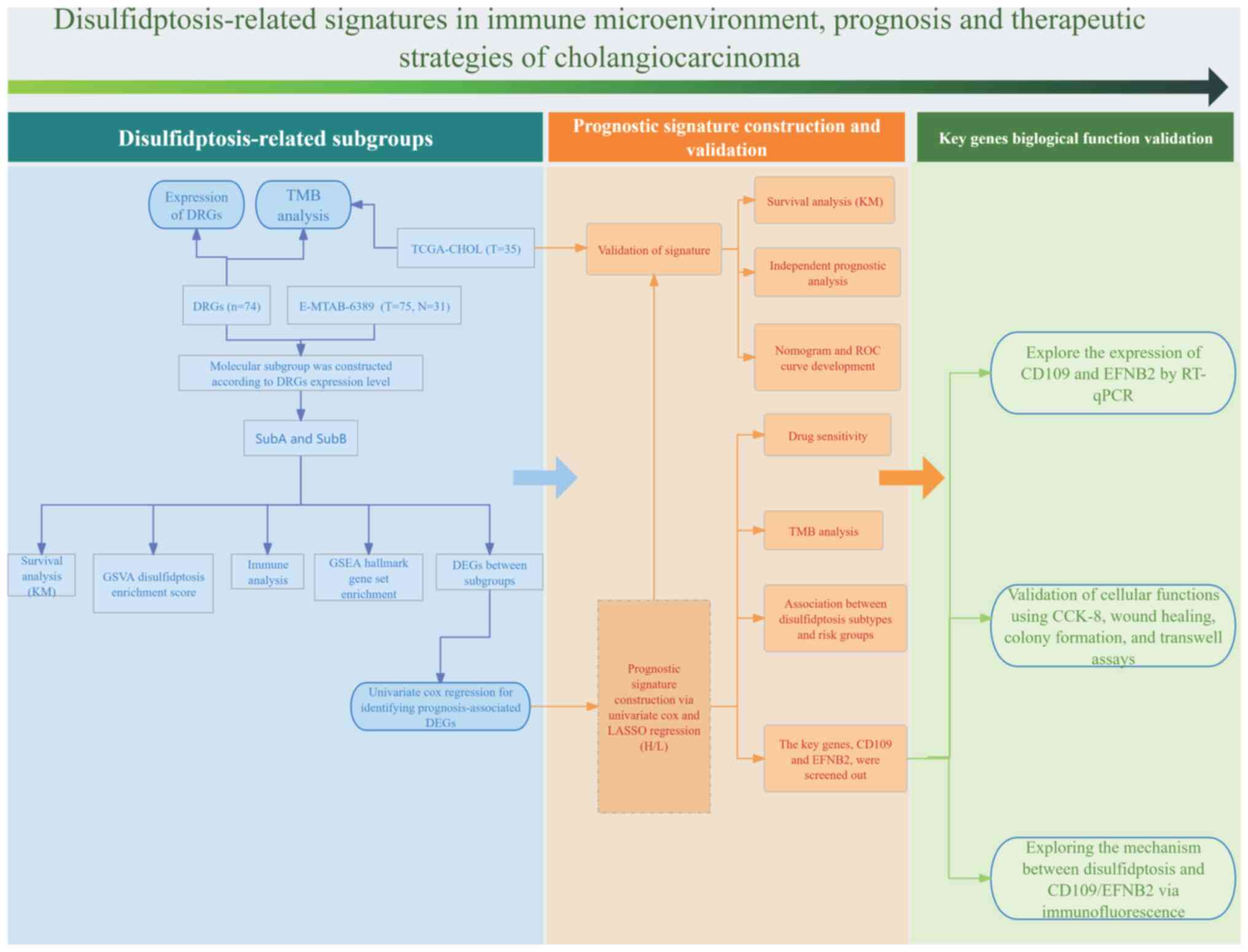
Figure 1

Flow chart for the present study
analysis. DRGs (n=74) expression was assessed in the E-MTAB-6389
cohort (T=75, N=31), dividing patients into SubA and SubB based on
DRG levels. Molecular subtyping was followed by survival analysis
(KM), GSVA enrichment score, immune analysis and GSEA hallmark
enrichment. Prognosis-related DEGs were identified and used to
build a signature via univariate Cox and LASSO regression,
validated in the TCGA-CHOL cohort (T=35) with KM survival,
independent prognostic, nomogram, ROC, drug sensitivity and TMB
analyses. Disulfidptosis subtypes and risk groups were explored,
highlighting CD109 and EFNB2, validated by RT-qPCR and functional
assays. The disulfidptosis-CD109/EFNB2 mechanism was investigated
via immunofluorescence. DRGs, disulfidptosis-related genes; TCGA,
The Cancer Genome Atlas; GSVA, gene set variation analysis; GSEA,
Gene Set Enrichment Analysis; LASSO, least absolute shrinkage and
selection operator; KM, Kaplan-Meier; ROC, receiver operating
characteristic; TMB, tumor mutational burden; RT-qPCR, real-time
quantitative polymerase chain reaction; CCK-8, Cell Counting Kit-8;
TCGA-CHOL, cholangiocarcinoma cohort from The Cancer Genome Atlas
database; T, tumor; N, normal.

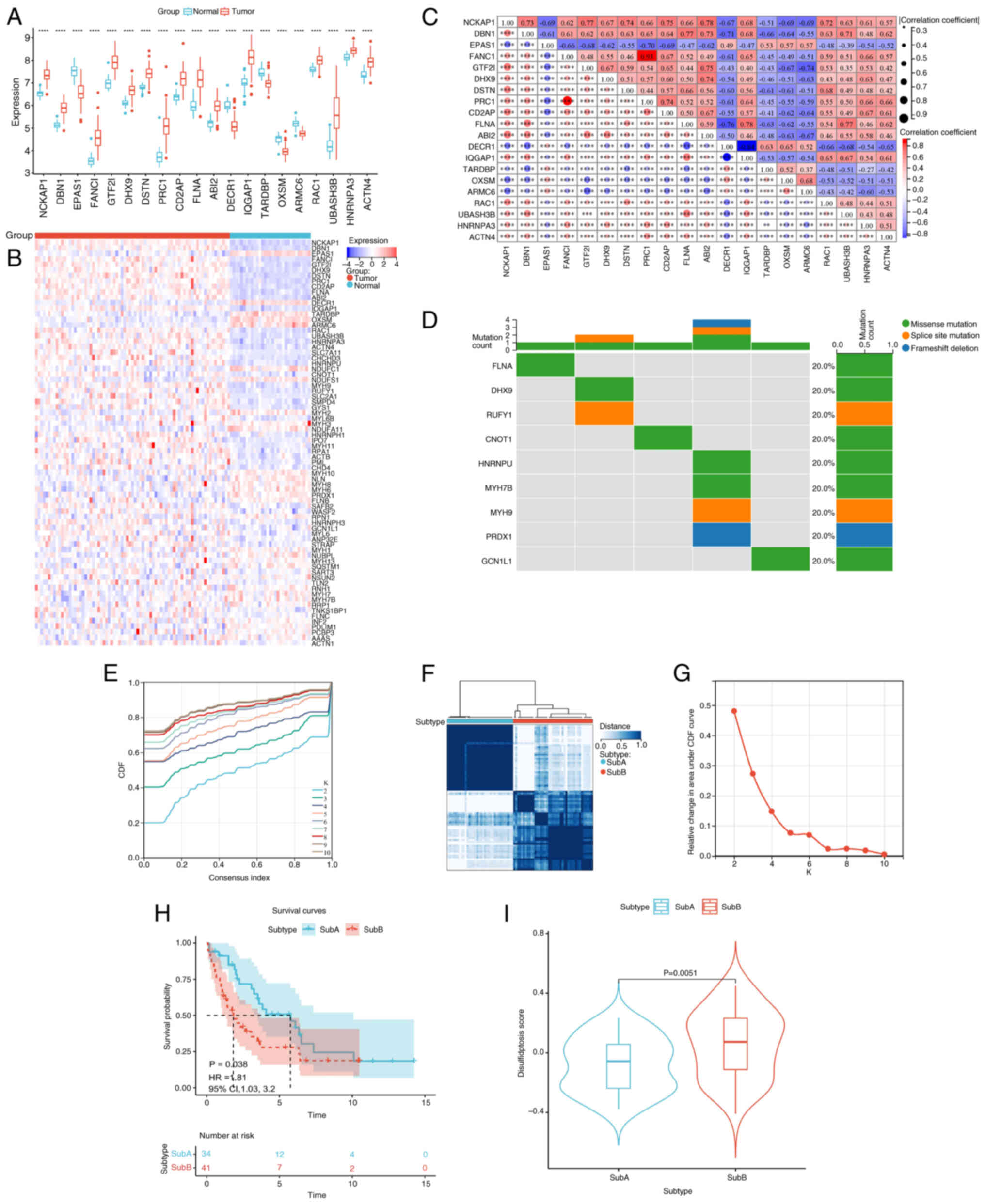
Figure 2

Disulfidptosis-regulated clusters and
characteristics in cholangiocarcinoma. (A) Box plots of the top 20
differentially expressed DRGs in cholangiocarcinoma vs. normal
samples; (B) heatmap of 74 DRGs in cholangiocarcinoma; (C)
correlation matrix heatmap of the top 20 DRGs; (D) waterfall plot
of mutations in 74 DRGs; (E) CDF curves for consensus clustering
(k=2-10); (F) consensus matrix heatmap at k=2; (G) relative change
in CDF Δ area for k values; (H) Kaplan-Meier survival curves for
two molecular subtypes (P=0.038; HR=1.81; 95% CI, 1.03–3.2); (I)
Violin plots of pathway enrichment score differences between
subtypes. ***P<0.001, ****P<0.0001. DRGs,
disulfidptosis-related genes; CDF, cumulative distribution
function; MutCount, mutation count.

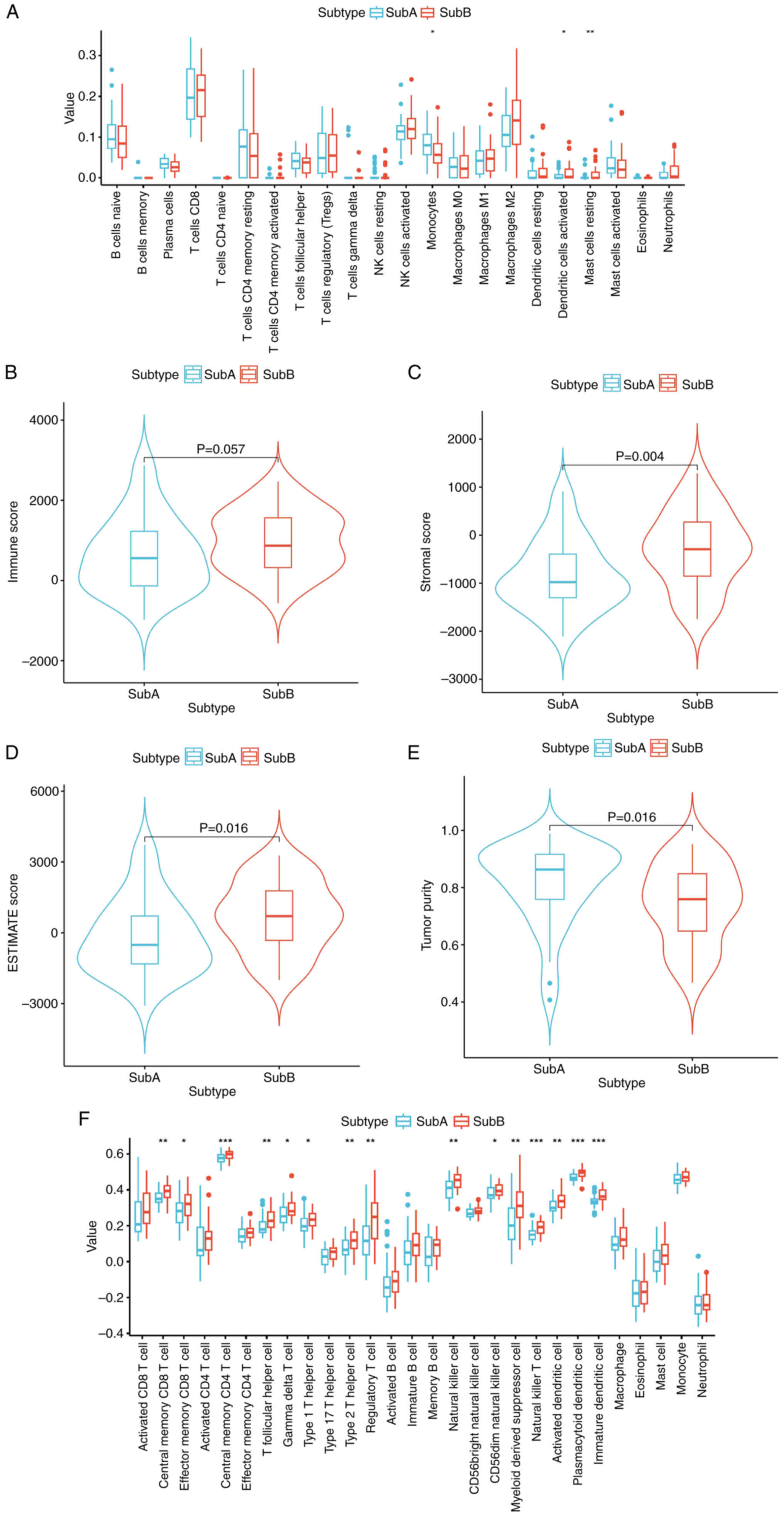
Figure 3

Disulfidptosis subtype-associated
immune infiltration in cholangiocarcinoma. (A) Box plots depicting
significant differences in immune cell types between subtypes
analyzed by CIBERSORT; (B) violin plots comparing immune scores
between subtypes; (C) violin plots comparing stromal scores between
subtypes; (D) violin plots comparing microenvironment scores
between subtypes; (E) violin plots comparing tumor purity between
subtypes; (F) box plots showing significant differences in immune
cell types between subtypes analyzed by ssGSEA (*P<0.05;
**P<0.01; ***P<0.001; SubA: blue; SubB: red). NK, natural
killer.

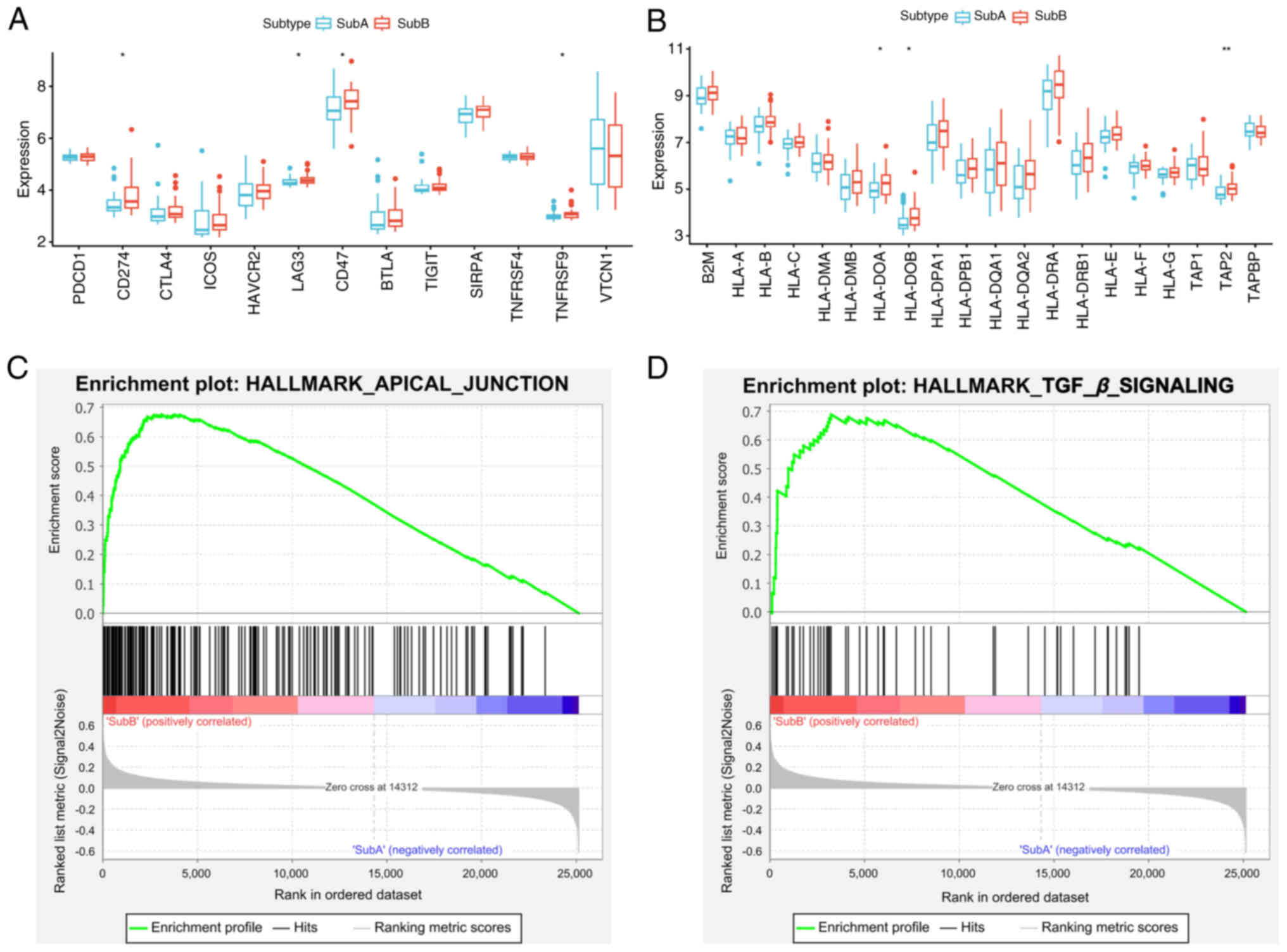
Figure 4

Immune Checkpoint, HLA gene
expression and pathway enrichment in disulfidptosis subtypes of
cholangiocarcinoma. (A) box plots depicting significant differences
in immune checkpoint gene expression between subtypes; (B) box
plots showing significant differences in HLA family gene expression
between subtypes; (C) GSEA hallmark pathway analysis:
APICAL-JUNCTION; (D) GSEA hallmark pathway analysis:
TGF-β-SIGNALING. (SubA: blue; SubB: red; *P<0.05,
**P<0.01).

Figure 5

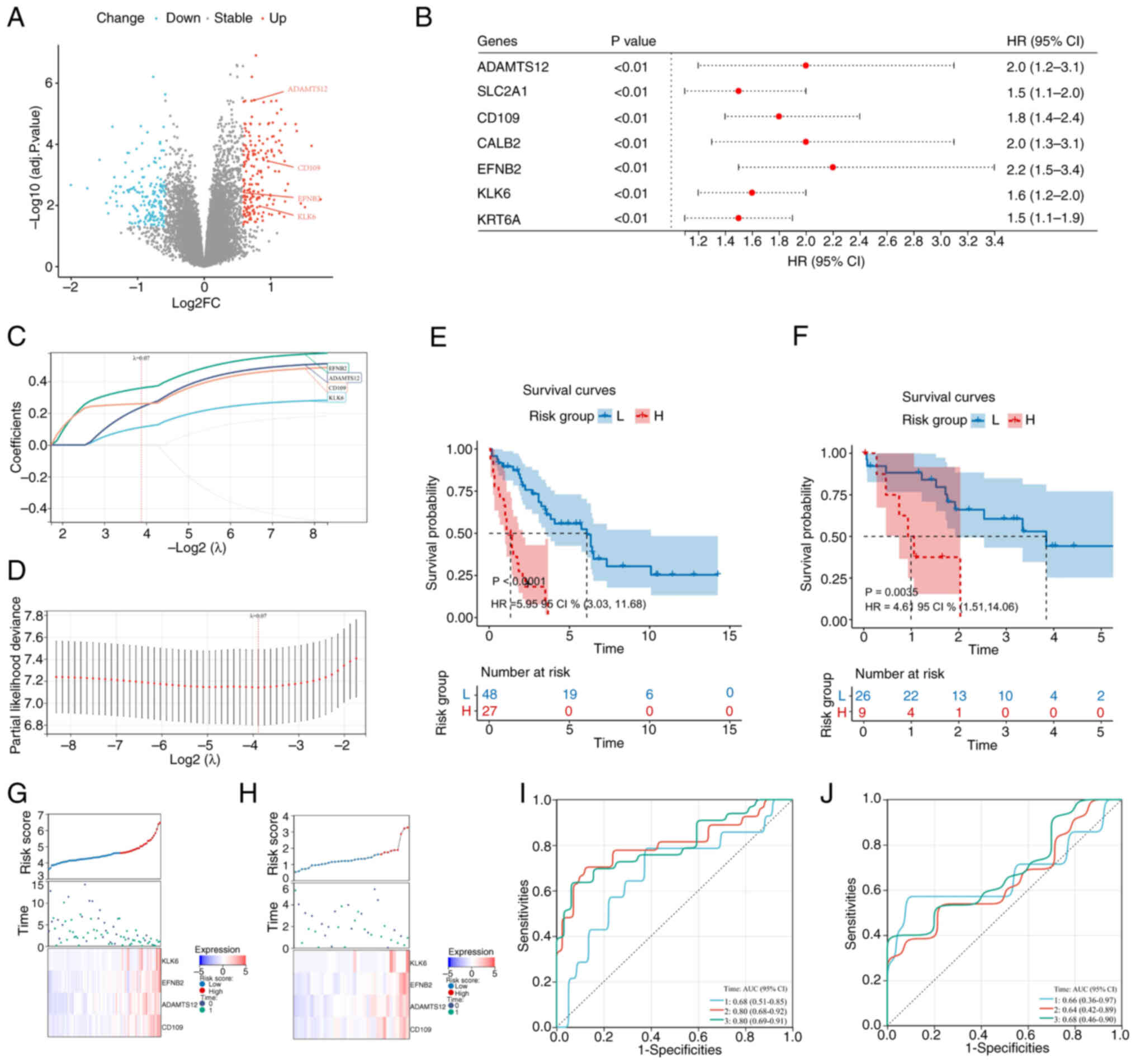
Prognostic gene signature and risk
score analysis in cholangiocarcinoma. (A) Volcano plot of
differentially expressed genes (blue, downregulated; red,
upregulated); (B) Univariate Cox regression forest plot of seven
prognostic genes; (C) LASSO coefficient distribution profile; (D)
likelihood deviance for LASSO coefficients, with vertical dashed
lines indicating λ. min (left) and λ.1se (right); (E) Kaplan-Meier
survival curves for patients stratified by the 4-gene signature in
the training cohort (Risk group; P<0.0001; HR=5.95; 95% CI
3.03–11.68); (F) Kaplan-Meier survival curves for patients
stratified by the 4-gene signature in the validation cohort; (G)
training cohort: Risk score distribution (top), survival status
(middle) and gene expression heatmap (bottom); (H) validation
cohort: Risk score distribution (top), survival status (middle) and
gene expression heatmap (bottom); (I) time-dependent ROC curves
(1-, 2-, 3-year) in the training cohort; (J) time-dependent ROC
curves (1-, 2-, 3-year) in the validation cohort. LASSO, least
absolute shrinkage and selection operator; HR, hazard ratio; AUC,
area under the curve.

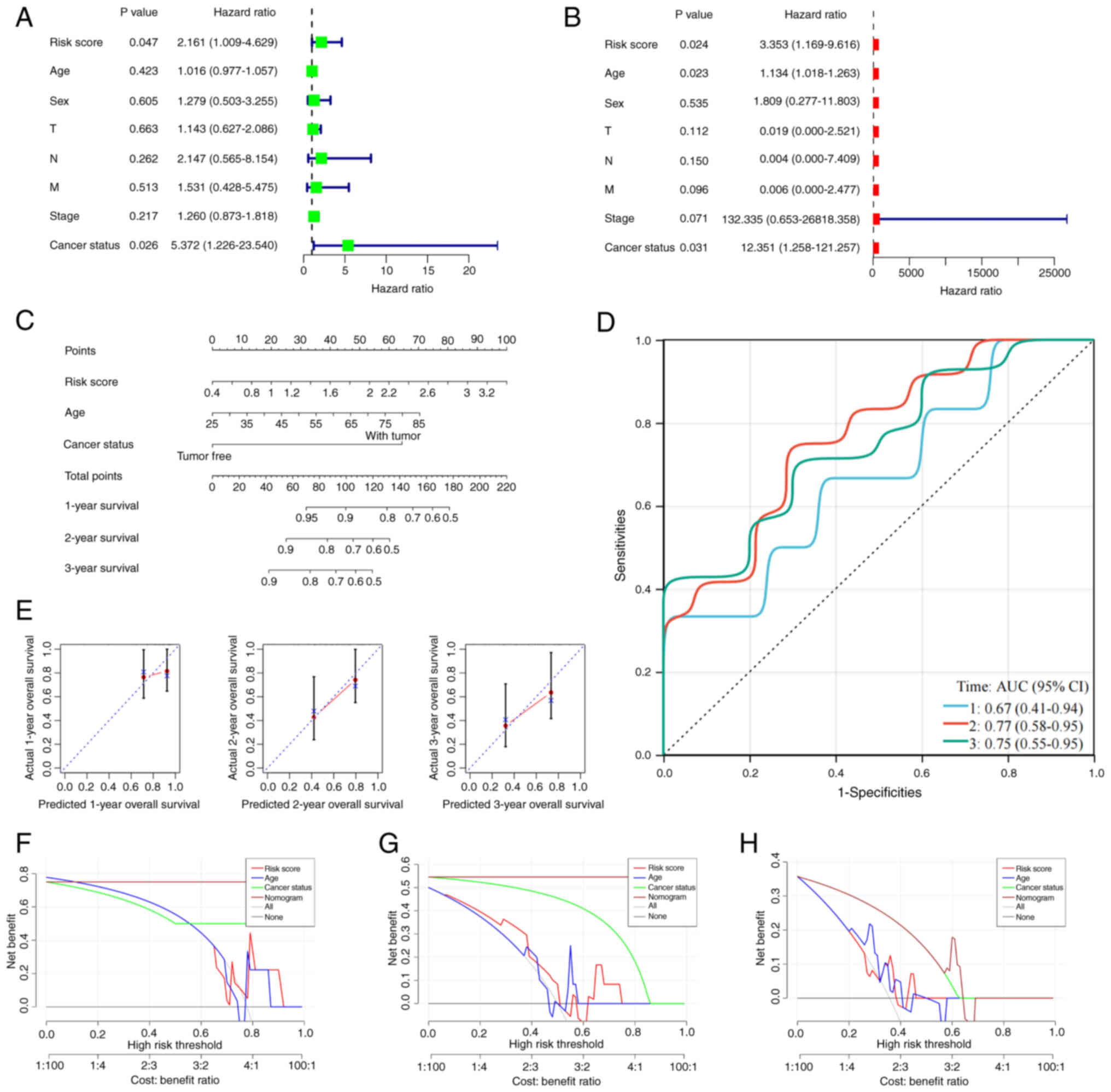
Figure 6

Prognostic model and clinical
evaluation in cholangiocarcinoma. (A) Univariate Cox regression
analysis of independent prognostic factors; (B) Multivariate Cox
regression analysis of independent prognostic factors; (C)
Prognostic nomogram integrating independent factors; (D)
Time-dependent ROC curves for 1-, 2- and 3-year survival
predictions; (E) Calibration curves for 1-, 2- and 3-year survival
probabilities; (F) Clinical decision curve analysis DCA for 1-year
survival outcomes; (G) DCA for 2-year survival outcomes; (H) DCA
for 3-year survival outcomes. DCA, decision curve analysis; AUC,
area under the curve.

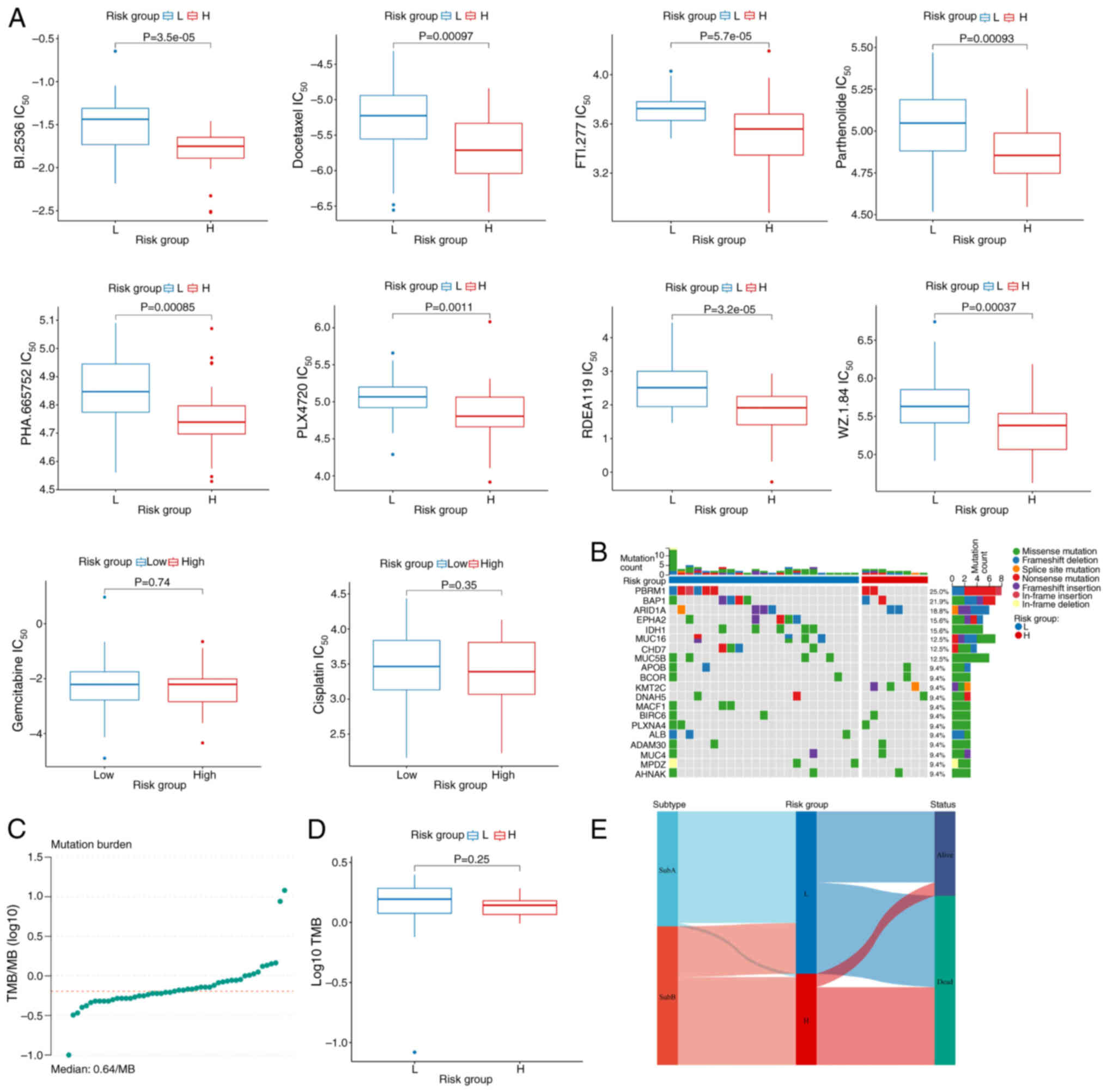
Figure 7

Chemotherapeutic response and genomic
characteristics in cholangiocarcinoma. (A) Comparative analysis of
IC50 levels for 10 chemotherapeutic agents across risk
subgroups; (B) waterfall plot of the 20 most frequently mutated
genes in cholangiocarcinoma samples; (C) TMB distribution across
TCGA-CHOL samples; (D) Box plots comparing TMB between high-risk
and low-risk subgroups; (E) Sankey diagram mapping disulfidptosis
subtypes to risk stratification subgroups. L, low risk group; H,
high risk group; TMB, tumor mutational burden.

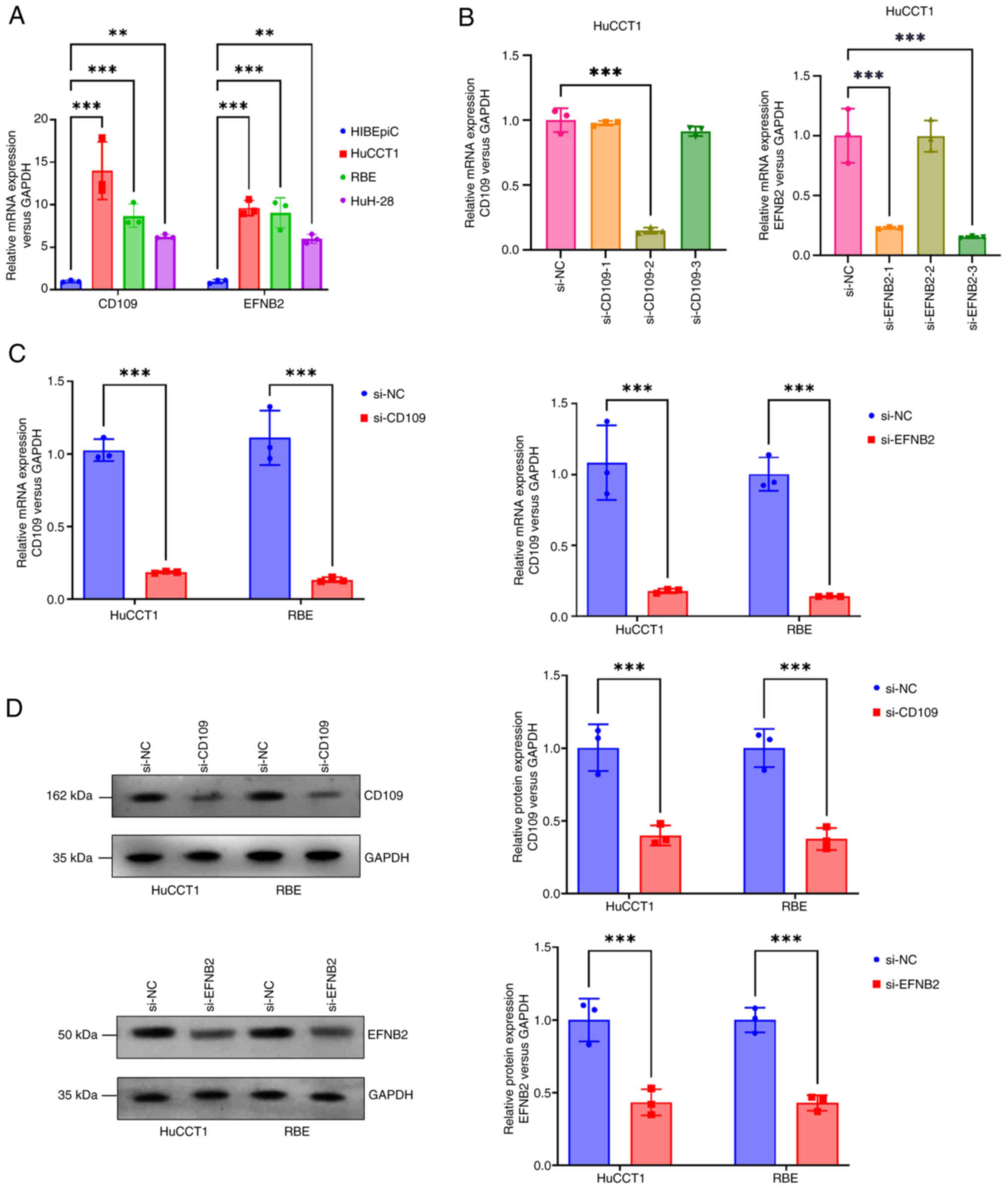
Figure 8

Establishment of CD109 and EFNB2
knockdown cholangiocarcinoma cell model. (A) mRNA expression levels
of CD109 and EFNB2 in normal human intrahepatic biliary epithelial
cells and CCA cell lines; (B) RT-qPCR validation of siRNA knockdown
efficiency; (C) RT-qPCR validation of mRNA knockdown in HuCCT1 and
RBE cells; (D) Western blotting validation of protein knockdown in
HuCCT1 and RBE cells. **P<0.01; ***P<0.001. si, small
interfering; RT-qPCR, reverse transcription-quantitative PCR; NC,
negative control.

Figure 9

Functional assays following CD109 and
EFNB2 knockdown in cholangiocarcinoma cells. (A) Cell Counting
Kit-8 assay for cell proliferation; (B) clonogenic assay for colony
formation; (C) wound healing assay for cell migration; (D)
Transwell assay for cell migration; (E) Transwell assay for cell
invasion. *P<0.05, **P<0.01, ***P<0.001. Scale bar, 100
µm. si, small interfering; NC, negative control.

Figure 10

F-actin and nuclei in HuCCT1 and RBE
cells transfected with si-NC, si-CD109 or si-EFNB2 and treated with
5 µM BAY-876 or 1 µM TCEP for 24 h. si, small interfering; NC,
negative control; TCEP, Tris-(2-carboxyethyl)-phosphine
hydrochloride.
View References

1 

Brindley PJ, Bachini M, Ilyas SI, Khan SA, Loukas A, Sirica AE, Teh BT, Wongkham S and Gores GJ: Cholangiocarcinoma. Nat Rev Dis Primers. 7:652021. View Article : Google Scholar : PubMed/NCBI

2 

Cardinale V: Classifications and misclassification in cholangiocarcinoma. Liver Int. 39:260–212. 2019. View Article : Google Scholar : PubMed/NCBI

3 

Banales JM, Cardinale V, Carpino G, Marzioni M, Andersen JB, Invernizzi P, Lind GE, Folseraas T, Forbes SJ, Fouassier L, et al: Expert consensus document: Cholangiocarcinoma: Current knowledge and future perspectives consensus statement from the European network for the study of cholangiocarcinoma (ENS-CCA). Nat Rev Gastroenterol Hepatol. 13:261–280. 2016. View Article : Google Scholar : PubMed/NCBI

4 

Clements O, Eliahoo J, Kim JU, Taylor-Robinson SD and Khan SA: Risk factors for intrahepatic and extrahepatic cholangiocarcinoma: A systematic review and meta-analysis. J Hepatol. 72:95–103. 2020. View Article : Google Scholar : PubMed/NCBI

5 

Sirica AE, Gores GJ, Groopman JD, Selaru FM, Strazzabosco M, Wei Wang X and Zhu AX: Intrahepatic cholangiocarcinoma: Continuing challenges and translational advances. Hepatology. 69:1803–1815. 2019. View Article : Google Scholar : PubMed/NCBI

6 

Fabris L, Perugorria MJ, Mertens J, Björkström NK, Cramer T, Lleo A, Solinas A, Sänger H, Lukacs-Kornek V, Moncsek A, et al: The tumour microenvironment and immune milieu of cholangiocarcinoma. Liver Int. 39 (Suppl 1):S63–S78. 2019. View Article : Google Scholar

7 

Arrivé L and Djelouah M: Refining prognosis in intrahepatic cholangiocarcinoma: The expanding role of imaging. Radiol Imaging Cancer. 7:e2503832025. View Article : Google Scholar : PubMed/NCBI

8 

PDQ Adult Treatment Editorial Board. Bile duct cancer (cholangiocarcinoma) treatment (PDQ®), . Health Professional Version. PDQ Cancer Information Summaries. National Cancer Institute; Bethesda, MD: 2002

9 

Lockie EB, Sylivris A, Pandanaboyana S, Zalcberg J, Skandarajah A and Loveday BP: Relationship between pancreatic cancer resection rate and survival at population level: Systematic review. BJS Open. 9:zraf0072025. View Article : Google Scholar : PubMed/NCBI

10 

Valle JW, Lamarca A, Goyal L, Barriuso J and Zhu AX: New horizons for precision medicine in biliary tract cancers. Cancer Discov. 7:943–962. 2017. View Article : Google Scholar : PubMed/NCBI

11 

Banales JM, Marin JJG, Lamarca A, Rodrigues PM, Khan SA, Roberts LR, Cardinale V, Carpino G, Andersen JB, Braconi C, et al: Cholangiocarcinoma 2020: The next horizon in mechanisms and management. Nat Rev Gastroenterol Hepatol. 17:557–588. 2020. View Article : Google Scholar : PubMed/NCBI

12 

Kerr JF, Wyllie AH and Currie AR: Apoptosis: A basic biological phenomenon with wide-ranging implications in tissue kinetics. Br J Cancer. 26:239–257. 1972. View Article : Google Scholar : PubMed/NCBI

13 

Tang D, Kang R, Berghe TV, Vandenabeele P and Kroemer G: The molecular machinery of regulated cell death. Cell Res. 29:347–364. 2019. View Article : Google Scholar : PubMed/NCBI

14 

Shi Y, Wang Y, Niu K, Zhang W, Lv Q and Zhang Y: How CLSPN could demystify its prognostic value and potential molecular mechanism for hepatocellular carcinoma: A crosstalk study. Comput Biol Med. 172:1082602024. View Article : Google Scholar : PubMed/NCBI

15 

Shi Y, Wang Y, Niu K and Zhang Y: A commentary on ‘A bibliometric analysis of gastric cancer liver metastases: Advances in mechanisms of occurrence and treatment options’. Int J Surg. 110:5897–5898. 2024. View Article : Google Scholar : PubMed/NCBI

16 

Liu X, Nie L, Zhang Y, Yan Y, Wang C, Colic M, Olszewski K, Horbath A, Chen X, Lei G, et al: Actin cytoskeleton vulnerability to disulfide stress mediates disulfidptosis. Nat Cell Biol. 25:404–414. 2023. View Article : Google Scholar : PubMed/NCBI

17 

Liu X, Zhuang L and Gan B: Disulfidptosis: Disulfide stress-induced cell death. Trends Cell Biol. 34:327–337. 2024. View Article : Google Scholar : PubMed/NCBI

18 

Zheng T, Liu Q, Xing F, Zeng C and Wang W: Disulfidptosis: A new form of programmed cell death. J Exp Clin Cancer Res. 42:1372023. View Article : Google Scholar : PubMed/NCBI

19 

Tang J, Peng X, Xiao D, Liu S, Tao Y and Shu L: Disulfidptosis-related signature predicts prognosis and characterizes the immune microenvironment in hepatocellular carcinoma. Cancer Cell Int. 24:192024. View Article : Google Scholar : PubMed/NCBI

20 

Zhang HB, Pan JY and Zhu T: A disulfidptosis-related lncRNA prognostic model to predict survival and response to immunotherapy in lung adenocarcinoma. Front Pharmacol. 14:12541192023. View Article : Google Scholar : PubMed/NCBI

21 

Huang J, Zhang J, Zhang F, Lu S, Guo S, Shi R, Zhai Y, Gao Y, Tao X, Jin Z, et al: Identification of a disulfidptosis-related genes signature for prognostic implication in lung adenocarcinoma. Comput Biol Med. 165:107402023. View Article : Google Scholar : PubMed/NCBI

22 

Chen Y, Xue W, Zhang Y, Gao Y and Wang Y: A novel disulfidptosis-related immune checkpoint genes signature: Forecasting the prognosis of hepatocellular carcinoma. J Cancer Res Clin Oncol. 149:12843–12854. 2023. View Article : Google Scholar : PubMed/NCBI

23 

Dong X, Liao P, Liu X, Yang Z, Wang Y, Zhong W and Wang B: Construction and validation of a reliable disulfidptosis-related LncRNAs signature of the subtype, prognostic, and immune landscape in colon cancer. Int J Mol Sci. 24:129152023. View Article : Google Scholar : PubMed/NCBI

24 

Kang K, Li X, Peng Y and Zhou Y: Comprehensive analysis of disulfidptosis-related LncRNAs in molecular classification, immune microenvironment characterization and prognosis of gastric cancer. Biomedicines. 11:31652023. View Article : Google Scholar : PubMed/NCBI

25 

Feng Z, Zhao Q, Ding Y, Xu Y, Sun X, Chen Q, Zhang Y, Miao J and Zhu J: Identification a unique disulfidptosis classification regarding prognosis and immune landscapes in thyroid carcinoma and providing therapeutic strategies. J Cancer Res Clin Oncol. 149:11157–11170. 2023. View Article : Google Scholar : PubMed/NCBI

26 

Qi C, Ma J, Sun J, Wu X and Ding J: The role of molecular subtypes and immune infiltration characteristics based on disulfidptosis-associated genes in lung adenocarcinoma. Aging (Albany NY). 15:5075–5095. 2023.PubMed/NCBI

27 

Raggi C, Taddei ML, Rae C, Braconi C and Marra F: Metabolic reprogramming in cholangiocarcinoma. J Hepatol. 77:849–864. 2022. View Article : Google Scholar : PubMed/NCBI

28 

Duwe L, Fouassier L, Lafuente-Barquero J and Andersen JB: Unraveling the actin cytoskeleton in the malignant transformation of cholangiocyte biology. Transl Oncol. 26:1015312022. View Article : Google Scholar : PubMed/NCBI

29 

Zhao X, Zhang M, He J, Li X and Zhuang X: Emerging insights into ferroptosis in cholangiocarcinoma (review). Oncol Lett. 28:6062024. View Article : Google Scholar : PubMed/NCBI

30 

R Core Team, . R: A language and environment for statistical computing. R Foundation for Statistical Computing; Vienna: 2024, URL. https://www.R–project.org/

31 

Mayakonda A, Lin DC, Assenov Y, Plass C and Koeffler HP: Maftools: Efficient and comprehensive analysis of somatic variants in cancer. Genome Res. 28:1747–1756. 2018. View Article : Google Scholar : PubMed/NCBI

32 

Wilkerson MD and Hayes DN: ConsensusClusterPlus: A class discovery tool with confidence assessments and item tracking. Bioinformatics. 26:1572–1573. 2010. View Article : Google Scholar : PubMed/NCBI

33 

Livak KJ and Schmittgen TD: Analysis of relative gene expression data using real-time quantitative PCR and the 2(−Delta Delta C(T)) method. Methods. 25:402–408. 2001. View Article : Google Scholar : PubMed/NCBI

34 

Jiang X, Stockwell BR and Conrad M: Ferroptosis: Mechanisms, biology and role in disease. Nat Rev Mol Cell Biol. 22:266–282. 2021. View Article : Google Scholar : PubMed/NCBI

35 

Zhang ZJ, Huang YP, Li XX, Liu ZT, Liu K, Deng XF, Xiong L, Zou H and Wen Y: A novel ferroptosis-related 4-gene prognostic signature for cholangiocarcinoma and photodynamic therapy. Front Oncol. 11:7474452021. View Article : Google Scholar : PubMed/NCBI

36 

Amontailak S, Titapun A, Jusakul A, Thanan R, Kimawaha P, Jamnongkan W, Thanee M, Sirithawat P and Techasen A: Prognostic values of ferroptosis-related proteins ACSL4, SLC7A11, and CHAC1 in cholangiocarcinoma. Biomedicines. 12:20912024. View Article : Google Scholar : PubMed/NCBI

37 

Wan S, Liang C, Wu C, Wang S, Wang J, Xu L, Zhang X, Hou Y, Xia Y, Xu L and Huang X: Disulfidptosis in tumor progression. Cell Death Discov. 11:2052025. View Article : Google Scholar : PubMed/NCBI

38 

Hu F and Lito P: Insights into how adeno-squamous transition drives KRAS inhibitor resistance. Cancer Cell. 42:330–332. 2024. View Article : Google Scholar : PubMed/NCBI

39 

Mi T, Kong X, Chen M, Guo P and He D: Inducing disulfidptosis in tumors: Potential pathways and significance. MedComm (2020). 5:e7912024. View Article : Google Scholar : PubMed/NCBI

40 

Xiao Y, Li ZZ, Zhong NN, Cao LM, Liu B and Bu LL: Charting new frontiers: Co-inhibitory immune checkpoint proteins in therapeutics, biomarkers, and drug delivery systems in cancer care. Transl Oncol. 38:1017942023. View Article : Google Scholar : PubMed/NCBI

41 

Cruz D, Rodríguez-Romanos R, González-Bartulos M, García-Cadenas I, de la Cámara R, Heras I, Buño I, Santos N, Lloveras N, Velarde P, et al: LAG3 genotype of the donor and clinical outcome after allogeneic transplantation from HLA-identical sibling donors. Front Immunol. 14:10663932023. View Article : Google Scholar : PubMed/NCBI

42 

Perea F, Sánchez-Palencia A, Gómez-Morales M, Bernal M, Concha Á, García MM, González-Ramírez AR, Kerick M, Martin J, Garrido F, et al: HLA class I loss and PD-L1 expression in lung cancer: Impact on T-cell infiltration and immune escape. Oncotarget. 9:4120–4133. 2017. View Article : Google Scholar : PubMed/NCBI

43 

Saigí M, Mate JL, Carcereny E, Martínez-Cardús A, Esteve A, Andreo F, Centeno C, Cucurull M, Mesia R, Pros E and Sanchez-Cespedes M: HLA-I levels correlate with survival outcomes in response to immune checkpoint inhibitors in non-small cell lung cancer. Lung Cancer. 189:1075022024. View Article : Google Scholar : PubMed/NCBI

44 

Itatani Y, Kawada K and Sakai Y: Transforming growth Factor-β signaling pathway in colorectal cancer and its tumor microenvironment. Int J Mol Sci. 20:58222019. View Article : Google Scholar : PubMed/NCBI

45 

Hao Y, Baker D and Ten Dijke P: TGF-β-mediated epithelial-mesenchymal transition and cancer metastasis. Int J Mol Sci. 20:27672019. View Article : Google Scholar : PubMed/NCBI

46 

Naoi H, Suzuki Y, Miyagi A, Horiguchi R, Aono Y, Inoue Y, Yasui H, Hozumi H, Karayama M, Furuhashi K, et al: CD109 attenuates bleomycin-induced pulmonary fibrosis by inhibiting TGF-β signaling. J Immunol. 212:1221–1231. 2024. View Article : Google Scholar : PubMed/NCBI

47 

Taki T, Shiraki Y, Enomoto A, Weng L, Chen C, Asai N, Murakumo Y, Yokoi K, Takahashi M and Mii S: CD109 regulates in vivo tumor invasion in lung adenocarcinoma through TGF-β signaling. Cancer Sci. 111:4616–4628. 2020. View Article : Google Scholar : PubMed/NCBI

48 

Litvinov IV, Bizet AA, Binamer Y, Jones DA, Sasseville D and Philip A: CD109 release from the cell surface in human keratinocytes regulates TGF-β receptor expression, TGF-β signalling and STAT3 activation: Relevance to psoriasis. Exp Dermatol. 20:627–632. 2011. View Article : Google Scholar : PubMed/NCBI

49 

Zeng X, Hunt A, Jin SC, Duran D, Gaillard J and Kahle KT: EphrinB2-EphB4-RASA1 signaling in human cerebrovascular development and disease. Trends Mol Med. 25:265–286. 2019. View Article : Google Scholar : PubMed/NCBI

50 

Zhu F, Dai SN, Xu DL, Hou CQ, Liu TT, Chen QY, Wu JL and Miao Y: EFNB2 facilitates cell proliferation, migration, and invasion in pancreatic ductal adenocarcinoma via the p53/p21 pathway and EMT. Biomed Pharmacother. 125:1099722020. View Article : Google Scholar : PubMed/NCBI

51 

Xu C, Gu L, Kuerbanjiang M, Jiang C, Hu L, Liu Y, Xue H, Li J, Zhang Z and Xu Q: Adaptive activation of EFNB2/EPHB4 axis promotes post-metastatic growth of colorectal cancer liver metastases by LDLR-mediated cholesterol uptake. Oncogene. 42:99–112. 2023. View Article : Google Scholar : PubMed/NCBI

52 

Koppula P, Zhang Y, Zhuang L and Gan B: Amino acid transporter SLC7A11/xCT at the crossroads of regulating redox homeostasis and nutrient dependency of cancer. Cancer Commun (Lond). 38:122018.PubMed/NCBI

53 

Hwang YS, Cho HJ, Park ES, Lim J, Yoon HR, Kim JT, Yoon SR, Jung H, Choe YK, Kim YH, et al: KLK6/PAR1 axis promotes tumor growth and metastasis by regulating cross-talk between tumor cells and macrophages. Cells. 11:41012022. View Article : Google Scholar : PubMed/NCBI

54 

Zhang L, Lovell S, De Vita E, Jagtap PKA, Lucy D, Goya Grocin A, Kjær S, Borg A, Hennig J, Miller AK and Tate EW: A KLK6 activity-based probe reveals a role for KLK6 activity in pancreatic cancer cell invasion. J Am Chem Soc. 144:22493–22504. 2022. View Article : Google Scholar : PubMed/NCBI

55 

He RZ, Zheng JH, Yao HF, Xu DP, Yang MW, Liu DJ, Sun YW and Huo YM: ADAMTS12 promotes migration and epithelial-mesenchymal transition and predicts poor prognosis for pancreatic cancer. Hepatobiliary Pancreat Dis Int. 22:169–178. 2023. View Article : Google Scholar : PubMed/NCBI

56 

Dekky B, Azar F, Bonnier D, Monseur C, Kalebić C, Arpigny E, Colige A, Legagneux V and Théret N: ADAMTS12 is a stromal modulator in chronic liver disease. FASEB J. 37:e232372023. View Article : Google Scholar : PubMed/NCBI

Related Articles

  • Abstract
  • View
  • Download
  • Twitter
Copy and paste a formatted citation
Spandidos Publications style
Chen Y, Wu J, Zhu D, Jiang L, Wang J, Zhang D and He W: Exploring the role of disulfidptosis‑related signatures in immune microenvironment, prognosis and therapeutic strategies of cholangiocarcinoma. Oncol Rep 55: 37, 2026.
APA
Chen, Y., Wu, J., Zhu, D., Jiang, L., Wang, J., Zhang, D., & He, W. (2026). Exploring the role of disulfidptosis‑related signatures in immune microenvironment, prognosis and therapeutic strategies of cholangiocarcinoma. Oncology Reports, 55, 37. https://doi.org/10.3892/or.2026.9042
MLA
Chen, Y., Wu, J., Zhu, D., Jiang, L., Wang, J., Zhang, D., He, W."Exploring the role of disulfidptosis‑related signatures in immune microenvironment, prognosis and therapeutic strategies of cholangiocarcinoma". Oncology Reports 55.2 (2026): 37.
Chicago
Chen, Y., Wu, J., Zhu, D., Jiang, L., Wang, J., Zhang, D., He, W."Exploring the role of disulfidptosis‑related signatures in immune microenvironment, prognosis and therapeutic strategies of cholangiocarcinoma". Oncology Reports 55, no. 2 (2026): 37. https://doi.org/10.3892/or.2026.9042
Copy and paste a formatted citation
x
Spandidos Publications style
Chen Y, Wu J, Zhu D, Jiang L, Wang J, Zhang D and He W: Exploring the role of disulfidptosis‑related signatures in immune microenvironment, prognosis and therapeutic strategies of cholangiocarcinoma. Oncol Rep 55: 37, 2026.
APA
Chen, Y., Wu, J., Zhu, D., Jiang, L., Wang, J., Zhang, D., & He, W. (2026). Exploring the role of disulfidptosis‑related signatures in immune microenvironment, prognosis and therapeutic strategies of cholangiocarcinoma. Oncology Reports, 55, 37. https://doi.org/10.3892/or.2026.9042
MLA
Chen, Y., Wu, J., Zhu, D., Jiang, L., Wang, J., Zhang, D., He, W."Exploring the role of disulfidptosis‑related signatures in immune microenvironment, prognosis and therapeutic strategies of cholangiocarcinoma". Oncology Reports 55.2 (2026): 37.
Chicago
Chen, Y., Wu, J., Zhu, D., Jiang, L., Wang, J., Zhang, D., He, W."Exploring the role of disulfidptosis‑related signatures in immune microenvironment, prognosis and therapeutic strategies of cholangiocarcinoma". Oncology Reports 55, no. 2 (2026): 37. https://doi.org/10.3892/or.2026.9042
Follow us
  • Twitter
  • LinkedIn
  • Facebook
About
  • Spandidos Publications
  • Careers
  • Cookie Policy
  • Privacy Policy
How can we help?
  • Help
  • Live Chat
  • Contact
  • Email to our Support Team