Spandidos Publications Logo
  • About
    • About Spandidos
    • Aims and Scopes
    • Abstracting and Indexing
    • Editorial Policies
    • Reprints and Permissions
    • Job Opportunities
    • Terms and Conditions
    • Contact
  • Journals
    • All Journals
    • Oncology Letters
      • Oncology Letters
      • Information for Authors
      • Editorial Policies
      • Editorial Board
      • Aims and Scope
      • Abstracting and Indexing
      • Bibliographic Information
      • Archive
    • International Journal of Oncology
      • International Journal of Oncology
      • Information for Authors
      • Editorial Policies
      • Editorial Board
      • Aims and Scope
      • Abstracting and Indexing
      • Bibliographic Information
      • Archive
    • Molecular and Clinical Oncology
      • Molecular and Clinical Oncology
      • Information for Authors
      • Editorial Policies
      • Editorial Board
      • Aims and Scope
      • Abstracting and Indexing
      • Bibliographic Information
      • Archive
    • Experimental and Therapeutic Medicine
      • Experimental and Therapeutic Medicine
      • Information for Authors
      • Editorial Policies
      • Editorial Board
      • Aims and Scope
      • Abstracting and Indexing
      • Bibliographic Information
      • Archive
    • International Journal of Molecular Medicine
      • International Journal of Molecular Medicine
      • Information for Authors
      • Editorial Policies
      • Editorial Board
      • Aims and Scope
      • Abstracting and Indexing
      • Bibliographic Information
      • Archive
    • Biomedical Reports
      • Biomedical Reports
      • Information for Authors
      • Editorial Policies
      • Editorial Board
      • Aims and Scope
      • Abstracting and Indexing
      • Bibliographic Information
      • Archive
    • Oncology Reports
      • Oncology Reports
      • Information for Authors
      • Editorial Policies
      • Editorial Board
      • Aims and Scope
      • Abstracting and Indexing
      • Bibliographic Information
      • Archive
    • Molecular Medicine Reports
      • Molecular Medicine Reports
      • Information for Authors
      • Editorial Policies
      • Editorial Board
      • Aims and Scope
      • Abstracting and Indexing
      • Bibliographic Information
      • Archive
    • World Academy of Sciences Journal
      • World Academy of Sciences Journal
      • Information for Authors
      • Editorial Policies
      • Editorial Board
      • Aims and Scope
      • Abstracting and Indexing
      • Bibliographic Information
      • Archive
    • International Journal of Functional Nutrition
      • International Journal of Functional Nutrition
      • Information for Authors
      • Editorial Policies
      • Editorial Board
      • Aims and Scope
      • Abstracting and Indexing
      • Bibliographic Information
      • Archive
    • International Journal of Epigenetics
      • International Journal of Epigenetics
      • Information for Authors
      • Editorial Policies
      • Editorial Board
      • Aims and Scope
      • Abstracting and Indexing
      • Bibliographic Information
      • Archive
    • Medicine International
      • Medicine International
      • Information for Authors
      • Editorial Policies
      • Editorial Board
      • Aims and Scope
      • Abstracting and Indexing
      • Bibliographic Information
      • Archive
  • Articles
  • Information
    • Information for Authors
    • Information for Reviewers
    • Information for Librarians
    • Information for Advertisers
    • Conferences
  • Language Editing
Spandidos Publications Logo
  • About
    • About Spandidos
    • Aims and Scopes
    • Abstracting and Indexing
    • Editorial Policies
    • Reprints and Permissions
    • Job Opportunities
    • Terms and Conditions
    • Contact
  • Journals
    • All Journals
    • Biomedical Reports
      • Information for Authors
      • Editorial Policies
      • Editorial Board
      • Aims and Scope
      • Abstracting and Indexing
      • Bibliographic Information
      • Archive
    • Experimental and Therapeutic Medicine
      • Information for Authors
      • Editorial Policies
      • Editorial Board
      • Aims and Scope
      • Abstracting and Indexing
      • Bibliographic Information
      • Archive
    • International Journal of Epigenetics
      • Information for Authors
      • Editorial Policies
      • Editorial Board
      • Aims and Scope
      • Abstracting and Indexing
      • Bibliographic Information
      • Archive
    • International Journal of Functional Nutrition
      • Information for Authors
      • Editorial Policies
      • Editorial Board
      • Aims and Scope
      • Abstracting and Indexing
      • Bibliographic Information
      • Archive
    • International Journal of Molecular Medicine
      • Information for Authors
      • Editorial Policies
      • Editorial Board
      • Aims and Scope
      • Abstracting and Indexing
      • Bibliographic Information
      • Archive
    • International Journal of Oncology
      • Information for Authors
      • Editorial Policies
      • Editorial Board
      • Aims and Scope
      • Abstracting and Indexing
      • Bibliographic Information
      • Archive
    • Medicine International
      • Information for Authors
      • Editorial Policies
      • Editorial Board
      • Aims and Scope
      • Abstracting and Indexing
      • Bibliographic Information
      • Archive
    • Molecular and Clinical Oncology
      • Information for Authors
      • Editorial Policies
      • Editorial Board
      • Aims and Scope
      • Abstracting and Indexing
      • Bibliographic Information
      • Archive
    • Molecular Medicine Reports
      • Information for Authors
      • Editorial Policies
      • Editorial Board
      • Aims and Scope
      • Abstracting and Indexing
      • Bibliographic Information
      • Archive
    • Oncology Letters
      • Information for Authors
      • Editorial Policies
      • Editorial Board
      • Aims and Scope
      • Abstracting and Indexing
      • Bibliographic Information
      • Archive
    • Oncology Reports
      • Information for Authors
      • Editorial Policies
      • Editorial Board
      • Aims and Scope
      • Abstracting and Indexing
      • Bibliographic Information
      • Archive
    • World Academy of Sciences Journal
      • Information for Authors
      • Editorial Policies
      • Editorial Board
      • Aims and Scope
      • Abstracting and Indexing
      • Bibliographic Information
      • Archive
  • Articles
  • Information
    • For Authors
    • For Reviewers
    • For Librarians
    • For Advertisers
    • Conferences
  • Language Editing
Login Register Submit
  • This site uses cookies
  • You can change your cookie settings at any time by following the instructions in our Cookie Policy. To find out more, you may read our Privacy Policy.

    I agree
Search articles by DOI, keyword, author or affiliation
Search
Advanced Search
presentation
Oncology Reports
Join Editorial Board Propose a Special Issue
Print ISSN: 1021-335X Online ISSN: 1791-2431
Journal Cover
April-2026 Volume 55 Issue 4

Full Size Image

Sign up for eToc alerts
Recommend to Library

Journals

International Journal of Molecular Medicine

International Journal of Molecular Medicine

International Journal of Molecular Medicine is an international journal devoted to molecular mechanisms of human disease.

International Journal of Oncology

International Journal of Oncology

International Journal of Oncology is an international journal devoted to oncology research and cancer treatment.

Molecular Medicine Reports

Molecular Medicine Reports

Covers molecular medicine topics such as pharmacology, pathology, genetics, neuroscience, infectious diseases, molecular cardiology, and molecular surgery.

Oncology Reports

Oncology Reports

Oncology Reports is an international journal devoted to fundamental and applied research in Oncology.

Experimental and Therapeutic Medicine

Experimental and Therapeutic Medicine

Experimental and Therapeutic Medicine is an international journal devoted to laboratory and clinical medicine.

Oncology Letters

Oncology Letters

Oncology Letters is an international journal devoted to Experimental and Clinical Oncology.

Biomedical Reports

Biomedical Reports

Explores a wide range of biological and medical fields, including pharmacology, genetics, microbiology, neuroscience, and molecular cardiology.

Molecular and Clinical Oncology

Molecular and Clinical Oncology

International journal addressing all aspects of oncology research, from tumorigenesis and oncogenes to chemotherapy and metastasis.

World Academy of Sciences Journal

World Academy of Sciences Journal

Multidisciplinary open-access journal spanning biochemistry, genetics, neuroscience, environmental health, and synthetic biology.

International Journal of Functional Nutrition

International Journal of Functional Nutrition

Open-access journal combining biochemistry, pharmacology, immunology, and genetics to advance health through functional nutrition.

International Journal of Epigenetics

International Journal of Epigenetics

Publishes open-access research on using epigenetics to advance understanding and treatment of human disease.

Medicine International

Medicine International

An International Open Access Journal Devoted to General Medicine.

Journal Cover
April-2026 Volume 55 Issue 4

Full Size Image

Sign up for eToc alerts
Recommend to Library

  • Article
  • Citations
    • Cite This Article
    • Download Citation
    • Create Citation Alert
    • Remove Citation Alert
    • Cited By
  • Similar Articles
    • Related Articles (in Spandidos Publications)
    • Similar Articles (Google Scholar)
    • Similar Articles (PubMed)
  • Download PDF
  • Download XML
  • View XML
Article Open Access

Suppressive role of SCN4B in the epithelial‑mesenchymal transition of lung adenocarcinoma

  • Authors:
    • Mengnan Guo
    • He Li
    • Zhifang Zhao
    • Yuanyuan Wang
    • Jiaqi Tang
    • Binghan Zhong
    • Yunxia Zhao
  • View Affiliations / Copyright

    Affiliations: Department of Respiratory Medicine, Hebei Medical University Third Hospital, Shijiazhuang, Hebei 050051, P.R. China, Department of Respiratory Medicine, Xiangyang Central Hospital, Affiliated Hospital of Hubei University of Arts and Science, Xiangyang, Hubei 441021, P.R. China
    Copyright: © Guo et al. This is an open access article distributed under the terms of Creative Commons Attribution License.
  • Article Number: 68
    |
    Published online on: February 10, 2026
       https://doi.org/10.3892/or.2026.9073
  • Expand metrics +
Metrics: Total Views: 0 (Spandidos Publications: | PMC Statistics: )
Metrics: Total PDF Downloads: 0 (Spandidos Publications: | PMC Statistics: )
Cited By (CrossRef): 0 citations Loading Articles...

This article is mentioned in:


Abstract

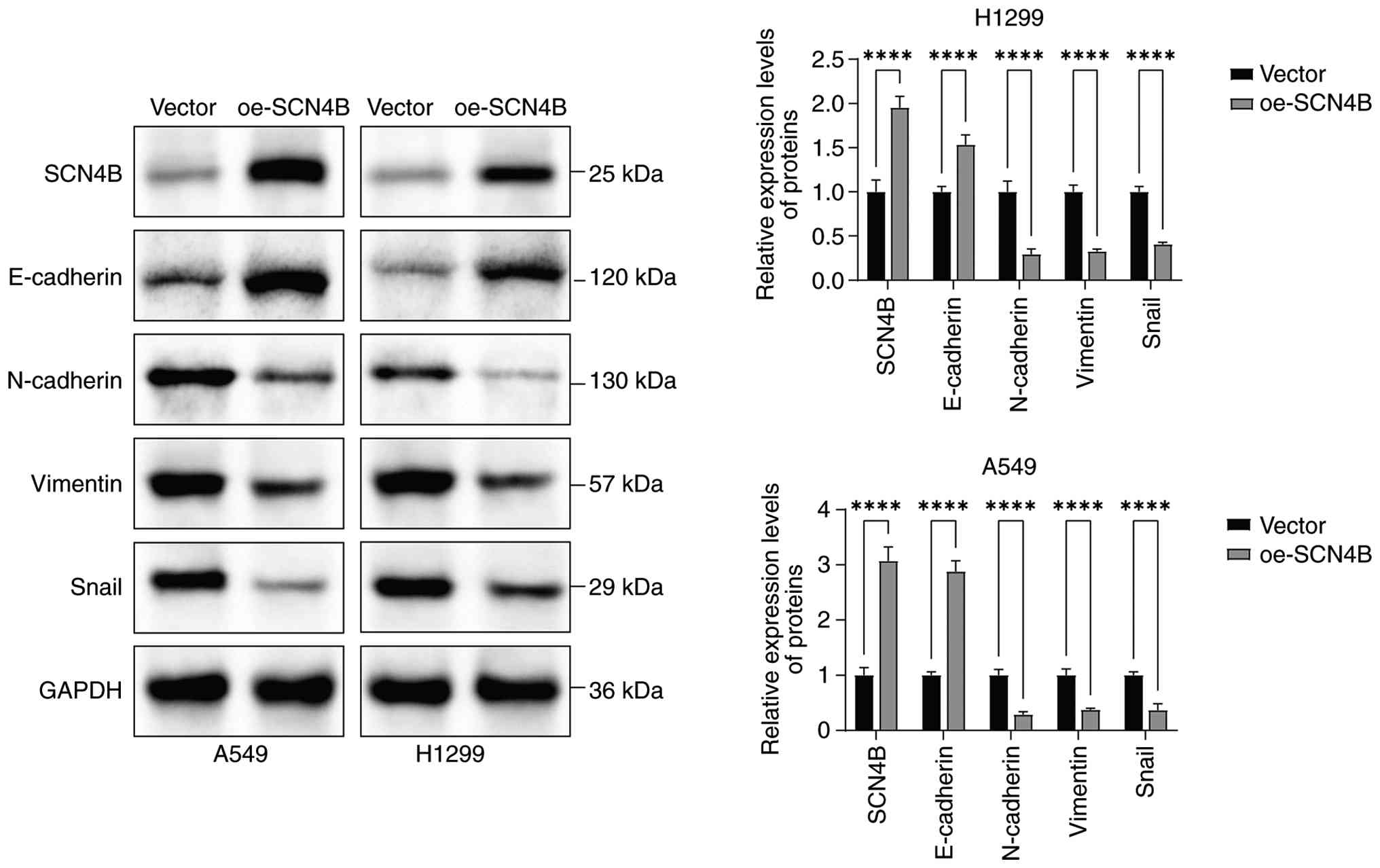
The poor prognosis and high mortality rate of non‑small cell lung cancer are largely driven by its aggressive migratory and invasive behavior. Epithelial‑mesenchymal transition (EMT) is a central mechanism conferring these malignant traits. The present study examined the expression profile of the sodium channel β4 subunit (SCN4B) in lung adenocarcinoma (LUAD) and explored its regulatory role in EMT. Transcriptomic data from The Cancer Genome Atlas were analyzed to compare SCN4B expression between LUAD and normal tissues, and to assess its relationship with TNM clinical stage (I‑IV), overall survival and diagnostic performance using non‑parametric tests, Kaplan‑Meier analysis and receiver operating characteristic curves, respectively. Functional enrichment analysis, including Gene Ontology and Kyoto Encyclopedia of Genes and Genomes (KEGG) analysis, and immune cell infiltration profiling were performed on SCN4B‑associated differentially expressed genes. In vitro, the A549 and H1299 LUAD cell lines were engineered to overexpress SCN4B. Viability, migration, invasion and apoptosis were evaluated using Cell Counting Kit‑8 assays, wound healing assays, Transwell assays and flow cytometry. In addition, western blotting was conducted to assess EMT markers, including E‑cadherin, N‑cadherin, Vimentin and Snail. The results demonstrated that SCN4B expression was markedly reduced in LUAD tissues and low SCN4B expression was associated with unfavorable clinical outcomes. KEGG analysis revealed enrichment of SCN4B‑related genes in the ‘cell adhesion molecules’ pathway, and SCN4B expression levels differed markedly between TNM tumor (T) pathologic stages T1 and T2. Furthermore, SCN4B overexpression suppressed viability, migration and invasion of A549 and H1299 cells, while promoting apoptosis. Western blotting demonstrated upregulation of E‑cadherin, and downregulation of N‑cadherin, Vimentin and Snail in the SCN4B overexpression group compared with the empty vector group, indicating inhibition of EMT. In conclusion, low SCN4B expression was associated with poor prognosis in LUAD. Notably, restoring SCN4B levels suppressed LUAD cell viability, migration and invasion in vitro, accompanied by inhibition of EMT. These findings highlighted SCN4B as a potential tumor suppressor and a promising therapeutic target for LUAD.
View Figures

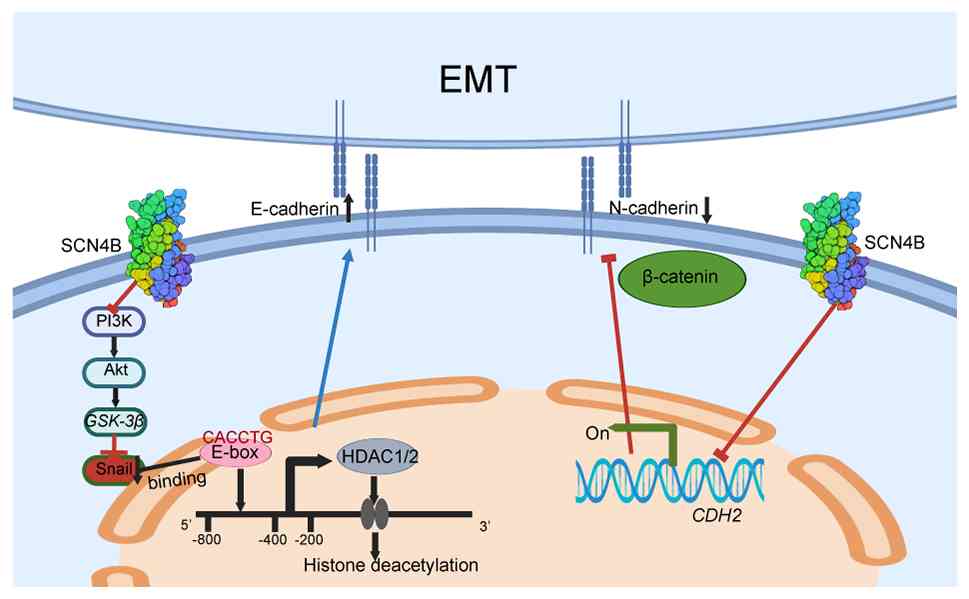
Figure 1

Proposed mechanism of SCN4B in
the regulation of EMT in lung adenocarcinoma. All activating
signaling pathways are indicated by blue solid arrows, while all
inhibitory pathways are represented by red T-shaped termination
lines. SCN4B, sodium channel β4 subunit; EMT,
epithelial-mesenchymal transition; CDH2, N-cadherin; HDAC, histone
deacetylase.

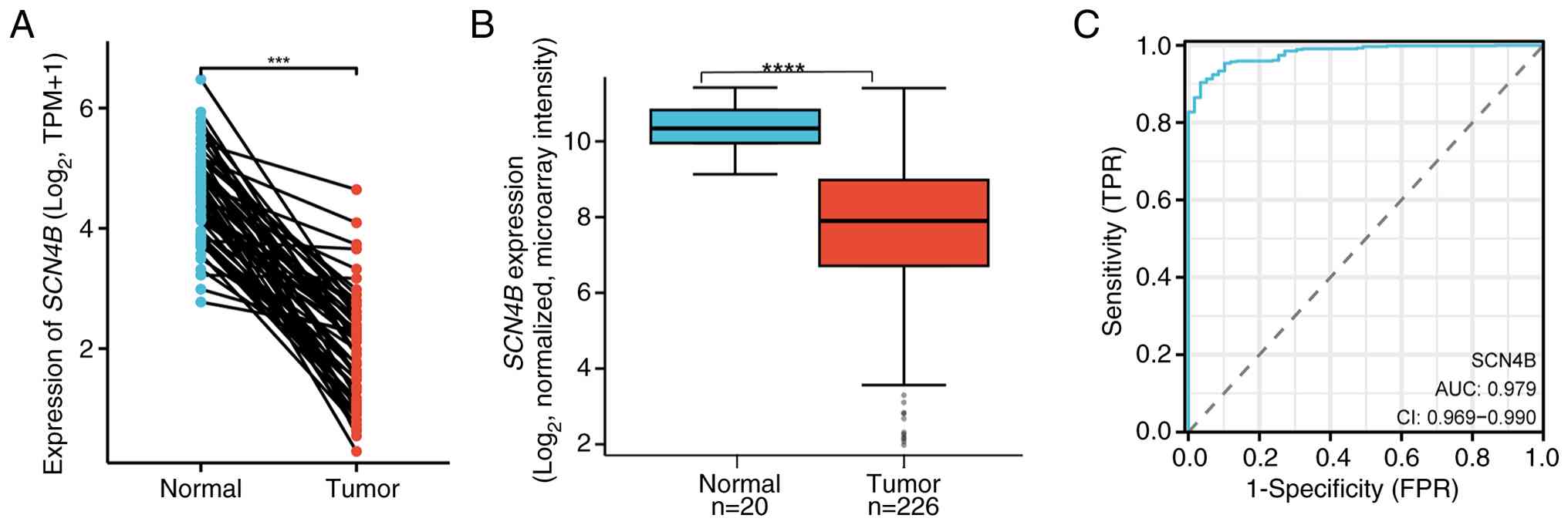
Figure 2

Differential expression analysis of
SCN4B in LUAD. (A) Differential expression analysis of
SCN4B in LUAD and adjacent non-tumorous tissue. A paired
Student's t-test was used. (B) Gene Expression Omnibus cohort
(GSE31210; Affymetrix GPL570): Comparison of SCN4B
microarray intensity between tumor and normal lung tissues. Welch's
t-test was used. (C) Diagnostic receiver operating characteristic
curve analysis of SCN4B. ***P<0.001,
****P<0.0001. AUC, area under the curve; SCN4B, sodium
channel β4 subunit; LUAD, lung adenocarcinoma; TPM, transcripts per
million; TPR, true positive rate; FPR, false positive rate.

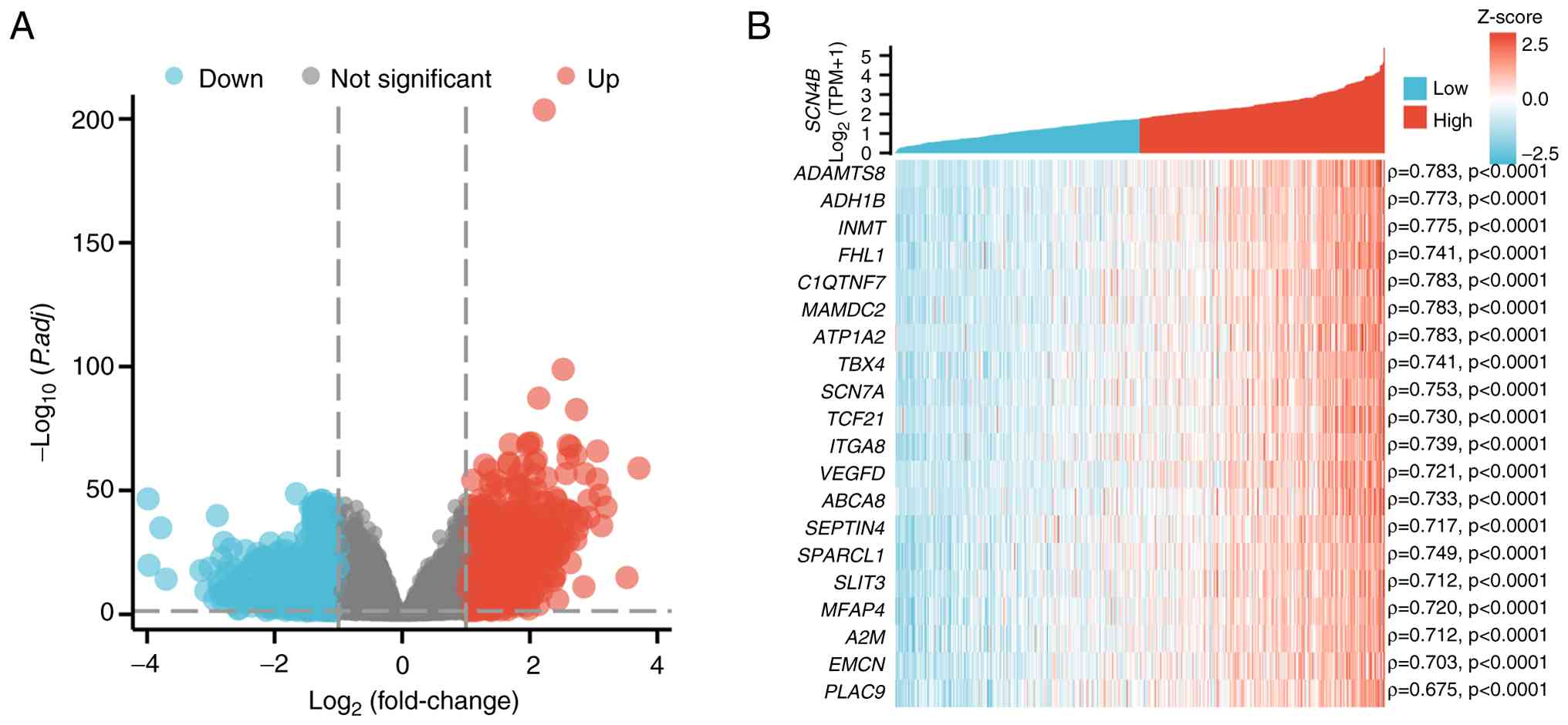
Figure 3

Differentially expressed genes
associated with SCN4B in lung adenocarcinoma. (A) Volcano
plot illustrating SCN4B-associated differentially expressed genes
in the dataset. Red dots represent upregulated genes, blue dots
indicate downregulated genes and gray dots denote non-significant
genes. (B) Spearman's rank correlation analysis between
SCN4B and selected genes. P.adj, adjusted P-value;
SCN4B, sodium channel β4 subunit; TPM, transcripts per
million.

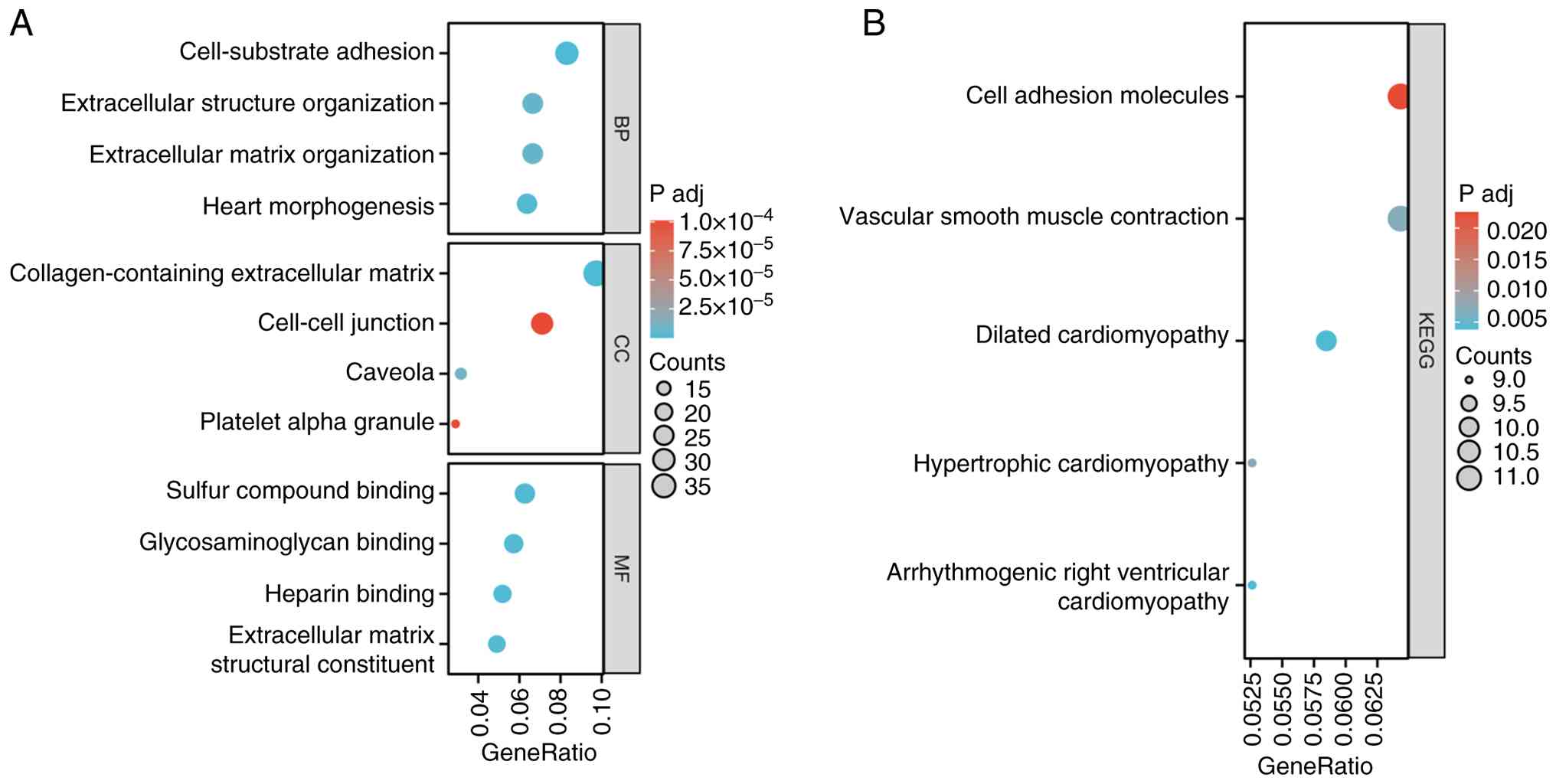
Figure 4

Functional enrichment analysis of
SCN4B-associated differentially expressed genes. (A) Gene Ontology
functional enrichment analysis based on differences. (B) KEGG
functional enrichment analysis. KEGG, Kyoto Encyclopedia of Genes
and Genomes; BP, biological process; CC, cellular component; MF,
molecular function; P adj, adjusted P-value.

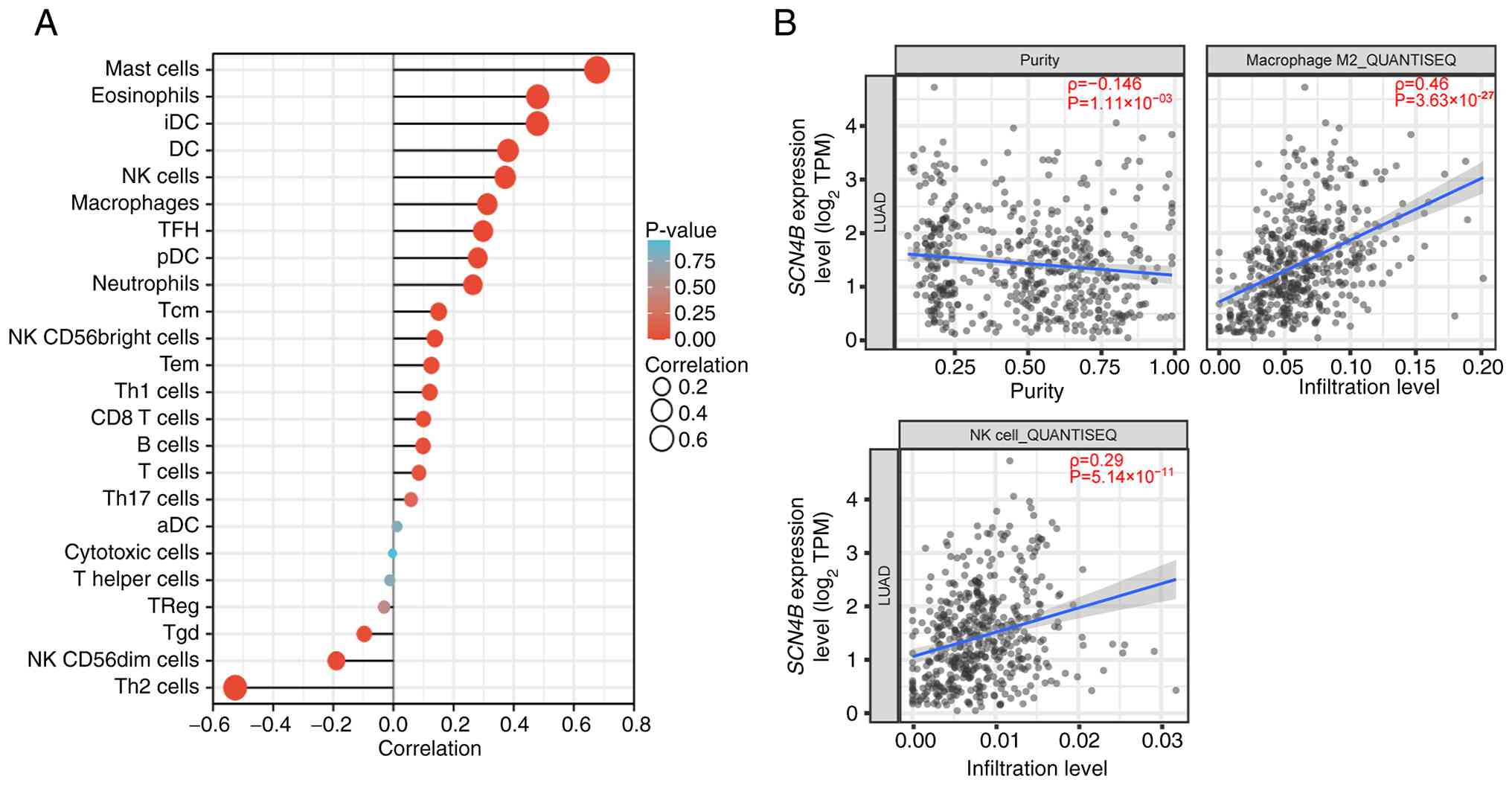
Figure 5

Analysis of immune infiltration
related to SCN4B. (A) Bubble plot of immune infiltration
analysis. (B) Correlation analysis of SCN4B expression with
tumor purity, M2 macrophage infiltration (quanTIseq) and NK cell
infiltration (quanTIseq). Spearman correlation analysis was
performed; Ρ-values and P-values are shown. SCN4B, sodium
channel β4 subunit; NK, natural killer; quanTIseq, quantification
of the tumor immune contexture from RNA sequencing; TPM,
transcripts per million.

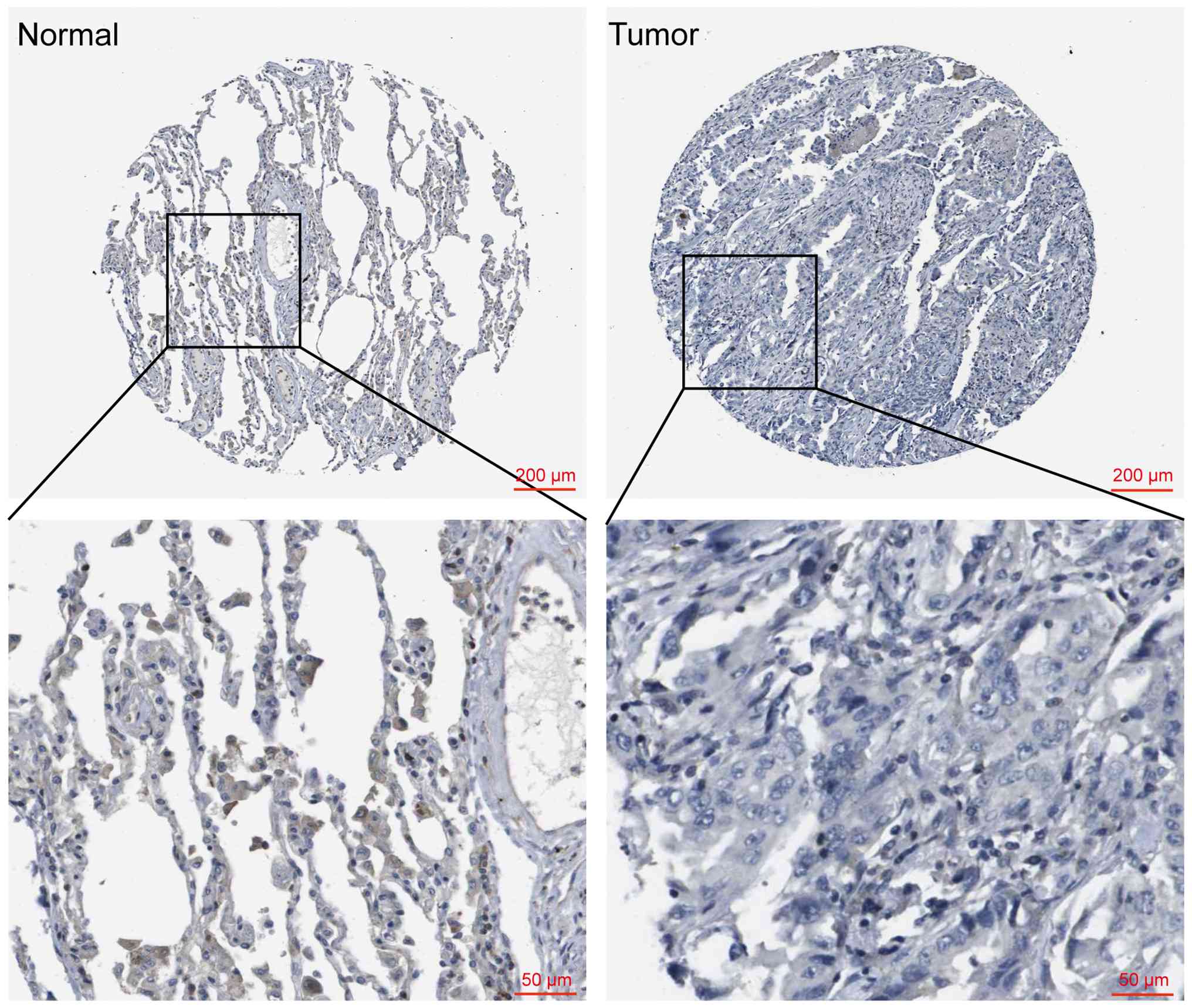
Figure 6

SCN4B expression in lung
cancer tissues and normal tissues. Immunohistochemical staining
images of SCN4B expression in normal lung tissue and lung
adenocarcinoma tumor tissue were obtained from the online Human
Protein Atlas database (https://www.proteinatlas.org/). The magnification of
the first row of images is ×100; scale bar, 200 µm; the
magnification of the second row of images is ×400; scale bar, 50
µm. SCN4B, sodium channel β4 subunit.

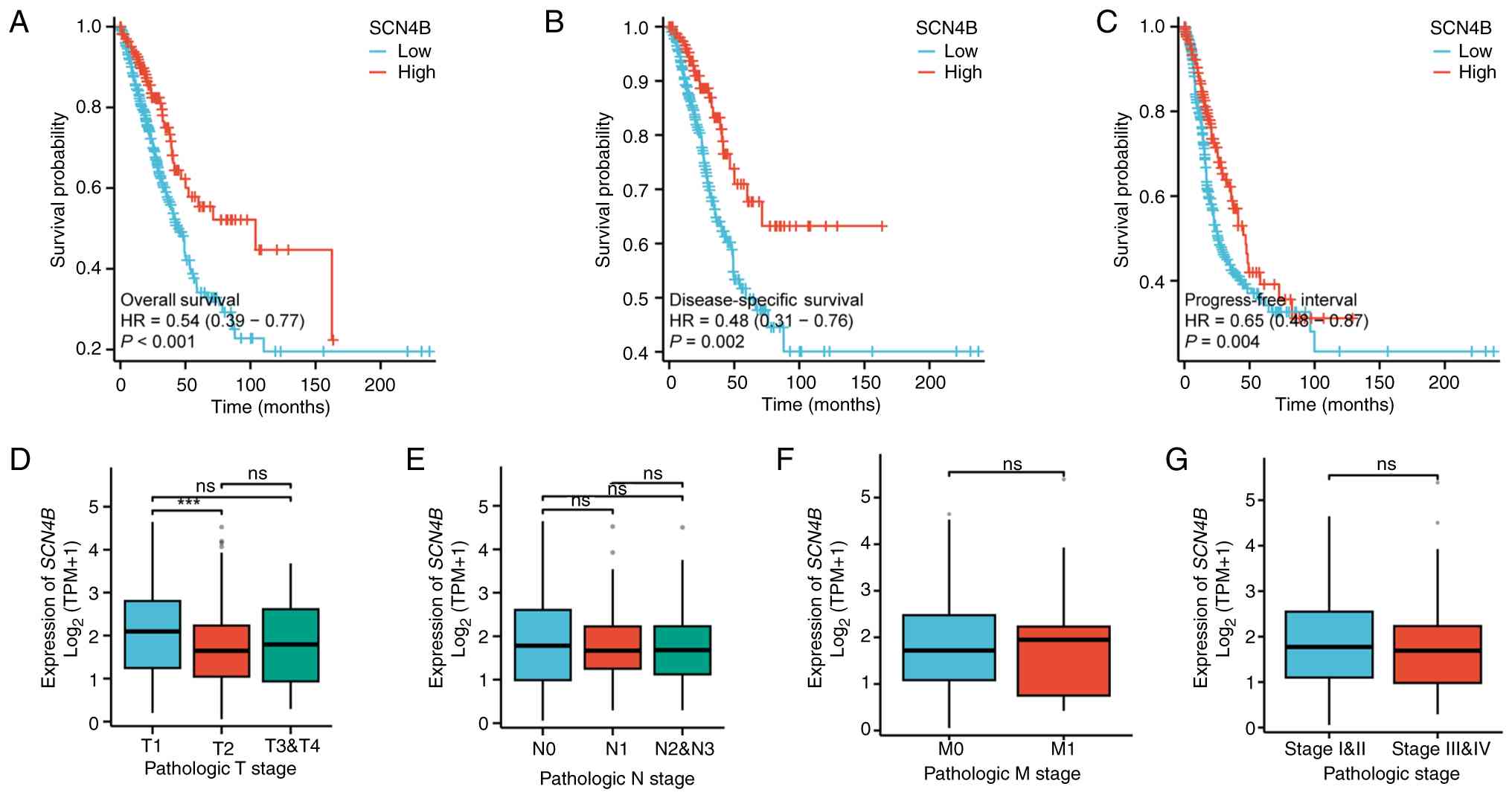
Figure 7

Prognostic analysis and clinical
association analysis of SCN4B. (A) Kaplan-Meier survival
curve for overall survival stratified by SCN4B expression.
(B) Kaplan-Meier survival curve for disease-specific survival based
on SCN4B expression levels. (C) Kaplan-Meier survival curve
for the progression-free interval in patients with high vs. low
SCN4B expression. (D) Comparison of SCN4B expression
across T stages (T1-T4). (E) SCN4B expression in patients
with or without lymph node metastasis. (F) SCN4B expression
in patients with or without distant metastasis. (G) SCN4B
expression across different tumor stages. (D and E) Kruskal-Wallis
test. (F and G) Wilcoxon rank-sum test. ***P<0.001. HR,
hazard ratio; ns, not significant (P>0.05); SCN4B,
sodium channel β4 subunit; TPM, transcripts per million.

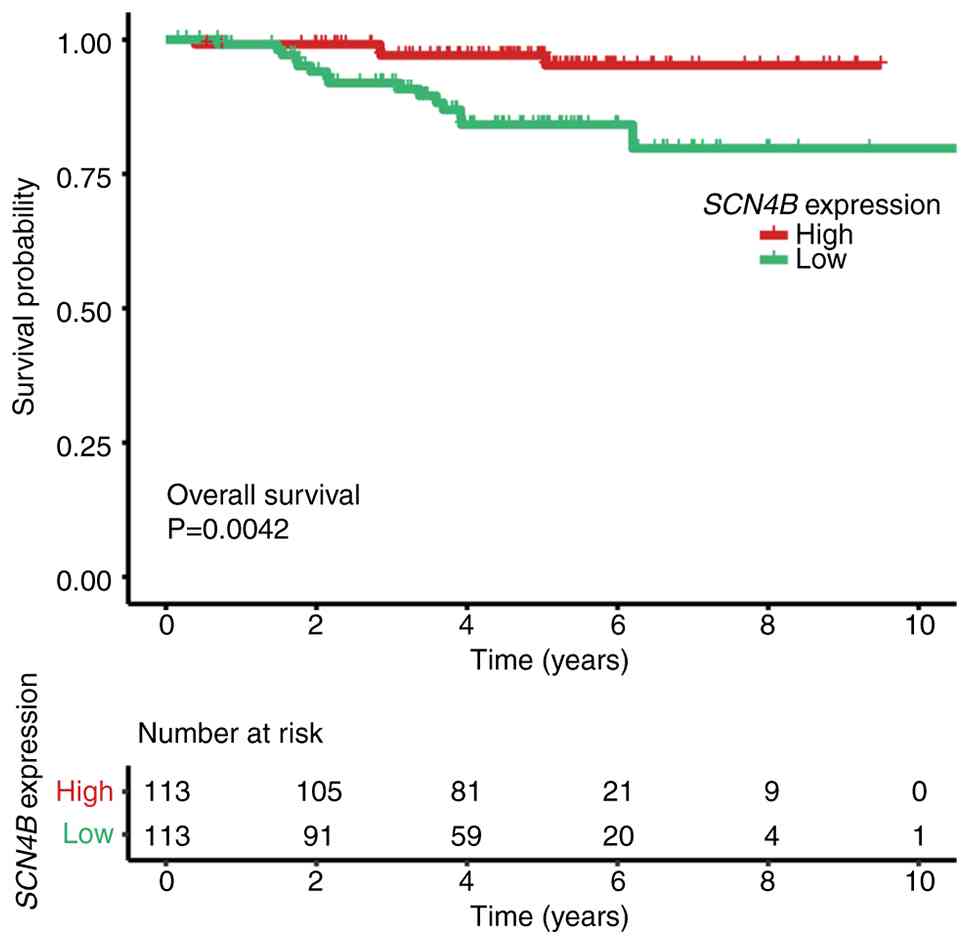
Figure 8

Prognostic association of
SCN4B in the GSE31210 cohort. Kaplan-Meier curves were
generated by stratifying patients into high and low SCN4B
expression groups using the median expression value as the cutoff.
The ‘number at risk’ table below the plot indicates the counts
remaining at risk at each time point. Groups were compared using
the two-sided log-rank test (P=0.0042). SCN4B, sodium
channel β4 subunit.

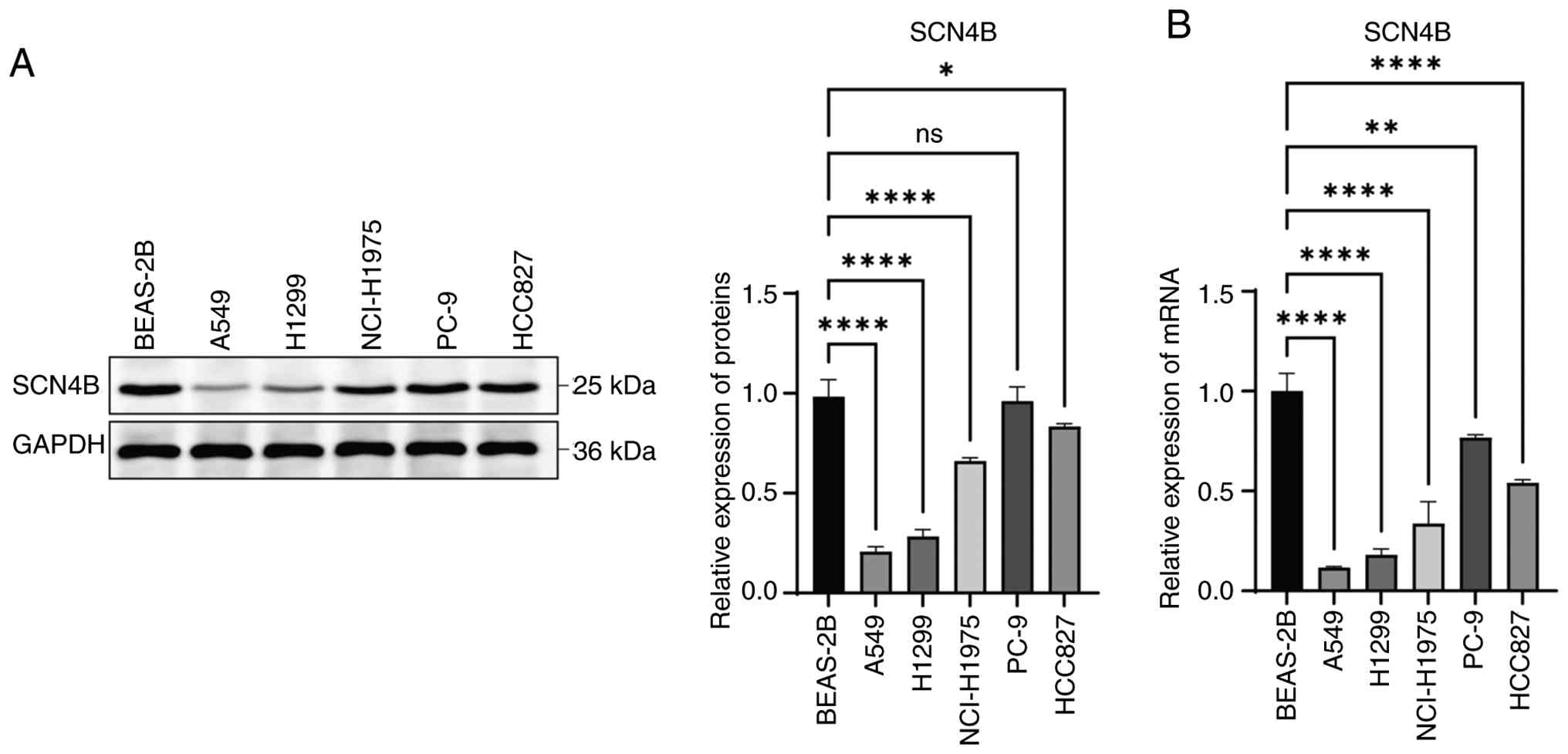
Figure 9

Basal expression of SCN4B across lung
cell lines. (A) Representative western blot images: Lane 1, normal
lung cells; lanes 2–6, lung cancer cell lines. GAPDH served as the
loading control. For densitometric quantification, SCN4B was
normalized to GAPDH and further normalized to the normal cells
(=1). (B) Reverse transcription-quantitative PCR validation in the
same panel of distinct cell lines as in (A) (normalized to GAPDH;
2−ΔΔCq). One-way ANOVA with Dunnett's post hoc test was
used for statistical analysis. N=3 independent experiments.
*P<0.05, **P<0.01, ****P<0.0001. ns,
not significant (P>0.05); SCN4B, sodium channel β4
subunit.

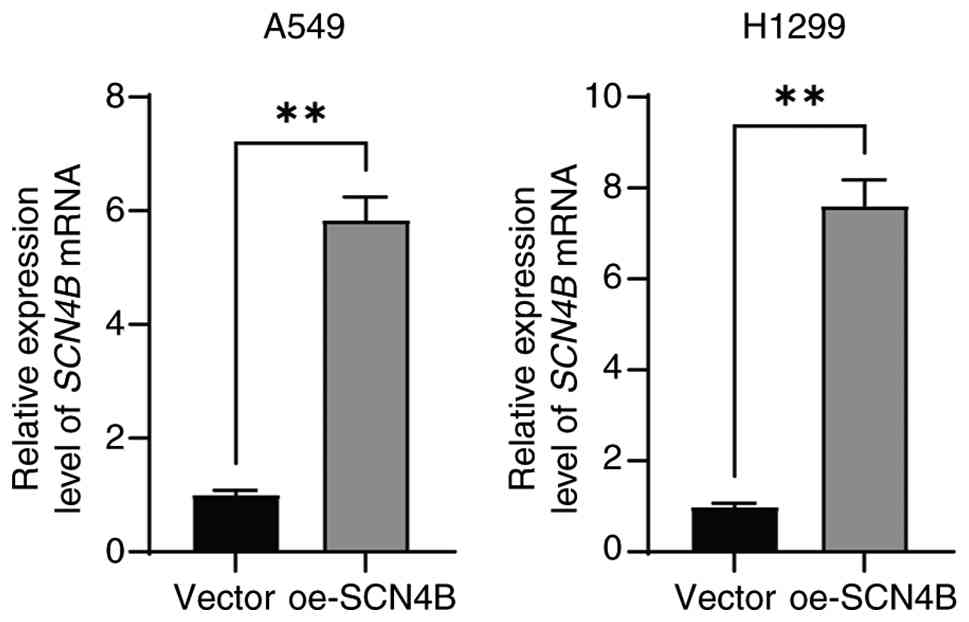
Figure 10

Construction of SCN4B
overexpression models in A549 and H1299 lung adenocarcinoma cell
lines. After transfection with overexpression plasmids for 48 h in
A549 and H1299 cells, the relative mRNA expression level changes of
SCN4B in the cells were detected by reverse
transcription-quantitative PCR. Data were analyzed using a
two-tailed unpaired Student's t-test. N=3 independent experiments.
**P<0.01. SCN4B, sodium channel β4 subunit; oe,
overexpression.

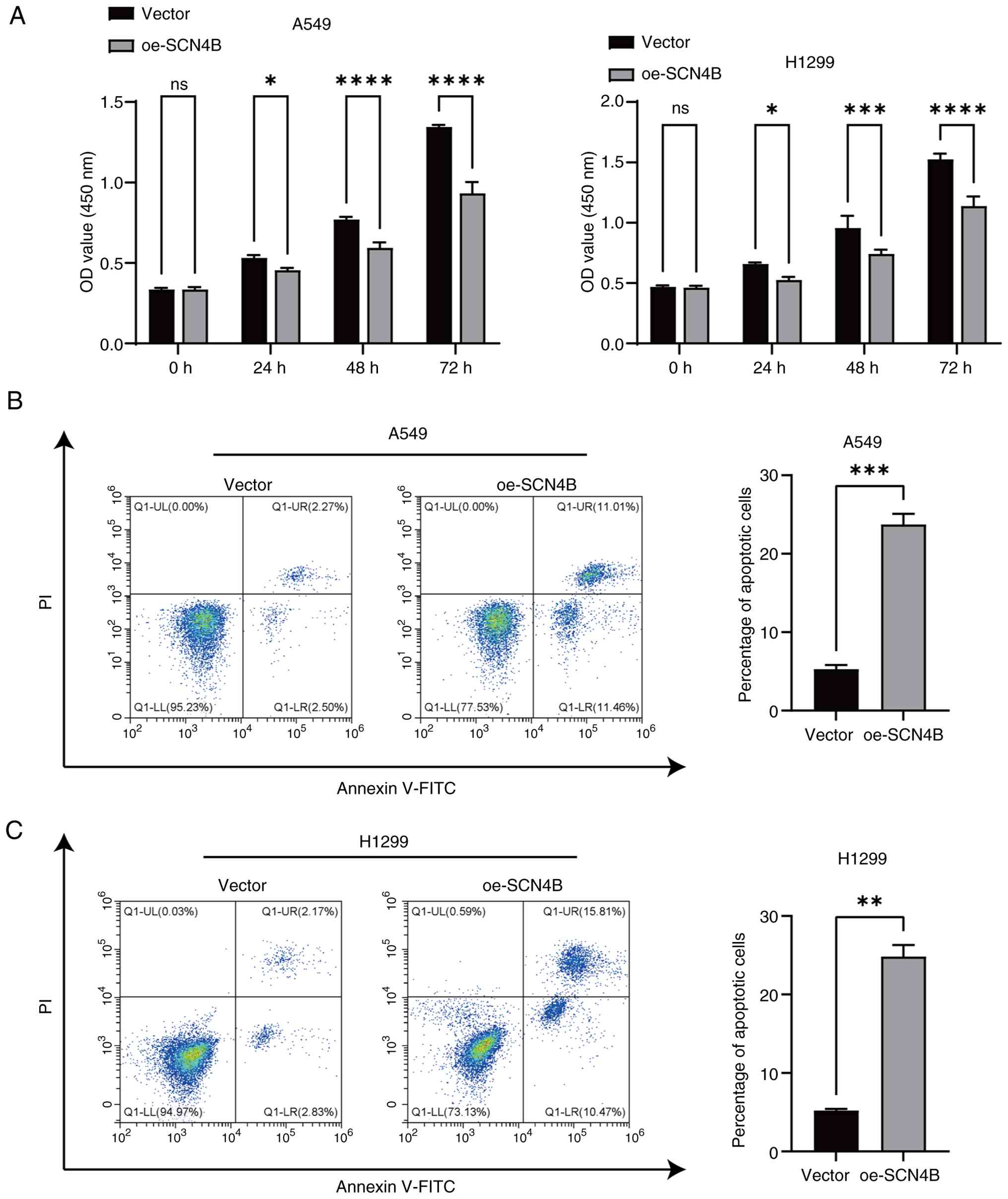
Figure 11

SCN4B induces apoptosis and
inhibits cell viability. (A) Changes in the viability of A549 and
H1299 cells at different time points after transfection (0, 24, 48
and 72 h) were detected using a Cell Counting Kit-8 assay. Data
were analyzed using two-way ANOVA with Bonferroni's post hoc test.
Changes in the proportion of apoptotic cells after 48 h of
transfection in (B) A549 and (C) H1299 cells labeled with
PI/annexin V-FITC double staining were detected by flow cytometry.
Data were analyzes using a two-tailed unpaired Student's t-test.
N=3 independent experiments. *P<0.05, **P<0.01,
***P<0.001, ****P<0.0001. ns, not significant
(P>0.05); SCN4B, sodium channel β4 subunit; oe,
overexpression; OD, optical density.

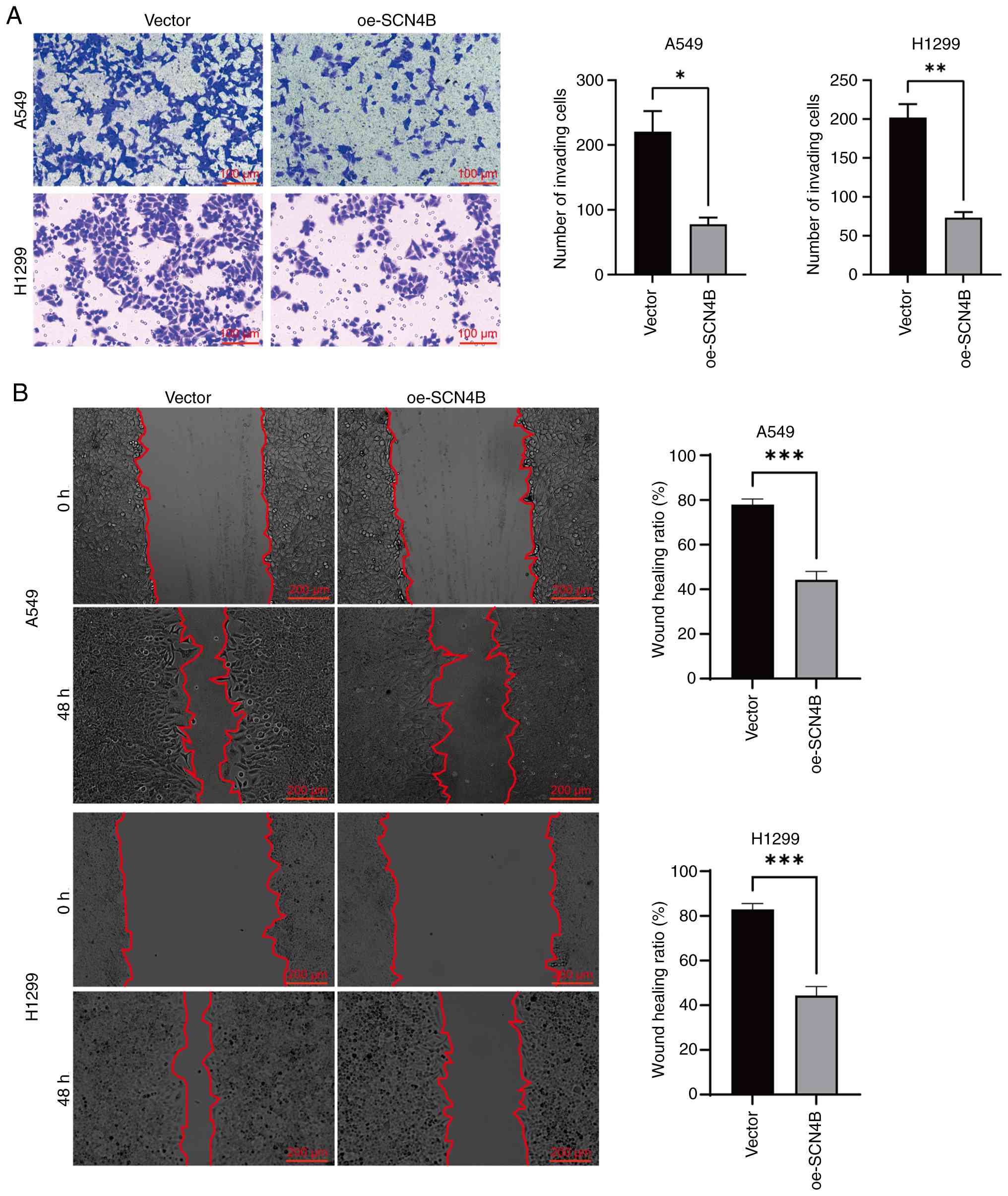
Figure 12

SCN4B can inhibit the invasion
and migration of lung cancer cells. (A) Changes in the invasion of
A549 and H1299 LUAD cells 48 h after transfection with SCN4B
overexpression plasmid were detected using a Transwell assay
(magnification, ×100; scale bar, 100 µm). (B) Changes in the
migration of A549 and H1299 LUAD cells 48 h after transfection with
SCN4B overexpression plasmid were detected using a cell
scratch assay (magnification, ×100; scale bar, 200 µm). Data were
analyzed using a two-tailed unpaired Student's t-test. N=3
independent experiments. *P<0.05, **P<0.01,
***P<0.001. SCN4B, sodium channel β4 subunit; oe,
overexpression; LUAD, lung adenocarcinoma.

Figure 13

SCN4B can inhibit the
epithelial-mesenchymal transition process of LUAD cells. The
relative protein expression levels of SCN4B, E-cadherin,
N-cadherin, Vimentin and Snail in A549 and H1299 LUAD cells 48 h
after transfection with SCN4B overexpression plasmid were detected
by western blotting. Data were analyzed using a two-tailed unpaired
Student's t-test for each protein. N=3 independent experiments.
****P<0.0001. SCN4B, sodium channel β4 subunit; oe,
overexpression; LUAD, lung adenocarcinoma.
View References

1 

Zheng M: Classification and pathology of lung cancer. Surg Oncol Clin N Am. 25:447–468. 2016. View Article : Google Scholar : PubMed/NCBI

2 

Mithoowani H and Febbraro M: Non-small-cell lung cancer in 2022: A review for general practitioners in oncology. Curr Oncol. 29:1828–1839. 2022. View Article : Google Scholar : PubMed/NCBI

3 

Hirsch FR, Scagliotti GV, Mulshine JL, Kwon R, Curran WJ, Wu YL and Paz-Ares L: Lung cancer: Current therapies and new targeted treatments. Lancet. 389:299–311. 2017. View Article : Google Scholar : PubMed/NCBI

4 

Jonna S and Subramaniam DS: Molecular diagnostics and targeted therapies in non-small cell lung cancer (NSCLC): An update. Discov Med. 27:167–170. 2019.PubMed/NCBI

5 

Zhang Y, Chen M, Fang X, Han Y and Li Y: Progression and metastasis of lung cancer: Clinical features, molecular mechanisms, and clinical managements. Medcomm. 6:e704772025. View Article : Google Scholar : PubMed/NCBI

6 

Manfioletti G and Fedele M: Epithelial-mesenchymal transition (EMT). Int J Mol Sci. 24:113862023. View Article : Google Scholar : PubMed/NCBI

7 

Manfioletti G and Fedele M: Epithelial-mesenchymal transition (EMT) 2021. Int J Mol Sci. 23:58482022. View Article : Google Scholar : PubMed/NCBI

8 

Jiang Y, Han Q, Zhao H and Zhang J: Promotion of epithelial-mesenchymal transformation by hepatocellular carcinoma-educated macrophages through Wnt2b/β-catenin/c-Myc signaling and reprogramming glycolysis. J Exp Clin Canc Res. 40:132021. View Article : Google Scholar

9 

Lin YT and Wu KJ: Epigenetic regulation of epithelial-mesenchymal transition: Focusing on hypoxia and TGF-β signaling. J Biomed Sci. 27:392020. View Article : Google Scholar : PubMed/NCBI

10 

Shi Q, Xue C, Zeng Y, Yuan X, Chu Q, Jiang S, Wang J, Zhang Y, Zhu D and Li L: Notch signaling pathway in cancer: From mechanistic insights to targeted therapies. Signal Transduct Tar. 9:1282024. View Article : Google Scholar : PubMed/NCBI

11 

Ang HL, Mohan CD, Shanmugam MK, Leong HC, Makvandi P, Rangappa KS, Bishayee A, Kumar AP and Sethi G: Mechanism of Epithelial-mesenchymal transition in cancer and its regulation by natural compounds. Med Res Rev. 43:1141–1200. 2023. View Article : Google Scholar : PubMed/NCBI

12 

Xue W, Yang L, Chen C, Ashrafizadeh M, Tian Y and Sun R: Wnt/β-catenin-driven EMT regulation in human cancers. Cell Mol Life Sci. 81:792024. View Article : Google Scholar : PubMed/NCBI

13 

Wei P, Zhang N, Wang Y, Li D, Wang L, Sun X, Shen C, Yang Y, Zhou X and Du X: FOXM1 promotes lung adenocarcinoma invasion and metastasis by upregulating SNAIL. Int J Biol Sci. 11:186–198. 2015. View Article : Google Scholar : PubMed/NCBI

14 

Pan J, Fang S, Tian H, Zhou C, Zhao X, Tian H, He J, Shen W, Meng X, Jin X and Gong Z: lncRNA JPX/miR-33a-5p/Twist1 axis regulates tumorigenesis and metastasis of lung cancer by activating Wnt/β-catenin signaling. Mol Cancer. 19:92020. View Article : Google Scholar : PubMed/NCBI

15 

Clarhaut J, Gemmill RM, Potiron VA, Ait-Si-Ali S, Imbert J, Drabkin HA and Roche J: ZEB-1, a repressor of the semaphorin 3F tumor suppressor gene in lung cancer cells. Neoplasia. 11:157–166. 2009. View Article : Google Scholar : PubMed/NCBI

16 

Wang X, Li M, Yin J, Fang J, Ying Y, Ye T, Zhang F, Ma S, Qin H and Liu X: Emetine dihydrochloride alleviated radiation-induced lung injury through inhibiting EMT. J Cell Mol Med. 27:3839–3850. 2023. View Article : Google Scholar : PubMed/NCBI

17 

Chanvorachote P, Petsri K and Thongsom S: Epithelial to mesenchymal transition in lung cancer: Potential EMT-Targeting natural product-derived compounds. Anticancer Res. 42:4237–4246. 2022. View Article : Google Scholar : PubMed/NCBI

18 

Al-Ward H, Liu CY, Liu N, Shaher F, Al-Nusaif M, Mao J and Xu H: Voltage-gated sodium channel β1 Gene: An overview. Hum Hered. 85:101–109. 2020. View Article : Google Scholar : PubMed/NCBI

19 

Lewis AH and Raman IM: Resurgent current of voltage-gated Na(+) channels. J Physiol. 592:4825–4838. 2014. View Article : Google Scholar : PubMed/NCBI

20 

Ślęczkowska M, Almomani R, Marchi M, Salvi E, de Greef B, Sopacua M, Hoeijmakers J, Lindsey P, Waxman SG, Lauria G, et al: Peripheral ion channel genes screening in painful small fiber neuropathy. Int J Mol Sci. 23:140952022. View Article : Google Scholar : PubMed/NCBI

21 

Lu Y, Yu W, Xi Z, Xiao Z, Kou X and Wang XF: Mutational analysis of SCN2B, SCN3B and SCN4B in a large Chinese Han family with generalized tonic-clonic seizure. Neurol Sci. 31:675–677. 2010. View Article : Google Scholar : PubMed/NCBI

22 

Dai W, Zhou J, Wang H, Zhang M, Yang X and Song W: miR-424-5p promotes the proliferation and metastasis of colorectal cancer by directly targeting SCN4B. Pathol Res Pract. 216:1527312020. View Article : Google Scholar : PubMed/NCBI

23 

Li X, Chen W, Jiang S, Zhang L, Huang H, Ji Y, Ni Q and Ling C: Low expression of SCN4B predicts poor prognosis in Non-small cell lung cancer. Curr Cancer Drug Targets. 25:445–466. 2025. View Article : Google Scholar : PubMed/NCBI

24 

Peinado H, Ballestar E, Esteller M and Cano A: Snail mediates E-cadherin repression by the recruitment of the Sin3A/histone deacetylase 1 (HDAC1)/HDAC2 complex. Mol Cell Biol. 24:306–319. 2004. View Article : Google Scholar : PubMed/NCBI

25 

Ma Q, Ye S, Liu H, Zhao Y, Mao Y and Zhang W: HMGA2 promotes cancer metastasis by regulating epithelial-mesenchymal transition. Front Oncol. 14:13208872024. View Article : Google Scholar : PubMed/NCBI

26 

R Core Team R, . A language and environment for statistical computing. R Foundation for Statistical Computing; Vienna, Austria: 2025, URL. http://www.R-project.org/

27 

Hughes G, Kopetzky J and McRoberts N: Mutual information as a performance measure for binary predictors characterized by both ROC curve and PROC curve analysis. Entropy (Basel). 22:9382020. View Article : Google Scholar : PubMed/NCBI

28 

Gustavsson EK, Zhang D, Reynolds RH, Garcia-Ruiz S and Ryten M: Ggtranscript: An R package for the visualization and interpretation of transcript isoforms using ggplot2. Bioinformatics. 38:3844–3846. 2022. View Article : Google Scholar : PubMed/NCBI

29 

Wu X, Sui Z, Zhang H, Wang Y and Yu Z: Integrated analysis of lncRNA-mediated ceRNA network in lung adenocarcinoma. Front Oncol. 10:5547592020. View Article : Google Scholar : PubMed/NCBI

30 

Hess AS and Hess JR: Kaplan-Meier survival curves. Transfusion. 60:670–672. 2020. View Article : Google Scholar : PubMed/NCBI

31 

Yamauchi M, Yamaguchi R, Nakata A, Kohno T, Nagasaki M, Shimamura T, Imoto S, Saito A, Ueno K, Hatanaka Y, et al: Epidermal growth factor receptor tyrosine kinase defines critical prognostic genes of stage I lung adenocarcinoma. PLoS One. 7:e439232012. View Article : Google Scholar : PubMed/NCBI

32 

Feng X, Zahed H, Onwuka J, Callister M, Johansson M, Etzioni R and Robbins HA: Cancer stage compared with mortality as end points in randomized clinical trials of cancer screening: A systematic review and Meta-analysis. JAMA. 331:1910–1917. 2024. View Article : Google Scholar : PubMed/NCBI

33 

Qin H, Lu H, Qin C, Huang X, Peng K, Li Y, Lan C, Bi A, Huang Z, Wei Y, et al: Pan-cancer analysis suggests that LY6H is a potential biomarker of diagnosis, immunoinfiltration, and prognosis. J Cancer. 15:5515–5539. 2024. View Article : Google Scholar : PubMed/NCBI

34 

Wang Y, Wang H, Pan T, Li L, Li J and Yang H: STIM1 silencing inhibits the migration and invasion of A549 cells. Mol Med Rep. 16:3283–3289. 2017. View Article : Google Scholar : PubMed/NCBI

35 

Livak KJ and Schmittgen TD: Analysis of relative gene expression data using real-time quantitative PCR and the 2(−Delta Delta C(T)) method. Methods. 25:402–408. 2001. View Article : Google Scholar : PubMed/NCBI

36 

Albuquerque C, Manguinhas R, Costa JG, Gil N, Codony-Servat J, Castro M, Miranda JP, Fernandes AS, Rosell R and Oliveira NG: A narrative review of the migration and invasion features of non-small cell lung cancer cells upon xenobiotic exposure: Insights from in vitro studies. Transl Lung Cancer Res. 10:2698–2714. 2021. View Article : Google Scholar : PubMed/NCBI

37 

Guo Q, Yu W, Tan J, Zhang J, Chen J, Rao S, Guo X and Cai K: Remodelin delays non-small cell lung cancer progression by inhibiting NAT10 via the EMT pathway. Cancer Med. 13:e72832024. View Article : Google Scholar : PubMed/NCBI

38 

Liu X, Chen Y, Li Y, Petersen RB and Huang K: Targeting mitosis exit: A brake for cancer cell proliferation. Biochim Biophys Acta Rev Cancer. 1871:179–191. 2019. View Article : Google Scholar : PubMed/NCBI

39 

Venugopal N, Yeh J, Kodeboyina SK, Lee TJ, Sharma S, Patel N and Sharma A: Differences in the early stage gene expression profiles of lung adenocarcinoma and lung squamous cell carcinoma. Oncol Lett. 18:6572–6582. 2019.PubMed/NCBI

40 

Seetharaman S and Etienne-Manneville S: Cytoskeletal crosstalk in cell migration. Trends Cell Biol. 30:720–735. 2020. View Article : Google Scholar : PubMed/NCBI

41 

Biswas KH: Molecular Mobility-mediated regulation of E-cadherin adhesion. Trends Biochem Sci. 45:163–173. 2020. View Article : Google Scholar : PubMed/NCBI

42 

Morana O, Wood W and Gregory CD: The apoptosis paradox in cancer. Int J Mol Sci. 23:13282022. View Article : Google Scholar : PubMed/NCBI

43 

Moyer A, Tanaka K and Cheng EH: Apoptosis in cancer biology and therapy. Annu Rev Pathol. 20:303–328. 2025. View Article : Google Scholar : PubMed/NCBI

44 

Yang S, Zhang D, Sun Q, Nie H, Zhang Y, Wang X, Huang Y and Sun Y: Single-cell and spatial transcriptome profiling identifies the transcription factor BHLHE40 as a driver of EMT in metastatic colorectal cancer. Cancer Res. 84:2202–2217. 2024. View Article : Google Scholar : PubMed/NCBI

45 

Corso G, Figueiredo J, De Angelis SP, Corso F, Girardi A, Pereira J, Seruca R, Bonanni B, Carneiro P, Pravettoni G, et al: E-cadherin deregulation in breast cancer. J Cell Mol Med. 24:5930–5936. 2020. View Article : Google Scholar : PubMed/NCBI

46 

Na TY, Schecterson L, Mendonsa AM and Gumbiner BM: The functional activity of E-cadherin controls tumor cell metastasis at multiple steps. Proc Natl Acad Sci USA. 117:5931–5937. 2020. View Article : Google Scholar : PubMed/NCBI

47 

Osuka S, Zhu D, Zhang Z, Li C, Stackhouse CT, Sampetrean O, Olson JJ, Gillespie GY, Saya H, Willey CD and Van Meir EG: N-cadherin upregulation mediates adaptive radioresistance in glioblastoma. J Clin Invest. 131:e1360982021. View Article : Google Scholar : PubMed/NCBI

48 

Gerber TS, Ridder DA, Goeppert B, Brobeil A, Stenzel P, Zimmer S, Jakel J, Metzig MO, Schwab R, Martin SZ, et al: N-cadherin: A diagnostic marker to help discriminate primary liver carcinomas from extrahepatic carcinomas. Int J Cancer. 154:1857–1868. 2024. View Article : Google Scholar : PubMed/NCBI

49 

Ridge KM, Eriksson JE, Pekny M and Goldman RD: Roles of vimentin in health and disease. Gene Dev. 36:391–407. 2022. View Article : Google Scholar : PubMed/NCBI

50 

Cui H, Huang J, Lei Y, Chen Q, Hu Z, Niu J, Wei R, Yang K, Li H, Lu T, et al: Design and synthesis of dual inhibitors targeting snail and histone deacetylase for the treatment of solid tumour cancer. Eur J Med Chem. 229:1140822022. View Article : Google Scholar : PubMed/NCBI

51 

Huang Y, Hong W and Wei X: The molecular mechanisms and therapeutic strategies of EMT in tumor progression and metastasis. J Hematol Oncol. 15:1292022. View Article : Google Scholar : PubMed/NCBI

52 

Hao Y, Baker D and Ten DP: TGF-β-Mediated Epithelial-mesenchymal transition and cancer metastasis. Int J Mol Sci. 20:27672019. View Article : Google Scholar : PubMed/NCBI

53 

Brackenbury WJ and Isom LL: Na Channel β Subunits: Overachievers of the ion channel family. Front Pharmacol. 2:532011. View Article : Google Scholar : PubMed/NCBI

54 

Peng L, Gao R, Han L, Fu T and Bian C: Roles of β-catenin protein in non-small cell lung cancer (Review). Oncol Lett. 30:5652025. View Article : Google Scholar : PubMed/NCBI

55 

Yu F, Yu C, Li F, Zuo Y, Wang Y, Yao L, Wu C, Wang C and Ye L: Wnt/β-catenin signaling in cancers and targeted therapies. Signal Transduct Tar. 6:3072021. View Article : Google Scholar : PubMed/NCBI

56 

Fontana R, Mestre-Farrera A and Yang J: Update on Epithelial-mesenchymal plasticity in cancer progression. Annu Rev Pathol. 19:133–156. 2024. View Article : Google Scholar : PubMed/NCBI

57 

Haddadin L and Sun X: Stem cells in cancer: From mechanisms to therapeutic strategies. Cells. 14:5382025. View Article : Google Scholar : PubMed/NCBI

58 

Hu Q, Saleem K, Pandey J, Charania AN, Zhou Y and He C: Cell adhesion molecules in fibrotic diseases. Biomedicines. 11:19952023. View Article : Google Scholar : PubMed/NCBI

59 

Lin W, Fang J, Wei S, He G, Liu J, Li X, Peng X, Li D, Yang S, Li X, et al: Extracellular vesicle-cell adhesion molecules in tumours: Biofunctions and clinical applications. Cell Commun Signal. 21:2462023. View Article : Google Scholar : PubMed/NCBI

60 

Morla S: Glycosaminoglycans and glycosaminoglycan mimetics in cancer and inflammation. Int J Mol Sci. 20:19362019. View Article : Google Scholar

61 

Xiao Y and Yu D: Tumor microenvironment as a therapeutic target in cancer. Pharmacol Ther. 221:1077532021. View Article : Google Scholar : PubMed/NCBI

62 

Du T, Gao J, Li P, Wang Y, Qi Q, Liu X, Li J, Wang C and Du L: Pyroptosis, metabolism, and tumor immune microenvironment. Clin Transl Med. 11:e4922021. View Article : Google Scholar : PubMed/NCBI

63 

Elhanani O, Ben-Uri R and Keren L: Spatial profiling technologies illuminate the tumor microenvironment. Cancer Cell. 41:404–420. 2023. View Article : Google Scholar : PubMed/NCBI

Related Articles

  • Abstract
  • View
  • Download
  • Twitter
Copy and paste a formatted citation
Spandidos Publications style
Guo M, Li H, Zhao Z, Wang Y, Tang J, Zhong B and Zhao Y: Suppressive role of SCN4B in the epithelial‑mesenchymal transition of lung adenocarcinoma. Oncol Rep 55: 68, 2026.
APA
Guo, M., Li, H., Zhao, Z., Wang, Y., Tang, J., Zhong, B., & Zhao, Y. (2026). Suppressive role of SCN4B in the epithelial‑mesenchymal transition of lung adenocarcinoma. Oncology Reports, 55, 68. https://doi.org/10.3892/or.2026.9073
MLA
Guo, M., Li, H., Zhao, Z., Wang, Y., Tang, J., Zhong, B., Zhao, Y."Suppressive role of SCN4B in the epithelial‑mesenchymal transition of lung adenocarcinoma". Oncology Reports 55.4 (2026): 68.
Chicago
Guo, M., Li, H., Zhao, Z., Wang, Y., Tang, J., Zhong, B., Zhao, Y."Suppressive role of SCN4B in the epithelial‑mesenchymal transition of lung adenocarcinoma". Oncology Reports 55, no. 4 (2026): 68. https://doi.org/10.3892/or.2026.9073
Copy and paste a formatted citation
x
Spandidos Publications style
Guo M, Li H, Zhao Z, Wang Y, Tang J, Zhong B and Zhao Y: Suppressive role of SCN4B in the epithelial‑mesenchymal transition of lung adenocarcinoma. Oncol Rep 55: 68, 2026.
APA
Guo, M., Li, H., Zhao, Z., Wang, Y., Tang, J., Zhong, B., & Zhao, Y. (2026). Suppressive role of SCN4B in the epithelial‑mesenchymal transition of lung adenocarcinoma. Oncology Reports, 55, 68. https://doi.org/10.3892/or.2026.9073
MLA
Guo, M., Li, H., Zhao, Z., Wang, Y., Tang, J., Zhong, B., Zhao, Y."Suppressive role of SCN4B in the epithelial‑mesenchymal transition of lung adenocarcinoma". Oncology Reports 55.4 (2026): 68.
Chicago
Guo, M., Li, H., Zhao, Z., Wang, Y., Tang, J., Zhong, B., Zhao, Y."Suppressive role of SCN4B in the epithelial‑mesenchymal transition of lung adenocarcinoma". Oncology Reports 55, no. 4 (2026): 68. https://doi.org/10.3892/or.2026.9073
Follow us
  • Twitter
  • LinkedIn
  • Facebook
About
  • Spandidos Publications
  • Careers
  • Cookie Policy
  • Privacy Policy
How can we help?
  • Help
  • Live Chat
  • Contact
  • Email to our Support Team