Spandidos Publications Logo
  • About
    • About Spandidos
    • Aims and Scopes
    • Abstracting and Indexing
    • Editorial Policies
    • Reprints and Permissions
    • Job Opportunities
    • Terms and Conditions
    • Contact
  • Journals
    • All Journals
    • Oncology Letters
      • Oncology Letters
      • Information for Authors
      • Editorial Policies
      • Editorial Board
      • Aims and Scope
      • Abstracting and Indexing
      • Bibliographic Information
      • Archive
    • International Journal of Oncology
      • International Journal of Oncology
      • Information for Authors
      • Editorial Policies
      • Editorial Board
      • Aims and Scope
      • Abstracting and Indexing
      • Bibliographic Information
      • Archive
    • Molecular and Clinical Oncology
      • Molecular and Clinical Oncology
      • Information for Authors
      • Editorial Policies
      • Editorial Board
      • Aims and Scope
      • Abstracting and Indexing
      • Bibliographic Information
      • Archive
    • Experimental and Therapeutic Medicine
      • Experimental and Therapeutic Medicine
      • Information for Authors
      • Editorial Policies
      • Editorial Board
      • Aims and Scope
      • Abstracting and Indexing
      • Bibliographic Information
      • Archive
    • International Journal of Molecular Medicine
      • International Journal of Molecular Medicine
      • Information for Authors
      • Editorial Policies
      • Editorial Board
      • Aims and Scope
      • Abstracting and Indexing
      • Bibliographic Information
      • Archive
    • Biomedical Reports
      • Biomedical Reports
      • Information for Authors
      • Editorial Policies
      • Editorial Board
      • Aims and Scope
      • Abstracting and Indexing
      • Bibliographic Information
      • Archive
    • Oncology Reports
      • Oncology Reports
      • Information for Authors
      • Editorial Policies
      • Editorial Board
      • Aims and Scope
      • Abstracting and Indexing
      • Bibliographic Information
      • Archive
    • Molecular Medicine Reports
      • Molecular Medicine Reports
      • Information for Authors
      • Editorial Policies
      • Editorial Board
      • Aims and Scope
      • Abstracting and Indexing
      • Bibliographic Information
      • Archive
    • World Academy of Sciences Journal
      • World Academy of Sciences Journal
      • Information for Authors
      • Editorial Policies
      • Editorial Board
      • Aims and Scope
      • Abstracting and Indexing
      • Bibliographic Information
      • Archive
    • International Journal of Functional Nutrition
      • International Journal of Functional Nutrition
      • Information for Authors
      • Editorial Policies
      • Editorial Board
      • Aims and Scope
      • Abstracting and Indexing
      • Bibliographic Information
      • Archive
    • International Journal of Epigenetics
      • International Journal of Epigenetics
      • Information for Authors
      • Editorial Policies
      • Editorial Board
      • Aims and Scope
      • Abstracting and Indexing
      • Bibliographic Information
      • Archive
    • Medicine International
      • Medicine International
      • Information for Authors
      • Editorial Policies
      • Editorial Board
      • Aims and Scope
      • Abstracting and Indexing
      • Bibliographic Information
      • Archive
  • Articles
  • Information
    • Information for Authors
    • Information for Reviewers
    • Information for Librarians
    • Information for Advertisers
    • Conferences
  • Language Editing
Spandidos Publications Logo
  • About
    • About Spandidos
    • Aims and Scopes
    • Abstracting and Indexing
    • Editorial Policies
    • Reprints and Permissions
    • Job Opportunities
    • Terms and Conditions
    • Contact
  • Journals
    • All Journals
    • Biomedical Reports
      • Information for Authors
      • Editorial Policies
      • Editorial Board
      • Aims and Scope
      • Abstracting and Indexing
      • Bibliographic Information
      • Archive
    • Experimental and Therapeutic Medicine
      • Information for Authors
      • Editorial Policies
      • Editorial Board
      • Aims and Scope
      • Abstracting and Indexing
      • Bibliographic Information
      • Archive
    • International Journal of Epigenetics
      • Information for Authors
      • Editorial Policies
      • Editorial Board
      • Aims and Scope
      • Abstracting and Indexing
      • Bibliographic Information
      • Archive
    • International Journal of Functional Nutrition
      • Information for Authors
      • Editorial Policies
      • Editorial Board
      • Aims and Scope
      • Abstracting and Indexing
      • Bibliographic Information
      • Archive
    • International Journal of Molecular Medicine
      • Information for Authors
      • Editorial Policies
      • Editorial Board
      • Aims and Scope
      • Abstracting and Indexing
      • Bibliographic Information
      • Archive
    • International Journal of Oncology
      • Information for Authors
      • Editorial Policies
      • Editorial Board
      • Aims and Scope
      • Abstracting and Indexing
      • Bibliographic Information
      • Archive
    • Medicine International
      • Information for Authors
      • Editorial Policies
      • Editorial Board
      • Aims and Scope
      • Abstracting and Indexing
      • Bibliographic Information
      • Archive
    • Molecular and Clinical Oncology
      • Information for Authors
      • Editorial Policies
      • Editorial Board
      • Aims and Scope
      • Abstracting and Indexing
      • Bibliographic Information
      • Archive
    • Molecular Medicine Reports
      • Information for Authors
      • Editorial Policies
      • Editorial Board
      • Aims and Scope
      • Abstracting and Indexing
      • Bibliographic Information
      • Archive
    • Oncology Letters
      • Information for Authors
      • Editorial Policies
      • Editorial Board
      • Aims and Scope
      • Abstracting and Indexing
      • Bibliographic Information
      • Archive
    • Oncology Reports
      • Information for Authors
      • Editorial Policies
      • Editorial Board
      • Aims and Scope
      • Abstracting and Indexing
      • Bibliographic Information
      • Archive
    • World Academy of Sciences Journal
      • Information for Authors
      • Editorial Policies
      • Editorial Board
      • Aims and Scope
      • Abstracting and Indexing
      • Bibliographic Information
      • Archive
  • Articles
  • Information
    • For Authors
    • For Reviewers
    • For Librarians
    • For Advertisers
    • Conferences
  • Language Editing
Login Register Submit
  • This site uses cookies
  • You can change your cookie settings at any time by following the instructions in our Cookie Policy. To find out more, you may read our Privacy Policy.

    I agree
Search articles by DOI, keyword, author or affiliation
Search
Advanced Search
presentation
Experimental and Therapeutic Medicine
Join Editorial Board Propose a Special Issue
Print ISSN: 1792-0981 Online ISSN: 1792-1015
Journal Cover
March-2017 Volume 13 Issue 3

Full Size Image

Sign up for eToc alerts
Recommend to Library

Journals

International Journal of Molecular Medicine

International Journal of Molecular Medicine

International Journal of Molecular Medicine is an international journal devoted to molecular mechanisms of human disease.

International Journal of Oncology

International Journal of Oncology

International Journal of Oncology is an international journal devoted to oncology research and cancer treatment.

Molecular Medicine Reports

Molecular Medicine Reports

Covers molecular medicine topics such as pharmacology, pathology, genetics, neuroscience, infectious diseases, molecular cardiology, and molecular surgery.

Oncology Reports

Oncology Reports

Oncology Reports is an international journal devoted to fundamental and applied research in Oncology.

Experimental and Therapeutic Medicine

Experimental and Therapeutic Medicine

Experimental and Therapeutic Medicine is an international journal devoted to laboratory and clinical medicine.

Oncology Letters

Oncology Letters

Oncology Letters is an international journal devoted to Experimental and Clinical Oncology.

Biomedical Reports

Biomedical Reports

Explores a wide range of biological and medical fields, including pharmacology, genetics, microbiology, neuroscience, and molecular cardiology.

Molecular and Clinical Oncology

Molecular and Clinical Oncology

International journal addressing all aspects of oncology research, from tumorigenesis and oncogenes to chemotherapy and metastasis.

World Academy of Sciences Journal

World Academy of Sciences Journal

Multidisciplinary open-access journal spanning biochemistry, genetics, neuroscience, environmental health, and synthetic biology.

International Journal of Functional Nutrition

International Journal of Functional Nutrition

Open-access journal combining biochemistry, pharmacology, immunology, and genetics to advance health through functional nutrition.

International Journal of Epigenetics

International Journal of Epigenetics

Publishes open-access research on using epigenetics to advance understanding and treatment of human disease.

Medicine International

Medicine International

An International Open Access Journal Devoted to General Medicine.

Journal Cover
March-2017 Volume 13 Issue 3

Full Size Image

Sign up for eToc alerts
Recommend to Library

  • Article
  • Citations
    • Cite This Article
    • Download Citation
    • Create Citation Alert
    • Remove Citation Alert
    • Cited By
  • Similar Articles
    • Related Articles (in Spandidos Publications)
    • Similar Articles (Google Scholar)
    • Similar Articles (PubMed)
  • Download PDF
  • Download XML
  • View XML
Article

Genome‑scale transcriptional analysis reveals key genes associated with the development of type II diabetes in mice

  • Authors:
    • Yuchi Zhang
    • Dongwei Han
    • Pengyang Yu
    • Qijing Huang
    • Pengling Ge
  • View Affiliations / Copyright

    Affiliations: Department of Pharmacology, School of Basic Medical Sciences, Heilongjiang University of Chinese Medicine, Harbin, Heilongjiang 150040, P.R. China
  • Pages: 1044-1150
    |
    Published online on: January 13, 2017
       https://doi.org/10.3892/etm.2017.4042
  • Expand metrics +
Metrics: Total Views: 0 (Spandidos Publications: | PMC Statistics: )
Metrics: Total PDF Downloads: 0 (Spandidos Publications: | PMC Statistics: )
Cited By (CrossRef): 0 citations Loading Articles...

This article is mentioned in:


Abstract

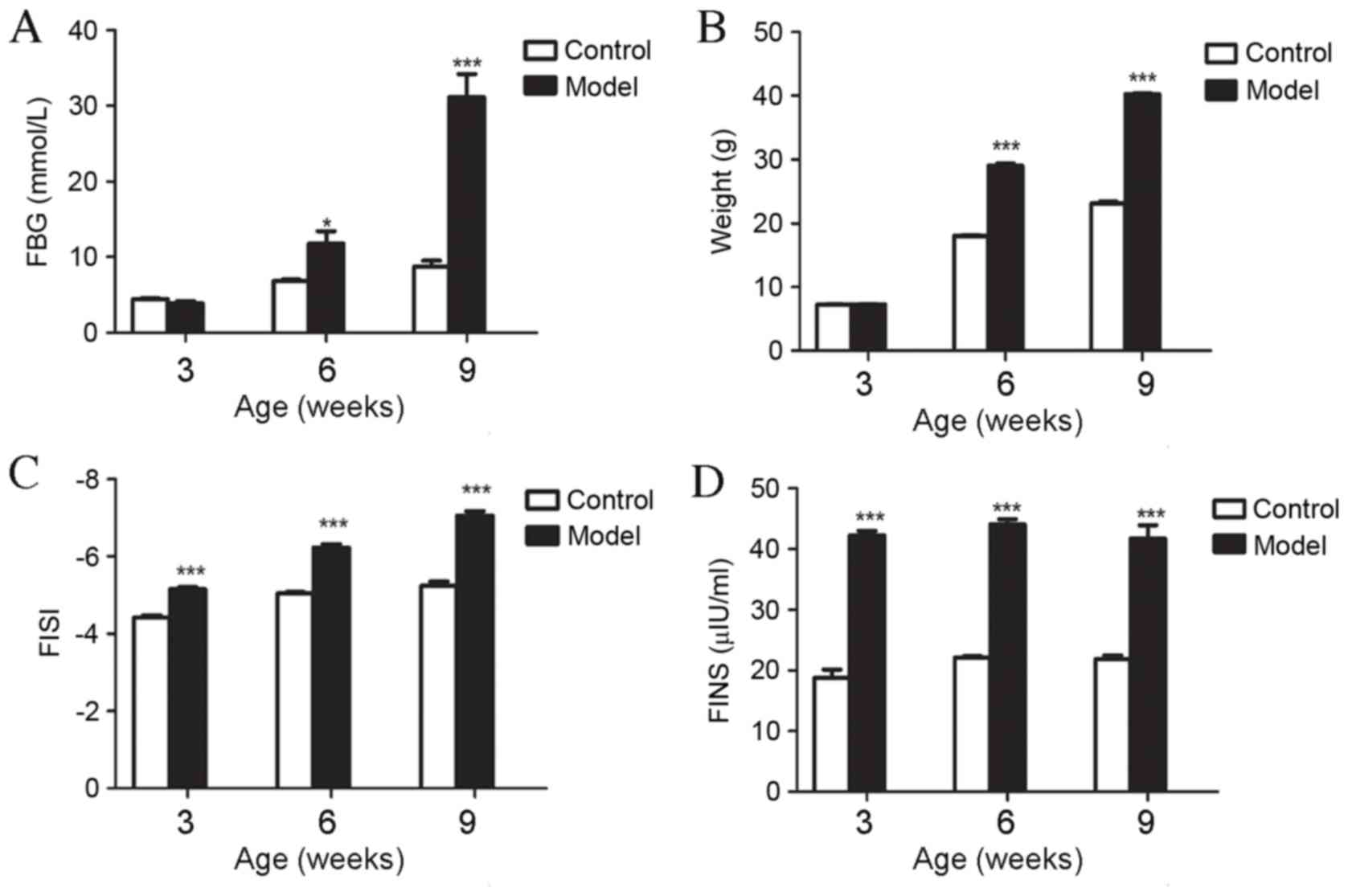
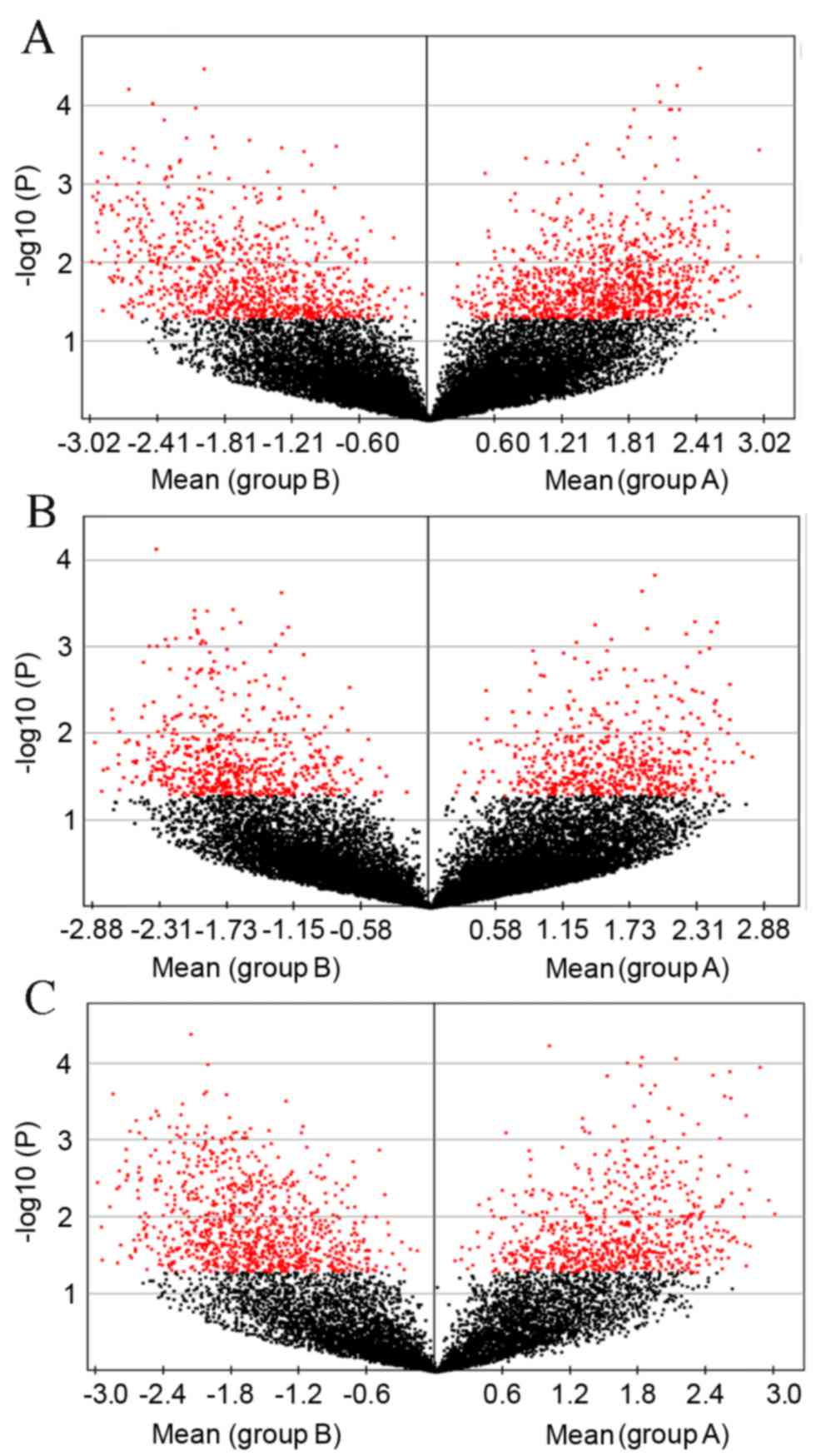
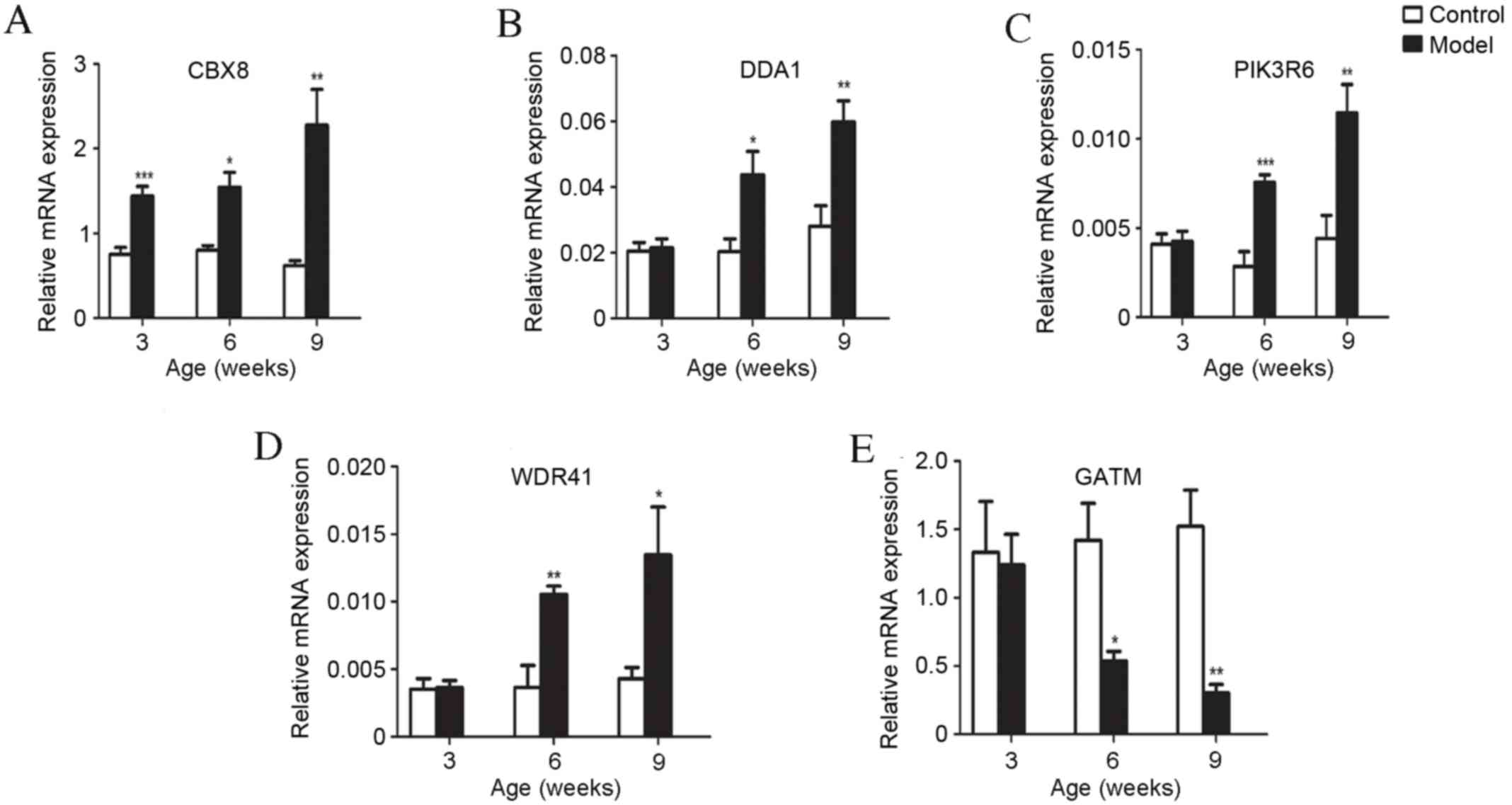
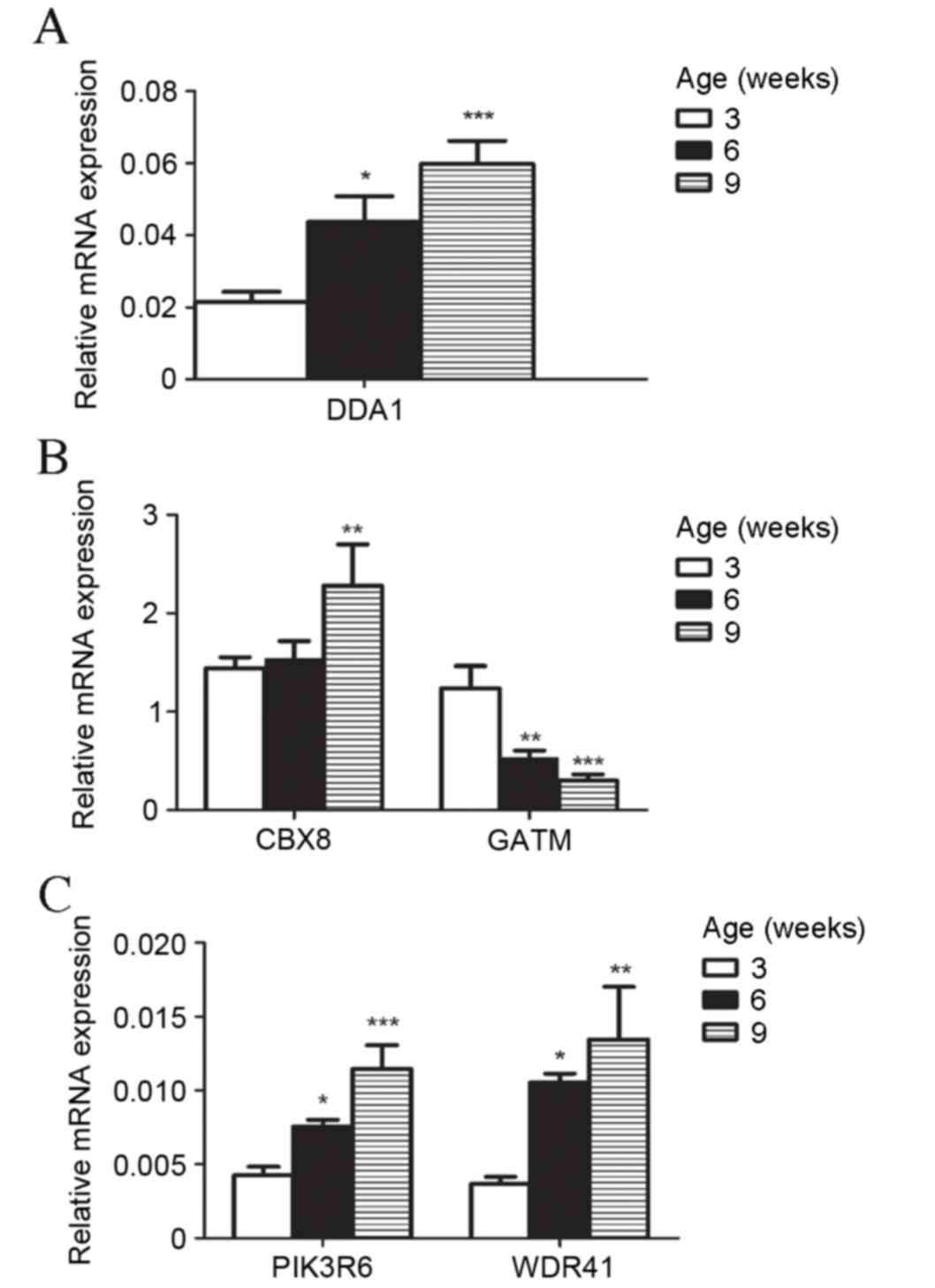
Diabetes mellitus is one of the primary diseases that pose a threat to human health. The focus of the present study is type II diabetes (T2D), which is caused by obesity and is the most prevalent type of diabetes. However, genome‑scale transcriptional analysis of diabetic liver in the development process of T2D is yet to be further elucidated. Microassays were performed on liver tissue samples from three‑, six‑ and nine‑week‑old db/db mice with diabetes and db/m mice to investigate differentially expressed mRNA. Based on the results of genome‑scale transcriptional analysis, five genes were screened in the present study: chromobox 8 (CBX8), de‑etiolated homolog 1 and damage specific DNA binding protein 1 associated 1 (DDA1), Phosphoinositide‑3‑kinase regulatory subunit 6 (PIK3R6), WD repeat domain 41 (WDR41) and Glycine Amidinotransferase (GATM). At three weeks of age, no significant differences in levels or ratios of expression were observed. However, at six and nine weeks, expression of CBX8, DDA1, PIK3R6 and WDR41 was significantly upregulated (P<0.05) in the db/db model group compared with the control group, whereas GATM expression was significantly downregulated (P<0.05). These results suggest that T2D‑related differential expression of genes becomes more marked with age, which was confirmed via reverse transcription‑quantitative polymerase chain reaction. Genome‑scale transcriptional analysis in diabetic mice provided a novel insight into the molecular. events associated with the role of mRNAs in T2D development, with specific emphasis upon CBX8, DDA1, PIK3R6, GATM and WDR41. The results of the present study may provide rationale for the investigation of the target genes of these mRNAs in future studies.
View Figures

Figure 1

Figure 2

Figure 3

Figure 4

View References

1 

Haslam DW and James WP: Obesity. Lancet. 366:1197–1209. 2005. View Article : Google Scholar : PubMed/NCBI

2 

Langeveld M and Aerts JM: Glycosphingolipids and insulin resistance. Prog Lipid Res. 48:196–205. 2009. View Article : Google Scholar : PubMed/NCBI

3 

Ai J, Wang N, Yang M, Du ZM, Zhang YC and Yang BF: Development of Wistar rat model of insulin resistance. World J Gastroenterol. 11:3675–3679. 2005. View Article : Google Scholar : PubMed/NCBI

4 

Stoffers DA: The development of beta-cell mass: Recent progress and potential role of GLP-1. Horm Metab Res. 36:811–821. 2004. View Article : Google Scholar : PubMed/NCBI

5 

Flück CE, Slotboom J, Nuoffer JM, Kreis R, Boesch C and Mullis PE: Normal hepatic glycogen storage after fasting and feeding in children and adolescents with type 1 diabetes. Pediatr Diabetes. 4:70–76. 2003. View Article : Google Scholar : PubMed/NCBI

6 

Kuang H, Han D, Xie J, Yan Y, Li J and Ge P: Profiling of differentially expressed microRNAs in premature ovarian failure in an animal model. Gynecol Endocrinol. 30:57–61. 2014. View Article : Google Scholar : PubMed/NCBI

7 

Hummel KP, Dickie MM and Coleman DL: Diabetes, a new mutation in the mouse. Science. 153:1127–1128. 1966. View Article : Google Scholar : PubMed/NCBI

8 

Yun KU, Ryu CS, Lee JY, Noh JR, Lee CH, Lee HS, Kang JS, Park SK, Kim BH and Kim SK: Hepatic metabolism of sulfur amino acids in db/db mice. Food Chem Toxicol. 53:180–186. 2013. View Article : Google Scholar : PubMed/NCBI

9 

Davis RC, Castellani LW, Hosseini M, Ben-Zeev O, Mao HZ, Weinstein MM, Jung DY, Jun JY, Kim JK, Lusis AJ and Péterfy M: Early hepatic insulin resistance precedes the onset of diabetes in obese C57BLKS-db/db mice. Diabetes. 59:1616–1625. 2010. View Article : Google Scholar : PubMed/NCBI

10 

Permutt MA, Wasson J and Cox N: Genetic epidemiology of diabetes. J Clin Invest. 115:1431–1439. 2005. View Article : Google Scholar : PubMed/NCBI

11 

Bonnefond A, Froguel P and Vaxillaire M: The emerging genetics of type 2 diabetes. Trends Mol Med. 16:407–416. 2010. View Article : Google Scholar : PubMed/NCBI

12 

Panzer C, Lauer MS, Brieke A, Blackstone E and Hoogwerf B: Association of fasting plasma glucose with heart rate recovery in healthy adults: A population-based study. Diabetes. 51:803–807. 2002. View Article : Google Scholar : PubMed/NCBI

13 

Lutz TA and Woods SC: Overview of animal models of obesity. Curr Protoc Pharmacol Chapter 5: Unit5.61. 2012. View Article : Google Scholar

14 

Lee W, Ham J, Kwon HC, Kim YK and Kim SN: Anti-diabetic effect of amorphastilbol through PPARα/γ dual activation in db/db mice. Biochem Biophys Res Commun. 432:73–79. 2013. View Article : Google Scholar : PubMed/NCBI

15 

Puff R, Dames P, Weise M, Göke B, Seissler J, Parhofer KG and Lechner A: Reduced proliferation and a high apoptotic frequency of pancreatic beta cells contribute to genetically-determined diabetes susceptibility of db/db BKS mice. Horm Metab Res. 43:306–311. 2011. View Article : Google Scholar : PubMed/NCBI

16 

Dweep H, Sticht C, Kharkar A, Pandey P and Gretz N: Parallel analysis of mRNA and microRNA microarray profiles to explore functional regulatory patterns in polycystic kidney disease: Using PKD/Mhm rat model. PLoS One. 8:e537802013. View Article : Google Scholar : PubMed/NCBI

17 

Maertens GN, El Messaoudi-Aubert S, Racek T, Stock JK, Nicholls J, Rodriguez-Niedenführ M, Gil J and Peters G: Several distinct polycomb complexes regulate and co-localize on the INK4a tumor suppressor locus. PLoS One. 4:e63802009. View Article : Google Scholar : PubMed/NCBI

18 

Bracken AP, Kleine-Kohlbrecher D, Dietrich N, Pasini D, Gargiulo G, Beekman C, Theilgaard-Mönch K, Minucci S, Porse BT, Marine JC, et al: The Polycomb group proteins bind throughout the INK4A-ARF locus and are disassociated in senescent cells. Genes Dev. 21:525–530. 2007. View Article : Google Scholar : PubMed/NCBI

19 

Dietrich N, Bracken AP, Trinh E, Schjerling CK, Koseki H, Rappsilber J, Helin K and Hansen KH: Bypass of senescence by the polycomb group protein CBX8 through direct binding to the INK4A-ARF locus. EMBO J. 26:1637–1648. 2007. View Article : Google Scholar : PubMed/NCBI

20 

Stott FJ, Bates S, James MC, McConnell BB, Starborg M, Brookes S, Palmero I, Ryan K, Hara E, Vousden KH and Peters G: The alternative product from the human CDKN2A locus, p14(ARF), participates in a regulatory feedback loop with p53 and MDM2. EMBO J. 17:5001–5014. 1998. View Article : Google Scholar : PubMed/NCBI

21 

Kamijo T, Weber JD, Zambetti G, Zindy F, Roussel MF and Sherr CJ: Functional and physical interactions of the ARF tumor suppressor with p53 and Mdm2. Proc Natl Acad Sci USA. 95:8292–8297. 1998. View Article : Google Scholar : PubMed/NCBI

22 

Zhang Y, Xiong Y and Yarbrough WG: ARF promotes MDM2 degradation and stabilizes p53: ARF-INK4a locus deletion impairs both the Rb and p53 tumor suppression pathways. Cell. 92:725–734. 1998. View Article : Google Scholar : PubMed/NCBI

23 

Pomerantz J, Schreiber-Agus N, Liégeois NJ, Silverman A, Alland L, Chin L, Potes J, Chen K, Orlow I, Lee HW, et al: The Ink4a tumor suppressor gene product, p19Arf, interacts with MDM2 and neutralizes MDM2's inhibition of p53. Cell. 92:713–723. 1998. View Article : Google Scholar : PubMed/NCBI

24 

Yang S, Wang B, Humphries F, Hogan AE, O'Shea D and Moynagh PN: The E3 ubiquitin ligase Pellino3 protects against obesity-induced inflammation and insulin resistance. Immunity. 41:973–987. 2014. View Article : Google Scholar : PubMed/NCBI

25 

Pick E, Lau OS, Tsuge T, Menon S, Tong Y, Dohmae N, Plafker SM, Deng XW and Wei N: Mammalian DET1 regulates Cul4A activity and forms stable complexes with E2 ubiquitin-conjugating enzymes. Mol Cell Biol. 27:4708–4719. 2007. View Article : Google Scholar : PubMed/NCBI

26 

Bates S, Phillips AC, Clark PA, Stott F, Peters G, Ludwig RL and Vousden KH: p14ARF links the tumour suppressors RB and p53. Nature. 395:124–125. 1998. View Article : Google Scholar : PubMed/NCBI

27 

de Stanchina E, McCurrach ME, Zindy F, Shieh SY, Ferbeyre G, Samuelson AV, Prives C, Roussel MF, Sherr CJ and Lowe SW: E1A signaling to p53 involves the p19(ARF) tumor suppressor. Genes Dev. 12:2434–2442. 1998. View Article : Google Scholar : PubMed/NCBI

28 

Zindy F, Eischen CM, Randle DH, Kamijo T, Cleveland JL, Sherr CJ and Roussel MF: Myc signaling via the ARF tumor suppressor regulates p53-dependent apoptosis and immortalization. Genes Dev. 12:2424–2433. 1998. View Article : Google Scholar : PubMed/NCBI

29 

Radfar A, Unnikrishnan I, Lee HW, DePinho RA and Rosenberg N: p19(Arf) induces p53-dependent apoptosis during abelson virus-mediated pre-B cell transformation. Proc Natl Acad Sci USA. 95:13194–13199. 1998. View Article : Google Scholar : PubMed/NCBI

30 

Nacerddine K, Beaudry JB, Ginjala V, Westerman B, Mattiroli F, Song JY, van der Poel H, Ponz OB, Pritchard C, Cornelissen-Steijger P, et al: Akt-mediated phosphorylation of Bmi1 modulates its oncogenic potential, E3 ligase activity and DNA damage repair activity in mouse prostate cancer. J Clin Invest. 122:1920–1932. 2012. View Article : Google Scholar : PubMed/NCBI

31 

Kitagishi Y, Nakanishi A, Minami A, Asai Y, Yasui M, Iwaizako A, Suzuki M, Ono Y, Ogura Y and Matsuda S: Certain diet and lifestyle may contribute to islet β-cells protection in type-2 diabetes via the modulation of cellular PI3K/AKT Pathway. Open Biochem J. 8:74–82. 2014. View Article : Google Scholar : PubMed/NCBI

32 

Biethahn K, Orinska Z, Vigorito E, Goyeneche-Patino DA, Mirghomizadeh F, Föger N and Bulfone-Paus S: miRNA-155 controls mast cell activation by regulating the PI3Kγ pathway and anaphylaxis in a mouse model. Allergy. 69:752–762. 2014. View Article : Google Scholar : PubMed/NCBI

33 

Engelman JA, Luo J and Cantley LC: The evolution of phosphatidylinositol 3-kinases as regulators of growth and metabolism. Nat Rev Genet. 7:606–619. 2006. View Article : Google Scholar : PubMed/NCBI

34 

Martin D, Galisteo R, Molinolo AA, Wetzker R, Hirsch E and Gutkind JS: PI3Kγ mediates kaposi's sarcoma-associated herpesvirus vGPCR-induced sarcomagenesis. Cancer Cell. 19:805–813. 2011. View Article : Google Scholar : PubMed/NCBI

35 

Prasad SV Naga, Laporte SA, Chamberlain D, Caron MG, Barak L and Rockman HA: Phosphoinositide 3-kinase regulates beta2-adrenergic receptor endocytosis by AP-2 recruitment to the receptor/beta-arrestin complex. J Cell Biol. 158:563–575. 2002. View Article : Google Scholar : PubMed/NCBI

36 

Vadas O, Dbouk HA, Shymanets A, Perisic O, Burke JE, Abi Saab WF, Khalil BD, Harteneck C, Bresnick AR, Nürnberg B, et al: Molecular determinants of PI3Kγ-mediated activation downstream of G-protein-coupled receptors (GPCRs). Proc Natl Acad Sci USA. 110:18862–18867. 2013. View Article : Google Scholar : PubMed/NCBI

37 

Geering B, Cutillas PR, Nock G, Gharbi SI and Vanhaesebroeck B: Class IA phosphoinositide 3-kinases are obligate p85-p110 heterodimers. Proc Natl Acad Sci USA. 104:7809–7814. 2007. View Article : Google Scholar : PubMed/NCBI

38 

Zhu S, Sun F, Li W, Cao Y, Wang C, Wang Y, Liang D, Zhang R, Zhang S, Wang H and Cao F: Apelin stimulates glucose uptake through the PI3K/Akt pathway and improves insulin resistance in 3T3-L1 adipocytes. Mol Cell Biochem. 353:305–313. 2011. View Article : Google Scholar : PubMed/NCBI

39 

Walker JB: Creatine: Biosynthesis, regulation, and function. Adv Enzymol Relat Areas Mol Biol. 50:177–242. 1979.PubMed/NCBI

40 

Hansen JS, Zhao X, Irmler M, Liu X, Hoene M, Scheler M, Li Y, Beckers J, Hrabĕ de Angelis M, Häring HU, et al: Type 2 diabetes alters metabolic and transcriptional signatures of glucose and amino acid metabolism during exercise and recovery. Diabetologia. 58:1845–1854. 2015. View Article : Google Scholar : PubMed/NCBI

41 

Choe CU, Nabuurs C, Stockebrand MC, Neu A, Nunes P, Morellini F, Sauter K, Schillemeit S, Hermans-Borgmeyer I, Marescau B, et al: L-arginine: Glycine amidinotransferase deficiency protects from metabolic syndrome. Hum Mol Genet. 22:110–123. 2013. View Article : Google Scholar : PubMed/NCBI

42 

Sharma BR, Kim HJ and Rhyu DY: Caulerpa lentillifera extract ameliorates insulin resistance and regulates glucose metabolism in C57BL/KsJ-db/db mice via PI3K/AKT signaling pathway in myocytes. J Transl Med. 13:622015. View Article : Google Scholar : PubMed/NCBI

43 

Mithieux G, Gautier-Stein A, Rajas F and Zitoun C: Contribution of intestine and kidney to glucose fluxes in different nutritional states in rat. Comp Biochem Physiol B Biochem Mol Biol. 143:195–200. 2006. View Article : Google Scholar : PubMed/NCBI

44 

Smith TF: Diversity of WD-repeat proteins. Subcell Biochem. 48:20–30. 2008. View Article : Google Scholar : PubMed/NCBI

45 

Xu C and Min J: Structure and function of WD40 domain proteins. Protein Cell. 2:202–214. 2011. View Article : Google Scholar : PubMed/NCBI

46 

Stirnimann CU, Petsalaki E, Russell RB and Müller CW: WD40 proteins propel cellular networks. Trends Biochem Sci. 35:565–574. 2010. View Article : Google Scholar : PubMed/NCBI

47 

Teperino R, Schoonjans K and Auwerx J: Histone methyl transferases and demethylases; can they link metabolism and transcription? Cell Metab. 12:321–327. 2010. View Article : Google Scholar : PubMed/NCBI

48 

Jufvas A, Sjödin S, Lundqvist K, Amin R, Vener AV and Strålfors P: Global differences in specific histone H3 methylation are associated with overweight and type 2 diabetes. Clin Epigenetics. 5:152013. View Article : Google Scholar : PubMed/NCBI

Related Articles

  • Abstract
  • View
  • Download
  • Twitter
Copy and paste a formatted citation
Spandidos Publications style
Zhang Y, Han D, Yu P, Huang Q and Ge P: Genome‑scale transcriptional analysis reveals key genes associated with the development of type II diabetes in mice. Exp Ther Med 13: 1044-1150, 2017.
APA
Zhang, Y., Han, D., Yu, P., Huang, Q., & Ge, P. (2017). Genome‑scale transcriptional analysis reveals key genes associated with the development of type II diabetes in mice. Experimental and Therapeutic Medicine, 13, 1044-1150. https://doi.org/10.3892/etm.2017.4042
MLA
Zhang, Y., Han, D., Yu, P., Huang, Q., Ge, P."Genome‑scale transcriptional analysis reveals key genes associated with the development of type II diabetes in mice". Experimental and Therapeutic Medicine 13.3 (2017): 1044-1150.
Chicago
Zhang, Y., Han, D., Yu, P., Huang, Q., Ge, P."Genome‑scale transcriptional analysis reveals key genes associated with the development of type II diabetes in mice". Experimental and Therapeutic Medicine 13, no. 3 (2017): 1044-1150. https://doi.org/10.3892/etm.2017.4042
Copy and paste a formatted citation
x
Spandidos Publications style
Zhang Y, Han D, Yu P, Huang Q and Ge P: Genome‑scale transcriptional analysis reveals key genes associated with the development of type II diabetes in mice. Exp Ther Med 13: 1044-1150, 2017.
APA
Zhang, Y., Han, D., Yu, P., Huang, Q., & Ge, P. (2017). Genome‑scale transcriptional analysis reveals key genes associated with the development of type II diabetes in mice. Experimental and Therapeutic Medicine, 13, 1044-1150. https://doi.org/10.3892/etm.2017.4042
MLA
Zhang, Y., Han, D., Yu, P., Huang, Q., Ge, P."Genome‑scale transcriptional analysis reveals key genes associated with the development of type II diabetes in mice". Experimental and Therapeutic Medicine 13.3 (2017): 1044-1150.
Chicago
Zhang, Y., Han, D., Yu, P., Huang, Q., Ge, P."Genome‑scale transcriptional analysis reveals key genes associated with the development of type II diabetes in mice". Experimental and Therapeutic Medicine 13, no. 3 (2017): 1044-1150. https://doi.org/10.3892/etm.2017.4042
Follow us
  • Twitter
  • LinkedIn
  • Facebook
About
  • Spandidos Publications
  • Careers
  • Cookie Policy
  • Privacy Policy
How can we help?
  • Help
  • Live Chat
  • Contact
  • Email to our Support Team