Spandidos Publications Logo
  • About
    • About Spandidos
    • Aims and Scopes
    • Abstracting and Indexing
    • Editorial Policies
    • Reprints and Permissions
    • Job Opportunities
    • Terms and Conditions
    • Contact
  • Journals
    • All Journals
    • Oncology Letters
      • Oncology Letters
      • Information for Authors
      • Editorial Policies
      • Editorial Board
      • Aims and Scope
      • Abstracting and Indexing
      • Bibliographic Information
      • Archive
    • International Journal of Oncology
      • International Journal of Oncology
      • Information for Authors
      • Editorial Policies
      • Editorial Board
      • Aims and Scope
      • Abstracting and Indexing
      • Bibliographic Information
      • Archive
    • Molecular and Clinical Oncology
      • Molecular and Clinical Oncology
      • Information for Authors
      • Editorial Policies
      • Editorial Board
      • Aims and Scope
      • Abstracting and Indexing
      • Bibliographic Information
      • Archive
    • Experimental and Therapeutic Medicine
      • Experimental and Therapeutic Medicine
      • Information for Authors
      • Editorial Policies
      • Editorial Board
      • Aims and Scope
      • Abstracting and Indexing
      • Bibliographic Information
      • Archive
    • International Journal of Molecular Medicine
      • International Journal of Molecular Medicine
      • Information for Authors
      • Editorial Policies
      • Editorial Board
      • Aims and Scope
      • Abstracting and Indexing
      • Bibliographic Information
      • Archive
    • Biomedical Reports
      • Biomedical Reports
      • Information for Authors
      • Editorial Policies
      • Editorial Board
      • Aims and Scope
      • Abstracting and Indexing
      • Bibliographic Information
      • Archive
    • Oncology Reports
      • Oncology Reports
      • Information for Authors
      • Editorial Policies
      • Editorial Board
      • Aims and Scope
      • Abstracting and Indexing
      • Bibliographic Information
      • Archive
    • Molecular Medicine Reports
      • Molecular Medicine Reports
      • Information for Authors
      • Editorial Policies
      • Editorial Board
      • Aims and Scope
      • Abstracting and Indexing
      • Bibliographic Information
      • Archive
    • World Academy of Sciences Journal
      • World Academy of Sciences Journal
      • Information for Authors
      • Editorial Policies
      • Editorial Board
      • Aims and Scope
      • Abstracting and Indexing
      • Bibliographic Information
      • Archive
    • International Journal of Functional Nutrition
      • International Journal of Functional Nutrition
      • Information for Authors
      • Editorial Policies
      • Editorial Board
      • Aims and Scope
      • Abstracting and Indexing
      • Bibliographic Information
      • Archive
    • International Journal of Epigenetics
      • International Journal of Epigenetics
      • Information for Authors
      • Editorial Policies
      • Editorial Board
      • Aims and Scope
      • Abstracting and Indexing
      • Bibliographic Information
      • Archive
    • Medicine International
      • Medicine International
      • Information for Authors
      • Editorial Policies
      • Editorial Board
      • Aims and Scope
      • Abstracting and Indexing
      • Bibliographic Information
      • Archive
  • Articles
  • Information
    • Information for Authors
    • Information for Reviewers
    • Information for Librarians
    • Information for Advertisers
    • Conferences
  • Language Editing
Spandidos Publications Logo
  • About
    • About Spandidos
    • Aims and Scopes
    • Abstracting and Indexing
    • Editorial Policies
    • Reprints and Permissions
    • Job Opportunities
    • Terms and Conditions
    • Contact
  • Journals
    • All Journals
    • Biomedical Reports
      • Information for Authors
      • Editorial Policies
      • Editorial Board
      • Aims and Scope
      • Abstracting and Indexing
      • Bibliographic Information
      • Archive
    • Experimental and Therapeutic Medicine
      • Information for Authors
      • Editorial Policies
      • Editorial Board
      • Aims and Scope
      • Abstracting and Indexing
      • Bibliographic Information
      • Archive
    • International Journal of Epigenetics
      • Information for Authors
      • Editorial Policies
      • Editorial Board
      • Aims and Scope
      • Abstracting and Indexing
      • Bibliographic Information
      • Archive
    • International Journal of Functional Nutrition
      • Information for Authors
      • Editorial Policies
      • Editorial Board
      • Aims and Scope
      • Abstracting and Indexing
      • Bibliographic Information
      • Archive
    • International Journal of Molecular Medicine
      • Information for Authors
      • Editorial Policies
      • Editorial Board
      • Aims and Scope
      • Abstracting and Indexing
      • Bibliographic Information
      • Archive
    • International Journal of Oncology
      • Information for Authors
      • Editorial Policies
      • Editorial Board
      • Aims and Scope
      • Abstracting and Indexing
      • Bibliographic Information
      • Archive
    • Medicine International
      • Information for Authors
      • Editorial Policies
      • Editorial Board
      • Aims and Scope
      • Abstracting and Indexing
      • Bibliographic Information
      • Archive
    • Molecular and Clinical Oncology
      • Information for Authors
      • Editorial Policies
      • Editorial Board
      • Aims and Scope
      • Abstracting and Indexing
      • Bibliographic Information
      • Archive
    • Molecular Medicine Reports
      • Information for Authors
      • Editorial Policies
      • Editorial Board
      • Aims and Scope
      • Abstracting and Indexing
      • Bibliographic Information
      • Archive
    • Oncology Letters
      • Information for Authors
      • Editorial Policies
      • Editorial Board
      • Aims and Scope
      • Abstracting and Indexing
      • Bibliographic Information
      • Archive
    • Oncology Reports
      • Information for Authors
      • Editorial Policies
      • Editorial Board
      • Aims and Scope
      • Abstracting and Indexing
      • Bibliographic Information
      • Archive
    • World Academy of Sciences Journal
      • Information for Authors
      • Editorial Policies
      • Editorial Board
      • Aims and Scope
      • Abstracting and Indexing
      • Bibliographic Information
      • Archive
  • Articles
  • Information
    • For Authors
    • For Reviewers
    • For Librarians
    • For Advertisers
    • Conferences
  • Language Editing
Login Register Submit
  • This site uses cookies
  • You can change your cookie settings at any time by following the instructions in our Cookie Policy. To find out more, you may read our Privacy Policy.

    I agree
Search articles by DOI, keyword, author or affiliation
Search
Advanced Search
presentation
International Journal of Molecular Medicine
Join Editorial Board Propose a Special Issue
Print ISSN: 1107-3756 Online ISSN: 1791-244X
Journal Cover
January-2016 Volume 37 Issue 1

Full Size Image

Sign up for eToc alerts
Recommend to Library

Journals

International Journal of Molecular Medicine

International Journal of Molecular Medicine

International Journal of Molecular Medicine is an international journal devoted to molecular mechanisms of human disease.

International Journal of Oncology

International Journal of Oncology

International Journal of Oncology is an international journal devoted to oncology research and cancer treatment.

Molecular Medicine Reports

Molecular Medicine Reports

Covers molecular medicine topics such as pharmacology, pathology, genetics, neuroscience, infectious diseases, molecular cardiology, and molecular surgery.

Oncology Reports

Oncology Reports

Oncology Reports is an international journal devoted to fundamental and applied research in Oncology.

Experimental and Therapeutic Medicine

Experimental and Therapeutic Medicine

Experimental and Therapeutic Medicine is an international journal devoted to laboratory and clinical medicine.

Oncology Letters

Oncology Letters

Oncology Letters is an international journal devoted to Experimental and Clinical Oncology.

Biomedical Reports

Biomedical Reports

Explores a wide range of biological and medical fields, including pharmacology, genetics, microbiology, neuroscience, and molecular cardiology.

Molecular and Clinical Oncology

Molecular and Clinical Oncology

International journal addressing all aspects of oncology research, from tumorigenesis and oncogenes to chemotherapy and metastasis.

World Academy of Sciences Journal

World Academy of Sciences Journal

Multidisciplinary open-access journal spanning biochemistry, genetics, neuroscience, environmental health, and synthetic biology.

International Journal of Functional Nutrition

International Journal of Functional Nutrition

Open-access journal combining biochemistry, pharmacology, immunology, and genetics to advance health through functional nutrition.

International Journal of Epigenetics

International Journal of Epigenetics

Publishes open-access research on using epigenetics to advance understanding and treatment of human disease.

Medicine International

Medicine International

An International Open Access Journal Devoted to General Medicine.

Journal Cover
January-2016 Volume 37 Issue 1

Full Size Image

Sign up for eToc alerts
Recommend to Library

  • Article
  • Citations
    • Cite This Article
    • Download Citation
    • Create Citation Alert
    • Remove Citation Alert
    • Cited By
  • Similar Articles
    • Related Articles (in Spandidos Publications)
    • Similar Articles (Google Scholar)
    • Similar Articles (PubMed)
  • Download PDF
  • Download XML
  • View XML
Article Open Access

Resveratrol alleviates the cytotoxicity induced by the radiocontrast agent, ioxitalamate, by reducing the production of reactive oxygen species in HK-2 human renal proximal tubule epithelial cells in vitro

  • Authors:
    • Yen Ta Huang
    • Yi Ya Chen
    • Yu Hsien Lai
    • Chuan Chu Cheng
    • Tzu Chun Lin
    • Ying Shih Su
    • Chin Hung Liu
    • Pei Chun Lai
  • View Affiliations / Copyright

    Affiliations: Surgical Intensive Care Unit, Buddhist Tzu Chi General Hospital, Tzu Chi University, Hualien, Taiwan, R.O.C., Master Program in Pharmacology and Toxicology, Tzu Chi University, Hualien, Taiwan, R.O.C. , PhD Program in Pharmacology and Toxicology, Tzu Chi University, Hualien, Taiwan, R.O.C., Department of Medical Research, Buddhist Tzu Chi General Hospital, Hualien, Taiwan, R.O.C., Department of Pharmacology, College of Medicine, Tzu Chi University, Hualien, Taiwan, R.O.C., Department of Medicine, Tzu Chi University, Hualien, Taiwan, R.O.C.
    Copyright: © Huang et al. This is an open access article distributed under the terms of Creative Commons Attribution License.
  • Pages: 83-91
    |
    Published online on: November 9, 2015
       https://doi.org/10.3892/ijmm.2015.2404
  • Expand metrics +
Metrics: Total Views: 0 (Spandidos Publications: | PMC Statistics: )
Metrics: Total PDF Downloads: 0 (Spandidos Publications: | PMC Statistics: )
Cited By (CrossRef): 0 citations Loading Articles...

This article is mentioned in:


Abstract

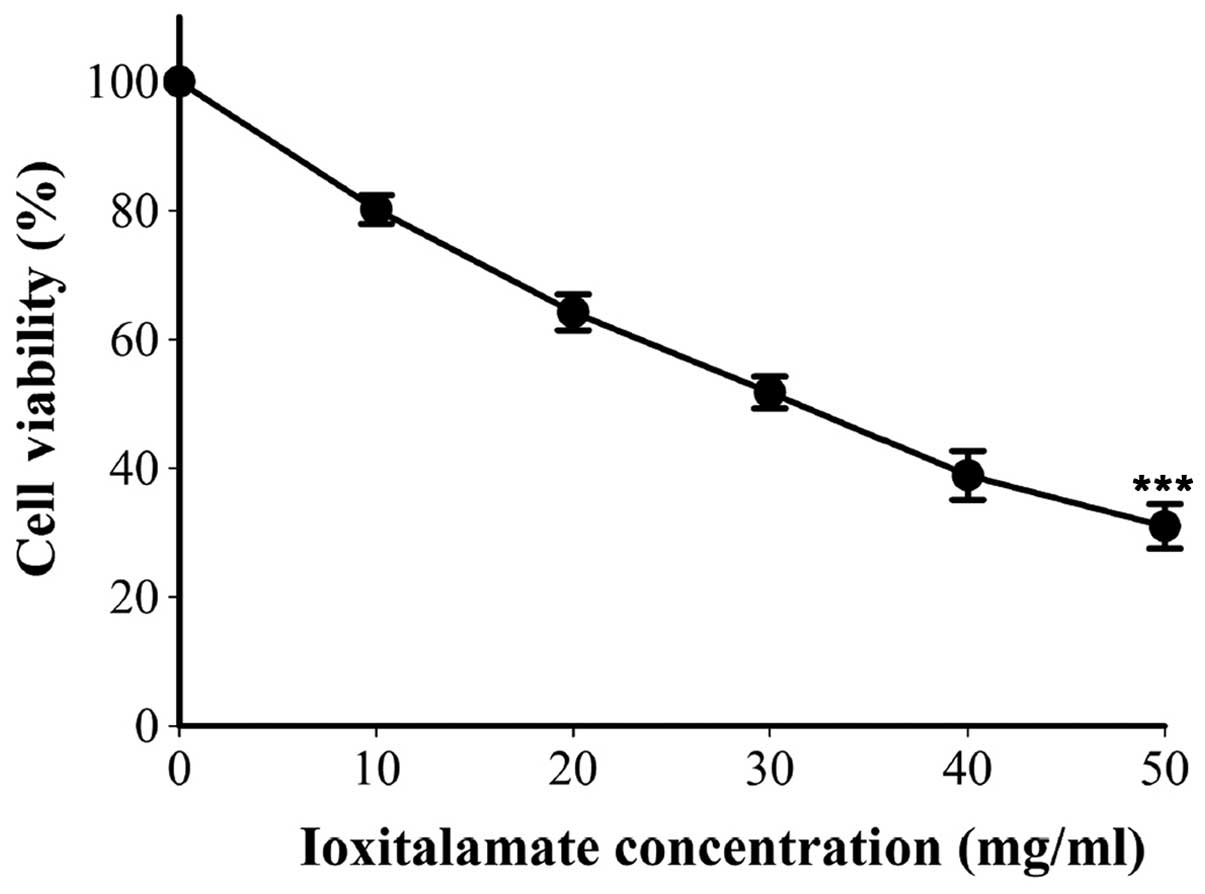
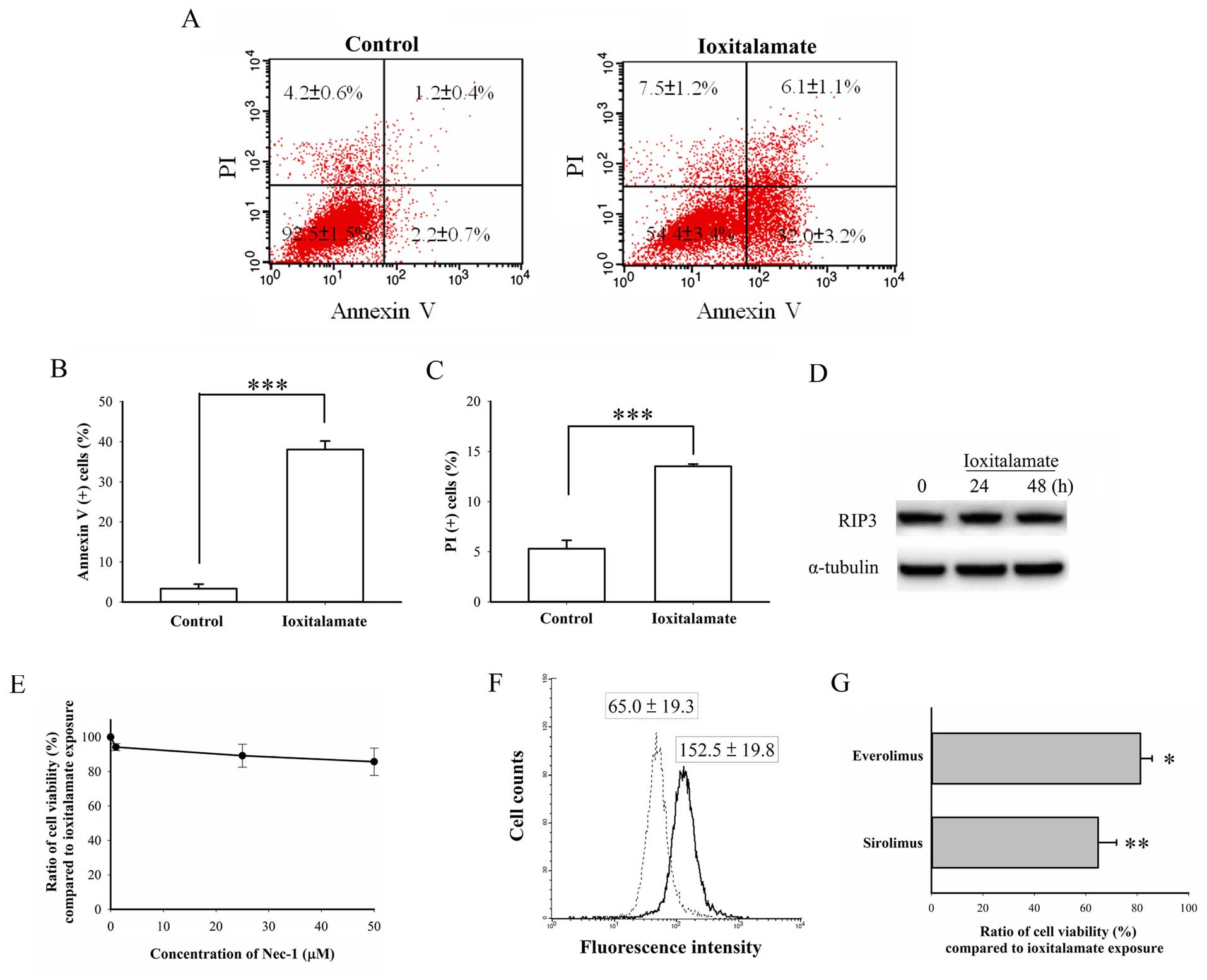
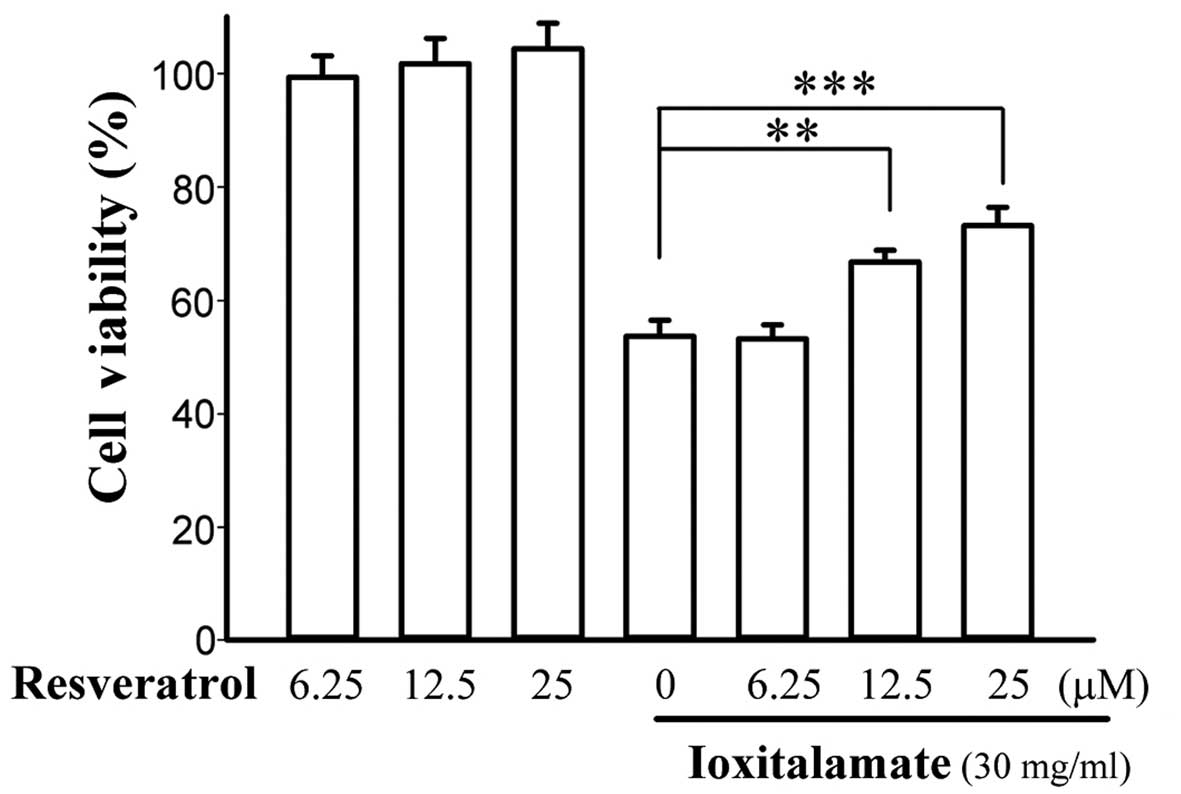
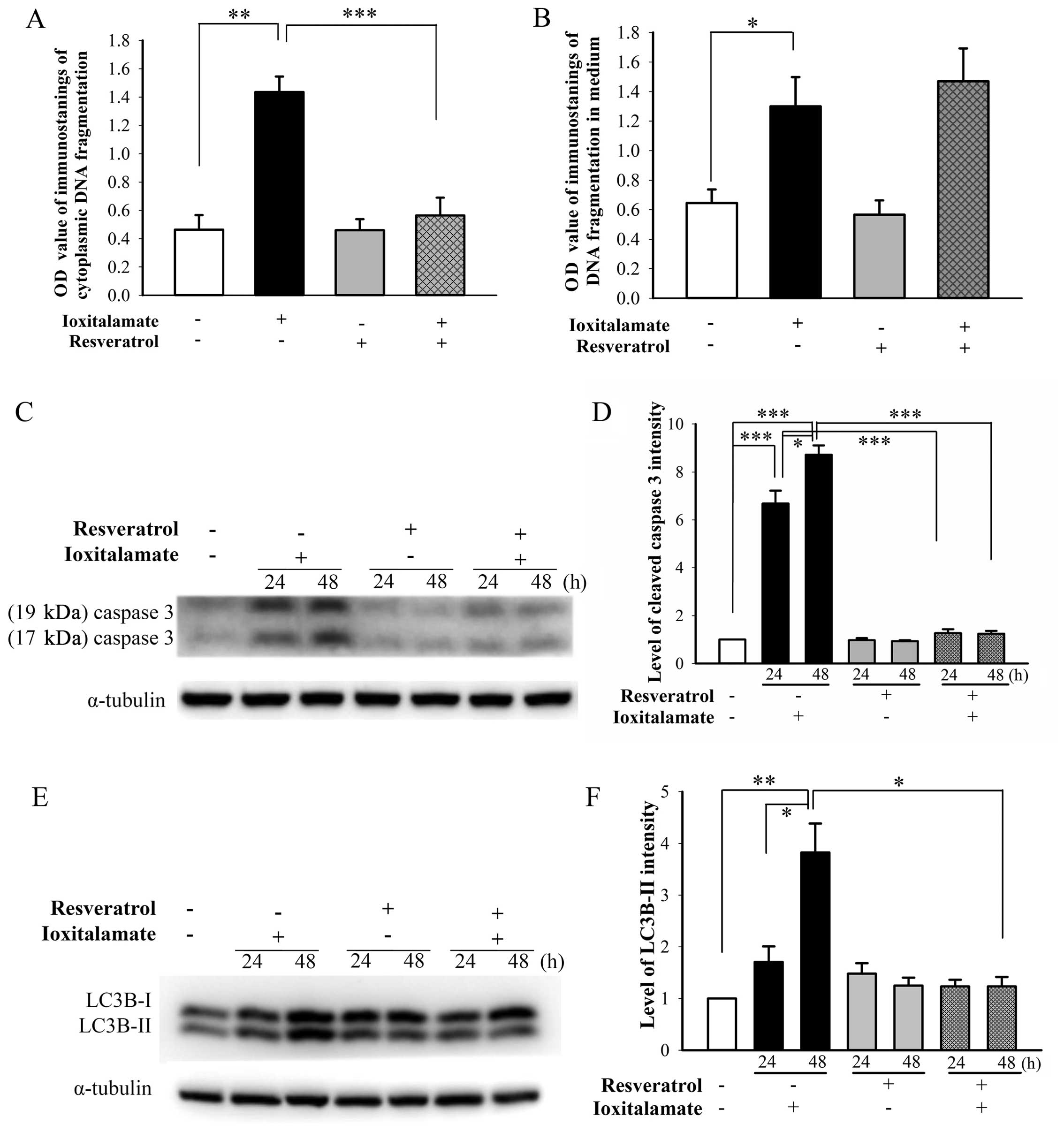
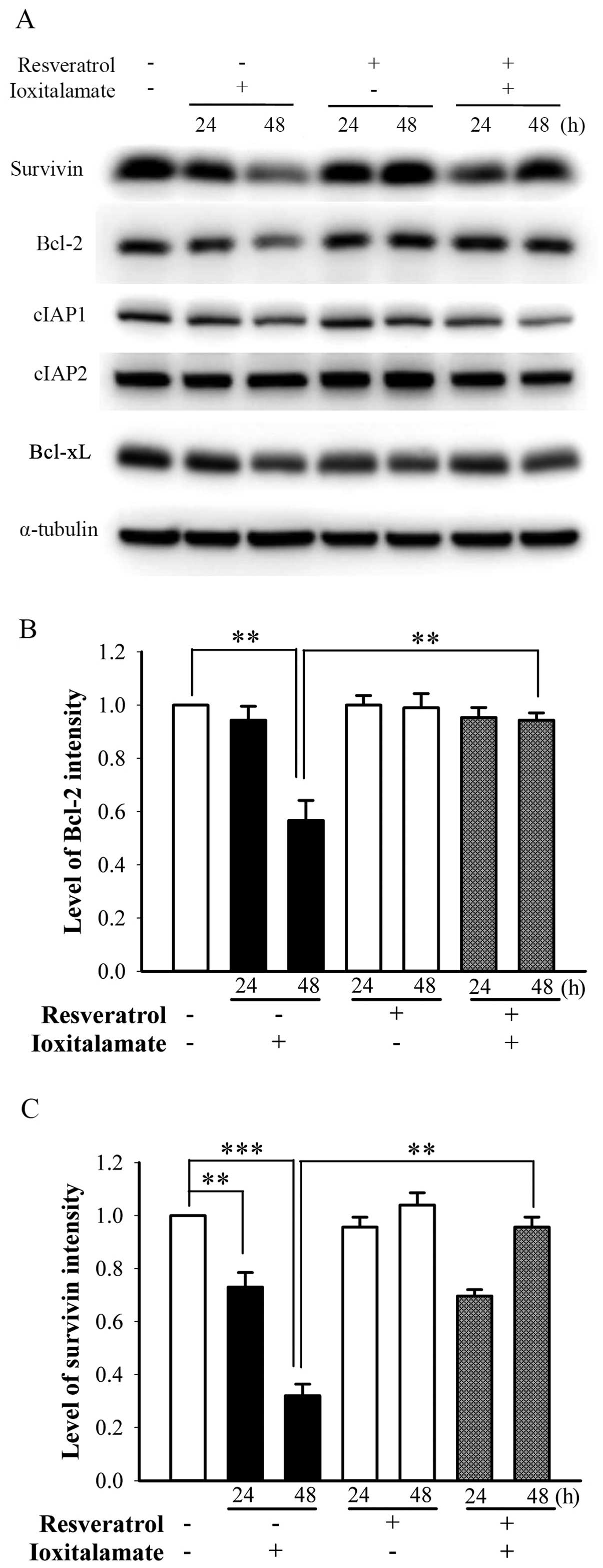
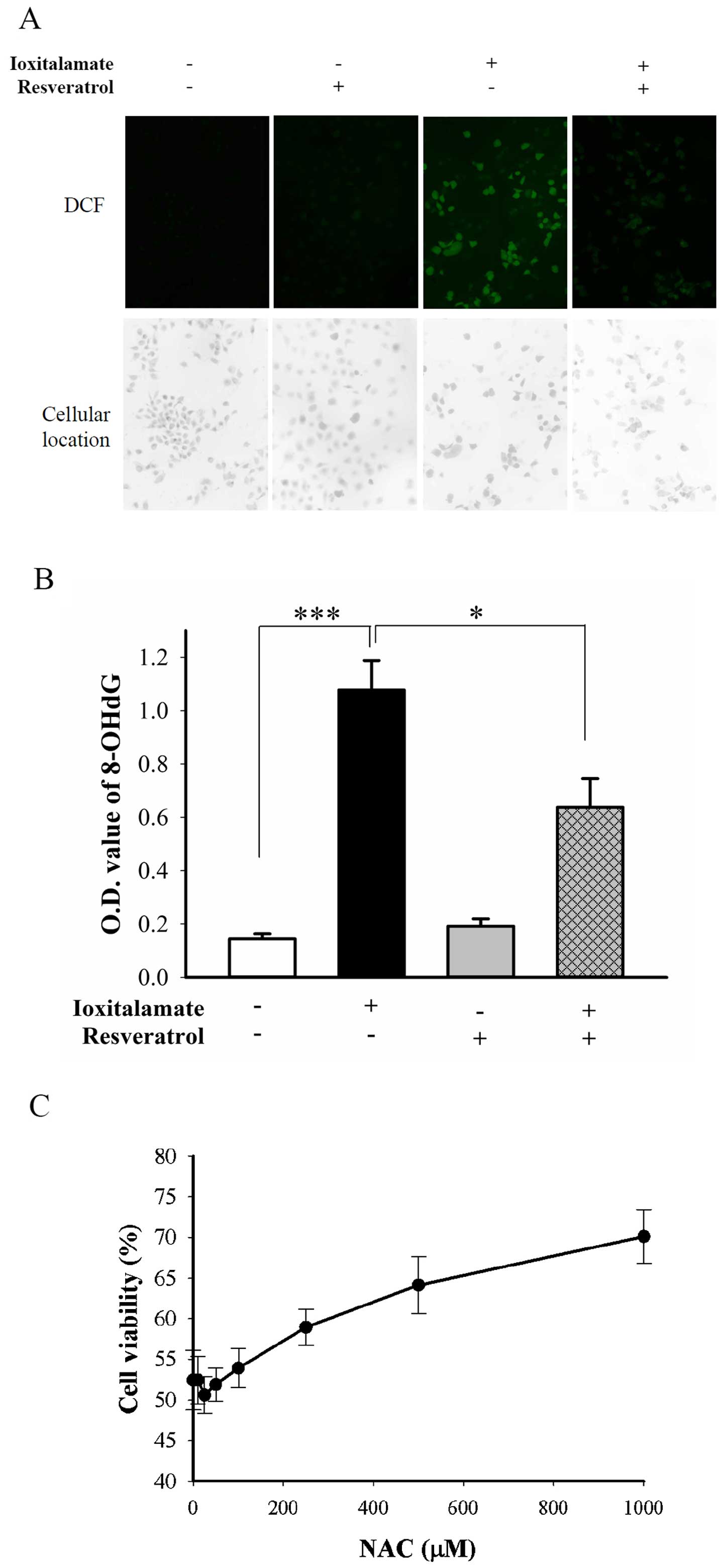
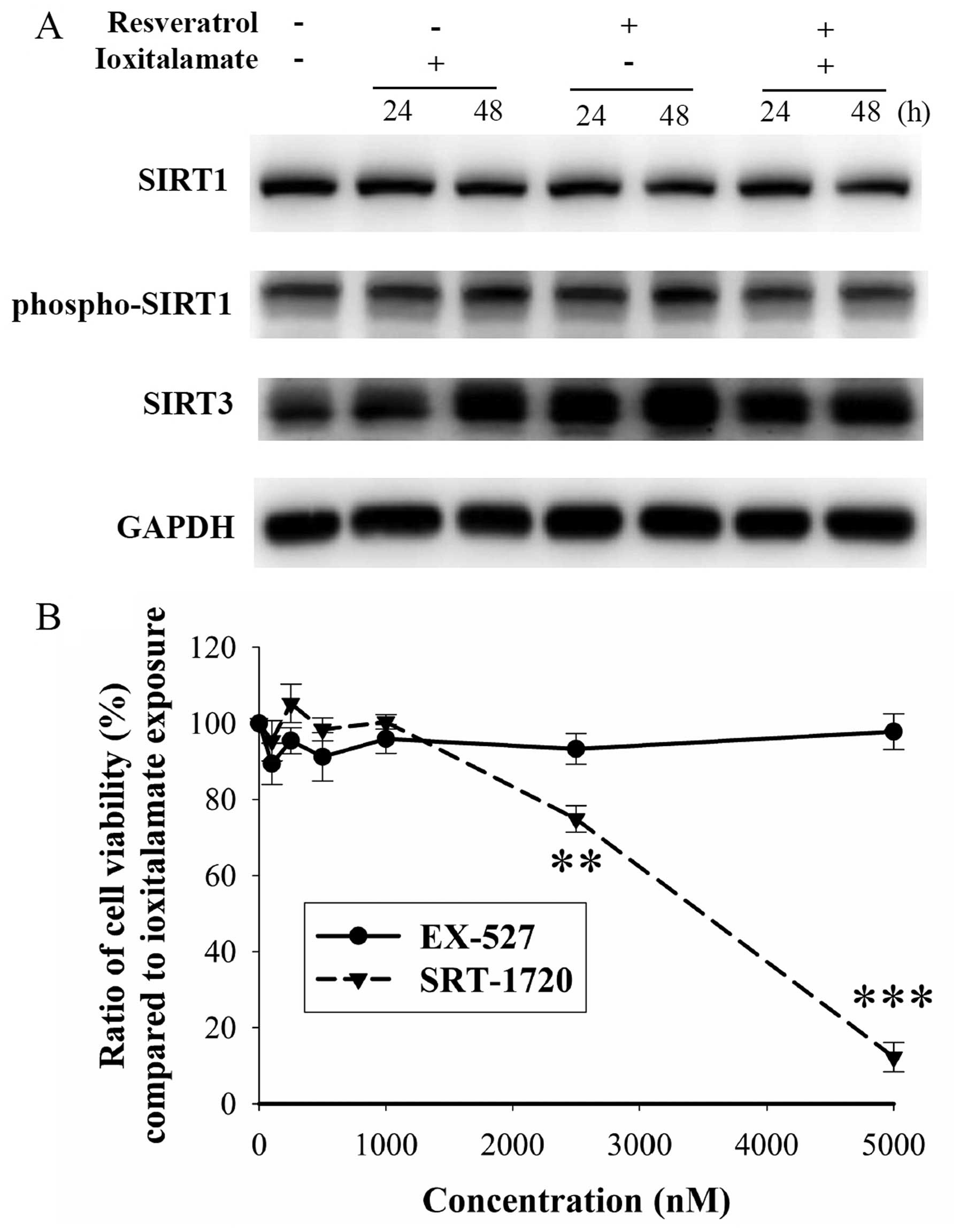
Radiocontrast-induced nephropathy (RIN) is one of the leading causes of hospital-acquired acute kidney injury (AKI). The clinical strategies currently available for the prevention of RIN are insufficient. In this study, we aimed to determine whether resveratrol, a polyphenol phytoalexin, can be used to prevent RIN. For this purpose, in vitro experiments were performed using a human renal proximal tubule epithelial cell line (HK-2 cells). Following treatment for 48 h, the highly toxic radiocontrast agent, ioxitalamate, exerted cytotoxic effects on the HK-2 cells in a concentration-dependent manner, as shown by MTT assay. The half maximal inhibitory concentration (IC50) was found to be approximately 30 mg/ml. Flow cytometry also revealed a marked increase in the number of apoptotic cells following exposure to ioxitalamate. In addition, the number of necrotic, but not necroptotic cells was increased. However, treatment with resveratrol (12.5 µM) for 48 h significantly alleviated ioxitalamate (30 mg/ml)-induced cytotoxicity, by reducing cytosolic DNA fragmentation, increasing the expression of the anti-apoptotic protein, Bcl-2 (B-cell lymphoma 2), and survivin, activating caspase-3, preventing autophagic death and suppressing the production of reactive oxygen species (ROS). Resveratrol also suppressed the ioxitalamate-induced formation of 8-hydroxy-2'-deoxyguanosine (8-OHdG), a biomarker of oxidative DNA damage. N-acetylcysteine (NAC), a ROS scavenger commonly used to prevent RIN, also reduced ioxitalamate-induced cytotoxicity, but at a high concentration of 1 mM. Sirtuin (SIRT)1 and SIRT3 were not found to play a role in these effects. Overall, our findings suggest that resveratrol may prove to be an effective adjuvant therapy for the prevention of RIN.
View Figures

Figure 1

Figure 2

Figure 3

Figure 4

Figure 5

Figure 6

Figure 7

View References

1 

Deray G: Dialysis and iodinated contrast media. Kidney Int Suppl. 100:S25–S29. 2006. View Article : Google Scholar : PubMed/NCBI

2 

Tepel M, Aspelin P and Lameire N: Contrast-induced nephropathy: a clinical and evidence-based approach. Circulation. 113:1799–1806. 2006. View Article : Google Scholar : PubMed/NCBI

3 

Lai HM, Aronow WS, Chugh SS, Pudasaini B, Goel A and Garrick R: Risk factors for hemodialysis and mortality in patients with contrast-induced nephropathy. Am J Ther. 20:607–612. 2013. View Article : Google Scholar

4 

Neyra JA, Shah S, Mooney R, Jacobsen G, Yee J and Novak JE: Contrast-induced acute kidney injury following coronary angiography: a cohort study of hospitalized patients with or without chronic kidney disease. Nephrol Dial Transplant. 28:1463–1471. 2013. View Article : Google Scholar : PubMed/NCBI

5 

Wong PC, Li Z, Guo J and Zhang A: Pathophysiology of contrast-induced nephropathy. Int J Cardiol. 158:186–192. 2012. View Article : Google Scholar

6 

Pattharanitima P and Tasanarong A: Pharmacological strategies to prevent contrast-induced acute kidney injury. BioMed Res Int. 2014:2369302014. View Article : Google Scholar : PubMed/NCBI

7 

Quintavalle C, Donnarumma E, Fiore D, Briguori C and Condorelli G: Therapeutic strategies to prevent contrast-induced acute kidney injury. Curr Opin Cardiol. 28:676–682. 2013. View Article : Google Scholar : PubMed/NCBI

8 

Kitada M and Koya D: Renal protective effects of resveratrol. Oxid Med Cell Longev. 2013:5680932013. View Article : Google Scholar :

9 

Saldanha JF, Leal VO, Stenvinkel P, Carraro-Eduardo JC and Mafra D: Resveratrol: why is it a promising therapy for chronic kidney disease patients? Oxid Med Cell Longev. 2013:9632172013. View Article : Google Scholar

10 

Ryan MJ, Johnson G, Kirk J, Fuerstenberg SM, Zager RA and Torok-Storb B: HK-2: an immortalized proximal tubule epithelial cell line from normal adult human kidney. Kidney Int. 45:48–57. 1994. View Article : Google Scholar : PubMed/NCBI

11 

Ren X, Han HJ, Lee YJ, Lee SH, Ng HY, Chae KJ and Kim IS: Proapoptotic effect of a micropollutant (tris-(2-chloroethyl)-phosphate) at environmental level in primary cultured renal proximal tubule cells. J Water Health. 10:522–530. 2012. View Article : Google Scholar : PubMed/NCBI

12 

Huang YT, Cheng CC, Lin TC, Chiu TH and Lai PC: Therapeutic potential of sepantronium bromide YM155 in gemcitabine-resistant human urothelial carcinoma cells. Oncol Rep. 31:771–780. 2014.

13 

Huang YT, Lai PC, Wu CC, Hsu SH, Cheng CC, Lan YF and Chiu TH: BDNF mediated TrkB activation is a survival signal for transitional cell carcinoma cells. Int J Oncol. 36:1469–1476. 2010.PubMed/NCBI

14 

Linkermann A, De Zen F, Weinberg J, Kunzendorf U and Krautwald S: Programmed necrosis in acute kidney injury. Nephrol Dial Transplant. 27:3412–3419. 2012. View Article : Google Scholar : PubMed/NCBI

15 

Livingston MJ and Dong Z: Autophagy in acute kidney injury. Semin Nephrol. 34:17–26. 2014. View Article : Google Scholar : PubMed/NCBI

16 

Porter AG and Jänicke RU: Emerging roles of caspase-3 in apoptosis. Cell Death Differ. 6:99–104. 1999. View Article : Google Scholar : PubMed/NCBI

17 

Chen J, Chen JK, Conway EM and Harris RC: Survivin mediates renal proximal tubule recovery from AKI. J Am Soc Nephrol. 24:2023–2033. 2013. View Article : Google Scholar : PubMed/NCBI

18 

Suzuki C, Isaka Y, Shimizu S, Tsujimoto Y, Takabatake Y, Ito T, Takahara S and Imai E: Bcl-2 protects tubular epithelial cells from ischemia reperfusion injury by inhibiting apoptosis. Cell Transplant. 17:223–229. 2008. View Article : Google Scholar : PubMed/NCBI

19 

Lorz C, Justo P, Sanz AB, Egido J and Ortíz A: Role of Bcl-xL in paracetamol-induced tubular epithelial cell death. Kidney Int. 67:592–601. 2005. View Article : Google Scholar : PubMed/NCBI

20 

Ott U, Aschoff A, Fünfstück R, Jirikowski G and Wolf G: DNA fragmentation in acute and chronic rejection after renal transplantation. Transplant Proc. 39:73–77. 2007. View Article : Google Scholar : PubMed/NCBI

21 

Hasegawa K, Wakino S, Yoshioka K, Tatematsu S, Hara Y, Minakuchi H, Sueyasu K, Washida N, Tokuyama H, Tzukerman M, et al: Kidney-specific overexpression of Sirt1 protects against acute kidney injury by retaining peroxisome function. J Biol Chem. 285:13045–13056. 2010. View Article : Google Scholar : PubMed/NCBI

22 

Chen Y, Fu LL, Wen X, Wang XY, Liu J, Cheng Y and Huang J: Sirtuin-3 (SIRT3), a therapeutic target with oncogenic and tumor-suppressive function in cancer. Cell Death Dis. 5:e10472014. View Article : Google Scholar : PubMed/NCBI

23 

Morigi M, Perico L, Rota C, Longaretti L, Conti S, Rottoli D, Novelli R, Remuzzi G and Benigni A: Sirtuin 3-dependent mitochondrial dynamic improvements protect against acute kidney injury. J Clin Invest. 125:715–726. 2015. View Article : Google Scholar : PubMed/NCBI

24 

Heyman SN, Brezis M, Epstein FH, Spokes K, Silva P and Rosen S: Early renal medullary hypoxic injury from radio-contrast and indomethacin. Kidney Int. 40:632–642. 1991. View Article : Google Scholar : PubMed/NCBI

25 

Heinrich MC, Kuhlmann MK, Grgic A, Heckmann M, Kramann B and Uder M: Cytotoxic effects of ionic high-osmolar, nonionic monomeric, and nonionic iso-osmolar dimeric iodinated contrast media on renal tubular cells in vitro. Radiology. 235:843–849. 2005. View Article : Google Scholar : PubMed/NCBI

26 

Romano G, Briguori C, Quintavalle C, Zanca C, Rivera NV, Colombo A and Condorelli G: Contrast agents and renal cell apoptosis. Eur Heart J. 29:2569–2576. 2008. View Article : Google Scholar : PubMed/NCBI

27 

Gunness P, Aleksa K, Kosuge K, Ito S and Koren G: Comparison of the novel HK-2 human renal proximal tubular cell line with the standard LLC-PK1 cell line in studying drug-induced nephrotoxicity. Can J Physiol Pharmacol. 88:448–455. 2010. View Article : Google Scholar : PubMed/NCBI

28 

Zager RA, Johnson AC and Hanson SY: Radiographic contrast media-induced tubular injury: evaluation of oxidant stress and plasma membrane integrity. Kidney Int. 64:128–139. 2003. View Article : Google Scholar : PubMed/NCBI

29 

Goldenberg I and Matetzky S: Nephropathy induced by contrast media: pathogenesis, risk factors and preventive strategies. CMAJ. 172:1461–1471. 2005. View Article : Google Scholar : PubMed/NCBI

30 

Heinrich MC, Scheer M, Heckmann M, Kuefner MA and Uder M: Iodixanol induces apoptotic and antiproliferative effects but no necrotic cell death in renal proximal tubular cells in vitro. Rofo. 181:349–354. 2009. View Article : Google Scholar : PubMed/NCBI

31 

Linkermann A, Heller JO, Prókai A, Weinberg JM, De Zen F, Himmerkus N, Szabó AJ, Bräsen JH, Kunzendorf U and Krautwald S: The RIP1-kinase inhibitor necrostatin-1 prevents osmotic nephrosis and contrast-induced AKI in mice. J Am Soc Nephrol. 24:1545–1557. 2013. View Article : Google Scholar : PubMed/NCBI

32 

Liang X, Chen Y, Zhang L, Jiang F, Wang W, Ye Z, Liu S, Yu C and Shi W: Necroptosis, a novel form of caspase-independent cell death, contributes to renal epithelial cell damage in an ATP-depleted renal ischemia model. Mol Med Rep. 10:719–724. 2014.PubMed/NCBI

33 

Lechler P, Wu X, Bernhardt W, Campean V, Gastiger S, Hackenbeck T, Klanke B, Weidemann A, Warnecke C, Amann K, et al: The tumor gene survivin is highly expressed in adult renal tubular cells: implications for a pathophysiological role in the kidney. Am J Pathol. 171:1483–1498. 2007. View Article : Google Scholar : PubMed/NCBI

34 

Havasi A and Borkan SC: Apoptosis and acute kidney injury. Kidney Int. 80:29–40. 2011. View Article : Google Scholar : PubMed/NCBI

35 

Pozo-Guisado E, Merino JM, Mulero-Navarro S, Lorenzo-Benayas MJ, Centeno F, Alvarez-Barrientos A and Fernandez-Salguero PM: Resveratrol-induced apoptosis in MCF-7 human breast cancer cells involves a caspase-independent mechanism with downregulation of Bcl-2 and NF-kappaB. Int J Cancer. 115:74–84. 2005. View Article : Google Scholar : PubMed/NCBI

36 

Liu ML and Zhang SJ: Effects of resveratrol on the protein expression of survivin and cell apoptosis in human gastric cancer cells. J BUON. 19:713–717. 2014.PubMed/NCBI

37 

Muqbil I, Beck FW, Bao B, Sarkar FH, Mohammad RM, Hadi SM and Azmi AS: Old wine in a new bottle: the Warburg effect and anticancer mechanisms of resveratrol. Curr Pharm Des. 18:1645–1654. 2012. View Article : Google Scholar : PubMed/NCBI

38 

Zheng LF, Wei QY, Cai YJ, Fang JG, Zhou B, Yang L and Liu ZL: DNA damage induced by resveratrol and its synthetic analogues in the presence of Cu (II) ions: mechanism and structure-activity relationship. Free Radic Biol Med. 41:1807–1816. 2006. View Article : Google Scholar : PubMed/NCBI

39 

Zhao X, Liu G, Shen H, Gao B, Li X, Fu J, Zhou J and Ji Q: Liraglutide inhibits autophagy and apoptosis induced by high glucose through GLP-1R in renal tubular epithelial cells. Int J Mol Med. 35:684–692. 2015.PubMed/NCBI

40 

Periyasamy-Thandavan S, Jiang M, Wei Q, Smith R, Yin XM and Dong Z: Autophagy is cytoprotective during cisplatin injury of renal proximal tubular cells. Kidney Int. 74:631–640. 2008. View Article : Google Scholar : PubMed/NCBI

41 

Kreuzaler P and Watson CJ: Killing a cancer: what are the alternatives? Nat Rev Cancer. 12:411–424. 2012. View Article : Google Scholar : PubMed/NCBI

42 

Jiang M, Wei Q, Dong G, Komatsu M, Su Y and Dong Z: Autophagy in proximal tubules protects against acute kidney injury. Kidney Int. 82:1271–1283. 2012. View Article : Google Scholar : PubMed/NCBI

43 

Schmelzle T and Hall MN: TOR, a central controller of cell growth. Cell. 103:253–262. 2000. View Article : Google Scholar : PubMed/NCBI

44 

Lieberthal W, Fuhro R, Andry CC, Rennke H, Abernathy VE, Koh JS, Valeri R and Levine JS: Rapamycin impairs recovery from acute renal failure: role of cell-cycle arrest and apoptosis of tubular cells. Am J Physiol Renal Physiol. 281:F693–F706. 2001.PubMed/NCBI

45 

Marti HP and Frey FJ: Nephrotoxicity of rapamycin: an emerging problem in clinical medicine. Nephrol Dial Transplant. 20:13–15. 2005. View Article : Google Scholar : PubMed/NCBI

46 

Hsu SP, Tsai TJ and Chien CT: Ioxitalamate induces renal tubular apoptosis via activation of renal efferent nerve-mediated adrenergic signaling, renin activity, and reactive oxygen species production in rats. Toxicol Sci. 114:149–158. 2010. View Article : Google Scholar

47 

Liu R, Nair D, Ix J, Moore DH and Bent S: N-acetylcysteine for the prevention of contrast-induced nephropathy. A systematic review and meta-analysis. J Gen Intern Med. 20:193–200. 2005. View Article : Google Scholar : PubMed/NCBI

48 

Nallamothu BK, Shojania KG, Saint S, Hofer TP, Humes HD, Moscucci M and Bates ER: Is acetylcysteine effective in preventing contrast-related nephropathy? A meta-analysis. Am J Med. 117:938–947. 2004. View Article : Google Scholar

49 

Zhang F, Lau SS and Monks TJ: The cytoprotective effect of N-acetyl-L-cysteine against ROS-induced cytotoxicity is independent of its ability to enhance glutathione synthesis. Toxicol Sci. 120:87–97. 2011. View Article : Google Scholar :

50 

Borra MT, Smith BC and Denu JM: Mechanism of human SIRT1 activation by resveratrol. J Biol Chem. 280:17187–17195. 2005. View Article : Google Scholar : PubMed/NCBI

51 

Yeung F, Hoberg JE, Ramsey CS, Keller MD, Jones DR, Frye RA and Mayo MW: Modulation of NF-kappaB-dependent transcription and cell survival by the SIRT1 deacetylase. EMBO J. 23:2369–2380. 2004. View Article : Google Scholar : PubMed/NCBI

52 

Chen T, Li J, Liu J, Li N, Wang S, Liu H, Zeng M1, Zhang Y and Bu P: Activation of SIRT3 by resveratrol ameliorates cardiac fibrosis and improves cardiac function via the TGF-beta/Smad3 pathwa. Am J Physiol Heart Circ Physiol. 308:H424–H434. 2015. View Article : Google Scholar

Related Articles

  • Abstract
  • View
  • Download
  • Twitter
Copy and paste a formatted citation
Spandidos Publications style
Huang YT, Chen YY, Lai YH, Cheng CC, Lin TC, Su YS, Liu CH and Lai PC: Resveratrol alleviates the cytotoxicity induced by the radiocontrast agent, ioxitalamate, by reducing the production of reactive oxygen species in HK-2 human renal proximal tubule epithelial cells in vitro. Int J Mol Med 37: 83-91, 2016.
APA
Huang, Y.T., Chen, Y.Y., Lai, Y.H., Cheng, C.C., Lin, T.C., Su, Y.S. ... Lai, P.C. (2016). Resveratrol alleviates the cytotoxicity induced by the radiocontrast agent, ioxitalamate, by reducing the production of reactive oxygen species in HK-2 human renal proximal tubule epithelial cells in vitro. International Journal of Molecular Medicine, 37, 83-91. https://doi.org/10.3892/ijmm.2015.2404
MLA
Huang, Y. T., Chen, Y. Y., Lai, Y. H., Cheng, C. C., Lin, T. C., Su, Y. S., Liu, C. H., Lai, P. C."Resveratrol alleviates the cytotoxicity induced by the radiocontrast agent, ioxitalamate, by reducing the production of reactive oxygen species in HK-2 human renal proximal tubule epithelial cells in vitro". International Journal of Molecular Medicine 37.1 (2016): 83-91.
Chicago
Huang, Y. T., Chen, Y. Y., Lai, Y. H., Cheng, C. C., Lin, T. C., Su, Y. S., Liu, C. H., Lai, P. C."Resveratrol alleviates the cytotoxicity induced by the radiocontrast agent, ioxitalamate, by reducing the production of reactive oxygen species in HK-2 human renal proximal tubule epithelial cells in vitro". International Journal of Molecular Medicine 37, no. 1 (2016): 83-91. https://doi.org/10.3892/ijmm.2015.2404
Copy and paste a formatted citation
x
Spandidos Publications style
Huang YT, Chen YY, Lai YH, Cheng CC, Lin TC, Su YS, Liu CH and Lai PC: Resveratrol alleviates the cytotoxicity induced by the radiocontrast agent, ioxitalamate, by reducing the production of reactive oxygen species in HK-2 human renal proximal tubule epithelial cells in vitro. Int J Mol Med 37: 83-91, 2016.
APA
Huang, Y.T., Chen, Y.Y., Lai, Y.H., Cheng, C.C., Lin, T.C., Su, Y.S. ... Lai, P.C. (2016). Resveratrol alleviates the cytotoxicity induced by the radiocontrast agent, ioxitalamate, by reducing the production of reactive oxygen species in HK-2 human renal proximal tubule epithelial cells in vitro. International Journal of Molecular Medicine, 37, 83-91. https://doi.org/10.3892/ijmm.2015.2404
MLA
Huang, Y. T., Chen, Y. Y., Lai, Y. H., Cheng, C. C., Lin, T. C., Su, Y. S., Liu, C. H., Lai, P. C."Resveratrol alleviates the cytotoxicity induced by the radiocontrast agent, ioxitalamate, by reducing the production of reactive oxygen species in HK-2 human renal proximal tubule epithelial cells in vitro". International Journal of Molecular Medicine 37.1 (2016): 83-91.
Chicago
Huang, Y. T., Chen, Y. Y., Lai, Y. H., Cheng, C. C., Lin, T. C., Su, Y. S., Liu, C. H., Lai, P. C."Resveratrol alleviates the cytotoxicity induced by the radiocontrast agent, ioxitalamate, by reducing the production of reactive oxygen species in HK-2 human renal proximal tubule epithelial cells in vitro". International Journal of Molecular Medicine 37, no. 1 (2016): 83-91. https://doi.org/10.3892/ijmm.2015.2404
Follow us
  • Twitter
  • LinkedIn
  • Facebook
About
  • Spandidos Publications
  • Careers
  • Cookie Policy
  • Privacy Policy
How can we help?
  • Help
  • Live Chat
  • Contact
  • Email to our Support Team