Spandidos Publications Logo
  • About
    • About Spandidos
    • Aims and Scopes
    • Abstracting and Indexing
    • Editorial Policies
    • Reprints and Permissions
    • Job Opportunities
    • Terms and Conditions
    • Contact
  • Journals
    • All Journals
    • Oncology Letters
      • Oncology Letters
      • Information for Authors
      • Editorial Policies
      • Editorial Board
      • Aims and Scope
      • Abstracting and Indexing
      • Bibliographic Information
      • Archive
    • International Journal of Oncology
      • International Journal of Oncology
      • Information for Authors
      • Editorial Policies
      • Editorial Board
      • Aims and Scope
      • Abstracting and Indexing
      • Bibliographic Information
      • Archive
    • Molecular and Clinical Oncology
      • Molecular and Clinical Oncology
      • Information for Authors
      • Editorial Policies
      • Editorial Board
      • Aims and Scope
      • Abstracting and Indexing
      • Bibliographic Information
      • Archive
    • Experimental and Therapeutic Medicine
      • Experimental and Therapeutic Medicine
      • Information for Authors
      • Editorial Policies
      • Editorial Board
      • Aims and Scope
      • Abstracting and Indexing
      • Bibliographic Information
      • Archive
    • International Journal of Molecular Medicine
      • International Journal of Molecular Medicine
      • Information for Authors
      • Editorial Policies
      • Editorial Board
      • Aims and Scope
      • Abstracting and Indexing
      • Bibliographic Information
      • Archive
    • Biomedical Reports
      • Biomedical Reports
      • Information for Authors
      • Editorial Policies
      • Editorial Board
      • Aims and Scope
      • Abstracting and Indexing
      • Bibliographic Information
      • Archive
    • Oncology Reports
      • Oncology Reports
      • Information for Authors
      • Editorial Policies
      • Editorial Board
      • Aims and Scope
      • Abstracting and Indexing
      • Bibliographic Information
      • Archive
    • Molecular Medicine Reports
      • Molecular Medicine Reports
      • Information for Authors
      • Editorial Policies
      • Editorial Board
      • Aims and Scope
      • Abstracting and Indexing
      • Bibliographic Information
      • Archive
    • World Academy of Sciences Journal
      • World Academy of Sciences Journal
      • Information for Authors
      • Editorial Policies
      • Editorial Board
      • Aims and Scope
      • Abstracting and Indexing
      • Bibliographic Information
      • Archive
    • International Journal of Functional Nutrition
      • International Journal of Functional Nutrition
      • Information for Authors
      • Editorial Policies
      • Editorial Board
      • Aims and Scope
      • Abstracting and Indexing
      • Bibliographic Information
      • Archive
    • International Journal of Epigenetics
      • International Journal of Epigenetics
      • Information for Authors
      • Editorial Policies
      • Editorial Board
      • Aims and Scope
      • Abstracting and Indexing
      • Bibliographic Information
      • Archive
    • Medicine International
      • Medicine International
      • Information for Authors
      • Editorial Policies
      • Editorial Board
      • Aims and Scope
      • Abstracting and Indexing
      • Bibliographic Information
      • Archive
  • Articles
  • Information
    • Information for Authors
    • Information for Reviewers
    • Information for Librarians
    • Information for Advertisers
    • Conferences
  • Language Editing
Spandidos Publications Logo
  • About
    • About Spandidos
    • Aims and Scopes
    • Abstracting and Indexing
    • Editorial Policies
    • Reprints and Permissions
    • Job Opportunities
    • Terms and Conditions
    • Contact
  • Journals
    • All Journals
    • Biomedical Reports
      • Information for Authors
      • Editorial Policies
      • Editorial Board
      • Aims and Scope
      • Abstracting and Indexing
      • Bibliographic Information
      • Archive
    • Experimental and Therapeutic Medicine
      • Information for Authors
      • Editorial Policies
      • Editorial Board
      • Aims and Scope
      • Abstracting and Indexing
      • Bibliographic Information
      • Archive
    • International Journal of Epigenetics
      • Information for Authors
      • Editorial Policies
      • Editorial Board
      • Aims and Scope
      • Abstracting and Indexing
      • Bibliographic Information
      • Archive
    • International Journal of Functional Nutrition
      • Information for Authors
      • Editorial Policies
      • Editorial Board
      • Aims and Scope
      • Abstracting and Indexing
      • Bibliographic Information
      • Archive
    • International Journal of Molecular Medicine
      • Information for Authors
      • Editorial Policies
      • Editorial Board
      • Aims and Scope
      • Abstracting and Indexing
      • Bibliographic Information
      • Archive
    • International Journal of Oncology
      • Information for Authors
      • Editorial Policies
      • Editorial Board
      • Aims and Scope
      • Abstracting and Indexing
      • Bibliographic Information
      • Archive
    • Medicine International
      • Information for Authors
      • Editorial Policies
      • Editorial Board
      • Aims and Scope
      • Abstracting and Indexing
      • Bibliographic Information
      • Archive
    • Molecular and Clinical Oncology
      • Information for Authors
      • Editorial Policies
      • Editorial Board
      • Aims and Scope
      • Abstracting and Indexing
      • Bibliographic Information
      • Archive
    • Molecular Medicine Reports
      • Information for Authors
      • Editorial Policies
      • Editorial Board
      • Aims and Scope
      • Abstracting and Indexing
      • Bibliographic Information
      • Archive
    • Oncology Letters
      • Information for Authors
      • Editorial Policies
      • Editorial Board
      • Aims and Scope
      • Abstracting and Indexing
      • Bibliographic Information
      • Archive
    • Oncology Reports
      • Information for Authors
      • Editorial Policies
      • Editorial Board
      • Aims and Scope
      • Abstracting and Indexing
      • Bibliographic Information
      • Archive
    • World Academy of Sciences Journal
      • Information for Authors
      • Editorial Policies
      • Editorial Board
      • Aims and Scope
      • Abstracting and Indexing
      • Bibliographic Information
      • Archive
  • Articles
  • Information
    • For Authors
    • For Reviewers
    • For Librarians
    • For Advertisers
    • Conferences
  • Language Editing
Login Register Submit
  • This site uses cookies
  • You can change your cookie settings at any time by following the instructions in our Cookie Policy. To find out more, you may read our Privacy Policy.

    I agree
Search articles by DOI, keyword, author or affiliation
Search
Advanced Search
presentation
International Journal of Molecular Medicine
Join Editorial Board Propose a Special Issue
Print ISSN: 1107-3756 Online ISSN: 1791-244X
Journal Cover
March-2016 Volume 37 Issue 3

Full Size Image

Sign up for eToc alerts
Recommend to Library

Journals

International Journal of Molecular Medicine

International Journal of Molecular Medicine

International Journal of Molecular Medicine is an international journal devoted to molecular mechanisms of human disease.

International Journal of Oncology

International Journal of Oncology

International Journal of Oncology is an international journal devoted to oncology research and cancer treatment.

Molecular Medicine Reports

Molecular Medicine Reports

Covers molecular medicine topics such as pharmacology, pathology, genetics, neuroscience, infectious diseases, molecular cardiology, and molecular surgery.

Oncology Reports

Oncology Reports

Oncology Reports is an international journal devoted to fundamental and applied research in Oncology.

Experimental and Therapeutic Medicine

Experimental and Therapeutic Medicine

Experimental and Therapeutic Medicine is an international journal devoted to laboratory and clinical medicine.

Oncology Letters

Oncology Letters

Oncology Letters is an international journal devoted to Experimental and Clinical Oncology.

Biomedical Reports

Biomedical Reports

Explores a wide range of biological and medical fields, including pharmacology, genetics, microbiology, neuroscience, and molecular cardiology.

Molecular and Clinical Oncology

Molecular and Clinical Oncology

International journal addressing all aspects of oncology research, from tumorigenesis and oncogenes to chemotherapy and metastasis.

World Academy of Sciences Journal

World Academy of Sciences Journal

Multidisciplinary open-access journal spanning biochemistry, genetics, neuroscience, environmental health, and synthetic biology.

International Journal of Functional Nutrition

International Journal of Functional Nutrition

Open-access journal combining biochemistry, pharmacology, immunology, and genetics to advance health through functional nutrition.

International Journal of Epigenetics

International Journal of Epigenetics

Publishes open-access research on using epigenetics to advance understanding and treatment of human disease.

Medicine International

Medicine International

An International Open Access Journal Devoted to General Medicine.

Journal Cover
March-2016 Volume 37 Issue 3

Full Size Image

Sign up for eToc alerts
Recommend to Library

  • Article
  • Citations
    • Cite This Article
    • Download Citation
    • Create Citation Alert
    • Remove Citation Alert
    • Cited By
  • Similar Articles
    • Related Articles (in Spandidos Publications)
    • Similar Articles (Google Scholar)
    • Similar Articles (PubMed)
  • Download PDF
  • Download XML
  • View XML
Article Open Access

HMGB1 induces apoptosis and EMT in association with increased autophagy following H/R injury in cardiomyocytes

  • Authors:
    • Fan Ouyang
    • He Huang
    • Mingyu Zhang
    • Mingxian Chen
    • Haobo Huang
    • Fang Huang
    • Shenghua Zhou
  • View Affiliations / Copyright

    Affiliations: Department of Cardiology, Xiangtan Central Hospital, Xiangtan, Hunan 411100, P.R. China, Department of Cardiology, The Second Xiangya Hospital of Central South University, Changsha, Hunan 410011, P.R. China
    Copyright: © Ouyang et al. This is an open access article distributed under the terms of Creative Commons Attribution License.
  • Pages: 679-689
    |
    Published online on: January 29, 2016
       https://doi.org/10.3892/ijmm.2016.2474
  • Expand metrics +
Metrics: Total Views: 0 (Spandidos Publications: | PMC Statistics: )
Metrics: Total PDF Downloads: 0 (Spandidos Publications: | PMC Statistics: )
Cited By (CrossRef): 0 citations Loading Articles...

This article is mentioned in:


Abstract

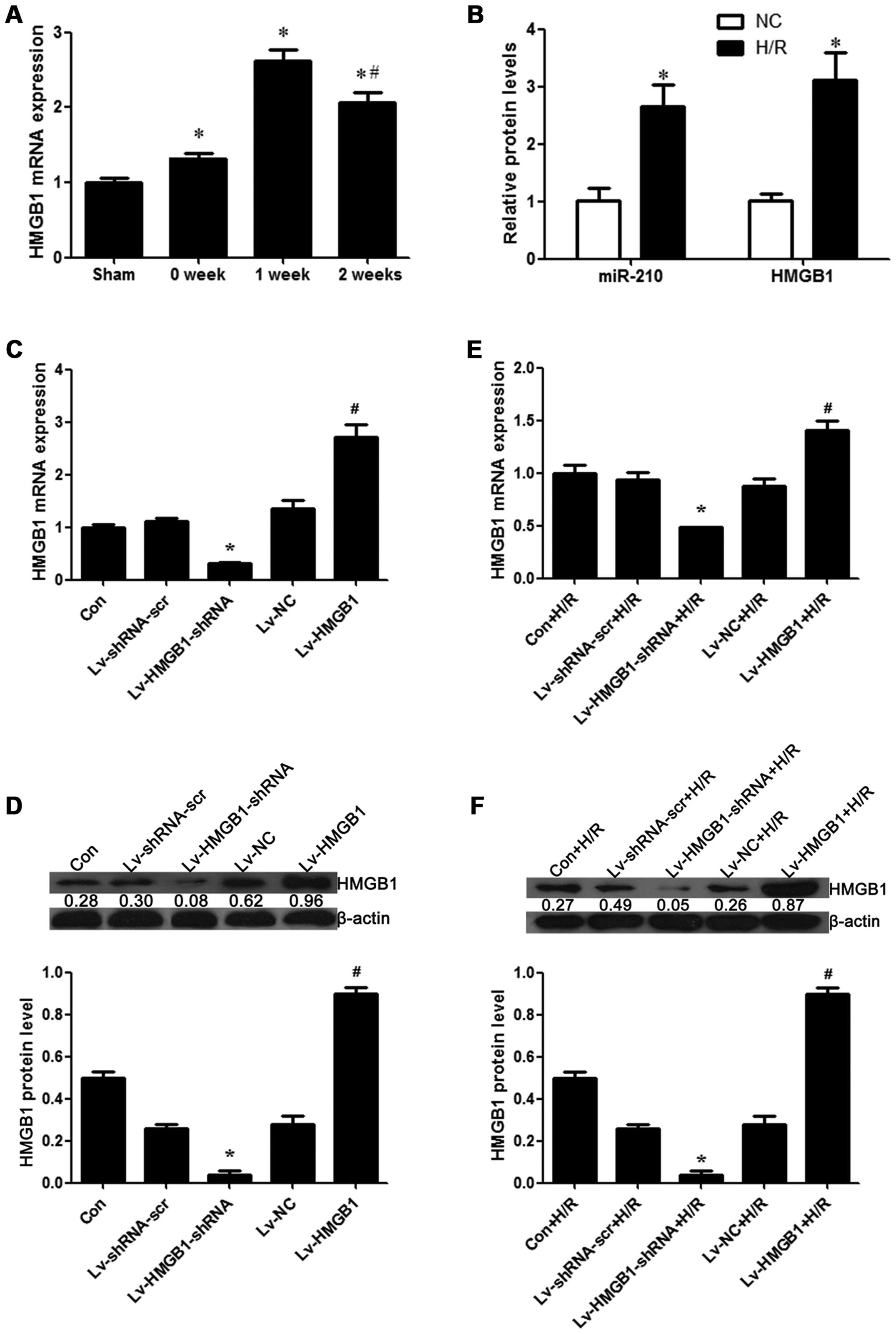
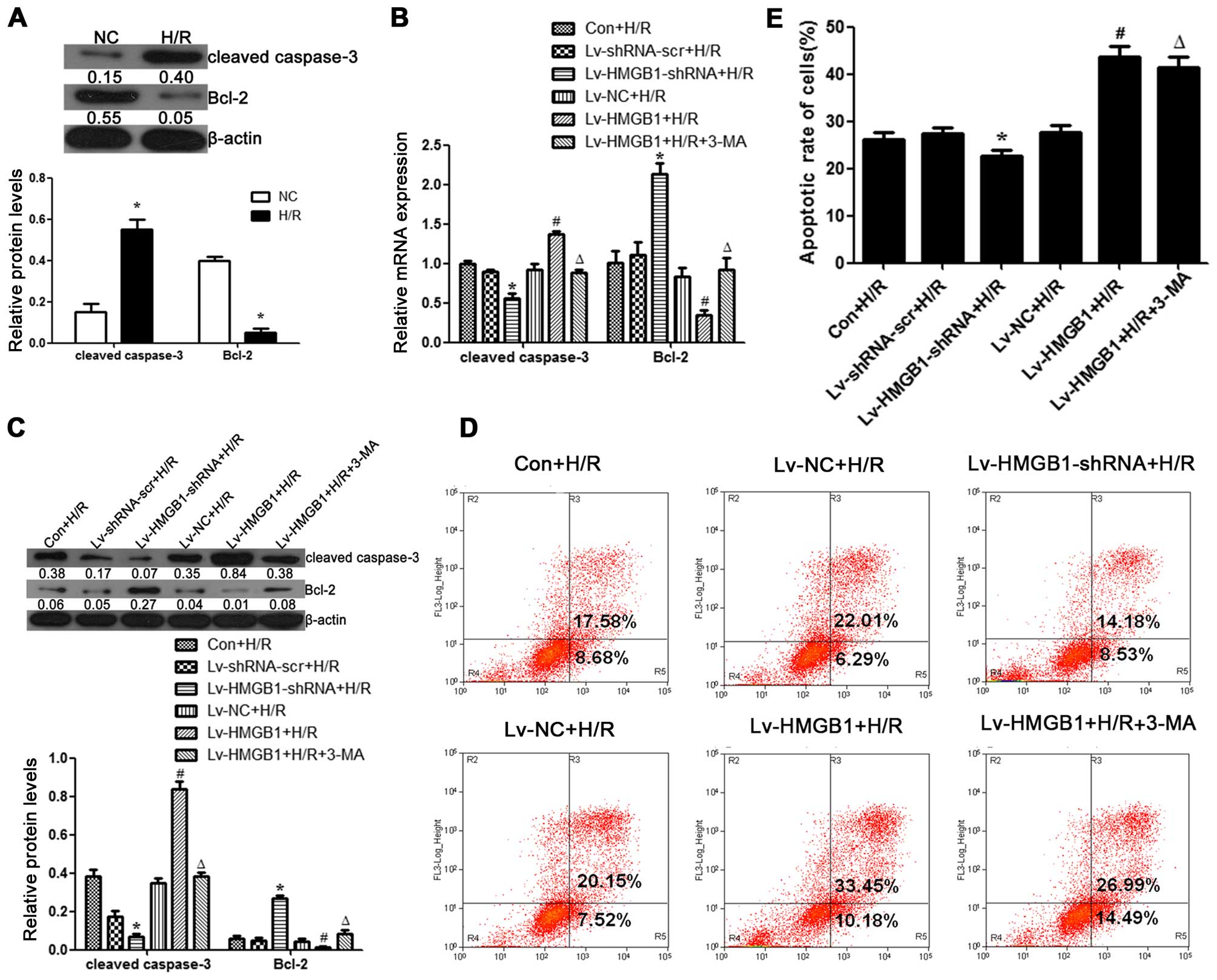
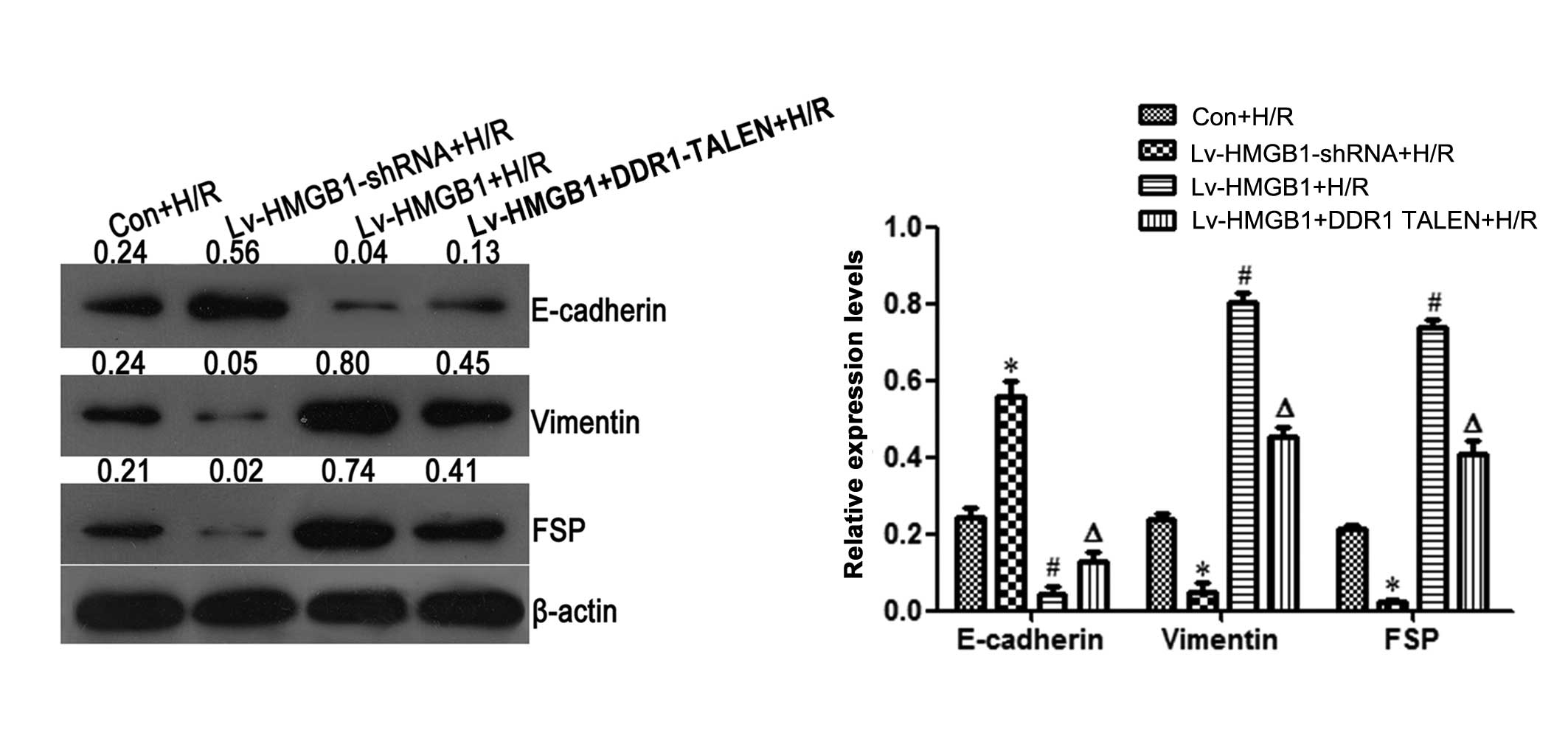
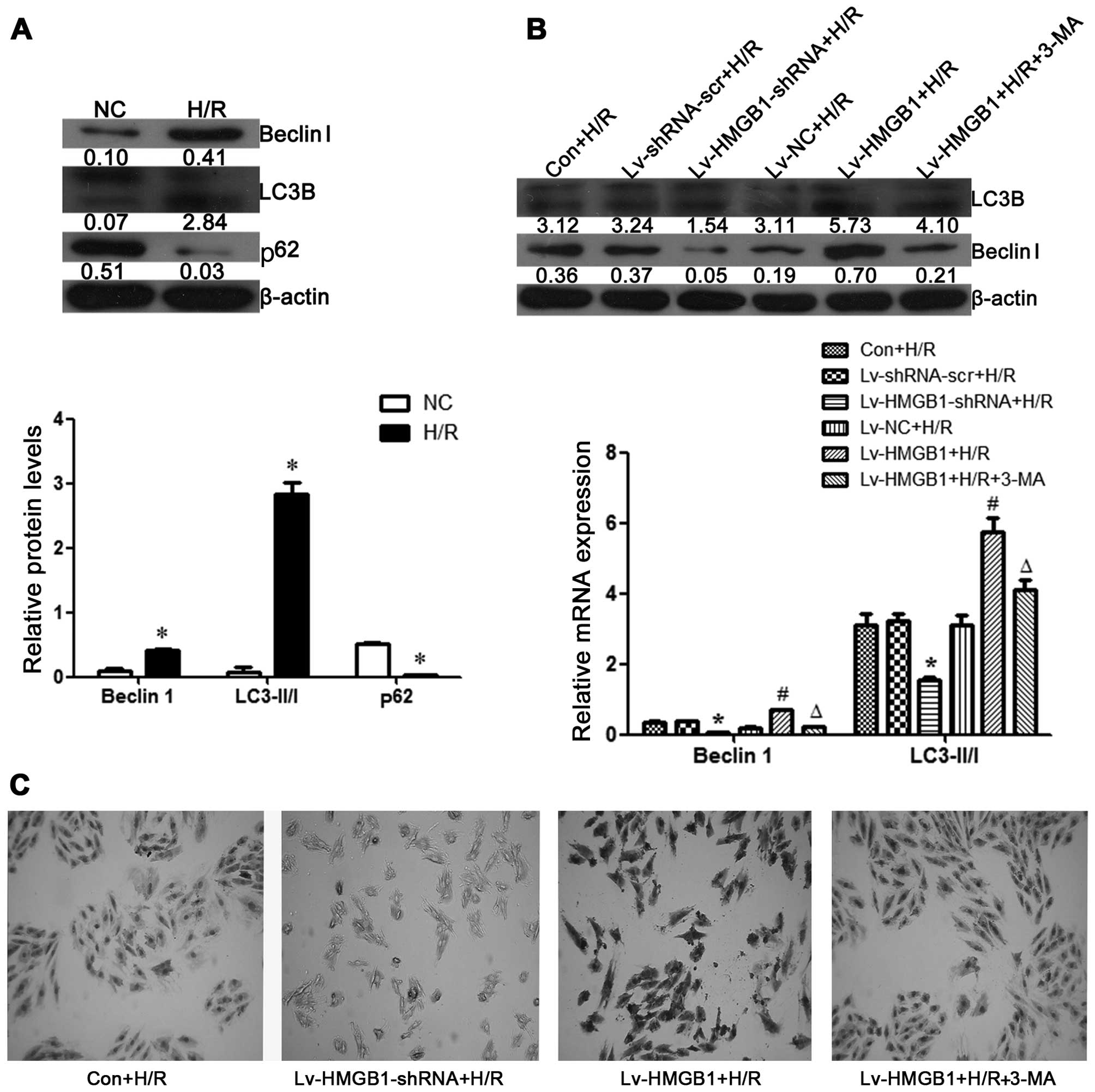
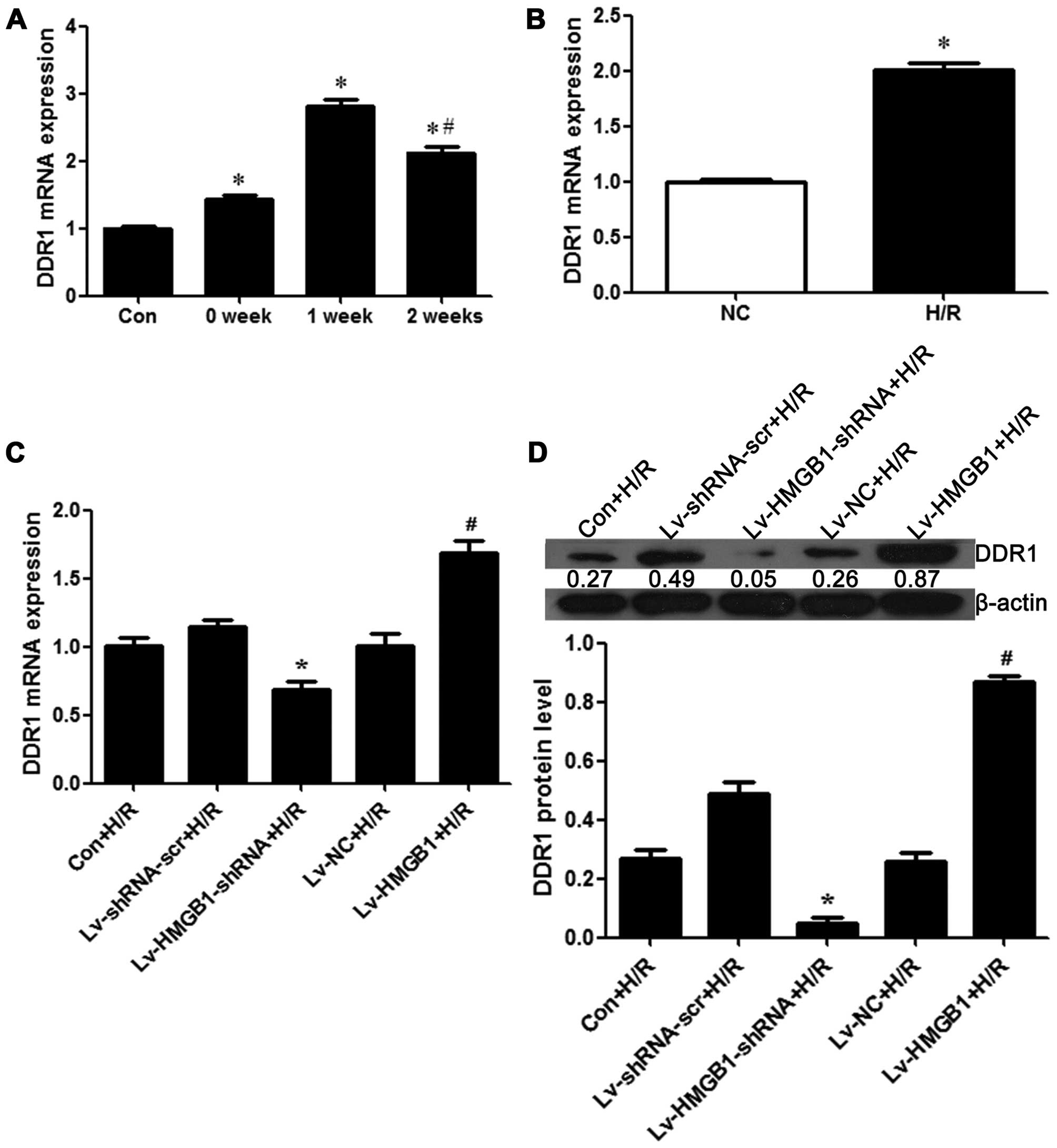
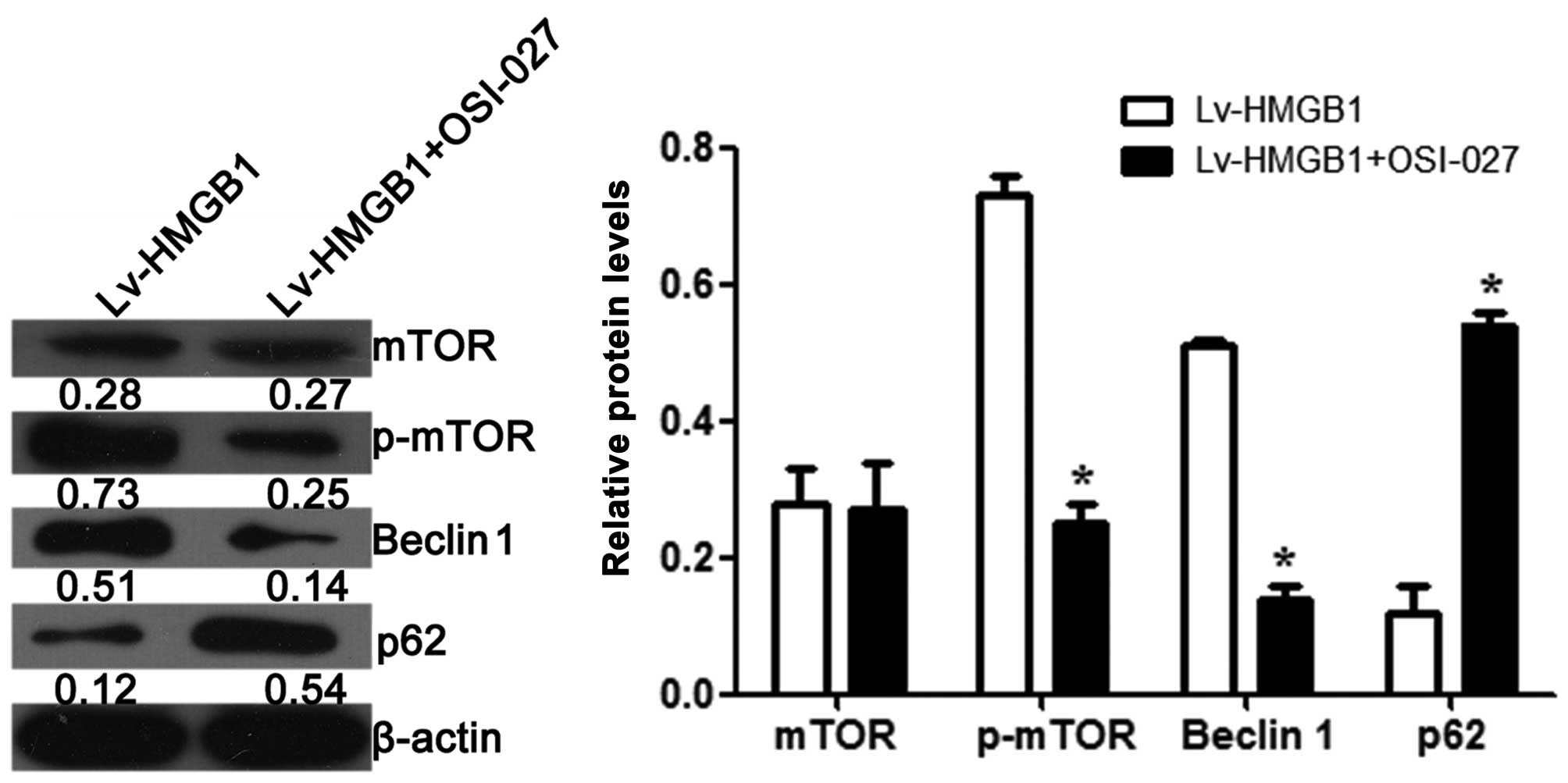
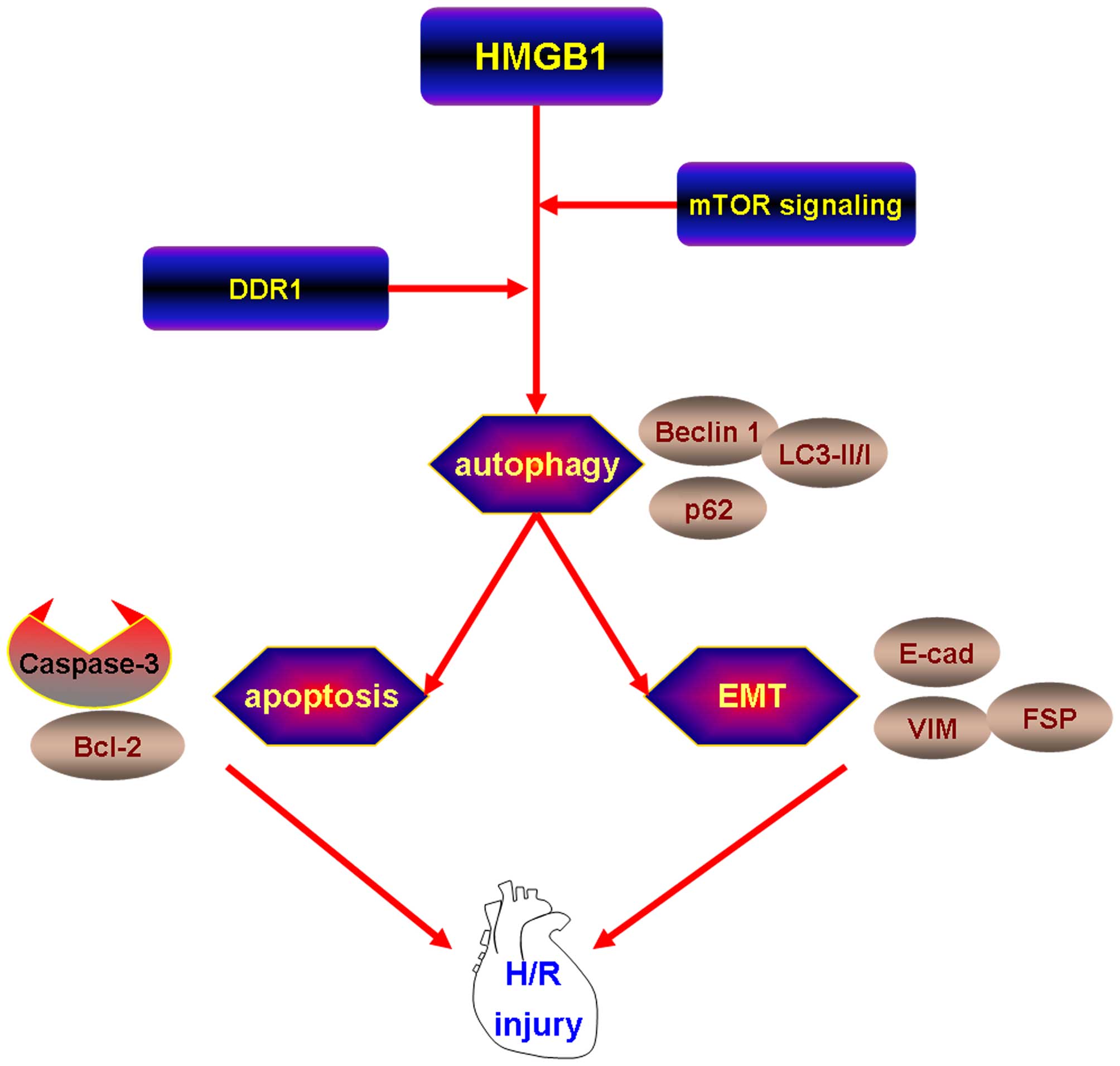
Hypoxia/reoxygenation (H/R) is a critical factor in the pathogenesis of tissue injury following myocardial infarction (MI) which can lead to tissue damage and pathological remodeling. Therefore, it is necessary to try and prevent myocardial H/R injury in order to optimize the treatment of MI. This study aimed to explore the functions and molecular mechanisms of action of high mobility group box 1 (HMGB1) and its role in H/R injury to H9c2 cells. The mRNA expression of levels genes were detected by RT-qPCR. The protein levels were examined by western blot analysis. The Beclin 1 expression level was further determined by immunocytochemistry (ICC). In addition, an HMGB1 overexpression vector and a shRNA lentiviral vector were constructed in order to induce the overexpression and silencing of HMGB1, respectively. The apoptotic rate of the H9c2 cells was determined by flow cytometry. The expression of miR-210 was markedly increased following the exposure of the cells to H/R, thus indicating that the cell model of H/R injury was successfully established. In addition, an in vivo model of MI was also created using rats. The mRNA and protein level of HMGB1 was found to be upregulated in the myocardial tissue of the rats with MI and in the H9c2 cells subjected to H/R injury. HMGB1 promoted apoptosis by increasing the expression of cleaved caspase-3 and the apoptotic rate of the cells, while decreasing the expression of Bcl-2 during H/R in the H9c2 cells. HMGB1 promoted epithelial-to-mesenchymal transition (EMT) by reducing the protein level of the epithelial marker, E-cadherin, while increasing the expression of the mesenchymal markers, vimentin and fibroblast-specific protein (FSP), during H/R in the H9c2 cells. HMGB1 induced the apoptosis of the H9c2 cells and EMT following H/R in association with the induction of autophagy. HMGB1 induced autophagy by upregulating the expression of discoidin domain receptor 1 (DDR1) and downregulating the phosphorylation levels of mammalian target of rapamycin (mTOR). In conclusion, the findings of our study suggest that HMGB1 promotes apoptosis and EMT in association with the induction of autophagy through the upregulation of the expression of DDR1 and the downregulation of the phosphorylation of mTOR following H/R injury in H9c2 cells.
View Figures

Figure 1

Figure 2

Figure 3

Figure 4

Figure 5

Figure 6

Figure 7

View References

1 

Aydin S, Kuloglu T, Aydin S, Kalayci M, Yilmaz M, Çakmak T and Eren MN: Elevated adropin: A candidate diagnostic marker for myocardial infarction in conjunction with troponin-I. Peptides. 58:91–97. 2014. View Article : Google Scholar : PubMed/NCBI

2 

Cabello JB, Burls A, Emparanza JI, Bayliss S and Quinn T: Oxygen therapy for acute myocardial infarction. Cochrane Database Syst Rev. 8:CD0071602013.PubMed/NCBI

3 

Anderson JL, Adams CD, Antman EM, Bridges CR, Califf RM, Casey DE Jr, Chavey WE II, Fesmire FM, Hochman JS, Levin TN, et al American College of Cardiology Foundation/American Heart Association Task Force on Practice Guidelines: 2012 ACCF/AHA focused update incorporated into the ACCF/AHA 2007 guidelines for the management of patients with unstable angina/non-ST-elevation myocardial infarction: A report of the American College of Cardiology Foundation/American Heart Association Task Force on Practice Guidelines. Circulation. 127:e663–e828. 2013. View Article : Google Scholar : PubMed/NCBI

4 

Brown HF: Synopsis and Review of the American College of Cardiology Foundation/American Heart Association 2013 ST-Elevation Myocardial Infarction Guideline. AACN Adv Crit Care. 25:142–150. 2014. View Article : Google Scholar : PubMed/NCBI

5 

Mitra A, Ray A, Datta R, Sengupta S and Sarkar S: Cardioprotective role of p38 MAPK during myocardial infarction via parallel activation of α-crystallin B and Nrf2. J Cell Physiol. 229:1272–1282. 2014. View Article : Google Scholar : PubMed/NCBI

6 

Sahoo S and Losordo DW: Exosomes and cardiac repair after myocardial infarction. Circ Res. 114:333–344. 2014. View Article : Google Scholar : PubMed/NCBI

7 

Gai Y, Ma Z, Yu X, Qu S and Sui D: Effect of ginsenoside Rh1 on myocardial injury and heart function in isoproterenol-induced cardiotoxicity in rats. Toxicol Mech Methods. 22:584–591. 2012. View Article : Google Scholar : PubMed/NCBI

8 

Go AS, Mozaffarian D, Roger VL, Benjamin EJ, Berry JD, Borden WB, Bravata DM, Dai S, Ford ES, Fox CS, et al American Heart Association Statistics Committee and Stroke Statistics Subcommittee: Heart disease and stroke statistics - 2013 update: A report from the American Heart Association. Circulation. 127:e6–e245. 2013. View Article : Google Scholar

9 

Cao X, Chen A, Yang P, Song X, Liu Y, Li Z, Wang X, Wang L and Li Y: Alpha-lipoic acid protects cardiomyocytes against hypoxia/reoxygenation injury by inhibiting autophagy. Biochem Biophys Res Commun. 441:935–940. 2013. View Article : Google Scholar : PubMed/NCBI

10 

Verma S, Fedak PW, Weisel RD, Butany J, Rao V, Maitland A, Li RK, Dhillon B and Yau TM: Fundamentals of reperfusion injury for the clinical cardiologist. Circulation. 105:2332–2336. 2002. View Article : Google Scholar : PubMed/NCBI

11 

Feng Y, Hu L, Xu Q, Yuan H, Ba L, He Y and Che H: Cytoprotective role of alpha1-antitrypsin in vascular endothelial cell under hypoxia/reoxygenation condition. J Cardiovasc Pharmacol. 66:96–107. 2015. View Article : Google Scholar : PubMed/NCBI

12 

Cao X, Wang X, Ling Y, Song X, Yang P, Liu Y, Liu L, Wang L, Guo J and Chen A: Comparison of the degree of autophagy in neonatal rat cardiomyocytes and H9c2 cells exposed to hypoxia/reoxygenation. Clin Lab. 60:809–814. 2014.PubMed/NCBI

13 

Zhang Y, Hu S and Chen Y: Hepatocyte growth factor suppresses hypoxia/reoxygenation-induced XO activation in cardiac microvascular endothelial cells. Heart Vessels. 2014.

14 

Hock R, Furusawa T, Ueda T and Bustin M: HMG chromosomal proteins in development and disease. Trends Cell Biol. 17:72–79. 2007. View Article : Google Scholar

15 

Zhao X, Kuja-Panula J, Rouhiainen A, Chen YC, Panula P and Rauvala H: High mobility group box-1 (HMGB1; amphoterin) is required for zebrafish brain development. J Biol Chem. 286:23200–23213. 2011. View Article : Google Scholar : PubMed/NCBI

16 

Rauvala H and Rouhiainen A: Physiological and pathophysiological outcomes of the interactions of HMGB1 with cell surface receptors. Biochim Biophys Acta. 1799:164–170. 2010. View Article : Google Scholar

17 

Stros M: HMGB proteins: Interactions with DNA and chromatin. Biochim Biophys Acta. 1799:101–113. 2010. View Article : Google Scholar : PubMed/NCBI

18 

Zhou X, Hu X, Xie J, Xu C, Xu W and Jiang H: Exogenous high-mobility group box 1 protein injection improves cardiac function after myocardial infarction: Involvement of Wnt signaling activation. J Biomed Biotechnol. 2012:7438792012. View Article : Google Scholar : PubMed/NCBI

19 

Nakamura Y, Suzuki S, Shimizu T, Miyata M, Shishido T, Ikeda K, Saitoh S, Kubota I and Takeishi Y: High mobility group box 1 promotes angiogenesis from bone marrow-derived endothelial progenitor cells after myocardial infarction. J Atheroscler Thromb. 22:570–581. 2015. View Article : Google Scholar : PubMed/NCBI

20 

He YY, Wen Y, Zheng XX and Jiang XJ: Intramyocardial delivery of HMGB1 by a novel thermosensitive hydrogel attenuates cardiac remodeling and improves cardiac function after myocardial infarction. J Cardiovasc Pharmacol. 61:283–290. 2013. View Article : Google Scholar

21 

Andrassy M, Volz HC, Riedle N, Gitsioudis G, Seidel C, Laohachewin D, Zankl AR, Kaya Z, Bierhaus A, Giannitsis E, et al: HMGB1 as a predictor of infarct transmurality and functional recovery in patients with myocardial infarction. J Intern Med. 270:245–253. 2011. View Article : Google Scholar : PubMed/NCBI

22 

Xu W, Jiang H, Hu X and Fu W: Effects of high-mobility group box 1 on the expression of Beclin-1 and LC3 proteins following hypoxia and reoxygenation injury in rat cardiomyocytes. Int J Clin Exp Med. 7:5353–5357. 2014.

23 

Tang D, Kang R, Livesey KM, Cheh CW, Farkas A, Loughran P, Hoppe G, Bianchi ME, Tracey KJ, Zeh HJ III, et al: Endogenous HMGB1 regulates autophagy. J Cell Biol. 190:881–892. 2010. View Article : Google Scholar : PubMed/NCBI

24 

Kang R, Livesey KM, Zeh HJ III, Lotze MT and Tang D: HMGB1 as an autophagy sensor in oxidative stress. Autophagy. 7:904–906. 2011. View Article : Google Scholar : PubMed/NCBI

25 

Ma S, Wang Y, Chen Y and Cao F: The role of the autophagy in myocardial ischemia/reperfusion injury. Biochim Biophys Acta. 1852:271–276. 2015. View Article : Google Scholar

26 

Sciarretta S, Hariharan N, Monden Y, Zablocki D and Sadoshima J: Is autophagy in response to ischemia and reperfusion protective or detrimental for the heart? Pediatr Cardiol. 32:275–281. 2011. View Article : Google Scholar

27 

Biswas S, Roy S, Banerjee J, Hussain SR, Khanna S, Meenakshisundaram G, Kuppusamy P, Friedman A and Sen CK: Hypoxia inducible microRNA 210 attenuates keratinocyte proliferation and impairs closure in a murine model of ischemic wounds. Proc Natl Acad Sci USA. 107:6976–6981. 2010. View Article : Google Scholar : PubMed/NCBI

28 

Devlin C, Greco S, Martelli F and Ivan M: miR-210: More than a silent player in hypoxia. IUBMB Life. 63:94–100. 2011.PubMed/NCBI

29 

Gee HE, Camps C, Buffa FM, Patiar S, Winter SC, Betts G, Homer J, Corbridge R, Cox G, West CM, et al: hsa-mir-210 is a marker of tumor hypoxia and a prognostic factor in head and neck cancer. Cancer. 116:2148–2158. 2010.PubMed/NCBI

30 

Feng GM, Chen JH, Lin CI and Yang JM: Effect of docosa-hexaenoic acid on hypoxia/reoxygenation injury in human coronary arterial smooth muscle cells. Eur J Nutr. 51:987–995. 2012. View Article : Google Scholar

31 

McCord JM: Oxygen-derived free radicals in postischemic tissue injury. N Engl J Med. 312:159–163. 1985. View Article : Google Scholar : PubMed/NCBI

32 

Jensen FB, Hansen MN, Montesanti G and Wang T: Nitric oxide metabolites during anoxia and reoxygenation in the anoxia-tolerant vertebrate Trachemys scripta. J Exp Biol. 217:423–431. 2014. View Article : Google Scholar

33 

Robertson SJ, Mokgokong R, Kania KD, Guedj AS, Hladky SB and Barrand MA: Nitric oxide contributes to hypoxia-reoxygenation-induced P-glycoprotein expression in rat brain endothelial cells. Cell Mol Neurobiol. 31:1103–1111. 2011. View Article : Google Scholar : PubMed/NCBI

34 

Rus A, Molina F, Peinado MA and Del Moral ML: Nitric oxide averts hypoxia-induced damage during reoxygenation in rat heart. Microsc Res Tech. 74:1093–1103. 2011. View Article : Google Scholar : PubMed/NCBI

35 

Kim JS, Wang JH and Lemasters JJ: Mitochondrial permeability transition in rat hepatocytes after anoxia/reoxygenation: Role of Ca2+-dependent mitochondrial formation of reactive oxygen species. Am J Physiol Gastrointest Liver Physiol. 302:G723–G731. 2012. View Article : Google Scholar : PubMed/NCBI

36 

Kondoh M, Ohga N, Akiyama K, Hida Y, Maishi N, Towfik AM, Inoue N, Shindoh M and Hida K: Hypoxia-induced reactive oxygen species cause chromosomal abnormalities in endothelial cells in the tumor microenvironment. PLoS One. 8:e803492013. View Article : Google Scholar : PubMed/NCBI

37 

Xu H, Yao Y, Su Z, Yang Y, Kao R, Martin CM and Rui T: Endogenous HMGB1 contributes to ischemia-reperfusion-induced myocardial apoptosis by potentiating the effect of TNF-α/JNK. Am J Physiol Heart Circ Physiol. 300:H913–H921. 2011. View Article : Google Scholar

38 

Okuma Y, Liu K, Wake H, Liu R, Nishimura Y, Hui Z, Teshigawara K, Haruma J, Yamamoto Y, Yamamoto H, et al: Glycyrrhizin inhibits traumatic brain injury by reducing HMGB1-RAGE interaction. Neuropharmacology. 85:18–26. 2014. View Article : Google Scholar : PubMed/NCBI

39 

Su Z, Yin J, Wang T, Sun Y, Ni P, Ma R, Zhu H, Zheng D, Shen H, Xu W, et al: Up-regulated HMGB1 in EAM directly led to collagen deposition by a PKCβ/Erk1/2-dependent pathway: Cardiac fibroblast/myofibroblast might be another source of HMGB1. J Cell Mol Med. 18:1740–1751. 2014. View Article : Google Scholar : PubMed/NCBI

40 

Sun X and Tang D: HMGB1-dependent and -independent autophagy. Autophagy. 10:1873–1876. 2014. View Article : Google Scholar : PubMed/NCBI

41 

Germani A, Foglio E, Capogrossi MC, Russo MA and Limana F: Generation of cardiac progenitor cells through epicardial to mesenchymal transition. J Mol Med Berl. 93:735–748. 2015. View Article : Google Scholar : PubMed/NCBI

42 

Bi WR, Xu GT, Lv LX and Yang CQ: The ratio of transforming growth factor-β1/bone morphogenetic protein-7 in the progression of the epithelial-mesenchymal transition contributes to rat liver fibrosis. Genet Mol Res. 13:1005–1014. 2014. View Article : Google Scholar : PubMed/NCBI

43 

Wen SL, Gao JH, Yang WJ, Lu YY, Tong H, Huang ZY, Liu ZX and Tang CW: Celecoxib attenuates hepatic cirrhosis through inhibition of epithelial-to-mesenchymal transition of hepatocytes. J Gastroenterol Hepatol. 29:1932–1942. 2014. View Article : Google Scholar : PubMed/NCBI

44 

Sun S, Ning X, Zhai Y, Du R, Lu Y, He L, Li R, Wu W, Sun W and Wang H: Egr-1 mediates chronic hypoxia-induced renal interstitial fibrosis via the PKC/ERK pathway. Am J Nephrol. 39:436–448. 2014.PubMed/NCBI

45 

Hale AN, Ledbetter DJ, Gawriluk TR and Rucker EB III: Autophagy: Regulation and role in development. Autophagy. 9:951–972. 2013. View Article : Google Scholar : PubMed/NCBI

46 

Bánréti A, Sass M and Graba Y: The emerging role of acetylation in the regulation of autophagy. Autophagy. 9:819–829. 2013. View Article : Google Scholar : PubMed/NCBI

47 

Guan JL, Simon AK, Prescott M, Menendez JA, Liu F, Wang F, Wang C, Wolvetang E, Vazquez-Martin A and Zhang J: Autophagy in stem cells. Autophagy. 9:830–849. 2013. View Article : Google Scholar : PubMed/NCBI

48 

Zhang QY, Wu LQ, Zhang T, Han YF and Lin X: Autophagy-mediated HMGB1 release promotes gastric cancer cell survival via RAGE activation of extracellular signal-regulated kinases 1/2. Oncol Rep. 33:1630–1638. 2015.PubMed/NCBI

49 

Liu Y and Song L: HMGB1-induced autophagy in Schwann cells promotes neuroblastoma proliferation. Int J Clin Exp Pathol. 8:504–510. 2015.PubMed/NCBI

50 

Liu W, Zhang Z, Zhang Y, Chen X, Guo S, Lei Y, Xu Y, Ji C, Bi Z and Wang K: HMGB1-mediated autophagy modulates sensitivity of colorectal cancer cells to oxaliplatin via MEK/ERK signaling pathway. Cancer Biol Ther. 16:511–517. 2015. View Article : Google Scholar : PubMed/NCBI

51 

Li X, Wang S, Chen Y, Liu G and Yang X: miR-22 targets the 3′UTR of HMGB1 and inhibits the HMGB1-associated autophagy in osteosarcoma cells during chemotherapy. Tumour Biol. 35:6021–6028. 2014. View Article : Google Scholar : PubMed/NCBI

52 

Yanai H, Matsuda A, An J, Koshiba R, Nishio J, Negishi H, Ikushima H, Onoe T, Ohdan H, Yoshida N, et al: Conditional ablation of HMGB1 in mice reveals its protective function against endotoxemia and bacterial infection. Proc Natl Acad Sci USA. 110:20699–20704. 2013. View Article : Google Scholar : PubMed/NCBI

53 

Yang M, Cao L, Xie M, Yu Y, Kang R, Yang L, Zhao M and Tang D: Chloroquine inhibits HMGB1 inflammatory signaling and protects mice from lethal sepsis. Biochem Pharmacol. 86:410–418. 2013. View Article : Google Scholar : PubMed/NCBI

54 

Hagiwara S, Iwasaka H, Koga H, Hasegawa A, Kudo K, Kusaka J, Oyama Y and Noguchi T: Stimulation of autophagy in the liver by lipopolysaccharide-induced systemic inflammation in a rat model of diabetes mellitus. Biomed Res. 31:263–271. 2010. View Article : Google Scholar : PubMed/NCBI

55 

Andersson KB, Florholmen G, Winer LH, Tonnessen T and Christensen G: Regulation of neuronal type genes in congestive heart failure rats. Acta Physiol (Oxf). 186:17–27. 2006. View Article : Google Scholar

56 

Agarwal G, Mihai C and Iscru DF: Interaction of discoidin domain receptor 1 with collagen type 1. J Mol Biol. 367:443–455. 2007. View Article : Google Scholar : PubMed/NCBI

57 

Kothiwale S, Borza CM, Lowe EW Jr, Pozzi A and Meiler J: Discoidin domain receptor 1 (DDR1) kinase as target for structure-based drug discovery. Drug Discov Today. 20:255–261. 2015. View Article : Google Scholar :

58 

Iwai LK, Luczynski MT and Huang PH: Discoidin domain receptors: A proteomic portrait. Cell Mol Life Sci. 71:3269–3279. 2014. View Article : Google Scholar : PubMed/NCBI

59 

Vogel WF, Abdulhussein R and Ford CE: Sensing extracellular matrix: An update on discoidin domain receptor function. Cell Signal. 18:1108–1116. 2006. View Article : Google Scholar : PubMed/NCBI

Related Articles

  • Abstract
  • View
  • Download
  • Twitter
Copy and paste a formatted citation
Spandidos Publications style
Ouyang F, Huang H, Zhang M, Chen M, Huang H, Huang F and Zhou S: HMGB1 induces apoptosis and EMT in association with increased autophagy following H/R injury in cardiomyocytes. Int J Mol Med 37: 679-689, 2016.
APA
Ouyang, F., Huang, H., Zhang, M., Chen, M., Huang, H., Huang, F., & Zhou, S. (2016). HMGB1 induces apoptosis and EMT in association with increased autophagy following H/R injury in cardiomyocytes. International Journal of Molecular Medicine, 37, 679-689. https://doi.org/10.3892/ijmm.2016.2474
MLA
Ouyang, F., Huang, H., Zhang, M., Chen, M., Huang, H., Huang, F., Zhou, S."HMGB1 induces apoptosis and EMT in association with increased autophagy following H/R injury in cardiomyocytes". International Journal of Molecular Medicine 37.3 (2016): 679-689.
Chicago
Ouyang, F., Huang, H., Zhang, M., Chen, M., Huang, H., Huang, F., Zhou, S."HMGB1 induces apoptosis and EMT in association with increased autophagy following H/R injury in cardiomyocytes". International Journal of Molecular Medicine 37, no. 3 (2016): 679-689. https://doi.org/10.3892/ijmm.2016.2474
Copy and paste a formatted citation
x
Spandidos Publications style
Ouyang F, Huang H, Zhang M, Chen M, Huang H, Huang F and Zhou S: HMGB1 induces apoptosis and EMT in association with increased autophagy following H/R injury in cardiomyocytes. Int J Mol Med 37: 679-689, 2016.
APA
Ouyang, F., Huang, H., Zhang, M., Chen, M., Huang, H., Huang, F., & Zhou, S. (2016). HMGB1 induces apoptosis and EMT in association with increased autophagy following H/R injury in cardiomyocytes. International Journal of Molecular Medicine, 37, 679-689. https://doi.org/10.3892/ijmm.2016.2474
MLA
Ouyang, F., Huang, H., Zhang, M., Chen, M., Huang, H., Huang, F., Zhou, S."HMGB1 induces apoptosis and EMT in association with increased autophagy following H/R injury in cardiomyocytes". International Journal of Molecular Medicine 37.3 (2016): 679-689.
Chicago
Ouyang, F., Huang, H., Zhang, M., Chen, M., Huang, H., Huang, F., Zhou, S."HMGB1 induces apoptosis and EMT in association with increased autophagy following H/R injury in cardiomyocytes". International Journal of Molecular Medicine 37, no. 3 (2016): 679-689. https://doi.org/10.3892/ijmm.2016.2474
Follow us
  • Twitter
  • LinkedIn
  • Facebook
About
  • Spandidos Publications
  • Careers
  • Cookie Policy
  • Privacy Policy
How can we help?
  • Help
  • Live Chat
  • Contact
  • Email to our Support Team