Spandidos Publications Logo
  • About
    • About Spandidos
    • Aims and Scopes
    • Abstracting and Indexing
    • Editorial Policies
    • Reprints and Permissions
    • Job Opportunities
    • Terms and Conditions
    • Contact
  • Journals
    • All Journals
    • Oncology Letters
      • Oncology Letters
      • Information for Authors
      • Editorial Policies
      • Editorial Board
      • Aims and Scope
      • Abstracting and Indexing
      • Bibliographic Information
      • Archive
    • International Journal of Oncology
      • International Journal of Oncology
      • Information for Authors
      • Editorial Policies
      • Editorial Board
      • Aims and Scope
      • Abstracting and Indexing
      • Bibliographic Information
      • Archive
    • Molecular and Clinical Oncology
      • Molecular and Clinical Oncology
      • Information for Authors
      • Editorial Policies
      • Editorial Board
      • Aims and Scope
      • Abstracting and Indexing
      • Bibliographic Information
      • Archive
    • Experimental and Therapeutic Medicine
      • Experimental and Therapeutic Medicine
      • Information for Authors
      • Editorial Policies
      • Editorial Board
      • Aims and Scope
      • Abstracting and Indexing
      • Bibliographic Information
      • Archive
    • International Journal of Molecular Medicine
      • International Journal of Molecular Medicine
      • Information for Authors
      • Editorial Policies
      • Editorial Board
      • Aims and Scope
      • Abstracting and Indexing
      • Bibliographic Information
      • Archive
    • Biomedical Reports
      • Biomedical Reports
      • Information for Authors
      • Editorial Policies
      • Editorial Board
      • Aims and Scope
      • Abstracting and Indexing
      • Bibliographic Information
      • Archive
    • Oncology Reports
      • Oncology Reports
      • Information for Authors
      • Editorial Policies
      • Editorial Board
      • Aims and Scope
      • Abstracting and Indexing
      • Bibliographic Information
      • Archive
    • Molecular Medicine Reports
      • Molecular Medicine Reports
      • Information for Authors
      • Editorial Policies
      • Editorial Board
      • Aims and Scope
      • Abstracting and Indexing
      • Bibliographic Information
      • Archive
    • World Academy of Sciences Journal
      • World Academy of Sciences Journal
      • Information for Authors
      • Editorial Policies
      • Editorial Board
      • Aims and Scope
      • Abstracting and Indexing
      • Bibliographic Information
      • Archive
    • International Journal of Functional Nutrition
      • International Journal of Functional Nutrition
      • Information for Authors
      • Editorial Policies
      • Editorial Board
      • Aims and Scope
      • Abstracting and Indexing
      • Bibliographic Information
      • Archive
    • International Journal of Epigenetics
      • International Journal of Epigenetics
      • Information for Authors
      • Editorial Policies
      • Editorial Board
      • Aims and Scope
      • Abstracting and Indexing
      • Bibliographic Information
      • Archive
    • Medicine International
      • Medicine International
      • Information for Authors
      • Editorial Policies
      • Editorial Board
      • Aims and Scope
      • Abstracting and Indexing
      • Bibliographic Information
      • Archive
  • Articles
  • Information
    • Information for Authors
    • Information for Reviewers
    • Information for Librarians
    • Information for Advertisers
    • Conferences
  • Language Editing
Spandidos Publications Logo
  • About
    • About Spandidos
    • Aims and Scopes
    • Abstracting and Indexing
    • Editorial Policies
    • Reprints and Permissions
    • Job Opportunities
    • Terms and Conditions
    • Contact
  • Journals
    • All Journals
    • Biomedical Reports
      • Information for Authors
      • Editorial Policies
      • Editorial Board
      • Aims and Scope
      • Abstracting and Indexing
      • Bibliographic Information
      • Archive
    • Experimental and Therapeutic Medicine
      • Information for Authors
      • Editorial Policies
      • Editorial Board
      • Aims and Scope
      • Abstracting and Indexing
      • Bibliographic Information
      • Archive
    • International Journal of Epigenetics
      • Information for Authors
      • Editorial Policies
      • Editorial Board
      • Aims and Scope
      • Abstracting and Indexing
      • Bibliographic Information
      • Archive
    • International Journal of Functional Nutrition
      • Information for Authors
      • Editorial Policies
      • Editorial Board
      • Aims and Scope
      • Abstracting and Indexing
      • Bibliographic Information
      • Archive
    • International Journal of Molecular Medicine
      • Information for Authors
      • Editorial Policies
      • Editorial Board
      • Aims and Scope
      • Abstracting and Indexing
      • Bibliographic Information
      • Archive
    • International Journal of Oncology
      • Information for Authors
      • Editorial Policies
      • Editorial Board
      • Aims and Scope
      • Abstracting and Indexing
      • Bibliographic Information
      • Archive
    • Medicine International
      • Information for Authors
      • Editorial Policies
      • Editorial Board
      • Aims and Scope
      • Abstracting and Indexing
      • Bibliographic Information
      • Archive
    • Molecular and Clinical Oncology
      • Information for Authors
      • Editorial Policies
      • Editorial Board
      • Aims and Scope
      • Abstracting and Indexing
      • Bibliographic Information
      • Archive
    • Molecular Medicine Reports
      • Information for Authors
      • Editorial Policies
      • Editorial Board
      • Aims and Scope
      • Abstracting and Indexing
      • Bibliographic Information
      • Archive
    • Oncology Letters
      • Information for Authors
      • Editorial Policies
      • Editorial Board
      • Aims and Scope
      • Abstracting and Indexing
      • Bibliographic Information
      • Archive
    • Oncology Reports
      • Information for Authors
      • Editorial Policies
      • Editorial Board
      • Aims and Scope
      • Abstracting and Indexing
      • Bibliographic Information
      • Archive
    • World Academy of Sciences Journal
      • Information for Authors
      • Editorial Policies
      • Editorial Board
      • Aims and Scope
      • Abstracting and Indexing
      • Bibliographic Information
      • Archive
  • Articles
  • Information
    • For Authors
    • For Reviewers
    • For Librarians
    • For Advertisers
    • Conferences
  • Language Editing
Login Register Submit
  • This site uses cookies
  • You can change your cookie settings at any time by following the instructions in our Cookie Policy. To find out more, you may read our Privacy Policy.

    I agree
Search articles by DOI, keyword, author or affiliation
Search
Advanced Search
presentation
International Journal of Molecular Medicine
Join Editorial Board Propose a Special Issue
Print ISSN: 1107-3756 Online ISSN: 1791-244X
Journal Cover
July-2016 Volume 38 Issue 1

Full Size Image

Sign up for eToc alerts
Recommend to Library

Journals

International Journal of Molecular Medicine

International Journal of Molecular Medicine

International Journal of Molecular Medicine is an international journal devoted to molecular mechanisms of human disease.

International Journal of Oncology

International Journal of Oncology

International Journal of Oncology is an international journal devoted to oncology research and cancer treatment.

Molecular Medicine Reports

Molecular Medicine Reports

Covers molecular medicine topics such as pharmacology, pathology, genetics, neuroscience, infectious diseases, molecular cardiology, and molecular surgery.

Oncology Reports

Oncology Reports

Oncology Reports is an international journal devoted to fundamental and applied research in Oncology.

Experimental and Therapeutic Medicine

Experimental and Therapeutic Medicine

Experimental and Therapeutic Medicine is an international journal devoted to laboratory and clinical medicine.

Oncology Letters

Oncology Letters

Oncology Letters is an international journal devoted to Experimental and Clinical Oncology.

Biomedical Reports

Biomedical Reports

Explores a wide range of biological and medical fields, including pharmacology, genetics, microbiology, neuroscience, and molecular cardiology.

Molecular and Clinical Oncology

Molecular and Clinical Oncology

International journal addressing all aspects of oncology research, from tumorigenesis and oncogenes to chemotherapy and metastasis.

World Academy of Sciences Journal

World Academy of Sciences Journal

Multidisciplinary open-access journal spanning biochemistry, genetics, neuroscience, environmental health, and synthetic biology.

International Journal of Functional Nutrition

International Journal of Functional Nutrition

Open-access journal combining biochemistry, pharmacology, immunology, and genetics to advance health through functional nutrition.

International Journal of Epigenetics

International Journal of Epigenetics

Publishes open-access research on using epigenetics to advance understanding and treatment of human disease.

Medicine International

Medicine International

An International Open Access Journal Devoted to General Medicine.

Journal Cover
July-2016 Volume 38 Issue 1

Full Size Image

Sign up for eToc alerts
Recommend to Library

  • Article
  • Citations
    • Cite This Article
    • Download Citation
    • Create Citation Alert
    • Remove Citation Alert
    • Cited By
  • Similar Articles
    • Related Articles (in Spandidos Publications)
    • Similar Articles (Google Scholar)
    • Similar Articles (PubMed)
  • Download PDF
  • Download XML
  • View XML
Article

Network analysis of genes involved in the enhancement of hyperthermia sensitivity by the knockdown of BAG3 in human oral squamous cell carcinoma cells

  • Authors:
    • Tatsuya Yunoki
    • Yoshiaki Tabuchi
    • Atsushi Hayashi
    • Takashi Kondo
  • View Affiliations / Copyright

    Affiliations: Department of Ophthalmology, Graduate School of Medicine and Pharmaceutical Sciences, University of Toyama, Toyama 930-0194, Japan, Division of Molecular Genetics Research, Life Science Research Center, University of Toyama, Toyama 930-0194, Japan, Department of Radiological Sciences, Graduate School of Medicine and Pharmaceutical Sciences, University of Toyama, Toyama 930-0194, Japan
  • Pages: 236-242
    |
    Published online on: May 31, 2016
       https://doi.org/10.3892/ijmm.2016.2621
  • Expand metrics +
Metrics: Total Views: 0 (Spandidos Publications: | PMC Statistics: )
Metrics: Total PDF Downloads: 0 (Spandidos Publications: | PMC Statistics: )
Cited By (CrossRef): 0 citations Loading Articles...

This article is mentioned in:


Abstract

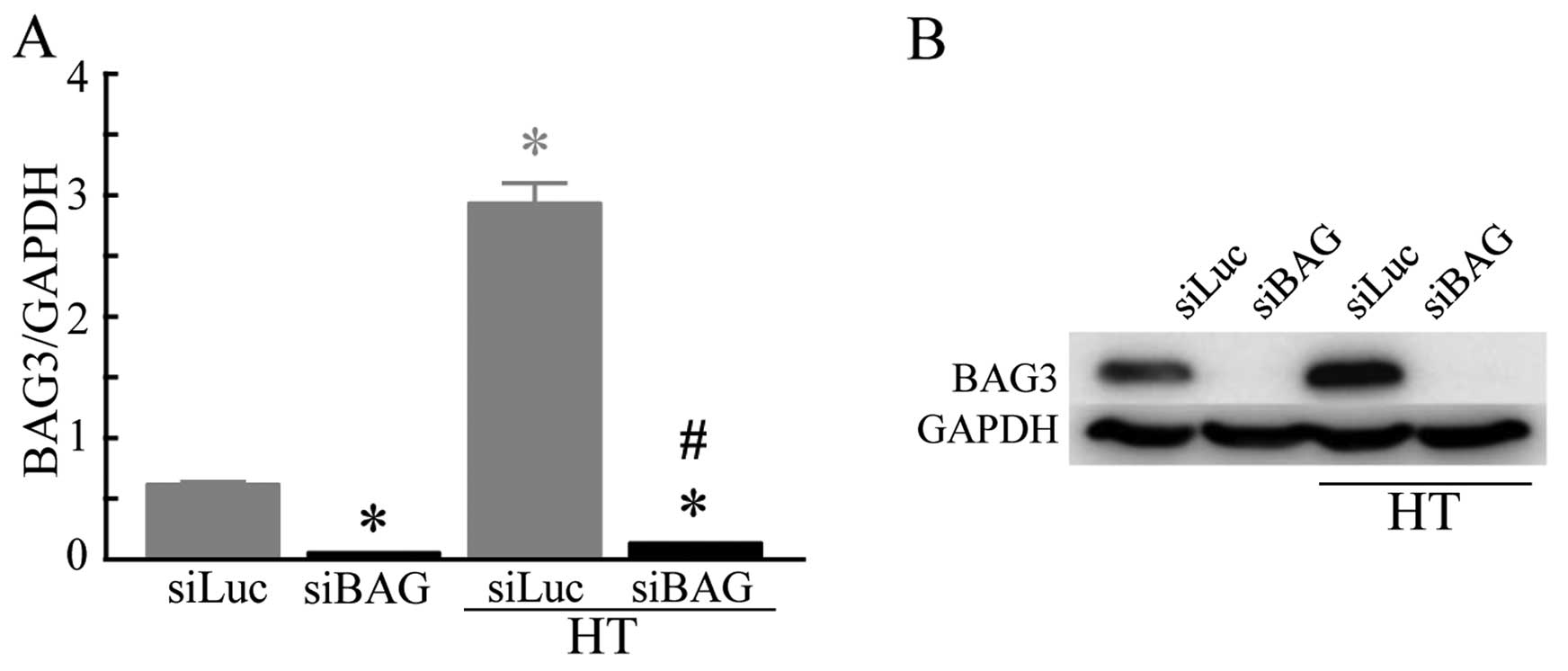
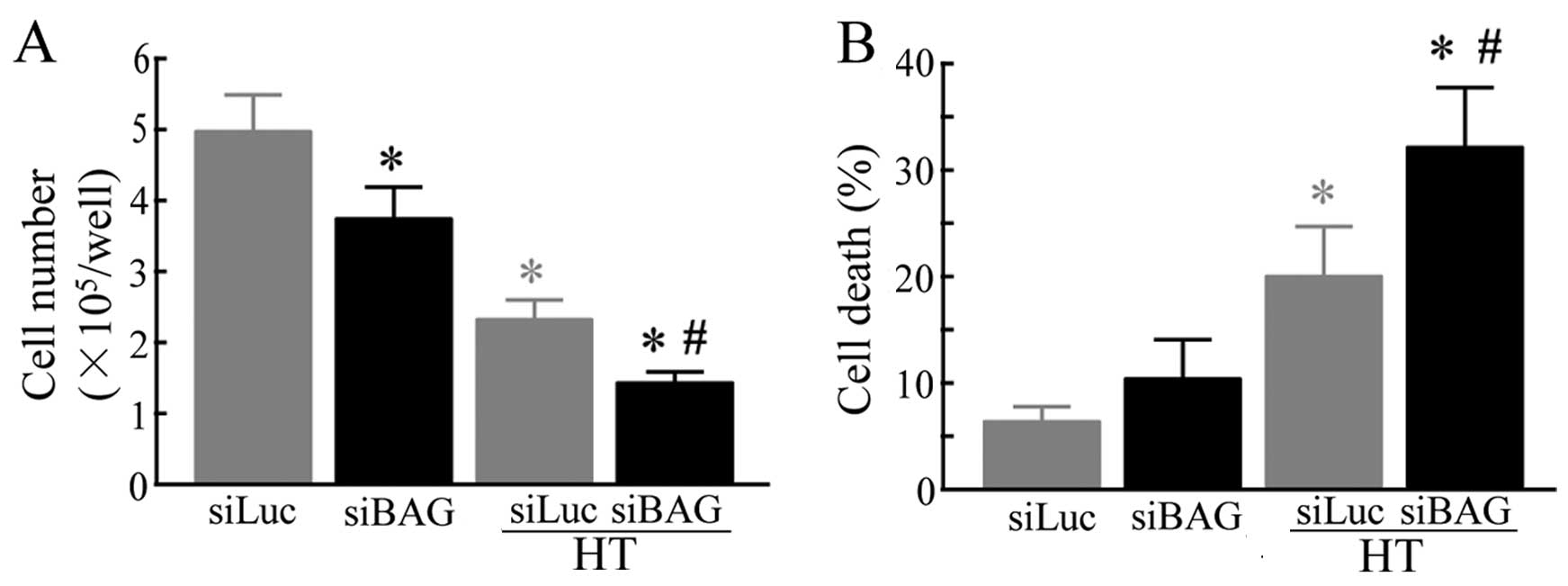
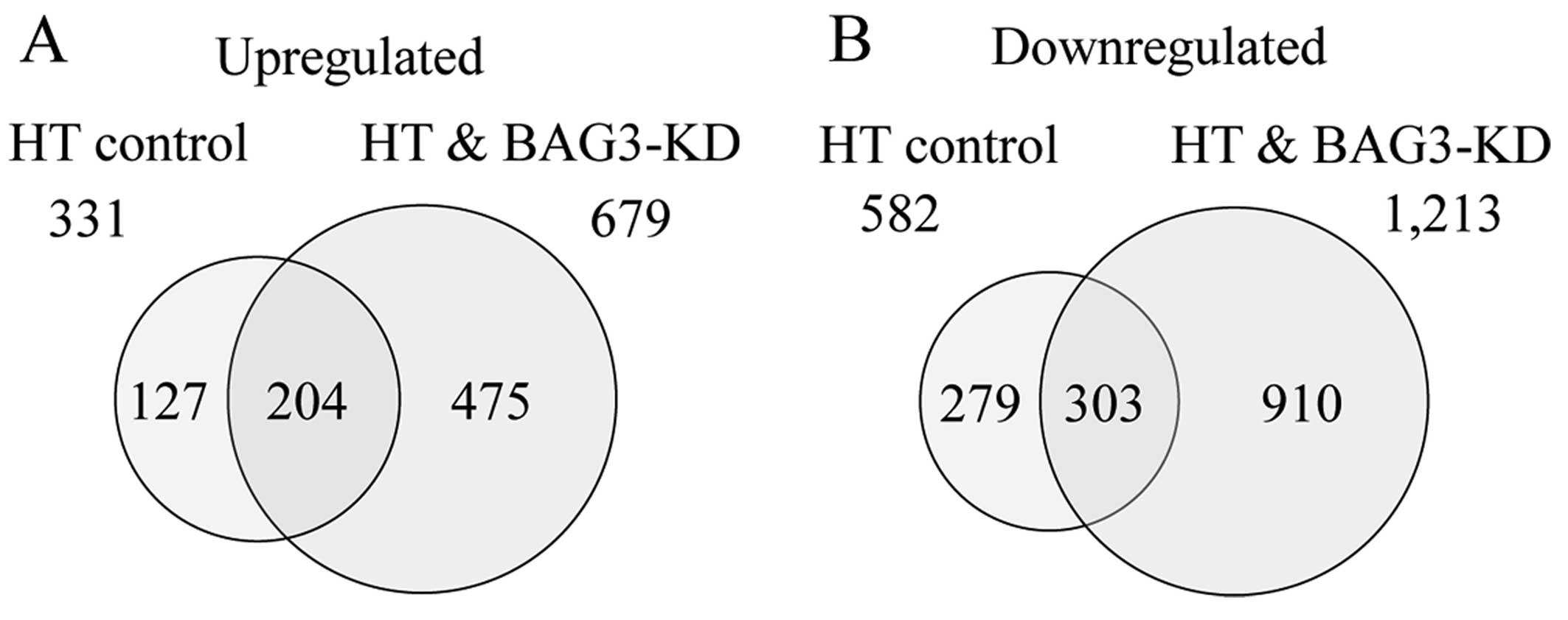
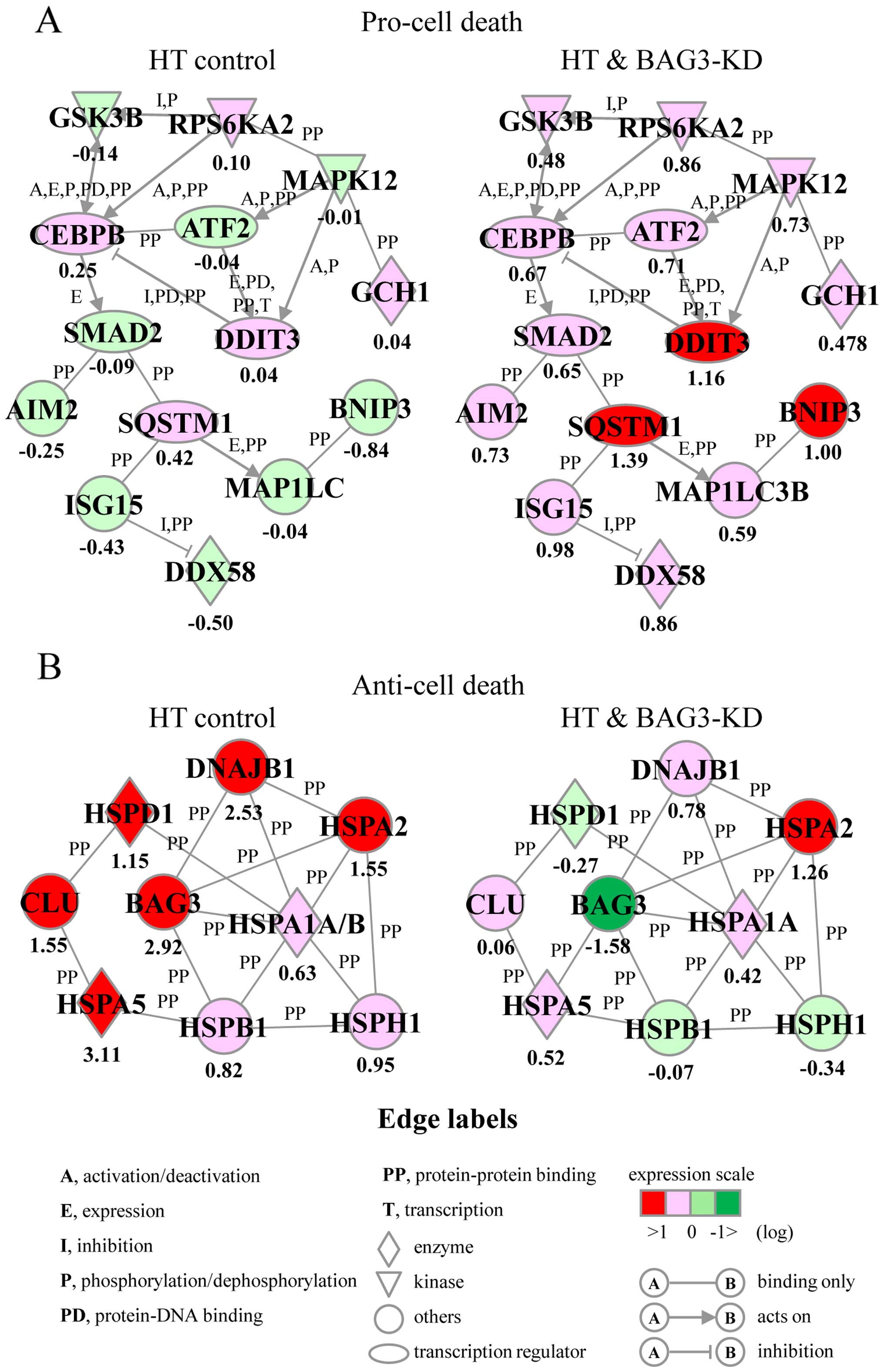
BCL2-associated athanogene 3 (BAG3), a co-chaperone of the heat shock 70 kDa protein (HSPA) family of proteins, is a cytoprotective protein that acts against various stresses, including heat stress. The aim of the present study was to identify gene networks involved in the enhancement of hyperthermia (HT) sensitivity by the knockdown (KD) of BAG3 in human oral squamous cell carcinoma (OSCC) cells. Although a marked elevation in the protein expression of BAG3 was detected in human the OSCC HSC-3 cells exposed to HT at 44˚C for 90 min, its expression was almost completely suppressed in the cells transfected with small interfering RNA against BAG3 (siBAG) under normal and HT conditions. The silencing of BAG3 also enhanced the cell death that was increased in the HSC-3 cells by exposure to HT. Global gene expression analysis revealed many genes that were differentially expressed by >2-fold in the cells exposed to HT and transfected with siBAG. Moreover, Ingenuity® pathways analysis demonstrated two unique gene networks, designated as Pro-cell death and Anti-cell death, which were obtained from upregulated genes and were mainly associated with the biological functions of induction and the prevention of cell death, respectively. Of note, the expression levels of genes in the Pro-cell death and Anti-cell death gene networks were significantly elevated and reduced in the HT + BAG3-KD group compared to those in the HT control group, respectively. These results provide further insight into the molecular mechanisms involved in the enhancement of HT sensitivity by the silencing of BAG3 in human OSCC cells.
View Figures

Figure 1

Figure 2

Figure 3

Figure 4

View References

1 

van der Zee J, González González D, van Rhoon GC, van Dijk JD, van Putten WL and Hart AA: Comparison of radiotherapy alone with radiotherapy plus hyperthermia in locally advanced pelvic tumours: a prospective, randomised, multicentre trial. Dutch Deep Hyperthermia Group. Lancet. 355:1119–1125. 2000. View Article : Google Scholar : PubMed/NCBI

2 

Harima Y, Nagata K, Harima K, Ostapenko VV, Tanaka Y and Sawada S: A randomized clinical trial of radiation therapy versus thermoradiotherapy in stage IIIB cervical carcinoma. Int J Hyperthermia. 17:97–105. 2001. View Article : Google Scholar : PubMed/NCBI

3 

Westermann A, Mella O, Van Der Zee J, Jones EL, Van Der Steen-Banasik E, Koper P, Uitterhoeve AL, De Wit R, Van Der Velden J, Burger C, et al: Long-term survival data of triple modality treatment of stage IIB-III-IVA cervical cancer with the combination of radiotherapy, chemotherapy and hyperthermia - an update. Int J Hyperthermia. 28:549–553. 2012. View Article : Google Scholar : PubMed/NCBI

4 

Cihoric N, Tsikkinis A, van Rhoon G, Crezee H, Aebersold DM, Bodis S, Beck M, Nadobny J, Budach V, Wust P, et al: Hyperthermia-related clinical trials on cancer treatment within the http://ClinicalTrials.govurisimpleClinicalTrials.gov registry. Int J Hyperthermia. 31:609–614. 2015. View Article : Google Scholar : PubMed/NCBI

5 

Li GC, Mivechi NF and Weitzel G: Heat shock proteins, thermotolerance, and their relevance to clinical hyperthermia. Int J Hyperthermia. 11:459–488. 1995. View Article : Google Scholar : PubMed/NCBI

6 

Nollen EA, Brunsting JF, Roelofsen H, Weber LA and Kampinga HH: In vivo chaperone activity of heat shock protein 70 and thermotolerance. Mol Cell Biol. 19:2069–2079. 1999. View Article : Google Scholar : PubMed/NCBI

7 

Beere HM: 'The stress of dying': the role of heat shock proteins in the regulation of apoptosis. J Cell Sci. 117:2641–2651. 2004. View Article : Google Scholar : PubMed/NCBI

8 

Lanneau D, Wettstein G, Bonniaud P and Garrido C: Heat shock proteins: cell protection through protein triage. Scientific World Journal. 10:1543–1552. 2010. View Article : Google Scholar : PubMed/NCBI

9 

Ohtsuka K and Hata M: Molecular chaperone function of mammalian Hsp70 and Hsp40 - a review. Int J Hyperthermia. 16:231–245. 2000. View Article : Google Scholar : PubMed/NCBI

10 

Vos MJ, Hageman J, Carra S and Kampinga HH: Structural and functional diversities between members of the human HSPB, HSPH, HSPA, and DNAJ chaperone families. Biochemistry. 47:7001–7011. 2008. View Article : Google Scholar : PubMed/NCBI

11 

Kabbage M and Dickman MB: The BAG proteins: a ubiquitous family of chaperone regulators. Cell Mol Life Sci. 65:1390–1402. 2008. View Article : Google Scholar : PubMed/NCBI

12 

Taipale M, Tucker G, Peng J, Krykbaeva I, Lin ZY, Larsen B, Choi H, Berger B, Gingras AC and Lindquist S: A quantitative chaperone interaction network reveals the architecture of cellular protein homeostasis pathways. Cell. 158:434–448. 2014. View Article : Google Scholar : PubMed/NCBI

13 

Franceschelli S, Rosati A, Lerose R, De Nicola S, Turco MC and Pascale M: Bag3 gene expression is regulated by heat shock factor 1. J Cell Physiol. 215:575–577. 2008. View Article : Google Scholar : PubMed/NCBI

14 

Du ZX, Zhang HY, Meng X, Gao YY, Zou RL, Liu BQ, Guan Y and Wang HQ: Proteasome inhibitor MG132 induces BAG3 expression through activation of heat shock factor 1. J Cell Physiol. 218:631–637. 2009. View Article : Google Scholar

15 

Pagliuca MG, Lerose R, Cigliano S and Leone A: Regulation by heavy metals and temperature of the human BAG-3 gene, a modulator of Hsp70 activity. FEBS Lett. 541:11–15. 2003. View Article : Google Scholar : PubMed/NCBI

16 

Liao Q, Ozawa F, Friess H, Zimmermann A, Takayama S, Reed JC, Kleeff J and Büchler MW: The anti-apoptotic protein BAG-3 is overexpressed in pancreatic cancer and induced by heat stress in pancreatic cancer cell lines. FEBS Lett. 503:151–157. 2001. View Article : Google Scholar : PubMed/NCBI

17 

Yunoki T, Kariya A, Kondo T, Hayashi A and Tabuchi Y: The combination of silencing BAG3 and inhibition of the JNK pathway enhances hyperthermia sensitivity in human oral squamous cell carcinoma cells. Cancer Lett. 335:52–57. 2013. View Article : Google Scholar : PubMed/NCBI

18 

Yunoki T, Tabuchi Y, Hayashi A and Kondo T: BAG3 protects against hyperthermic stress by modulating NF-κB and ERK activities in human retinoblastoma cells. Graefes Arch Clin Exp Ophthalmol. 253:399–407. 2015. View Article : Google Scholar

19 

Bonelli P, Petrella A, Rosati A, Romano MF, Lerose R, Pagliuca MG, Amelio T, Festa M, Martire G, Venuta S, et al: BAG3 protein regulates stress-induced apoptosis in normal and neoplastic leukocytes. Leukemia. 18:358–360. 2004. View Article : Google Scholar

20 

Tabuchi Y, Ando H, Takasaki I, Feril LB Jr, Zhao QL, Ogawa R, Kudo N, Tachibana K and Kondo T: Identification of genes responsive to low intensity pulsed ultrasound in a human leukemia cell line Molt-4. Cancer Lett. 246:149–156. 2007. View Article : Google Scholar

21 

Chiappetta G, Ammirante M, Basile A, Rosati A, Festa M, Monaco M, Vuttariello E, Pasquinelli R, Arra C, Zerilli M, et al: The antiapoptotic protein BAG3 is expressed in thyroid carcinomas and modulates apoptosis mediated by tumor necrosis factor-related apoptosis-inducing ligand. J Clin Endocrinol Metab. 92:1159–1163. 2007. View Article : Google Scholar

22 

Festa M, Del Valle L, Khalili K, Franco R, Scognamiglio G, Graziano V, De Laurenzi V, Turco MC and Rosati A: BAG3 protein is overexpressed in human glioblastoma and is a potential target for therapy. Am J Pathol. 178:2504–2512. 2011. View Article : Google Scholar : PubMed/NCBI

23 

Rosati A, Graziano V, De Laurenzi V, Pascale M and Turco MC: BAG3: a multifaceted protein that regulates major cell pathways. Cell Death Dis. 2:e1412011. View Article : Google Scholar : PubMed/NCBI

24 

Nymoen DA, Hetland Falkenthal TE, Holth A, Ow GS, Ivshina AV, Tropé CG, Kuznetsov VA, Staff AC and Davidson B: Expression and clinical role of chemoresponse-associated genes in ovarian serous carcinoma. Gynecol Oncol. 139:30–39. 2015. View Article : Google Scholar : PubMed/NCBI

25 

Liu P, Xu B, Li J and Lu H: BAG3 gene silencing sensitizes leukemic cells to bortezomib-induced apoptosis. FEBS Lett. 583:401–406. 2009. View Article : Google Scholar

26 

Kariya A, Furusawa Y, Yunoki T, Kondo T and Tabuchi Y: A microRNA-27a mimic sensitizes human oral squamous cell carcinoma HSC-4 cells to hyperthermia through downregulation of Hsp110 and Hsp90. Int J Mol Med. 34:334–340. 2014.PubMed/NCBI

27 

Laemmli UK: Cleavage of structural proteins during the assembly of the head of bacteriophage T4. Nature. 227:680–685. 1970. View Article : Google Scholar : PubMed/NCBI

28 

Towbin H, Staehelin T and Gordon J: Electrophoretic transfer of proteins from polyacrylamide gels to nitrocellulose sheets: procedure and some applications. Proc Natl Acad Sci USA. 76:4350–4354. 1979. View Article : Google Scholar : PubMed/NCBI

29 

Tabuchi Y, Takasaki I, Doi T, Ishii Y, Sakai H and Kondo T: Genetic networks responsive to sodium butyrate in colonic epithelial cells. FEBS Lett. 580:3035–3041. 2006. View Article : Google Scholar : PubMed/NCBI

30 

Tabuchi Y, Yunoki T, Hoshi N, Suzuki N and Kondo T: Genes and gene networks involved in sodium fluoride-elicited cell death accompanying endoplasmic reticulum stress in oral epithelial cells. Into J Mol Sci. 15:8959–8978. 2014. View Article : Google Scholar

31 

Baan B, van Dam H, van der Zon GC, Maassen JA and Ouwens DM: The role of c-Jun N-terminal kinase, p38, and extracellular signal-regulated kinase in insulin-induced Thr69 and Thr71 phosphorylation of activating transcription factor 2. Mol Endocrinol. 20:1786–1795. 2006. View Article : Google Scholar : PubMed/NCBI

32 

Pan HC, Yang CN, Hung YW, Lee WJ, Tien HR, Shen CC, Sheehan J, Chou CT and Sheu ML: Reciprocal modulation of C/EBP-α and C/EBP-β by IL-13 in activated microglia prevents neuronal death. Eur J Immunol. 43:2854–2865. 2013. View Article : Google Scholar : PubMed/NCBI

33 

Zinszner H, Kuroda M, Wang X, Batchvarova N, Lightfoot RT, Remotti H, Stevens JL and Ron D: CHOP is implicated in programmed cell death in response to impaired function of the endoplasmic reticulum. Genes Dev. 12:982–995. 1998. View Article : Google Scholar : PubMed/NCBI

34 

Newman JR and Keating AE: Comprehensive identification of human bZIP interactions with coiled-coil arrays. Science. 300:2097–2101. 2003. View Article : Google Scholar : PubMed/NCBI

35 

Reinke AW, Baek J, Ashenberg O and Keating AE: Networks of bZIP protein-protein interactions diversified over a billion years of evolution. Science. 340:730–734. 2013. View Article : Google Scholar : PubMed/NCBI

36 

Behrends C, Sowa ME, Gygi SP and Harper JW: Network organization of the human autophagy system. Nature. 466:68–76. 2010. View Article : Google Scholar : PubMed/NCBI

37 

Tang QQ, Grønborg M, Huang H, Kim JW, Otto TC, Pandey A and Lane MD: Sequential phosphorylation of CCAAT enhancer-binding protein beta by MAPK and glycogen synthase kinase 3beta is required for adipogenesis. Proc Natl Acad Sci USA. 102:9766–9771. 2005. View Article : Google Scholar : PubMed/NCBI

38 

Lee S, Shuman JD, Guszczynski T, Sakchaisri K, Sebastian T, Copeland TD, Miller M, Cohen MS, Taunton J, Smart RC, et al: RSK-mediated phosphorylation in the C/EBPβ leucine zipper regulates DNA binding, dimerization, and growth arrest activity. Mol Cell Biol. 30:2621–2635. 2010. View Article : Google Scholar : PubMed/NCBI

39 

Tibbles LA and Woodgett JR: The stress-activated protein kinase pathways. Cell Mol Life Sci. 55:1230–1254. 1999. View Article : Google Scholar : PubMed/NCBI

40 

Beamer WG, Shultz KL, Coombs HF III, DeMambro VE, Reinholdt LG, Ackert-Bicknell CL, Canalis E, Rosen CJ and Donahue LR: BMD regulation on mouse distal chromosome 1, candidate genes, and response to ovariectomy or dietary fat. J Bone Miner Res. 26:88–99. 2011. View Article : Google Scholar

41 

Wang EY, Gang H, Aviv Y, Dhingra R, Margulets V and Kirshenbaum LA: p53 mediates autophagy and cell death by a mechanism contingent on Bnip3. Hypertension. 62:70–77. 2013. View Article : Google Scholar : PubMed/NCBI

42 

Hiscott J, Lin R, Nakhaei P and Paz S: MasterCARD: a priceless link to innate immunity. Trends Mol Med. 12:53–56. 2006. View Article : Google Scholar : PubMed/NCBI

43 

Pickert G, Lim HY, Weigert A, Häussler A, Myrczek T, Waldner M, Labocha S, Ferreirós N, Geisslinger G, Lötsch J, et al: Inhibition of GTP cyclohydrolase attenuates tumor growth by reducing angiogenesis and M2-like polarization of tumor associated macrophages. Int J Cancer. 132:591–604. 2013. View Article : Google Scholar

44 

Yángüez E, García-Culebras A, Frau A, Llompart C, Knobeloch KP, Gutierrez-Erlandsson S, García-Sastre A, Esteban M, Nieto A and Guerra S: ISG15 regulates peritoneal macrophages functionality against viral infection. PLoS Pathog. 9:e10036322013. View Article : Google Scholar : PubMed/NCBI

45 

Yu L, Wan F, Dutta S, Welsh S, Liu Z, Freundt E, Baehrecke EH and Lenardo M: Autophagic programmed cell death by selective catalase degradation. Proc Natl Acad Sci USA. 103:4952–4957. 2006. View Article : Google Scholar : PubMed/NCBI

46 

Lin Y, Zhang B, Liang H, Lu Y, Ai X, Zhang B and Chen X: JNK inhibitor SP600125 enhances TGF-β-induced apoptosis of RBE human cholangiocarcinoma cells in a Smad-dependent manner. Mol Med Rep. 8:1623–1629. 2013.PubMed/NCBI

47 

Huang S, Yang ZJ, Yu C and Sinicrope FA: Inhibition of mTOR kinase by AZD8055 can antagonize chemotherapy-induced cell death through autophagy induction and down-regulation of p62/sequestosome 1. J Biol Chem. 286:40002–40012. 2011. View Article : Google Scholar : PubMed/NCBI

48 

Evert BO, Wüllner U and Klockgether T: Cell death in polyglutamine diseases. Cell Tissue Res. 301:189–204. 2000. View Article : Google Scholar : PubMed/NCBI

49 

Veereshwarayya V, Kumar P, Rosen KM, Mestril R and Querfurth HW: Differential effects of mitochondrial heat shock protein 60 and related molecular chaperones to prevent intracellular beta-amyloid-induced inhibition of complex IV and limit apoptosis. J Biol Chem. 281:29468–29478. 2006. View Article : Google Scholar : PubMed/NCBI

50 

Dix DJ, Allen JW, Collins BW, Poorman-Allen P, Mori C, Blizard DR, Brown PR, Goulding EH, Strong BD and Eddy EM: HSP70-2 is required for desynapsis of synaptonemal complexes during meiotic prophase in juvenile and adult mouse spermatocytes. Development. 124:4595–4603. 1997.PubMed/NCBI

51 

Zhou H, Zhang Y, Fu Y, Chan L and Lee AS: Novel mechanism of anti-apoptotic function of 78-kDa glucose-regulated protein (GRP78): endocrine resistance factor in breast cancer, through release of B-cell lymphoma 2 (BCL-2) from BCL-2-interacting killer (BIK). J Biol Chem. 286:25687–25696. 2011. View Article : Google Scholar : PubMed/NCBI

52 

Tchivilev I, Madamanchi NR, Vendrov AE, Niu XL and Runge MS: Identification of a protective role for protein phosphatase 1cgamma1 against oxidative stress-induced vascular smooth muscle cell apoptosis. J Biol Chem. 283:22193–22205. 2008. View Article : Google Scholar : PubMed/NCBI

53 

Saito Y, Yamagishi N, Ishihara K and Hatayama T: Identification of alpha-tubulin as an hsp105alpha-binding protein by the yeast two-hybrid system. Exp Cell Res. 286:233–240. 2003. View Article : Google Scholar : PubMed/NCBI

54 

Viard I, Wehrli P, Jornot L, Bullani R, Vechietti JL, Schifferli JA, Tschopp J and French LE: Clusterin gene expression mediates resistance to apoptotic cell death induced by heat shock and oxidative stress. J Invest Dermatol. 112:290–296. 1999. View Article : Google Scholar : PubMed/NCBI

55 

Flanagan L, Whyte L, Chatterjee N and Tenniswood M: Effects of clusterin over-expression on metastatic progression and therapy in breast cancer. BMC Cancer. 10:1072010. View Article : Google Scholar : PubMed/NCBI

56 

Kong DH, Zhang Q, Meng X, Zong ZH, Li C, Liu BQ, Guan Y and Wang HQ: BAG3 sensitizes cancer cells exposed to DNA damaging agents via direct interaction with GRP78. Biochim Biophys Acta. 1833:3245–3253. 2013. View Article : Google Scholar : PubMed/NCBI

Related Articles

  • Abstract
  • View
  • Download
  • Twitter
Copy and paste a formatted citation
Spandidos Publications style
Yunoki T, Tabuchi Y, Hayashi A and Kondo T: Network analysis of genes involved in the enhancement of hyperthermia sensitivity by the knockdown of BAG3 in human oral squamous cell carcinoma cells. Int J Mol Med 38: 236-242, 2016.
APA
Yunoki, T., Tabuchi, Y., Hayashi, A., & Kondo, T. (2016). Network analysis of genes involved in the enhancement of hyperthermia sensitivity by the knockdown of BAG3 in human oral squamous cell carcinoma cells. International Journal of Molecular Medicine, 38, 236-242. https://doi.org/10.3892/ijmm.2016.2621
MLA
Yunoki, T., Tabuchi, Y., Hayashi, A., Kondo, T."Network analysis of genes involved in the enhancement of hyperthermia sensitivity by the knockdown of BAG3 in human oral squamous cell carcinoma cells". International Journal of Molecular Medicine 38.1 (2016): 236-242.
Chicago
Yunoki, T., Tabuchi, Y., Hayashi, A., Kondo, T."Network analysis of genes involved in the enhancement of hyperthermia sensitivity by the knockdown of BAG3 in human oral squamous cell carcinoma cells". International Journal of Molecular Medicine 38, no. 1 (2016): 236-242. https://doi.org/10.3892/ijmm.2016.2621
Copy and paste a formatted citation
x
Spandidos Publications style
Yunoki T, Tabuchi Y, Hayashi A and Kondo T: Network analysis of genes involved in the enhancement of hyperthermia sensitivity by the knockdown of BAG3 in human oral squamous cell carcinoma cells. Int J Mol Med 38: 236-242, 2016.
APA
Yunoki, T., Tabuchi, Y., Hayashi, A., & Kondo, T. (2016). Network analysis of genes involved in the enhancement of hyperthermia sensitivity by the knockdown of BAG3 in human oral squamous cell carcinoma cells. International Journal of Molecular Medicine, 38, 236-242. https://doi.org/10.3892/ijmm.2016.2621
MLA
Yunoki, T., Tabuchi, Y., Hayashi, A., Kondo, T."Network analysis of genes involved in the enhancement of hyperthermia sensitivity by the knockdown of BAG3 in human oral squamous cell carcinoma cells". International Journal of Molecular Medicine 38.1 (2016): 236-242.
Chicago
Yunoki, T., Tabuchi, Y., Hayashi, A., Kondo, T."Network analysis of genes involved in the enhancement of hyperthermia sensitivity by the knockdown of BAG3 in human oral squamous cell carcinoma cells". International Journal of Molecular Medicine 38, no. 1 (2016): 236-242. https://doi.org/10.3892/ijmm.2016.2621
Follow us
  • Twitter
  • LinkedIn
  • Facebook
About
  • Spandidos Publications
  • Careers
  • Cookie Policy
  • Privacy Policy
How can we help?
  • Help
  • Live Chat
  • Contact
  • Email to our Support Team