Spandidos Publications Logo
  • About
    • About Spandidos
    • Aims and Scopes
    • Abstracting and Indexing
    • Editorial Policies
    • Reprints and Permissions
    • Job Opportunities
    • Terms and Conditions
    • Contact
  • Journals
    • All Journals
    • Oncology Letters
      • Oncology Letters
      • Information for Authors
      • Editorial Policies
      • Editorial Board
      • Aims and Scope
      • Abstracting and Indexing
      • Bibliographic Information
      • Archive
    • International Journal of Oncology
      • International Journal of Oncology
      • Information for Authors
      • Editorial Policies
      • Editorial Board
      • Aims and Scope
      • Abstracting and Indexing
      • Bibliographic Information
      • Archive
    • Molecular and Clinical Oncology
      • Molecular and Clinical Oncology
      • Information for Authors
      • Editorial Policies
      • Editorial Board
      • Aims and Scope
      • Abstracting and Indexing
      • Bibliographic Information
      • Archive
    • Experimental and Therapeutic Medicine
      • Experimental and Therapeutic Medicine
      • Information for Authors
      • Editorial Policies
      • Editorial Board
      • Aims and Scope
      • Abstracting and Indexing
      • Bibliographic Information
      • Archive
    • International Journal of Molecular Medicine
      • International Journal of Molecular Medicine
      • Information for Authors
      • Editorial Policies
      • Editorial Board
      • Aims and Scope
      • Abstracting and Indexing
      • Bibliographic Information
      • Archive
    • Biomedical Reports
      • Biomedical Reports
      • Information for Authors
      • Editorial Policies
      • Editorial Board
      • Aims and Scope
      • Abstracting and Indexing
      • Bibliographic Information
      • Archive
    • Oncology Reports
      • Oncology Reports
      • Information for Authors
      • Editorial Policies
      • Editorial Board
      • Aims and Scope
      • Abstracting and Indexing
      • Bibliographic Information
      • Archive
    • Molecular Medicine Reports
      • Molecular Medicine Reports
      • Information for Authors
      • Editorial Policies
      • Editorial Board
      • Aims and Scope
      • Abstracting and Indexing
      • Bibliographic Information
      • Archive
    • World Academy of Sciences Journal
      • World Academy of Sciences Journal
      • Information for Authors
      • Editorial Policies
      • Editorial Board
      • Aims and Scope
      • Abstracting and Indexing
      • Bibliographic Information
      • Archive
    • International Journal of Functional Nutrition
      • International Journal of Functional Nutrition
      • Information for Authors
      • Editorial Policies
      • Editorial Board
      • Aims and Scope
      • Abstracting and Indexing
      • Bibliographic Information
      • Archive
    • International Journal of Epigenetics
      • International Journal of Epigenetics
      • Information for Authors
      • Editorial Policies
      • Editorial Board
      • Aims and Scope
      • Abstracting and Indexing
      • Bibliographic Information
      • Archive
    • Medicine International
      • Medicine International
      • Information for Authors
      • Editorial Policies
      • Editorial Board
      • Aims and Scope
      • Abstracting and Indexing
      • Bibliographic Information
      • Archive
  • Articles
  • Information
    • Information for Authors
    • Information for Reviewers
    • Information for Librarians
    • Information for Advertisers
    • Conferences
  • Language Editing
Spandidos Publications Logo
  • About
    • About Spandidos
    • Aims and Scopes
    • Abstracting and Indexing
    • Editorial Policies
    • Reprints and Permissions
    • Job Opportunities
    • Terms and Conditions
    • Contact
  • Journals
    • All Journals
    • Biomedical Reports
      • Information for Authors
      • Editorial Policies
      • Editorial Board
      • Aims and Scope
      • Abstracting and Indexing
      • Bibliographic Information
      • Archive
    • Experimental and Therapeutic Medicine
      • Information for Authors
      • Editorial Policies
      • Editorial Board
      • Aims and Scope
      • Abstracting and Indexing
      • Bibliographic Information
      • Archive
    • International Journal of Epigenetics
      • Information for Authors
      • Editorial Policies
      • Editorial Board
      • Aims and Scope
      • Abstracting and Indexing
      • Bibliographic Information
      • Archive
    • International Journal of Functional Nutrition
      • Information for Authors
      • Editorial Policies
      • Editorial Board
      • Aims and Scope
      • Abstracting and Indexing
      • Bibliographic Information
      • Archive
    • International Journal of Molecular Medicine
      • Information for Authors
      • Editorial Policies
      • Editorial Board
      • Aims and Scope
      • Abstracting and Indexing
      • Bibliographic Information
      • Archive
    • International Journal of Oncology
      • Information for Authors
      • Editorial Policies
      • Editorial Board
      • Aims and Scope
      • Abstracting and Indexing
      • Bibliographic Information
      • Archive
    • Medicine International
      • Information for Authors
      • Editorial Policies
      • Editorial Board
      • Aims and Scope
      • Abstracting and Indexing
      • Bibliographic Information
      • Archive
    • Molecular and Clinical Oncology
      • Information for Authors
      • Editorial Policies
      • Editorial Board
      • Aims and Scope
      • Abstracting and Indexing
      • Bibliographic Information
      • Archive
    • Molecular Medicine Reports
      • Information for Authors
      • Editorial Policies
      • Editorial Board
      • Aims and Scope
      • Abstracting and Indexing
      • Bibliographic Information
      • Archive
    • Oncology Letters
      • Information for Authors
      • Editorial Policies
      • Editorial Board
      • Aims and Scope
      • Abstracting and Indexing
      • Bibliographic Information
      • Archive
    • Oncology Reports
      • Information for Authors
      • Editorial Policies
      • Editorial Board
      • Aims and Scope
      • Abstracting and Indexing
      • Bibliographic Information
      • Archive
    • World Academy of Sciences Journal
      • Information for Authors
      • Editorial Policies
      • Editorial Board
      • Aims and Scope
      • Abstracting and Indexing
      • Bibliographic Information
      • Archive
  • Articles
  • Information
    • For Authors
    • For Reviewers
    • For Librarians
    • For Advertisers
    • Conferences
  • Language Editing
Login Register Submit
  • This site uses cookies
  • You can change your cookie settings at any time by following the instructions in our Cookie Policy. To find out more, you may read our Privacy Policy.

    I agree
Search articles by DOI, keyword, author or affiliation
Search
Advanced Search
presentation
International Journal of Molecular Medicine
Join Editorial Board Propose a Special Issue
Print ISSN: 1107-3756 Online ISSN: 1791-244X
Journal Cover
April-2017 Volume 39 Issue 4

Full Size Image

Sign up for eToc alerts
Recommend to Library

Journals

International Journal of Molecular Medicine

International Journal of Molecular Medicine

International Journal of Molecular Medicine is an international journal devoted to molecular mechanisms of human disease.

International Journal of Oncology

International Journal of Oncology

International Journal of Oncology is an international journal devoted to oncology research and cancer treatment.

Molecular Medicine Reports

Molecular Medicine Reports

Covers molecular medicine topics such as pharmacology, pathology, genetics, neuroscience, infectious diseases, molecular cardiology, and molecular surgery.

Oncology Reports

Oncology Reports

Oncology Reports is an international journal devoted to fundamental and applied research in Oncology.

Experimental and Therapeutic Medicine

Experimental and Therapeutic Medicine

Experimental and Therapeutic Medicine is an international journal devoted to laboratory and clinical medicine.

Oncology Letters

Oncology Letters

Oncology Letters is an international journal devoted to Experimental and Clinical Oncology.

Biomedical Reports

Biomedical Reports

Explores a wide range of biological and medical fields, including pharmacology, genetics, microbiology, neuroscience, and molecular cardiology.

Molecular and Clinical Oncology

Molecular and Clinical Oncology

International journal addressing all aspects of oncology research, from tumorigenesis and oncogenes to chemotherapy and metastasis.

World Academy of Sciences Journal

World Academy of Sciences Journal

Multidisciplinary open-access journal spanning biochemistry, genetics, neuroscience, environmental health, and synthetic biology.

International Journal of Functional Nutrition

International Journal of Functional Nutrition

Open-access journal combining biochemistry, pharmacology, immunology, and genetics to advance health through functional nutrition.

International Journal of Epigenetics

International Journal of Epigenetics

Publishes open-access research on using epigenetics to advance understanding and treatment of human disease.

Medicine International

Medicine International

An International Open Access Journal Devoted to General Medicine.

Journal Cover
April-2017 Volume 39 Issue 4

Full Size Image

Sign up for eToc alerts
Recommend to Library

  • Article
  • Citations
    • Cite This Article
    • Download Citation
    • Create Citation Alert
    • Remove Citation Alert
    • Cited By
  • Similar Articles
    • Related Articles (in Spandidos Publications)
    • Similar Articles (Google Scholar)
    • Similar Articles (PubMed)
  • Download PDF
  • Download XML
  • View XML
Article

Heat shock protein 90/Akt pathway participates in the cardioprotective effect of exogenous hydrogen sulfide against high glucose-induced injury to H9c2 cells

Corrigendum in: /10.3892/ijmm.2018.3708
  • Authors:
    • Xiao Ke
    • Jingfu Chen
    • Longyun Peng
    • Wei Zhang
    • Yiying Yang
    • Xinxue Liao
    • Liqiu Mo
    • Ruixian Guo
    • Jianqiang Feng
    • Chengheng Hu
    • Ruqiong Nie
  • View Affiliations / Copyright

    Affiliations: Department of Cardiology, Shenzhen Sun Yat-sen Cardiovascular Hospital, Shenzhen, Guangdong, P.R. China, Department of Cardiovascular Medicine and Dongguan Cardiovascular Institute, The Third People's Hospital of Dongguan City, Dongguan, Guangdong, P.R. China, Department of Cardiology, The First Affiliated Hospital, Sun Yat-sen University, Guangzhou, Guangdong, P.R. China, Department of Cardiovasology and Cardiac Care Unit (CCU), Huangpu Division of The First Affiliated Hospital, Sun Yat-sen University, Guangzhou, Guangdong, P.R. China, Department of Anesthesiology, Huangpu Division of The First Affiliated Hospital, Sun Yat-sen University, Guangzhou, Guangdong, P.R. China, Department of Physiology, Zhongshan School of Medicine, Sun Yat-sen University, Guangzhou, Guangdong, P.R. China, Department of Cardiology, Sun Yat-sen Memorial Hospital, Sun Yat-sen Universtity, Guangzhou, Guangdong, P.R. China
  • Pages: 1001-1010
    |
    Published online on: February 15, 2017
       https://doi.org/10.3892/ijmm.2017.2891
  • Expand metrics +
Metrics: Total Views: 0 (Spandidos Publications: | PMC Statistics: )
Metrics: Total PDF Downloads: 0 (Spandidos Publications: | PMC Statistics: )
Cited By (CrossRef): 0 citations Loading Articles...

This article is mentioned in:


Abstract

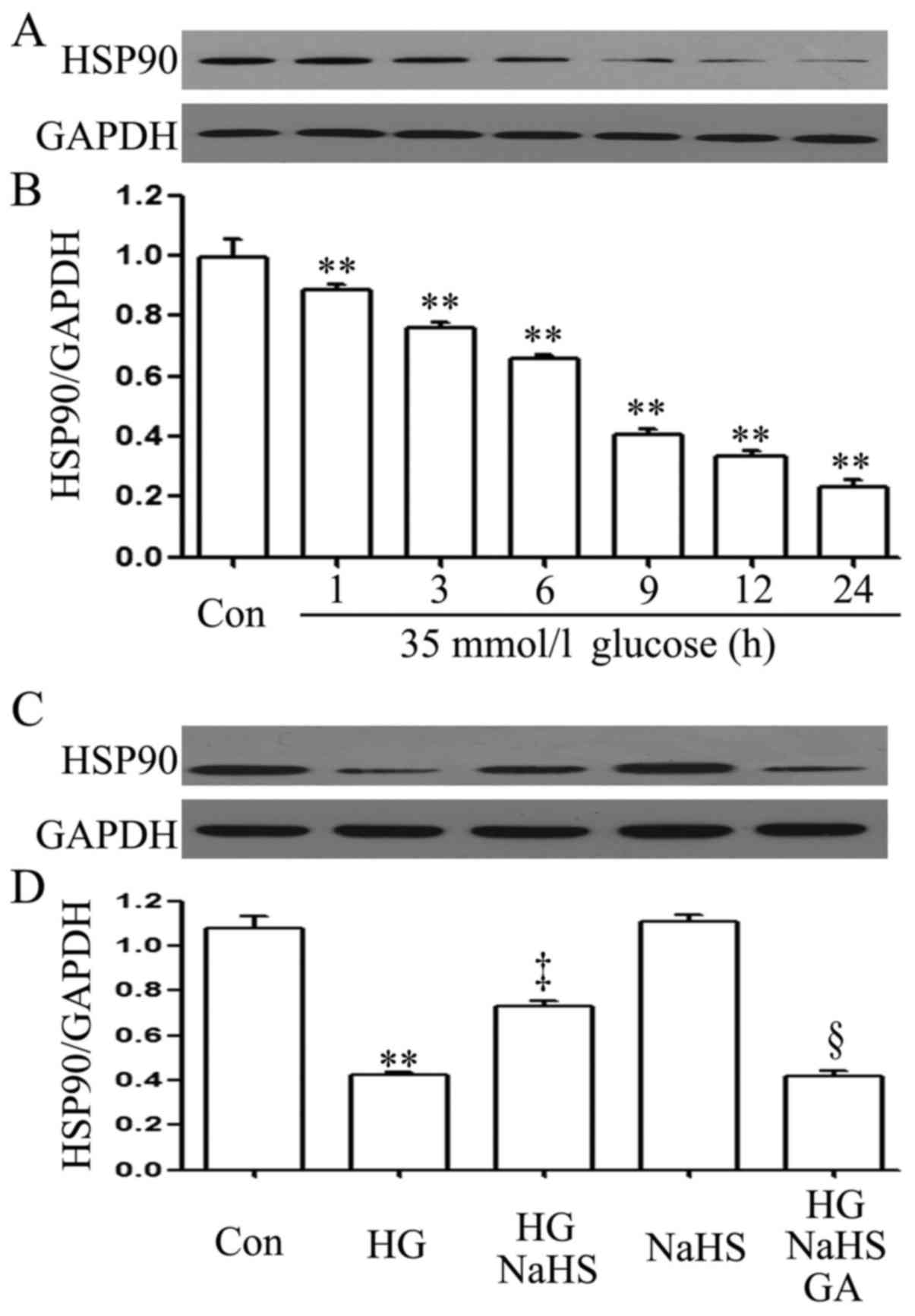
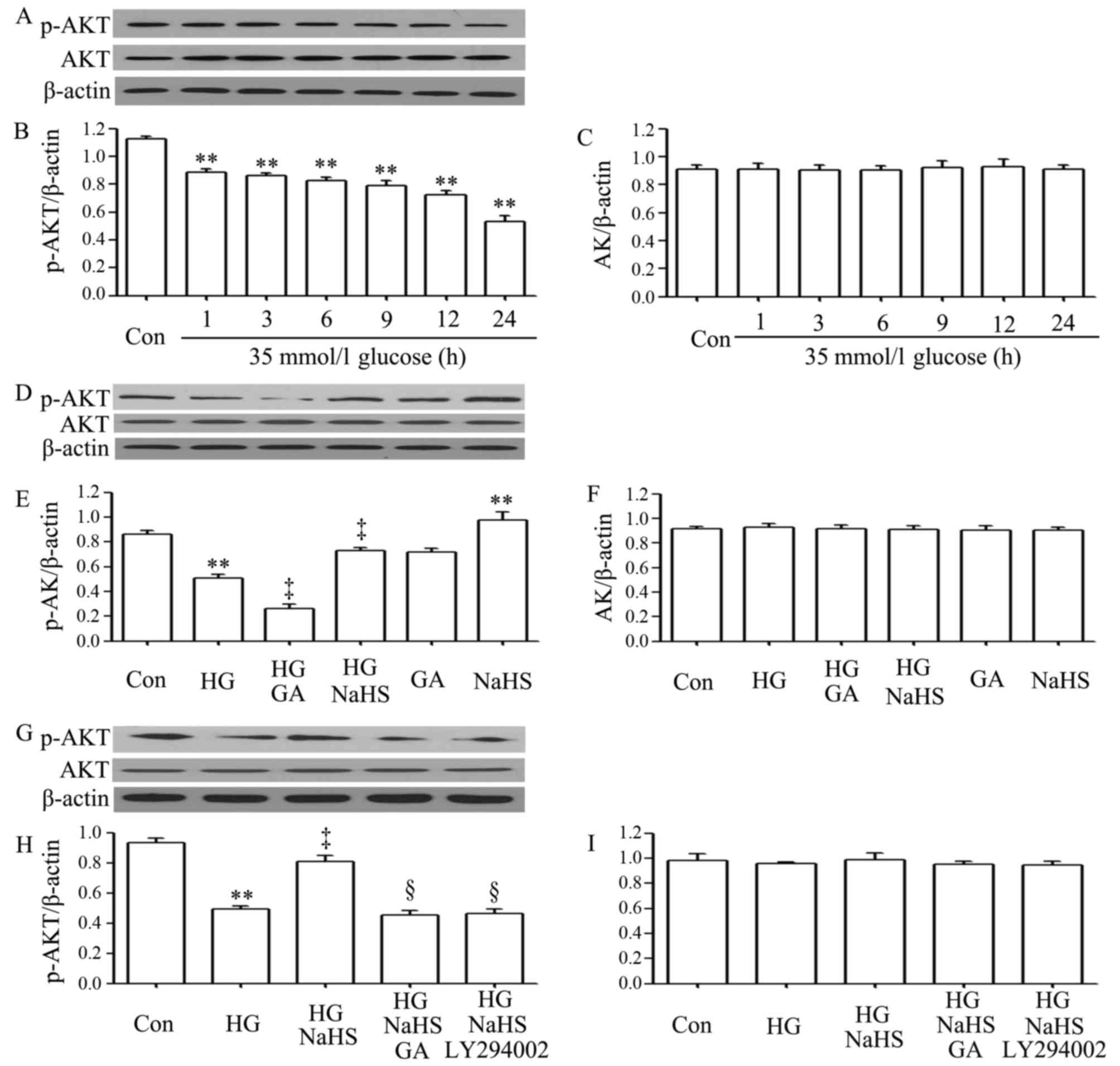
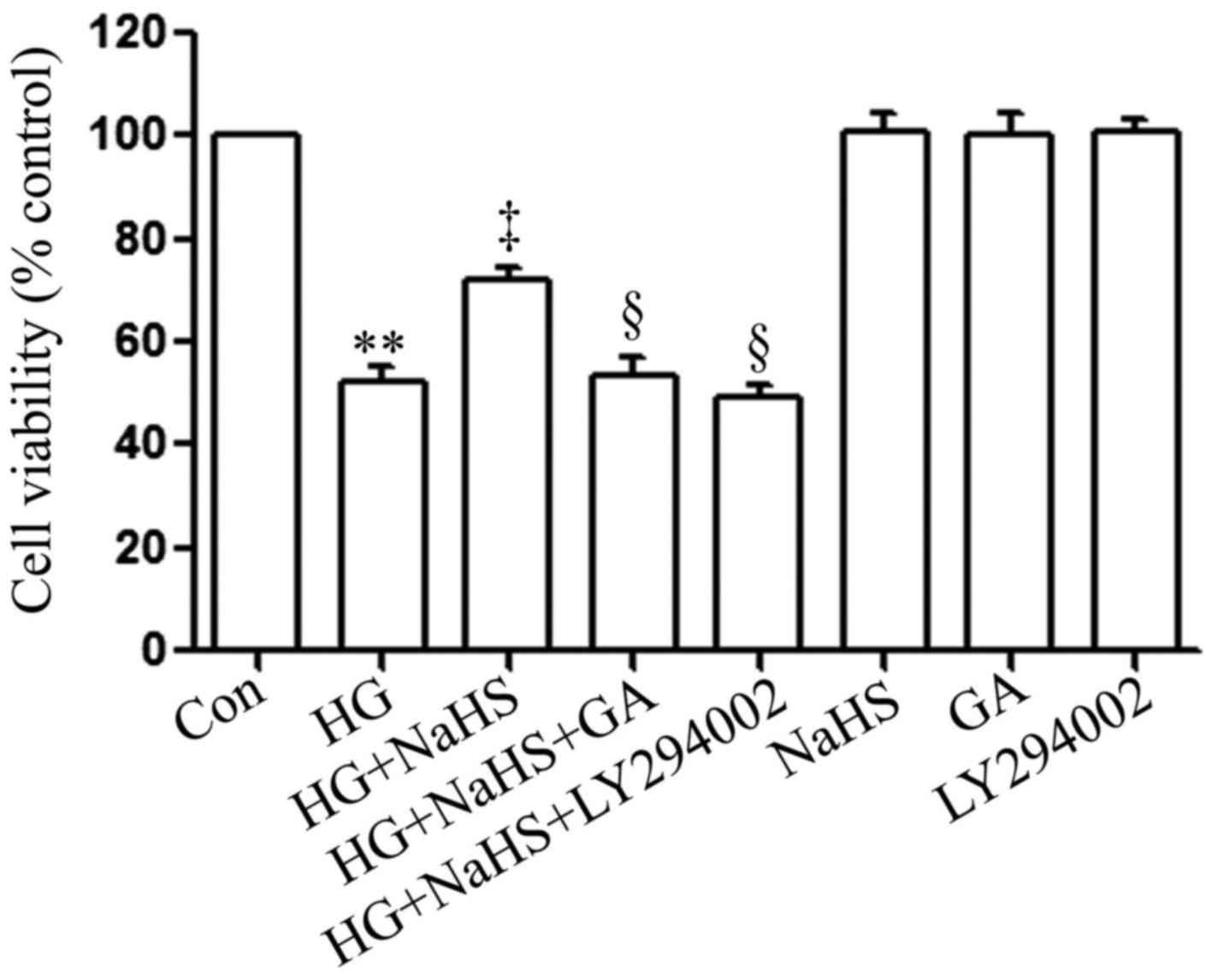
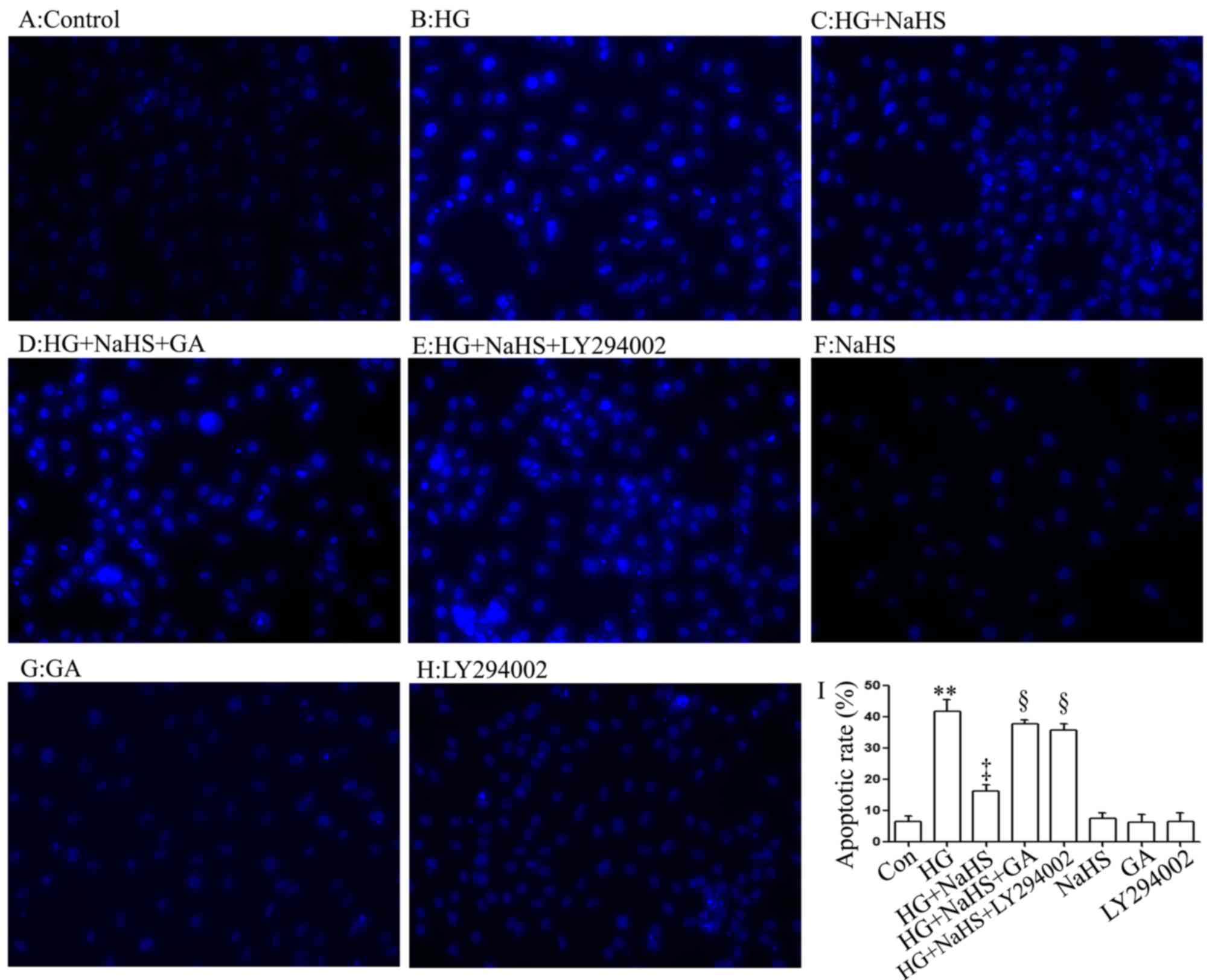
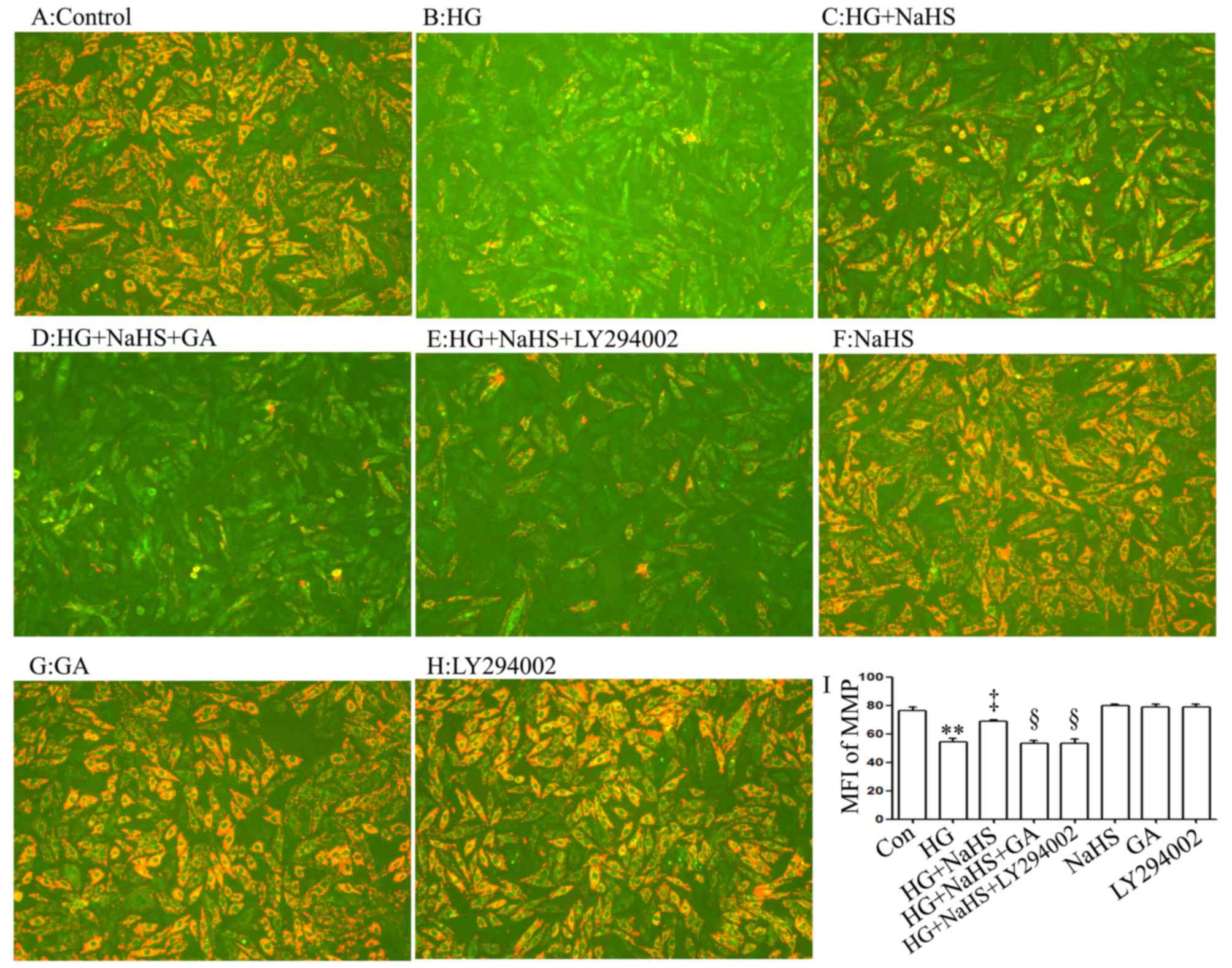
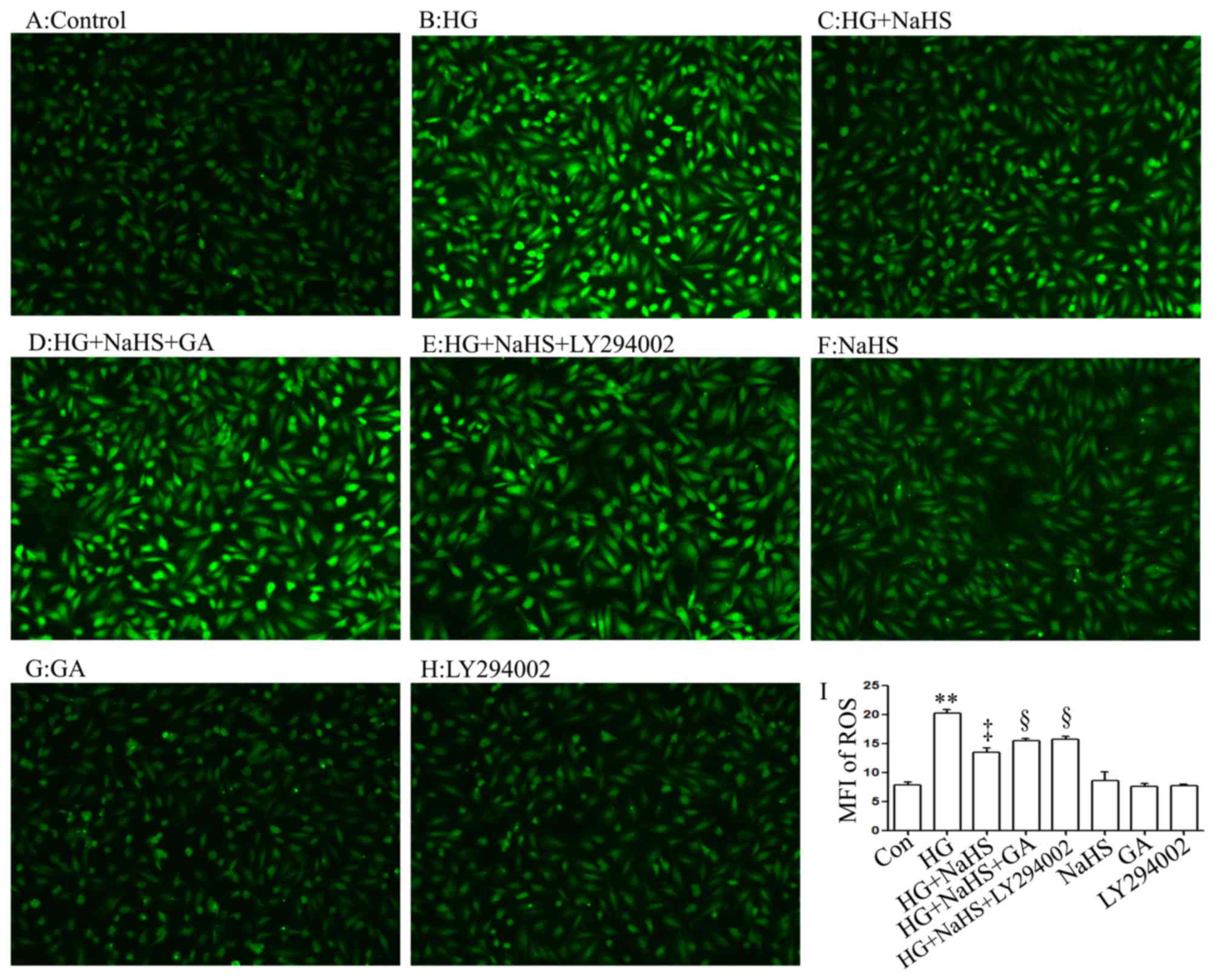
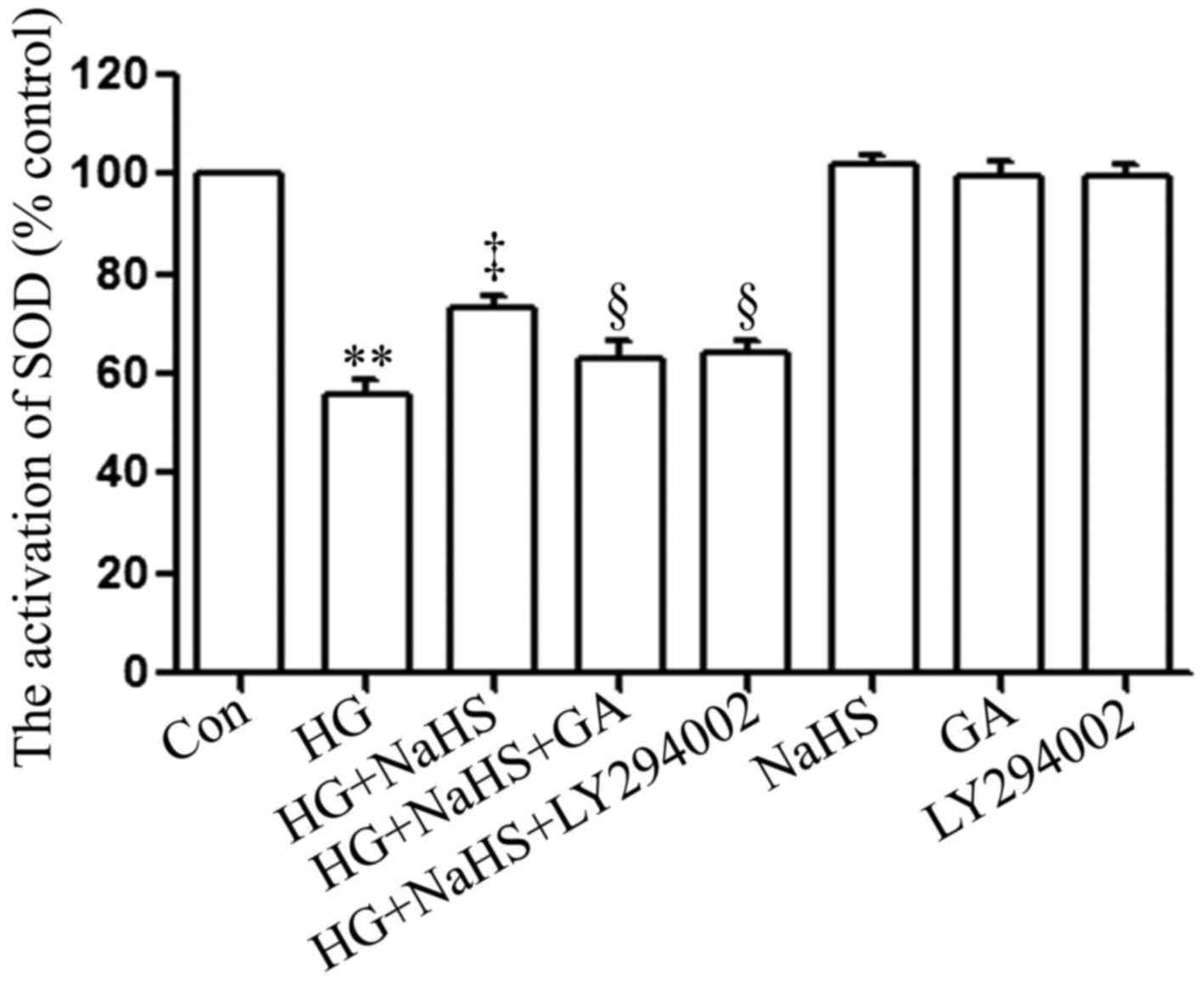
It has been reported that exogenous hydrogen sulfide (H2S) protects against high glucose (HG)-induced cardiac injury and has a modulatory effect on heat shock protein (HSP) and Akt, which play a cardioprotective role. In this study, we examined whether the HSP90/Akt pathway contributes to the protective effects of exogenous H2S against HG-induced injury to H9c2 cardiac cells. Our results revealed that the exposure of H9c2 cardiac cells to 35 mM glucose (HG) for 1 to 24 h decreased the expression of HSP90 and markedly reduced the expression level of phosphorylated (p)-Akt in a time-dependent manner. Co-exposure of the cells to HG and geldanamycin (GA; an inhibitor of HSP90) aggravated the inhibition of the p-Akt expression level by HG. Of note, treatment of the cells with 400 µM NaHS (a donor of H2S) for 30 min prior to exposure to HG significantly attenuated the HG-induced decrease in the expression levels of both HSP90 and p-Akt, along with inhibition of HG-induced cell injury, as indicated by the increase in cell viability and superoxide dismutase (SOD) activity, and by a decrease in the number of apoptotic cells, reactive oxygen species (ROS) generation, as well as by the decreased dissipation of mitochondrial membrance potential (MMP). Importantly, treatment of the cells with GA or LY294002 (an inhibitor of Akt) prior to exposure to NaHS and HG considerably blocked the cardioprotective effects of NaHS against the HG-induced injury mentioned above. On the whole, the findings of this study demonstrate that the inhibition of the HSP90/Akt pathway may be an important mechanism responsible for HG-induced cardiomyocyte injury. We also provide novel evidence that exogenous H2S protects H9c2 cells against HG-induced injury by activating the HSP90/Akt pathway.
View Figures

Figure 1

Figure 2

Figure 3

Figure 4

Figure 5

Figure 6

Figure 7

View References

1 

Wang R: Hydrogen sulfide: The third gasotransmitter in biology and medicine. Antioxid Redox Signal. 12:1061–1064. 2010. View Article : Google Scholar

2 

Li L, Rose P and Moore PK: Hydrogen sulfide and cell signaling. Annu Rev Pharmacol Toxicol. 51:169–187. 2011. View Article : Google Scholar : PubMed/NCBI

3 

Yang Z, Yang C, Xiao L, Liao X, Lan A, Wang X, Guo R, Chen P, Hu C and Feng J: Novel insights into the role of HSP90 in cytoprotection of H2S against chemical hypoxia-induced injury in H9c2 cardiac myocytes. Int J Mol Med. 28:397–403. 2011.PubMed/NCBI

4 

Zhu YZ, Wang ZJ, Ho P, Loke YY, Zhu YC, Huang SH, Tan CS, Whiteman M, Lu J and Moore PK: Hydrogen sulfide and its possible roles in myocardial ischemia in experimental rats. J Appl Physiol (1985). 102:261–268. 2007. View Article : Google Scholar

5 

Ji Y, Pang QF, Xu G, Wang L, Wang JK and Zeng YM: Exogenous hydrogen sulfide postconditioning protects isolated rat hearts against ischemia-reperfusion injury. Eur J Pharmacol. 587:1–7. 2008. View Article : Google Scholar : PubMed/NCBI

6 

Bliksøen M, Kaljusto ML, Vaage J and Stensløkken KO: Effects of hydrogen sulphide on ischaemia-reperfusion injury and ischaemic preconditioning in the isolated, perfused rat heart. Eur J Cardiothorac Surg. 34:344–349. 2008. View Article : Google Scholar : PubMed/NCBI

7 

Geng B, Chang L, Pan C, Qi Y, Zhao J, Pang Y, Du J and Tang C: Endogenous hydrogen sulfide regulation of myocardial injury induced by isoproterenol. Biochem Biophys Res Commun. 318:756–763. 2004. View Article : Google Scholar : PubMed/NCBI

8 

Chen SL, Yang CT, Yang ZL, Guo RX, Meng JL, Cui Y, Lan AP, Chen PX and Feng JQ: Hydrogen sulphide protects H9c2 cells against chemical hypoxia-induced injury. Clin Exp Pharmacol Physiol. 37:316–321. 2010. View Article : Google Scholar

9 

Zhuang XD, Hu X, Long M, Dong XB, Liu DH and Liao XX: Exogenous hydrogen sulfide alleviates high glucose-induced cardiotoxicity via inhibition of leptin signaling in H9c2 cells. Mol Cell Biochem. 391:147–155. 2014. View Article : Google Scholar : PubMed/NCBI

10 

Guo R, Lin J, Xu W, Shen N, Mo L, Zhang C and Feng J: Hydrogen sulfide attenuates doxorubicin-induced cardiotoxicity by inhibition of the p38 MAPK pathway in H9c2 cells. Int J Mol Med. 31:644–650. 2013.PubMed/NCBI

11 

Li H, Wang Y, Wei C, Bai S, Zhao Y, Li H, Wu B, Wang R, Wu L and Xu C: Mediation of exogenous hydrogen sulfide in recovery of ischemic post-conditioning-induced cardioprotection via down-regulating oxidative stress and up-regulating PI3K/Akt/GSK-3β pathway in isolated aging rat hearts. Cell Biosci. 5:112015. View Article : Google Scholar

12 

Predmore BL, Kondo K, Bhushan S, Zlatopolsky MA, King AL, Aragon JP, Grinsfelder DB, Condit ME and Lefer DJ: The poly-sulfide diallyl trisulfide protects the ischemic myocardium by preservation of endogenous hydrogen sulfide and increasing nitric oxide bioavailability. Am J Physiol Heart Circ Physiol. 302:H2410–H2418. 2012. View Article : Google Scholar : PubMed/NCBI

13 

Wang XY, Yang CT, Zheng DD, Mo LQ, Lan AP, Yang ZL, Hu F, Chen PX, Liao XX and Feng JQ: Hydrogen sulfide protects H9c2 cells against doxorubicin-induced cardiotoxicity through inhibition of endoplasmic reticulum stress. Mol Cell Biochem. 363:419–426. 2012. View Article : Google Scholar

14 

Jain SK, Bull R, Rains JL, Bass PF, Levine SN, Reddy S, McVie R and Bocchini JA Jr: Low levels of hydrogen sulfide in the blood of diabetes patients and streptozotocin-treated rats causes vascular inflammation? Antioxid Redox Signal. 12:1333–1337. 2010. View Article : Google Scholar : PubMed/NCBI

15 

Suzuki K, Olah G, Modis K, Coletta C, Kulp G, Gerö D, Szoleczky P, Chang T, Zhou Z, Wu L, et al: Hydrogen sulfide replacement therapy protects the vascular endothelium in hyperglycemia by preserving mitochondrial function. Proc Natl Acad Sci USA. 108:13829–13834. 2011. View Article : Google Scholar : PubMed/NCBI

16 

Ahmad FU, Sattar MA, Rathore HA, Abdullah MH, Tan S, Abdullah NA and Johns EJ: Exogenous hydrogen sulfide (H2S) reduces blood pressure and prevents the progression of diabetic nephropathy in spontaneously hypertensive rats. Ren Fail. 34:203–210. 2012. View Article : Google Scholar

17 

Whiteman M, Gooding KM, Whatmore JL, Ball CI, Mawson D, Skinner K, Tooke JE and Shore AC: Adiposity is a major determinant of plasma levels of the novel vasodilator hydrogen sulphide. Diabetologia. 53:1722–1726. 2010. View Article : Google Scholar : PubMed/NCBI

18 

Peake BF, Nicholson CK, Lambert JP, Hood RL, Amin H, Amin S and Calvert JW: Hydrogen sulfide preconditions the db/db diabetic mouse heart against ischemia-reperfusion injury by activating Nrf2 signaling in an Erk-dependent manner. Am J Physiol Heart Circ Physiol. 304:H1215–H1224. 2013. View Article : Google Scholar : PubMed/NCBI

19 

Gao Y, Yao X, Zhang Y, Li W, Kang K, Sun L and Sun X: The protective role of hydrogen sulfide in myocardial ischemia-reperfusion-induced injury in diabetic rats. Int J Cardiol. 152:177–183. 2011. View Article : Google Scholar : PubMed/NCBI

20 

Xu W, Chen J, Lin J, Liu D, Mo L, Pan W, Feng J, Wu W and Zheng D: Exogenous H2S protects H9c2 cardiac cells against high glucose-induced injury and inflammation by inhibiting the activation of the NF-κB and IL-1β pathways. Int J Mol Med. 35:177–186. 2015.

21 

Zhou X, An G and Lu X: Hydrogen sulfide attenuates the development of diabetic cardiomyopathy. Clin Sci (Lond). 128:325–335. 2015. View Article : Google Scholar

22 

Piper PW: The Hsp90 chaperone as a promising drug target. Curr Opin Investig Drugs. 2:1606–1610. 2001.

23 

Terasawa K, Minami M and Minami Y: Constantly updated knowledge of Hsp90. J Biochem. 137:443–447. 2005. View Article : Google Scholar : PubMed/NCBI

24 

Kupatt C, Dessy C, Hinkel R, Raake P, Daneau G, Bouzin C, Boekstegers P and Feron O: Heat shock protein 90 transfection reduces ischemia-reperfusion-induced myocardial dysfunction via reciprocal endothelial NO synthase serine 1177 phosphorylation and threonine 495 dephosphorylation. Arterioscler Thromb Vasc Biol. 24:1435–1441. 2004. View Article : Google Scholar : PubMed/NCBI

25 

Jiao JD, Garg V, Yang B and Hu K: Novel functional role of heat shock protein 90 in ATP-sensitive K+ channel-mediated hypoxic preconditioning. Cardiovasc Res. 77:126–133. 2008. View Article : Google Scholar

26 

Mohan S, Konopinski R, Yan B, Centonze VE and Natarajan M: High glucose-induced IKK-Hsp-90 interaction contributes to endothelial dysfunction. Am J Physiol Cell Physiol. 296:C182–C192. 2009. View Article : Google Scholar :

27 

Vladic N, Ge ZD, Leucker T, Brzezinska AK, Du JH, Shi Y, Warltier DC, Pratt PF Jr and Kersten JR: Decreased tetrahydrobiopterin and disrupted association of Hsp90 with eNOS by hyperglycemia impair myocardial ischemic preconditioning. Am J Physiol Heart Circ Physiol. 301:H2130–H2139. 2011. View Article : Google Scholar : PubMed/NCBI

28 

Tay AS, Hu LF, Lu M, Wong PT and Bian JS: Hydrogen sulfide protects neurons against hypoxic injury via stimulation of ATP-sensitive potassium channel/protein kinase C/extracellular signal-regulated kinase/heat shock protein 90 pathway. Neuroscience. 167:277–286. 2010. View Article : Google Scholar : PubMed/NCBI

29 

Jha S, Calvert JW, Duranski MR, Ramachandran A and Lefer DJ: Hydrogen sulfide attenuates hepatic ischemia-reperfusion injury: Role of antioxidant and antiapoptotic signaling. Am J Physiol Heart Circ Physiol. 295:H801–H806. 2008. View Article : Google Scholar : PubMed/NCBI

30 

Meng JL, Mei WY, Dong YF, Wang JH, Zhao CM, Lan AP, Yang CT, Chen PX, Feng JQ and Hu CH: Heat shock protein 90 mediates cytoprotection by H2S against chemical hypoxia-induced injury in PC12 cells. Clin Exp Pharmacol Physiol. 38:42–49. 2011. View Article : Google Scholar

31 

Dummler B and Hemmings BA: Physiological roles of PKB/Akt isoforms in development and disease. Biochem Soc Trans. 35:231–235. 2007. View Article : Google Scholar : PubMed/NCBI

32 

Semple D, Smith K, Bhandari S and Seymour AM: Uremic cardiomyopathy and insulin resistance: A critical role for akt? J Am Soc Nephrol. 22:207–215. 2011. View Article : Google Scholar

33 

Yu Q, Gao F and Ma XL: Insulin says NO to cardiovascular disease. Cardiovasc Res. 89:516–524. 2011. View Article : Google Scholar

34 

Laviola L, Belsanti G, Davalli AM, Napoli R, Perrini S, Weir GC, Giorgino R and Giorgino F: Effects of streptozocin diabetes and diabetes treatment by islet transplantation on in vivo insulin signaling in rat heart. Diabetes. 50:2709–2720. 2001. View Article : Google Scholar : PubMed/NCBI

35 

Gurusamy N, Watanabe K, Ma M, Prakash P, Hirabayashi K, Zhang S, Muslin AJ, Kodama M and Aizawa Y: Glycogen synthase kinase 3beta together with 14-3-3 protein regulates diabetic cardiomyopathy: Effect of losartan and tempol. FEBS Lett. 580:1932–1940. 2006. View Article : Google Scholar : PubMed/NCBI

36 

Jeon YK, Park CH, Kim KY, Li YC, Kim J, Kim YA, Paik JH, Park BK, Kim CW and Kim YN: The heat-shock protein 90 inhibitor, geldanamycin, induces apoptotic cell death in Epstein-Barr virus-positive NK/T-cell lymphoma by Akt down-regulation. J Pathol. 213:170–179. 2007. View Article : Google Scholar : PubMed/NCBI

37 

Li X, Luo R, Jiang R, Meng X, Wu X, Zhang S and Hua W: The role of the Hsp90/Akt pathway in myocardial calpain-induced caspase-3 activation and apoptosis during sepsis. BMC Cardiovasc Disord. 13:82013. View Article : Google Scholar : PubMed/NCBI

38 

Manna P and Jain SK: Hydrogen sulfide and L-cysteine increase phosphatidylinositol 3,4,5-trisphosphate (PIP3) and glucose utilization by inhibiting phosphatase and tensin homolog (PTEN) protein and activating phosphoinositide 3-kinase (PI3K)/serine/threonine protein kinase (AKT)/protein kinase Cζ/λ (PKCζ/λ) in 3T3l1 adipocytes. J Biol Chem. 286:39848–39859. 2011. View Article : Google Scholar : PubMed/NCBI

39 

Yao LL, Huang XW, Wang YG, Cao YX, Zhang CC and Zhu YC: Hydrogen sulfide protects cardiomyocytes from hypoxia/reoxygenation-induced apoptosis by preventing GSK-3beta-dependent opening of mPTP. Am J Physiol Heart Circ Physiol. 298:H1310–H1319. 2010. View Article : Google Scholar : PubMed/NCBI

40 

Chen J, Guo R, Yan H, Tian L, You Q, Li S, Huang R and Wu K: Naringin inhibits ROS-activated MAPK pathway in high glucose-induced injuries in H9c2 cardiac cells. Basic Clin Pharmacol Toxicol. 114:293–304. 2014. View Article : Google Scholar

41 

Chen PM, Wu TC, Wang YC, Cheng YW, Sheu GT, Chen CY and Lee H: Activation of NF-κB by SOD2 promotes the aggressiveness of lung adenocarcinoma by modulating NKX2-1-mediated IKKβ expression. Carcinogenesis. 34:2655–2663. 2013. View Article : Google Scholar : PubMed/NCBI

42 

Armstrong SC: Protein kinase activation and myocardial ischemia/reperfusion injury. Cardiovasc Res. 61:427–436. 2004. View Article : Google Scholar : PubMed/NCBI

43 

Bae S and Zhang L: Gender differences in cardioprotection against ischemia/reperfusion injury in adult rat hearts: Focus on Akt and protein kinase C signaling. J Pharmacol Exp Ther. 315:1125–1135. 2005. View Article : Google Scholar : PubMed/NCBI

44 

Chen JX and Meyrick B: Hypoxia increases Hsp90 binding to eNOS via PI3K-Akt in porcine coronary artery endothelium. Lab Invest. 84:182–190. 2004. View Article : Google Scholar

45 

Chanoit G, Lee S, Xi J, Zhu M, McIntosh RA, Mueller RA, Norfleet EA and Xu Z: Exogenous zinc protects cardiac cells from reperfusion injury by targeting mitochondrial permeability transition pore through inactivation of glycogen synthase kinase-3beta. Am J Physiol Heart Circ Physiol. 295:H1227–H1233. 2008. View Article : Google Scholar : PubMed/NCBI

46 

Jubair S, Li J, Dehlin HM, Manteufel EJ, Goldspink PH, Levick SP and Janicki JS: Substance P induces cardioprotection in ischemia-reperfusion via activation of AKT. Am J Physiol Heart Circ Physiol. 309:H676–H684. 2015. View Article : Google Scholar : PubMed/NCBI

47 

Zhuo Y, Chen PF, Zhang AZ, Zhong H, Chen CQ and Zhu YZ: Cardioprotective effect of hydrogen sulfide in ischemic reperfusion experimental rats and its influence on expression of survivin gene. Biol Pharm Bull. 32:1406–1410. 2009. View Article : Google Scholar : PubMed/NCBI

Related Articles

  • Abstract
  • View
  • Download
  • Twitter
Copy and paste a formatted citation
Spandidos Publications style
Ke X, Chen J, Peng L, Zhang W, Yang Y, Liao X, Mo L, Guo R, Feng J, Hu C, Hu C, et al: Heat shock protein 90/Akt pathway participates in the cardioprotective effect of exogenous hydrogen sulfide against high glucose-induced injury to H9c2 cells Corrigendum in /10.3892/ijmm.2018.3708. Int J Mol Med 39: 1001-1010, 2017.
APA
Ke, X., Chen, J., Peng, L., Zhang, W., Yang, Y., Liao, X. ... Nie, R. (2017). Heat shock protein 90/Akt pathway participates in the cardioprotective effect of exogenous hydrogen sulfide against high glucose-induced injury to H9c2 cells Corrigendum in /10.3892/ijmm.2018.3708. International Journal of Molecular Medicine, 39, 1001-1010. https://doi.org/10.3892/ijmm.2017.2891
MLA
Ke, X., Chen, J., Peng, L., Zhang, W., Yang, Y., Liao, X., Mo, L., Guo, R., Feng, J., Hu, C., Nie, R."Heat shock protein 90/Akt pathway participates in the cardioprotective effect of exogenous hydrogen sulfide against high glucose-induced injury to H9c2 cells Corrigendum in /10.3892/ijmm.2018.3708". International Journal of Molecular Medicine 39.4 (2017): 1001-1010.
Chicago
Ke, X., Chen, J., Peng, L., Zhang, W., Yang, Y., Liao, X., Mo, L., Guo, R., Feng, J., Hu, C., Nie, R."Heat shock protein 90/Akt pathway participates in the cardioprotective effect of exogenous hydrogen sulfide against high glucose-induced injury to H9c2 cells Corrigendum in /10.3892/ijmm.2018.3708". International Journal of Molecular Medicine 39, no. 4 (2017): 1001-1010. https://doi.org/10.3892/ijmm.2017.2891
Copy and paste a formatted citation
x
Spandidos Publications style
Ke X, Chen J, Peng L, Zhang W, Yang Y, Liao X, Mo L, Guo R, Feng J, Hu C, Hu C, et al: Heat shock protein 90/Akt pathway participates in the cardioprotective effect of exogenous hydrogen sulfide against high glucose-induced injury to H9c2 cells Corrigendum in /10.3892/ijmm.2018.3708. Int J Mol Med 39: 1001-1010, 2017.
APA
Ke, X., Chen, J., Peng, L., Zhang, W., Yang, Y., Liao, X. ... Nie, R. (2017). Heat shock protein 90/Akt pathway participates in the cardioprotective effect of exogenous hydrogen sulfide against high glucose-induced injury to H9c2 cells Corrigendum in /10.3892/ijmm.2018.3708. International Journal of Molecular Medicine, 39, 1001-1010. https://doi.org/10.3892/ijmm.2017.2891
MLA
Ke, X., Chen, J., Peng, L., Zhang, W., Yang, Y., Liao, X., Mo, L., Guo, R., Feng, J., Hu, C., Nie, R."Heat shock protein 90/Akt pathway participates in the cardioprotective effect of exogenous hydrogen sulfide against high glucose-induced injury to H9c2 cells Corrigendum in /10.3892/ijmm.2018.3708". International Journal of Molecular Medicine 39.4 (2017): 1001-1010.
Chicago
Ke, X., Chen, J., Peng, L., Zhang, W., Yang, Y., Liao, X., Mo, L., Guo, R., Feng, J., Hu, C., Nie, R."Heat shock protein 90/Akt pathway participates in the cardioprotective effect of exogenous hydrogen sulfide against high glucose-induced injury to H9c2 cells Corrigendum in /10.3892/ijmm.2018.3708". International Journal of Molecular Medicine 39, no. 4 (2017): 1001-1010. https://doi.org/10.3892/ijmm.2017.2891
Follow us
  • Twitter
  • LinkedIn
  • Facebook
About
  • Spandidos Publications
  • Careers
  • Cookie Policy
  • Privacy Policy
How can we help?
  • Help
  • Live Chat
  • Contact
  • Email to our Support Team