Spandidos Publications Logo
  • About
    • About Spandidos
    • Aims and Scopes
    • Abstracting and Indexing
    • Editorial Policies
    • Reprints and Permissions
    • Job Opportunities
    • Terms and Conditions
    • Contact
  • Journals
    • All Journals
    • Oncology Letters
      • Oncology Letters
      • Information for Authors
      • Editorial Policies
      • Editorial Board
      • Aims and Scope
      • Abstracting and Indexing
      • Bibliographic Information
      • Archive
    • International Journal of Oncology
      • International Journal of Oncology
      • Information for Authors
      • Editorial Policies
      • Editorial Board
      • Aims and Scope
      • Abstracting and Indexing
      • Bibliographic Information
      • Archive
    • Molecular and Clinical Oncology
      • Molecular and Clinical Oncology
      • Information for Authors
      • Editorial Policies
      • Editorial Board
      • Aims and Scope
      • Abstracting and Indexing
      • Bibliographic Information
      • Archive
    • Experimental and Therapeutic Medicine
      • Experimental and Therapeutic Medicine
      • Information for Authors
      • Editorial Policies
      • Editorial Board
      • Aims and Scope
      • Abstracting and Indexing
      • Bibliographic Information
      • Archive
    • International Journal of Molecular Medicine
      • International Journal of Molecular Medicine
      • Information for Authors
      • Editorial Policies
      • Editorial Board
      • Aims and Scope
      • Abstracting and Indexing
      • Bibliographic Information
      • Archive
    • Biomedical Reports
      • Biomedical Reports
      • Information for Authors
      • Editorial Policies
      • Editorial Board
      • Aims and Scope
      • Abstracting and Indexing
      • Bibliographic Information
      • Archive
    • Oncology Reports
      • Oncology Reports
      • Information for Authors
      • Editorial Policies
      • Editorial Board
      • Aims and Scope
      • Abstracting and Indexing
      • Bibliographic Information
      • Archive
    • Molecular Medicine Reports
      • Molecular Medicine Reports
      • Information for Authors
      • Editorial Policies
      • Editorial Board
      • Aims and Scope
      • Abstracting and Indexing
      • Bibliographic Information
      • Archive
    • World Academy of Sciences Journal
      • World Academy of Sciences Journal
      • Information for Authors
      • Editorial Policies
      • Editorial Board
      • Aims and Scope
      • Abstracting and Indexing
      • Bibliographic Information
      • Archive
    • International Journal of Functional Nutrition
      • International Journal of Functional Nutrition
      • Information for Authors
      • Editorial Policies
      • Editorial Board
      • Aims and Scope
      • Abstracting and Indexing
      • Bibliographic Information
      • Archive
    • International Journal of Epigenetics
      • International Journal of Epigenetics
      • Information for Authors
      • Editorial Policies
      • Editorial Board
      • Aims and Scope
      • Abstracting and Indexing
      • Bibliographic Information
      • Archive
    • Medicine International
      • Medicine International
      • Information for Authors
      • Editorial Policies
      • Editorial Board
      • Aims and Scope
      • Abstracting and Indexing
      • Bibliographic Information
      • Archive
  • Articles
  • Information
    • Information for Authors
    • Information for Reviewers
    • Information for Librarians
    • Information for Advertisers
    • Conferences
  • Language Editing
Spandidos Publications Logo
  • About
    • About Spandidos
    • Aims and Scopes
    • Abstracting and Indexing
    • Editorial Policies
    • Reprints and Permissions
    • Job Opportunities
    • Terms and Conditions
    • Contact
  • Journals
    • All Journals
    • Biomedical Reports
      • Information for Authors
      • Editorial Policies
      • Editorial Board
      • Aims and Scope
      • Abstracting and Indexing
      • Bibliographic Information
      • Archive
    • Experimental and Therapeutic Medicine
      • Information for Authors
      • Editorial Policies
      • Editorial Board
      • Aims and Scope
      • Abstracting and Indexing
      • Bibliographic Information
      • Archive
    • International Journal of Epigenetics
      • Information for Authors
      • Editorial Policies
      • Editorial Board
      • Aims and Scope
      • Abstracting and Indexing
      • Bibliographic Information
      • Archive
    • International Journal of Functional Nutrition
      • Information for Authors
      • Editorial Policies
      • Editorial Board
      • Aims and Scope
      • Abstracting and Indexing
      • Bibliographic Information
      • Archive
    • International Journal of Molecular Medicine
      • Information for Authors
      • Editorial Policies
      • Editorial Board
      • Aims and Scope
      • Abstracting and Indexing
      • Bibliographic Information
      • Archive
    • International Journal of Oncology
      • Information for Authors
      • Editorial Policies
      • Editorial Board
      • Aims and Scope
      • Abstracting and Indexing
      • Bibliographic Information
      • Archive
    • Medicine International
      • Information for Authors
      • Editorial Policies
      • Editorial Board
      • Aims and Scope
      • Abstracting and Indexing
      • Bibliographic Information
      • Archive
    • Molecular and Clinical Oncology
      • Information for Authors
      • Editorial Policies
      • Editorial Board
      • Aims and Scope
      • Abstracting and Indexing
      • Bibliographic Information
      • Archive
    • Molecular Medicine Reports
      • Information for Authors
      • Editorial Policies
      • Editorial Board
      • Aims and Scope
      • Abstracting and Indexing
      • Bibliographic Information
      • Archive
    • Oncology Letters
      • Information for Authors
      • Editorial Policies
      • Editorial Board
      • Aims and Scope
      • Abstracting and Indexing
      • Bibliographic Information
      • Archive
    • Oncology Reports
      • Information for Authors
      • Editorial Policies
      • Editorial Board
      • Aims and Scope
      • Abstracting and Indexing
      • Bibliographic Information
      • Archive
    • World Academy of Sciences Journal
      • Information for Authors
      • Editorial Policies
      • Editorial Board
      • Aims and Scope
      • Abstracting and Indexing
      • Bibliographic Information
      • Archive
  • Articles
  • Information
    • For Authors
    • For Reviewers
    • For Librarians
    • For Advertisers
    • Conferences
  • Language Editing
Login Register Submit
  • This site uses cookies
  • You can change your cookie settings at any time by following the instructions in our Cookie Policy. To find out more, you may read our Privacy Policy.

    I agree
Search articles by DOI, keyword, author or affiliation
Search
Advanced Search
presentation
International Journal of Molecular Medicine
Join Editorial Board Propose a Special Issue
Print ISSN: 1107-3756 Online ISSN: 1791-244X
Journal Cover
July-2018 Volume 42 Issue 1

Full Size Image

Sign up for eToc alerts
Recommend to Library

Journals

International Journal of Molecular Medicine

International Journal of Molecular Medicine

International Journal of Molecular Medicine is an international journal devoted to molecular mechanisms of human disease.

International Journal of Oncology

International Journal of Oncology

International Journal of Oncology is an international journal devoted to oncology research and cancer treatment.

Molecular Medicine Reports

Molecular Medicine Reports

Covers molecular medicine topics such as pharmacology, pathology, genetics, neuroscience, infectious diseases, molecular cardiology, and molecular surgery.

Oncology Reports

Oncology Reports

Oncology Reports is an international journal devoted to fundamental and applied research in Oncology.

Experimental and Therapeutic Medicine

Experimental and Therapeutic Medicine

Experimental and Therapeutic Medicine is an international journal devoted to laboratory and clinical medicine.

Oncology Letters

Oncology Letters

Oncology Letters is an international journal devoted to Experimental and Clinical Oncology.

Biomedical Reports

Biomedical Reports

Explores a wide range of biological and medical fields, including pharmacology, genetics, microbiology, neuroscience, and molecular cardiology.

Molecular and Clinical Oncology

Molecular and Clinical Oncology

International journal addressing all aspects of oncology research, from tumorigenesis and oncogenes to chemotherapy and metastasis.

World Academy of Sciences Journal

World Academy of Sciences Journal

Multidisciplinary open-access journal spanning biochemistry, genetics, neuroscience, environmental health, and synthetic biology.

International Journal of Functional Nutrition

International Journal of Functional Nutrition

Open-access journal combining biochemistry, pharmacology, immunology, and genetics to advance health through functional nutrition.

International Journal of Epigenetics

International Journal of Epigenetics

Publishes open-access research on using epigenetics to advance understanding and treatment of human disease.

Medicine International

Medicine International

An International Open Access Journal Devoted to General Medicine.

Journal Cover
July-2018 Volume 42 Issue 1

Full Size Image

Sign up for eToc alerts
Recommend to Library

  • Article
  • Citations
    • Cite This Article
    • Download Citation
    • Create Citation Alert
    • Remove Citation Alert
    • Cited By
  • Similar Articles
    • Related Articles (in Spandidos Publications)
    • Similar Articles (Google Scholar)
    • Similar Articles (PubMed)
  • Download PDF
  • Download XML
  • View XML
Article Open Access

Melatonin protects brain against ischemia/reperfusion injury by attenuating endoplasmic reticulum stress

  • Authors:
    • Yu Wen Lin
    • Tsung Ying Chen
    • Chia Yang Hung
    • Shih Huang Tai
    • Sheng Yang Huang
    • Che Chao Chang
    • Hsin Yi Hung
    • E Jian Lee
  • View Affiliations / Copyright

    Affiliations: Neurophysiology Laboratory, Department of Surgery, National Cheng Kung University Hospital, College of Medicine, National Cheng Kung University, Tainan 70428, Taiwan, R.O.C., Department of Anesthesiology, Buddhist Tzu-Chi University and Buddhist Tzu Chi General Hospital, Hualien 97004, Taiwan, R.O.C., School of Pharmacy, National Cheng Kung University Hospital, College of Medicine, National Cheng Kung University, Tainan 70428, Taiwan, R.O.C.
    Copyright: © Lin et al. This is an open access article distributed under the terms of Creative Commons Attribution License.
  • Pages: 182-192
    |
    Published online on: March 30, 2018
       https://doi.org/10.3892/ijmm.2018.3607
  • Expand metrics +
Metrics: Total Views: 0 (Spandidos Publications: | PMC Statistics: )
Metrics: Total PDF Downloads: 0 (Spandidos Publications: | PMC Statistics: )
Cited By (CrossRef): 0 citations Loading Articles...

This article is mentioned in:


Abstract

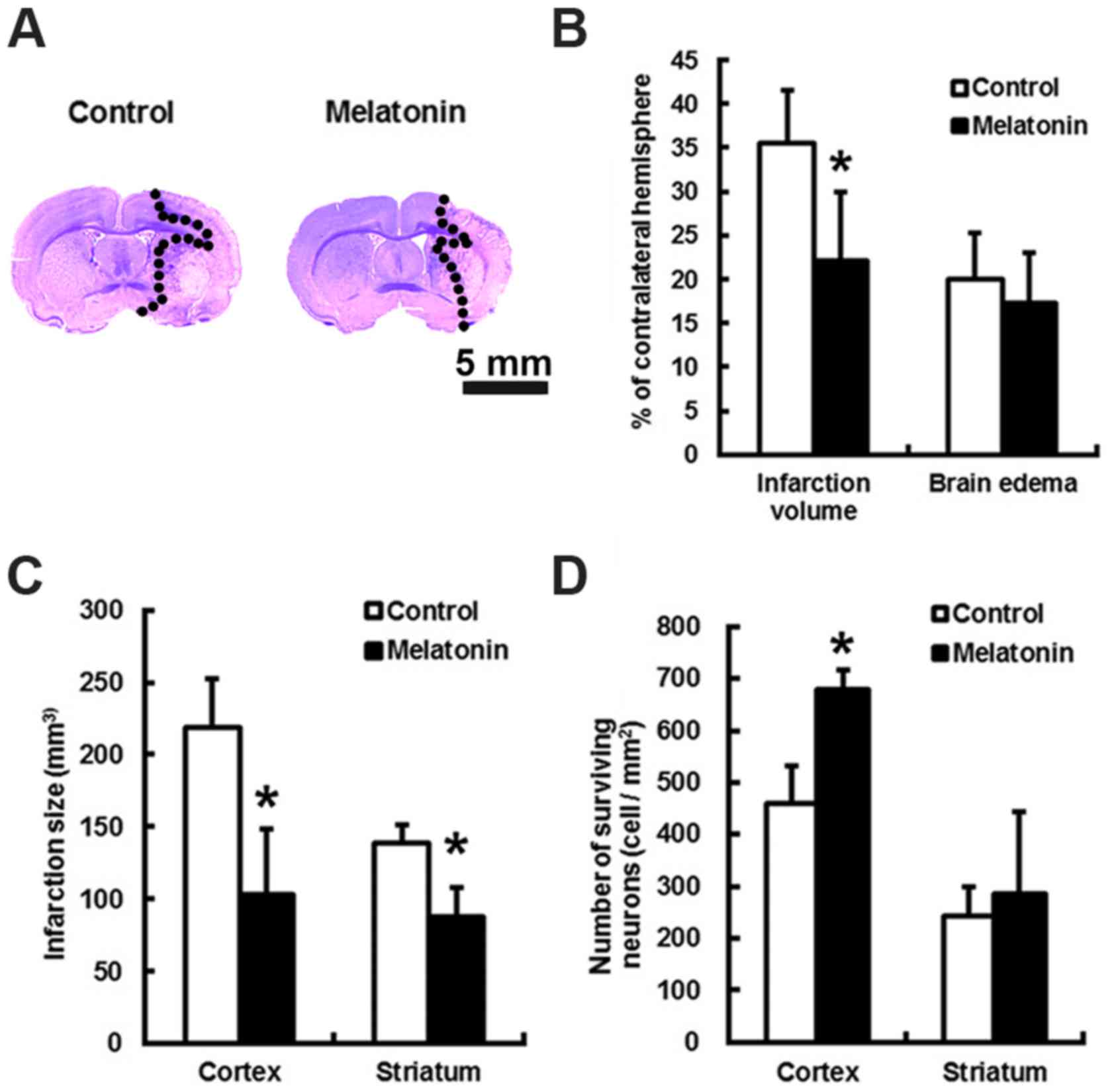
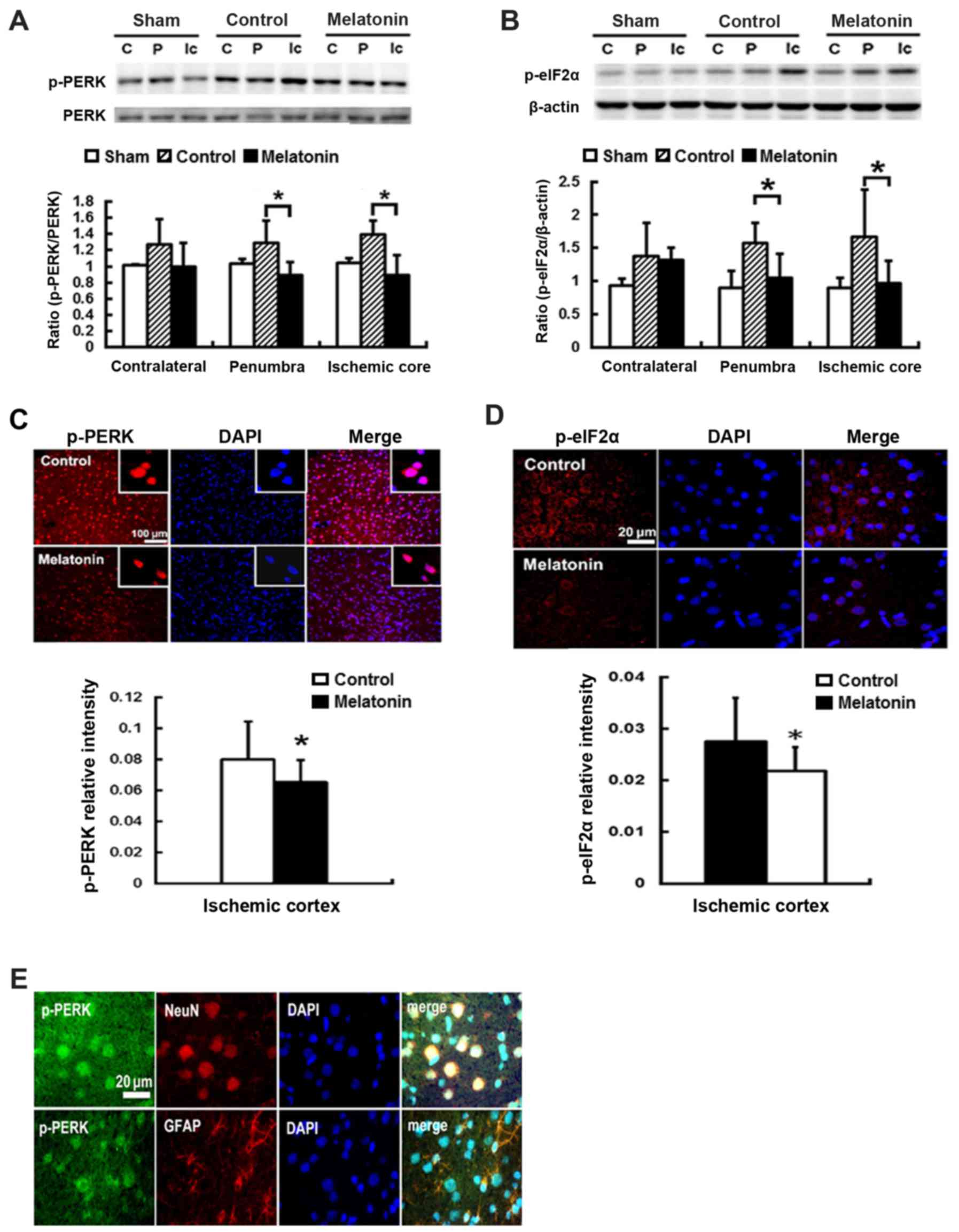
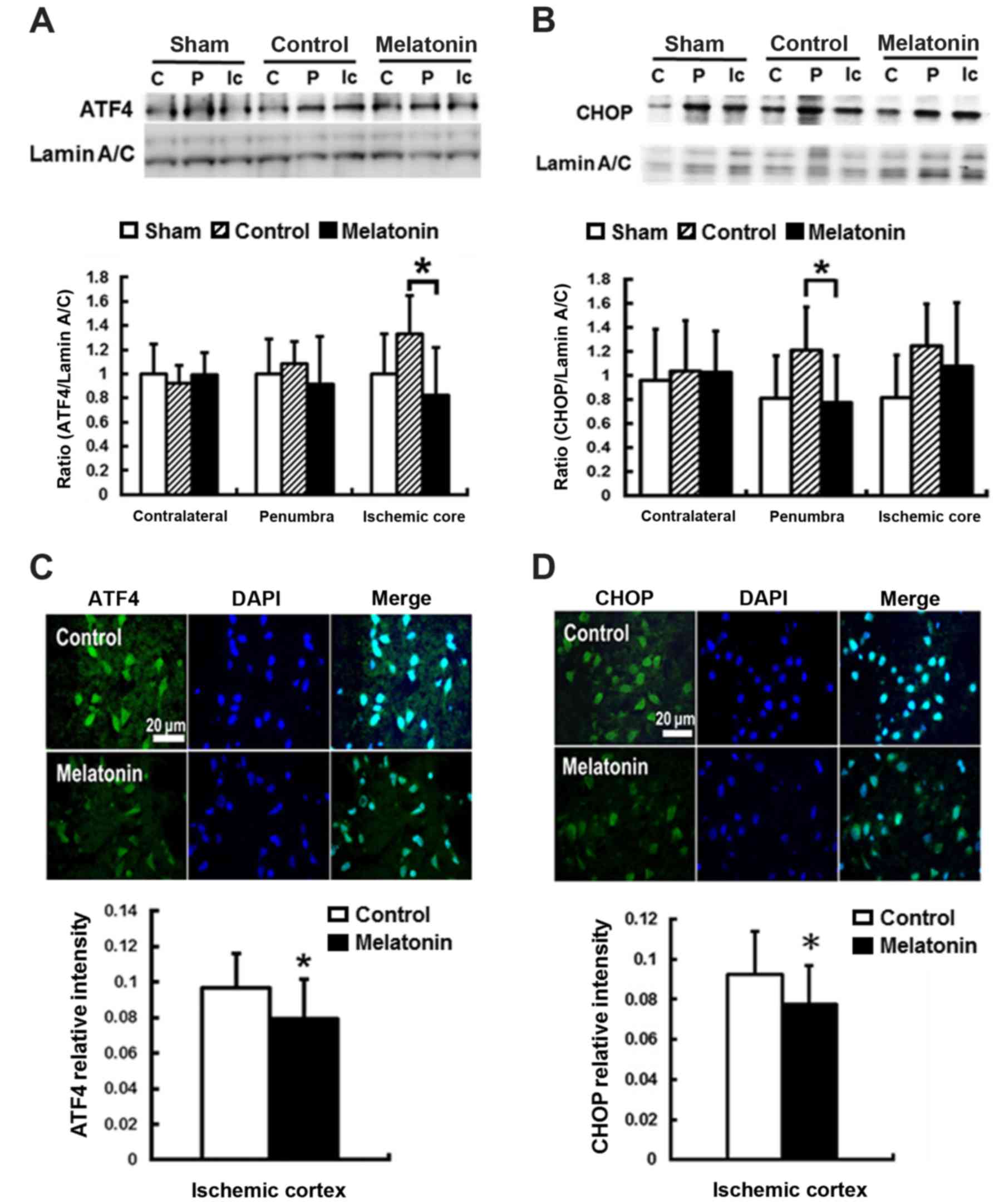
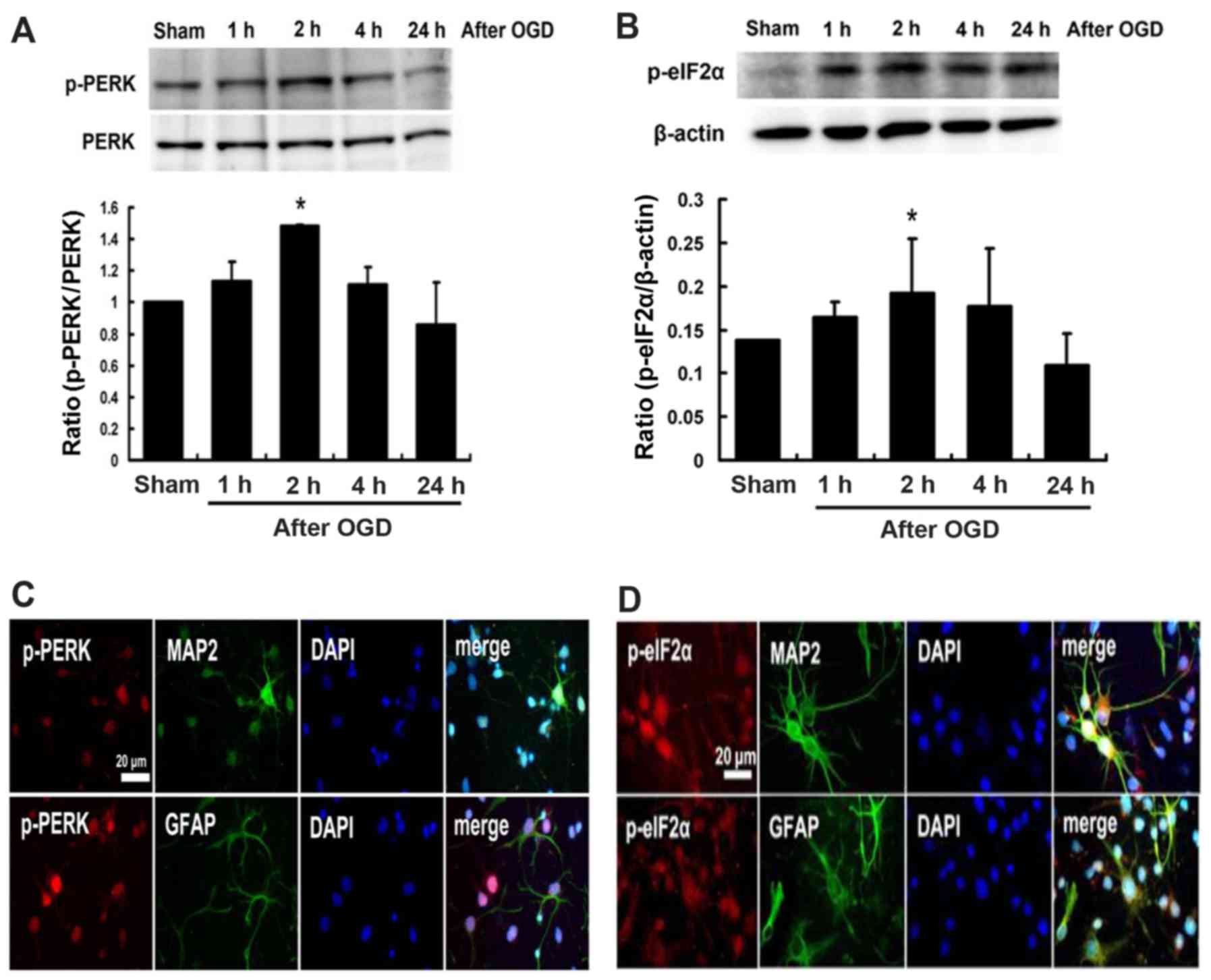
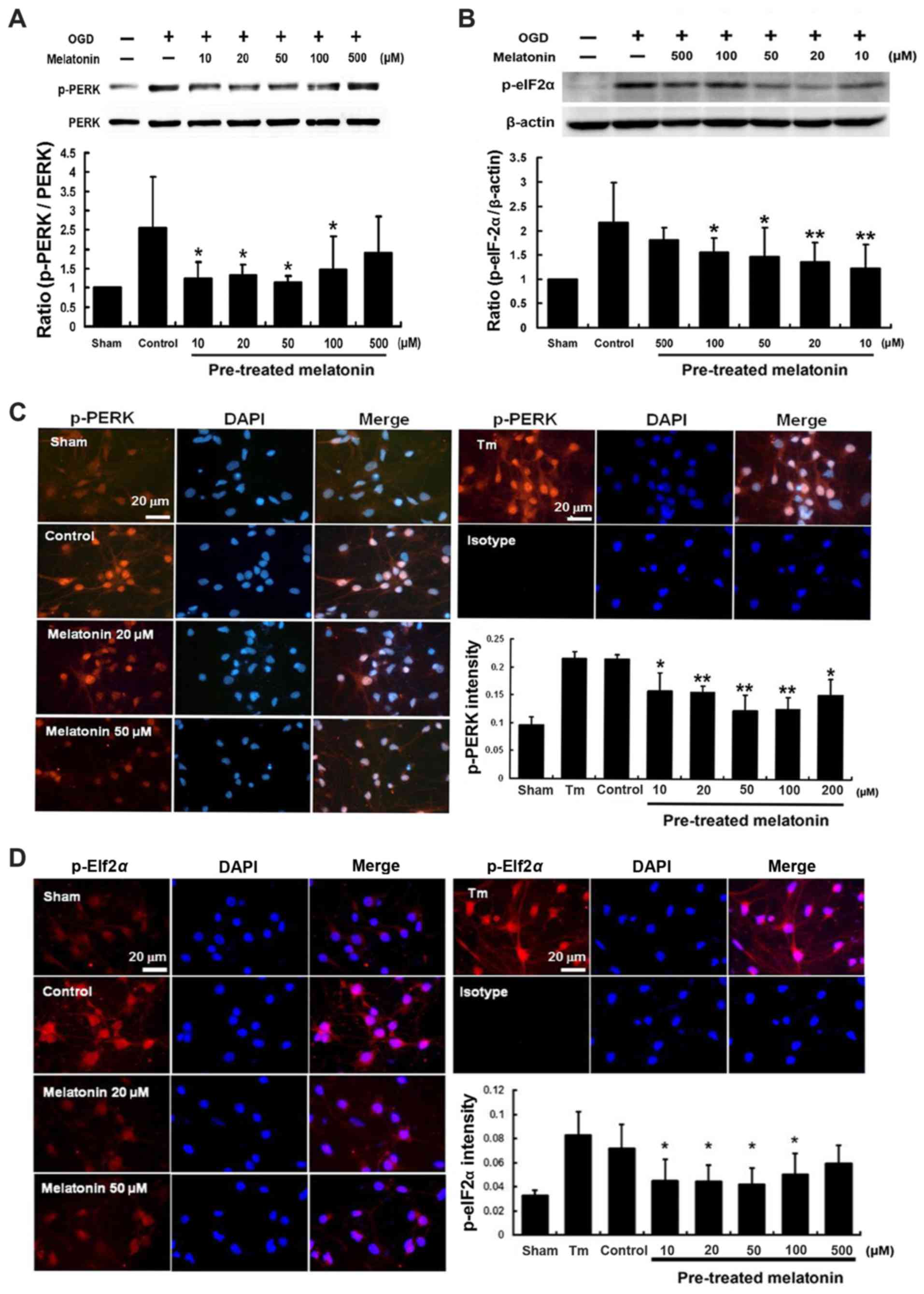
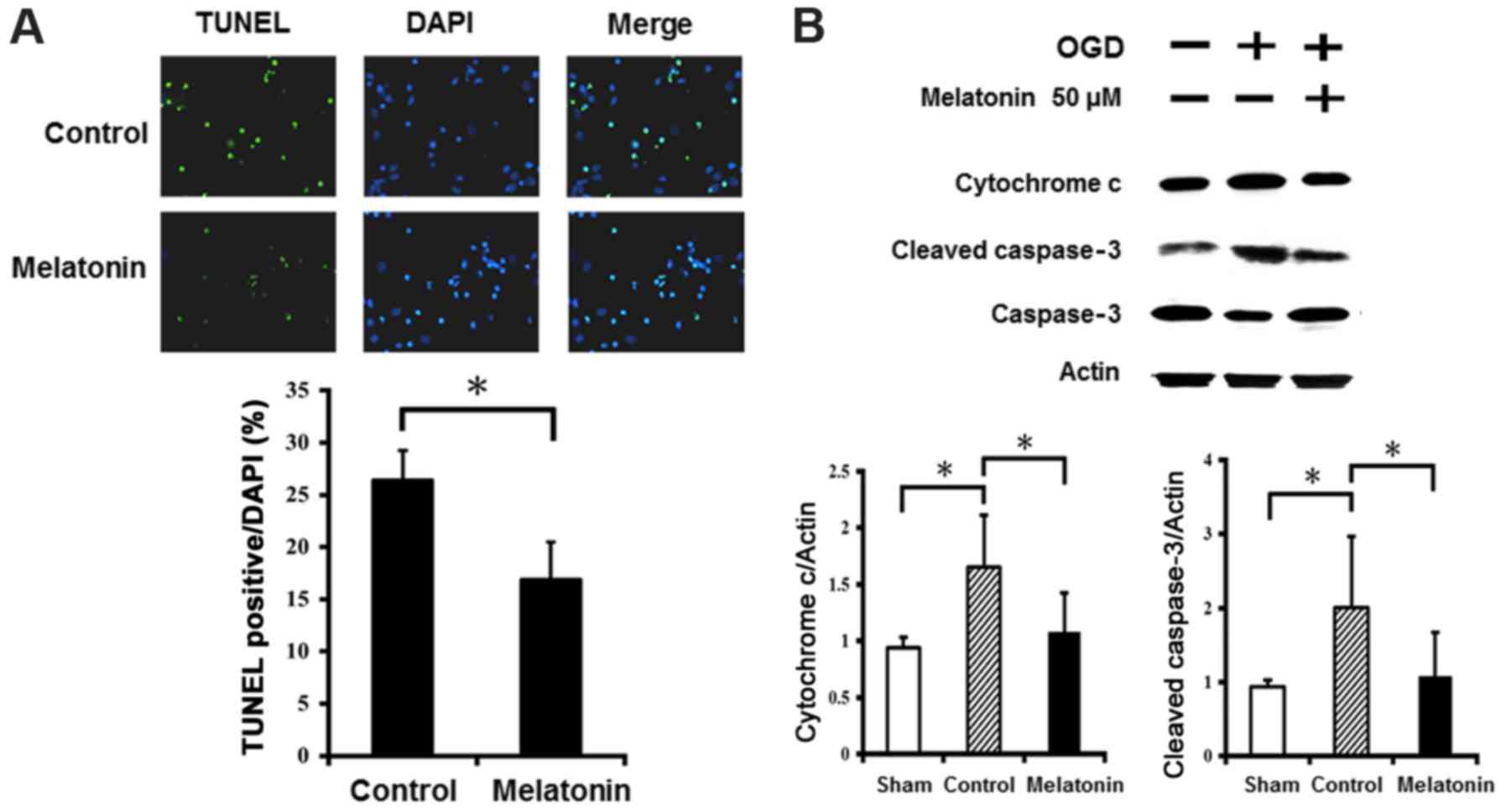
Endoplasmic reticulum (ER) stress plays a vital role in mediating ischemic reperfusion damage in brain. In this study, we evaluated whether melatonin inhibits ER stress in cultured neurons exposed to oxygen and glucose deprivation (OGD) and in rats subjected to transient focal cerebral ischemia. Sprague-Dawley rats were treated with melatonin (5 mg/kg) or control at reperfusion onset after transient occlusion of the right middle cerebral artery (MCA) for 90 min. Brain infarction and hemorrhage within infarcts were measured. The expression of ER stress proteins of phosphorylation of PRKR‑like endoplasmic reticulum kinase (p-PERK), phosphorylation of eukaryotic translation initiation factor 2α (p-eIF2α), activating transcription factor 4 (ATF4) and C/EBP homologous protein (CHOP) were detected by western blotting and immunohistochemistry analysis. The terminal deoxynucleotidyltransferase-mediated dUTP nick end labeling (TUNEL) method, cleaved caspase-3 and cytochrome c were used to investigate cell apoptosis in OGD-induced cultured neurons. Our results demonstrated that animals treated with melatonin had significantly reduced infarction volumes and individual cortical lesion sizes as well as increased numbers of surviving neurons. Melatonin can significantly modulate protein levels by decreasing both p-PERK and p-eIF2α in the ischemic core and penumbra. Moreover, the expressions of ATF4 and CHOP were restrained in the ischemic core and penumbra, respectively. Furthermore, pretreatment with melatonin at 10-100 µM effectively reduced the levels of p-PERK and p-eIF2α in cultured neurons after OGD injury. Melatonin treatment also effectively decreased neuron apoptosis resulting from OGD-induced neuron injury. These results indicate that melatonin effectively attenuated post-ischemic ER stress after ischemic stroke.
View Figures

Figure 1

Figure 2

Figure 3

Figure 4

Figure 5

Figure 6

Figure 7

View References

1 

Cheung K and Kaufmann P: Efficiency perspectives on adaptive designs in stroke clinical trials. Stroke. 42:2990–2994. 2011. View Article : Google Scholar : PubMed/NCBI

2 

Mantz J, Degos V and Laigle C: Recent advances in pharmacologic neuroprotection. Eur J Anaesthesiol. 27:6–10. 2010. View Article : Google Scholar

3 

Roussel BD, Kruppa AJ, Miranda E, Crowther DC, Lomas DA and Marciniak SJ: Endoplasmic reticulum dysfunction in neurological disease. Lancet Neurol. 12:105–118. 2013. View Article : Google Scholar

4 

Paschen W: Endoplasmic reticulum dysfunction in brain pathology: Critical role of protein synthesis. Curr Neurovasc Res. 1:173–181. 2004. View Article : Google Scholar

5 

Chen X, Kintner DB, Luo J, Baba A, Matsuda T and Sun D: Endoplasmic reticulum Ca2+ dysregulation and endoplasmic reticulum stress following in vitro neuronal ischemia: Role of Na+-K+-Cl− cotransporter. J Neurochem. 106:1563–1576. 2008. View Article : Google Scholar : PubMed/NCBI

6 

Nakka VP, Gusain A, Mehta SL and Raghubir R: Molecular mechanisms of apoptosis in cerebral ischemia: Multiple neuroprotective opportunities. Mol Neurobiol. 37:7–38. 2008. View Article : Google Scholar

7 

Ferri KF and Kroemer G: Organelle-specific initiation of cell death pathways. Nat Cell Biol. 3:E255–E263. 2001. View Article : Google Scholar : PubMed/NCBI

8 

Tajiri S, Oyadomari S, Yano S, Morioka M, Gotoh T, Hamada JI, Ushio Y and Mori M: Ischemia-induced neuronal cell death is mediated by the endoplasmic reticulum stress pathway involving CHOP. Cell Death Differ. 11:403–415. 2004. View Article : Google Scholar : PubMed/NCBI

9 

Qi X, Hosoi T, Okuma Y, Kaneko M and Nomura Y: Sodium 4-phenylbutyrate protects against cerebral ischemic injury. Mol Pharmacol. 66:899–908. 2004. View Article : Google Scholar : PubMed/NCBI

10 

Sokka AL, Putkonen N, Mudo G, Pryazhnikov E, Reijonen S, Khiroug L, Belluardo N, Lindholm D and Korhonen L: Endoplasmic reticulum stress inhibition protects against excitotoxic neuronal injury in the rat brain. J Neurosci. 27:901–908. 2007. View Article : Google Scholar

11 

Paschen W and Doutheil J: Disturbances of the functioning of endoplasmic reticulum: A key mechanism underlying neuronal cell injury. J Cereb Blood Flow Metab. 19:1–18. 1999. View Article : Google Scholar : PubMed/NCBI

12 

Ma Y and Hendershot LM: The unfolding tale of the unfolded protein response. Cell. 107:827–830. 2001. View Article : Google Scholar

13 

DeGracia DJ, Kumar R, Owen CR, Krause GS and White BC: Molecular pathways of protein synthesis inhibition during brain reperfusion: Implications for neuronal survival or death. J Cereb Blood Flow Metab. 22:127–141. 2002. View Article : Google Scholar : PubMed/NCBI

14 

Hayashi T, Saito A, Okuno S, Ferrand-Drake M, Dodd RL and Chan PH: Damage to the endoplasmic reticulum and activation of apoptotic machinery by oxidative stress in ischemic neurons. J Cereb Blood Flow Metab. 25:41–53. 2005. View Article : Google Scholar : PubMed/NCBI

15 

Boyce M and Yuan J: Cellular response to endoplasmic reticulum stress: A matter of life or death. Cell Death Differ. 13:363–373. 2006. View Article : Google Scholar : PubMed/NCBI

16 

Kim I, Xu W and Reed JC: Cell death and endoplasmic reticulum stress: Disease relevance and therapeutic opportunities. Nat Rev Drug Discov. 7:1013–1030. 2008. View Article : Google Scholar : PubMed/NCBI

17 

Prostko CR, Brostrom MA and Brostrom CO: Reversible phosphorylation of eukaryotic initiation factor 2 alpha in response to endoplasmic reticular signaling. Mol Cell Biochem. 127–128:255–265. 1993. View Article : Google Scholar

18 

Ron D: Translational control in the endoplasmic reticulum stress response. J Clin Invest. 110:1383–1388. 2002. View Article : Google Scholar : PubMed/NCBI

19 

Harding HP, Novoa I, Zhang Y, Zeng H, Wek R, Schapira M and Ron D: Regulated translation initiation controls stress-induced gene expression in mammalian cells. Mol Cell. 6:1099–1108. 2000. View Article : Google Scholar : PubMed/NCBI

20 

Lu PD, Harding HP and Ron D: Translation reinitiation at alternative open reading frames regulates gene expression in an integrated stress response. J Cell Biol. 167:27–33. 2004. View Article : Google Scholar : PubMed/NCBI

21 

Oida Y, Shimazawa M, Imaizumi K and Hara H: Involvement of endoplasmic reticulum stress in the neuronal death induced by transient forebrain ischemia in gerbil. Neuroscience. 151:111–119. 2008. View Article : Google Scholar

22 

Zhao H, Yenari MA, Cheng D, Sapolsky RM and Steinberg GK: Biphasic cytochrome c release after transient global ischemia and its inhibition by hypothermia. J Cereb Blood Flow Metab. 25:1119–1129. 2005. View Article : Google Scholar : PubMed/NCBI

23 

Wu CX, Liu R, Gao M, Zhao G, Wu S, Wu CF and Du GH: Pinocembrin protects brain against ischemia/reperfusion injury by attenuating endoplasmic reticulum stress induced apoptosis. Neurosci Lett. 546:57–62. 2013. View Article : Google Scholar : PubMed/NCBI

24 

Liu X, Wang M, Chen H, Guo Y, Ma F, Shi F, Bi Y and Li Y: Hypothermia protects the brain from transient global ischemia/reperfusion by attenuating endoplasmic reticulum response-induced apoptosis through CHOP. PLoS One. 8:e534312013. View Article : Google Scholar : PubMed/NCBI

25 

Wang Z, Zhang H, Xu X, Shi H, Yu X, Wang X, Yan Y, Fu X, Hu H, Li X, et al: bFGF inhibits ER stress induced by ischemic oxidative injury via activation of the PI3K/Akt and ERK1/2 pathways. Toxicol Lett. 212:137–146. 2012. View Article : Google Scholar : PubMed/NCBI

26 

Lee EJ, Wu TS, Lee MY, Chen TY, Tsai YY, Chuang JI and Chang GL: Delayed treatment with melatonin enhances electrophysiological recovery following transient focal cerebral ischemia in rats. J Pineal Res. 36:33–42. 2004. View Article : Google Scholar

27 

Chen HY, Hung YC, Chen TY, Huang SY, Wang YH, Lee WT, Wu TS and Lee EJ: Melatonin improves presynaptic protein, SNAP-25, expression and dendritic spine density and enhances functional and electrophysiological recovery following transient focal cerebral ischemia in rats. J Pineal Res. 47:260–270. 2009. View Article : Google Scholar : PubMed/NCBI

28 

Lee EJ, Lee MY, Chen HY, Hsu YS, Wu TS, Chen ST and Chang GL: Melatonin attenuates gray and white matter damage in a mouse model of transient focal cerebral ischemia. J Pineal Res. 38:42–52. 2005. View Article : Google Scholar

29 

Cuzzocrea S, Costantino G, Gitto E, Mazzon E, Fulia F, Serraino I, Cordaro S, Barberi I, De Sarro A and Caputi AP: Protective effects of melatonin in ischemic brain injury. J Pineal Res. 29:217–227. 2000. View Article : Google Scholar : PubMed/NCBI

30 

Sun FY, Lin X, Mao LZ, Ge WH, Zhang LM, Huang YL and Gu J: Neuroprotection by melatonin against ischemic neuronal injury associated with modulation of DNA damage and repair in the rat following a transient cerebral ischemia. J Pineal Res. 33:48–56. 2002. View Article : Google Scholar : PubMed/NCBI

31 

Lee MY, Kuan YH, Chen HY, Chen TY, Chen ST, Huang CC, Yang IP, Hsu YS, Wu TS and Lee EJ: Intravenous administration of melatonin reduces the intracerebral cellular inflammatory response following transient focal cerebral ischemia in rats. J Pineal Res. 42:297–309. 2007. View Article : Google Scholar : PubMed/NCBI

32 

Kilic E, Kilic U, Yulug B, Hermann DM and Reiter RJ: Melatonin reduces disseminate neuronal death after mild focal ischemia in mice via inhibition of caspase-3 and is suitable as an add-on treatment to tissue-plasminogen activator. J Pineal Res. 36:171–176. 2004. View Article : Google Scholar : PubMed/NCBI

33 

Andrabi SA, Sayeed I, Siemen D, Wolf G and Horn TF: Direct inhibition of the mitochondrial permeability transition pore: A possible mechanism responsible for anti-apoptotic effects of melatonin. FASEB J. 18:869–871. 2004. View Article : Google Scholar : PubMed/NCBI

34 

Jou MJ, Peng TI, Reiter RJ, Jou SB, Wu HY and Wen ST: Visualization of the antioxidative effects of melatonin at the mitochondrial level during oxidative stress-induced apoptosis of rat brain astrocytes. J Pineal Res. 37:55–70. 2004. View Article : Google Scholar

35 

Lee EJ, Lee MY, Chang GL, Chen LH, Hu YL, Chen TY and Wu TS: Delayed treatment with magnesium: Reduction of brain infarction and improvement of electrophysiological recovery following transient focal cerebral ischemia in rats. J Neurosurg. 102:1085–1093. 2005. View Article : Google Scholar : PubMed/NCBI

36 

Juan WS, Huang SY, Chang CC, Hung YC, Lin YW, Chen TY, Lee AH, Lee AC, Wu TS and Lee EJ: Melatonin improves neuroplasticity by upregulating the growth-associated protein-43 (GAP-43) and NMDAR postsynaptic density-95 (PSD-95) proteins in cultured neurons exposed to glutamate excitotoxicity and in rats subjected to transient focal cerebral ischemia even during a long-term recovery period. J Pineal Res. 56:213–223. 2014. View Article : Google Scholar

37 

Lee WT, Lin MH, Lee EJ, Hung YC, Tai SH, Chen HY, Chen TY and Wu TS: Magnolol reduces glutamate-induced neuronal excitotoxicity and protects against permanent focal cerebral ischemia up to 4 hours. PLoS One. 7:e399522012. View Article : Google Scholar : PubMed/NCBI

38 

Lee EJ, Chen HY, Hung YC, Chen TY, Lee MY, Yu SC, Chen YH, Chuang IC and Wu TS: Therapeutic window for cinnamophilin following oxygen-glucose deprivation and transient focal cerebral ischemia. Exp Neurol. 217:74–83. 2009. View Article : Google Scholar : PubMed/NCBI

39 

Cimarosti H, Rodnight R, Tavares A, Paiva R, Valentim L, Rocha E and Salbego C: An investigation of the neuroprotective effect of lithium in organotypic slice cultures of rat hippocampus exposed to oxygen and glucose deprivation. Neurosci Lett. 315:33–36. 2001. View Article : Google Scholar

40 

Hung YC, Chen TY, Lee EJ, Chen WL, Huang SY, Lee WT, Lee MY, Chen HY and Wu TS: Melatonin decreases matrix metalloproteinase-9 activation and expression and attenuates reperfusion-induced hemorrhage following transient focal cerebral ischemia in rats. J Pineal Res. 45:459–467. 2008. View Article : Google Scholar : PubMed/NCBI

41 

Chen TY, Tai SH, Lee EJ, Huang CC, Lee AC, Huang SY and Wu TS: Cinnamophilin offers prolonged neuroprotection against gray and white matter damage and improves functional and electrophysiological outcomes after transient focal cerebral ischemia. Crit Care Med. 39:1130–1137. 2011. View Article : Google Scholar : PubMed/NCBI

42 

Chen TY, Lin MH, Lee WT, Huang SY, Chen YH, Lee AC, Lin HW and Lee EJ: Nicotinamide inhibits nuclear factor-kappa B translocation after transient focal cerebral ischemia. Crit Care Med. 40:532–537. 2012. View Article : Google Scholar

43 

Ma Y, Brewer JW, Diehl JA and Hendershot LM: Two distinct stress signaling pathways converge upon the CHOP promoter during the mammalian unfolded protein response. J Mol Biol. 318:1351–1365. 2002. View Article : Google Scholar : PubMed/NCBI

44 

Zhang K and Kaufman RJ: From endoplasmic-reticulum stress to the inflammatory response. Nature. 454:455–462. 2008. View Article : Google Scholar : PubMed/NCBI

45 

Nakka VP, Gusain A and Raghubir R: Endoplasmic reticulum stress plays critical role in brain damage after cerebral ischemia/reperfusion in rats. Neurotox Res. 17:189–202. 2010. View Article : Google Scholar

46 

Xin Q, Ji B, Cheng B, Wang C, Liu H, Chen X, Chen J and Bai B: Endoplasmic reticulum stress in cerebral ischemia. Neurochem Int. 68:18–27. 2014. View Article : Google Scholar : PubMed/NCBI

47 

Tai SH, Hung YC, Lee EJ, Lee AC, Chen TY, Shen CC, Chen HY, Lee MY, Huang SY and Wu TS: Melatonin protects against transient focal cerebral ischemia in both reproductively active and estrogen-deficient female rats: The impact of circulating estrogen on its hormetic dose-response. J Pineal Res. 50:292–303. 2011. View Article : Google Scholar : PubMed/NCBI

48 

Bhandary B, Marahatta A, Kim HR and Chae HJ: An involvement of oxidative stress in endoplasmic reticulum stress and its associated diseases. Int J Mol Sci. 14:434–456. 2012. View Article : Google Scholar : PubMed/NCBI

49 

DeGracia DJ and Montie HL: Cerebral ischemia and the unfolded protein response. J Neurochem. 91:1–8. 2004. View Article : Google Scholar : PubMed/NCBI

50 

Lange PS, Chavez JC, Pinto JT, Coppola G, Sun CW, Townes TM, Geschwind DH and Ratan RR: ATF4 is an oxidative stress-inducible, prodeath transcription factor in neurons in vitro and in vivo. J Exp Med. 205:1227–1242. 2008. View Article : Google Scholar :

51 

Lin JH, Li H, Zhang Y, Ron D and Walter P: Divergent effects of PERK and IRE1 signaling on cell viability. PLoS One. 4:e41702009. View Article : Google Scholar : PubMed/NCBI

52 

Kohno K, Higuchi T, Ohta S, Kohno K, Kumon Y and Sakaki S: Neuroprotective nitric oxide synthase inhibitor reduces intracellular calcium accumulation following transient global ischemia in the gerbil. Neurosci Lett. 224:17–20. 1997. View Article : Google Scholar : PubMed/NCBI

53 

Tabas I and Ron D: Integrating the mechanisms of apoptosis induced by endoplasmic reticulum stress. Nat Cell Biol. 13:184–190. 2011. View Article : Google Scholar : PubMed/NCBI

54 

Marciniak SJ, Yun CY, Oyadomari S, Novoa I, Zhang Y, Jungreis R, Nagata K, Harding HP and Ron D: CHOP induces death by promoting protein synthesis and oxidation in the stressed endoplasmic reticulum. Genes Dev. 18:3066–3077. 2004. View Article : Google Scholar : PubMed/NCBI

55 

McCullough KD, Martindale JL, Klotz LO, Aw TY and Holbrook NJ: Gadd153 sensitizes cells to endoplasmic reticulum stress by downregulating Bcl2 and perturbing the cellular redox state. Mol Cell Biol. 21:1249–1259. 2001. View Article : Google Scholar : PubMed/NCBI

56 

Hung YC, Chou YS, Chang CH, Lin HW, Chen HY, Chen TY, Tai SH and Lee EJ: Early reperfusion improves the recovery of contralateral electrophysiological diaschisis following focal cerebral ischemia in rats. Neurol Res. 32:828–834. 2010. View Article : Google Scholar : PubMed/NCBI

57 

White BC, Sullivan JM, DeGracia DJ, O'Neil BJ, Neumar RW, Grossman LI, Rafols JA and Krause GS: Brain ischemia and reperfusion: Molecular mechanisms of neuronal injury. J Neurol Sci. 179:1–33. 2000. View Article : Google Scholar : PubMed/NCBI

58 

Reinecke S, Lutzenburg M, Hagemann G, Bruehl C, Neumann-Haefelin T and Witte OW: Electrophysiological transcortical diaschisis after middle cerebral artery occlusion (MCAO) in rats. Neurosci Lett. 261:85–88. 1999. View Article : Google Scholar : PubMed/NCBI

59 

Enager P, Gold L and Lauritzen M: Impaired neurovascular coupling by transhemispheric diaschisis in rat cerebral cortex. J Cereb Blood Flow Metab. 24:713–719. 2004. View Article : Google Scholar : PubMed/NCBI

Related Articles

  • Abstract
  • View
  • Download
  • Twitter
Copy and paste a formatted citation
Spandidos Publications style
Lin YW, Chen TY, Hung CY, Tai SH, Huang SY, Chang CC, Hung HY and Lee EJ: Melatonin protects brain against ischemia/reperfusion injury by attenuating endoplasmic reticulum stress. Int J Mol Med 42: 182-192, 2018.
APA
Lin, Y.W., Chen, T.Y., Hung, C.Y., Tai, S.H., Huang, S.Y., Chang, C.C. ... Lee, E.J. (2018). Melatonin protects brain against ischemia/reperfusion injury by attenuating endoplasmic reticulum stress. International Journal of Molecular Medicine, 42, 182-192. https://doi.org/10.3892/ijmm.2018.3607
MLA
Lin, Y. W., Chen, T. Y., Hung, C. Y., Tai, S. H., Huang, S. Y., Chang, C. C., Hung, H. Y., Lee, E. J."Melatonin protects brain against ischemia/reperfusion injury by attenuating endoplasmic reticulum stress". International Journal of Molecular Medicine 42.1 (2018): 182-192.
Chicago
Lin, Y. W., Chen, T. Y., Hung, C. Y., Tai, S. H., Huang, S. Y., Chang, C. C., Hung, H. Y., Lee, E. J."Melatonin protects brain against ischemia/reperfusion injury by attenuating endoplasmic reticulum stress". International Journal of Molecular Medicine 42, no. 1 (2018): 182-192. https://doi.org/10.3892/ijmm.2018.3607
Copy and paste a formatted citation
x
Spandidos Publications style
Lin YW, Chen TY, Hung CY, Tai SH, Huang SY, Chang CC, Hung HY and Lee EJ: Melatonin protects brain against ischemia/reperfusion injury by attenuating endoplasmic reticulum stress. Int J Mol Med 42: 182-192, 2018.
APA
Lin, Y.W., Chen, T.Y., Hung, C.Y., Tai, S.H., Huang, S.Y., Chang, C.C. ... Lee, E.J. (2018). Melatonin protects brain against ischemia/reperfusion injury by attenuating endoplasmic reticulum stress. International Journal of Molecular Medicine, 42, 182-192. https://doi.org/10.3892/ijmm.2018.3607
MLA
Lin, Y. W., Chen, T. Y., Hung, C. Y., Tai, S. H., Huang, S. Y., Chang, C. C., Hung, H. Y., Lee, E. J."Melatonin protects brain against ischemia/reperfusion injury by attenuating endoplasmic reticulum stress". International Journal of Molecular Medicine 42.1 (2018): 182-192.
Chicago
Lin, Y. W., Chen, T. Y., Hung, C. Y., Tai, S. H., Huang, S. Y., Chang, C. C., Hung, H. Y., Lee, E. J."Melatonin protects brain against ischemia/reperfusion injury by attenuating endoplasmic reticulum stress". International Journal of Molecular Medicine 42, no. 1 (2018): 182-192. https://doi.org/10.3892/ijmm.2018.3607
Follow us
  • Twitter
  • LinkedIn
  • Facebook
About
  • Spandidos Publications
  • Careers
  • Cookie Policy
  • Privacy Policy
How can we help?
  • Help
  • Live Chat
  • Contact
  • Email to our Support Team