Spandidos Publications Logo
  • About
    • About Spandidos
    • Aims and Scopes
    • Abstracting and Indexing
    • Editorial Policies
    • Reprints and Permissions
    • Job Opportunities
    • Terms and Conditions
    • Contact
  • Journals
    • All Journals
    • Oncology Letters
      • Oncology Letters
      • Information for Authors
      • Editorial Policies
      • Editorial Board
      • Aims and Scope
      • Abstracting and Indexing
      • Bibliographic Information
      • Archive
    • International Journal of Oncology
      • International Journal of Oncology
      • Information for Authors
      • Editorial Policies
      • Editorial Board
      • Aims and Scope
      • Abstracting and Indexing
      • Bibliographic Information
      • Archive
    • Molecular and Clinical Oncology
      • Molecular and Clinical Oncology
      • Information for Authors
      • Editorial Policies
      • Editorial Board
      • Aims and Scope
      • Abstracting and Indexing
      • Bibliographic Information
      • Archive
    • Experimental and Therapeutic Medicine
      • Experimental and Therapeutic Medicine
      • Information for Authors
      • Editorial Policies
      • Editorial Board
      • Aims and Scope
      • Abstracting and Indexing
      • Bibliographic Information
      • Archive
    • International Journal of Molecular Medicine
      • International Journal of Molecular Medicine
      • Information for Authors
      • Editorial Policies
      • Editorial Board
      • Aims and Scope
      • Abstracting and Indexing
      • Bibliographic Information
      • Archive
    • Biomedical Reports
      • Biomedical Reports
      • Information for Authors
      • Editorial Policies
      • Editorial Board
      • Aims and Scope
      • Abstracting and Indexing
      • Bibliographic Information
      • Archive
    • Oncology Reports
      • Oncology Reports
      • Information for Authors
      • Editorial Policies
      • Editorial Board
      • Aims and Scope
      • Abstracting and Indexing
      • Bibliographic Information
      • Archive
    • Molecular Medicine Reports
      • Molecular Medicine Reports
      • Information for Authors
      • Editorial Policies
      • Editorial Board
      • Aims and Scope
      • Abstracting and Indexing
      • Bibliographic Information
      • Archive
    • World Academy of Sciences Journal
      • World Academy of Sciences Journal
      • Information for Authors
      • Editorial Policies
      • Editorial Board
      • Aims and Scope
      • Abstracting and Indexing
      • Bibliographic Information
      • Archive
    • International Journal of Functional Nutrition
      • International Journal of Functional Nutrition
      • Information for Authors
      • Editorial Policies
      • Editorial Board
      • Aims and Scope
      • Abstracting and Indexing
      • Bibliographic Information
      • Archive
    • International Journal of Epigenetics
      • International Journal of Epigenetics
      • Information for Authors
      • Editorial Policies
      • Editorial Board
      • Aims and Scope
      • Abstracting and Indexing
      • Bibliographic Information
      • Archive
    • Medicine International
      • Medicine International
      • Information for Authors
      • Editorial Policies
      • Editorial Board
      • Aims and Scope
      • Abstracting and Indexing
      • Bibliographic Information
      • Archive
  • Articles
  • Information
    • Information for Authors
    • Information for Reviewers
    • Information for Librarians
    • Information for Advertisers
    • Conferences
  • Language Editing
Spandidos Publications Logo
  • About
    • About Spandidos
    • Aims and Scopes
    • Abstracting and Indexing
    • Editorial Policies
    • Reprints and Permissions
    • Job Opportunities
    • Terms and Conditions
    • Contact
  • Journals
    • All Journals
    • Biomedical Reports
      • Information for Authors
      • Editorial Policies
      • Editorial Board
      • Aims and Scope
      • Abstracting and Indexing
      • Bibliographic Information
      • Archive
    • Experimental and Therapeutic Medicine
      • Information for Authors
      • Editorial Policies
      • Editorial Board
      • Aims and Scope
      • Abstracting and Indexing
      • Bibliographic Information
      • Archive
    • International Journal of Epigenetics
      • Information for Authors
      • Editorial Policies
      • Editorial Board
      • Aims and Scope
      • Abstracting and Indexing
      • Bibliographic Information
      • Archive
    • International Journal of Functional Nutrition
      • Information for Authors
      • Editorial Policies
      • Editorial Board
      • Aims and Scope
      • Abstracting and Indexing
      • Bibliographic Information
      • Archive
    • International Journal of Molecular Medicine
      • Information for Authors
      • Editorial Policies
      • Editorial Board
      • Aims and Scope
      • Abstracting and Indexing
      • Bibliographic Information
      • Archive
    • International Journal of Oncology
      • Information for Authors
      • Editorial Policies
      • Editorial Board
      • Aims and Scope
      • Abstracting and Indexing
      • Bibliographic Information
      • Archive
    • Medicine International
      • Information for Authors
      • Editorial Policies
      • Editorial Board
      • Aims and Scope
      • Abstracting and Indexing
      • Bibliographic Information
      • Archive
    • Molecular and Clinical Oncology
      • Information for Authors
      • Editorial Policies
      • Editorial Board
      • Aims and Scope
      • Abstracting and Indexing
      • Bibliographic Information
      • Archive
    • Molecular Medicine Reports
      • Information for Authors
      • Editorial Policies
      • Editorial Board
      • Aims and Scope
      • Abstracting and Indexing
      • Bibliographic Information
      • Archive
    • Oncology Letters
      • Information for Authors
      • Editorial Policies
      • Editorial Board
      • Aims and Scope
      • Abstracting and Indexing
      • Bibliographic Information
      • Archive
    • Oncology Reports
      • Information for Authors
      • Editorial Policies
      • Editorial Board
      • Aims and Scope
      • Abstracting and Indexing
      • Bibliographic Information
      • Archive
    • World Academy of Sciences Journal
      • Information for Authors
      • Editorial Policies
      • Editorial Board
      • Aims and Scope
      • Abstracting and Indexing
      • Bibliographic Information
      • Archive
  • Articles
  • Information
    • For Authors
    • For Reviewers
    • For Librarians
    • For Advertisers
    • Conferences
  • Language Editing
Login Register Submit
  • This site uses cookies
  • You can change your cookie settings at any time by following the instructions in our Cookie Policy. To find out more, you may read our Privacy Policy.

    I agree
Search articles by DOI, keyword, author or affiliation
Search
Advanced Search
presentation
International Journal of Molecular Medicine
Join Editorial Board Propose a Special Issue
Print ISSN: 1107-3756 Online ISSN: 1791-244X
Journal Cover
August-2018 Volume 42 Issue 2

Full Size Image

Sign up for eToc alerts
Recommend to Library

Journals

International Journal of Molecular Medicine

International Journal of Molecular Medicine

International Journal of Molecular Medicine is an international journal devoted to molecular mechanisms of human disease.

International Journal of Oncology

International Journal of Oncology

International Journal of Oncology is an international journal devoted to oncology research and cancer treatment.

Molecular Medicine Reports

Molecular Medicine Reports

Covers molecular medicine topics such as pharmacology, pathology, genetics, neuroscience, infectious diseases, molecular cardiology, and molecular surgery.

Oncology Reports

Oncology Reports

Oncology Reports is an international journal devoted to fundamental and applied research in Oncology.

Experimental and Therapeutic Medicine

Experimental and Therapeutic Medicine

Experimental and Therapeutic Medicine is an international journal devoted to laboratory and clinical medicine.

Oncology Letters

Oncology Letters

Oncology Letters is an international journal devoted to Experimental and Clinical Oncology.

Biomedical Reports

Biomedical Reports

Explores a wide range of biological and medical fields, including pharmacology, genetics, microbiology, neuroscience, and molecular cardiology.

Molecular and Clinical Oncology

Molecular and Clinical Oncology

International journal addressing all aspects of oncology research, from tumorigenesis and oncogenes to chemotherapy and metastasis.

World Academy of Sciences Journal

World Academy of Sciences Journal

Multidisciplinary open-access journal spanning biochemistry, genetics, neuroscience, environmental health, and synthetic biology.

International Journal of Functional Nutrition

International Journal of Functional Nutrition

Open-access journal combining biochemistry, pharmacology, immunology, and genetics to advance health through functional nutrition.

International Journal of Epigenetics

International Journal of Epigenetics

Publishes open-access research on using epigenetics to advance understanding and treatment of human disease.

Medicine International

Medicine International

An International Open Access Journal Devoted to General Medicine.

Journal Cover
August-2018 Volume 42 Issue 2

Full Size Image

Sign up for eToc alerts
Recommend to Library

  • Article
  • Citations
    • Cite This Article
    • Download Citation
    • Create Citation Alert
    • Remove Citation Alert
    • Cited By
  • Similar Articles
    • Related Articles (in Spandidos Publications)
    • Similar Articles (Google Scholar)
    • Similar Articles (PubMed)
  • Download PDF
  • Download XML
  • View XML
Article

Luteolin induces myelodysplastic syndrome‑derived cell apoptosis via the p53‑dependent mitochondrial signaling pathway mediated by reactive oxygen species

  • Authors:
    • Weimin Dong
    • Yan Lin
    • Yang Cao
    • Yue Liu
    • Xiaobao Xie
    • Weiying Gu
  • View Affiliations / Copyright

    Affiliations: Department of Hematology, The Third Affiliated Hospital of Soochow University, The First People's Hospital of Changzhou, Changzhou, Jiangsu 213003, P.R. China
  • Pages: 1106-1115
    |
    Published online on: May 18, 2018
       https://doi.org/10.3892/ijmm.2018.3696
  • Expand metrics +
Metrics: Total Views: 0 (Spandidos Publications: | PMC Statistics: )
Metrics: Total PDF Downloads: 0 (Spandidos Publications: | PMC Statistics: )
Cited By (CrossRef): 0 citations Loading Articles...

This article is mentioned in:


Abstract

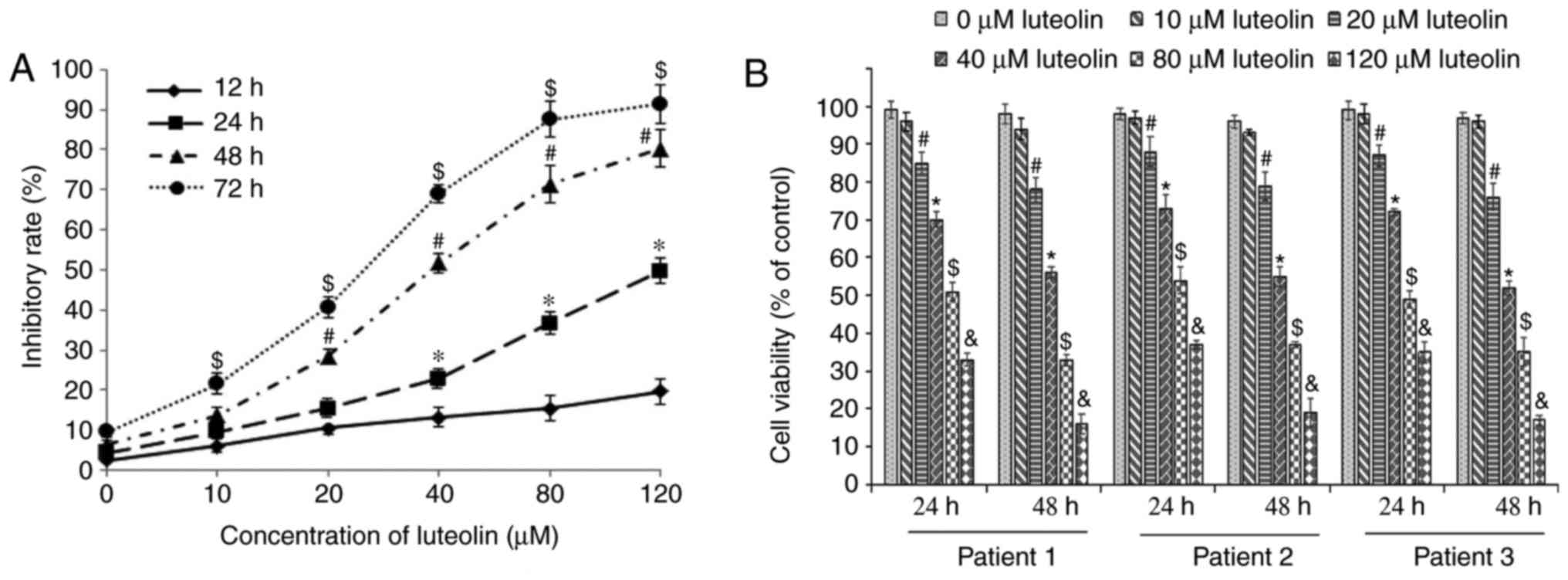
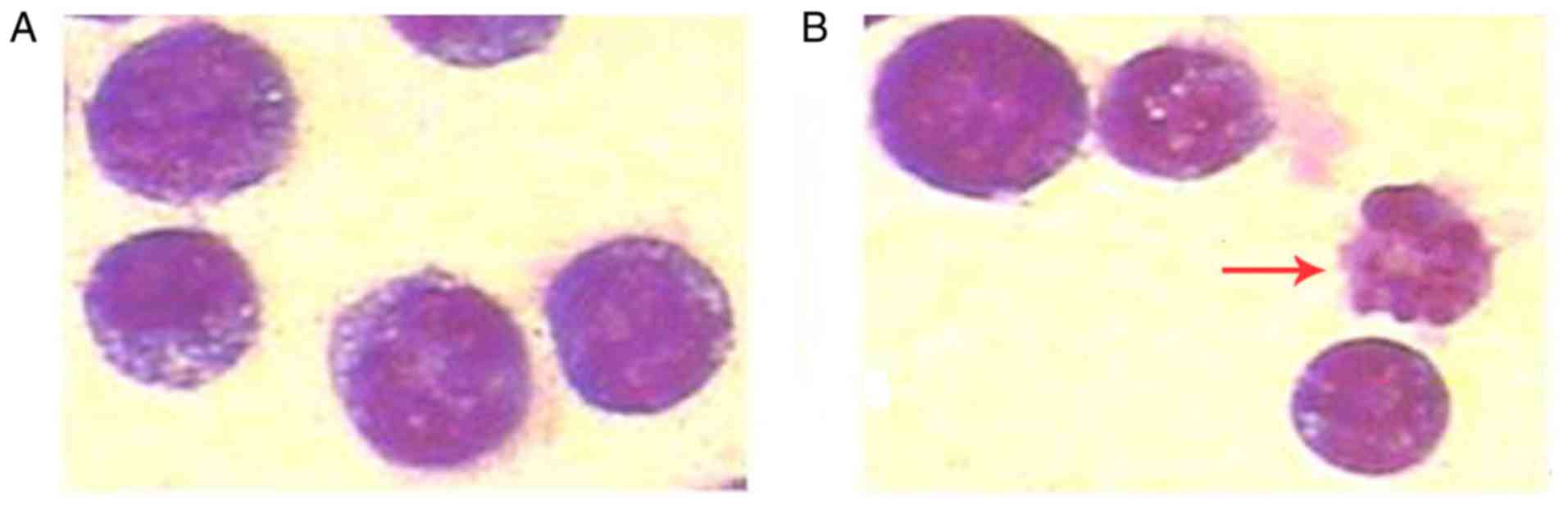
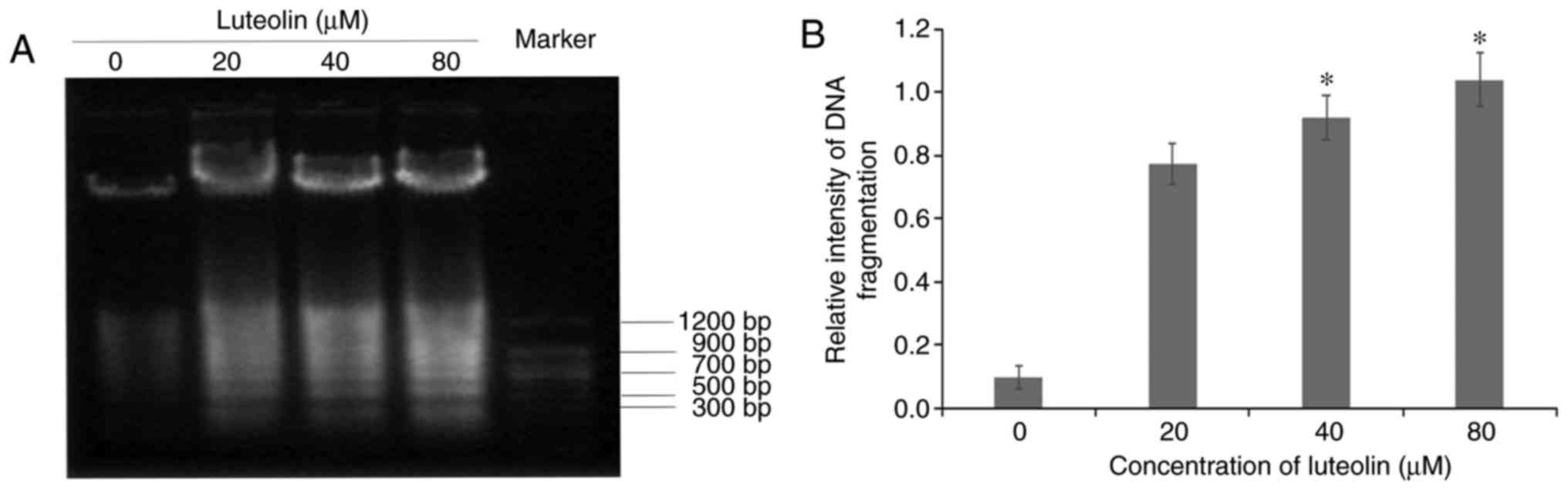
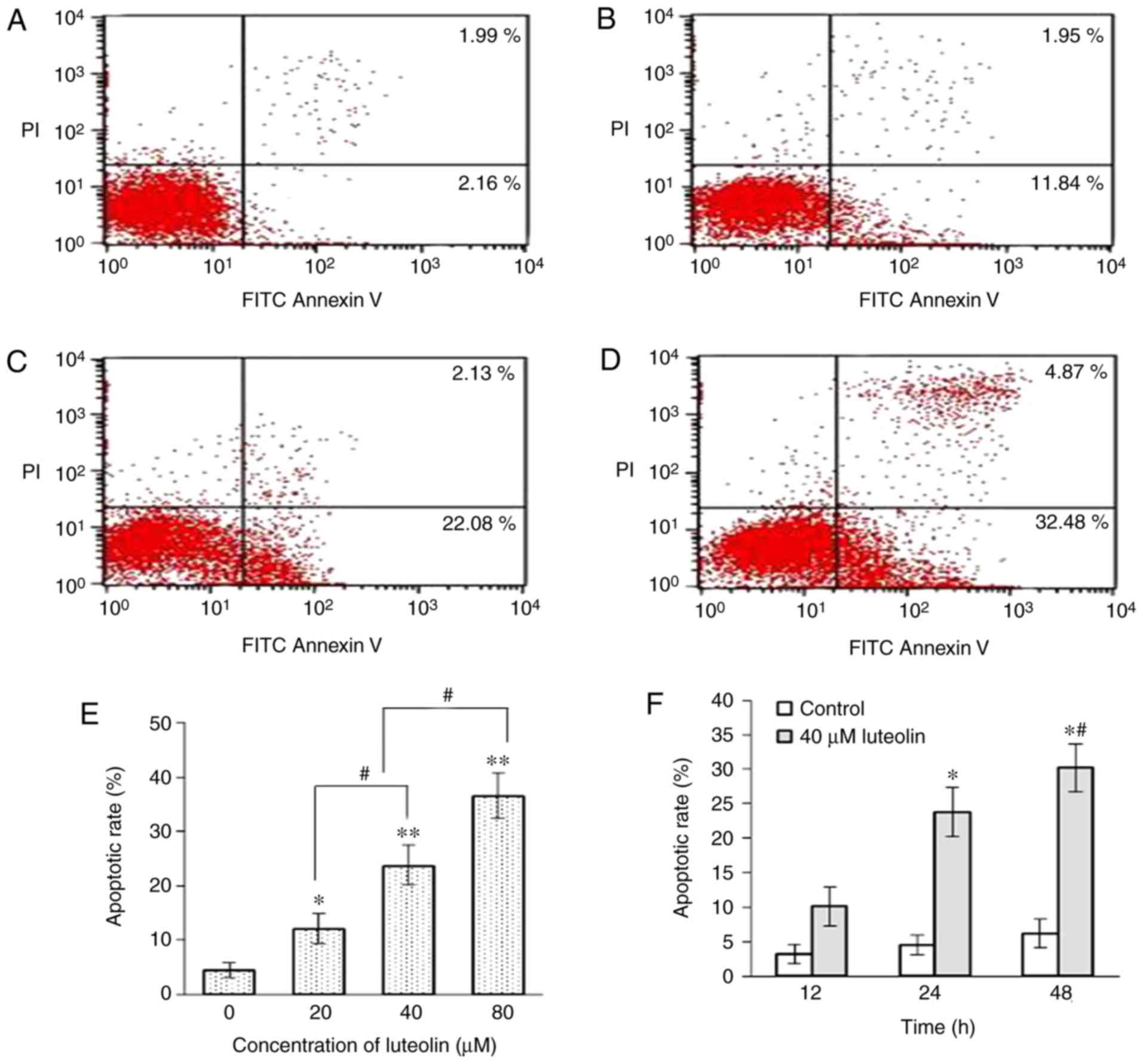
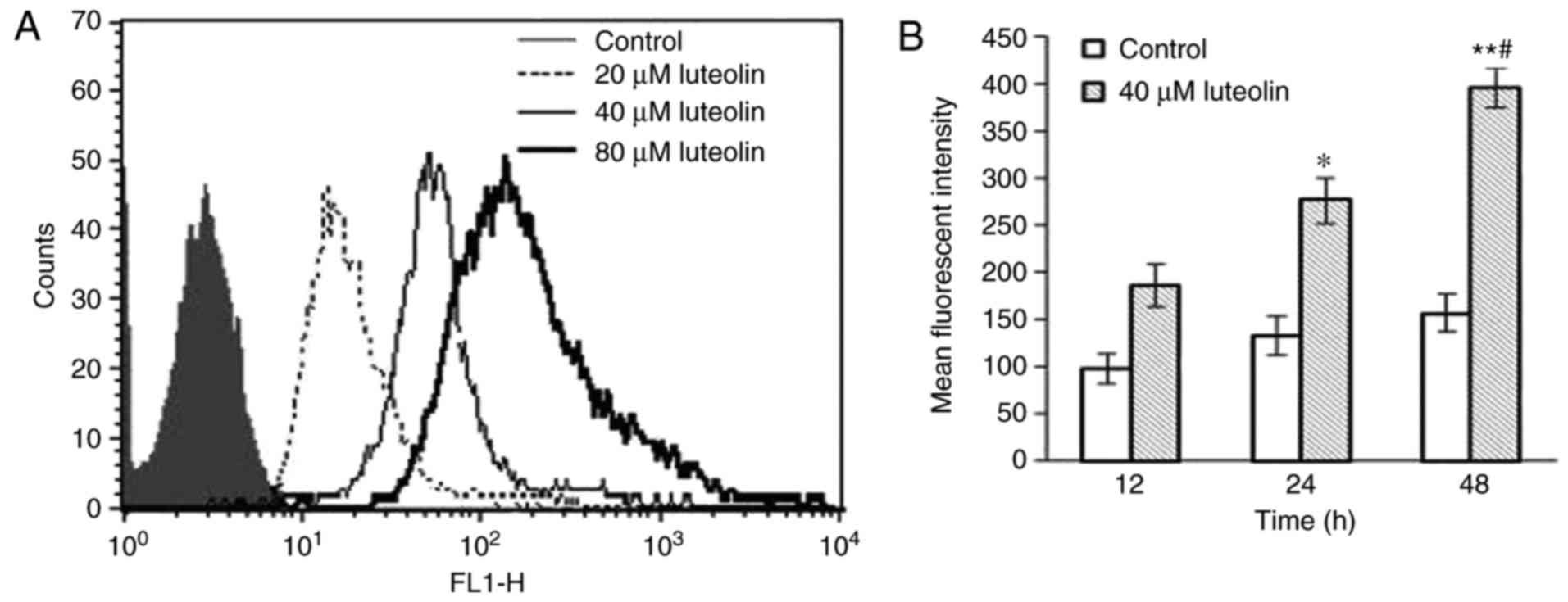
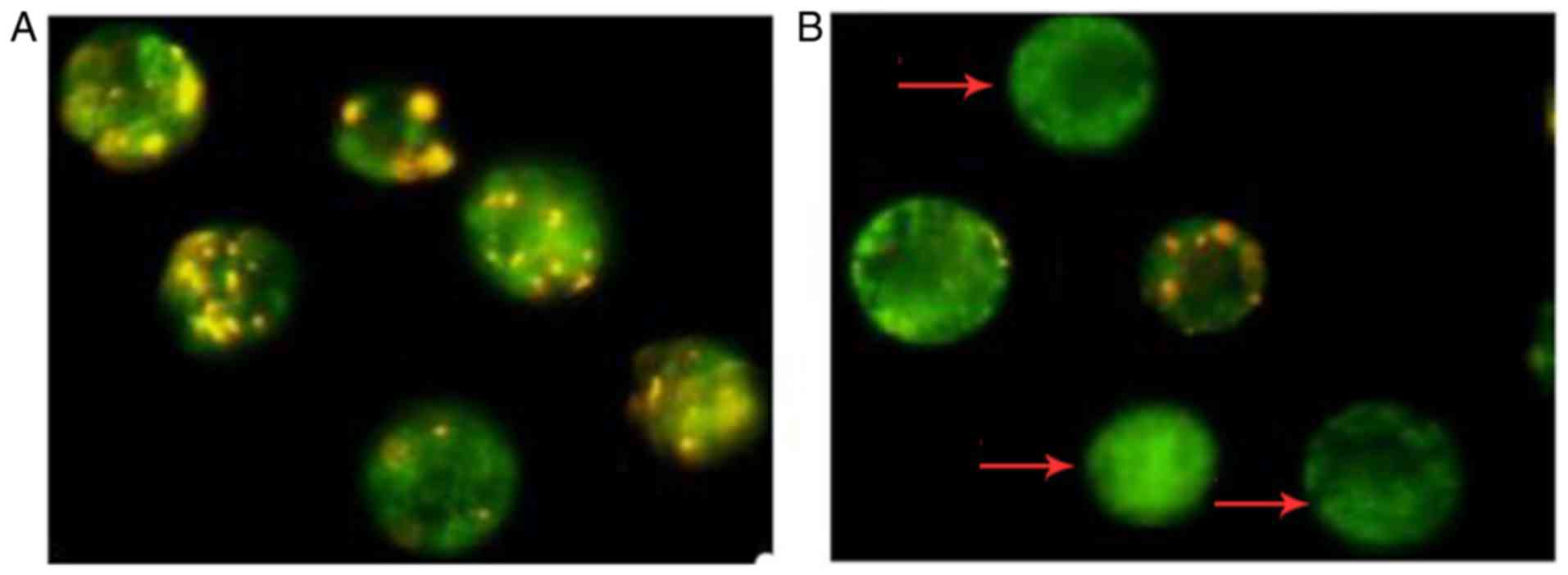
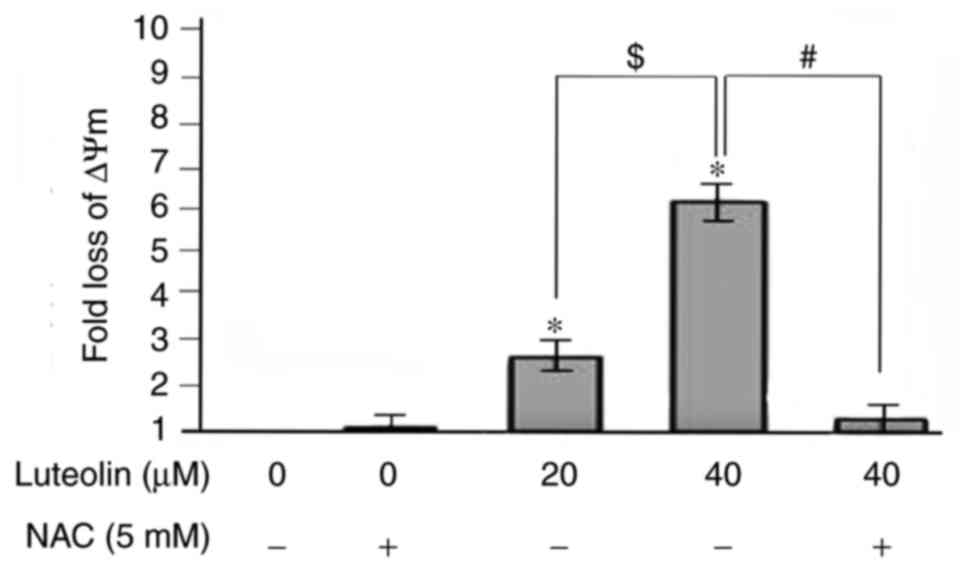
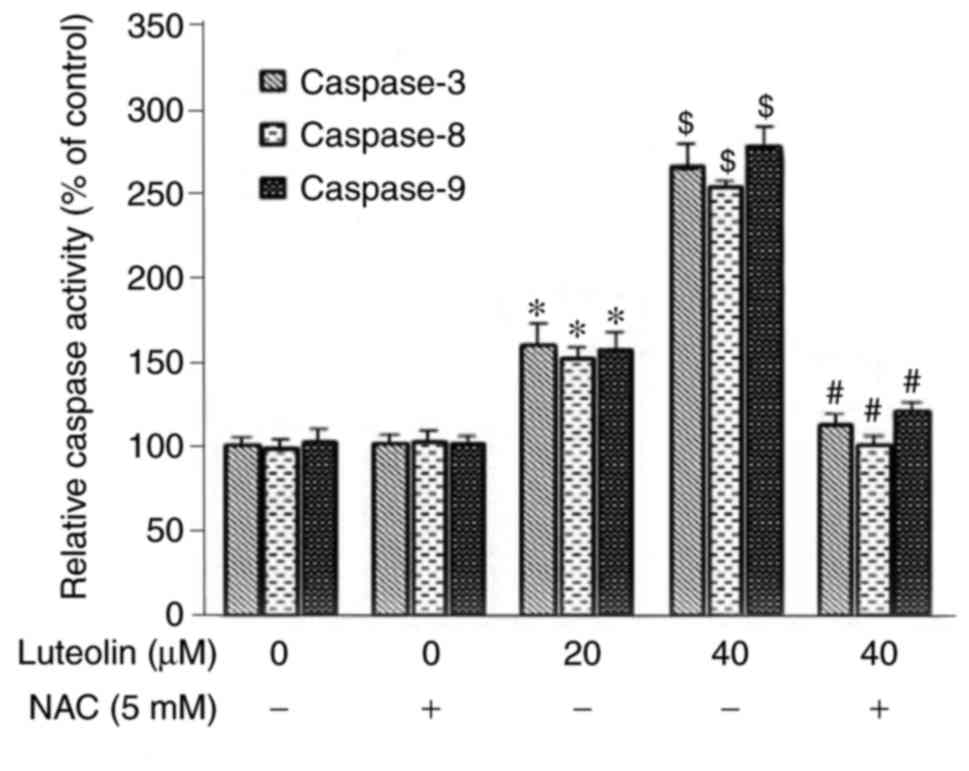
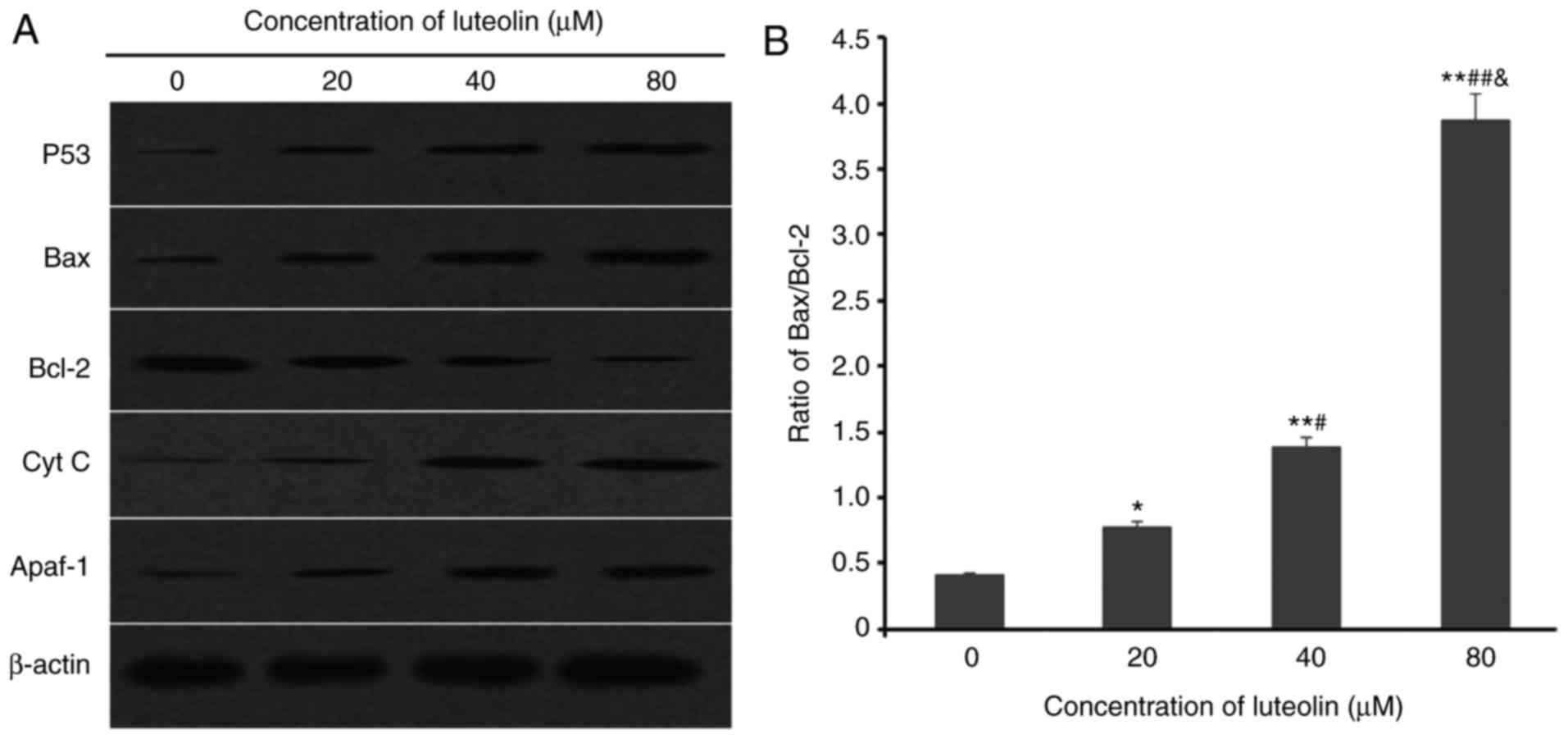
Luteolin, a common dietary flavonoid, induces the apoptosis of cells in several types of cancer. However, its role in myelodysplastic syndrome (MDS) and the potential underlying mechanisms remain to be elucidated. To evaluate the potential benefit and underlying mechanisms of luteolin in MDS cells, the viability of SKM‑1 cells and primary bone marrow (PBM) mononuclear cells from patients with intermediate‑ or high‑risk MDS were assessed using a Cell Counting Kit‑8 assay. The apoptotic features of cell morphology were assessed using Wright‑Giemsa staining, DNA fragmentation was analyzed by agarose gel electrophoresis, and the extent of apoptosis was quantified by flow cytometry (FCM). Reactive oxygen species (ROS) were measured by FCM with 2,7‑dichlorodihydrofluorescein diacetate staining and mitochondrial membrane potential (ΔΨm) was determined using 5,5',6,6'‑tetrachloro‑1,1',3,3'‑tetraethylbenzimidazolylcarbocyanine iodide staining. Caspase activity was detected using a fluorometric protease assay. Furthermore, the effects of luteolin on the expression of apoptosis‑related proteins were analyzed using western blot analysis. The resulting data revealed that luteolin significantly inhibited the proliferation of SKM‑1 cells in vitro, and its half maximal inhibitory concentration was 139.41 µM at 24 h and 23.95 µM at 72 h. Luteolin also markedly inhibited the proliferation of mononuclear cells from patients with intermediate‑ or high‑risk MDS. Luteolin suppressed cell proliferation, mainly as a result of the induction of apoptosis, as demonstrated by typical apoptotic morphological features, the ladder pattern of genomic DNA fragmentation, and the results of FCM using Annexin V‑FITC/PI double staining. It was also found that short‑term exposure of SKM‑1 cells to luteolin led to a marked increase in the accumulation of ROS. The increased intracellular level of ROS appeared to induce the activation of p53 and elevate the B‑cell lymphoma 2 (Bcl‑2)‑associated X protein/Bcl‑2 ratio, which modulates ΔΨm and triggers the release of cytochrome c, and may increase the activities of apoptotic protease activating factor 1, caspase‑3, ‑8 and ‑9 to further trigger the destruction of structural and specific proteins and thereby cell apoptosis. Notably, the inhibition of ROS generation by the antioxidant N‑acetyl‑L‑cysteine significantly attenuated the luteolin‑induced loss of ΔΨm and activities of caspase‑3, ‑8 and ‑9. These data suggested that luteolin exerts its pro‑apoptotic action partly through the p53‑dependent mitochondrial signaling pathway mediated by intracellular ROS, which provides a promising therapeutic candidate for patients with MDS.
View Figures

Figure 1

Figure 2

Figure 3

Figure 4

Figure 5

Figure 6

Figure 7

Figure 8

Figure 9

View References

1 

Sekeres MA and Cutler C: How we treat higher-risk myelodysplastic syndromes. Blood. 123:829–836. 2014. View Article : Google Scholar

2 

Ferrero D, Crisà E, Marmont F, Audisio E, Frairia C, Giai V, Gatti T, Festuccia M, Bruno B, Riera L, et al: Survival improvement of poor-prognosis AML/MDS patients by maintenance treatment with low-dose chemotherapy and differentiating agents. Ann Hematol. 93:1391–1400. 2014. View Article : Google Scholar : PubMed/NCBI

3 

Smith SM, Le Beau MM, Huo D, Karrison T, Sobecks RM, Anastasi J, Vardiman JW, Rowley JD and Larson RA: Clinical-cytogenetic associations in 306 patients with therapy-related myelodysplasia and myeloid leukemia: The University of Chicago series. Blood. 102:43–52. 2003. View Article : Google Scholar : PubMed/NCBI

4 

Khan N, Afaq F, Syed DN and Mukhtar H: Fisetin, a novel dietary flavonoid, causes apoptosis and cell cycle arrest in human prostate cancer LNCaP cells. Carcinogenesis. 29:1049–1056. 2008. View Article : Google Scholar : PubMed/NCBI

5 

Wang SX, Cao M, Xu SH, Zhang JM, Wang ZG, Mao XD, Yao XM and Liu C: Effect of luteolin on inflammatory responses in RAW264.7 macrophages activated with LPS and IFN-γ. J Funct Foods. 32:123–130. 2017. View Article : Google Scholar

6 

Zhang YC, Gan FF, Shelar SB, Ng KY and Chew EH: Antioxidant and Nrf2 inducing activities of luteolin, a flavonoid constituent in Ixeris sonchifolia Hance, provide neuroprotective effects against ischemia-induced cellular injury. Food Chem Toxicol. 59:272–280. 2013. View Article : Google Scholar : PubMed/NCBI

7 

Lu J, Li G, He K and Jiang W: Luteolin exerts a marked antitumor effect in cMet-overexpressing patient-derived tumor xenograft models of gastric cancer. J Transl Med. 13:422015. View Article : Google Scholar : PubMed/NCBI

8 

Suh KS, Chon S and Choi EM: Luteolin alleviates methylglyoxal-induced cytotoxicity in osteoblastic MC3T3-E1 cells. Cytotechnology. 68:2539–2552. 2016. View Article : Google Scholar : PubMed/NCBI

9 

Chen P, Zhang JY, Sha BB, Ma YE, Hu T, Ma YC, Sun H, Shi JX, Dong ZM and Li P: Luteolin inhibits cell proliferation and induces cell apoptosis via down-regulation of mitochondrial membrane potential in esophageal carcinoma cells EC1 and KYSE450. Oncotarget. 8:27471–27480. 2017.PubMed/NCBI

10 

Lim W, Yang C, Bazer FW and Song G: Luteolin inhibits proliferation and induces apoptosis of human placental choriocarcinoma cells by blocking the PI3K/AKT pathway and regulating sterol regulatory element binding protein activity. Biol Reprod. 95:822016. View Article : Google Scholar : PubMed/NCBI

11 

Park SH, Ham S, Kwon TH, Kim MS, Lee DH, Kang JW, Oh SR and Yoon DY: Luteolin induces cell cycle arrest and apoptosis through extrinsic and intrinsic signaling pathways in MCF-7 breast cancer cells. J Environ Pathol Toxicol Oncol. 33:219–231. 2014. View Article : Google Scholar : PubMed/NCBI

12 

Pandurangan AK, Dharmalingam P, Sadagopan SK and Ganapasam S: Luteolin inhibits matrix metalloproteinase 9 and 2 in azoxymethane-induced colon carcinogenesis. Hum Exp Toxicol. 33:1176–1185. 2014. View Article : Google Scholar : PubMed/NCBI

13 

Tsai PH, Cheng CH, Lin CY, Huang YT, Lee LT, Kandaswami CC, Lin YC, Lee KP, Hung CC, Hwang JJ, et al: Dietary flavonoids luteolin and quercetin suppressed cancer stem cell properties and metastatic potential of isolated prostate cancer cells. Anticancer Res. 36:6367–6380. 2016. View Article : Google Scholar : PubMed/NCBI

14 

Deng L, Jiang L, Lin X, Tseng KF, Lu Z and Wang X: Luteolin, a novel p90 ribosomal S6 kinase inhibitor, suppresses proliferation and migration in leukemia cells. Oncol Lett. 13:1370–1378. 2017. View Article : Google Scholar : PubMed/NCBI

15 

Chen HM, Tang XX, Zhou B, Zhou Z, Xu N and Wang Y: A ROS-mediated mitochondrial pathway and Nrf2 pathway activation are involved in BDE-47 induced apoptosis in Neuro-2a cells. Chemosphere. 184:679–686. 2017. View Article : Google Scholar : PubMed/NCBI

16 

Wang W, Zhao FI, Zhang J and Gao D: Luteolin induces apoptosis in mouse liver cancer cells through ROS mediated pathway: A mechanistic investigation. Biomed Res. 28:839–845. 2017.

17 

Kittiratphatthana N, Kukongviriyapan V, Prawan A and Senggunprai L: Luteolin induces cholangiocarcinoma cell apoptosis through the mitochondrial-dependent pathway mediated by reactive oxygen species. J Pharm Pharmacol. 68:1184–1192. 2016. View Article : Google Scholar : PubMed/NCBI

18 

Gerl R and Vaux DL: Apoptosis in the development and treatment of cancer. Carcinogenesis. 26:263–270. 2005. View Article : Google Scholar

19 

Ju W, Wang X, Shi H, Chen W, Belinsky SA and Lin Y: A critical role of luteolin-induced reactive oxygen species in blockage of tumor necrosis factor-activated nuclear factor-kappa B pathway and sensitization of apoptosis in lung cancer cells. Mol Pharmacol. 71:1381–1388. 2007. View Article : Google Scholar : PubMed/NCBI

20 

Ding GL, Zhao JQ and Jiang DM: Allicin inhibits oxidative stress-induced mitochondrial dysfunction and apoptosis by promoting PI3K/AKT and CREB/ERK signaling in osteoblast cells. Exp Ther Med. 11:2553–2560. 2016. View Article : Google Scholar : PubMed/NCBI

21 

Liu BX, Zhou JY, Li Y, Zou X, Wu J, Gu JF, Yuan JR, Zhao BJ, Feng L, Jia XB and Wang RP: Hederagenin from the leaves of ivy (Hedera helix L.) induces apoptosis in human LoVo colon cells through the mitochondrial pathway. BMC Complement Altern Med. 14:4122014. View Article : Google Scholar : PubMed/NCBI

22 

Nakagawa T, Matozaki S, Murayama T, Nishimura R, Tsutsumi M, Kawaguchi R, Yokoyama Y, Hikiji K, Isobe T and Chihara K: Establishment of a leukaemic cell line from a patient with acquisition of chromosomal abnormalities during disease progression in myelodysplastic syndrome. Br J Haematol. 85:469–761. 1993. View Article : Google Scholar : PubMed/NCBI

23 

Xia G, Chen B, Ding J, Gao C, Lu H, Shao Z, Gao F and Wang X: Effect of magnetic Fe3O4 nanoparticles with 2-methoxyestradiol on the cell-cycle progression and apoptosis of myelodysplastic syndrome cells. Int J Nanomedicine. 6:1921–1927. 2011.

24 

Kim SY, Lee YM and Cho JS: Korean red ginseng extract exhibits neuroprotective effects through inhibition of apoptotic cell death. Biol Pharm Bull. 37:938–946. 2014. View Article : Google Scholar : PubMed/NCBI

25 

Lu H, Gao F, Shu G, Xia G, Shao Z, Lu H and Cheng K: Wogonin inhibits the proliferation of myelodysplastic syndrome cells through the induction of cell cycle arrest and apoptosis. Mol Med Rep. 12:7285–7292. 2015. View Article : Google Scholar : PubMed/NCBI

26 

Jing Y, Shen X, Mei Q and Han W: Spotlight on decitabine for myelodysplastic syndromes in Chinese patients. Onco Targets Ther. 8:2783–2790. 2015.PubMed/NCBI

27 

Kim YS, Kim SH, Shin J, Harikishore A, Lim JK, Jung Y, Lyu HN, Baek NI, Choi KY, Yoon HS and Kim KT: Luteolin suppresses cancer cell proliferation by targeting vaccinia-related kinase 1. PLoS One. 9:e1096552014. View Article : Google Scholar : PubMed/NCBI

28 

Abdel Hadi L, Di Vito C, Marfia G, Ferraretto A, Tringali C, Viani P and Riboni L: Sphingosine kinase 2 and ceramide transport as key targets of the natural flavonoid luteolin to induce apoptosis in colon cancer cells. PloS One. 10:e01433842015. View Article : Google Scholar : PubMed/NCBI

29 

Devi PS, Kumar MS and Das SM: Evaluation of antiproliferative activity of red sorghum bran anthocyanin on a human breast cancer cell line (mcf-7). Int J Breast Cancer. 2011:8914812011. View Article : Google Scholar

30 

Cheng AC, Huang TC, Lai CS and Pan MH: Induction of apoptosis by luteolin through cleavage of Bcl-2 family in human leukemia HL-60 cells. Eur J Pharmacol. 509:1–10. 2005. View Article : Google Scholar : PubMed/NCBI

31 

Ko WG, Kang TH, Lee SJ, Kim YC and Lee BH: Effects of luteolin on the inhibition of proliferation and induction of apoptosis in human myeloid leukaemia cells. Phytother Res. 16:295–298. 2002. View Article : Google Scholar : PubMed/NCBI

32 

Sak K, Kasemaa K and Everaus H: Potentiation of luteolin cytotoxicity by flavonols fisetin and quercetin in human chronic lymphocytic leukemia cell lines. Food Funct. 7:3815–3824. 2016. View Article : Google Scholar : PubMed/NCBI

33 

Fiandalo MV and Kyprianou N: Caspase control: Protagonists of cancer cell apoptosis. Exp Oncol. 34:165–175. 2012.PubMed/NCBI

34 

Schwartz JT, Barker JH, Kaufman J, Fayram DC, McCracken JM and Allen LA: Francisella tularensis inhibits the intrinsic and extrinsic pathways to delay constitutive apoptosis and prolong human neutrophil lifespan. J Immunol. 188:3351–3363. 2012. View Article : Google Scholar : PubMed/NCBI

35 

Marchi S, Giorgi C, Suski JM, Agnoletto C, Bononi A, Bonora M, De Marchi E, Missiroli S, Patergnani S, Poletti F, et al: Mitochondriaros crosstalk in the control of cell death and aging. J Signal Transduct. 2012:3296352012. View Article : Google Scholar

36 

Rao PS, Satelli A, Moridani M, Jenkins M and Rao US: Luteolin induces apoptosis in multidrug resistant cancer cells without affecting the drug transporter function: Involvement of cell line-specific apoptotic mechanisms. Int J Cancer. 130:2703–2714. 2012. View Article : Google Scholar :

37 

Shelton LM, Park BK and Copple IM: Role of Nrf2 in protection against acute kidney injury. Kidney Int. 84:1090–1095. 2013. View Article : Google Scholar : PubMed/NCBI

38 

Liu R, Meng F, Zhang L, Liu A, Qin H, Lan X, Li L and Du G: Luteolin isolated from the medicinal plant Elsholtzia rugulosa (Labiatae) prevents copper-mediated toxicity in β-amyloid precursor protein Swedish mutation overexpressing SH-SY5Y cells. Molecules. 16:2084–2096. 2011. View Article : Google Scholar : PubMed/NCBI

39 

Wang Q, Wang H, Jia Y, Pan H and Ding H: Luteolin induces apoptosis by ROS/ER stress and mitochondrial dysfunction in gliomablastoma. Cancer Chemother Pharmacol. 79:1031–1041. 2017. View Article : Google Scholar : PubMed/NCBI

40 

Choi IY, Lee SJ, Ju C, Nam W, Kim HC, Ko KH and Kim WK: Protection by a manganese porphyrin of endogenous peroxynitrite-induced death of glial cells via inhibition of mitochondrial transmembrane potential decrease. Glia. 31:155–164. 2000. View Article : Google Scholar : PubMed/NCBI

41 

Lin Y, Xu JP, Liao HH, Li L and Pan L: Piperine induces apoptosis of lung cancer A549 cells via p53-dependent mitochondrial signaling pathway. Tumor Biol. 35:3305–3310. 2014. View Article : Google Scholar

42 

Yee SB, Choi HJ, Chung SW, Park DH, Sung B, Chung HY and Kim ND: Growth inhibition of luteolin on HepG2 cells is induced via p53 and Fas/Fas-ligand besides the TGF-β pathway. Int J Oncol. 47:747–754. 2015. View Article : Google Scholar : PubMed/NCBI

43 

Ham S, Kim KH, Kwon TH, Bak Y, Lee DH, Song YS, Park SH, Park YS, Kim MS, Kang JW, et al: Luteolin induces intrinsic apoptosis via inhibition of E6/E7 oncogenes and activation of extrinsic and intrinsic signaling pathways in HPV-18-associated cells. Oncol Rep. 31:2683–2691. 2014. View Article : Google Scholar : PubMed/NCBI

44 

Lim DY, Jeong Y, Tyner AL and Park JH: Induction of cell cycle arrest and apoptosis in HT-29 human colon cancer cells by the dietary compound luteolin. Am J Physiol Gastrointest Liver Physiol. 292:G66–G75. 2007. View Article : Google Scholar

45 

Hytti M, Szabó D, Piippo N, Korhonen E, Honkakoski P, Kaarniranta K, Petrovski G and Kauppinen A: Two dietary poly-phenols, fisetin and luteolin, reduce inflammation but augment DNA damage-induced toxicity in human RPE cells. J Nutr Biochem. 42:37–42. 2017. View Article : Google Scholar : PubMed/NCBI

46 

Ge Q, Wang C, Ruan Y, Chen Z, Liu J and Ye Z: Overexpression of p53 activated by small activating RNA suppresses the growth of human prostate cancer cells. Onco Targets Ther. 9:231–241. 2016.PubMed/NCBI

47 

Wang C, Ge Q, Zhang Q, Chen Z, Hu J, Li F and Ye Z: Targeted p53 activation by saRNA suppresses human bladder cancer cells growth and metastasis. J Exp Clin Cancer Res. 35:532016. View Article : Google Scholar : PubMed/NCBI

48 

Macip S, Igarashi M, Berggren P, Yu J, Lee SW and Aaronson SA: Influence of induced reactive oxygen species in p53-mediated cell fate decisions. Mol Cell Biol. 23:8576–8585. 2003. View Article : Google Scholar : PubMed/NCBI

49 

Wang YH, Kong DL, Wang XW, Dong X, Tao Y and Gong H: Molecular mechanisms of luteolin induced growth inhibition and apoptosis of human osteosarcoma cells. Iran J Pharm Res. 14:531–538. 2015.PubMed/NCBI

50 

Chen Q, Liu S, Chen J, Zhang Q, Lin S, Chen Z and Jiang J: Luteolin induces mitochondria-dependent apoptosis in human lung adenocarcinoma cell. Nat Prod Commun. 7:29–32. 2012.PubMed/NCBI

51 

Kilbride SM and Prehn JH: Central roles of apoptotic proteins in mitochondrial function. Oncogene. 32:2703–2711. 2013. View Article : Google Scholar

52 

Bao Q, Lu W, Rabinowitz JD and Shi Y: Calcium blocks formation of apoptosome by preventing nucleotide exchange in Apaf-1. Mol Cell. 25:181–192. 2007. View Article : Google Scholar : PubMed/NCBI

53 

Ding S, Hu A, Hu Y, Ma J, Weng P and Dai J: Anti-hepatoma cells function of luteolin through inducing apoptosis and cell cycle arrest. Tumour Biol. 35:3053–3060. 2014. View Article : Google Scholar

54 

Kobayashi T, Masumoto J, Tada T, Nomiyama T, Hongo K and Nakayama J: Prognostic significance of the immunohistochemical staining of cleaved caspase-3, an activated form of caspase-3, in gliomas. Clin Cancer Res. 13:3868–3874. 2007. View Article : Google Scholar : PubMed/NCBI

Related Articles

  • Abstract
  • View
  • Download
  • Twitter
Copy and paste a formatted citation
Spandidos Publications style
Dong W, Lin Y, Cao Y, Liu Y, Xie X and Gu W: Luteolin induces myelodysplastic syndrome‑derived cell apoptosis via the p53‑dependent mitochondrial signaling pathway mediated by reactive oxygen species. Int J Mol Med 42: 1106-1115, 2018.
APA
Dong, W., Lin, Y., Cao, Y., Liu, Y., Xie, X., & Gu, W. (2018). Luteolin induces myelodysplastic syndrome‑derived cell apoptosis via the p53‑dependent mitochondrial signaling pathway mediated by reactive oxygen species. International Journal of Molecular Medicine, 42, 1106-1115. https://doi.org/10.3892/ijmm.2018.3696
MLA
Dong, W., Lin, Y., Cao, Y., Liu, Y., Xie, X., Gu, W."Luteolin induces myelodysplastic syndrome‑derived cell apoptosis via the p53‑dependent mitochondrial signaling pathway mediated by reactive oxygen species". International Journal of Molecular Medicine 42.2 (2018): 1106-1115.
Chicago
Dong, W., Lin, Y., Cao, Y., Liu, Y., Xie, X., Gu, W."Luteolin induces myelodysplastic syndrome‑derived cell apoptosis via the p53‑dependent mitochondrial signaling pathway mediated by reactive oxygen species". International Journal of Molecular Medicine 42, no. 2 (2018): 1106-1115. https://doi.org/10.3892/ijmm.2018.3696
Copy and paste a formatted citation
x
Spandidos Publications style
Dong W, Lin Y, Cao Y, Liu Y, Xie X and Gu W: Luteolin induces myelodysplastic syndrome‑derived cell apoptosis via the p53‑dependent mitochondrial signaling pathway mediated by reactive oxygen species. Int J Mol Med 42: 1106-1115, 2018.
APA
Dong, W., Lin, Y., Cao, Y., Liu, Y., Xie, X., & Gu, W. (2018). Luteolin induces myelodysplastic syndrome‑derived cell apoptosis via the p53‑dependent mitochondrial signaling pathway mediated by reactive oxygen species. International Journal of Molecular Medicine, 42, 1106-1115. https://doi.org/10.3892/ijmm.2018.3696
MLA
Dong, W., Lin, Y., Cao, Y., Liu, Y., Xie, X., Gu, W."Luteolin induces myelodysplastic syndrome‑derived cell apoptosis via the p53‑dependent mitochondrial signaling pathway mediated by reactive oxygen species". International Journal of Molecular Medicine 42.2 (2018): 1106-1115.
Chicago
Dong, W., Lin, Y., Cao, Y., Liu, Y., Xie, X., Gu, W."Luteolin induces myelodysplastic syndrome‑derived cell apoptosis via the p53‑dependent mitochondrial signaling pathway mediated by reactive oxygen species". International Journal of Molecular Medicine 42, no. 2 (2018): 1106-1115. https://doi.org/10.3892/ijmm.2018.3696
Follow us
  • Twitter
  • LinkedIn
  • Facebook
About
  • Spandidos Publications
  • Careers
  • Cookie Policy
  • Privacy Policy
How can we help?
  • Help
  • Live Chat
  • Contact
  • Email to our Support Team