Spandidos Publications Logo
  • About
    • About Spandidos
    • Aims and Scopes
    • Abstracting and Indexing
    • Editorial Policies
    • Reprints and Permissions
    • Job Opportunities
    • Terms and Conditions
    • Contact
  • Journals
    • All Journals
    • Oncology Letters
      • Oncology Letters
      • Information for Authors
      • Editorial Policies
      • Editorial Board
      • Aims and Scope
      • Abstracting and Indexing
      • Bibliographic Information
      • Archive
    • International Journal of Oncology
      • International Journal of Oncology
      • Information for Authors
      • Editorial Policies
      • Editorial Board
      • Aims and Scope
      • Abstracting and Indexing
      • Bibliographic Information
      • Archive
    • Molecular and Clinical Oncology
      • Molecular and Clinical Oncology
      • Information for Authors
      • Editorial Policies
      • Editorial Board
      • Aims and Scope
      • Abstracting and Indexing
      • Bibliographic Information
      • Archive
    • Experimental and Therapeutic Medicine
      • Experimental and Therapeutic Medicine
      • Information for Authors
      • Editorial Policies
      • Editorial Board
      • Aims and Scope
      • Abstracting and Indexing
      • Bibliographic Information
      • Archive
    • International Journal of Molecular Medicine
      • International Journal of Molecular Medicine
      • Information for Authors
      • Editorial Policies
      • Editorial Board
      • Aims and Scope
      • Abstracting and Indexing
      • Bibliographic Information
      • Archive
    • Biomedical Reports
      • Biomedical Reports
      • Information for Authors
      • Editorial Policies
      • Editorial Board
      • Aims and Scope
      • Abstracting and Indexing
      • Bibliographic Information
      • Archive
    • Oncology Reports
      • Oncology Reports
      • Information for Authors
      • Editorial Policies
      • Editorial Board
      • Aims and Scope
      • Abstracting and Indexing
      • Bibliographic Information
      • Archive
    • Molecular Medicine Reports
      • Molecular Medicine Reports
      • Information for Authors
      • Editorial Policies
      • Editorial Board
      • Aims and Scope
      • Abstracting and Indexing
      • Bibliographic Information
      • Archive
    • World Academy of Sciences Journal
      • World Academy of Sciences Journal
      • Information for Authors
      • Editorial Policies
      • Editorial Board
      • Aims and Scope
      • Abstracting and Indexing
      • Bibliographic Information
      • Archive
    • International Journal of Functional Nutrition
      • International Journal of Functional Nutrition
      • Information for Authors
      • Editorial Policies
      • Editorial Board
      • Aims and Scope
      • Abstracting and Indexing
      • Bibliographic Information
      • Archive
    • International Journal of Epigenetics
      • International Journal of Epigenetics
      • Information for Authors
      • Editorial Policies
      • Editorial Board
      • Aims and Scope
      • Abstracting and Indexing
      • Bibliographic Information
      • Archive
    • Medicine International
      • Medicine International
      • Information for Authors
      • Editorial Policies
      • Editorial Board
      • Aims and Scope
      • Abstracting and Indexing
      • Bibliographic Information
      • Archive
  • Articles
  • Information
    • Information for Authors
    • Information for Reviewers
    • Information for Librarians
    • Information for Advertisers
    • Conferences
  • Language Editing
Spandidos Publications Logo
  • About
    • About Spandidos
    • Aims and Scopes
    • Abstracting and Indexing
    • Editorial Policies
    • Reprints and Permissions
    • Job Opportunities
    • Terms and Conditions
    • Contact
  • Journals
    • All Journals
    • Biomedical Reports
      • Information for Authors
      • Editorial Policies
      • Editorial Board
      • Aims and Scope
      • Abstracting and Indexing
      • Bibliographic Information
      • Archive
    • Experimental and Therapeutic Medicine
      • Information for Authors
      • Editorial Policies
      • Editorial Board
      • Aims and Scope
      • Abstracting and Indexing
      • Bibliographic Information
      • Archive
    • International Journal of Epigenetics
      • Information for Authors
      • Editorial Policies
      • Editorial Board
      • Aims and Scope
      • Abstracting and Indexing
      • Bibliographic Information
      • Archive
    • International Journal of Functional Nutrition
      • Information for Authors
      • Editorial Policies
      • Editorial Board
      • Aims and Scope
      • Abstracting and Indexing
      • Bibliographic Information
      • Archive
    • International Journal of Molecular Medicine
      • Information for Authors
      • Editorial Policies
      • Editorial Board
      • Aims and Scope
      • Abstracting and Indexing
      • Bibliographic Information
      • Archive
    • International Journal of Oncology
      • Information for Authors
      • Editorial Policies
      • Editorial Board
      • Aims and Scope
      • Abstracting and Indexing
      • Bibliographic Information
      • Archive
    • Medicine International
      • Information for Authors
      • Editorial Policies
      • Editorial Board
      • Aims and Scope
      • Abstracting and Indexing
      • Bibliographic Information
      • Archive
    • Molecular and Clinical Oncology
      • Information for Authors
      • Editorial Policies
      • Editorial Board
      • Aims and Scope
      • Abstracting and Indexing
      • Bibliographic Information
      • Archive
    • Molecular Medicine Reports
      • Information for Authors
      • Editorial Policies
      • Editorial Board
      • Aims and Scope
      • Abstracting and Indexing
      • Bibliographic Information
      • Archive
    • Oncology Letters
      • Information for Authors
      • Editorial Policies
      • Editorial Board
      • Aims and Scope
      • Abstracting and Indexing
      • Bibliographic Information
      • Archive
    • Oncology Reports
      • Information for Authors
      • Editorial Policies
      • Editorial Board
      • Aims and Scope
      • Abstracting and Indexing
      • Bibliographic Information
      • Archive
    • World Academy of Sciences Journal
      • Information for Authors
      • Editorial Policies
      • Editorial Board
      • Aims and Scope
      • Abstracting and Indexing
      • Bibliographic Information
      • Archive
  • Articles
  • Information
    • For Authors
    • For Reviewers
    • For Librarians
    • For Advertisers
    • Conferences
  • Language Editing
Login Register Submit
  • This site uses cookies
  • You can change your cookie settings at any time by following the instructions in our Cookie Policy. To find out more, you may read our Privacy Policy.

    I agree
Search articles by DOI, keyword, author or affiliation
Search
Advanced Search
presentation
International Journal of Molecular Medicine
Join Editorial Board Propose a Special Issue
Print ISSN: 1107-3756 Online ISSN: 1791-244X
Journal Cover
April-2020 Volume 45 Issue 4

Full Size Image

Sign up for eToc alerts
Recommend to Library

Journals

International Journal of Molecular Medicine

International Journal of Molecular Medicine

International Journal of Molecular Medicine is an international journal devoted to molecular mechanisms of human disease.

International Journal of Oncology

International Journal of Oncology

International Journal of Oncology is an international journal devoted to oncology research and cancer treatment.

Molecular Medicine Reports

Molecular Medicine Reports

Covers molecular medicine topics such as pharmacology, pathology, genetics, neuroscience, infectious diseases, molecular cardiology, and molecular surgery.

Oncology Reports

Oncology Reports

Oncology Reports is an international journal devoted to fundamental and applied research in Oncology.

Experimental and Therapeutic Medicine

Experimental and Therapeutic Medicine

Experimental and Therapeutic Medicine is an international journal devoted to laboratory and clinical medicine.

Oncology Letters

Oncology Letters

Oncology Letters is an international journal devoted to Experimental and Clinical Oncology.

Biomedical Reports

Biomedical Reports

Explores a wide range of biological and medical fields, including pharmacology, genetics, microbiology, neuroscience, and molecular cardiology.

Molecular and Clinical Oncology

Molecular and Clinical Oncology

International journal addressing all aspects of oncology research, from tumorigenesis and oncogenes to chemotherapy and metastasis.

World Academy of Sciences Journal

World Academy of Sciences Journal

Multidisciplinary open-access journal spanning biochemistry, genetics, neuroscience, environmental health, and synthetic biology.

International Journal of Functional Nutrition

International Journal of Functional Nutrition

Open-access journal combining biochemistry, pharmacology, immunology, and genetics to advance health through functional nutrition.

International Journal of Epigenetics

International Journal of Epigenetics

Publishes open-access research on using epigenetics to advance understanding and treatment of human disease.

Medicine International

Medicine International

An International Open Access Journal Devoted to General Medicine.

Journal Cover
April-2020 Volume 45 Issue 4

Full Size Image

Sign up for eToc alerts
Recommend to Library

  • Article
  • Citations
    • Cite This Article
    • Download Citation
    • Create Citation Alert
    • Remove Citation Alert
    • Cited By
  • Similar Articles
    • Related Articles (in Spandidos Publications)
    • Similar Articles (Google Scholar)
    • Similar Articles (PubMed)
  • Download PDF
  • Download XML
  • View XML
Article Open Access

Curcumin exerts protective effects against hypoxia‑reoxygenation injury via the enhancement of apurinic/apyrimidinic endonuclease 1 in SH‑SY5Y cells: Involvement of the PI3K/AKT pathway

  • Authors:
    • Lei Wu
    • Cao Jiang
    • Ying Kang
    • Yaji Dai
    • Wei Fang
    • Peng Huang
  • View Affiliations / Copyright

    Affiliations: Department of Neurology, The Second Affiliated Hospital of Zhejiang University School of Medicine, Hangzhou, Zhejiang 310009, P.R. China, Department of Neurology, Deqing County People's Hospital, Huzhou, Zhejiang 313200, P.R. China, Department of Pharmacy, Anhui University of Traditional Chinese Medicine, Hefei, Anhui 230012, P.R. China
    Copyright: © Wu et al. This is an open access article distributed under the terms of Creative Commons Attribution License.
  • Pages: 993-1004
    |
    Published online on: February 4, 2020
       https://doi.org/10.3892/ijmm.2020.4483
  • Expand metrics +
Metrics: Total Views: 0 (Spandidos Publications: | PMC Statistics: )
Metrics: Total PDF Downloads: 0 (Spandidos Publications: | PMC Statistics: )
Cited By (CrossRef): 0 citations Loading Articles...

This article is mentioned in:


Abstract

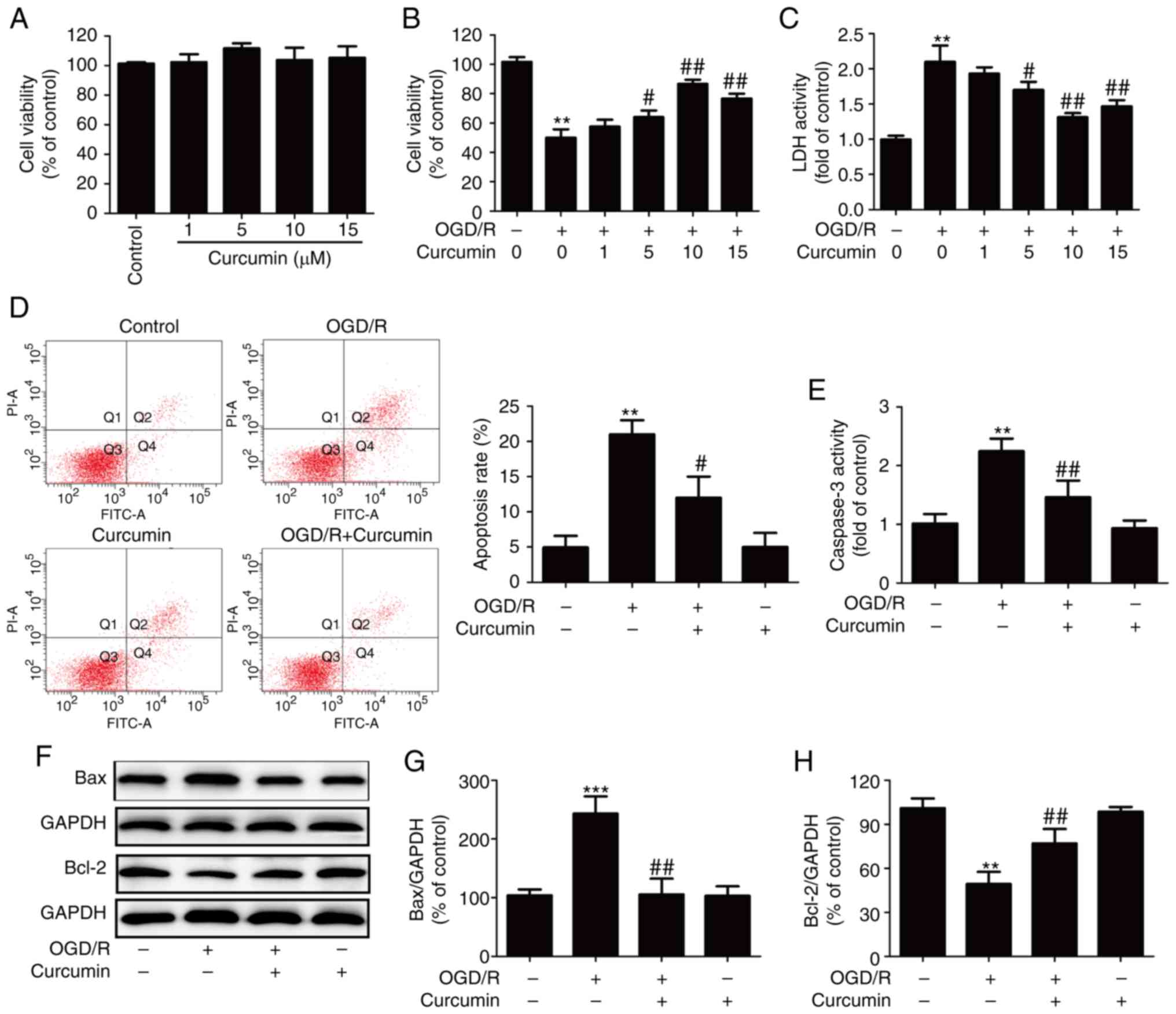
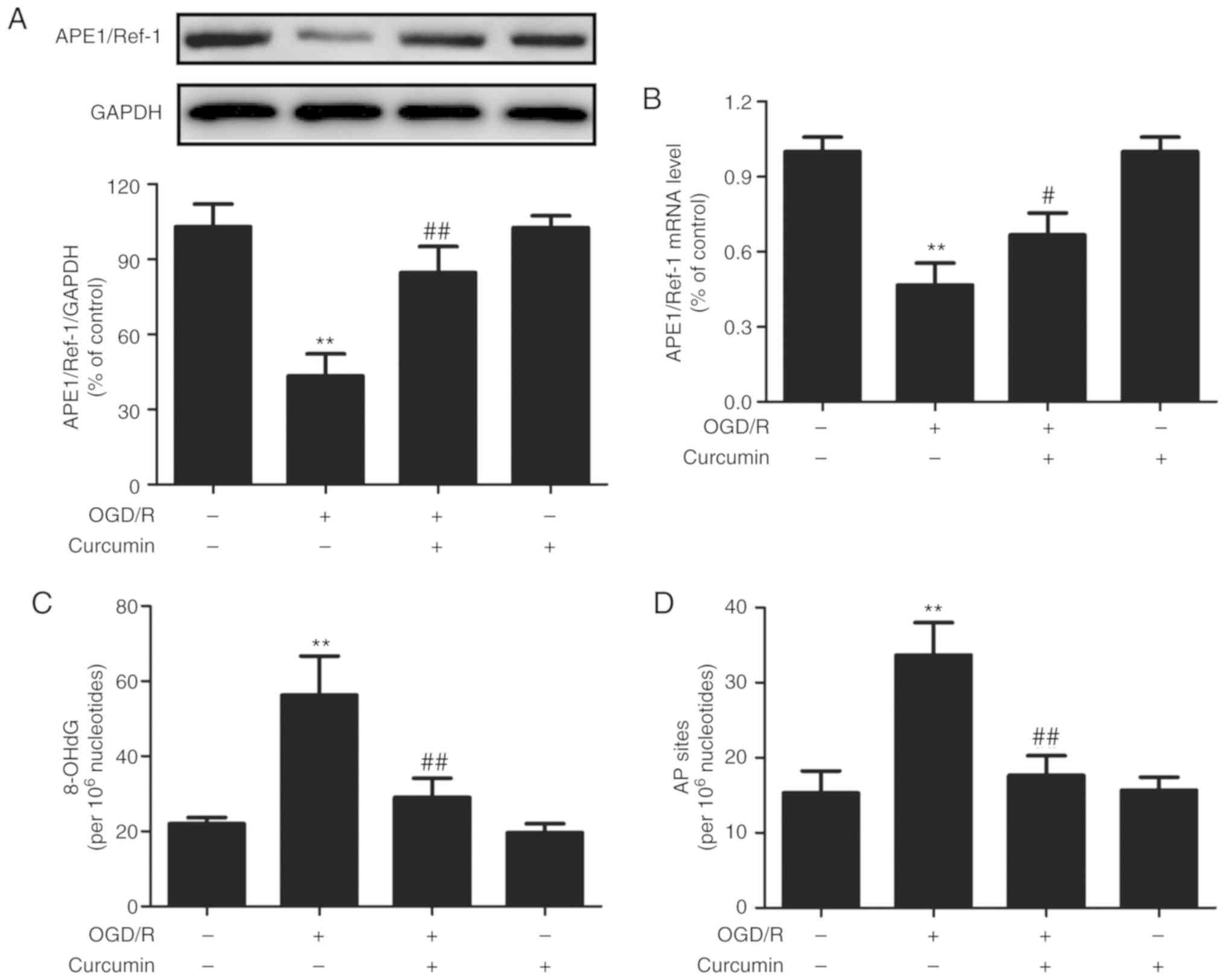
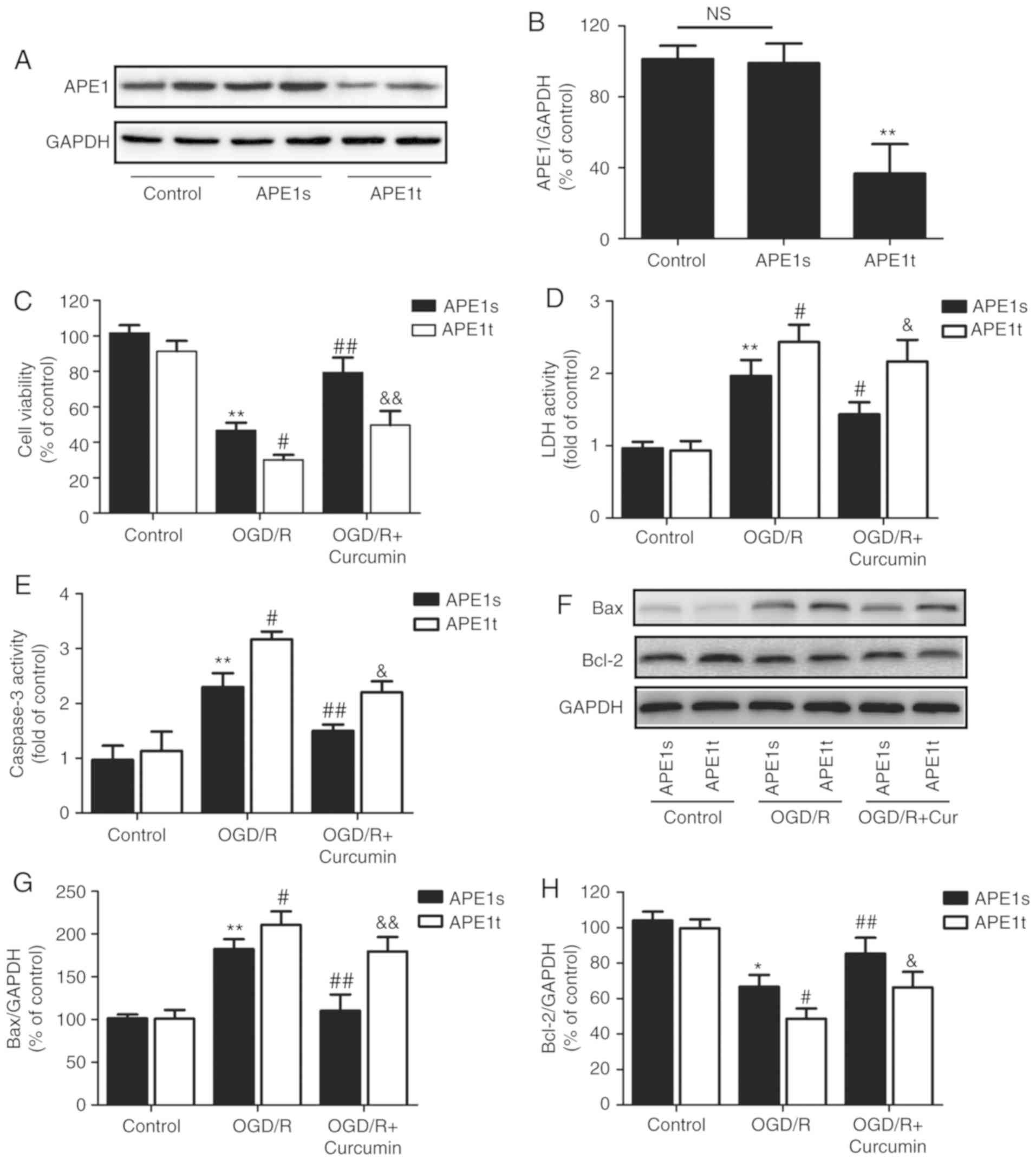
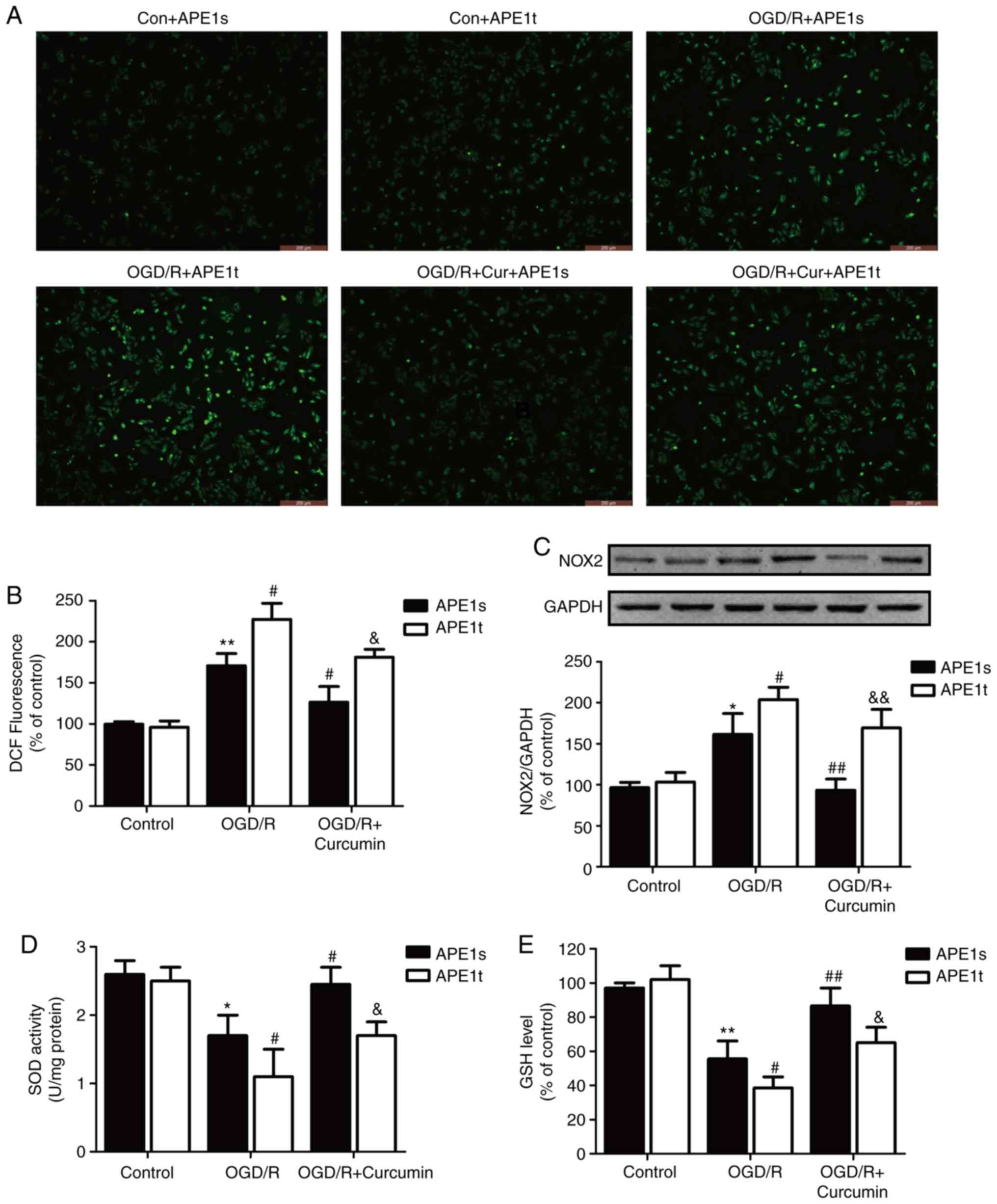
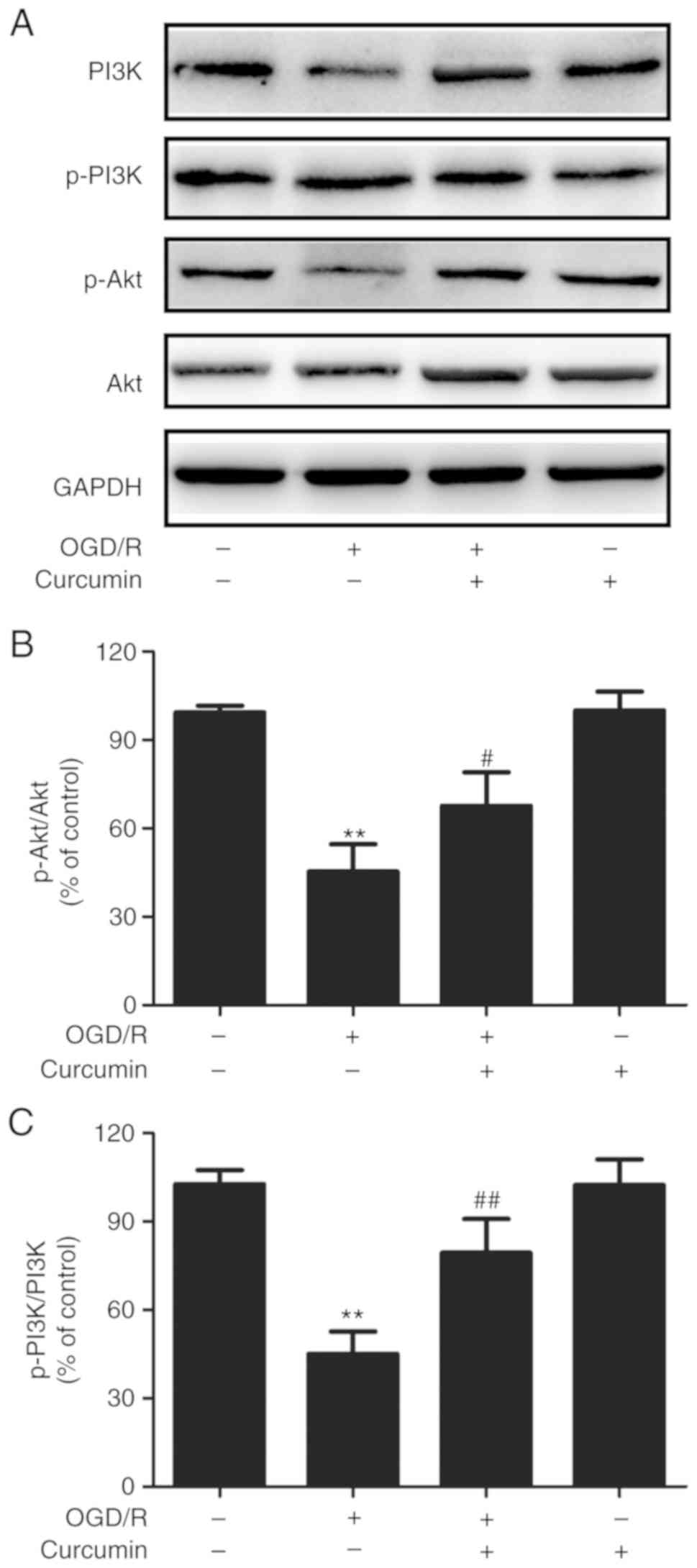
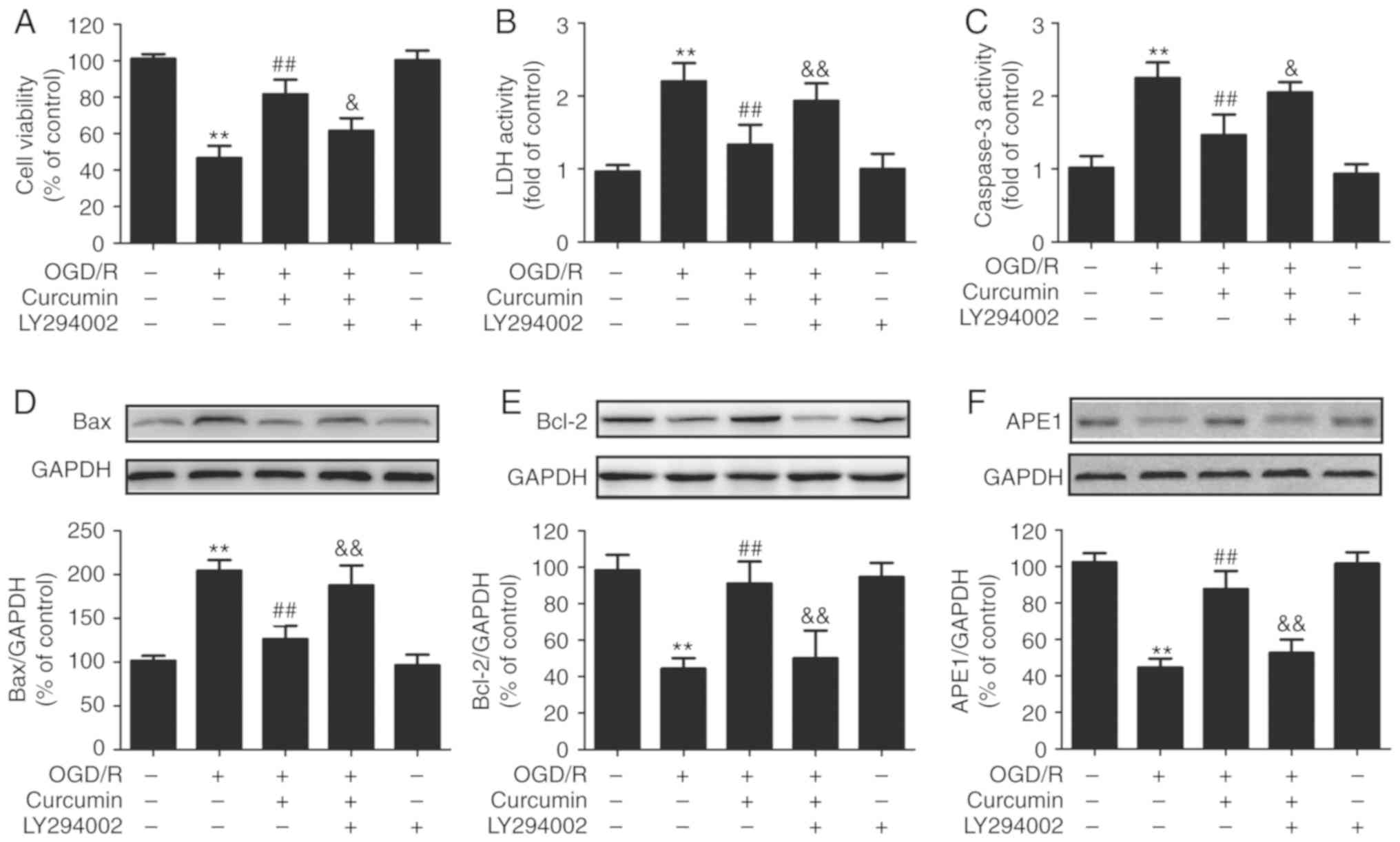
Curcumin, a polyphenolic compound extracted from the plant Curcuma longa, has been reported to exert neuroprotective effects against cerebral ischemia reperfusion (I/R) injury. However, the mechanisms underlying these effects remain to be fully elucidated. Emerging evidence indicated that apurinic/apyrimidinic endonuclease 1 (APE1), a multifunctional enzyme, participates in neuronal survival against I/R injury. Therefore, the aim of the present study was to investigate whether curcumin alleviates oxygen‑glucose deprivation/reperfusion (OGD/R)‑induced SH‑SY5Y cell injury, which serves as an in vitro model of cerebral I/R injury, by regulating APE1. The results revealed that curcumin increased cell viability, decreased LDH activity, reduced apoptosis and caspase‑3 activity, downregulated the pro‑apoptotic protein Bax expression and upregulated the anti‑apoptotic protein Bcl‑2 expression in SH‑SY5Y cells subjected to OGD/R. Simultaneously, curcumin eliminated the OGD/R‑induced decreases in APE1 protein and mRNA expression, as well as 8‑hydroxy‑2'‑deoxyguanosine (8‑OHdG) level and AP sites in SH‑SY5Y cells. However, APE1 knockdown by siRNA transfection markedly abrogated the protective effects of curcumin against OGD/R‑induced cytotoxicity, apoptosis and oxidative stress, as illustrated by the decreases in reactive oxygen species production and NADPH oxidase 2 expression, and the increase in superoxide dismutase activity and glutathione levels in SH‑SY5Y cells. Furthermore, curcumin mitigated the OGD/R‑induced activation of phosphatidylinositol 3‑kinase/protein kinase B (PI3K/AKT) signaling pathway. Treatment with LY294002, an inhibitor of PI3K/AKT pathway activity, attenuated the protective effects of curcumin on cytotoxicity and apoptosis, and reversed the curcumin‑induced upregulation of APE1 protein expression in SH‑SY5Y cells subjected to OGD/R. Taken together, these results demonstrated that curcumin protects SH‑SY5Y cells against OGD/R injury by inhibiting apoptosis and oxidative stress, and via enhancing the APE1 level and activity, promoting PI3K/AKT pathway activation.
View Figures

Figure 1

Figure 2

Figure 3

Figure 4

Figure 5

Figure 6

View References

1 

Hausenloy DJ and Yellon DM: Ischaemic conditioning and reperfusion injury. Nat Rev Cardiol. 13:193–209. 2016. View Article : Google Scholar : PubMed/NCBI

2 

Lee RHC, Lee MHH, Wu CYC, Couto E, Silva A, Possoit HE, Hsieh TH, Minagar A and Lin HW: Cerebral ischemia and neuroregeneration. Neural Regen Res. 13:373–385. 2018. View Article : Google Scholar : PubMed/NCBI

3 

Millar LJ, Shi L, Hoerder-Suabedissen A and Molnar Z: Neonatal hypoxia ischaemia: Mechanisms, models, and therapeutic challenges. Front Cell Neurosci. 11:782017. View Article : Google Scholar : PubMed/NCBI

4 

Sun MS, Jin H, Sun X, Huang S, Zhang FL, Guo ZN and Yang Y: Free radical damage in ischemia-reperfusion injury: An obstacle in acute ischemic stroke after revascularization therapy. Oxid Med Cell Longev. 2018:38049792018. View Article : Google Scholar : PubMed/NCBI

5 

Thornton C, Leaw B, Mallard C, Nair S, Jinnai M and Hagberg H: Cell death in the developing brain after hypoxia-ischemia. Front Cell Neurosci. 11:2482017. View Article : Google Scholar : PubMed/NCBI

6 

Leiva-Salinas C, Patrie JT, Xin W, Michel P, Jovin T and Wintermark M: Prediction of early arterial recanalization and tissue fate in the selection of patients with the greatest potential to benefit from intravenous tissue-type plasminogen activator. Stroke. 47:397–403. 2016. View Article : Google Scholar

7 

Rother J, Ford GA and Thijs VN: Thrombolytics in acute ischaemic stroke: Historical perspective and future opportunities. Cerebrovasc Dis. 35:313–319. 2013. View Article : Google Scholar : PubMed/NCBI

8 

Cheng CY and Lee YC: Anti-inflammatory effects of traditional chinese medicines against ischemic injury in in vivo models of cerebral ischemia. Evid Based Complement Alternat Med. 2016:57394342016. View Article : Google Scholar : PubMed/NCBI

9 

Feigin VL: Herbal medicine in stroke: Does it have a future? Stroke. 38:1734–1736. 2007. View Article : Google Scholar : PubMed/NCBI

10 

Ip FC, Zhao YM, Chan KW, Cheng EY, Tong EP, Chandrashekar O, Fu GM, Zhao ZZ and Ip NY: Neuroprotective effect of a novel Chinese herbal decoction on cultured neurons and cerebral ischemic rats. BMC Complement Altern Med. 16:4372016. View Article : Google Scholar : PubMed/NCBI

11 

Lestari ML and Indrayanto G: Curcumin. Profiles Drug Subst Excip Relat Methodol. 39:113–204. 2014. View Article : Google Scholar : PubMed/NCBI

12 

Maiti P and Dunbar GL: Use of curcumin, a natural polyphenol for targeting molecular pathways in treating age-related neurodegenerative diseases. Int J Mol Sci. 19:E16372018. View Article : Google Scholar : PubMed/NCBI

13 

Rahmani AH, Alsahli MA, Aly SM, Khan MA and Aldebasi YH: Role of curcumin in disease prevention and treatment. Adv Biomed Res. 7:382018. View Article : Google Scholar : PubMed/NCBI

14 

Lee WH, Loo CY, Bebawy M, Luk F, Mason RS and Rohanizadeh R: Curcumin and its derivatives: Their application in neuropharmacology and neuroscience in the 21st century. Curr Neuropharmacol. 11:338–378. 2013. View Article : Google Scholar :

15 

Wicha P, Tocharus J, Janyou A, Jittiwat J, Changtam C, Suksamrarn A and Tocharus C: Hexahydrocurcumin protects against cerebral ischemia/reperfusion injury, attenuates inflammation, and improves antioxidant defenses in a rat stroke model. PLoS One. 12:e01892112017. View Article : Google Scholar : PubMed/NCBI

16 

Wu JX, Zhang LY, Chen YL, Yu SS, Zhao Y and Zhao J: Curcumin pretreatment and post-treatment both improve the antioxidative ability of neurons with oxygen-glucose deprivation. Neural Regen Res. 10:481–489. 2015. View Article : Google Scholar : PubMed/NCBI

17 

Xanthoudakis S and Curran T: Identification and characterization of Ref-1, a nuclear protein that facilitates AP-1 DNA-binding activity. EMBO J. 11:653–665. 1992. View Article : Google Scholar : PubMed/NCBI

18 

Lan J, Li W, Zhang F, Sun FY, Nagayama T, O'Horo C and Chen J: Inducible repair of oxidative DNA lesions in the rat brain after transient focal ischemia and reperfusion. J Cereb Blood Flow Metab. 23:1324–1339. 2003. View Article : Google Scholar : PubMed/NCBI

19 

Leak RK, Li P, Zhang F, Sulaiman HH, Weng Z, Wang G, Stetler RA, Shi Y, Cao G, Gao Y and Chen J: Apurinic/apyrimidinic endonuclease 1 upregulation reduces oxidative DNA damage and protects hippocampal neurons from ischemic injury. Antioxid Redox Signal. 22:135–148. 2015. View Article : Google Scholar :

20 

Kim HW, Cho KJ, Lee BI, Kim HJ and Kim GW: Post-ischemic administration of peptide with apurinic/apyrimidinic endonu-clease activity inhibits induction of cell death after focal cerebral ischemia/reperfusion in mice. Neurosci Lett. 460:166–169. 2009. View Article : Google Scholar : PubMed/NCBI

21 

Kim HW, Cho KJ, Park SC, Kim HJ and Kim GW: The adenoviral vector-mediated increase in apurinic/apyrimidinic endonuclease inhibits the induction of neuronal cell death after transient ischemic stroke in mice. Brain Res. 1274:1–10. 2009. View Article : Google Scholar : PubMed/NCBI

22 

Jia JY, Tan ZG, Liu M and Jiang YG: Apurinic/apyrimidinic endonuclease 1 (APE1) contributes to resveratrol-induced neuroprotection against oxygen-glucose deprivation and re-oxygenation injury in HT22 cells: Involvement in reducing oxidative DNA damage. Mol Med Rep. 16:9786–9794. 2017. View Article : Google Scholar : PubMed/NCBI

23 

Stetler RA, Gao Y, Zukin RS, Vosler PS, Zhang L, Zhang F, Cao G, Bennett MV and Chen J: Apurinic/apyrimidinic endo-nuclease APE1 is required for PACAP-induced neuroprotection against global cerebral ischemia. Proc Natl Acad Sci USA. 107:3204–3209. 2010. View Article : Google Scholar

24 

Liu Y, Eaton ED, Wills TE, McCann SK, Antonic A and Howells DW: Human ischaemic cascade studies using SH-SY5Y cells: A systematic review and meta-analysis. Transl Stroke Res. 9:564–574. 2018. View Article : Google Scholar : PubMed/NCBI

25 

Liu Q, Jin Z, Xu Z, Yang H, Li L, Li G, Li F, Gu S, Zong S, Zhou J, et al: Antioxidant effects of ginkgolides and bilobalide against cerebral ischemia injury by activating the Akt/Nrf2 pathway in vitro and in vivo. Cell Stress Chaperones. 24:441–452. 2019. View Article : Google Scholar : PubMed/NCBI

26 

Livak KJ and Schmittgen TD: Analysis of Relative Gene Expression Data Using Real-Time Quantitative PCR and the 2(-Delta Delta C(T)) method. Methods. 25:402–408. 2001. View Article : Google Scholar

27 

Li M and Wilson DM III: Human apurinic/apyrimidinic endonuclease 1. Antioxid Redox Signal. 20:678–707. 2014. View Article : Google Scholar

28 

Thakur S, Sarkar B, Cholia RP, Gautam N, Dhiman M and Mantha AK: APE1/Ref-1 as an emerging therapeutic target for various human diseases: Phytochemical modulation of its functions. Exp Mol Med. 46:e1062014. View Article : Google Scholar : PubMed/NCBI

29 

Shioda N, Han F and Fukunaga K: Role of Akt and ERK signaling in the neurogenesis following brain ischemia. Int Rev Neurobiol. 85:375–387. 2009. View Article : Google Scholar : PubMed/NCBI

30 

Nagy Z and Nardai S: Cerebral ischemia/repefusion injury: From bench space to bedside. Brain Res Bull. 134:30–37. 2017. View Article : Google Scholar : PubMed/NCBI

31 

Zhou G, Li MH, Tudor G, Lu HT, Kadirvel R and Kallmes D: Remote ischemic conditioning in cerebral diseases and neuro-interventional procedures: Recent researchprogress. Front Neurol. 9:3392018. View Article : Google Scholar

32 

Kalani A, Kamat PK, Kalani K and Tyagi N: Epigenetic impact of curcumin on stroke prevention. Metab Brain Dis. 30:427–435. 2015. View Article : Google Scholar

33 

Kaur C and Ling EA: Blood brain barrier in hypoxic-ischemic conditions. Curr Neurovasc Res. 5:71–81. 2008. View Article : Google Scholar : PubMed/NCBI

34 

Marchiani A, Rozzo C, Fadda A, Delogu G and Ruzza P: Curcumin and curcumin-like molecules: From spice to drugs. Curr Med Chem. 21:204–222. 2014. View Article : Google Scholar

35 

Xie CJ, Gu AP, Cai J, Wu Y and Chen RC: Curcumin protects neural cells against ischemic injury in N2a cells and mouse brain with ischemic stroke. Brain Behav. 8:e009212018. View Article : Google Scholar : PubMed/NCBI

36 

Zhang Y, Fang M, Sun Y, Zhang T, Shi N, Li J, Jin L, Liu K and Fu J: Curcumin attenuates cerebral ischemia injury in Sprague-Dawley rats and PC12 cells by suppressing overactivated autophagy. J Photochem Photobiol B. 184:1–6. 2018. View Article : Google Scholar : PubMed/NCBI

37 

Li P, Stetler RA, Leak RK, Shi Y, Li Y, Yu W, Bennett MVL and Chen J: Oxidative stress and DNA damage after cerebral ischemia: Potential therapeutic targets to repair the genome and improve stroke recovery. Neuropharmacology. 134:208–217. 2018. View Article : Google Scholar

38 

Zhao M, Zhu P, Fujino M, Zhuang J, Guo H, Sheikh I, Zhao L and Li XK: Oxidative stress in hypoxic-ischemic encephalopathy: Molecular mechanisms and therapeutic strategies. Int J Mol Sci. 17:E20782016. View Article : Google Scholar : PubMed/NCBI

39 

Bavarsad K, Barreto GE, Hadjzadeh MA and Sahebkar A: Protective effects of curcumin against ischemia-reperfusion injury in the nervous system. Mol Neurobiol. 56:1391–1404. 2019. View Article : Google Scholar

40 

Chen H, Yoshioka H, Kim GS, Jung JE, Okami N, Sakata H, Maier CM, Narasimhan P, Goeders CE and Chan PH: Oxidative stress in ischemic brain damage: Mechanisms of cell death and potential molecular targets for neuroprotection. Antioxid Redox Signal. 14:1505–1517. 2011. View Article : Google Scholar

41 

Li P, Hu X, Gan Y, Gao Y, Liang W and Chen J: Mechanistic insight into DNA damage and repair in ischemic stroke: Exploiting the base excision repair pathway as a model of neuro-protection. Antioxid Redox Signal. 14:1905–1918. 2011. View Article : Google Scholar

42 

Li H, Zhong C, Wang Q, Chen W and Yuan Y: Curcumin is an APE1 redox inhibitor and exhibits an antiviral activity against KSHV replication and pathogenesis. Antiviral Res. 167:98–103. 2019. View Article : Google Scholar : PubMed/NCBI

43 

Sarkar B, Dhiman M, Mittal S and Mantha AK: Curcumin revitalizes Amyloid beta (25-35)-induced and organophosphate pesticides pestered neurotoxicity in SH-SY5Y and IMR-32 cells via activation of APE1 and Nrf2. Metab Brain Dis. 32:2045–2061. 2017. View Article : Google Scholar : PubMed/NCBI

44 

Zaky A, Mahmoud M, Awad D, El Sabaa BM, Kandeel KM and Bassiouny AR: Valproic acid potentiates curcumin-mediated neuroprotection in lipopolysaccharide induced rats. Front Cell Neurosci. 8:3372014. View Article : Google Scholar : PubMed/NCBI

45 

Chen SD, Yang DI, Lin TK, Shaw FZ, Liou CW and Chuang YC: Roles of oxidative stress, apoptosis, PGC-1α and mitochondrial biogenesis in cerebral ischemia. Int J Mol Sci. 12:7199–7215. 2011. View Article : Google Scholar

46 

Zhao J, Yu S, Zheng W, Feng G, Luo G, Wang L and Zhao Y: Curcumin improves outcomes and attenuates focal cerebral ischemic injury via antiapoptotic mechanisms in rats. Neurochem Res. 35:374–379. 2010. View Article : Google Scholar

47 

Wang Q, Sun AY, Simonyi A, Jensen MD, Shelat PB, Rottinghaus GE, MacDonald RS, Miller DK, Lubahn DE, Weisman GA and Sun GY: Neuroprotective mechanisms of curcumin against cerebral ischemia-induced neuronal apoptosis and behavioral deficits. J Neurosci Res. 82:138–148. 2005. View Article : Google Scholar : PubMed/NCBI

48 

Lee YR, Kim KM, Jeon BH and Choi S: Extracellularly secreted APE1/Ref-1 triggers apoptosis in triple-negative breast cancer cells via RAGE binding, which is mediated through acetylation. Oncotarget. 6:23383–23398. 2015.PubMed/NCBI

49 

Muller UR, Dudler T, Schneider T, Crameri R, Fischer H, Skrbic D, Maibach R, Blaser K and Suter M: Type I skin reactivity to native and recombinant phospholipase A2 from honeybee venom is similar. J Allergy Clin Immunol. 96:395–402. 1995. View Article : Google Scholar : PubMed/NCBI

50 

Tell G, Quadrifoglio F, Tiribelli C and Kelley MR: The many functions of APE1/Ref-1: Not only a DNA repair enzyme. Antioxid Redox Signal. 11:601–620. 2009. View Article : Google Scholar

51 

Shan JL, He HT, Li MX, Zhu JW, Cheng Y, Hu N, Wang G, Wang D, Yang XQ, He Y, et al: APE1 promotes antioxidant capacity by regulating Nrf-2 function through a redox-dependent mechanism. Free Radic Biol Med. 78:11–22. 2015. View Article : Google Scholar

52 

Xie J, Zhang L, Li M, Du J, Zhou L, Yang S, Zeng L, Li Z, Wang G and Wang D: Functional analysis of the involvement of apurinic/apyrimidinic endonuclease 1 in the resistance to melphalan in multiple myeloma. BMC Cancer. 14:112014. View Article : Google Scholar : PubMed/NCBI

53 

Fan YY, Hu WW, Nan F and Chen Z: Postconditioning-induced neuroprotection, mechanisms and applications in cerebral ischemia. Neurochem Int. 107:43–56. 2017. View Article : Google Scholar : PubMed/NCBI

54 

Matsuda S, Nakagawa Y, Tsuji A, Kitagishi Y, Nakanishi A and Murai T: Implications of PI3K/AKT/PTEN signaling on superoxide dismutases expression and in the pathogenesis of Alzheimer's disease. Diseases. 6:E282018. View Article : Google Scholar : PubMed/NCBI

55 

Davis SM and Pennypacker KR: Targeting antioxidant enzyme expression as a therapeutic strategy for ischemic stroke. Neurochem Int. 107:23–32. 2017. View Article : Google Scholar : PubMed/NCBI

56 

Sang Q, Sun D, Chen Z and Zhao W: NGF and PI3K/Akt signaling participate in the ventral motor neuronal protection of curcumin in sciatic nerve injury rat models. Biomed Pharmacother. 103:1146–1153. 2018. View Article : Google Scholar : PubMed/NCBI

57 

Srivastava P, Dhuriya YK, Kumar V, Srivastava A, Gupta R, Shukla RK, Yadav RS, Dwivedi HN, Pant AB and Khanna VK: PI3K/Akt/GSK3beta induced CREB activation ameliorates arsenic mediated alterations in NMDA receptors and associated signaling in rat hippocampus: Neuroprotective role of curcumin. Neurotoxicology. 67:190–205. 2018. View Article : Google Scholar : PubMed/NCBI

58 

Zhong W, Qian K, Xiong J, Ma K, Wang A and Zou Y: Curcumin alleviates lipopolysaccharide induced sepsis and liver failure by suppression of oxidative stress-related inflammation via PI3K/AKT and NF-KB related signaling. Biomed Pharmacother. 83:302–313. 2016. View Article : Google Scholar : PubMed/NCBI

Related Articles

  • Abstract
  • View
  • Download
  • Twitter
Copy and paste a formatted citation
Spandidos Publications style
Wu L, Jiang C, Kang Y, Dai Y, Fang W and Huang P: Curcumin exerts protective effects against hypoxia‑reoxygenation injury via the enhancement of apurinic/apyrimidinic endonuclease 1 in SH‑SY5Y cells: Involvement of the PI3K/AKT pathway. Int J Mol Med 45: 993-1004, 2020.
APA
Wu, L., Jiang, C., Kang, Y., Dai, Y., Fang, W., & Huang, P. (2020). Curcumin exerts protective effects against hypoxia‑reoxygenation injury via the enhancement of apurinic/apyrimidinic endonuclease 1 in SH‑SY5Y cells: Involvement of the PI3K/AKT pathway. International Journal of Molecular Medicine, 45, 993-1004. https://doi.org/10.3892/ijmm.2020.4483
MLA
Wu, L., Jiang, C., Kang, Y., Dai, Y., Fang, W., Huang, P."Curcumin exerts protective effects against hypoxia‑reoxygenation injury via the enhancement of apurinic/apyrimidinic endonuclease 1 in SH‑SY5Y cells: Involvement of the PI3K/AKT pathway". International Journal of Molecular Medicine 45.4 (2020): 993-1004.
Chicago
Wu, L., Jiang, C., Kang, Y., Dai, Y., Fang, W., Huang, P."Curcumin exerts protective effects against hypoxia‑reoxygenation injury via the enhancement of apurinic/apyrimidinic endonuclease 1 in SH‑SY5Y cells: Involvement of the PI3K/AKT pathway". International Journal of Molecular Medicine 45, no. 4 (2020): 993-1004. https://doi.org/10.3892/ijmm.2020.4483
Copy and paste a formatted citation
x
Spandidos Publications style
Wu L, Jiang C, Kang Y, Dai Y, Fang W and Huang P: Curcumin exerts protective effects against hypoxia‑reoxygenation injury via the enhancement of apurinic/apyrimidinic endonuclease 1 in SH‑SY5Y cells: Involvement of the PI3K/AKT pathway. Int J Mol Med 45: 993-1004, 2020.
APA
Wu, L., Jiang, C., Kang, Y., Dai, Y., Fang, W., & Huang, P. (2020). Curcumin exerts protective effects against hypoxia‑reoxygenation injury via the enhancement of apurinic/apyrimidinic endonuclease 1 in SH‑SY5Y cells: Involvement of the PI3K/AKT pathway. International Journal of Molecular Medicine, 45, 993-1004. https://doi.org/10.3892/ijmm.2020.4483
MLA
Wu, L., Jiang, C., Kang, Y., Dai, Y., Fang, W., Huang, P."Curcumin exerts protective effects against hypoxia‑reoxygenation injury via the enhancement of apurinic/apyrimidinic endonuclease 1 in SH‑SY5Y cells: Involvement of the PI3K/AKT pathway". International Journal of Molecular Medicine 45.4 (2020): 993-1004.
Chicago
Wu, L., Jiang, C., Kang, Y., Dai, Y., Fang, W., Huang, P."Curcumin exerts protective effects against hypoxia‑reoxygenation injury via the enhancement of apurinic/apyrimidinic endonuclease 1 in SH‑SY5Y cells: Involvement of the PI3K/AKT pathway". International Journal of Molecular Medicine 45, no. 4 (2020): 993-1004. https://doi.org/10.3892/ijmm.2020.4483
Follow us
  • Twitter
  • LinkedIn
  • Facebook
About
  • Spandidos Publications
  • Careers
  • Cookie Policy
  • Privacy Policy
How can we help?
  • Help
  • Live Chat
  • Contact
  • Email to our Support Team