Spandidos Publications Logo
  • About
    • About Spandidos
    • Aims and Scopes
    • Abstracting and Indexing
    • Editorial Policies
    • Reprints and Permissions
    • Job Opportunities
    • Terms and Conditions
    • Contact
  • Journals
    • All Journals
    • Oncology Letters
      • Oncology Letters
      • Information for Authors
      • Editorial Policies
      • Editorial Board
      • Aims and Scope
      • Abstracting and Indexing
      • Bibliographic Information
      • Archive
    • International Journal of Oncology
      • International Journal of Oncology
      • Information for Authors
      • Editorial Policies
      • Editorial Board
      • Aims and Scope
      • Abstracting and Indexing
      • Bibliographic Information
      • Archive
    • Molecular and Clinical Oncology
      • Molecular and Clinical Oncology
      • Information for Authors
      • Editorial Policies
      • Editorial Board
      • Aims and Scope
      • Abstracting and Indexing
      • Bibliographic Information
      • Archive
    • Experimental and Therapeutic Medicine
      • Experimental and Therapeutic Medicine
      • Information for Authors
      • Editorial Policies
      • Editorial Board
      • Aims and Scope
      • Abstracting and Indexing
      • Bibliographic Information
      • Archive
    • International Journal of Molecular Medicine
      • International Journal of Molecular Medicine
      • Information for Authors
      • Editorial Policies
      • Editorial Board
      • Aims and Scope
      • Abstracting and Indexing
      • Bibliographic Information
      • Archive
    • Biomedical Reports
      • Biomedical Reports
      • Information for Authors
      • Editorial Policies
      • Editorial Board
      • Aims and Scope
      • Abstracting and Indexing
      • Bibliographic Information
      • Archive
    • Oncology Reports
      • Oncology Reports
      • Information for Authors
      • Editorial Policies
      • Editorial Board
      • Aims and Scope
      • Abstracting and Indexing
      • Bibliographic Information
      • Archive
    • Molecular Medicine Reports
      • Molecular Medicine Reports
      • Information for Authors
      • Editorial Policies
      • Editorial Board
      • Aims and Scope
      • Abstracting and Indexing
      • Bibliographic Information
      • Archive
    • World Academy of Sciences Journal
      • World Academy of Sciences Journal
      • Information for Authors
      • Editorial Policies
      • Editorial Board
      • Aims and Scope
      • Abstracting and Indexing
      • Bibliographic Information
      • Archive
    • International Journal of Functional Nutrition
      • International Journal of Functional Nutrition
      • Information for Authors
      • Editorial Policies
      • Editorial Board
      • Aims and Scope
      • Abstracting and Indexing
      • Bibliographic Information
      • Archive
    • International Journal of Epigenetics
      • International Journal of Epigenetics
      • Information for Authors
      • Editorial Policies
      • Editorial Board
      • Aims and Scope
      • Abstracting and Indexing
      • Bibliographic Information
      • Archive
    • Medicine International
      • Medicine International
      • Information for Authors
      • Editorial Policies
      • Editorial Board
      • Aims and Scope
      • Abstracting and Indexing
      • Bibliographic Information
      • Archive
  • Articles
  • Information
    • Information for Authors
    • Information for Reviewers
    • Information for Librarians
    • Information for Advertisers
    • Conferences
  • Language Editing
Spandidos Publications Logo
  • About
    • About Spandidos
    • Aims and Scopes
    • Abstracting and Indexing
    • Editorial Policies
    • Reprints and Permissions
    • Job Opportunities
    • Terms and Conditions
    • Contact
  • Journals
    • All Journals
    • Biomedical Reports
      • Information for Authors
      • Editorial Policies
      • Editorial Board
      • Aims and Scope
      • Abstracting and Indexing
      • Bibliographic Information
      • Archive
    • Experimental and Therapeutic Medicine
      • Information for Authors
      • Editorial Policies
      • Editorial Board
      • Aims and Scope
      • Abstracting and Indexing
      • Bibliographic Information
      • Archive
    • International Journal of Epigenetics
      • Information for Authors
      • Editorial Policies
      • Editorial Board
      • Aims and Scope
      • Abstracting and Indexing
      • Bibliographic Information
      • Archive
    • International Journal of Functional Nutrition
      • Information for Authors
      • Editorial Policies
      • Editorial Board
      • Aims and Scope
      • Abstracting and Indexing
      • Bibliographic Information
      • Archive
    • International Journal of Molecular Medicine
      • Information for Authors
      • Editorial Policies
      • Editorial Board
      • Aims and Scope
      • Abstracting and Indexing
      • Bibliographic Information
      • Archive
    • International Journal of Oncology
      • Information for Authors
      • Editorial Policies
      • Editorial Board
      • Aims and Scope
      • Abstracting and Indexing
      • Bibliographic Information
      • Archive
    • Medicine International
      • Information for Authors
      • Editorial Policies
      • Editorial Board
      • Aims and Scope
      • Abstracting and Indexing
      • Bibliographic Information
      • Archive
    • Molecular and Clinical Oncology
      • Information for Authors
      • Editorial Policies
      • Editorial Board
      • Aims and Scope
      • Abstracting and Indexing
      • Bibliographic Information
      • Archive
    • Molecular Medicine Reports
      • Information for Authors
      • Editorial Policies
      • Editorial Board
      • Aims and Scope
      • Abstracting and Indexing
      • Bibliographic Information
      • Archive
    • Oncology Letters
      • Information for Authors
      • Editorial Policies
      • Editorial Board
      • Aims and Scope
      • Abstracting and Indexing
      • Bibliographic Information
      • Archive
    • Oncology Reports
      • Information for Authors
      • Editorial Policies
      • Editorial Board
      • Aims and Scope
      • Abstracting and Indexing
      • Bibliographic Information
      • Archive
    • World Academy of Sciences Journal
      • Information for Authors
      • Editorial Policies
      • Editorial Board
      • Aims and Scope
      • Abstracting and Indexing
      • Bibliographic Information
      • Archive
  • Articles
  • Information
    • For Authors
    • For Reviewers
    • For Librarians
    • For Advertisers
    • Conferences
  • Language Editing
Login Register Submit
  • This site uses cookies
  • You can change your cookie settings at any time by following the instructions in our Cookie Policy. To find out more, you may read our Privacy Policy.

    I agree
Search articles by DOI, keyword, author or affiliation
Search
Advanced Search
presentation
International Journal of Oncology
Join Editorial Board Propose a Special Issue
Print ISSN: 1019-6439 Online ISSN: 1791-2423
Journal Cover
March 2013 Volume 42 Issue 3

Full Size Image

Cover Legend PDF

Sign up for eToc alerts
Recommend to Library

Journals

International Journal of Molecular Medicine

International Journal of Molecular Medicine

International Journal of Molecular Medicine is an international journal devoted to molecular mechanisms of human disease.

International Journal of Oncology

International Journal of Oncology

International Journal of Oncology is an international journal devoted to oncology research and cancer treatment.

Molecular Medicine Reports

Molecular Medicine Reports

Covers molecular medicine topics such as pharmacology, pathology, genetics, neuroscience, infectious diseases, molecular cardiology, and molecular surgery.

Oncology Reports

Oncology Reports

Oncology Reports is an international journal devoted to fundamental and applied research in Oncology.

Experimental and Therapeutic Medicine

Experimental and Therapeutic Medicine

Experimental and Therapeutic Medicine is an international journal devoted to laboratory and clinical medicine.

Oncology Letters

Oncology Letters

Oncology Letters is an international journal devoted to Experimental and Clinical Oncology.

Biomedical Reports

Biomedical Reports

Explores a wide range of biological and medical fields, including pharmacology, genetics, microbiology, neuroscience, and molecular cardiology.

Molecular and Clinical Oncology

Molecular and Clinical Oncology

International journal addressing all aspects of oncology research, from tumorigenesis and oncogenes to chemotherapy and metastasis.

World Academy of Sciences Journal

World Academy of Sciences Journal

Multidisciplinary open-access journal spanning biochemistry, genetics, neuroscience, environmental health, and synthetic biology.

International Journal of Functional Nutrition

International Journal of Functional Nutrition

Open-access journal combining biochemistry, pharmacology, immunology, and genetics to advance health through functional nutrition.

International Journal of Epigenetics

International Journal of Epigenetics

Publishes open-access research on using epigenetics to advance understanding and treatment of human disease.

Medicine International

Medicine International

An International Open Access Journal Devoted to General Medicine.

Journal Cover
March 2013 Volume 42 Issue 3

Full Size Image

Cover Legend PDF

Sign up for eToc alerts
Recommend to Library

  • Article
  • Citations
    • Cite This Article
    • Download Citation
    • Create Citation Alert
    • Remove Citation Alert
    • Cited By
  • Similar Articles
    • Related Articles (in Spandidos Publications)
    • Similar Articles (Google Scholar)
    • Similar Articles (PubMed)
  • Download PDF
  • Download XML
  • View XML
Article

Prostaglandin E2 promotes liver cancer cell growth by the upregulation of FUSE-binding protein 1 expression

  • Authors:
    • Juan Ma
    • Meng Chen
    • Shu-Kai Xia
    • Wei Shu
    • Yan Guo
    • Yao-Hui Wang
    • Yan Xu
    • Xiao-Ming Bai
    • Li Zhang
    • Hai Zhang
    • Min Zhang
    • Yi-Pin Wang
    • Jing Leng
  • View Affiliations / Copyright

    Affiliations: Cancer Center, Department of Pathology, Nanjing Medical University, Nanjing 210029, P.R. China, Stomatology Research Institute, Affiliated Stomatological Hospital, Nanjing Medical University, Nanjing 210029, P.R. China, Institute of Pediatrics of the Fourth Clinical College, Nanjing Medical University, Nanjing 210029, P.R. China, Department of Pathology, TCM Hospital of Jiangsu Province, Nanjing 210029, P.R. China
  • Pages: 1093-1104
    |
    Published online on: January 18, 2013
       https://doi.org/10.3892/ijo.2013.1782
  • Expand metrics +
Metrics: Total Views: 0 (Spandidos Publications: | PMC Statistics: )
Metrics: Total PDF Downloads: 0 (Spandidos Publications: | PMC Statistics: )
Cited By (CrossRef): 0 citations Loading Articles...

This article is mentioned in:


Abstract

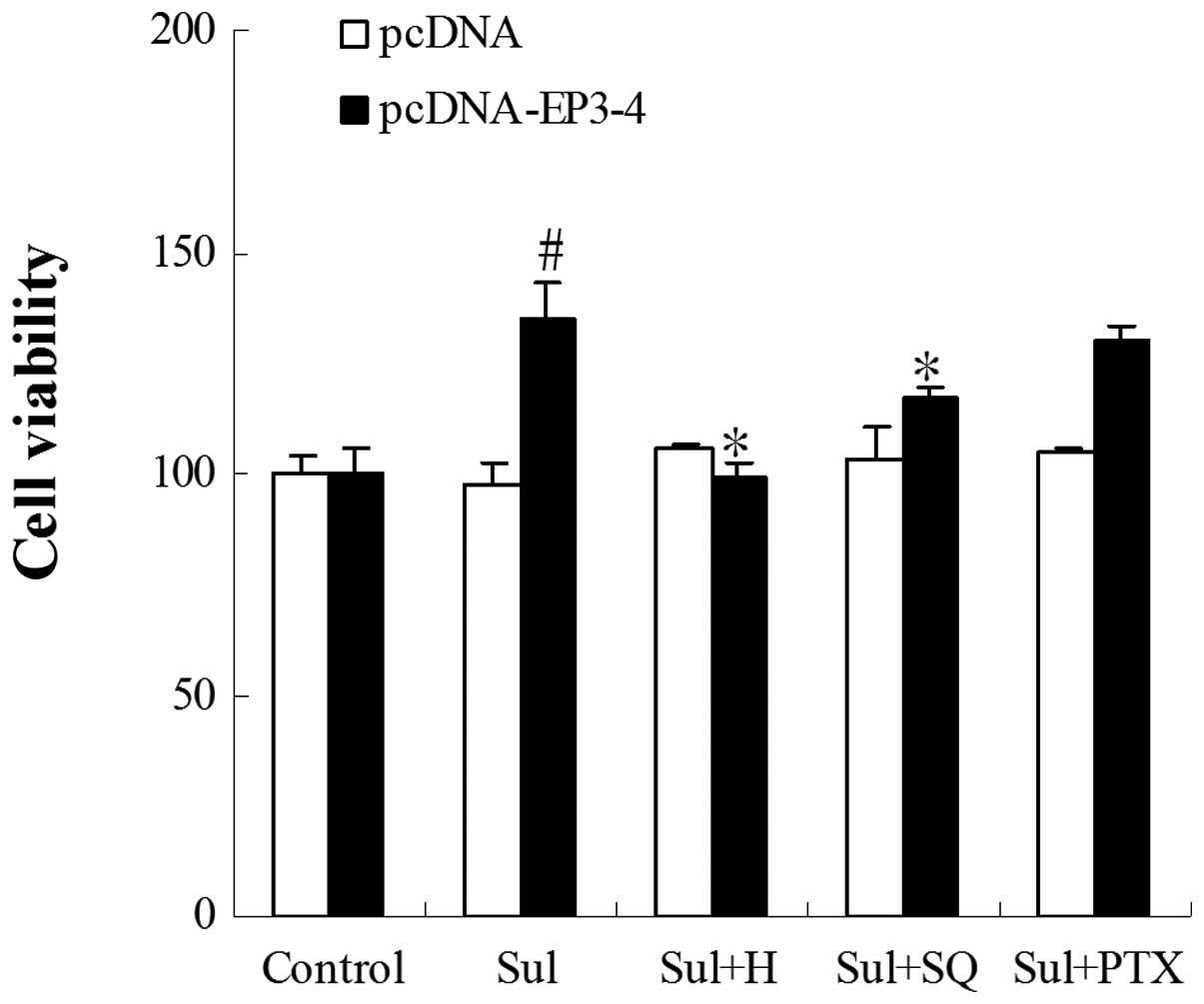
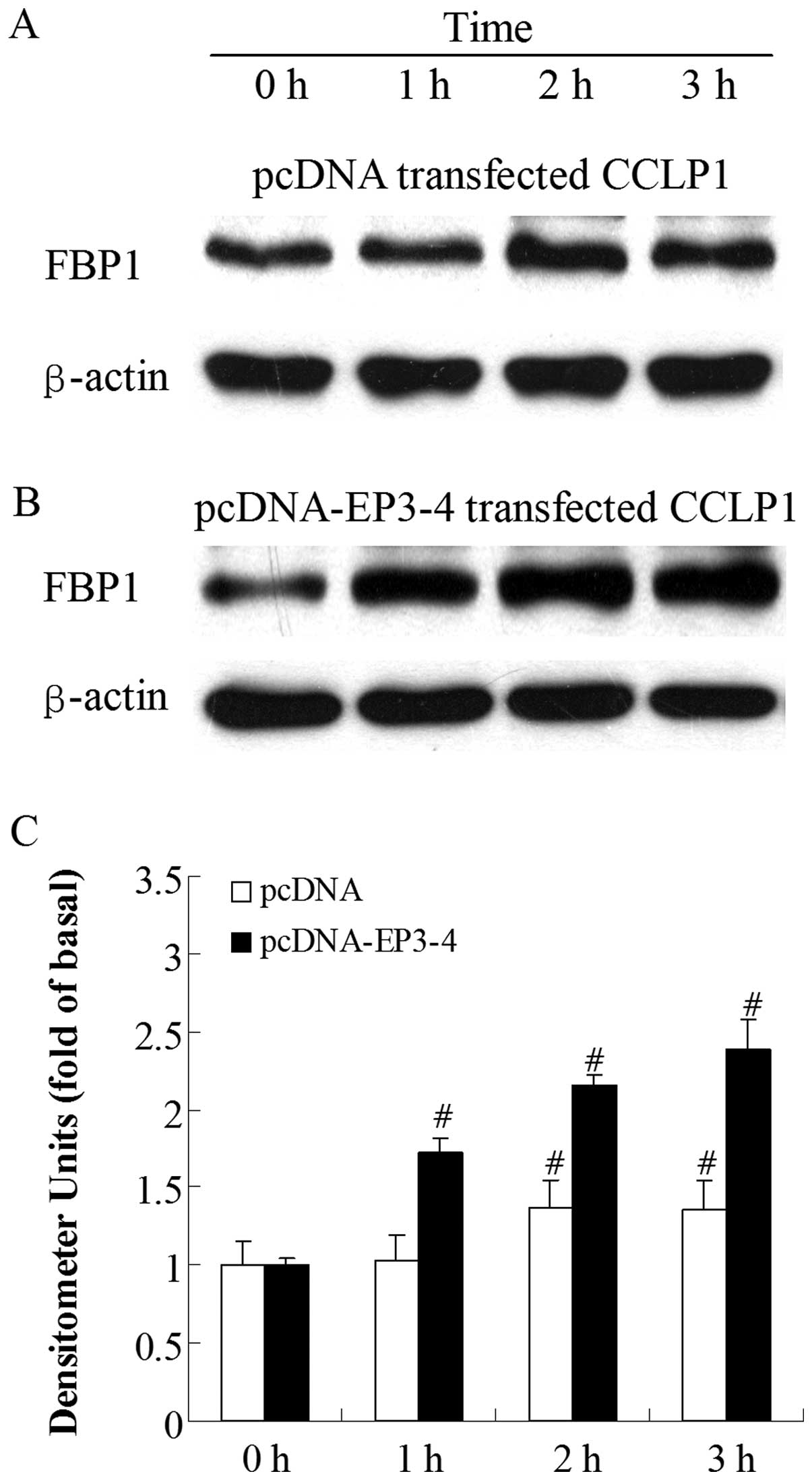
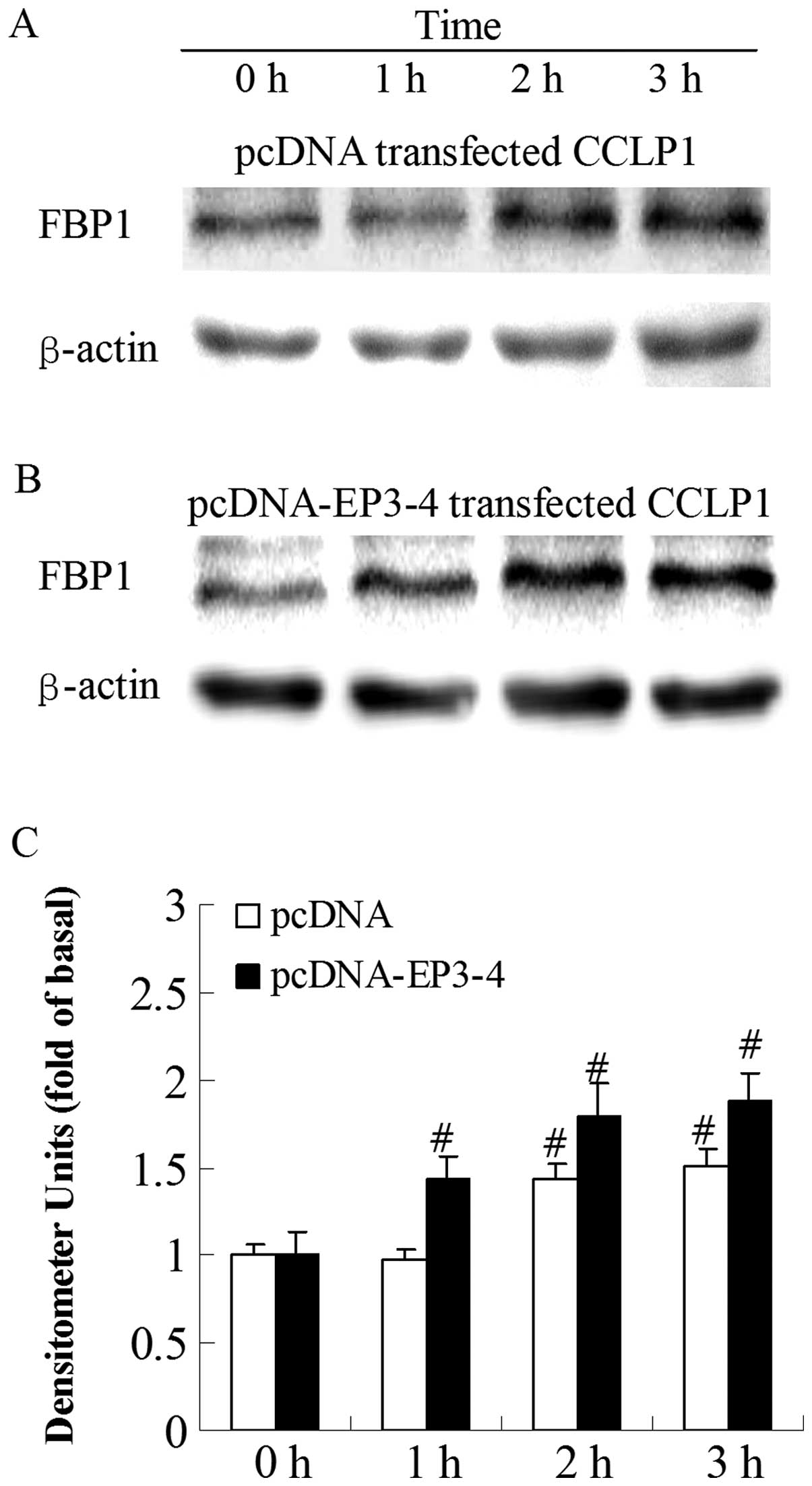
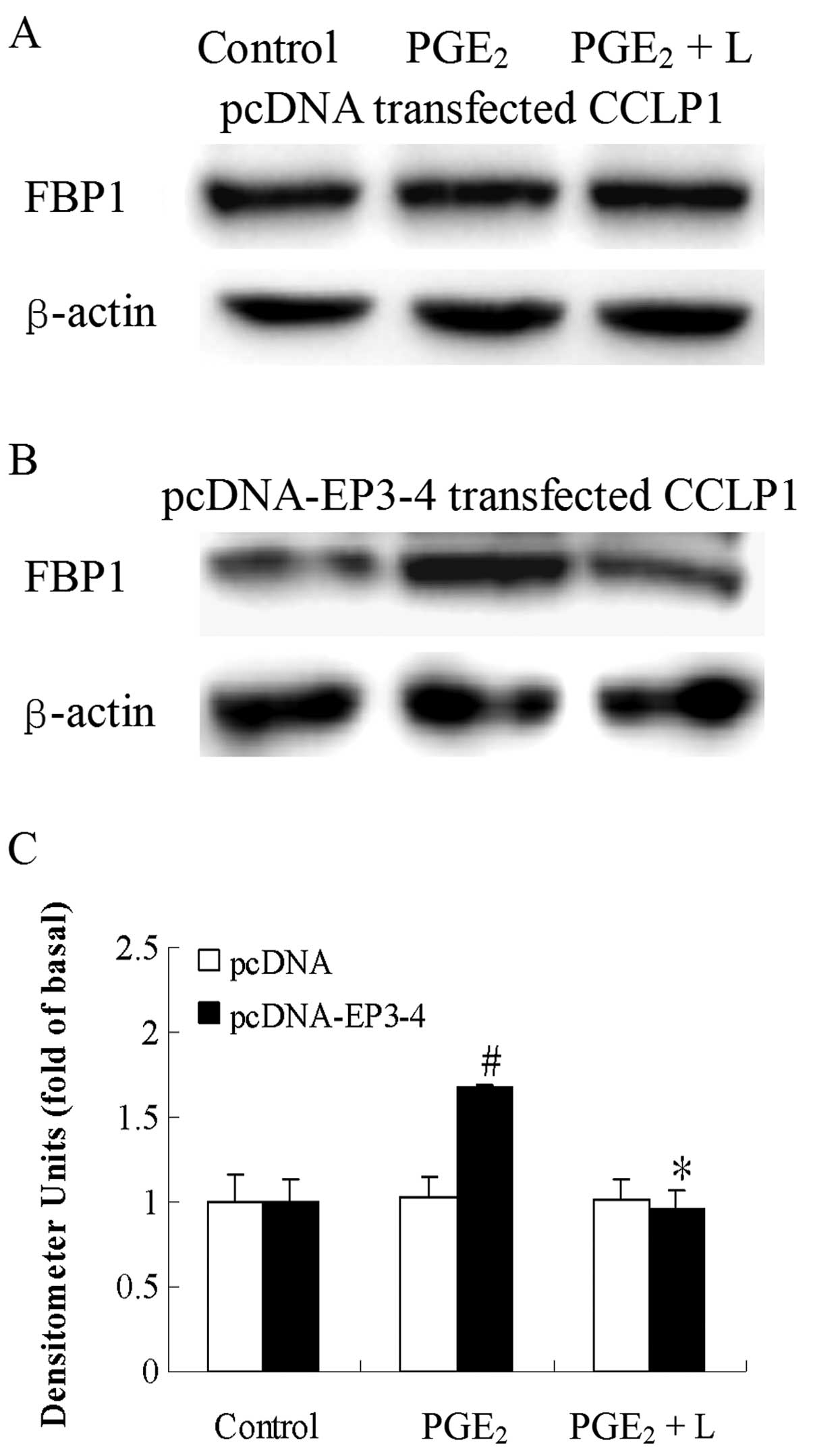
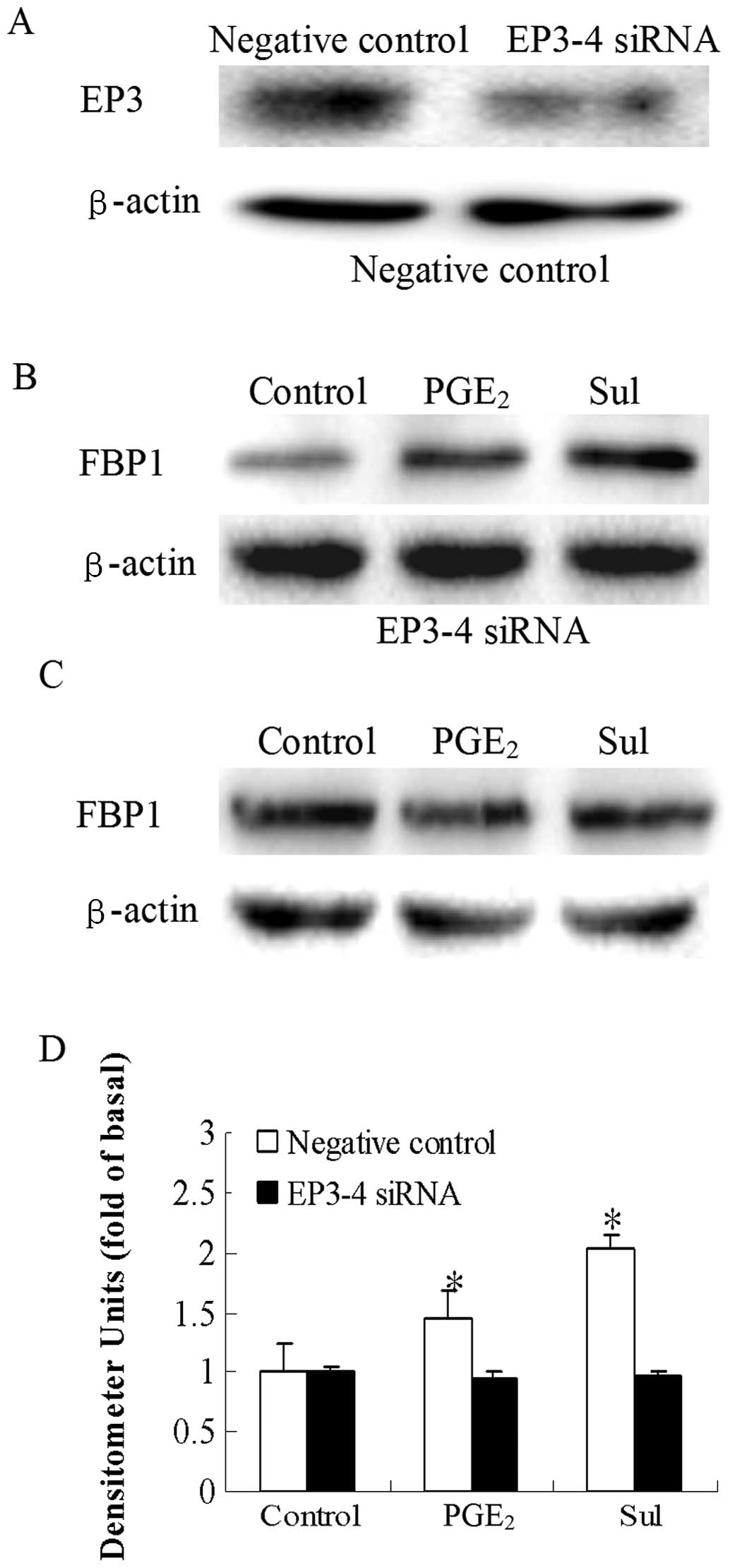
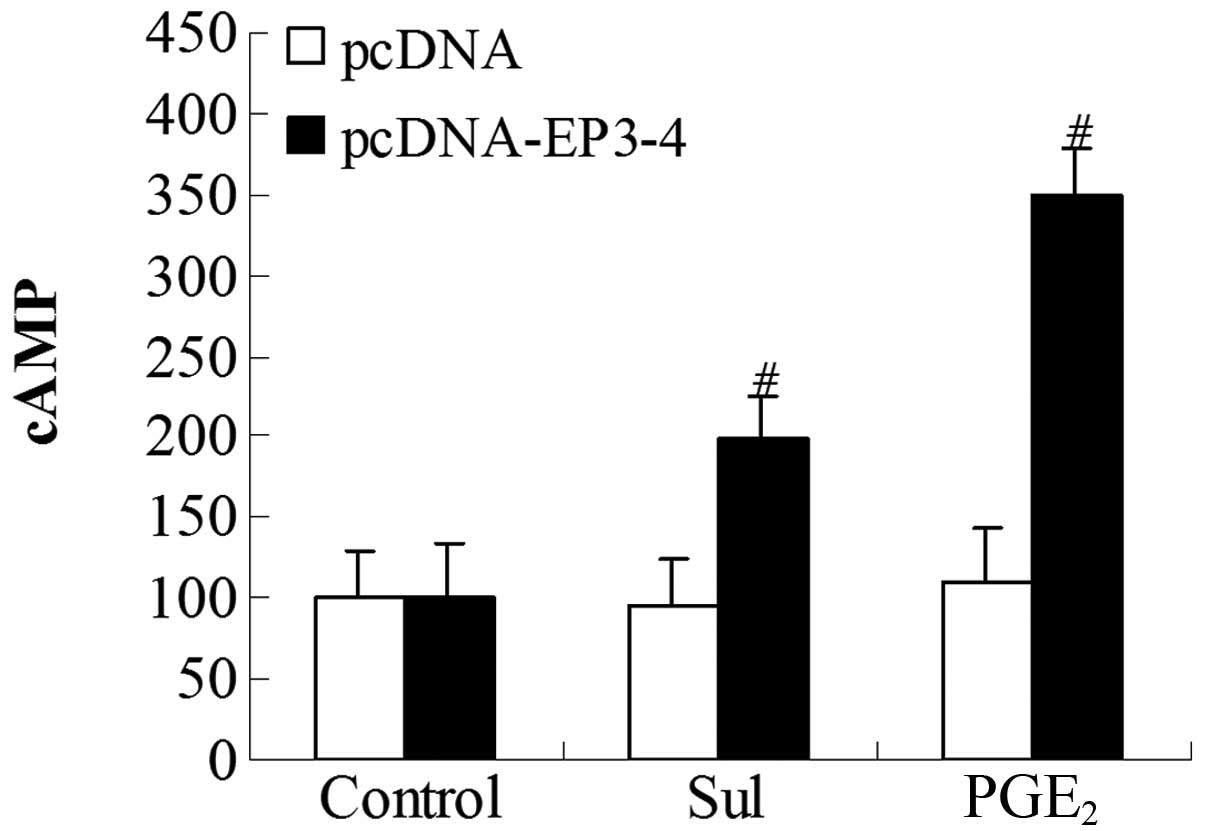
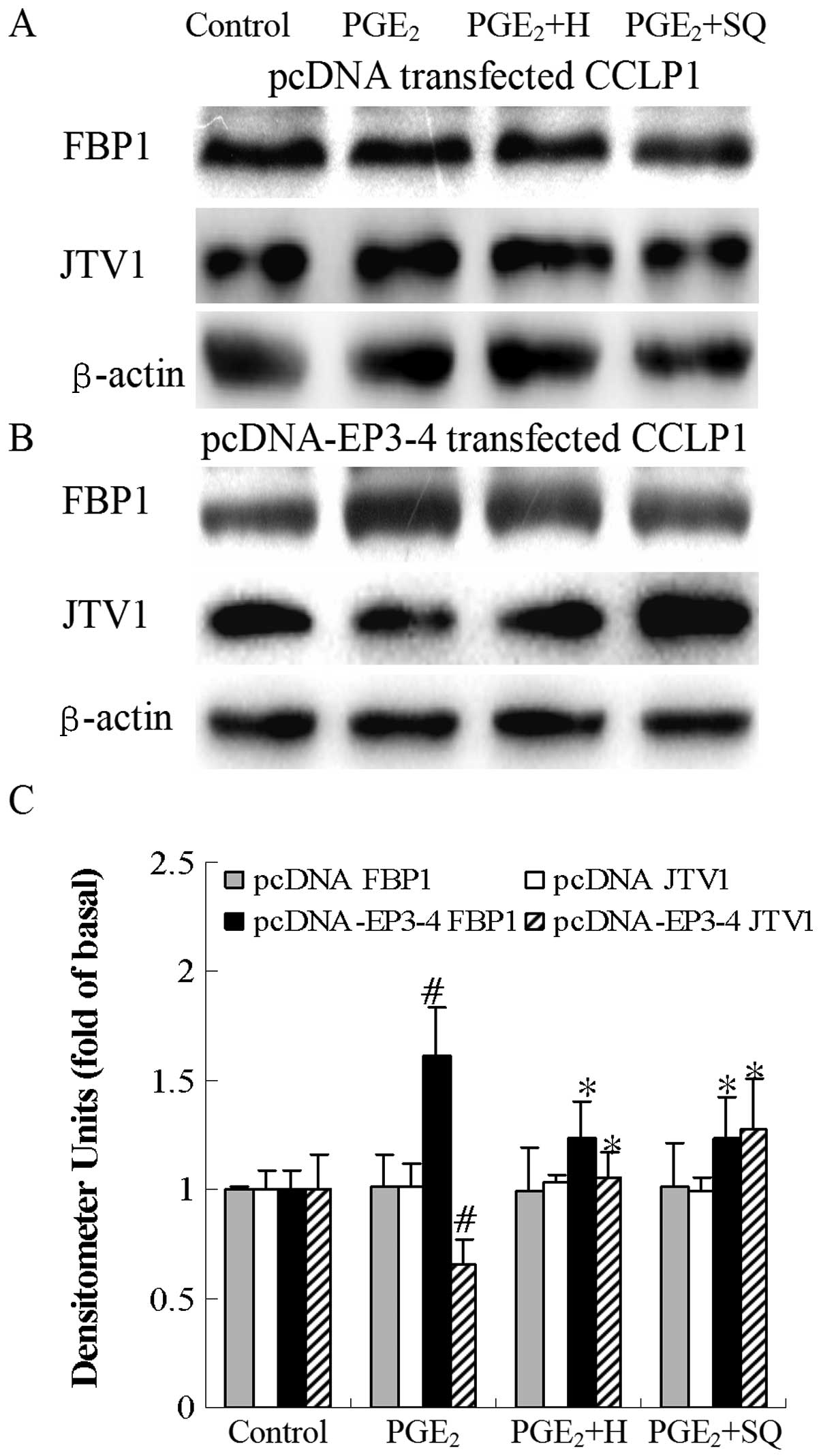
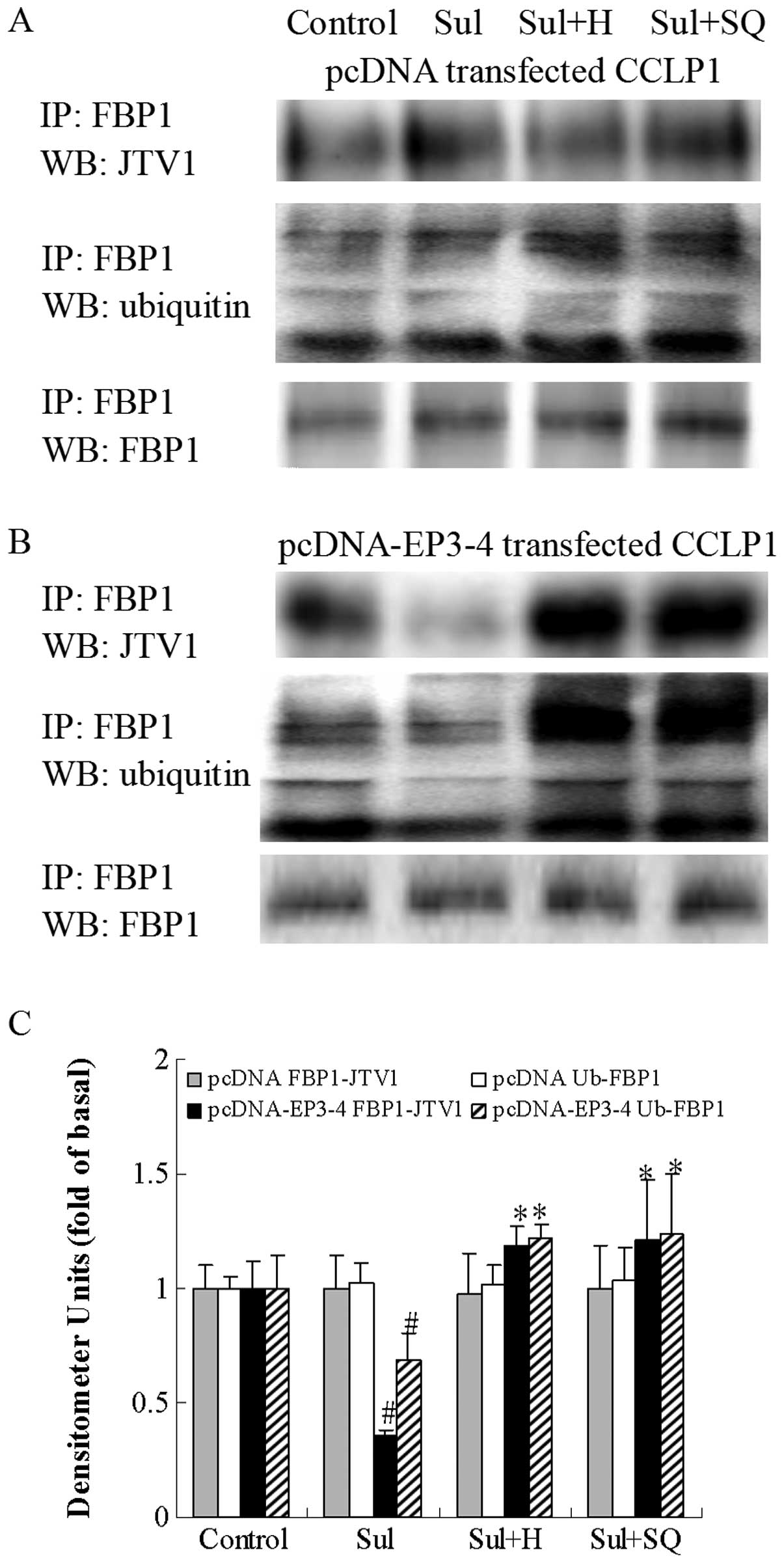
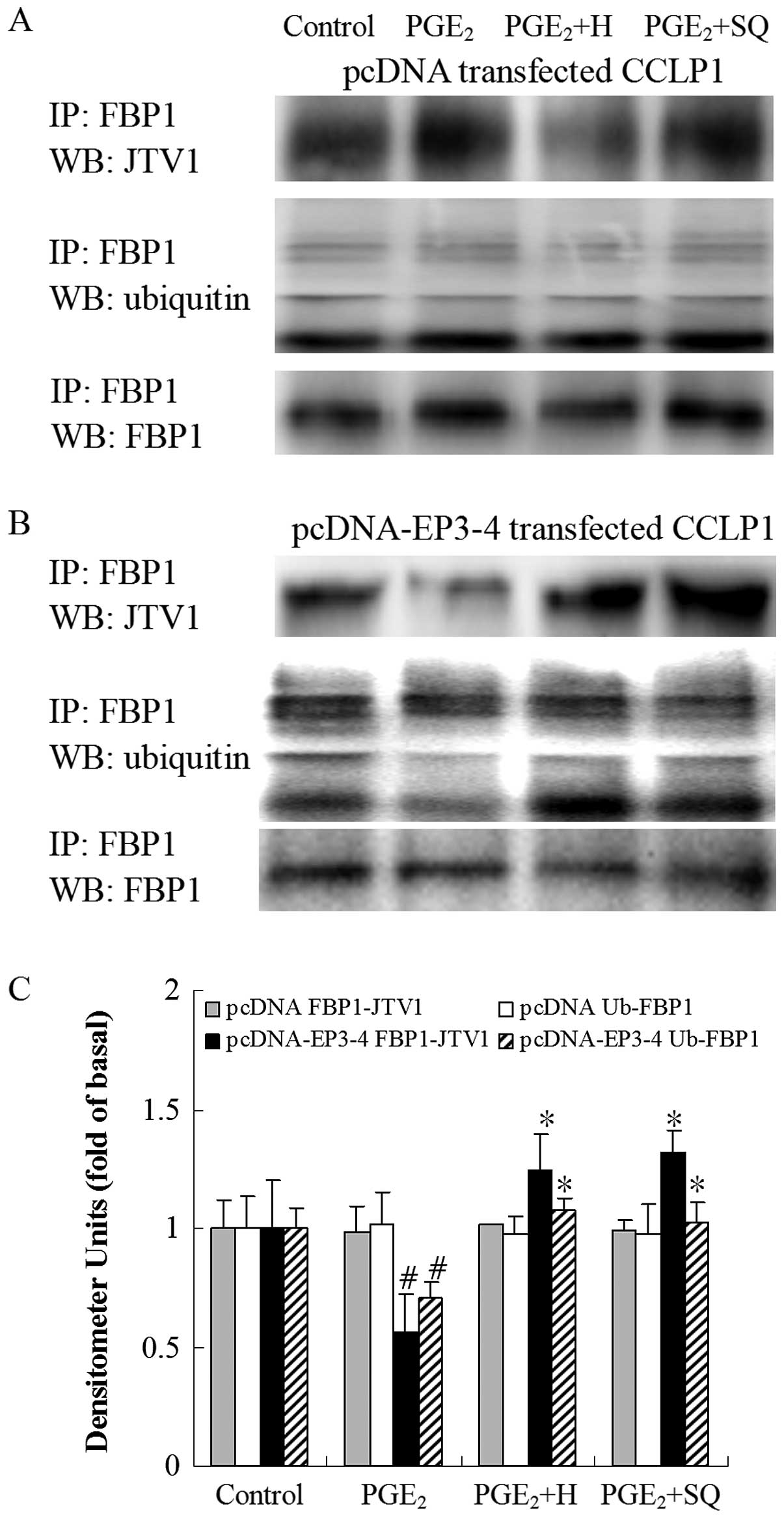
Liver cancer is a common human cancer with a high mortality rate and currently there is no effective chemoprevention or systematic treatment. Recent evidence suggests that prostaglandin E2 (PGE2) plays an important role in the occurrence and development of liver cancer. However, the mechanisms through which PGE2 promotes liver cancer cell growth are not yet fully understood. It has been reported that the increased expression of FUSE-binding protein 1 (FBP1) significantly induces the proliferation of liver cancer cells. In this study, we report that PGE2 promotes liver cancer cell growth by the upregulation of FBP1 protein expression. Treatment with PGE2 and the E prostanoid 3 (EP3) receptor agonist, sulprostone, resulted in the time-dependent increase in FBP1 protein expression; sulprostone increased the viability of the liver cancer cells. The protein kinase A (PKA) inhibitor, H89, and the adenylate cyclase (AC) inhibitor, SQ22536, inhibited the cell viability accelerated by sulprostone. By contrast, the Gi subunit inhibitor, pertussis toxin (PTX), exhibited no significant effect. Treatment with PGE2 and sulprostone caused a decrease in JTV1 protein expression, blocked the binding of JTV1 with FBP1, which served as a mechanism for FBP1 degradation, leading to the decreased ubiquitination of FBP1 and the increase in FBP1 protein expression. Furthermore, H89 and SQ22536 prevented the above effects of JTV1 and FBP1 induced by PGE2 and sulprostone. These findings indicate that the EP3 receptor activated by PGE2 may couple to Gs protein and activate cyclic AMP (cAMP)-PKA, downregulating the levels of JTV1 protein, consequently inhibiting the ubiquitination of FBP1 and increasing FBP1 protein expression, thus promoting liver cancer cell growth. These observations provide new insights into the mechanisms through which PGE2 promotes cancer cell growth.
View Figures

Figure 1

Figure 2

Figure 3

Figure 4

Figure 5

Figure 6

Figure 7

Figure 8

Figure 9

Figure 10

Figure 11

Figure 12

Figure 13

Figure 14

Figure 15

View References

1 

LeBlanc MM, Giguère S, Lester GD, Brauer K and Paccamonti DL: Relationship between infection, inflammation and premature parturition in mares with experimentally induced placentitis. Equine Vet J. (Suppl)41:8–14. 2012. View Article : Google Scholar

2 

Menter DG and Dubois RN: Prostaglandins in cancer cell adhesion, migration, and invasion. Int J Cell Biol. 2012:7234192012. View Article : Google Scholar : PubMed/NCBI

3 

Granado-Serrano AB, Martín MÁ, Bravo L, Goya L and Ramos S: Quercetin attenuates TNF-induced inflammation in hepatic cells by inhibiting the NF-κB pathway. Nutr Cancer. 4:588–598. 2012.PubMed/NCBI

4 

Sasaki Y, Kamei D, Ishikawa Y, et al: Microsomal prostaglandin E synthase-1 is involved in multiple steps of colon carcinogenesis. Oncogene. 24:2943–2952. 2012. View Article : Google Scholar : PubMed/NCBI

5 

Thiel A, Narko K, Heinonen M, et al: Inhibition of cyclooxygenase-2 causes regression of gastric adenomas in trefoil factor 1 deficient mice. Int J Cancer. 131:1032–1041. 2012. View Article : Google Scholar : PubMed/NCBI

6 

Hoellen F, Kelling K, Dittmer C, Diedrich K, Friedrich M and Thill M: Impact of cyclooxygenase-2 in breast cancer. Anticancer Res. 12:4359–4367. 2011.PubMed/NCBI

7 

Nadda N, Vaish V, Setia S and Sanyal SN: Angiostatic role of the selective cyclooxygenase-2 inhibitor etoricoxib (MK0663) in experimental lung cancer. Biomed Pharmacother. 66:474–483. 2012. View Article : Google Scholar : PubMed/NCBI

8 

Smith KA, Tong X, Abu-Yousif AO, Mikulec CC, Gottardi CJ, Fischer SM and Pelling JC: UVB radiation-induced β-catenin signaling is enhanced by COX-2 expression in keratinocytes. Mol Carcinog. 51:734–745. 2012.

9 

Phutthaphadoong S, Yamada Y, Hirata A, et al: Chemopreventive effect of fermented brown rice and rice bran (FBRA) on the inflammation-related colorectal carcinogenesis in ApcMin/+ mice. Oncol Rep. 1:53–59. 2010.PubMed/NCBI

10 

Bai XM, Jiang H, Ding JX, et al: Prostaglandin E2 upregulates survivin expression via the EP1 receptor in hepatocellular carcinoma cells. Life Sci. 86:214–223. 2010. View Article : Google Scholar : PubMed/NCBI

11 

Zhang L, Jiang L, Sun QY, Peng T, Lou KX, Liu NB and Leng J: Prostaglandin E2 enhances mitogenactivated protein kinase/Erk pathway in human cholangiocarcinoma cells: involvement of EP1 receptor, calcium and EGF receptors signaling. Mol Cell Biochem. 305:19–26. 2007. View Article : Google Scholar

12 

Wu T: Cyclooxygenase-2 and prostaglandin signaling in cholangiocarcinoma. Biochim Biophys Acta. 1775:135–150. 2005.

13 

Kotelevets L, Foudi N, Louedec L, Couvelard A, Chastre E and Norel X: A new mRNA splice variant coding for the human EP3-I receptor isoform. Prostaglandins Leukot Essent Fatty Acids. 77:195–201. 2007. View Article : Google Scholar : PubMed/NCBI

14 

Regan JW, Bailey TJ, Donello JE, et al: Molecular cloning and expression of human EP3 receptors: evidence of three variants with differing carboxyl termini. Br J Pharmacol. 112:377–385. 1994. View Article : Google Scholar : PubMed/NCBI

15 

Schmid A, Thierauch KH, Schleuning WD and Dinter H: Splice variants of the human EP3 receptor for prostaglandin E2. Eur J Biochem. 228:23–30. 1995. View Article : Google Scholar : PubMed/NCBI

16 

Kotani M, Tanaka I, Ogawa Y, et al: Molecular cloning and expression of multiple isoforms of human prostaglandin E receptor EP3 subtype generated by alternative messenger RNA splicing: multiple second messenger systems and tissue-specific distributions. Mol Pharmacol. 48:869–879. 1995.

17 

Kotani M, Tanaka I, Ogawa Y, et al: Multiple signal transduction pathways through two prostaglandin E receptor EP3 subtype isoforms expressed in human uterus. J Clin Endocrinol Metab. 85:4315–4322. 2000. View Article : Google Scholar : PubMed/NCBI

18 

Israel DD and Regan JW: EP(3) prostanoid receptor isoforms utilize distinct mechanisms to regulate ERK 1/2 activation. Biochim Biophys Acta. 4:238–245. 2009. View Article : Google Scholar : PubMed/NCBI

19 

Rydziel S, Delany AM and Canalis E: AU-rich elements in the collagenase 3 mRNA mediate stabilization of the transcript by cortisol in osteoblasts. J Biol Chem. 279:5397–5404. 2004. View Article : Google Scholar : PubMed/NCBI

20 

Malz M, Weber A, Singer S, et al: Overexpression of far upstream element binding proteins: a mechanism regulating proliferation and migration in liver cancer cells. Hepatology. 50:1130–1139. 2009. View Article : Google Scholar : PubMed/NCBI

21 

Weber A, Kristiansen I, Johannsen M, et al: The FUSE binding proteins FBP1 and FBP3 are potential c-myc regulators in renal, but not in prostate and bladder cancer. BMC Cancer. 8:3692008. View Article : Google Scholar : PubMed/NCBI

22 

Chung HJ, Liu J, Dundr M, Nie Z, Sanford S and Levens D: FBPs are calibrated molecular tools to adjust gene expression. Mol Cell Biol. 26:6584–6597. 2006. View Article : Google Scholar : PubMed/NCBI

23 

Rabenhorst U, Beinoraviciute-Kellner R, Brezniceanu ML, et al: Overexpression of the far upstream element binding protein 1 in hepatocellular carcinoma is required for tumor growth. Hepatology. 4:1121–1129. 2009. View Article : Google Scholar : PubMed/NCBI

24 

Andersen SS: Spindle assembly and the art of regulating micro-tubule dynamics by MAPs and Stathmin/Op18. Trends Cell Biol. 10:261–267. 2000. View Article : Google Scholar : PubMed/NCBI

25 

Singer S, Malz M, Herpel E, Warth A, Bissinger M, Keith M, Muley T, Meister M, Hoffmann H, Penzel R, Gdynia G, Ehemann V, Schnabel PA, Kuner R, Huber P, Schirmacher P and Breuhahn K: Coordinated expression of stathmin family members by far upstream sequence element-binding protein-1 increases motility in non-small cell lung cancer. Cancer Res. 6:2234–2243. 2009. View Article : Google Scholar

26 

He LS, Liu JH, Collins I, et al: Loss of FBP function arrests cellular proliferation and extinguishes c-myc expression. EMBO J. 5:1034–1044. 2000.PubMed/NCBI

27 

Liu J, Kouzine F, Nie Z, et al: The FUSE/FBP/FIR/TFIIH system is a molecular machine programming a pulse of c-myc expression. EMBO J. 10:2119–2130. 2006. View Article : Google Scholar : PubMed/NCBI

28 

Avigan MI, Strober B and Levens D: A far upstream element stimulates c-myc expression in undifferentiated leukemia cells. J Biol Chem. 30:18538–18545. 1990.PubMed/NCBI

29 

Hsiao HH, Nath A, Lin CY, et al: Quantitative characterization of the interactions among c-myc transcriptional regulators FUSE, FBP, and FIR. Biochemistry. 49:4620–4634. 2010. View Article : Google Scholar : PubMed/NCBI

30 

Wierstra I and Alves J: The c-myc promoter: still MysterY and challenge. Adv Cancer Res. 99:113–333. 2008. View Article : Google Scholar : PubMed/NCBI

31 

Jang M, Park BC, Kang S, et al: Far upstream element-binding protein-1, a novel caspase ubstrate, acts as a cross-talker between apoptosis and the c-myc oncogene. Oncogene. 28:1529–1536. 2009. View Article : Google Scholar : PubMed/NCBI

32 

Wang X, Avigan M and Norgren RB: FUSE-binding protein is developmentally regulated and is highly expressed in mouse and chicken embryonic brain. Neurosci Lett. 252:191–194. 1998. View Article : Google Scholar : PubMed/NCBI

33 

Ko HS, Kim SW, Sriram SR, Dawson VL and Dawson TM: Identification of far upstream element-binding protein-1 as an authentic Parkin substrate. J Biol Chem. 281:16193–16196. 2006. View Article : Google Scholar : PubMed/NCBI

34 

Duncan RD, Bazar L, Michelotti G, et al: A sequence-specific, single-strand binding protein activates the far upstream element of c-myc and defines a new DNA-binding motif. Genes. 8:465–480. 1994. View Article : Google Scholar : PubMed/NCBI

35 

Bazar L, Harris V, Sunitha I, Hartmann D and Avigan MI: A transactivator of c-myc is coordinately regulated with the protooncogene during cellular growth. Oncogene. 10:2229–2238. 1995.PubMed/NCBI

36 

Yamaki T, Endoh K, Miyahara M, et al: Prostaglandin E2 activates Src signaling in lung adenocarcinoma cell via EP3. Cancer Lett. 214:115–120. 2004. View Article : Google Scholar : PubMed/NCBI

37 

Yutaka S, Mami T, Nobuo T, et al: Prostaglandin E receptor EP3 deficiency modifies tumor outcome in mouse two-stage skin carcinogenesis. Carcinogenesis. 26:2116–2122. 2005. View Article : Google Scholar : PubMed/NCBI

38 

Finetti F, Solito R, Morbidelli L, Giachetti A, Ziche M and Donnini S: Prostaglandin E2 regulates angiogenesis via activation of fibroblast growth factor receptor-1. J Biol Chem. 283:2139–2146. 2008.

39 

Gutierrez DV, Mark MD, Masseck O, et al: Optogenetic control of motor coordination by Gi/o protein-coupled vertebrate rhodopsin in cerebellar Purkinje cells. J Biol Chem. 286:25848–25858. 2011. View Article : Google Scholar : PubMed/NCBI

40 

Deng J, Liu S, Zou L, Xu C, Geng B and Xu G: Lipolysis response to endoplasmic reticulum stress in adipose cells. J Biol Chem. 287:6240–6249. 2012. View Article : Google Scholar : PubMed/NCBI

41 

McCarthy TL, Pham TH, Knoll BI and Centrella M: Prostaglandin E2 increases transforming growth factor-β type III receptor expression through CCAAT enhancer-binding protein δ in osteoblasts. Mol Endocrinol. 11:2713–2724. 2007.PubMed/NCBI

42 

Massague J, Blain SW and Lo RS: TGFbeta signaling in growth control, cancer, and heritable disorders. Cell. 103:295–309. 2000. View Article : Google Scholar : PubMed/NCBI

43 

Shi Y and Massague J: Mechanisms of TGF-beta signaling from cell membrane to the nucleus. Cell. 113:685–700. 2003. View Article : Google Scholar : PubMed/NCBI

44 

Akhurst RJ and Derynck R: TGF-beta signaling in cancer - a double-edged sword. Trends Cell Biol. 11:S44–S51. 2001.PubMed/NCBI

45 

Derynck R, Akhurst RJ and Balmain A: TGF-beta signaling in tumor suppression and cancer progression. Nat Genet. 29:117–129. 2001. View Article : Google Scholar : PubMed/NCBI

46 

Wakefield LM and Roberts AB: Learning together: clinical skills teaching for medical and nursing students. Curr Opin Genet. 12:22–29. 2002.

47 

Pierce DF Jr, Johnson MD, et al: Inhibition of mammary duct development but not alveolar outgrowth during pregnancy in transgenic mice expressing active TGF-beta 1. Genes Dev. 7:2308–2317. 1993. View Article : Google Scholar : PubMed/NCBI

48 

Cui W, Fowlis DJ, Bryson S, et al: TGFbeta1 inhibits the formation of benign skin tumors, but enhances progression to invasive spindle carcinomas in transgenic mice. Cell. 86:531–542. 1996. View Article : Google Scholar : PubMed/NCBI

49 

Bottinger EP, Jakubczak JL, Haines DC, Bagnall K and Wakefield LM: Transgenic mice overexpressing a dominant-negative mutant type II transforming growth factor β receptor show enhanced tumorigenesis in the mammary gland and lung in response to the carcinogen 7,12-dimethylbenz-[a]-anthracene. Cancer Res. 57:5564–5570. 1997.

50 

Gorska AE, Joseph H, Derynck R, Moses HL and Serra R: Dominant-negative interference of the transforming growth factor beta type II receptor in mammary gland epithelium results in alveolar hyperplasia and differentiation in virgin mice. Cell Growth Differ. 9:229–238. 1998.

51 

Engle SJ, Hoying JB, Boivin GP, Ormsby I, Gartside PS and Doetschman T: Transforming growth factor beta1 suppresses nonmetastatic colon cancer at an early stage of tumorigenesis. Cancer Res. 59:3379–3386. 1999.PubMed/NCBI

52 

Zhu Y, Richardson JA, Parada LF and Graff JM: Smad3 mutant mice develop metastatic colorectal cancer. Cell. 94:703–714. 1998. View Article : Google Scholar : PubMed/NCBI

53 

Xu X, Brodie SG, Yang X, et al: Haploid loss of the tumor suppressor Smad4/Dpc4 initiates gastric polyposis and cancer in mice. Oncogene. 19:1868–1874. 2000. View Article : Google Scholar : PubMed/NCBI

54 

Tang B, Bottinger EP, Jakowlew SB, et al: Transforming growth factor-beta1 is a new form of tumor suppressor with true haploid insufficiency. Nat Med. 4:802–807. 1998. View Article : Google Scholar : PubMed/NCBI

55 

Han C, Demetris AJ, Liu Y, Shelhamer JH and Wu T: Transforming growth factor-β (TGF-β) activates cytosolic phospholipase A2α (cPLA2α)-mediated prostaglandin E2 (PGE)2/EP1 and peroxisome proliferator-activated receptor-γ (PPAR-γ)/Smad signaling pathways in human liver cancer cells. A novel mechanism for subversion of TGF-β-induced mitoinhibition. J Biol Chem. 43:44344–44354. 2004.

56 

Markowitz SD, Itzkowitz SH and Berger BM: The effectiveness of colonoscopy in reducing mortality from colorectal cancer. Ann Intern Med. 150:816–817. 2009. View Article : Google Scholar

57 

Chowdhury S, Howell GM, Rajput A, et al: Identification of a novel TGFβ/PKA signaling transduceome in mediating control of cell survival and metastasis in colon cancer. PLoS One. 5:e193352011.

58 

Liu X, Sun S and Ostrom R: Fibrotic lung fibroblasts show blunted inhibition by cAMP due to deficient cAMP response element-binding protein phosphorylation. J Pharmacol Exp Ther. 2:678–687. 2005. View Article : Google Scholar : PubMed/NCBI

59 

Schiller M, Verrecchia F and Mauviel A: Cyclic adenosine 3′,5′,-monophosphate-elevating agents inhibit transforming growth factor-beta-induced SMAD¾-dependent transcription via a protein kinase A-dependent mechanism. Oncogene. 22:8881–8890. 2003.

60 

Kim MJ, Park BJ, Kang YS, Kim HJ, Park JH and Kang JW: Downregulation of FUSE-binding protein and c-myc by tRNA synthetase cofactor p38 is required for lung cell differentiation. Nat Genet. 34:330–336. 2003. View Article : Google Scholar : PubMed/NCBI

61 

Kim JY, Kang YS, Lee JW, Kim HJ, Ahn YH, Park H, Ko YG and Kim S: p38 is essential for the assembly and stability of macromolecular tRNA synthetase complex: implications for its physiological significance. Proc Natl Acad Sci USA. 99:7912–7916. 2002. View Article : Google Scholar : PubMed/NCBI

62 

Liu J, Chung HJ, Vogt M, et al: JTV1 co-activates FBP to induce USP29 transcription and stabilize p53 in response to oxidative stress. EMBO J. 30:846–858. 2011. View Article : Google Scholar : PubMed/NCBI

63 

Sampath P, Mazumder B, Seshadri V, et al: Noncanonical function of glutamyl-prolyl-tRNA synthetase: genespecific silencing of translation. Cell. 119:195–208. 2004. View Article : Google Scholar : PubMed/NCBI

64 

Park SG, Kang YS, Ahn YH, et al: Dose-dependent biphasic activity of tRNA synthetase-associating factor, p43, in angiogenesis. J Biol Chem. 277:45243–45248. 2002. View Article : Google Scholar : PubMed/NCBI

65 

Han JM, Park BJ, Park SG, et al: AIMP2/p38, the scaffold for the multi-tRNA synthetase complex, responds to genotoxic stresses via p53. Proc Natl Acad Sci USA. 105:11206–11211. 2008. View Article : Google Scholar : PubMed/NCBI

66 

Corti O, Hampe C, Koutnikova H, et al: p38 subunit of the aminoacyl-tRNA synthetase complex is a Parkin substrate: linking protein biosynthesis and neurodegeneration. Hum Mol Genet. 12:1427–1437. 2003. View Article : Google Scholar : PubMed/NCBI

67 

Ko HS, Coelln R, Sriram SR, et al: Accumulation of the authentic parkin substrate aminoacyl-tRNA synthetase cofactor, p38/JTV-1, leads to catecholaminergic cell death. J Neurosci. 25:7968–7978. 2005. View Article : Google Scholar : PubMed/NCBI

Related Articles

  • Abstract
  • View
  • Download
  • Twitter
Copy and paste a formatted citation
Spandidos Publications style
Ma J, Chen M, Xia S, Shu W, Guo Y, Wang Y, Xu Y, Bai X, Zhang L, Zhang H, Zhang H, et al: Prostaglandin E2 promotes liver cancer cell growth by the upregulation of FUSE-binding protein 1 expression. Int J Oncol 42: 1093-1104, 2013.
APA
Ma, J., Chen, M., Xia, S., Shu, W., Guo, Y., Wang, Y. ... Leng, J. (2013). Prostaglandin E2 promotes liver cancer cell growth by the upregulation of FUSE-binding protein 1 expression. International Journal of Oncology, 42, 1093-1104. https://doi.org/10.3892/ijo.2013.1782
MLA
Ma, J., Chen, M., Xia, S., Shu, W., Guo, Y., Wang, Y., Xu, Y., Bai, X., Zhang, L., Zhang, H., Zhang, M., Wang, Y., Leng, J."Prostaglandin E2 promotes liver cancer cell growth by the upregulation of FUSE-binding protein 1 expression". International Journal of Oncology 42.3 (2013): 1093-1104.
Chicago
Ma, J., Chen, M., Xia, S., Shu, W., Guo, Y., Wang, Y., Xu, Y., Bai, X., Zhang, L., Zhang, H., Zhang, M., Wang, Y., Leng, J."Prostaglandin E2 promotes liver cancer cell growth by the upregulation of FUSE-binding protein 1 expression". International Journal of Oncology 42, no. 3 (2013): 1093-1104. https://doi.org/10.3892/ijo.2013.1782
Copy and paste a formatted citation
x
Spandidos Publications style
Ma J, Chen M, Xia S, Shu W, Guo Y, Wang Y, Xu Y, Bai X, Zhang L, Zhang H, Zhang H, et al: Prostaglandin E2 promotes liver cancer cell growth by the upregulation of FUSE-binding protein 1 expression. Int J Oncol 42: 1093-1104, 2013.
APA
Ma, J., Chen, M., Xia, S., Shu, W., Guo, Y., Wang, Y. ... Leng, J. (2013). Prostaglandin E2 promotes liver cancer cell growth by the upregulation of FUSE-binding protein 1 expression. International Journal of Oncology, 42, 1093-1104. https://doi.org/10.3892/ijo.2013.1782
MLA
Ma, J., Chen, M., Xia, S., Shu, W., Guo, Y., Wang, Y., Xu, Y., Bai, X., Zhang, L., Zhang, H., Zhang, M., Wang, Y., Leng, J."Prostaglandin E2 promotes liver cancer cell growth by the upregulation of FUSE-binding protein 1 expression". International Journal of Oncology 42.3 (2013): 1093-1104.
Chicago
Ma, J., Chen, M., Xia, S., Shu, W., Guo, Y., Wang, Y., Xu, Y., Bai, X., Zhang, L., Zhang, H., Zhang, M., Wang, Y., Leng, J."Prostaglandin E2 promotes liver cancer cell growth by the upregulation of FUSE-binding protein 1 expression". International Journal of Oncology 42, no. 3 (2013): 1093-1104. https://doi.org/10.3892/ijo.2013.1782
Follow us
  • Twitter
  • LinkedIn
  • Facebook
About
  • Spandidos Publications
  • Careers
  • Cookie Policy
  • Privacy Policy
How can we help?
  • Help
  • Live Chat
  • Contact
  • Email to our Support Team