Spandidos Publications Logo
  • About
    • About Spandidos
    • Aims and Scopes
    • Abstracting and Indexing
    • Editorial Policies
    • Reprints and Permissions
    • Job Opportunities
    • Terms and Conditions
    • Contact
  • Journals
    • All Journals
    • Oncology Letters
      • Oncology Letters
      • Information for Authors
      • Editorial Policies
      • Editorial Board
      • Aims and Scope
      • Abstracting and Indexing
      • Bibliographic Information
      • Archive
    • International Journal of Oncology
      • International Journal of Oncology
      • Information for Authors
      • Editorial Policies
      • Editorial Board
      • Aims and Scope
      • Abstracting and Indexing
      • Bibliographic Information
      • Archive
    • Molecular and Clinical Oncology
      • Molecular and Clinical Oncology
      • Information for Authors
      • Editorial Policies
      • Editorial Board
      • Aims and Scope
      • Abstracting and Indexing
      • Bibliographic Information
      • Archive
    • Experimental and Therapeutic Medicine
      • Experimental and Therapeutic Medicine
      • Information for Authors
      • Editorial Policies
      • Editorial Board
      • Aims and Scope
      • Abstracting and Indexing
      • Bibliographic Information
      • Archive
    • International Journal of Molecular Medicine
      • International Journal of Molecular Medicine
      • Information for Authors
      • Editorial Policies
      • Editorial Board
      • Aims and Scope
      • Abstracting and Indexing
      • Bibliographic Information
      • Archive
    • Biomedical Reports
      • Biomedical Reports
      • Information for Authors
      • Editorial Policies
      • Editorial Board
      • Aims and Scope
      • Abstracting and Indexing
      • Bibliographic Information
      • Archive
    • Oncology Reports
      • Oncology Reports
      • Information for Authors
      • Editorial Policies
      • Editorial Board
      • Aims and Scope
      • Abstracting and Indexing
      • Bibliographic Information
      • Archive
    • Molecular Medicine Reports
      • Molecular Medicine Reports
      • Information for Authors
      • Editorial Policies
      • Editorial Board
      • Aims and Scope
      • Abstracting and Indexing
      • Bibliographic Information
      • Archive
    • World Academy of Sciences Journal
      • World Academy of Sciences Journal
      • Information for Authors
      • Editorial Policies
      • Editorial Board
      • Aims and Scope
      • Abstracting and Indexing
      • Bibliographic Information
      • Archive
    • International Journal of Functional Nutrition
      • International Journal of Functional Nutrition
      • Information for Authors
      • Editorial Policies
      • Editorial Board
      • Aims and Scope
      • Abstracting and Indexing
      • Bibliographic Information
      • Archive
    • International Journal of Epigenetics
      • International Journal of Epigenetics
      • Information for Authors
      • Editorial Policies
      • Editorial Board
      • Aims and Scope
      • Abstracting and Indexing
      • Bibliographic Information
      • Archive
    • Medicine International
      • Medicine International
      • Information for Authors
      • Editorial Policies
      • Editorial Board
      • Aims and Scope
      • Abstracting and Indexing
      • Bibliographic Information
      • Archive
  • Articles
  • Information
    • Information for Authors
    • Information for Reviewers
    • Information for Librarians
    • Information for Advertisers
    • Conferences
  • Language Editing
Spandidos Publications Logo
  • About
    • About Spandidos
    • Aims and Scopes
    • Abstracting and Indexing
    • Editorial Policies
    • Reprints and Permissions
    • Job Opportunities
    • Terms and Conditions
    • Contact
  • Journals
    • All Journals
    • Biomedical Reports
      • Information for Authors
      • Editorial Policies
      • Editorial Board
      • Aims and Scope
      • Abstracting and Indexing
      • Bibliographic Information
      • Archive
    • Experimental and Therapeutic Medicine
      • Information for Authors
      • Editorial Policies
      • Editorial Board
      • Aims and Scope
      • Abstracting and Indexing
      • Bibliographic Information
      • Archive
    • International Journal of Epigenetics
      • Information for Authors
      • Editorial Policies
      • Editorial Board
      • Aims and Scope
      • Abstracting and Indexing
      • Bibliographic Information
      • Archive
    • International Journal of Functional Nutrition
      • Information for Authors
      • Editorial Policies
      • Editorial Board
      • Aims and Scope
      • Abstracting and Indexing
      • Bibliographic Information
      • Archive
    • International Journal of Molecular Medicine
      • Information for Authors
      • Editorial Policies
      • Editorial Board
      • Aims and Scope
      • Abstracting and Indexing
      • Bibliographic Information
      • Archive
    • International Journal of Oncology
      • Information for Authors
      • Editorial Policies
      • Editorial Board
      • Aims and Scope
      • Abstracting and Indexing
      • Bibliographic Information
      • Archive
    • Medicine International
      • Information for Authors
      • Editorial Policies
      • Editorial Board
      • Aims and Scope
      • Abstracting and Indexing
      • Bibliographic Information
      • Archive
    • Molecular and Clinical Oncology
      • Information for Authors
      • Editorial Policies
      • Editorial Board
      • Aims and Scope
      • Abstracting and Indexing
      • Bibliographic Information
      • Archive
    • Molecular Medicine Reports
      • Information for Authors
      • Editorial Policies
      • Editorial Board
      • Aims and Scope
      • Abstracting and Indexing
      • Bibliographic Information
      • Archive
    • Oncology Letters
      • Information for Authors
      • Editorial Policies
      • Editorial Board
      • Aims and Scope
      • Abstracting and Indexing
      • Bibliographic Information
      • Archive
    • Oncology Reports
      • Information for Authors
      • Editorial Policies
      • Editorial Board
      • Aims and Scope
      • Abstracting and Indexing
      • Bibliographic Information
      • Archive
    • World Academy of Sciences Journal
      • Information for Authors
      • Editorial Policies
      • Editorial Board
      • Aims and Scope
      • Abstracting and Indexing
      • Bibliographic Information
      • Archive
  • Articles
  • Information
    • For Authors
    • For Reviewers
    • For Librarians
    • For Advertisers
    • Conferences
  • Language Editing
Login Register Submit
  • This site uses cookies
  • You can change your cookie settings at any time by following the instructions in our Cookie Policy. To find out more, you may read our Privacy Policy.

    I agree
Search articles by DOI, keyword, author or affiliation
Search
Advanced Search
presentation
International Journal of Oncology
Join Editorial Board Propose a Special Issue
Print ISSN: 1019-6439 Online ISSN: 1791-2423
Journal Cover
April-2019 Volume 54 Issue 4

Full Size Image

Cover Legend PDF

Sign up for eToc alerts
Recommend to Library

Journals

International Journal of Molecular Medicine

International Journal of Molecular Medicine

International Journal of Molecular Medicine is an international journal devoted to molecular mechanisms of human disease.

International Journal of Oncology

International Journal of Oncology

International Journal of Oncology is an international journal devoted to oncology research and cancer treatment.

Molecular Medicine Reports

Molecular Medicine Reports

Covers molecular medicine topics such as pharmacology, pathology, genetics, neuroscience, infectious diseases, molecular cardiology, and molecular surgery.

Oncology Reports

Oncology Reports

Oncology Reports is an international journal devoted to fundamental and applied research in Oncology.

Experimental and Therapeutic Medicine

Experimental and Therapeutic Medicine

Experimental and Therapeutic Medicine is an international journal devoted to laboratory and clinical medicine.

Oncology Letters

Oncology Letters

Oncology Letters is an international journal devoted to Experimental and Clinical Oncology.

Biomedical Reports

Biomedical Reports

Explores a wide range of biological and medical fields, including pharmacology, genetics, microbiology, neuroscience, and molecular cardiology.

Molecular and Clinical Oncology

Molecular and Clinical Oncology

International journal addressing all aspects of oncology research, from tumorigenesis and oncogenes to chemotherapy and metastasis.

World Academy of Sciences Journal

World Academy of Sciences Journal

Multidisciplinary open-access journal spanning biochemistry, genetics, neuroscience, environmental health, and synthetic biology.

International Journal of Functional Nutrition

International Journal of Functional Nutrition

Open-access journal combining biochemistry, pharmacology, immunology, and genetics to advance health through functional nutrition.

International Journal of Epigenetics

International Journal of Epigenetics

Publishes open-access research on using epigenetics to advance understanding and treatment of human disease.

Medicine International

Medicine International

An International Open Access Journal Devoted to General Medicine.

Journal Cover
April-2019 Volume 54 Issue 4

Full Size Image

Cover Legend PDF

Sign up for eToc alerts
Recommend to Library

  • Article
  • Citations
    • Cite This Article
    • Download Citation
    • Create Citation Alert
    • Remove Citation Alert
    • Cited By
  • Similar Articles
    • Related Articles (in Spandidos Publications)
    • Similar Articles (Google Scholar)
    • Similar Articles (PubMed)
  • Download PDF
  • Download XML
  • View XML
Article

Downregulation of protein disulfide‑isomerase A3 expression inhibits cell proliferation and induces apoptosis through STAT3 signaling in hepatocellular carcinoma

  • Authors:
    • Ryota Kondo
    • Kousuke Ishino
    • Ryuichi Wada
    • Hideyuki Takata
    • Wei‑Xia Peng
    • Mitsuhiro Kudo
    • Shoko Kure
    • Yohei Kaneya
    • Nobuhiko Taniai
    • Hiroshi Yoshida
    • Zenya Naito
  • View Affiliations / Copyright

    Affiliations: Department of Integrated Diagnostic Pathology, Nippon Medical School, Tokyo 113‑8602, Japan, Department of Gastrointestinal and Hepato‑Biliary‑Pancreatic Surgery, Nippon Medical School, Tokyo 113‑8602, Japan
  • Pages: 1409-1421
    |
    Published online on: February 4, 2019
       https://doi.org/10.3892/ijo.2019.4710
  • Expand metrics +
Metrics: Total Views: 0 (Spandidos Publications: | PMC Statistics: )
Metrics: Total PDF Downloads: 0 (Spandidos Publications: | PMC Statistics: )
Cited By (CrossRef): 0 citations Loading Articles...

This article is mentioned in:


Abstract

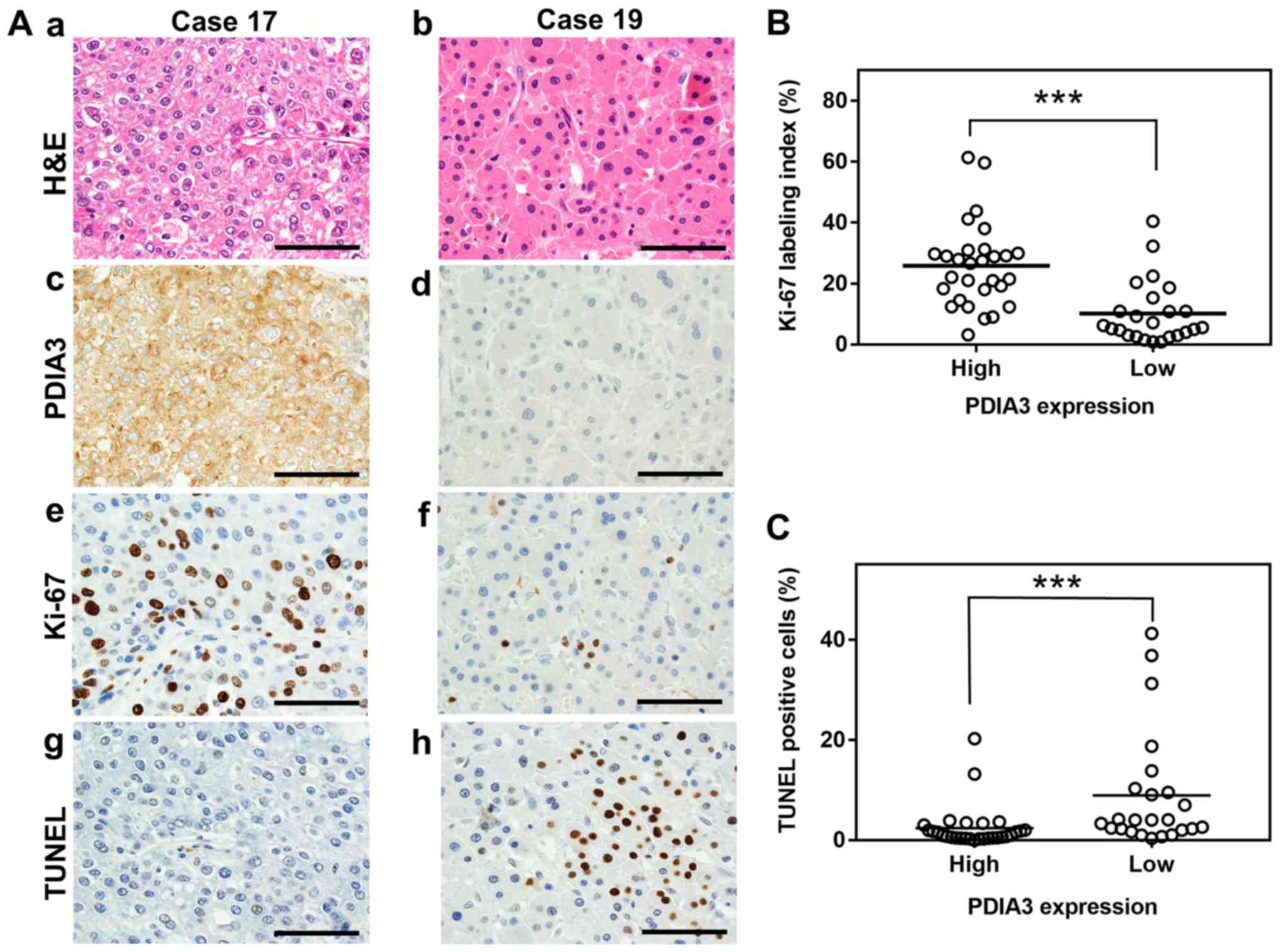
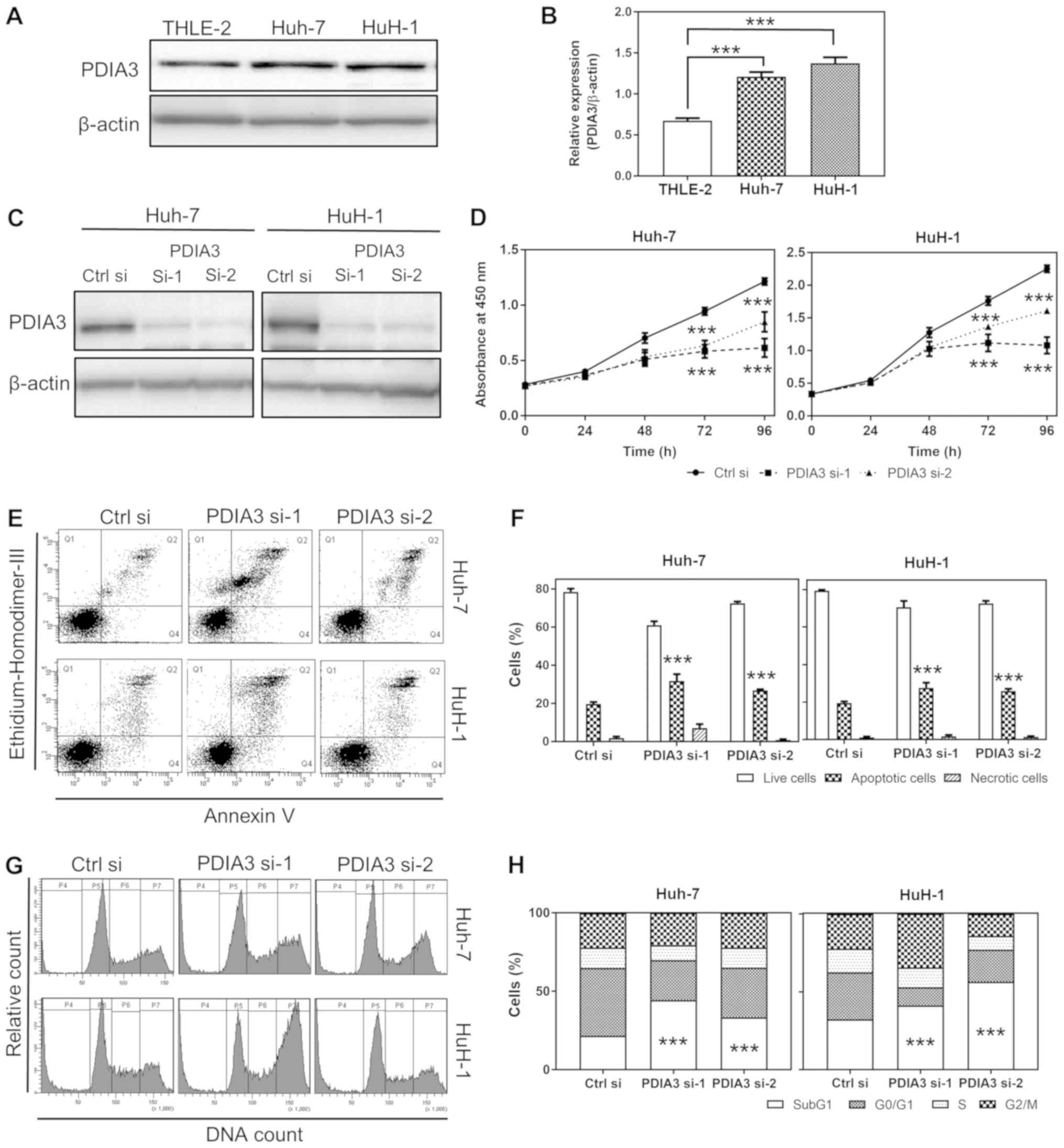
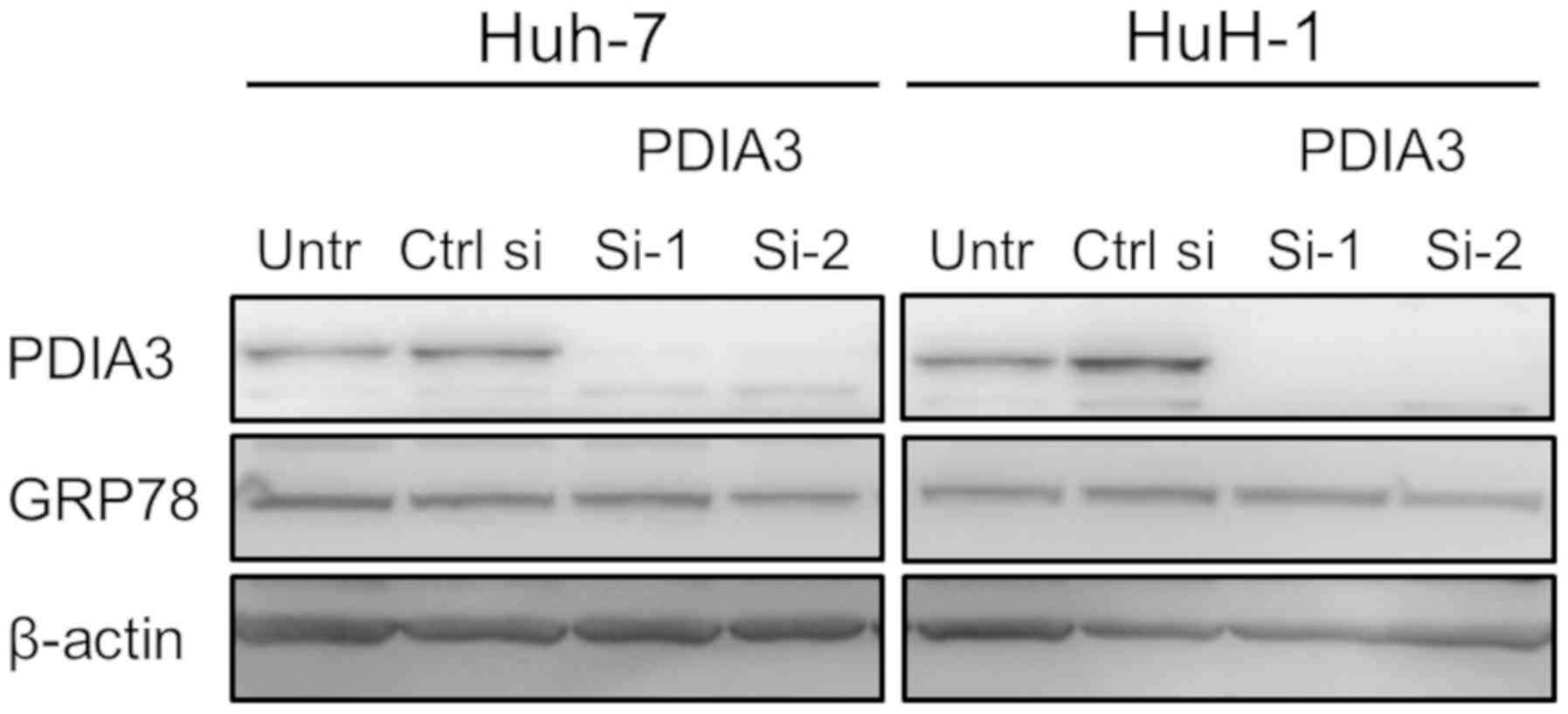
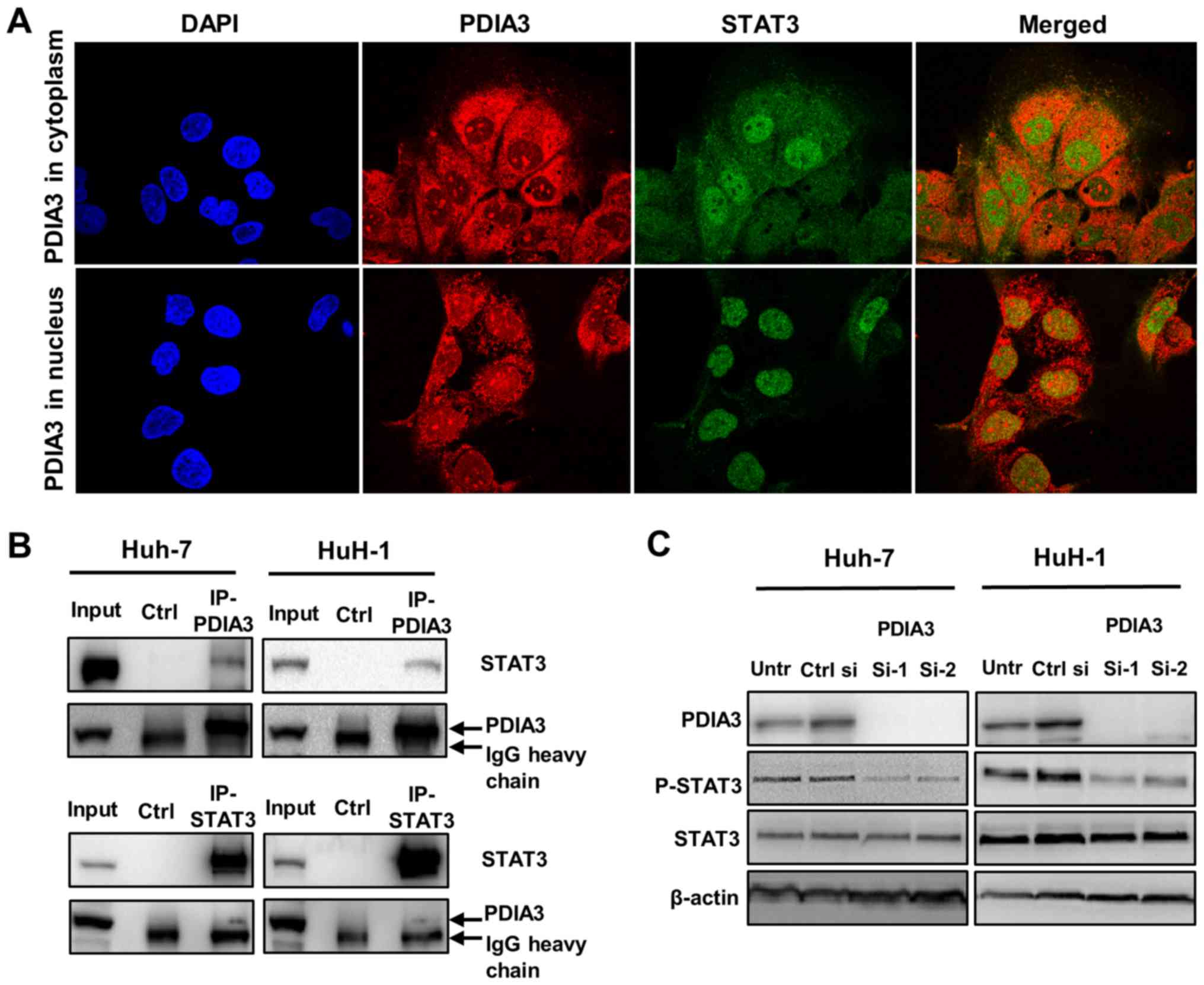
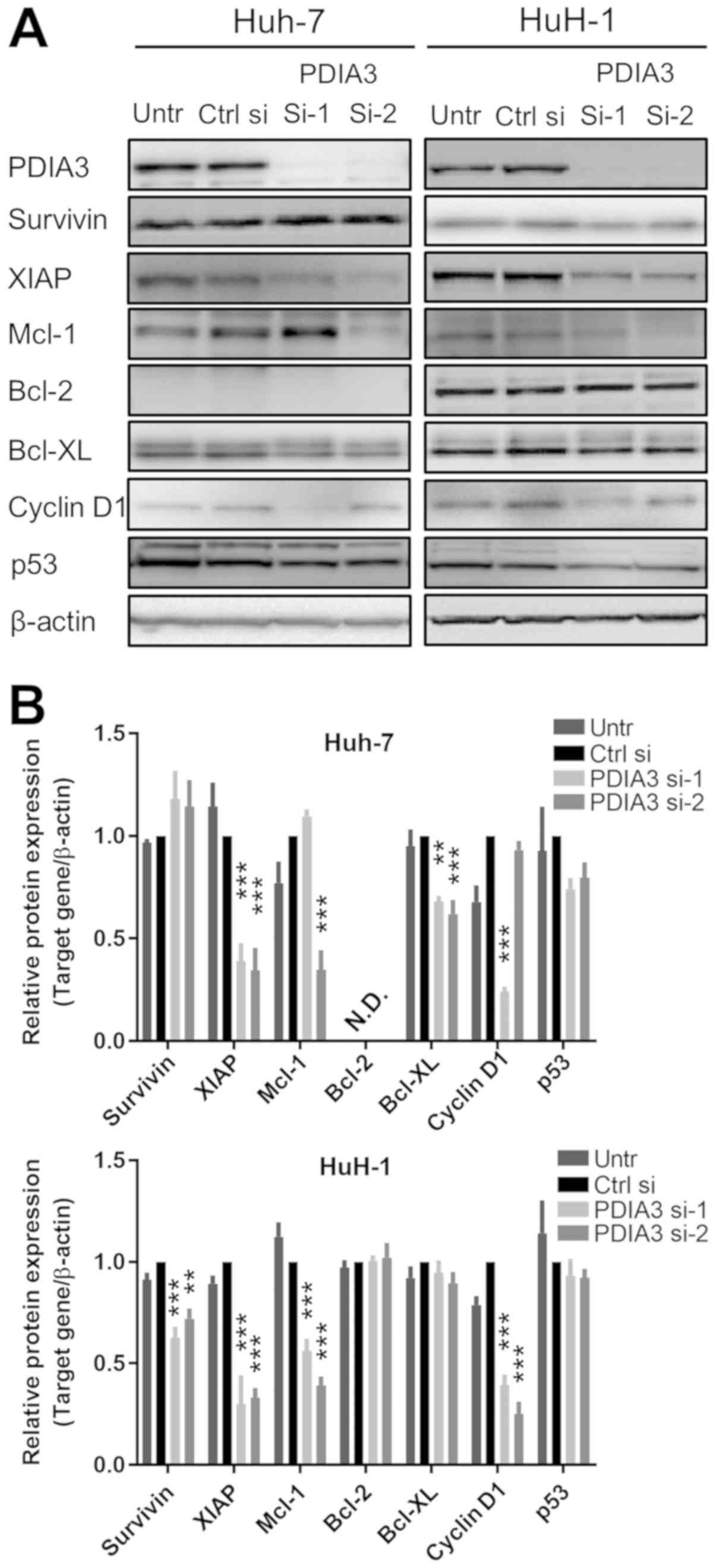
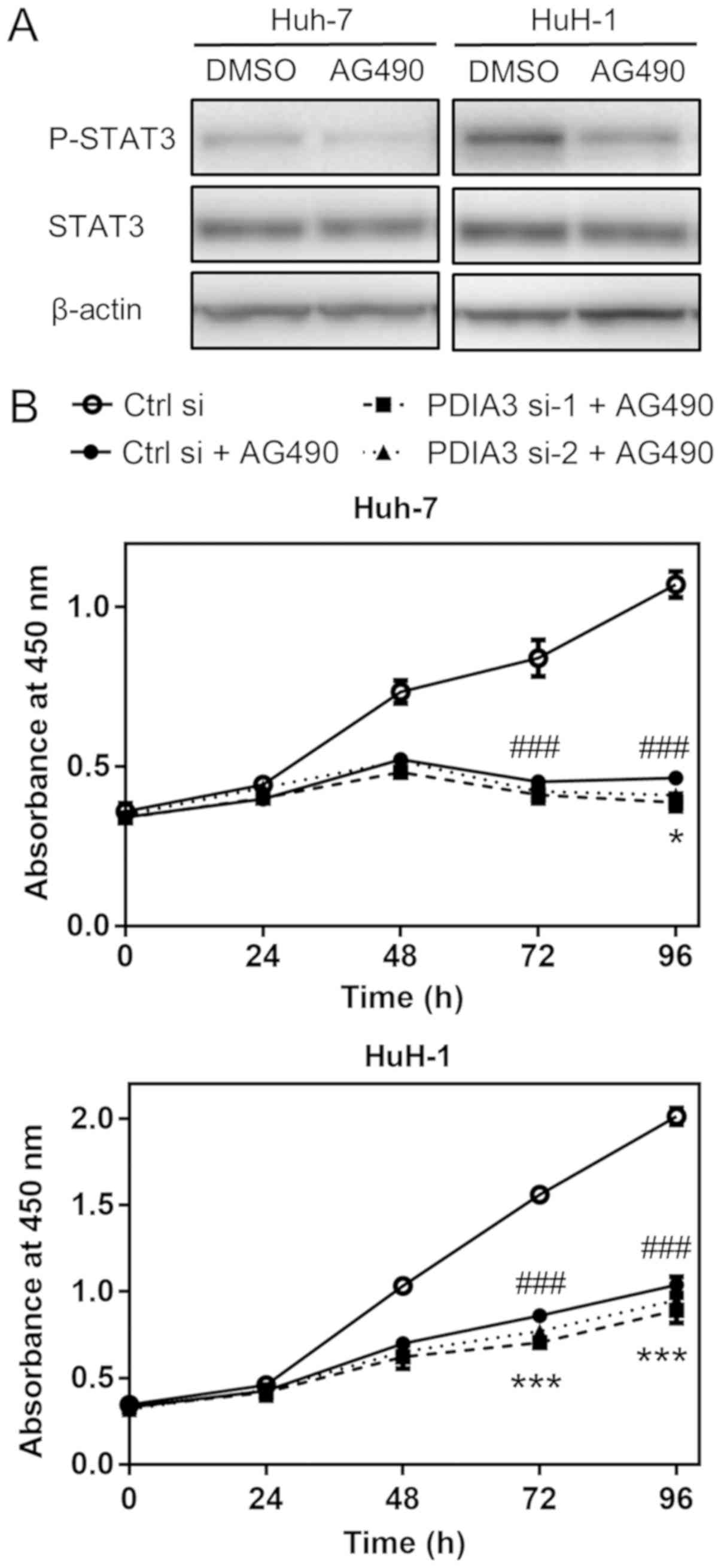
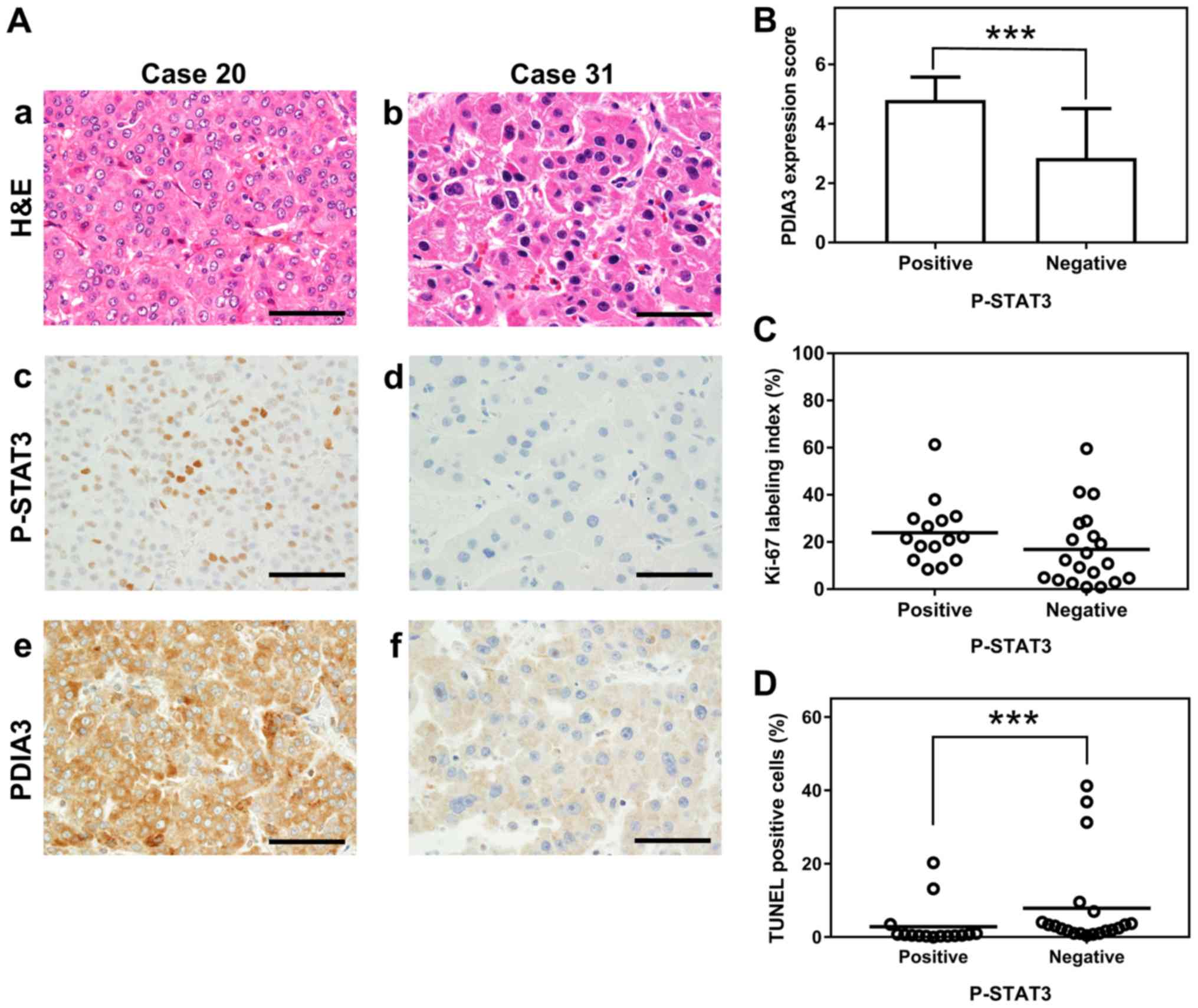
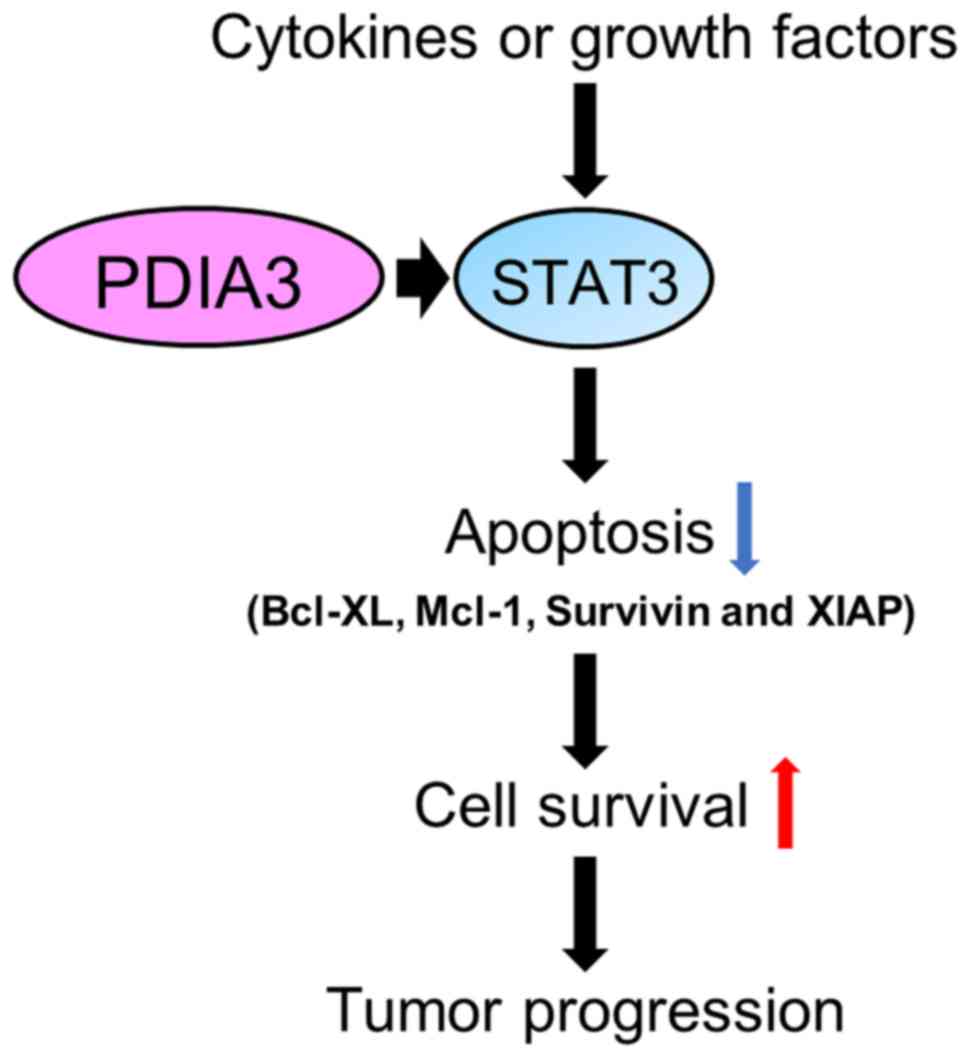
Protein disulfide‑isomerase A3 (PDIA3) is a chaperone protein that modulates folding of newly synthesized glycoproteins and responds to endoplasmic reticulum (ER) stress. Previous studies reported that increased expression of PDIA3 in hepatocellular carcinoma (HCC) is a marker for poor prognosis. However, the mechanism remains poorly understood. The aim of the present study, therefore, was to understand the role of PDIA3 in HCC development. First, immunohistochemical staining of tissues from 53 HCC cases revealed that HCC tissues with high PDIA3 expression exhibited a higher proliferation index and contained fewer apoptotic cells than those with low expression. In addition, the knockdown of PDIA3 significantly inhibited cell proliferation and induced apoptosis in HCC cell lines. These results suggest that PDIA3 regulates cell proliferation and apoptosis in HCC. An examination of whether PDIA3 knockdown induced apoptosis through ER stress revealed that PDIA3 knockdown did not increase ER stress marker, 78 kDa glucose‑regulated protein, in HCC cell lines. Furthermore, the association between PDIA3 and the signal transducer and activator of transcription 3 (STAT3) signaling pathway were investigated in vitro and in vivo. Immunofluorescence staining and co‑immunoprecipitation experiments revealed colocalization and binding, respectively, of PDIA3 and STAT3 in HCC cell lines. The knockdown of PDIA3 decreased the levels of phosphorylated STAT3 (P‑STAT3; Tyr705) and downstream proteins of the STAT3 signaling pathway: The anti‑apoptotic proteins (Bcl‑2‑like protein 1, induced myeloid leukemia cell differentiation protein Mcl‑1, survivin and X‑linked inhibitor of apoptosis protein). In addition, PDIA3 knockdown provided little inhibitory effect on cell proliferation in HCC cell lines treated with AG490, a tyrosine‑protein kinase JAK/STAT3 signaling inhibitor. Finally, an association was demonstrated between PDIA3 and P‑STAT3 expression following immunostaining of 35 HCC samples. Together, the present data suggest that PDIA3 promotes HCC progression through the STAT3 signaling pathway.
View Figures

Figure 1

Figure 2

Figure 3

Figure 4

Figure 5

Figure 6

Figure 7

Figure 8

View References

1 

Torre LA, Bray F, Siegel RL, Ferlay J, Lortet-Tieulent J and Jemal A: Global cancer statistics, 2012. CA Cancer J Clin. 65:87–108. 2015. View Article : Google Scholar : PubMed/NCBI

2 

Fitzmorris P, Shoreibah M, Anand BS and Singal AK: Management of hepatocellular carcinoma. J Cancer Res Clin Oncol. 141:861–876. 2015. View Article : Google Scholar

3 

Imamura H, Matsuyama Y, Tanaka E, Ohkubo T, Hasegawa K, Miyagawa S, Sugawara Y, Minagawa M, Takayama T, Kawasaki S, et al: Risk factors contributing to early and late phase intrahepatic recurrence of hepatocellular carcinoma after hepatectomy. J Hepatol. 38:200–207. 2003. View Article : Google Scholar : PubMed/NCBI

4 

Bellavance EC, Lumpkins KM, Mentha G, Marques HP, Capussotti L, Pulitano C, Majno P, Mira P, Rubbia-Brandt L, Ferrero A, et al: Surgical management of early-stage hepato-cellular carcinoma: Resection or transplantation? J Gastrointest Surg. 12:1699–1708. 2008. View Article : Google Scholar : PubMed/NCBI

5 

Nakajima Y, Ko S, Kanamura T, Nagao M, Kanehiro H, Hisanaga M, Aomatsu Y, Ikeda N and Nakano H: Repeat liver resection for hepatocellular carcinoma. J Am Coll Surg. 192:339–344. 2001. View Article : Google Scholar : PubMed/NCBI

6 

Ge S and Huang D: Systemic therapies for hepatocellular carcinoma. Drug Discov Ther. 9:352–362. 2015. View Article : Google Scholar : PubMed/NCBI

7 

Daher S, Massarwa M, Benson AA and Khoury T: Current and Future Treatment of Hepatocellular Carcinoma: An Updated Comprehensive Review. J Clin Transl Hepatol. 6:69–78. 2018. View Article : Google Scholar : PubMed/NCBI

8 

Swamy SG, Kameshwar VH, Shubha PB, Looi CY, Shanmugam MK, Arfuso F, Dharmarajan A, Sethi G, Shivananju NS and Bishayee A: Targeting multiple oncogenic pathways for the treatment of hepatocellular carcinoma. Target Oncol. 12:1–10. 2017. View Article : Google Scholar

9 

Yu H, Pardoll D and Jove R: STATs in cancer inflammation and immunity: A leading role for STAT3. Nat Rev Cancer. 9:798–809. 2009. View Article : Google Scholar : PubMed/NCBI

10 

Nikolaou K, Sarris M and Talianidis I: Molecular pathways: The complex roles of inflammation pathways in the development and treatment of liver cancer. Clin Cancer Res. 19:2810–2816. 2013. View Article : Google Scholar : PubMed/NCBI

11 

Subramaniam A, Shanmugam MK, Perumal E, Li F, Nachiyappan A, Dai X, Swamy SN, Ahn KS, Kumar, Tan BK, et al: Potential role of signal transducer and activator of transcription (STAT)3 signaling pathway in inflammation, survival, proliferation and invasion of hepatocellular carcinoma. Biochim Biophys Acta. 1835:46–60. 2013.

12 

Wu WY, Li J, Wu ZS, Zhang CL, Meng XL and Lobie PE: Prognostic significance of phosphorylated signal transducer and activator of transcription 3 and suppressor of cytokine signaling 3 expression in hepatocellular carcinoma. Exp Ther Med. 2:647–653. 2011. View Article : Google Scholar : PubMed/NCBI

13 

Zhang CH, Xu GL, Jia WD, Li JS, Ma JL, Ren WH, Ge YS, Yu JH, Liu WB and Wang W: Activation of STAT3 signal pathway correlates with twist and E-cadherin expression in hepatocellular carcinoma and their clinical significance. J Surg Res. 174:120–129. 2012. View Article : Google Scholar

14 

Mano Y, Aishima S, Fujita N, Tanaka Y, Kubo Y, Motomura T, Taketomi A, Shirabe K, Maehara Y and Oda Y: Tumor-associated macrophage promotes tumor progression via STAT3 signaling in hepatocellular carcinoma. Pathobiology. 80:146–154. 2013. View Article : Google Scholar : PubMed/NCBI

15 

Hettinghouse A, Liu R and Liu CJ: Multifunctional molecule ERp57: From cancer to neurodegenerative diseases. Pharmacol Ther. 181:34–48. 2018. View Article : Google Scholar

16 

Ndubuisi MI, Guo GG, Fried VA, Etlinger JD and Sehgal PB: Cellular physiology of STAT3: Where's the cytoplasmic monomer? J Biol Chem. 274:25499–25509. 1999. View Article : Google Scholar : PubMed/NCBI

17 

Eufemi M, Coppari S, Altieri F, Grillo C, Ferraro A and Turano C: ERp57 is present in STAT3-DNA complexes. Biochem Biophys Res Commun. 323:1306–1312. 2004. View Article : Google Scholar : PubMed/NCBI

18 

Chichiarelli S, Gaucci E, Ferraro A, Grillo C, Altieri F, Cocchiola R, Arcangeli V, Turano C and Eufemi M: Role of ERp57 in the signaling and transcriptional activity of STAT3 in a melanoma cell line. Arch Biochem Biophys. 494:178–183. 2010. View Article : Google Scholar

19 

Choe MH, Min JW, Jeon HB, Cho DH, Oh JS, Lee HG, Hwang SG, An S, Han YH and Kim JS: ERp57 modulates STAT3 activity in radioresistant laryngeal cancer cells and serves as a prognostic marker for laryngeal cancer. Oncotarget. 6:2654–2666. 2015. View Article : Google Scholar : PubMed/NCBI

20 

Takata H, Kudo M, Yamamoto T, Ueda J, Ishino K, Peng WX, Wada R, Taniai N, Yoshida H, Uchida E, et al: Increased expression of PDIA3 and its association with cancer cell proliferation and poor prognosis in hepatocellular carcinoma. Oncol Lett. 12:4896–4904. 2016. View Article : Google Scholar

21 

Livak KJ and Schmittgen TD: Analysis of relative gene expression data using real-time quantitative PCR and the 2(−Δ Δ C(T)) method. Methods. 25:402–408. 2001. View Article : Google Scholar

22 

Ishino K, Kudo M, Peng WX, Kure S, Kawahara K, Teduka K, Kawamoto Y, Kitamura T, Fujii T, Yamamoto T, et al: 2-Deoxy-d-glucose increases GFAT1 phosphorylation resulting in endoplasmic reticulum-related apoptosis via disruption of protein N-glycosylation in pancreatic cancer cells. Biochem Biophys Res Commun. 501:668–673. 2018. View Article : Google Scholar : PubMed/NCBI

23 

Liu M, Du L, He Z, Yan L, Shi Y, Shang J and Tang H: Increased ERp57 Expression in HBV-Related Hepatocellular Carcinoma: Possible Correlation and Prognosis. Biomed Res Int. 2017:12526472017.PubMed/NCBI

24 

Ni M and Lee AS: ER chaperones in mammalian development and human diseases. FEBS Lett. 581:3641–3651. 2007. View Article : Google Scholar : PubMed/NCBI

25 

Corazzari M, Gagliardi M, Fimia GM and Piacentini M: Endoplasmic reticulum stress, unfolded protein response, and cancer cell fate. Front Oncol. 7:782017. View Article : Google Scholar : PubMed/NCBI

26 

Bánhegyi G, Baumeister P, Benedetti A, Dong D, Fu Y, Lee AS, Li J, Mao C, Margittai E, Ni M, et al: Endoplasmic reticulum stress. Ann N Y Acad Sci. 1113:58–71. 2007. View Article : Google Scholar : PubMed/NCBI

27 

Luo B and Lee AS: The critical roles of endoplasmic reticulum chaperones and unfolded protein response in tumorigenesis and anticancer therapies. Oncogene. 32:805–818. 2013. View Article : Google Scholar

28 

Ramírez-Rangel I, Bracho-Valdés I, Vázquez-Macías A, Carretero-Ortega J, Reyes-Cruz G and Vázquez-Prado J: Regulation of mTORC1 complex assembly and signaling by GRp58/ERp57. Mol Cell Biol. 31:1657–1671. 2011. View Article : Google Scholar : PubMed/NCBI

29 

Hussmann M, Janke K, Kranz P, Neumann F, Mersch E, Baumann M, Goepelt K, Brockmeier U and Metzen E: Depletion of the thiol oxidoreductase ERp57 in tumor cells inhibits proliferation and increases sensitivity to ionizing radiation and chemotherapeutics. Oncotarget. 6:39247–39261. 2015. View Article : Google Scholar : PubMed/NCBI

30 

Grillo C, D'Ambrosio C, Scaloni A, Maceroni M, Merluzzi S, Turano C and Altieri F: Cooperative activity of Ref-1/APE and ERp57 in reductive activation of transcription factors. Free Radic Biol Med. 41:1113–1123. 2006. View Article : Google Scholar : PubMed/NCBI

31 

Sequeira VB, Rybchyn MS, Tongkao-On W, Gordon-Thomson C, Malloy PJ, Nemere I, Norman AW, Reeve VE, Halliday GM, Feldman D, et al: The role of the vitamin D receptor and ERp57 in photoprotection by 1α,25-dihydroxyvitamin D3. Mol Endocrinol. 26:574–582. 2012. View Article : Google Scholar : PubMed/NCBI

32 

Krynetskaia NF, Phadke MS, Jadhav SH and Krynetskiy EY: Chromatin-associated proteins HMGB1/2 and PDIA3 trigger cellular response to chemotherapy-induced DNA damage. Mol Cancer Ther. 8:864–872. 2009. View Article : Google Scholar : PubMed/NCBI

33 

Forbes SA, Beare D, Boutselakis H, Bamford S, Bindal N, Tate J, Cole CG, Ward S, Dawson E, Ponting L, et al: COSMIC: Somatic cancer genetics at high-resolution. Nucleic Acids Res. 45(D1): D777–D783. 2017. View Article : Google Scholar :

34 

Wang B, Ni Z, Dai X, Qin L, Li X, Xu L, Lian J and He F: The Bcl-2/xL inhibitor ABT-263 increases the stability of Mcl-1 mRNA and protein in hepatocellular carcinoma cells. Mol Cancer. 13:982014. View Article : Google Scholar : PubMed/NCBI

35 

Chen P, Hu T, Liang Y, Jiang Y, Pan Y, Li C, Zhang P, Wei D, Li P, Jeong LS, et al: Synergistic inhibition of autophagy and neddylation pathways as a novel therapeutic approach for targeting liver cancer. Oncotarget. 6:9002–9017. 2015.PubMed/NCBI

36 

Zhou M, Zhang Q, Zhao J, Liao M, Wen S and Yang M: Phosphorylation of Bcl-2 plays an important role in glycoche-nodeoxycholate-induced survival and chemoresistance in HCC. Oncol Rep. 38:1742–1750. 2017. View Article : Google Scholar : PubMed/NCBI

37 

Zheng HC: The molecular mechanisms of chemoresistance in cancers. Oncotarget. 8:59950–59964. 2017.PubMed/NCBI

38 

Tai WT, Cheng AL, Shiau CW, Huang HP, Huang JW, Chen PJ and Chen KF: Signal transducer and activator of transcription 3 is a major kinase-independent target of sorafenib in hepatocellular carcinoma. J Hepatol. 55:1041–1048. 2011. View Article : Google Scholar : PubMed/NCBI

39 

Gu F-M, Li QL, Gao Q, Jiang JH, Huang XY, Pan JF, Fan J and Zhou J: Sorafenib inhibits growth and metastasis of hepato-cellular carcinoma by blocking STAT3. World J Gastroenterol. 17:3922–3932. 2011. View Article : Google Scholar : PubMed/NCBI

40 

Huang CY, Lin CS, Tai WT, Hsieh CY, Shiau CW, Cheng AL and Chen KF: Sorafenib enhances radiation-induced apoptosis in hepatocellular carcinoma by inhibiting STAT3. Int J Radiat Oncol Biol Phys. 86:456–462. 2013. View Article : Google Scholar : PubMed/NCBI

41 

van Malenstein H, Dekervel J, Verslype C, Van Cutsem E, Windmolders P, Nevens F and van Pelt J: Long-term exposure to sorafenib of liver cancer cells induces resistance with epithelial-to-mesenchymal transition, increased invasion and risk of rebound growth. Cancer Lett. 329:74–83. 2013. View Article : Google Scholar

42 

Tai WT, Cheng AL, Shiau CW, Liu CY, Ko CH, Lin MW, Chen PJ and Chen KF: Dovitinib induces apoptosis and overcomes sorafenib resistance in hepatocellular carcinoma through SHP-1-mediated inhibition of STAT3. Mol Cancer Ther. 11:452–463. 2012. View Article : Google Scholar

43 

Cicchillitti L, Della Corte A, Di Michele M, Donati MB, Rotilio D and Scambia G: Characterisation of a multimeric protein complex associated with ERp57 within the nucleus in paclitaxel-sensitive and -resistant epithelial ovarian cancer cells: The involvement of specific conformational states of β-actin. Int J Oncol. 37:445–454. 2010. View Article : Google Scholar : PubMed/NCBI

44 

Brierley JD, Gospodarowicz MK and Wittekind C: TNM Classification of Malignant Tumours. 8th edition. Wiley-Blackwell; New York, NY: 2016

Related Articles

  • Abstract
  • View
  • Download
  • Twitter
Copy and paste a formatted citation
Spandidos Publications style
Kondo R, Ishino K, Wada R, Takata H, Peng WX, Kudo M, Kure S, Kaneya Y, Taniai N, Yoshida H, Yoshida H, et al: Downregulation of protein disulfide‑isomerase A3 expression inhibits cell proliferation and induces apoptosis through STAT3 signaling in hepatocellular carcinoma. Int J Oncol 54: 1409-1421, 2019.
APA
Kondo, R., Ishino, K., Wada, R., Takata, H., Peng, W., Kudo, M. ... Naito, Z. (2019). Downregulation of protein disulfide‑isomerase A3 expression inhibits cell proliferation and induces apoptosis through STAT3 signaling in hepatocellular carcinoma. International Journal of Oncology, 54, 1409-1421. https://doi.org/10.3892/ijo.2019.4710
MLA
Kondo, R., Ishino, K., Wada, R., Takata, H., Peng, W., Kudo, M., Kure, S., Kaneya, Y., Taniai, N., Yoshida, H., Naito, Z."Downregulation of protein disulfide‑isomerase A3 expression inhibits cell proliferation and induces apoptosis through STAT3 signaling in hepatocellular carcinoma". International Journal of Oncology 54.4 (2019): 1409-1421.
Chicago
Kondo, R., Ishino, K., Wada, R., Takata, H., Peng, W., Kudo, M., Kure, S., Kaneya, Y., Taniai, N., Yoshida, H., Naito, Z."Downregulation of protein disulfide‑isomerase A3 expression inhibits cell proliferation and induces apoptosis through STAT3 signaling in hepatocellular carcinoma". International Journal of Oncology 54, no. 4 (2019): 1409-1421. https://doi.org/10.3892/ijo.2019.4710
Copy and paste a formatted citation
x
Spandidos Publications style
Kondo R, Ishino K, Wada R, Takata H, Peng WX, Kudo M, Kure S, Kaneya Y, Taniai N, Yoshida H, Yoshida H, et al: Downregulation of protein disulfide‑isomerase A3 expression inhibits cell proliferation and induces apoptosis through STAT3 signaling in hepatocellular carcinoma. Int J Oncol 54: 1409-1421, 2019.
APA
Kondo, R., Ishino, K., Wada, R., Takata, H., Peng, W., Kudo, M. ... Naito, Z. (2019). Downregulation of protein disulfide‑isomerase A3 expression inhibits cell proliferation and induces apoptosis through STAT3 signaling in hepatocellular carcinoma. International Journal of Oncology, 54, 1409-1421. https://doi.org/10.3892/ijo.2019.4710
MLA
Kondo, R., Ishino, K., Wada, R., Takata, H., Peng, W., Kudo, M., Kure, S., Kaneya, Y., Taniai, N., Yoshida, H., Naito, Z."Downregulation of protein disulfide‑isomerase A3 expression inhibits cell proliferation and induces apoptosis through STAT3 signaling in hepatocellular carcinoma". International Journal of Oncology 54.4 (2019): 1409-1421.
Chicago
Kondo, R., Ishino, K., Wada, R., Takata, H., Peng, W., Kudo, M., Kure, S., Kaneya, Y., Taniai, N., Yoshida, H., Naito, Z."Downregulation of protein disulfide‑isomerase A3 expression inhibits cell proliferation and induces apoptosis through STAT3 signaling in hepatocellular carcinoma". International Journal of Oncology 54, no. 4 (2019): 1409-1421. https://doi.org/10.3892/ijo.2019.4710
Follow us
  • Twitter
  • LinkedIn
  • Facebook
About
  • Spandidos Publications
  • Careers
  • Cookie Policy
  • Privacy Policy
How can we help?
  • Help
  • Live Chat
  • Contact
  • Email to our Support Team