Spandidos Publications Logo
  • About
    • About Spandidos
    • Aims and Scopes
    • Abstracting and Indexing
    • Editorial Policies
    • Reprints and Permissions
    • Job Opportunities
    • Terms and Conditions
    • Contact
  • Journals
    • All Journals
    • Oncology Letters
      • Oncology Letters
      • Information for Authors
      • Editorial Policies
      • Editorial Board
      • Aims and Scope
      • Abstracting and Indexing
      • Bibliographic Information
      • Archive
    • International Journal of Oncology
      • International Journal of Oncology
      • Information for Authors
      • Editorial Policies
      • Editorial Board
      • Aims and Scope
      • Abstracting and Indexing
      • Bibliographic Information
      • Archive
    • Molecular and Clinical Oncology
      • Molecular and Clinical Oncology
      • Information for Authors
      • Editorial Policies
      • Editorial Board
      • Aims and Scope
      • Abstracting and Indexing
      • Bibliographic Information
      • Archive
    • Experimental and Therapeutic Medicine
      • Experimental and Therapeutic Medicine
      • Information for Authors
      • Editorial Policies
      • Editorial Board
      • Aims and Scope
      • Abstracting and Indexing
      • Bibliographic Information
      • Archive
    • International Journal of Molecular Medicine
      • International Journal of Molecular Medicine
      • Information for Authors
      • Editorial Policies
      • Editorial Board
      • Aims and Scope
      • Abstracting and Indexing
      • Bibliographic Information
      • Archive
    • Biomedical Reports
      • Biomedical Reports
      • Information for Authors
      • Editorial Policies
      • Editorial Board
      • Aims and Scope
      • Abstracting and Indexing
      • Bibliographic Information
      • Archive
    • Oncology Reports
      • Oncology Reports
      • Information for Authors
      • Editorial Policies
      • Editorial Board
      • Aims and Scope
      • Abstracting and Indexing
      • Bibliographic Information
      • Archive
    • Molecular Medicine Reports
      • Molecular Medicine Reports
      • Information for Authors
      • Editorial Policies
      • Editorial Board
      • Aims and Scope
      • Abstracting and Indexing
      • Bibliographic Information
      • Archive
    • World Academy of Sciences Journal
      • World Academy of Sciences Journal
      • Information for Authors
      • Editorial Policies
      • Editorial Board
      • Aims and Scope
      • Abstracting and Indexing
      • Bibliographic Information
      • Archive
    • International Journal of Functional Nutrition
      • International Journal of Functional Nutrition
      • Information for Authors
      • Editorial Policies
      • Editorial Board
      • Aims and Scope
      • Abstracting and Indexing
      • Bibliographic Information
      • Archive
    • International Journal of Epigenetics
      • International Journal of Epigenetics
      • Information for Authors
      • Editorial Policies
      • Editorial Board
      • Aims and Scope
      • Abstracting and Indexing
      • Bibliographic Information
      • Archive
    • Medicine International
      • Medicine International
      • Information for Authors
      • Editorial Policies
      • Editorial Board
      • Aims and Scope
      • Abstracting and Indexing
      • Bibliographic Information
      • Archive
  • Articles
  • Information
    • Information for Authors
    • Information for Reviewers
    • Information for Librarians
    • Information for Advertisers
    • Conferences
  • Language Editing
Spandidos Publications Logo
  • About
    • About Spandidos
    • Aims and Scopes
    • Abstracting and Indexing
    • Editorial Policies
    • Reprints and Permissions
    • Job Opportunities
    • Terms and Conditions
    • Contact
  • Journals
    • All Journals
    • Biomedical Reports
      • Information for Authors
      • Editorial Policies
      • Editorial Board
      • Aims and Scope
      • Abstracting and Indexing
      • Bibliographic Information
      • Archive
    • Experimental and Therapeutic Medicine
      • Information for Authors
      • Editorial Policies
      • Editorial Board
      • Aims and Scope
      • Abstracting and Indexing
      • Bibliographic Information
      • Archive
    • International Journal of Epigenetics
      • Information for Authors
      • Editorial Policies
      • Editorial Board
      • Aims and Scope
      • Abstracting and Indexing
      • Bibliographic Information
      • Archive
    • International Journal of Functional Nutrition
      • Information for Authors
      • Editorial Policies
      • Editorial Board
      • Aims and Scope
      • Abstracting and Indexing
      • Bibliographic Information
      • Archive
    • International Journal of Molecular Medicine
      • Information for Authors
      • Editorial Policies
      • Editorial Board
      • Aims and Scope
      • Abstracting and Indexing
      • Bibliographic Information
      • Archive
    • International Journal of Oncology
      • Information for Authors
      • Editorial Policies
      • Editorial Board
      • Aims and Scope
      • Abstracting and Indexing
      • Bibliographic Information
      • Archive
    • Medicine International
      • Information for Authors
      • Editorial Policies
      • Editorial Board
      • Aims and Scope
      • Abstracting and Indexing
      • Bibliographic Information
      • Archive
    • Molecular and Clinical Oncology
      • Information for Authors
      • Editorial Policies
      • Editorial Board
      • Aims and Scope
      • Abstracting and Indexing
      • Bibliographic Information
      • Archive
    • Molecular Medicine Reports
      • Information for Authors
      • Editorial Policies
      • Editorial Board
      • Aims and Scope
      • Abstracting and Indexing
      • Bibliographic Information
      • Archive
    • Oncology Letters
      • Information for Authors
      • Editorial Policies
      • Editorial Board
      • Aims and Scope
      • Abstracting and Indexing
      • Bibliographic Information
      • Archive
    • Oncology Reports
      • Information for Authors
      • Editorial Policies
      • Editorial Board
      • Aims and Scope
      • Abstracting and Indexing
      • Bibliographic Information
      • Archive
    • World Academy of Sciences Journal
      • Information for Authors
      • Editorial Policies
      • Editorial Board
      • Aims and Scope
      • Abstracting and Indexing
      • Bibliographic Information
      • Archive
  • Articles
  • Information
    • For Authors
    • For Reviewers
    • For Librarians
    • For Advertisers
    • Conferences
  • Language Editing
Login Register Submit
  • This site uses cookies
  • You can change your cookie settings at any time by following the instructions in our Cookie Policy. To find out more, you may read our Privacy Policy.

    I agree
Search articles by DOI, keyword, author or affiliation
Search
Advanced Search
presentation
Molecular Medicine Reports
Join Editorial Board Propose a Special Issue
Print ISSN: 1791-2997 Online ISSN: 1791-3004
Journal Cover
June-2015 Volume 11 Issue 6

Full Size Image

Sign up for eToc alerts
Recommend to Library

Journals

International Journal of Molecular Medicine

International Journal of Molecular Medicine

International Journal of Molecular Medicine is an international journal devoted to molecular mechanisms of human disease.

International Journal of Oncology

International Journal of Oncology

International Journal of Oncology is an international journal devoted to oncology research and cancer treatment.

Molecular Medicine Reports

Molecular Medicine Reports

Covers molecular medicine topics such as pharmacology, pathology, genetics, neuroscience, infectious diseases, molecular cardiology, and molecular surgery.

Oncology Reports

Oncology Reports

Oncology Reports is an international journal devoted to fundamental and applied research in Oncology.

Experimental and Therapeutic Medicine

Experimental and Therapeutic Medicine

Experimental and Therapeutic Medicine is an international journal devoted to laboratory and clinical medicine.

Oncology Letters

Oncology Letters

Oncology Letters is an international journal devoted to Experimental and Clinical Oncology.

Biomedical Reports

Biomedical Reports

Explores a wide range of biological and medical fields, including pharmacology, genetics, microbiology, neuroscience, and molecular cardiology.

Molecular and Clinical Oncology

Molecular and Clinical Oncology

International journal addressing all aspects of oncology research, from tumorigenesis and oncogenes to chemotherapy and metastasis.

World Academy of Sciences Journal

World Academy of Sciences Journal

Multidisciplinary open-access journal spanning biochemistry, genetics, neuroscience, environmental health, and synthetic biology.

International Journal of Functional Nutrition

International Journal of Functional Nutrition

Open-access journal combining biochemistry, pharmacology, immunology, and genetics to advance health through functional nutrition.

International Journal of Epigenetics

International Journal of Epigenetics

Publishes open-access research on using epigenetics to advance understanding and treatment of human disease.

Medicine International

Medicine International

An International Open Access Journal Devoted to General Medicine.

Journal Cover
June-2015 Volume 11 Issue 6

Full Size Image

Sign up for eToc alerts
Recommend to Library

  • Article
  • Citations
    • Cite This Article
    • Download Citation
    • Create Citation Alert
    • Remove Citation Alert
    • Cited By
  • Similar Articles
    • Related Articles (in Spandidos Publications)
    • Similar Articles (Google Scholar)
    • Similar Articles (PubMed)
  • Download PDF
  • Download XML
  • View XML
Article

Hydroquinone analog 4-[(Tetrahydro-2H-pyran-2‑yl) oxy] phenol induces C26 colon cancer cell apoptosis and inhibits tumor growth in vivo

  • Authors:
    • Qigen Du
    • Guang Xin
    • Hai Niu
    • Wen Huang
  • View Affiliations / Copyright

    Affiliations: Laboratory of Ethnopharmacology, Regenerative Medicine Research Center, West China Hospital, West China Medical School and Institute for Nanobiomedical Technology and Membrane Biology, Sichuan University, Chengdu, Sichuan 610041, P.R. China
  • Pages: 4671-4677
    |
    Published online on: February 4, 2015
       https://doi.org/10.3892/mmr.2015.3300
  • Expand metrics +
Metrics: Total Views: 0 (Spandidos Publications: | PMC Statistics: )
Metrics: Total PDF Downloads: 0 (Spandidos Publications: | PMC Statistics: )
Cited By (CrossRef): 0 citations Loading Articles...

This article is mentioned in:


Abstract

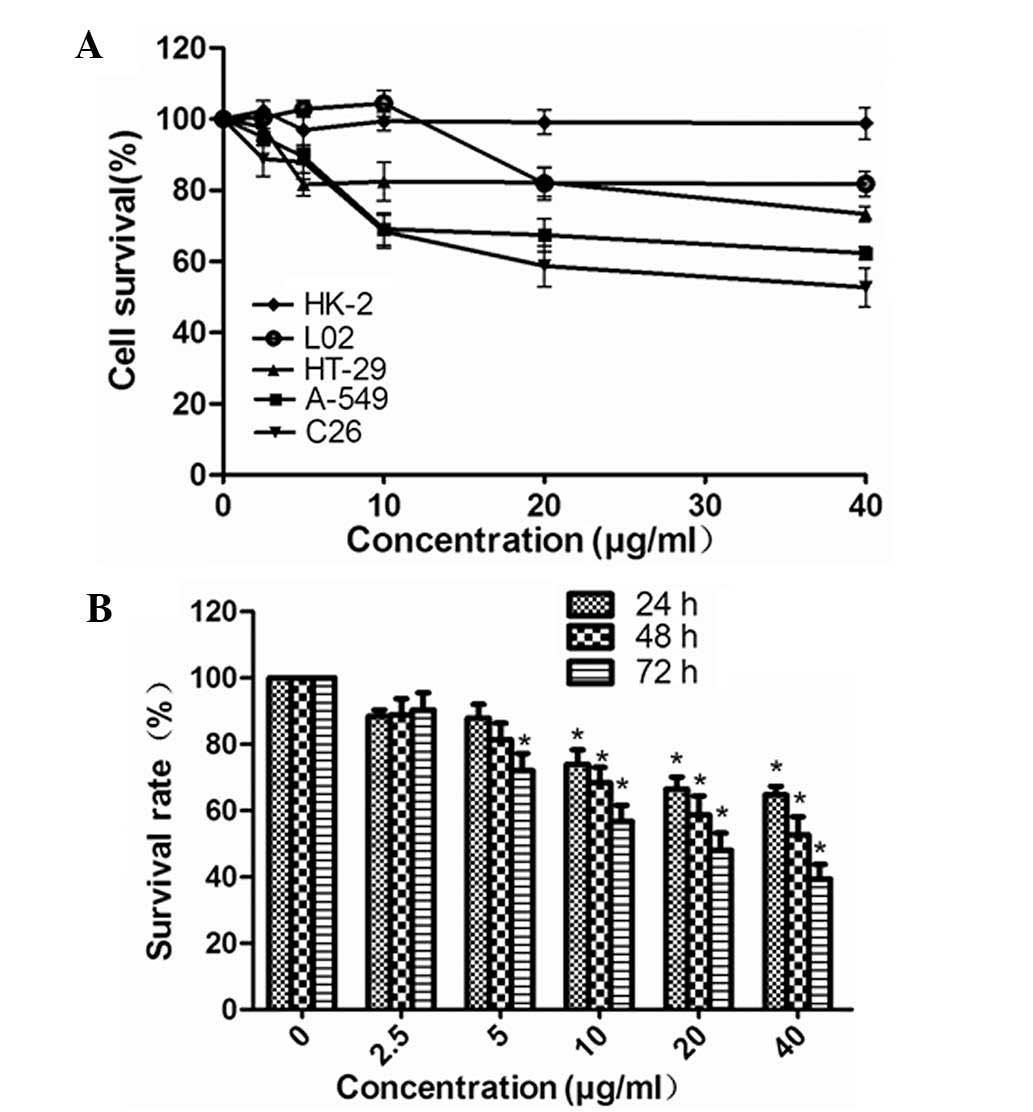
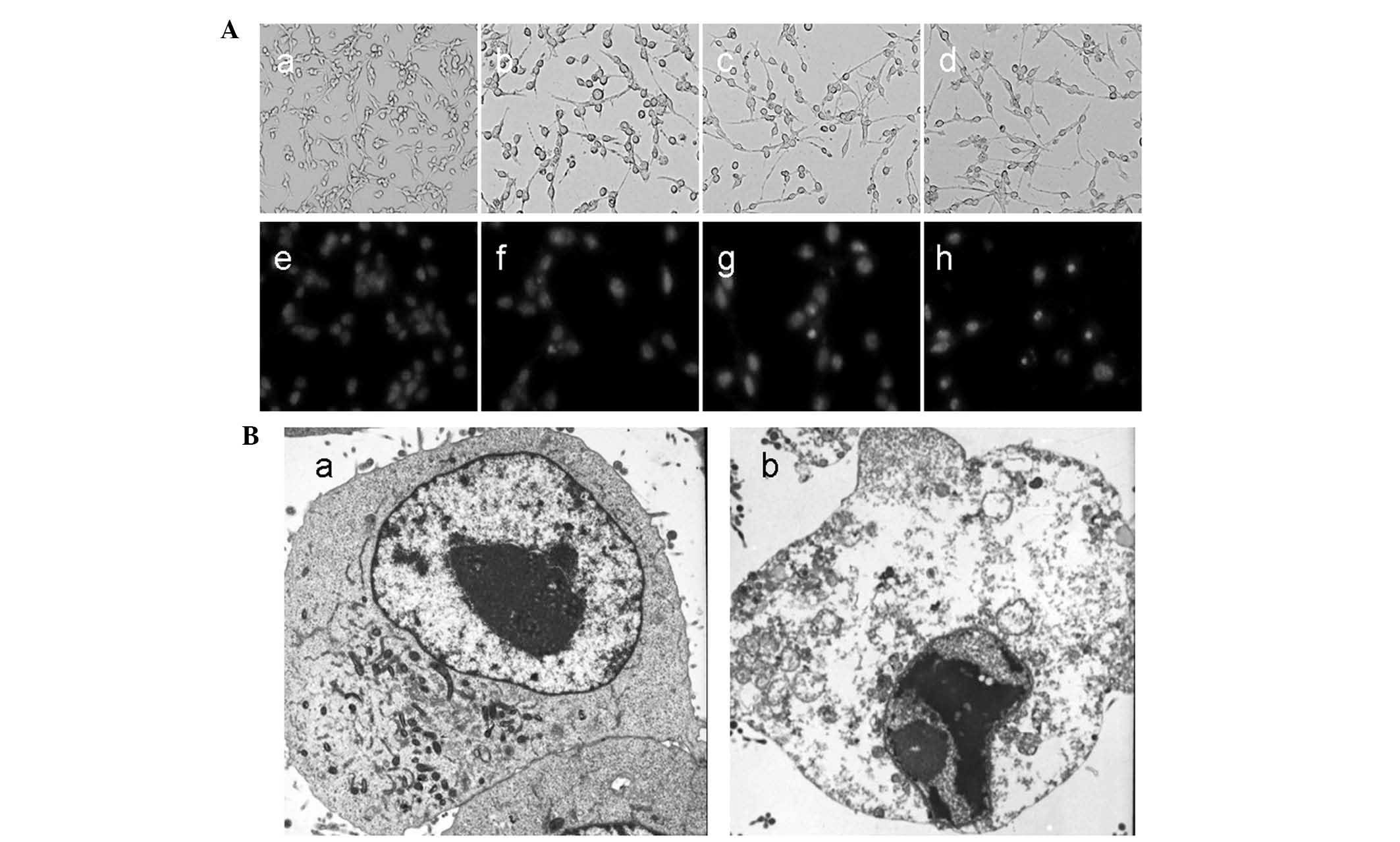
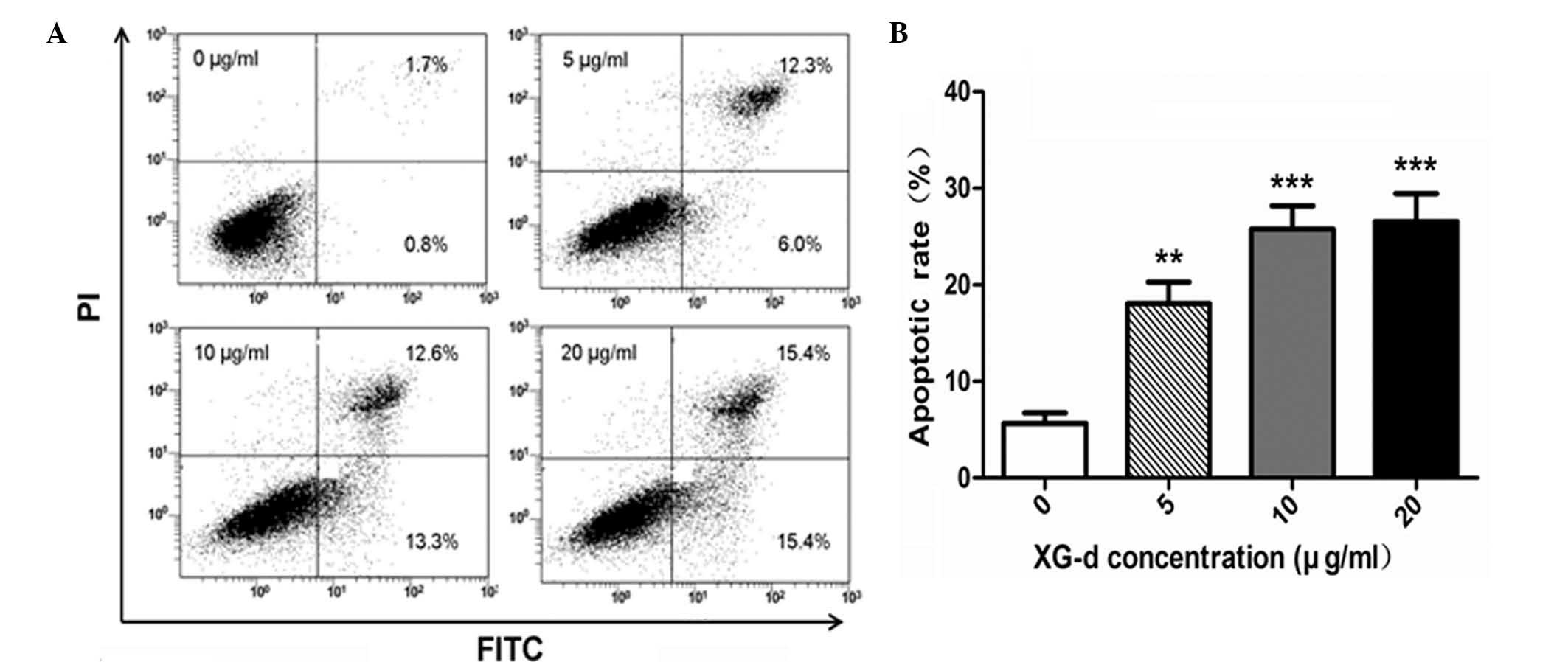
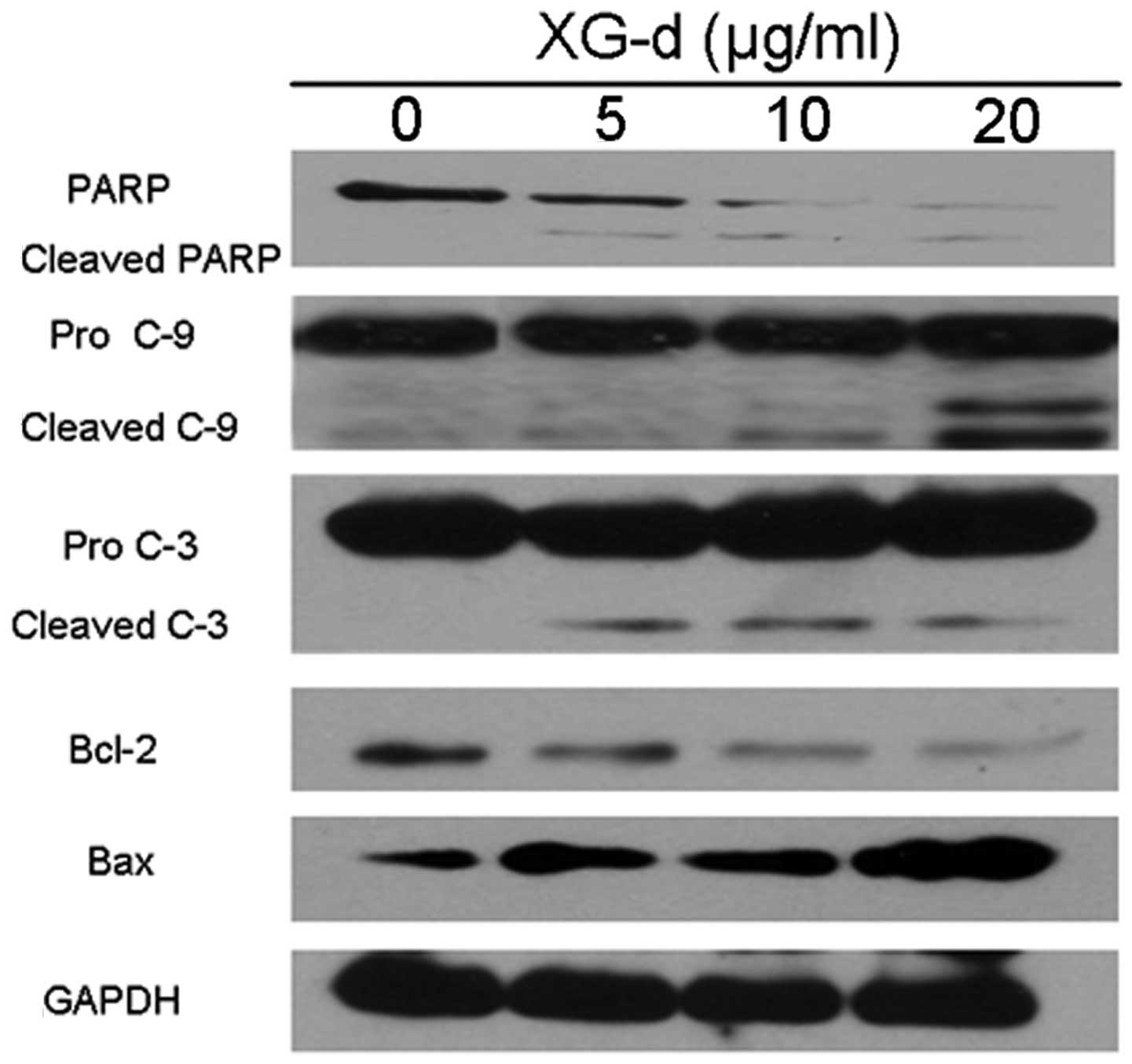
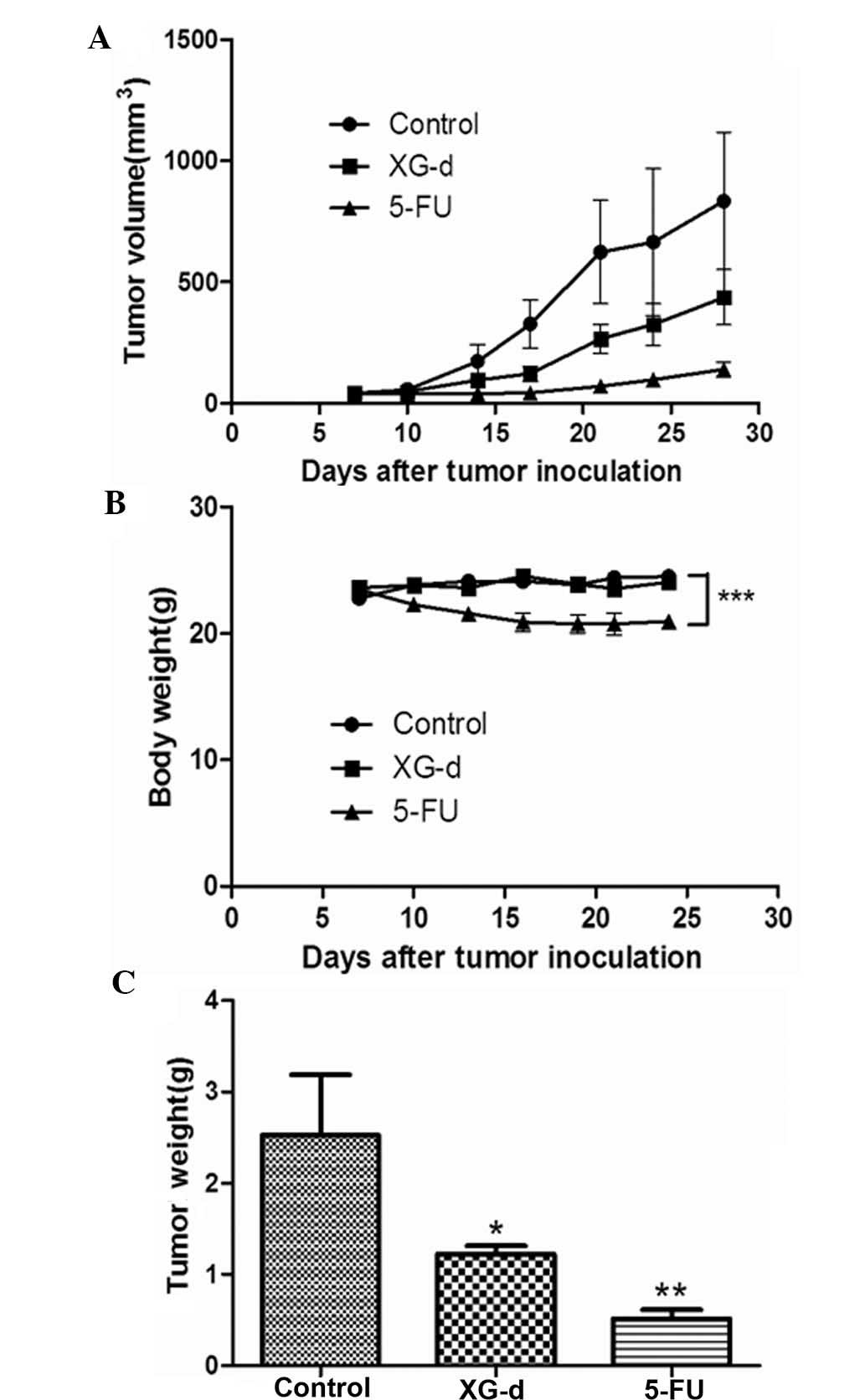
The 4[(Tetrahydro‑2H‑pyran‑2‑yl) oxy] phenol (XG‑d) hydroquinone analog, is found in Vaccinium vitis‑idaea  L. Although it is known for its antioxidant properties and high level of safety, its antitumor activity remains to be elucidated. In the present study, the anticancer effect of XG‑d was determined in vitro and in vivo. The cytotoxicity of XG‑d against C26 murine colon carcinoma cells was found to occur in a time‑ and concentration‑dependent manner, whereas little effect was observed in the two normal cell lines (HK‑2 and L02) investigated. Oral administration of XG‑d (100 mg/kg) had effects on the tumor growth of tumor‑bearing mice. Furthermore, marked apoptosis was observed using Hoechst 33258 staining and flow cytometric analysis with annexin V/propidium iodide double staining. XG‑d also downregulated the expression of B‑cell lymphoma 2 (Bcl‑2), increased the expression levels of Bcl‑2‑associated X protein and activated caspase‑9, caspase‑3 and poly(adenosine diphosphate‑ribose) polymerase. The present study demonstrated for the first time, to the best of our knowledge, that XG‑d inhibited cancer cell growth via the induction of apoptosis and was also able to inhibit tumor growth in vivo. These results demonstrated that XG‑d may be used as a potential natural agent for cancer therapy with low toxicity.
View Figures

Figure 1

Figure 2

Figure 3

Figure 4

Figure 5

Figure 6

View References

1 

Jemal A, Murray T, Ward E, et al: Cancer statistics, 2005. CA Cancer J Clin. 55:10–30. 2005. View Article : Google Scholar : PubMed/NCBI

2 

Center MM, Jemal A, Smith RA and Ward E: Worldwide variations in colorectal cancer. CA Cancer J Clin. 59:366–378. 2009. View Article : Google Scholar : PubMed/NCBI

3 

Jemal A, Bary F, Center MM, et al: Global cancer statistic. CA Cancer J Clin. 61:69–90. 2011. View Article : Google Scholar : PubMed/NCBI

4 

Saif MW: Targeted agents for adjuvant therapy of colon cancer. Clin Colorectal Canc. 6:46–51. 2006. View Article : Google Scholar

5 

Macdonald JS: Adjuvant therapy of colon cancer. CA Cancer J Clin. 49:202–219. 1999. View Article : Google Scholar

6 

Longley DB, Harkin DP and Johnston PG: 5-fluorouracil: mechanisms of action and clinical strategies. Nat Rev Cancer. 3:330–338. 2003. View Article : Google Scholar : PubMed/NCBI

7 

Delval L and Klastersky J: Optic neuropathy in cancer patients. Report of a case possibly related to 5 fluorouracil toxicity and review of the literature. J Neurooncol. 60:165–169. 2002. View Article : Google Scholar

8 

Meregalli M, Martignoni G, Frontini L, et al: Increasing doses of 5-fluorouracil and high-dose folinic acid in the treatment of metastatic colorectal cancer. Tumori. 84:662–665. 1998.

9 

Ghobrial IM, Witzig TE and Adjei AA: Targeting apoptosis pathways in cancer therapy. CA Cancer J Clin. 55:178–194. 2005. View Article : Google Scholar : PubMed/NCBI

10 

Ziegler DS and Kung AL: Therapeutic targeting of apoptosis pathways in cancer. Curr Opin Oncol. 20:97–103. 2008. View Article : Google Scholar

11 

Wong RSY: Apoptosis in cancer: from pathogenesis to treatment. J Exp Clin Cancer Res. 30:872011. View Article : Google Scholar : PubMed/NCBI

12 

Green DR and Kroemer G: The pathophysiology of mitochondrial cell death. Science. 305:626–629. 2004. View Article : Google Scholar : PubMed/NCBI

13 

Borner C: The Bcl-2 protein family: sensors and checkpoints for life-or-death decisions. Mol Immunol. 39:615–647. 2003. View Article : Google Scholar

14 

Adams JM and Cory S: The Bcl-2 apoptotic switch in cancer development and therapy. Oncogene. 26:1324–1337. 2007. View Article : Google Scholar : PubMed/NCBI

15 

Willis SN, Fletcher J, Kaufmann T, et al: Apoptosis initiated when BH3 ligands engage multiple Bcl-2 homologs, not Bax or Bak. Science. 315:856–859. 2007. View Article : Google Scholar : PubMed/NCBI

16 

Tin MM, Cho CH, Chan K, et al: Astragalus saponins induce growth inhibition and apoptosis in human colon cancer cells and tumor xenograft. Carcinogenesis. 28:1347–1355. 2007. View Article : Google Scholar

17 

Miller K, Wang ML, Gralow J, et al: Paclitaxel plus bevacizumab versus paclitaxel alone for metastatic breast cancer. New Engl J Med. 357:2666–2676. 2007. View Article : Google Scholar : PubMed/NCBI

18 

Phillips PA, Sangwan V, Borja-Cacho D, et al: Myricetin induces pancreatic cancer cell death via the induction of apoptosis and inhibition of the phosphatidylinositol 3-kinase (PI3K) signaling pathway. Cancer Lett. 308:181–188. 2011. View Article : Google Scholar : PubMed/NCBI

19 

Morimoto S, Nonaka GI and Nishioka I: Tannins and related compounds. LX. Isolation and characterization of proanthocy-anidins with a doubly-linked unit from Vaccinium vitis-idaea L. Chem Pharm Bull. 36:33–38. 1988. View Article : Google Scholar

20 

Fokina GI, Roĭkhel’ VM, Frolova MP, et al: The antiviral action of medicinal plant extracts in experimental tick-borne encephalitis. Vopr Virusol. 38:170–173. 1993.In Russian. PubMed/NCBI

21 

Tong QY, Qing Y, Shu D, et al: Deltonin, a steroidal saponin, inhibits colon cancer cell growth in vitro and tumor growth in vivo via induction of apoptosis and antiangiogenesis. Cell Physiol Biochem. 27:233–242. 2011. View Article : Google Scholar : PubMed/NCBI

22 

Jeone SJ, Koh W, Kim B and Kim SH: Are there new therapeutic options for treating lung cancer based on herbal medicines and their metabolites. J Ethnopharmacology. 138:652–661. 2011. View Article : Google Scholar

23 

Wang J, Zhao XZ, Qi Q, et al: Macranthoside B, a hederagenin saponin extracted from Lonicera macranthoides and its anti-tumor activities in vitro and in vivo. Food Chem Toxicol. 47:1716–1721. 2009. View Article : Google Scholar : PubMed/NCBI

24 

Hu M, Xu L, Yin LH, et al: Cytotoxicity of dioscin in human gastric carcinoma cells through death receptor and mitochondrial pathways. J Appl Toxicol. 33:712–722. 2013. View Article : Google Scholar

25 

Cai SX, Drewe J and Kasibhatla S: A chemical genetics approach for the discovery of apoptosis inducers: from phenotypic cell based HTS assay and structure-activity relationship studies, to identification of potential anticancer agents and molecular targets. Curr Med Chem. 13:2627–2644. 2006. View Article : Google Scholar : PubMed/NCBI

26 

Hickman JA: Apoptosis induced by anticancer drugs. Cancer Metastasis Rev. 11:121–139. 1992. View Article : Google Scholar : PubMed/NCBI

27 

Desagher S and Martinous JC: Mitochondria as the central control point of apoptosis. Trends Cell Biol. 10:369–377. 2000. View Article : Google Scholar : PubMed/NCBI

28 

Gabriel B, Sureau F, Casselyn M, et al: Retroactive pathway involving mitochondria in electroloaded cytochrome c-induced apoptosis. Protective properties of Bcl-2 and Bcl-XL. Exp Cell Res. 289:195–210. 2003. View Article : Google Scholar : PubMed/NCBI

29 

Maianski NA, Roos D and Kuijpers TW: Bid truncation, bid/bax targeting to the mitochondria, and caspase activation associated with neutrophil apoptosis are inhibited by granulocyte colony-stimulating factor. J Immunol. 172:7024–7030. 2004. View Article : Google Scholar : PubMed/NCBI

30 

Nuñez G, Benedict MA, Hu Y and Inohara N: Caspases: the proteases of the apoptotic pathway. Oncogene. 17:3237–3245. 1998. View Article : Google Scholar

31 

Duriez PJ and Shah G: Cleavage of poly(ADP-ribose) polymerase: a sensitive parameter to study cell death. Biochem Cell Biol. 75:337–349. 1997. View Article : Google Scholar : PubMed/NCBI

32 

Cory S and Adams JM: The Bcl2 family: regulators of the cellular life-or-death switch. Nat Rev Cancer. 2:647–656. 2002. View Article : Google Scholar : PubMed/NCBI

33 

Oltersdorf T, Elmore SW, Shoemaker AR, et al: An inhibitor of Bcl-2 family proteins induces regression of solid tumours. Nature. 435:677–681. 2005. View Article : Google Scholar : PubMed/NCBI

34 

Murray A: Cyclin ubiquitination: the destructive end of mitosis. Cell. 81:149–152. 1995. View Article : Google Scholar : PubMed/NCBI

35 

Antonsson B and Martinou JC: The Bcl-2 protein family. Exp Cell Res. 256:50–57. 2000. View Article : Google Scholar : PubMed/NCBI

36 

Reed JC: Double identity for protein of the Bcl-2 family. Nature. 387:773–776. 1997. View Article : Google Scholar : PubMed/NCBI

37 

Mirjolet JF, Barberi-Heyob M, Didelot C, et al: Bcl-2/Bax protein ratio predicts 5-fluorouracil sensitivity independently of p53 status. Br J Cancer. 83:1380–1386. 2000. View Article : Google Scholar : PubMed/NCBI

Related Articles

  • Abstract
  • View
  • Download
  • Twitter
Copy and paste a formatted citation
Spandidos Publications style
Du Q, Xin G, Niu H and Huang W: Hydroquinone analog 4-[(Tetrahydro-2H-pyran-2‑yl) oxy] phenol induces C26 colon cancer cell apoptosis and inhibits tumor growth in vivo. Mol Med Rep 11: 4671-4677, 2015.
APA
Du, Q., Xin, G., Niu, H., & Huang, W. (2015). Hydroquinone analog 4-[(Tetrahydro-2H-pyran-2‑yl) oxy] phenol induces C26 colon cancer cell apoptosis and inhibits tumor growth in vivo. Molecular Medicine Reports, 11, 4671-4677. https://doi.org/10.3892/mmr.2015.3300
MLA
Du, Q., Xin, G., Niu, H., Huang, W."Hydroquinone analog 4-[(Tetrahydro-2H-pyran-2‑yl) oxy] phenol induces C26 colon cancer cell apoptosis and inhibits tumor growth in vivo". Molecular Medicine Reports 11.6 (2015): 4671-4677.
Chicago
Du, Q., Xin, G., Niu, H., Huang, W."Hydroquinone analog 4-[(Tetrahydro-2H-pyran-2‑yl) oxy] phenol induces C26 colon cancer cell apoptosis and inhibits tumor growth in vivo". Molecular Medicine Reports 11, no. 6 (2015): 4671-4677. https://doi.org/10.3892/mmr.2015.3300
Copy and paste a formatted citation
x
Spandidos Publications style
Du Q, Xin G, Niu H and Huang W: Hydroquinone analog 4-[(Tetrahydro-2H-pyran-2‑yl) oxy] phenol induces C26 colon cancer cell apoptosis and inhibits tumor growth in vivo. Mol Med Rep 11: 4671-4677, 2015.
APA
Du, Q., Xin, G., Niu, H., & Huang, W. (2015). Hydroquinone analog 4-[(Tetrahydro-2H-pyran-2‑yl) oxy] phenol induces C26 colon cancer cell apoptosis and inhibits tumor growth in vivo. Molecular Medicine Reports, 11, 4671-4677. https://doi.org/10.3892/mmr.2015.3300
MLA
Du, Q., Xin, G., Niu, H., Huang, W."Hydroquinone analog 4-[(Tetrahydro-2H-pyran-2‑yl) oxy] phenol induces C26 colon cancer cell apoptosis and inhibits tumor growth in vivo". Molecular Medicine Reports 11.6 (2015): 4671-4677.
Chicago
Du, Q., Xin, G., Niu, H., Huang, W."Hydroquinone analog 4-[(Tetrahydro-2H-pyran-2‑yl) oxy] phenol induces C26 colon cancer cell apoptosis and inhibits tumor growth in vivo". Molecular Medicine Reports 11, no. 6 (2015): 4671-4677. https://doi.org/10.3892/mmr.2015.3300
Follow us
  • Twitter
  • LinkedIn
  • Facebook
About
  • Spandidos Publications
  • Careers
  • Cookie Policy
  • Privacy Policy
How can we help?
  • Help
  • Live Chat
  • Contact
  • Email to our Support Team