Spandidos Publications Logo
  • About
    • About Spandidos
    • Aims and Scopes
    • Abstracting and Indexing
    • Editorial Policies
    • Reprints and Permissions
    • Job Opportunities
    • Terms and Conditions
    • Contact
  • Journals
    • All Journals
    • Oncology Letters
      • Oncology Letters
      • Information for Authors
      • Editorial Policies
      • Editorial Board
      • Aims and Scope
      • Abstracting and Indexing
      • Bibliographic Information
      • Archive
    • International Journal of Oncology
      • International Journal of Oncology
      • Information for Authors
      • Editorial Policies
      • Editorial Board
      • Aims and Scope
      • Abstracting and Indexing
      • Bibliographic Information
      • Archive
    • Molecular and Clinical Oncology
      • Molecular and Clinical Oncology
      • Information for Authors
      • Editorial Policies
      • Editorial Board
      • Aims and Scope
      • Abstracting and Indexing
      • Bibliographic Information
      • Archive
    • Experimental and Therapeutic Medicine
      • Experimental and Therapeutic Medicine
      • Information for Authors
      • Editorial Policies
      • Editorial Board
      • Aims and Scope
      • Abstracting and Indexing
      • Bibliographic Information
      • Archive
    • International Journal of Molecular Medicine
      • International Journal of Molecular Medicine
      • Information for Authors
      • Editorial Policies
      • Editorial Board
      • Aims and Scope
      • Abstracting and Indexing
      • Bibliographic Information
      • Archive
    • Biomedical Reports
      • Biomedical Reports
      • Information for Authors
      • Editorial Policies
      • Editorial Board
      • Aims and Scope
      • Abstracting and Indexing
      • Bibliographic Information
      • Archive
    • Oncology Reports
      • Oncology Reports
      • Information for Authors
      • Editorial Policies
      • Editorial Board
      • Aims and Scope
      • Abstracting and Indexing
      • Bibliographic Information
      • Archive
    • Molecular Medicine Reports
      • Molecular Medicine Reports
      • Information for Authors
      • Editorial Policies
      • Editorial Board
      • Aims and Scope
      • Abstracting and Indexing
      • Bibliographic Information
      • Archive
    • World Academy of Sciences Journal
      • World Academy of Sciences Journal
      • Information for Authors
      • Editorial Policies
      • Editorial Board
      • Aims and Scope
      • Abstracting and Indexing
      • Bibliographic Information
      • Archive
    • International Journal of Functional Nutrition
      • International Journal of Functional Nutrition
      • Information for Authors
      • Editorial Policies
      • Editorial Board
      • Aims and Scope
      • Abstracting and Indexing
      • Bibliographic Information
      • Archive
    • International Journal of Epigenetics
      • International Journal of Epigenetics
      • Information for Authors
      • Editorial Policies
      • Editorial Board
      • Aims and Scope
      • Abstracting and Indexing
      • Bibliographic Information
      • Archive
    • Medicine International
      • Medicine International
      • Information for Authors
      • Editorial Policies
      • Editorial Board
      • Aims and Scope
      • Abstracting and Indexing
      • Bibliographic Information
      • Archive
  • Articles
  • Information
    • Information for Authors
    • Information for Reviewers
    • Information for Librarians
    • Information for Advertisers
    • Conferences
  • Language Editing
Spandidos Publications Logo
  • About
    • About Spandidos
    • Aims and Scopes
    • Abstracting and Indexing
    • Editorial Policies
    • Reprints and Permissions
    • Job Opportunities
    • Terms and Conditions
    • Contact
  • Journals
    • All Journals
    • Biomedical Reports
      • Information for Authors
      • Editorial Policies
      • Editorial Board
      • Aims and Scope
      • Abstracting and Indexing
      • Bibliographic Information
      • Archive
    • Experimental and Therapeutic Medicine
      • Information for Authors
      • Editorial Policies
      • Editorial Board
      • Aims and Scope
      • Abstracting and Indexing
      • Bibliographic Information
      • Archive
    • International Journal of Epigenetics
      • Information for Authors
      • Editorial Policies
      • Editorial Board
      • Aims and Scope
      • Abstracting and Indexing
      • Bibliographic Information
      • Archive
    • International Journal of Functional Nutrition
      • Information for Authors
      • Editorial Policies
      • Editorial Board
      • Aims and Scope
      • Abstracting and Indexing
      • Bibliographic Information
      • Archive
    • International Journal of Molecular Medicine
      • Information for Authors
      • Editorial Policies
      • Editorial Board
      • Aims and Scope
      • Abstracting and Indexing
      • Bibliographic Information
      • Archive
    • International Journal of Oncology
      • Information for Authors
      • Editorial Policies
      • Editorial Board
      • Aims and Scope
      • Abstracting and Indexing
      • Bibliographic Information
      • Archive
    • Medicine International
      • Information for Authors
      • Editorial Policies
      • Editorial Board
      • Aims and Scope
      • Abstracting and Indexing
      • Bibliographic Information
      • Archive
    • Molecular and Clinical Oncology
      • Information for Authors
      • Editorial Policies
      • Editorial Board
      • Aims and Scope
      • Abstracting and Indexing
      • Bibliographic Information
      • Archive
    • Molecular Medicine Reports
      • Information for Authors
      • Editorial Policies
      • Editorial Board
      • Aims and Scope
      • Abstracting and Indexing
      • Bibliographic Information
      • Archive
    • Oncology Letters
      • Information for Authors
      • Editorial Policies
      • Editorial Board
      • Aims and Scope
      • Abstracting and Indexing
      • Bibliographic Information
      • Archive
    • Oncology Reports
      • Information for Authors
      • Editorial Policies
      • Editorial Board
      • Aims and Scope
      • Abstracting and Indexing
      • Bibliographic Information
      • Archive
    • World Academy of Sciences Journal
      • Information for Authors
      • Editorial Policies
      • Editorial Board
      • Aims and Scope
      • Abstracting and Indexing
      • Bibliographic Information
      • Archive
  • Articles
  • Information
    • For Authors
    • For Reviewers
    • For Librarians
    • For Advertisers
    • Conferences
  • Language Editing
Login Register Submit
  • This site uses cookies
  • You can change your cookie settings at any time by following the instructions in our Cookie Policy. To find out more, you may read our Privacy Policy.

    I agree
Search articles by DOI, keyword, author or affiliation
Search
Advanced Search
presentation
Molecular Medicine Reports
Join Editorial Board Propose a Special Issue
Print ISSN: 1791-2997 Online ISSN: 1791-3004
Journal Cover
October-2015 Volume 12 Issue 4

Full Size Image

Sign up for eToc alerts
Recommend to Library

Journals

International Journal of Molecular Medicine

International Journal of Molecular Medicine

International Journal of Molecular Medicine is an international journal devoted to molecular mechanisms of human disease.

International Journal of Oncology

International Journal of Oncology

International Journal of Oncology is an international journal devoted to oncology research and cancer treatment.

Molecular Medicine Reports

Molecular Medicine Reports

Covers molecular medicine topics such as pharmacology, pathology, genetics, neuroscience, infectious diseases, molecular cardiology, and molecular surgery.

Oncology Reports

Oncology Reports

Oncology Reports is an international journal devoted to fundamental and applied research in Oncology.

Experimental and Therapeutic Medicine

Experimental and Therapeutic Medicine

Experimental and Therapeutic Medicine is an international journal devoted to laboratory and clinical medicine.

Oncology Letters

Oncology Letters

Oncology Letters is an international journal devoted to Experimental and Clinical Oncology.

Biomedical Reports

Biomedical Reports

Explores a wide range of biological and medical fields, including pharmacology, genetics, microbiology, neuroscience, and molecular cardiology.

Molecular and Clinical Oncology

Molecular and Clinical Oncology

International journal addressing all aspects of oncology research, from tumorigenesis and oncogenes to chemotherapy and metastasis.

World Academy of Sciences Journal

World Academy of Sciences Journal

Multidisciplinary open-access journal spanning biochemistry, genetics, neuroscience, environmental health, and synthetic biology.

International Journal of Functional Nutrition

International Journal of Functional Nutrition

Open-access journal combining biochemistry, pharmacology, immunology, and genetics to advance health through functional nutrition.

International Journal of Epigenetics

International Journal of Epigenetics

Publishes open-access research on using epigenetics to advance understanding and treatment of human disease.

Medicine International

Medicine International

An International Open Access Journal Devoted to General Medicine.

Journal Cover
October-2015 Volume 12 Issue 4

Full Size Image

Sign up for eToc alerts
Recommend to Library

  • Article
  • Citations
    • Cite This Article
    • Download Citation
    • Create Citation Alert
    • Remove Citation Alert
    • Cited By
  • Similar Articles
    • Related Articles (in Spandidos Publications)
    • Similar Articles (Google Scholar)
    • Similar Articles (PubMed)
  • Download PDF
  • Download XML
  • View XML
Article Open Access

YAP is closely correlated with castration-resistant prostate cancer, and downregulation of YAP reduces proliferation and induces apoptosis of PC-3 cells

  • Authors:
    • Xia Sheng
    • Wen‑Bin Li
    • De‑Lin Wang
    • Ke‑Hong Chen
    • Jian‑Jia Cao
    • Zhao Luo
    • Jiang He
    • Mei‑Cai Li
    • Wu‑Jiang Liu
    • Chao Yu
  • View Affiliations / Copyright

    Affiliations: Department of Urology, The First Affiliated Hospital of Chongqing Medical University, Chongqing 400016, P.R. China, Department of Urology, University‑Town Hospital of Chongqing Medical University, Chongqing 401331, P.R. China, Department of Urology, Institute of Urology, First Hospital of Peking University, Beijing 100034, P.R. China, Department of Surgery, Life Science Research Institute of Chongqing Medical University, Chongqing 400016, P.R. China
    Copyright: © Sheng et al. This is an open access article distributed under the terms of Creative Commons Attribution License.
  • Pages: 4867-4876
    |
    Published online on: June 29, 2015
       https://doi.org/10.3892/mmr.2015.4005
  • Expand metrics +
Metrics: Total Views: 0 (Spandidos Publications: | PMC Statistics: )
Metrics: Total PDF Downloads: 0 (Spandidos Publications: | PMC Statistics: )
Cited By (CrossRef): 0 citations Loading Articles...

This article is mentioned in:


Abstract

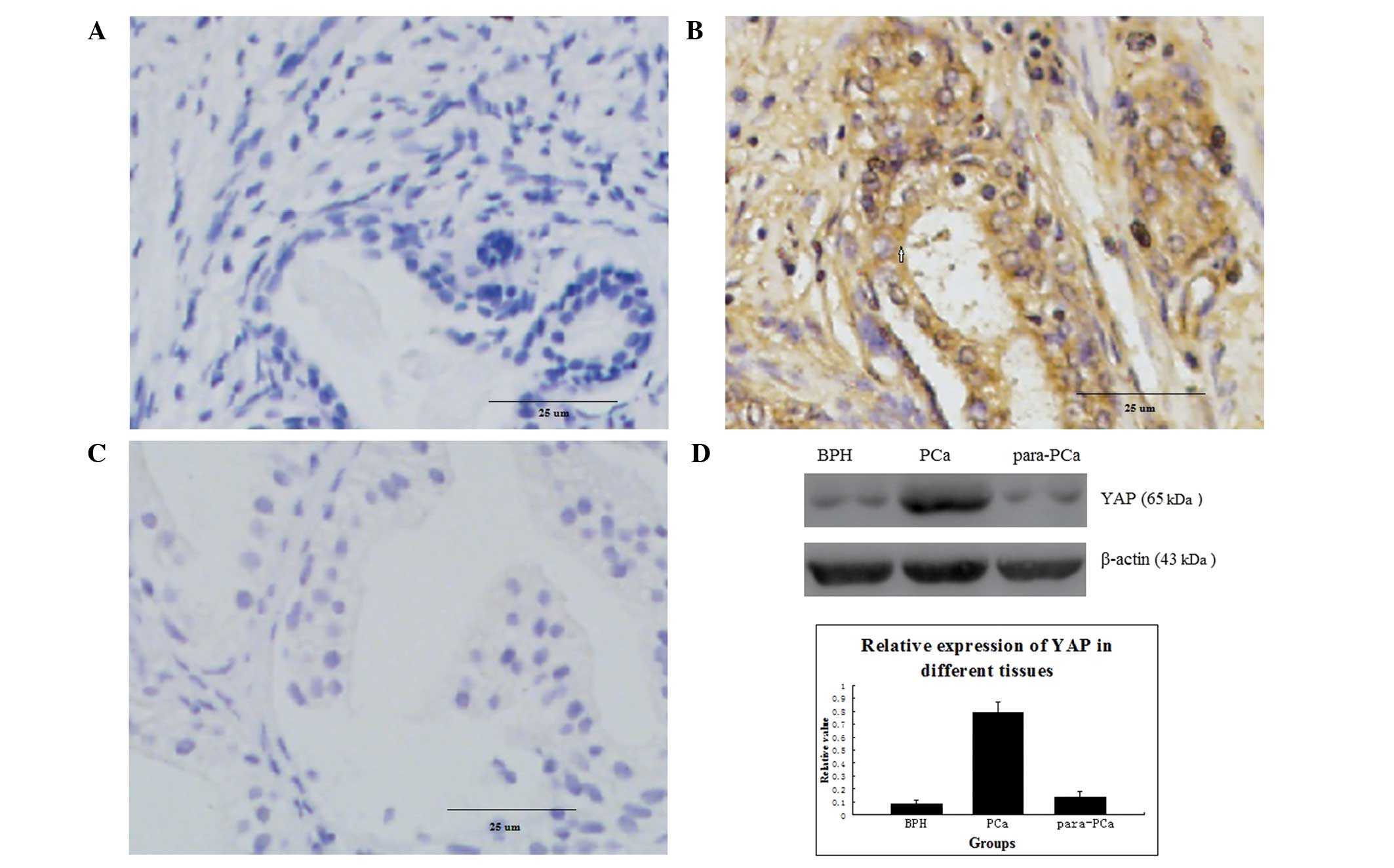
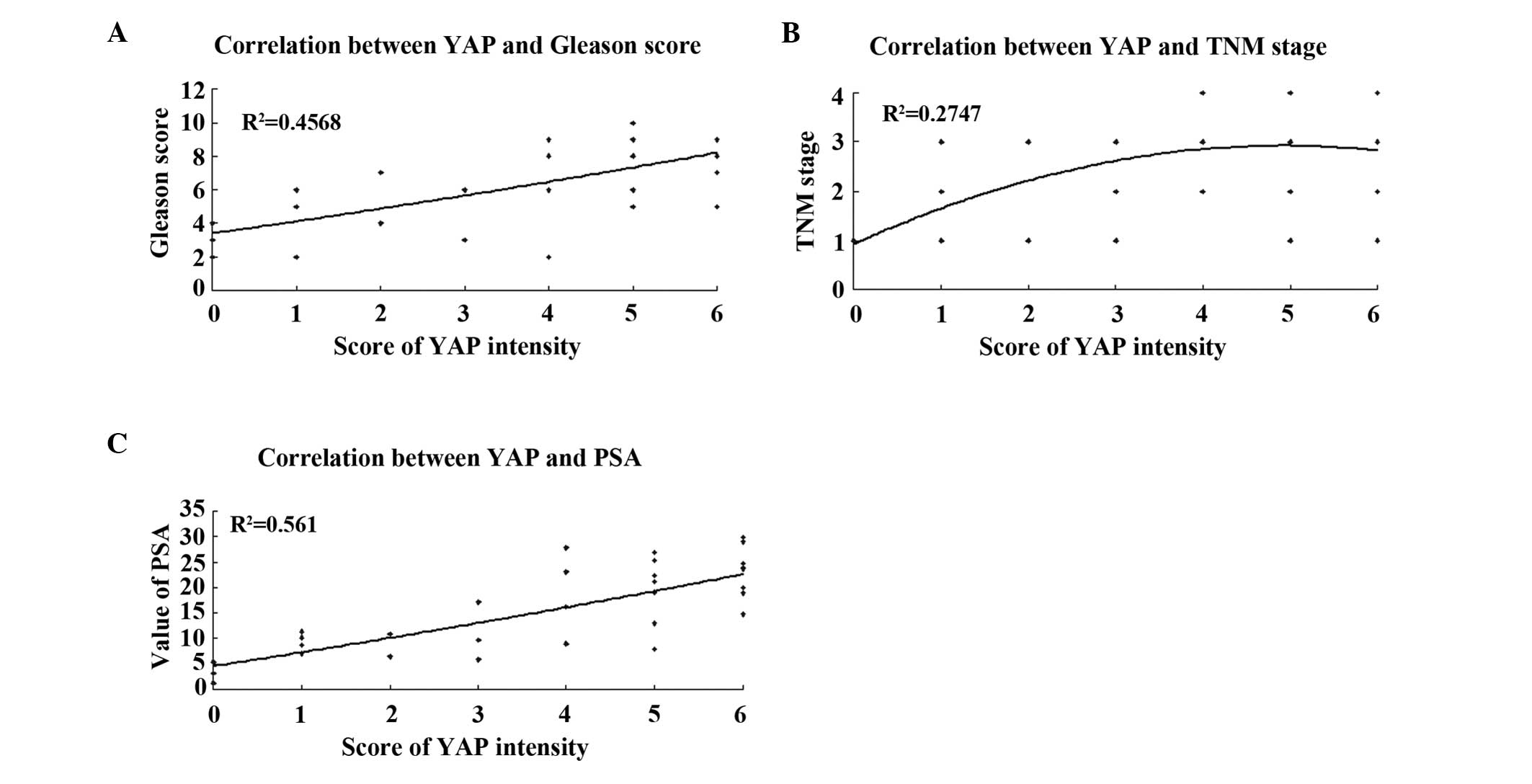
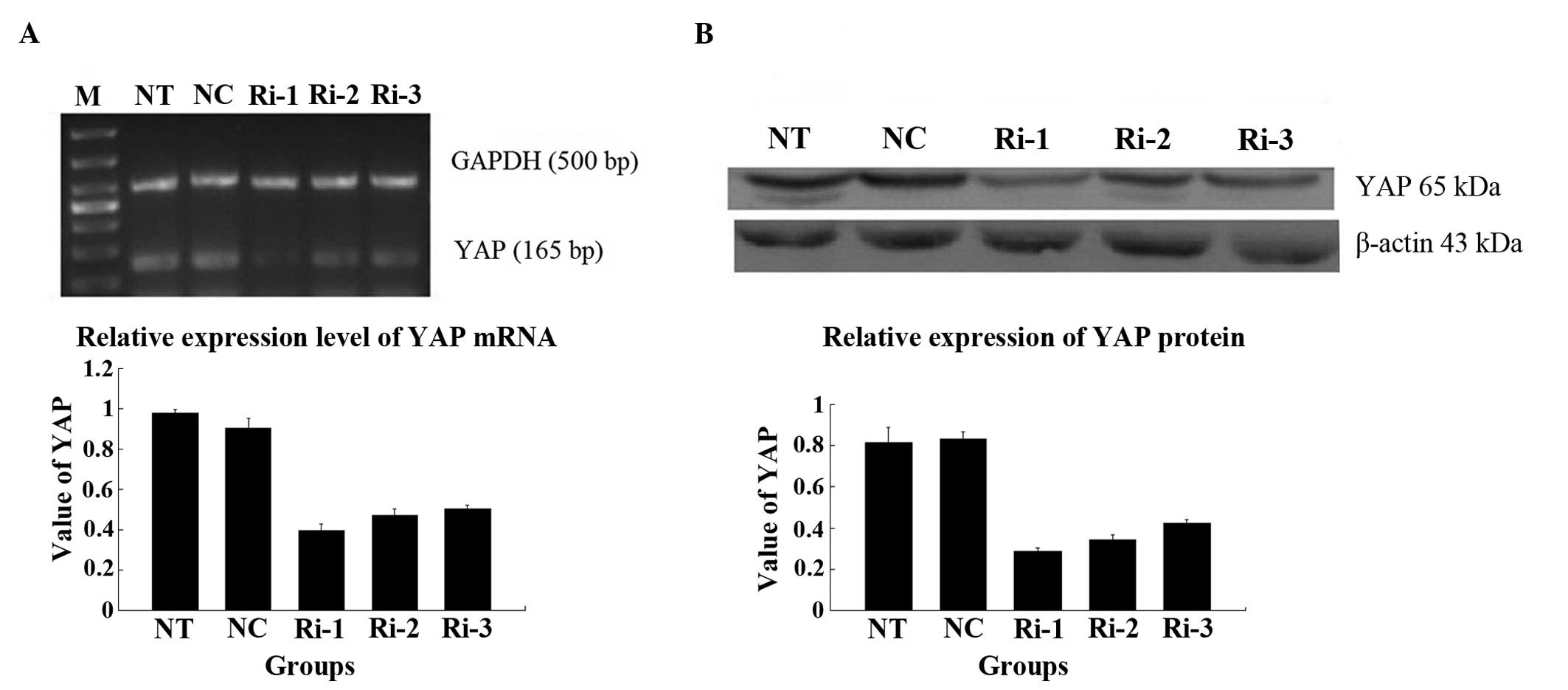
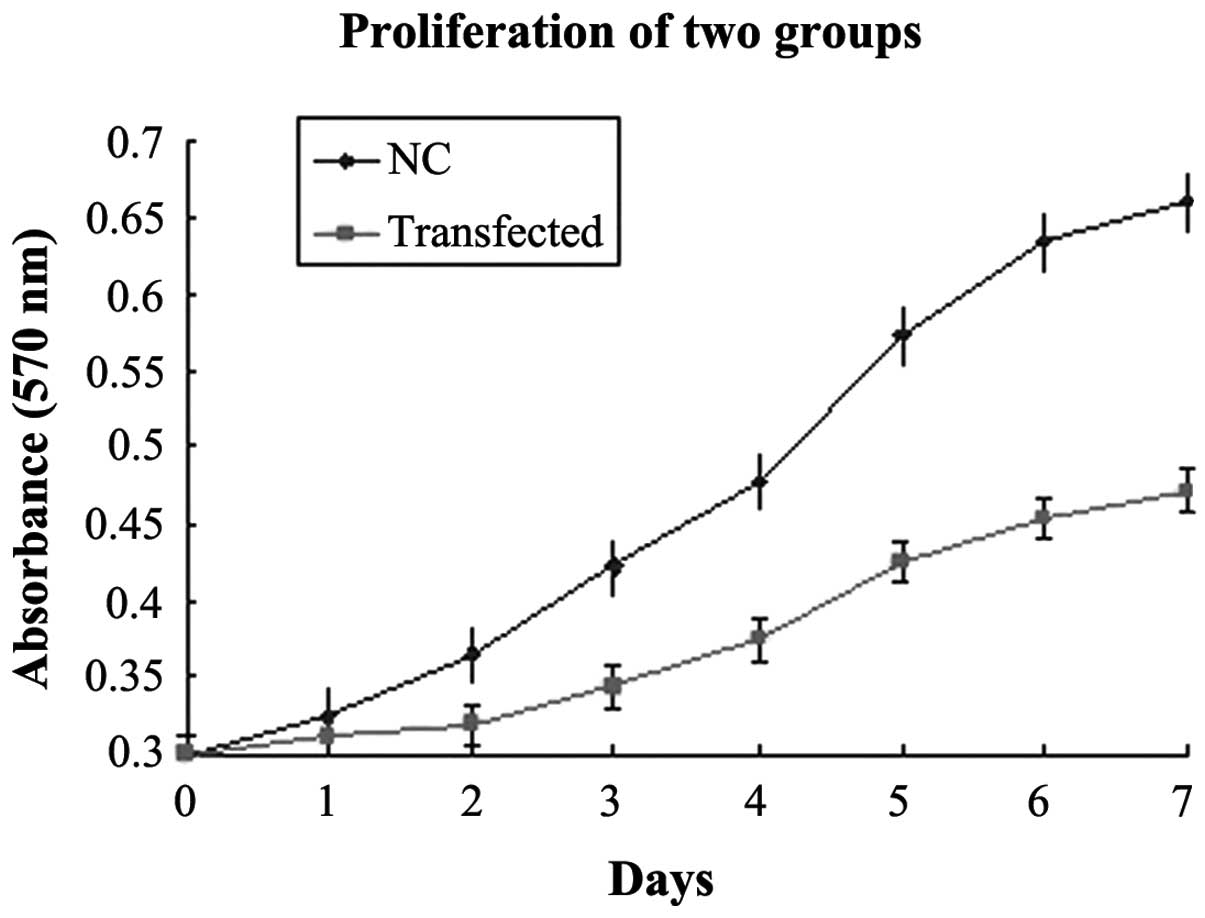
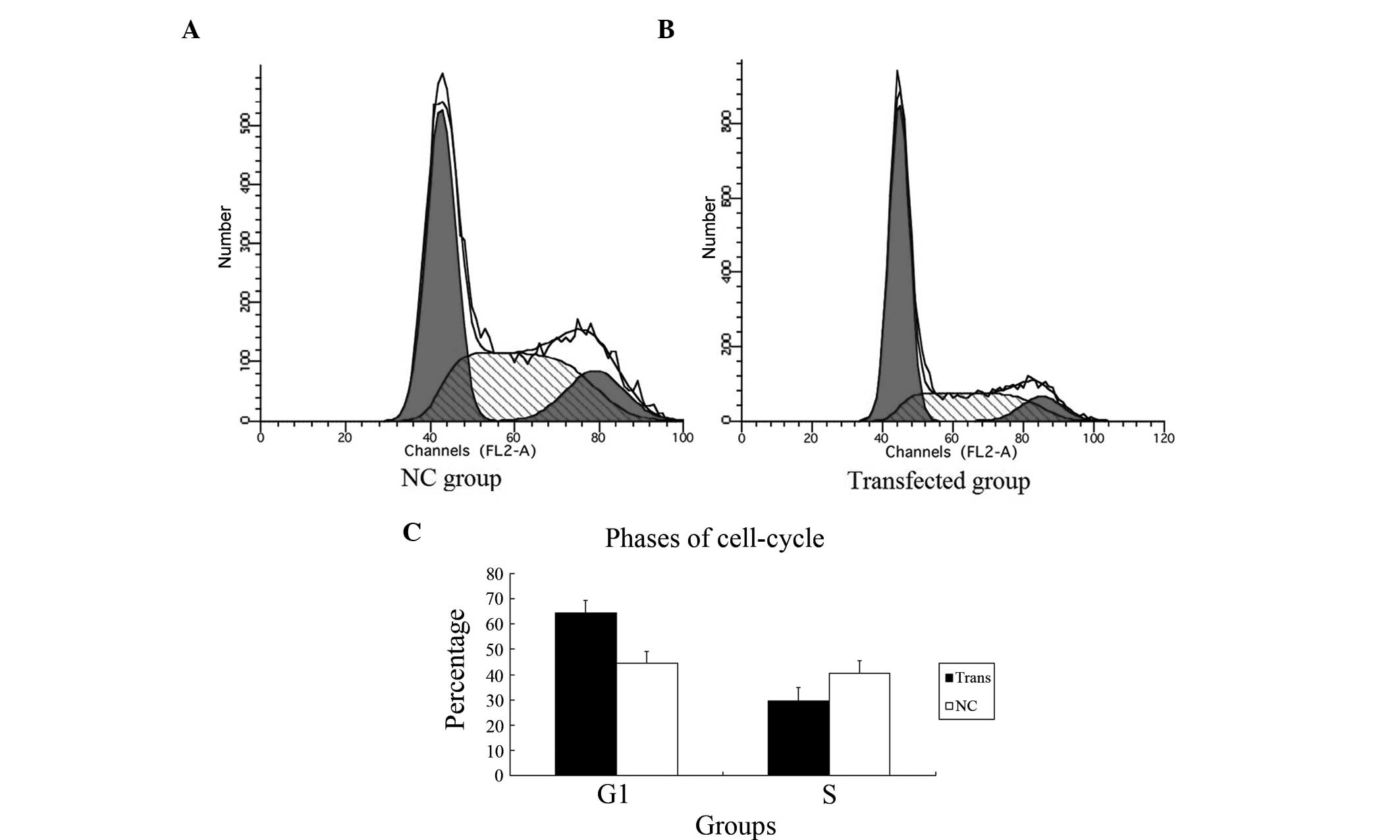
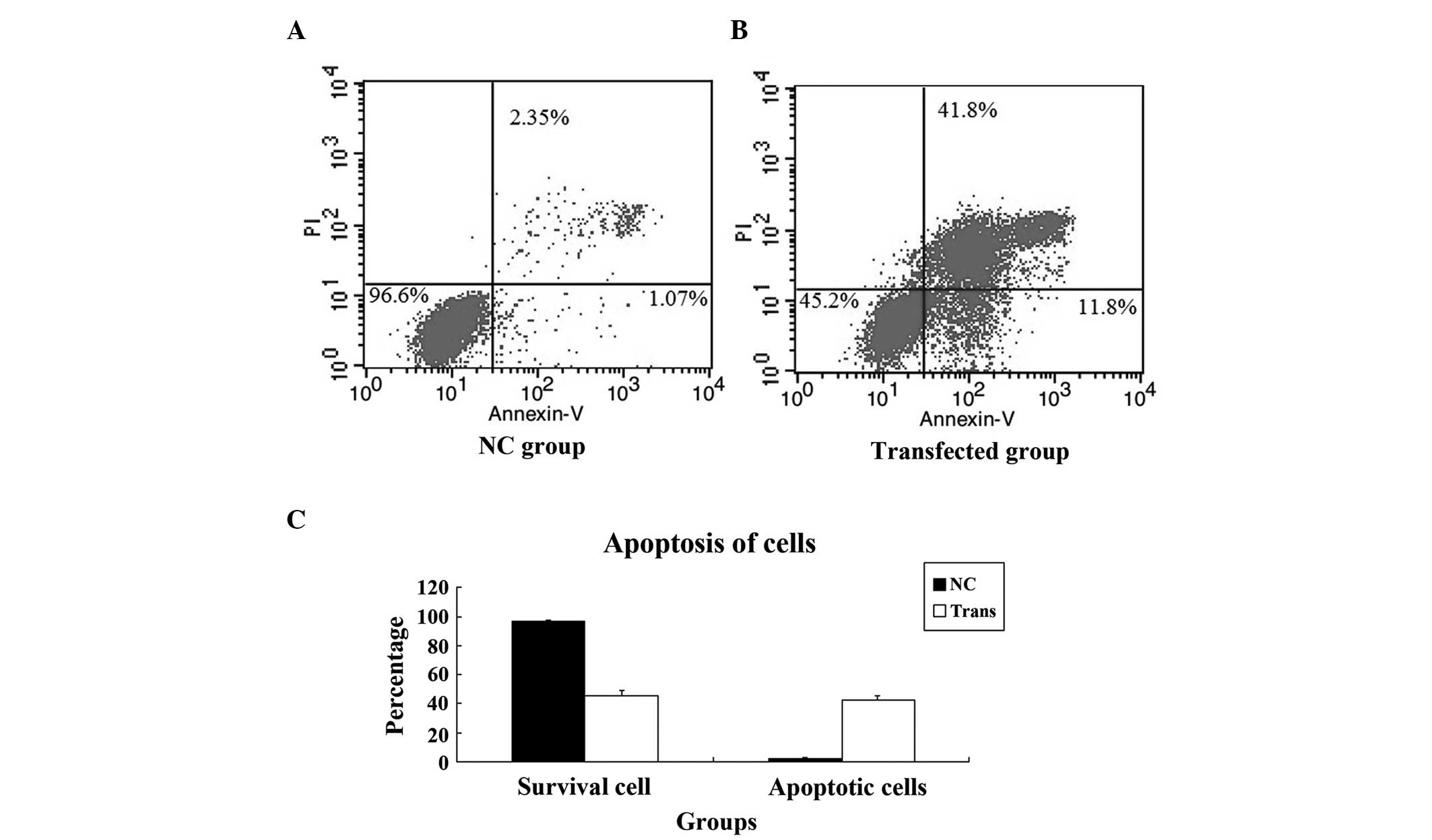
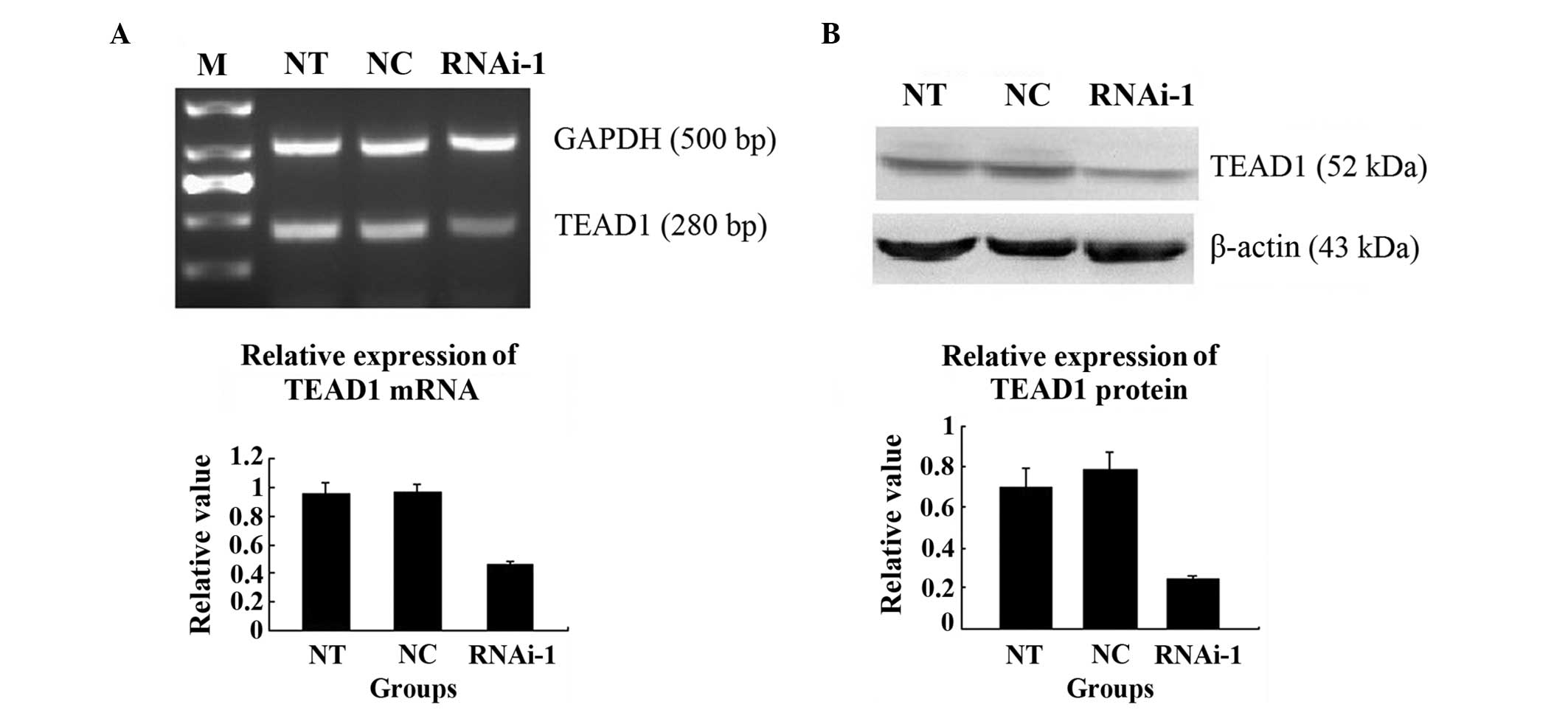
Yes-associated protein 65 (YAP65) has been implicated as an oncogene, and its expression is increased in human cancer. Previous studies have demonstrated that alterations in YAP activity may result in tumourigenesis of the prostate. With androgen deprivation therapies becoming progressively ineffective, often leading to life‑threatening androgen‑resistant prostate cancer (CRPC). The present study aimed to analyse the role of YAP in prostate cancer (PCa), particularly in CRPC. YAP protein was detected using immunohistochemistry and western blot analysis in different prostatic tissues. In addition, three specific RNA interference vectors targeting the human YAP gene were synthesised, and PC‑3 cells with a stable inhibition of YAP were obtained by transfection. MTT, flow cytometry, reverse transcription‑quantitative polymerase chain reaction and western blot assays were used to analyse the effects of YAP inhibition on the proliferation and apoptosis of PC‑3 cells. The frequency of cells that were positive for YAP protein in PCa (78.13%) was significantly higher, compared with para‑PCa (26.67%; P=0.007) and benign prostatic hyperplasia (0%; P=0.002). The frequency of cells, which were positive for the expression of YAP exhibited a positive correlation (P=0.008) with the Gleason score, the tumour‑node‑metastasis staging (P=0.033) and the level of prostate specific antigens (P=0.0032) in PCa. The proliferative capacity of the transfected group was significantly lower, compared with the negative control group (P=0.022). The cell‑cycle of the transfected group was arrested in the G1 stage, which was detected using flow cytometry, and there was a significant increase in the apoptosis of cells in the transfected group (P=0.002). The mRNA and protein levels of TEA domain family member 1 were inhibited in the transfected group (P=0.001 and P=0.00, respectively). Therefore, it was concluded that gene transcription and protein expression of YAP may be involved in the development of PCa, particularly CRPC, and may be a novel biomarker for investigation of the occurrence and progression of CRPC. However, the mechanism underlying the modulation of YAP in CRPC remains to be fully elucidated.
View Figures

Figure 1

Figure 2

Figure 3

Figure 4

Figure 5

Figure 6

Figure 7

Figure 8

View References

1 

Conlon I and Raff M: Size control in animal development. Cell. 96:235–244. 1999. View Article : Google Scholar : PubMed/NCBI

2 

Wu S, Huang J, Dong J and Pan D: Hippo encodes a Ste-20 family protein kinase that restricts cell proliferation and promotes apoptosis in conjunction with Salvador and warts. Cell. 114:445–456. 2003. View Article : Google Scholar : PubMed/NCBI

3 

Zhao B, Wei X, Li W, Udan RS, Yang Q, Kim J, Xie J, Ikenoue T, Yu J, Li L, et al: Inactivation of YAP oncoprotein by the Hippo pathway is involved in cell contact inhibition and tissue growth control. Genes Dev. 21:2747–2761. 2007. View Article : Google Scholar : PubMed/NCBI

4 

Chen L, Chan SW, Zhang X, Walsh M, Lim CJ, Hong W and Song H: Structural basis of YAP recognition by TEAD4 in the hippo pathway. Genes Dev. 24:290–300. 2010. View Article : Google Scholar : PubMed/NCBI

5 

Huang J, Wu S, Barrera J, Matthews K and Pan D: The Hippo signaling pathway coordinately regulates cell proliferation and apoptosis by inactivating yorkie, the Drosophila Homolog of YAP. Cell. 122:421–434. 2005. View Article : Google Scholar : PubMed/NCBI

6 

Nolo R, Morrison CM, Tao C, Zhang X and Halder G: The bantam microRNA is a target of the hippo tumor-suppressor pathway. Curr Biol. 16:1895–1904. 2006. View Article : Google Scholar : PubMed/NCBI

7 

Thompson BJ and Cohen SM: The Hippo pathway regulates the bantam microRNA to control cell proliferation and apoptosis in Drosophila. Cell. 126:767–774. 2006. View Article : Google Scholar : PubMed/NCBI

8 

Bertini E, Oka T, Sudol M, Strano S and Blandino G: YAP: At the crossroad between transformation and tumor suppression. Cell Cycle. 8:49–57. 2009. View Article : Google Scholar

9 

Overholtzer M, Zhang J, Smolen GA, Muir B, Li W, Sgroi DC, Deng CX, Brugge JS and Haber DA: Transforming properties of YAP, a candidate oncogene on the chromosome 11q22 amplicon. Proc Natl Acad Sci USA. 103:12405–12410. 2006. View Article : Google Scholar : PubMed/NCBI

10 

Zender L, Spector MS, Xue W, Flemming P, Cordon-Cardo C, Silke J, Fan ST, Luk JM, Wigler M, Hannon GJ, et al: Identification and validation of oncogenes in liver cancer using an integrative oncogenomic approach. Cell. 125:1253–1267. 2006. View Article : Google Scholar : PubMed/NCBI

11 

Sawada A, Kiyonari H, Ukita K, Nishioka N, Imuta Y and Sasaki H: Redundant roles of Tead1 and Tead2 in notochord development and the regulation of cell proliferation and survival. Mol Cell Biol. 28:3177–3189. 2008. View Article : Google Scholar : PubMed/NCBI

12 

Zhang L, Ren F, Zhang Q, Chen Y, Wang B and Jiang J: The TEAD/TEF family of transcription factor Scalloped mediates hippo signaling in organ size control. Dev Cell. 14:377–387. 2008. View Article : Google Scholar : PubMed/NCBI

13 

Ota M and Sasaki H: Mammalian Tead proteins regulate cell proliferation and contact inhibition as transcriptional mediators of hippo signaling. Development. 135:4059–4069. 2008. View Article : Google Scholar : PubMed/NCBI

14 

Zhao B, Ye X, Yu J, Li L, Li W, Li S, Yu J, Lin JD, Wang CY, Chinnaiyan AM, et al: TEAD mediates YAP-dependent gene induction and growth control. Genes Dev. 22:1962–1971. 2008. View Article : Google Scholar : PubMed/NCBI

15 

Dupont S, Morsut L, Aragona M, Enzo E, Giulitti S, Cordenonsi M, Zanconato F, Le Digabel J, Forcato M, Bicciato S, et al: Role of YAP TAZ in mechanotransduction. Nature. 474:179–183. 2011. View Article : Google Scholar : PubMed/NCBI

16 

Chan SW, Lim CJ, Loo LS, Chong YF, Huang C and Hong W: TEADs mediate nuclear retention of TAZ to promote oncogenic transformation. J Bio Chem. 284:14347–14358. 2009. View Article : Google Scholar

17 

Jemal A, Bray F, Center MM, Ferlay J, Ward E and Forman D: Global Cancer Statistics. Ca Cancer J Clin. 61:69–90. 2011. View Article : Google Scholar : PubMed/NCBI

18 

Katoh M: Function and cancer genomics of FAT family genes (review). Int J Oncol. 41:1913–1918. 2012.PubMed/NCBI

19 

Lu L, Li Y, Kim SM, Bossuyt W, Liu P, Qiu Q, Wang Y, Halder G, Finegold MJ, Lee JS, et al: Hippo signaling is a potent in vivo growth and tumor suppressor pathway in the mammalian liver. Proc Natl Acad Sci USA. 107:1437–1442. 2010. View Article : Google Scholar : PubMed/NCBI

20 

Zhou Z, Zhu JS, Xu ZP and Zhang Q: Lentiviral vector-mediated siRNA knockdown of the YAP gene inhibits growth and induces aoptosis in the SGC7901 gastric cancer cell line. Mol Med Rep. 4:1075–1082. 2011.PubMed/NCBI

21 

Li W, Wang L, Katoh H, Liu R, Zheng P and Liu Y: Identification of a tumor suppressor relay between the FOXP3 and the Hippo pathways in breast and prostate cancers. Cancer Res. 71:2162–2171. 2011. View Article : Google Scholar : PubMed/NCBI

22 

Zagurovskaya M, Shareef MM, Das A, Reeves A, Gupta S, Sudol M, Bedford MT, Prichard J, Mohiuddin M and Ahmed MM: EGR-1 forms a complex with YAP-1 and up regulates Bax expression in irradiated prostate carcinoma cells. Oncogene. 28:1121–1131. 2009. View Article : Google Scholar : PubMed/NCBI

23 

Tapon N, Harvey KF, Bell DW, Wahrer DC, Schiripo TA, Haber D and Hariharan IK: Salvador promotes both cell cycle exit and apoptosis in Drosophila and is mutated in human cancer cell lines. Cell. 110:467–478. 2002. View Article : Google Scholar : PubMed/NCBI

24 

Nishioka N, Inoue K, Adachi K, Kiyonari H, Ota M, Ralston A, Yabuta N, Hirahara S, Stephenson RO, Ogonuki N, et al: The Hippo signaling pathway components Lats and Yap pattern Tead4 activity to distinguish mouse trophectoderm from inner cell mass. Dev Cell. 16:398–410. 2009. View Article : Google Scholar : PubMed/NCBI

25 

Berney DM: Low Gleason score prostatic adenocarcinomas are no longer viable entities. Histopathology. 50:683–690. 2007. View Article : Google Scholar : PubMed/NCBI

26 

Na Y, Ye Z and Sun G: Diagnosis and Treatment Guideline of Chinese Urology Diseases. People's Medical Publishing House; Beijing: pp. 52–53. 2011, In Chinese.

27 

Hudson TS, Perkins SN, Hursting SD, Young HA, Kim YS, Wang TC and Wang TT: Inhibition of androgen-responsive LNCaP prostate cancer cell tumor xenograft growth by dietary phenethyl isothiocyanate correlates with decreased angiogenesis and inhibition of cell attachment. Int J Oncol. 40:1113–1121. 2012.PubMed/NCBI

28 

Sheng X, Li Z, Wang DL, Li WB, Luo Z, Chen KH, Cao JJ, Yu C and Liu WJ: Isolation and enrichment of PC-3 prostate cancer stem-like cells using MACS and serum-free medium. Oncol Lett. 5:787–792. 2013.PubMed/NCBI

29 

Wang DL, Lan JH, Chen L, Huang B, Li Z, Zhao XM, Ma Q, Sheng X, Li WB and Tang WX: Integrin-linked kinase functions as a tumor promoter in bladder transitional cell carcinoma. Asian Pac J Cancer Prev. 13:2799–2806. 2012. View Article : Google Scholar : PubMed/NCBI

30 

Okamoto Y, Ohkubo T, Ikebe T and Yamazaki J: Blockade of TRPM8 activity reduces the invasion potential of oral squamous carcinoma cell lines. Int J Oncol. 40:1431–1440. 2012.PubMed/NCBI

31 

De Ganck A, De Corte V, Bruyneel E, Bracke M, Vandekerckhove J and Gettemans J: Down-regulation of myopodin expression reduces invasion and motility of PC-3 prostate cancer cells. Int J Oncol. 34:1403–1409. 2009.PubMed/NCBI

32 

Lamar JM, Stern P, Liu H, Schindler JW, Jiang ZG and Hynes RO: The Hippo pathway target, YAP, promotes metastasis through its TEAD-interaction domain. Proc Natl Acad Sci USA. 109:E2441–E2450. 2012. View Article : Google Scholar : PubMed/NCBI

33 

Dong J, Feldmann G, Huang J, Wu S, Zhang N, Comerford SA, Gayyed MF, Anders RA, Maitra A and Pan D: Elucidation of a universal size-control mechanism in Drosophila and mammals. Cell. 130:1120–1133. 2007. View Article : Google Scholar : PubMed/NCBI

34 

Zhao B, Li L, Wang L, Wang CY, Yu J and Guan KL: Cell detachment activates the Hippo pathway via cytoskeleton reorganization to induce anoikis. Genes Dev. 26:54–68. 2012. View Article : Google Scholar : PubMed/NCBI

35 

Yamazaki H, Nishiyama K, Tanaka E, Maeda O, Meguro N, Kinouchi T, Usami M, Kakimoto K, Ono Y and Nishimura T: Reduction of irradiation volume and toxicities with 3-D radiotherapy planning over conventional radiotherapy for prostate cancer treated with long-term hormonal therapy. Anticancer Res. 28:3913–3920. 2008.

36 

Mizuno T, Murakami H, Fujii M, Ishiguro F, Tanaka I, Kondo Y, Akatsuka S, Toyokuni S, Yokoi K, Osada H, et al: YAP induces malignant mesothelioma cell proliferation by up regulating transcription of cell cycle-promoting genes. Oncogene. 31:5117–5122. 2012. View Article : Google Scholar : PubMed/NCBI

37 

Cordenonsi M, Zanconato F, Azzolin L, Forcato M, Rosato A, Frasson C, Inui M, Montagner M, Parenti AR, Poletti A, et al: The Hippo transducer TAZ confers cancer stem cell-related traits on breast cancer cells. Cell. 147:759–772. 2011. View Article : Google Scholar : PubMed/NCBI

38 

Rick FG, Schally AV, Szalontay L, Block NL, Szepeshazi K, Nadji M, Zarandi M, Hohla F, Buchholz S and Seitz S: Antagonists of growth hormone-releasing hormone inhibit growth of androgen-independent prostate cancer through inactivation of ERK and Akt kinases. Proc Natl Acad Sci USA. 109:1655–1660. 2012. View Article : Google Scholar : PubMed/NCBI

39 

Zhang X, Grusche FA and Harvey KF: Control of tissue growth and cell transformation by the Salvador/Warts/Hippo pathway. PLoS One. 7:e319942012. View Article : Google Scholar : PubMed/NCBI

40 

Xu MZ, Yao TJ, Lee NP, Ng IO, Chan YT, Zender L, Lowe SW, Poon RT and Luk JM: Yes-associated protein is an independent prognostic marker in hepatocellular carcinoma. Cancer. 115:4576–4585. 2009. View Article : Google Scholar : PubMed/NCBI

Related Articles

  • Abstract
  • View
  • Download
  • Twitter
Copy and paste a formatted citation
Spandidos Publications style
Sheng X, Li WB, Wang DL, Chen KH, Cao JJ, Luo Z, He J, Li MC, Liu WJ, Yu C, Yu C, et al: YAP is closely correlated with castration-resistant prostate cancer, and downregulation of YAP reduces proliferation and induces apoptosis of PC-3 cells. Mol Med Rep 12: 4867-4876, 2015.
APA
Sheng, X., Li, W., Wang, D., Chen, K., Cao, J., Luo, Z. ... Yu, C. (2015). YAP is closely correlated with castration-resistant prostate cancer, and downregulation of YAP reduces proliferation and induces apoptosis of PC-3 cells. Molecular Medicine Reports, 12, 4867-4876. https://doi.org/10.3892/mmr.2015.4005
MLA
Sheng, X., Li, W., Wang, D., Chen, K., Cao, J., Luo, Z., He, J., Li, M., Liu, W., Yu, C."YAP is closely correlated with castration-resistant prostate cancer, and downregulation of YAP reduces proliferation and induces apoptosis of PC-3 cells". Molecular Medicine Reports 12.4 (2015): 4867-4876.
Chicago
Sheng, X., Li, W., Wang, D., Chen, K., Cao, J., Luo, Z., He, J., Li, M., Liu, W., Yu, C."YAP is closely correlated with castration-resistant prostate cancer, and downregulation of YAP reduces proliferation and induces apoptosis of PC-3 cells". Molecular Medicine Reports 12, no. 4 (2015): 4867-4876. https://doi.org/10.3892/mmr.2015.4005
Copy and paste a formatted citation
x
Spandidos Publications style
Sheng X, Li WB, Wang DL, Chen KH, Cao JJ, Luo Z, He J, Li MC, Liu WJ, Yu C, Yu C, et al: YAP is closely correlated with castration-resistant prostate cancer, and downregulation of YAP reduces proliferation and induces apoptosis of PC-3 cells. Mol Med Rep 12: 4867-4876, 2015.
APA
Sheng, X., Li, W., Wang, D., Chen, K., Cao, J., Luo, Z. ... Yu, C. (2015). YAP is closely correlated with castration-resistant prostate cancer, and downregulation of YAP reduces proliferation and induces apoptosis of PC-3 cells. Molecular Medicine Reports, 12, 4867-4876. https://doi.org/10.3892/mmr.2015.4005
MLA
Sheng, X., Li, W., Wang, D., Chen, K., Cao, J., Luo, Z., He, J., Li, M., Liu, W., Yu, C."YAP is closely correlated with castration-resistant prostate cancer, and downregulation of YAP reduces proliferation and induces apoptosis of PC-3 cells". Molecular Medicine Reports 12.4 (2015): 4867-4876.
Chicago
Sheng, X., Li, W., Wang, D., Chen, K., Cao, J., Luo, Z., He, J., Li, M., Liu, W., Yu, C."YAP is closely correlated with castration-resistant prostate cancer, and downregulation of YAP reduces proliferation and induces apoptosis of PC-3 cells". Molecular Medicine Reports 12, no. 4 (2015): 4867-4876. https://doi.org/10.3892/mmr.2015.4005
Follow us
  • Twitter
  • LinkedIn
  • Facebook
About
  • Spandidos Publications
  • Careers
  • Cookie Policy
  • Privacy Policy
How can we help?
  • Help
  • Live Chat
  • Contact
  • Email to our Support Team