Spandidos Publications Logo
  • About
    • About Spandidos
    • Aims and Scopes
    • Abstracting and Indexing
    • Editorial Policies
    • Reprints and Permissions
    • Job Opportunities
    • Terms and Conditions
    • Contact
  • Journals
    • All Journals
    • Oncology Letters
      • Oncology Letters
      • Information for Authors
      • Editorial Policies
      • Editorial Board
      • Aims and Scope
      • Abstracting and Indexing
      • Bibliographic Information
      • Archive
    • International Journal of Oncology
      • International Journal of Oncology
      • Information for Authors
      • Editorial Policies
      • Editorial Board
      • Aims and Scope
      • Abstracting and Indexing
      • Bibliographic Information
      • Archive
    • Molecular and Clinical Oncology
      • Molecular and Clinical Oncology
      • Information for Authors
      • Editorial Policies
      • Editorial Board
      • Aims and Scope
      • Abstracting and Indexing
      • Bibliographic Information
      • Archive
    • Experimental and Therapeutic Medicine
      • Experimental and Therapeutic Medicine
      • Information for Authors
      • Editorial Policies
      • Editorial Board
      • Aims and Scope
      • Abstracting and Indexing
      • Bibliographic Information
      • Archive
    • International Journal of Molecular Medicine
      • International Journal of Molecular Medicine
      • Information for Authors
      • Editorial Policies
      • Editorial Board
      • Aims and Scope
      • Abstracting and Indexing
      • Bibliographic Information
      • Archive
    • Biomedical Reports
      • Biomedical Reports
      • Information for Authors
      • Editorial Policies
      • Editorial Board
      • Aims and Scope
      • Abstracting and Indexing
      • Bibliographic Information
      • Archive
    • Oncology Reports
      • Oncology Reports
      • Information for Authors
      • Editorial Policies
      • Editorial Board
      • Aims and Scope
      • Abstracting and Indexing
      • Bibliographic Information
      • Archive
    • Molecular Medicine Reports
      • Molecular Medicine Reports
      • Information for Authors
      • Editorial Policies
      • Editorial Board
      • Aims and Scope
      • Abstracting and Indexing
      • Bibliographic Information
      • Archive
    • World Academy of Sciences Journal
      • World Academy of Sciences Journal
      • Information for Authors
      • Editorial Policies
      • Editorial Board
      • Aims and Scope
      • Abstracting and Indexing
      • Bibliographic Information
      • Archive
    • International Journal of Functional Nutrition
      • International Journal of Functional Nutrition
      • Information for Authors
      • Editorial Policies
      • Editorial Board
      • Aims and Scope
      • Abstracting and Indexing
      • Bibliographic Information
      • Archive
    • International Journal of Epigenetics
      • International Journal of Epigenetics
      • Information for Authors
      • Editorial Policies
      • Editorial Board
      • Aims and Scope
      • Abstracting and Indexing
      • Bibliographic Information
      • Archive
    • Medicine International
      • Medicine International
      • Information for Authors
      • Editorial Policies
      • Editorial Board
      • Aims and Scope
      • Abstracting and Indexing
      • Bibliographic Information
      • Archive
  • Articles
  • Information
    • Information for Authors
    • Information for Reviewers
    • Information for Librarians
    • Information for Advertisers
    • Conferences
  • Language Editing
Spandidos Publications Logo
  • About
    • About Spandidos
    • Aims and Scopes
    • Abstracting and Indexing
    • Editorial Policies
    • Reprints and Permissions
    • Job Opportunities
    • Terms and Conditions
    • Contact
  • Journals
    • All Journals
    • Biomedical Reports
      • Information for Authors
      • Editorial Policies
      • Editorial Board
      • Aims and Scope
      • Abstracting and Indexing
      • Bibliographic Information
      • Archive
    • Experimental and Therapeutic Medicine
      • Information for Authors
      • Editorial Policies
      • Editorial Board
      • Aims and Scope
      • Abstracting and Indexing
      • Bibliographic Information
      • Archive
    • International Journal of Epigenetics
      • Information for Authors
      • Editorial Policies
      • Editorial Board
      • Aims and Scope
      • Abstracting and Indexing
      • Bibliographic Information
      • Archive
    • International Journal of Functional Nutrition
      • Information for Authors
      • Editorial Policies
      • Editorial Board
      • Aims and Scope
      • Abstracting and Indexing
      • Bibliographic Information
      • Archive
    • International Journal of Molecular Medicine
      • Information for Authors
      • Editorial Policies
      • Editorial Board
      • Aims and Scope
      • Abstracting and Indexing
      • Bibliographic Information
      • Archive
    • International Journal of Oncology
      • Information for Authors
      • Editorial Policies
      • Editorial Board
      • Aims and Scope
      • Abstracting and Indexing
      • Bibliographic Information
      • Archive
    • Medicine International
      • Information for Authors
      • Editorial Policies
      • Editorial Board
      • Aims and Scope
      • Abstracting and Indexing
      • Bibliographic Information
      • Archive
    • Molecular and Clinical Oncology
      • Information for Authors
      • Editorial Policies
      • Editorial Board
      • Aims and Scope
      • Abstracting and Indexing
      • Bibliographic Information
      • Archive
    • Molecular Medicine Reports
      • Information for Authors
      • Editorial Policies
      • Editorial Board
      • Aims and Scope
      • Abstracting and Indexing
      • Bibliographic Information
      • Archive
    • Oncology Letters
      • Information for Authors
      • Editorial Policies
      • Editorial Board
      • Aims and Scope
      • Abstracting and Indexing
      • Bibliographic Information
      • Archive
    • Oncology Reports
      • Information for Authors
      • Editorial Policies
      • Editorial Board
      • Aims and Scope
      • Abstracting and Indexing
      • Bibliographic Information
      • Archive
    • World Academy of Sciences Journal
      • Information for Authors
      • Editorial Policies
      • Editorial Board
      • Aims and Scope
      • Abstracting and Indexing
      • Bibliographic Information
      • Archive
  • Articles
  • Information
    • For Authors
    • For Reviewers
    • For Librarians
    • For Advertisers
    • Conferences
  • Language Editing
Login Register Submit
  • This site uses cookies
  • You can change your cookie settings at any time by following the instructions in our Cookie Policy. To find out more, you may read our Privacy Policy.

    I agree
Search articles by DOI, keyword, author or affiliation
Search
Advanced Search
presentation
Molecular Medicine Reports
Join Editorial Board Propose a Special Issue
Print ISSN: 1791-2997 Online ISSN: 1791-3004
Journal Cover
May-2017 Volume 15 Issue 5

Full Size Image

Sign up for eToc alerts
Recommend to Library

Journals

International Journal of Molecular Medicine

International Journal of Molecular Medicine

International Journal of Molecular Medicine is an international journal devoted to molecular mechanisms of human disease.

International Journal of Oncology

International Journal of Oncology

International Journal of Oncology is an international journal devoted to oncology research and cancer treatment.

Molecular Medicine Reports

Molecular Medicine Reports

Covers molecular medicine topics such as pharmacology, pathology, genetics, neuroscience, infectious diseases, molecular cardiology, and molecular surgery.

Oncology Reports

Oncology Reports

Oncology Reports is an international journal devoted to fundamental and applied research in Oncology.

Experimental and Therapeutic Medicine

Experimental and Therapeutic Medicine

Experimental and Therapeutic Medicine is an international journal devoted to laboratory and clinical medicine.

Oncology Letters

Oncology Letters

Oncology Letters is an international journal devoted to Experimental and Clinical Oncology.

Biomedical Reports

Biomedical Reports

Explores a wide range of biological and medical fields, including pharmacology, genetics, microbiology, neuroscience, and molecular cardiology.

Molecular and Clinical Oncology

Molecular and Clinical Oncology

International journal addressing all aspects of oncology research, from tumorigenesis and oncogenes to chemotherapy and metastasis.

World Academy of Sciences Journal

World Academy of Sciences Journal

Multidisciplinary open-access journal spanning biochemistry, genetics, neuroscience, environmental health, and synthetic biology.

International Journal of Functional Nutrition

International Journal of Functional Nutrition

Open-access journal combining biochemistry, pharmacology, immunology, and genetics to advance health through functional nutrition.

International Journal of Epigenetics

International Journal of Epigenetics

Publishes open-access research on using epigenetics to advance understanding and treatment of human disease.

Medicine International

Medicine International

An International Open Access Journal Devoted to General Medicine.

Journal Cover
May-2017 Volume 15 Issue 5

Full Size Image

Sign up for eToc alerts
Recommend to Library

  • Article
  • Citations
    • Cite This Article
    • Download Citation
    • Create Citation Alert
    • Remove Citation Alert
    • Cited By
  • Similar Articles
    • Related Articles (in Spandidos Publications)
    • Similar Articles (Google Scholar)
    • Similar Articles (PubMed)
  • Download PDF
  • Download XML
  • View XML
Article Open Access

Gene expression profile in human induced pluripotent stem cells: Chondrogenic differentiation in vitro, part A

  • Authors:
    • Wiktoria Maria Suchorska
    • Ewelina Augustyniak
    • Magdalena Richter
    • Tomasz Trzeciak
  • View Affiliations / Copyright

    Affiliations: Radiobiology Laboratory, Greater Poland Cancer Centre, 61‑866 Poznan, Poland, Department of Orthopedics and Traumatology, Poznan University of Medical Sciences, 61‑545 Poznan, Poland
    Copyright: © Suchorska et al. This is an open access article distributed under the terms of Creative Commons Attribution License.
  • Pages: 2387-2401
    |
    Published online on: March 16, 2017
       https://doi.org/10.3892/mmr.2017.6334
  • Expand metrics +
Metrics: Total Views: 0 (Spandidos Publications: | PMC Statistics: )
Metrics: Total PDF Downloads: 0 (Spandidos Publications: | PMC Statistics: )
Cited By (CrossRef): 0 citations Loading Articles...

This article is mentioned in:


Abstract

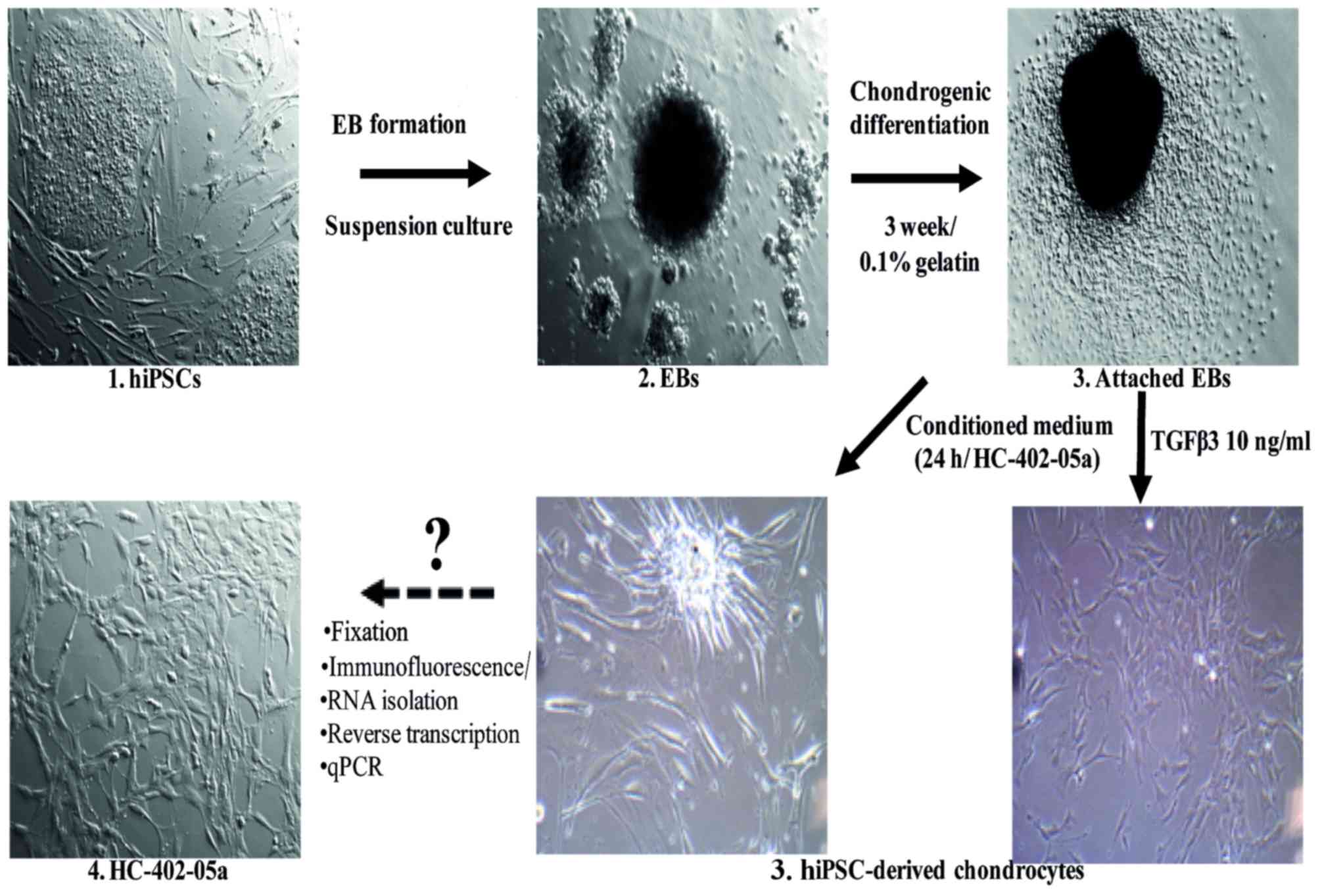
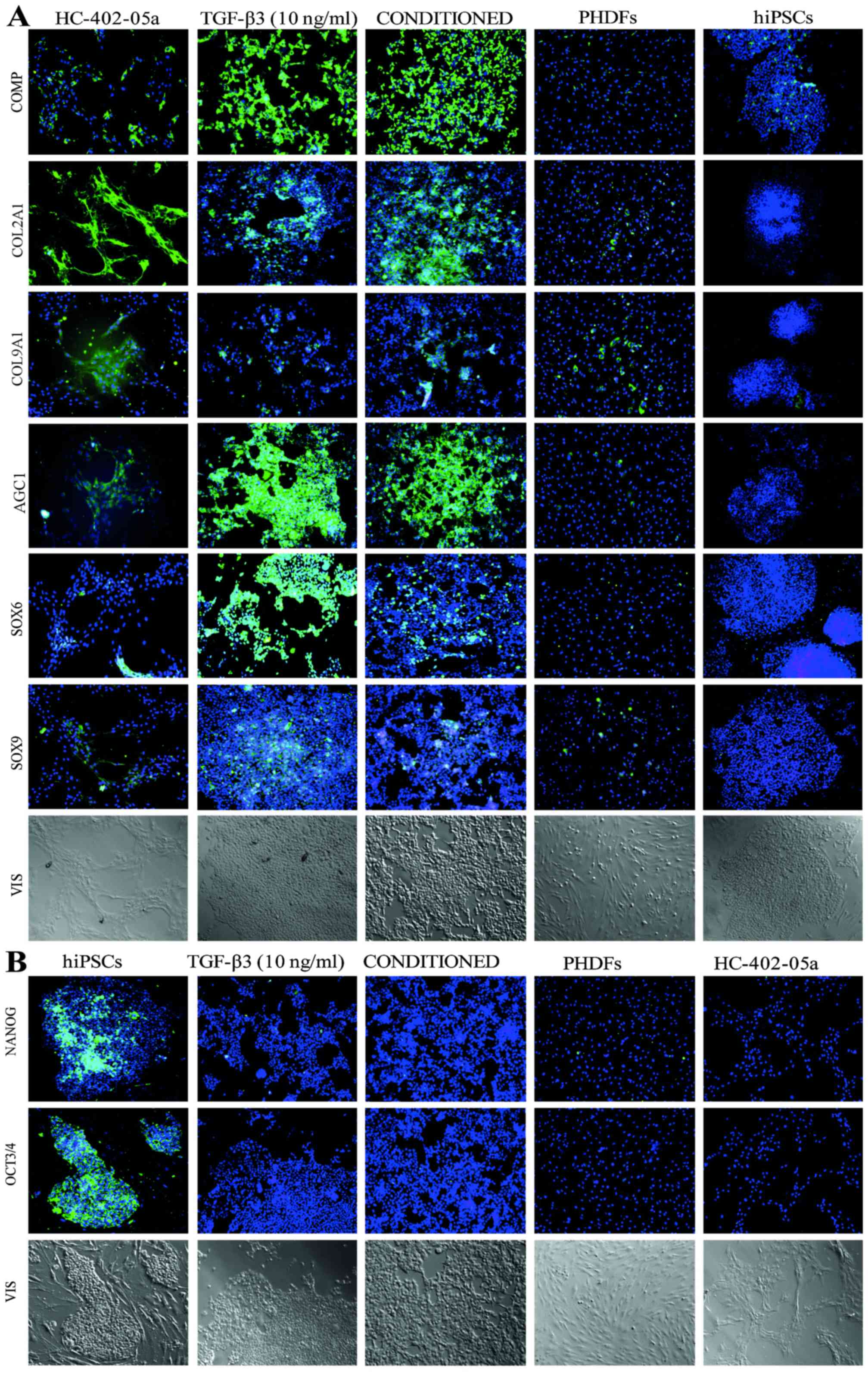
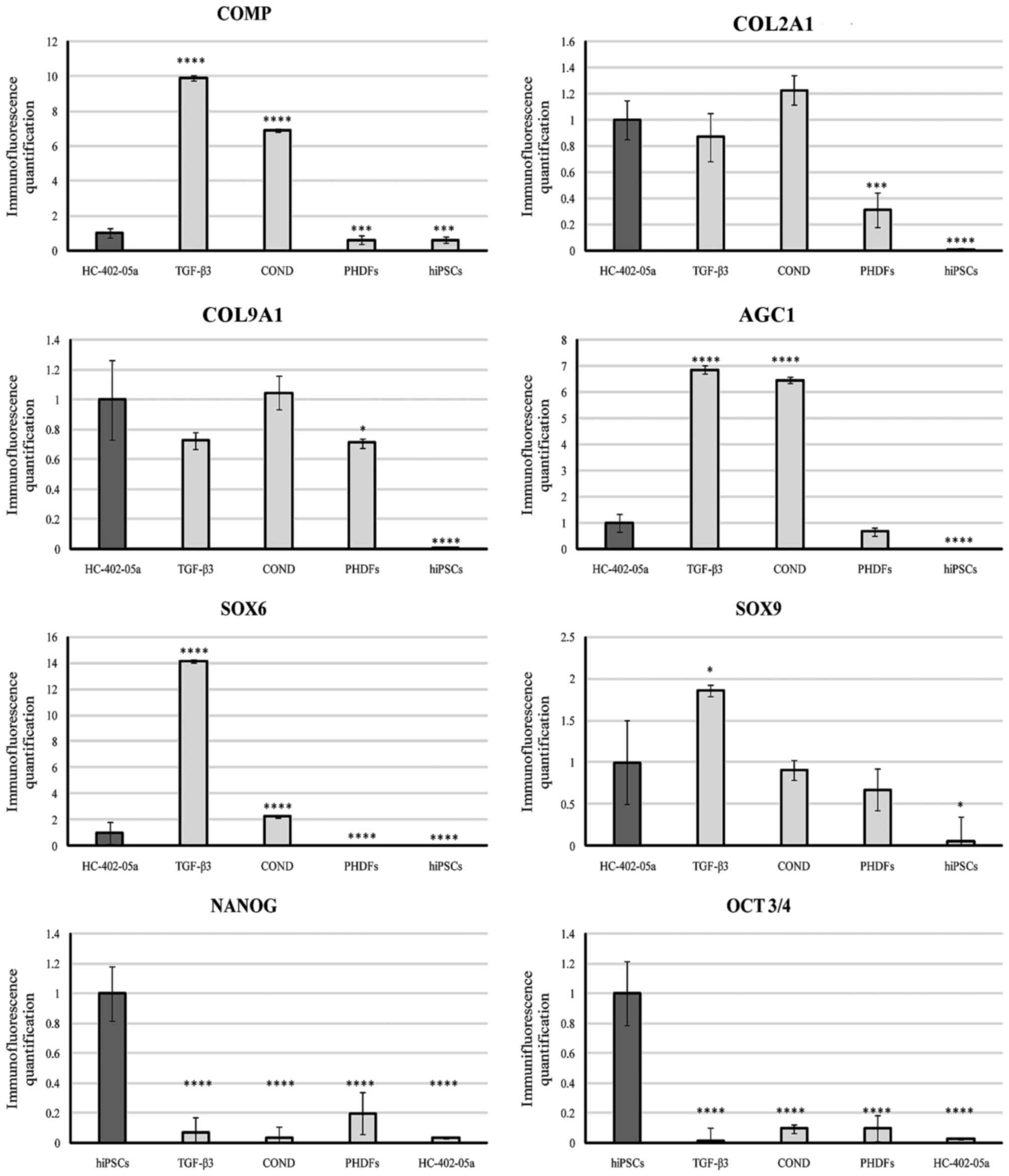
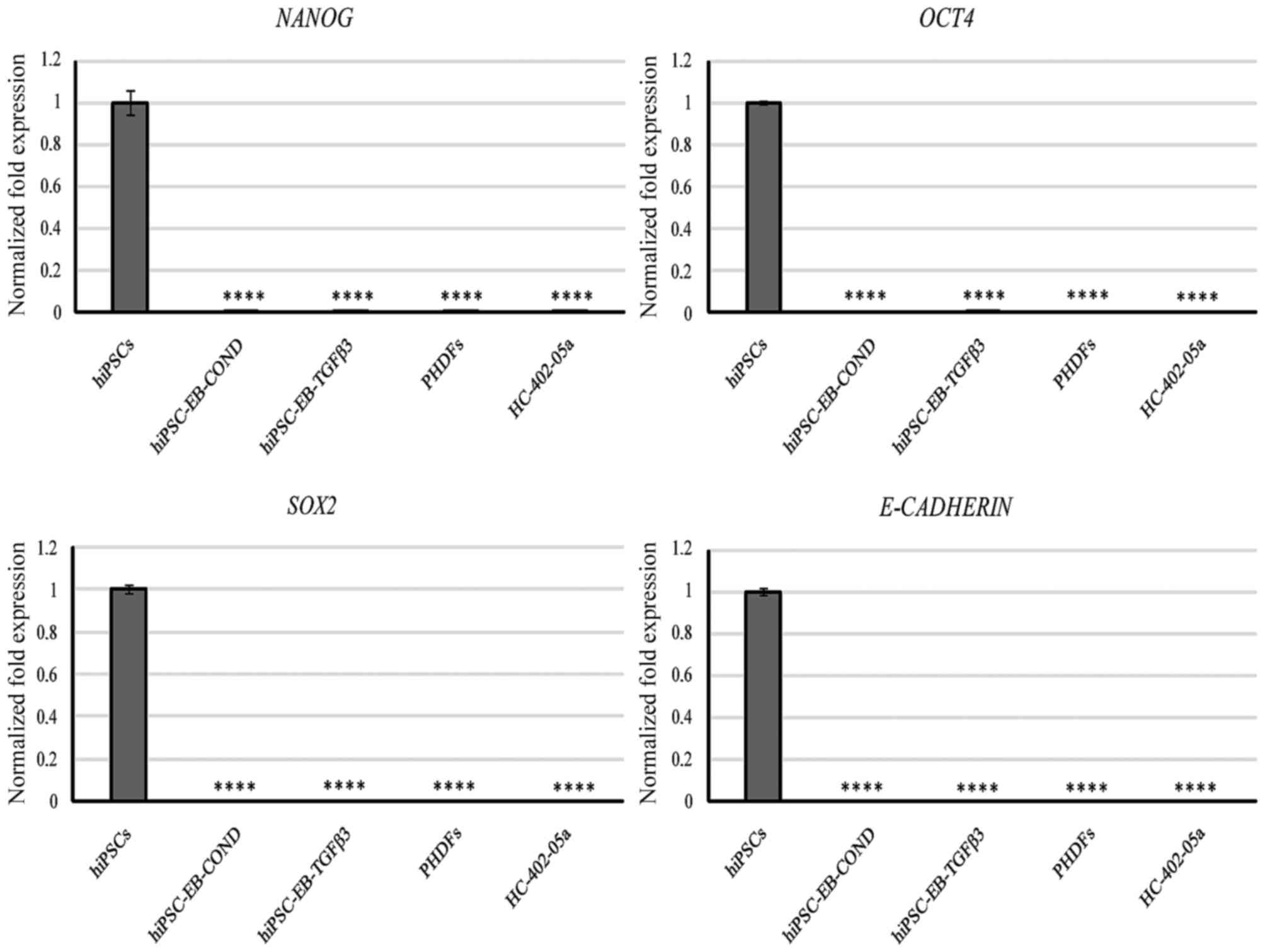
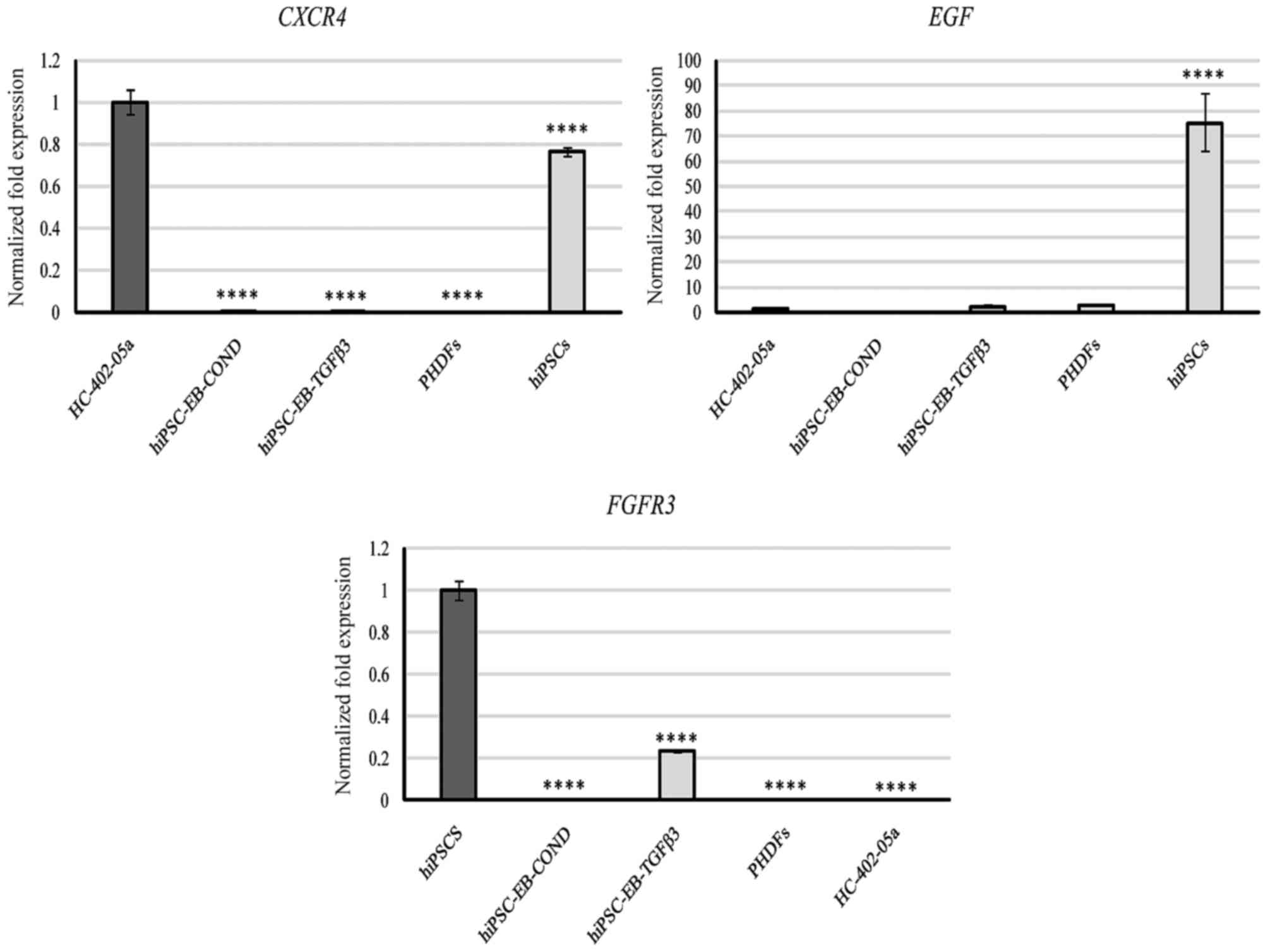
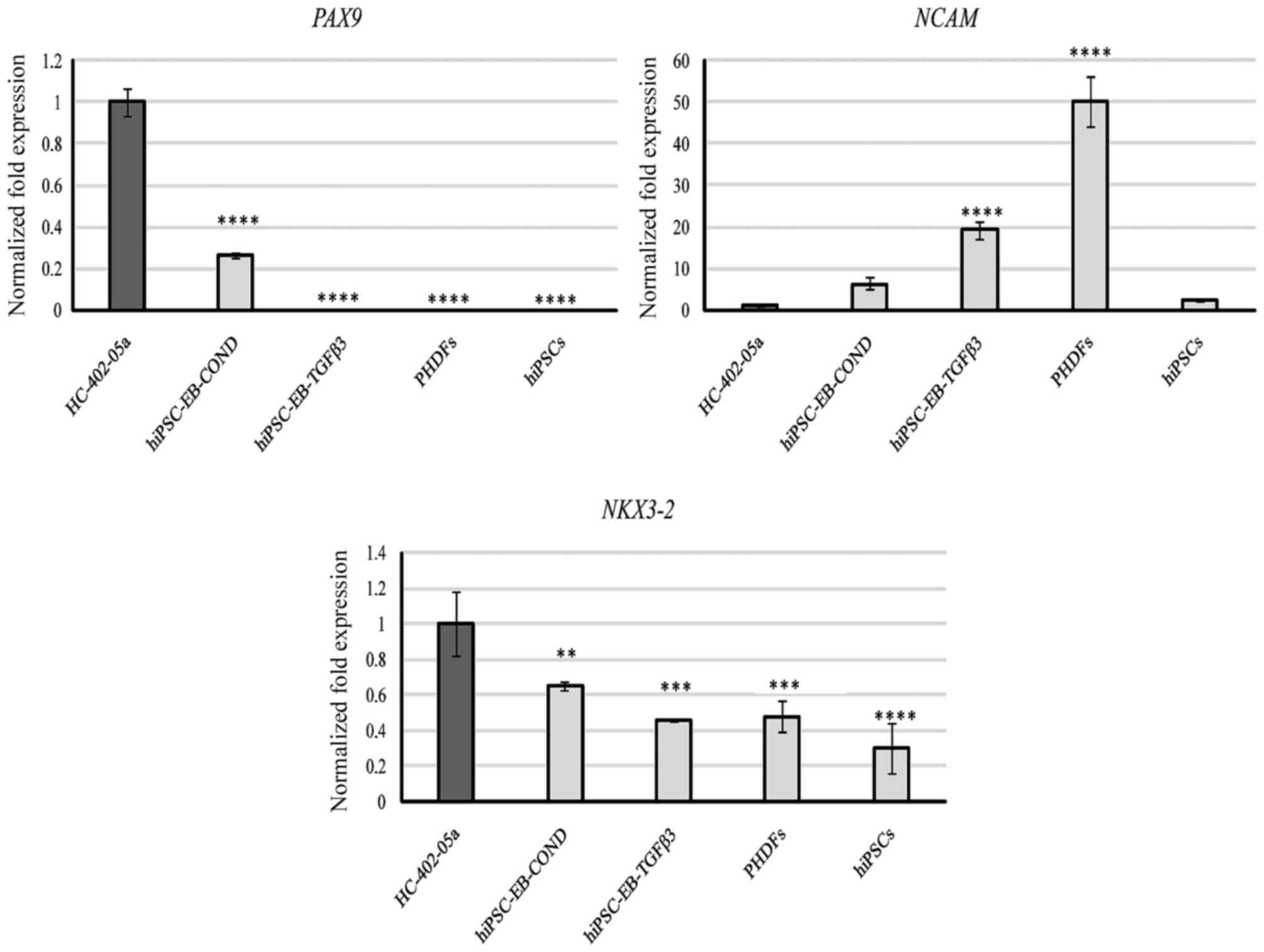
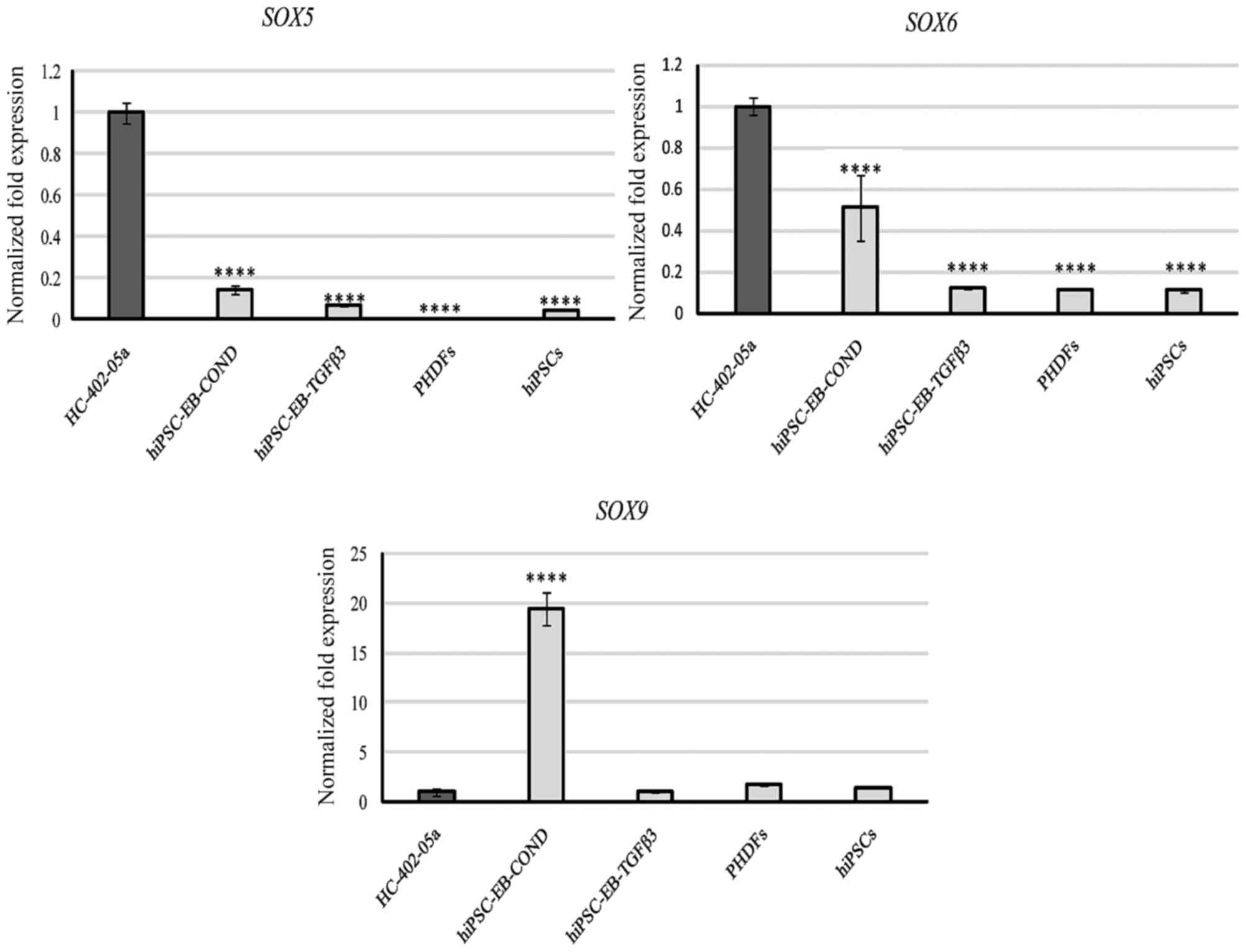
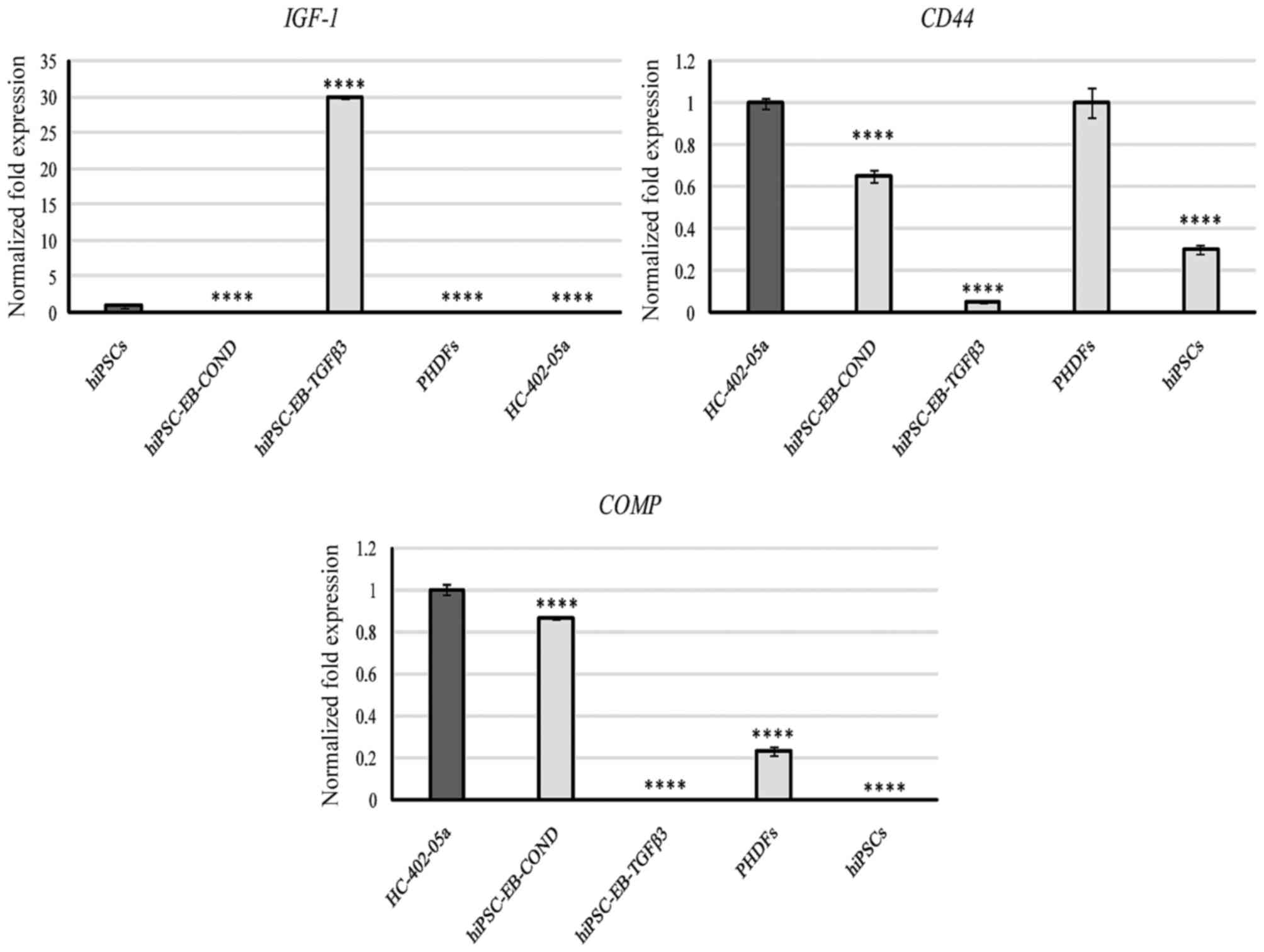
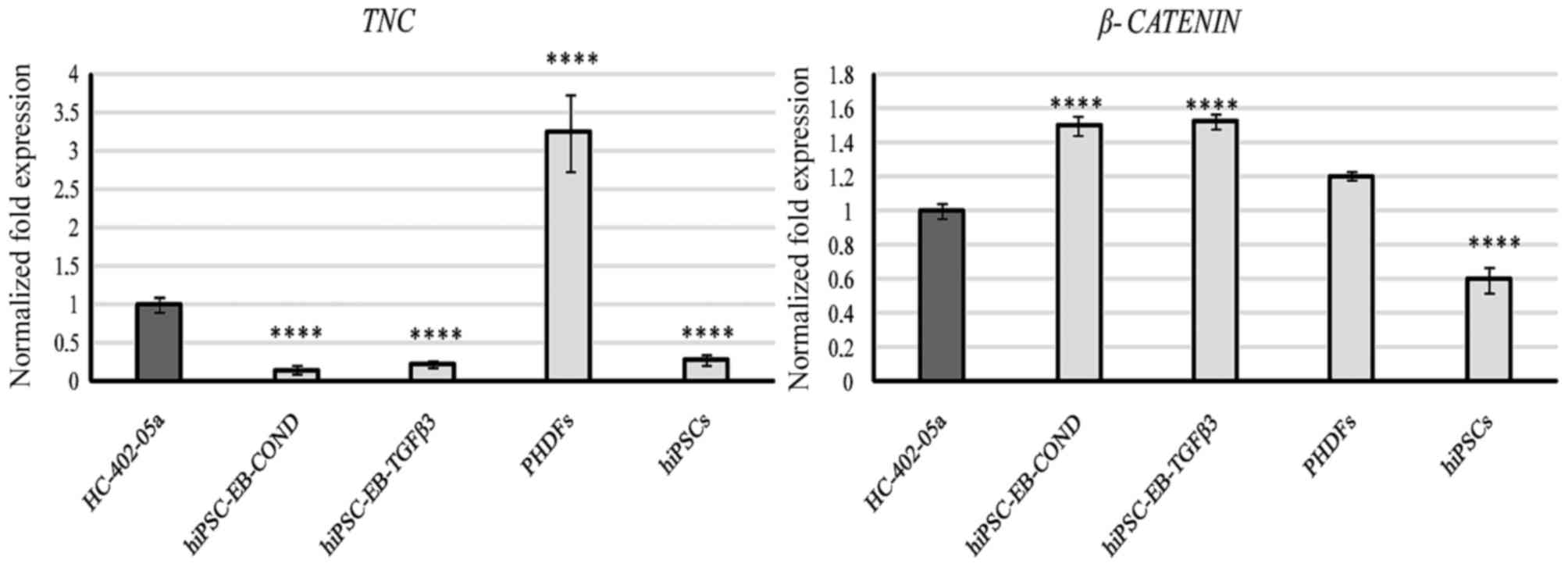
Human induced pluripotent stem cells (hiPSCs) offer promise in regenerative medicine, however more data are required to improve understanding of key aspects of the cell differentiation process, including how specific chondrogenic processes affect the gene expression profile of chondrocyte‑like cells and the relative value of cell differentiation markers. The main aims of the present study were as follows: To determine the gene expression profile of chondrogenic-like cells derived from hiPSCs cultured in mediums conditioned with HC‑402‑05a cells or supplemented with transforming growth factor β3 (TGF‑β3), and to assess the relative utility of the most commonly used chondrogenic markers as indicators of cell differentiation. These issues are relevant with regard to the use of human fibroblasts in the reprogramming process to obtain hiPSCs. Human fibroblasts are derived from the mesoderm and thus share a wide range of properties with chondrocytes, which also originate from the mesenchyme. Thus, the exclusion of dedifferentiation instead of chondrogenic differentiation is crucial. The hiPSCs were obtained from human primary dermal fibroblasts during a reprogramming process. Two methods, both involving embryoid bodies (EB), were used to obtain chondrocytes from the hiPSCs: EBs formed in a chondrogenic medium supplemented with TGF‑β3 (10 ng/ml) and EBs formed in a medium conditioned with growth factors from HC‑402‑05a cells. Based on immunofluorescence and reverse transcription‑quantiative polymerase chain reaction analysis, the results indicated that hiPSCs have the capacity for effective chondrogenic differentiation, in particular cells differentiated in the HC‑402‑05a‑conditioned medium, which present morphological features and markers that are characteristic of mature human chondrocytes. By contrast, cells differentiated in the presence of TGF‑β3 may demonstrate hypertrophic characteristics. Several genes [paired box 9, sex determining region Y-box (SOX) 5, SOX6, SOX9 and cartilage oligomeric matrix protein] were demonstrated to be good markers of early hiPSC chondrogenic differentiation: Insulin‑like growth factor 1, Tenascin‑C, and β‑catenin were less valuable. These observations provide valuable data on the use of hiPSCs in cartilage tissue regeneration.
View Figures

Figure 1

Figure 2

Figure 3

Figure 4

Figure 5

Figure 6

Figure 7

Figure 8

Figure 9

View References

1 

Liu T, Li Q, Wang S, Chen C and Zheng J: Transplantation of ovarian granulosa-like cells derived from human induced pluripotent stem cells for the treatment of murine premature ovarian failure. Mol Med Rep. 13:5053–5058. 2016.PubMed/NCBI

2 

Cao B, Li Z, Peng R and Ding J: Effects of cell-cell contact and oxygen tension on chondrogenic differentiation of stem cells. Biomaterials. 64:21–32. 2015. View Article : Google Scholar : PubMed/NCBI

3 

Lach M, Trzeciak T, Richter M, Pawlicz J and Suchorska WM: Directeddifferentiation of induced pluripotent stem cells into chondrogenic lineages for articular cartilage treatment. J Tissue Eng. 5:20417314145527012014. View Article : Google Scholar : PubMed/NCBI

4 

Ren Y, Deng CL, Wan WD, Zheng JH, Mao GY and Yang SL: Suppresive effects of induced pluripotent stem cell-conditioned medium in in vitro hypertrophic scarring fibroblast activation. Mol Med Rep. 11:2471–2476. 2015.PubMed/NCBI

5 

Chen FH and Tuan RS: Mesenchymal stem cells in arthritic diseases. Arthritic Res Ther. 10:2232008. View Article : Google Scholar

6 

Kulcenty K, Wróblewska J, Mazurek S, Liszewska E and Jaworski J: Molecular mechanisms of induced pluripotency. Contemp Oncol (Pozn). 19:A22–A29. 2015.PubMed/NCBI

7 

Suchorska WM, Augustyniak E and Łukjanow M: Genetic stability of pluripotent stem cells during anti-cancer therapies. Exp Ther Med. 11:695–702. 2016.PubMed/NCBI

8 

Lee J, Taylor SE, Smeriglio P, Lai J, Maloney WJ, Yang F and Bhutani N: Early induction of a prechondrogenic population allows efficient generation of stable chondrocytes from human induced pluripotent stem cells. FASEB J. 29:3399–3410. 2015. View Article : Google Scholar : PubMed/NCBI

9 

Ye J, Hong J and Ye F: Reprogramming rat embryonic fibroblasts into induced pluripotent stem cells using transposon vectors and their chondrogenic differentiation in vitro. Mol Med Rep. 11:989–994. 2015.PubMed/NCBI

10 

Fu C, Yan Z, Xu H, Zhang C, Zhang Q, Wei A, Yang X and Wang Y: Isolation, identification and differentiation of human embryonic cartilage stem cells. Cell Biot Int. 39:777–787. 2015. View Article : Google Scholar

11 

Oldershaw RA, Baxter MA, Lowe ET, Bates N, Grady LM, Soncin F, Brison DR, Hardingham TE and Kimber SJ: Directed differentiation of human embryonic stem cells toward chondrocytes. Nat Biotechnol. 28:1187–1194. 2010. View Article : Google Scholar : PubMed/NCBI

12 

Toh WS and Cao T: Derivation of chondrogenic cells from human embryonic stem cells for cartilage tissue engineering. Methods Mol Biol. Jul 12–2014.(Epub ahead of print). View Article : Google Scholar : PubMed/NCBI

13 

Mardani M, Hashemibeni B, Ansar MM, ZarkeshEsfahani SH, Kazemi M, Goharian V, Esmaeili N and Esfandiary E: Comparison between chondrogenic markers of differentiated chondrocytes from adipose deived stem cells and articular chondrocytes in vitro. Iran J Basic Med Sci. 16:763–773. 2013.PubMed/NCBI

14 

Lee HJ, Choi BH, Min BH and Park SR: Changes in Surface markers of human mesenchymal stem cells during the chondrogenic differentiation and dedifferentiation processes in vitro. Arthritis Rheum. 60:2325–2332. 2009. View Article : Google Scholar : PubMed/NCBI

15 

Augustyniak E, Trzeciak T, Richter M, Kaczmarczyk J and Suchorska W: The role of growth factors in stem cell-directed chondrogenesis: A real hope for damaged cartilage regeneration. Int Orthop. 39:995–1003. 2015. View Article : Google Scholar : PubMed/NCBI

16 

Augustyniak E, Suchorska WM, Trzeciak T and Richter M: Gene expression profile in human induced pluripotent stem cells: Chondrogenic differentiation in vitro, part B. Mol Med Rep. 15:2402–2414. 2017.

17 

Wróblewska J: A new method to generate human induced pluripotent stem cells (iPS) and the role of the protein KAP1 in epigenetic regulation of self-renewal. PhD dissertation. Poznan University of Medical Sciences. http://www.wbc.poznan.pl/Content/373798/index.pdf2015.

18 

Suchorska WM, Lach MS, Richter M, Kaczmarczyk J and Trzeciak T: Bioimaging: An useful tool to monitor differentiation of human embryonic stem cells into chondrocytes. Ann Biomed Eng. 44:1845–1859. 2016. View Article : Google Scholar : PubMed/NCBI

19 

Nejadnik H, Diecke S, Lenkov OD, Chapelin F, Doing J, Tong X, Derugin N, Chan RC, Gaur A, Yang F, et al: Improved approach for chondrogenic differentiation of human induced pluripotent stem cells. Stem Cell Rev. 11:242–253. 2015. View Article : Google Scholar : PubMed/NCBI

20 

Livak KJ and Schmittgen TD: Analysis of relative gene expression data using real-time quantitative PCR and the 2(−Delta Delta (CT)) Method. Methods. 25:402–408. 2001. View Article : Google Scholar : PubMed/NCBI

21 

Rodrigo I, Hill RE, Balling R, Münsterberg A and Imai K: Pax1 and Pax9 activate Bapx1 to induce chondrogenic differentiation in the sclerotome. Development. 130:473–482. 2003. View Article : Google Scholar : PubMed/NCBI

22 

Blake JA and Ziman MR: Pax genes: Regulators of lineage specification and progenitor cell maintenance. Development. 141:737–751. 2014. View Article : Google Scholar : PubMed/NCBI

23 

Singh P and Schwarzbauer JE: Fibronectin and stem cel differentiation-lessons from chondrogenesis. J Cell Sci. 125:3703–3712. 2012. View Article : Google Scholar : PubMed/NCBI

24 

Gigout A, Jolicoeur M, Nelea M, Raynal N, Farndale R and Buschmann MD: Chondrocyte aggregation in suspension culture is GFOGER-GPP- and beta1 integrin-dependent. J Biol Chem. 283:31522–31530. 2008. View Article : Google Scholar : PubMed/NCBI

25 

Fang J and Hall BK: Differential expression of neural cell adhesion molecule (NCAM) during osteogenesis and secondary chondrogenesis in the embryonic chick. Int J Dev Biol. 39:519–528. 1995.PubMed/NCBI

26 

Nakatani K, Tanaka H, Ikeda K, Sakabe M, Kadoya H, Seki S, Kaneda K and Nakajima Y: Expression of NCAM in activated portal fibroblasts during regeneration of the rat liver after partial hepatectomy. Arch Histol Cytol. 69:61–72. 2006. View Article : Google Scholar : PubMed/NCBI

27 

Francavilla C, Loeffler S, Piccini D, Kren A, Christofori G and Cavallaro U: Neural cel adhesion molecule regulates the cellular response to fibroblast growth factor. J Cell Sci. 120:4388–4394. 2007. View Article : Google Scholar : PubMed/NCBI

28 

Rainbow RS, Kwon H and Zeng L: The role of Nkx3. 2 in chondrogenesis. Front Biol (Beijing). 9:376–381. 2014. View Article : Google Scholar : PubMed/NCBI

29 

Kawato Y, Hirao M, Ebina K, Shi K, Hashimoto J, Honjo Y, Yoshikawa H and Myoui A: Nkx3.2 promotes primary chondrogenic differentiation by upregulating Col2a1transcription. PLoS One. 7:e347032012. View Article : Google Scholar : PubMed/NCBI

30 

Choi SW, Jeong DU, Kim JA, Lee B, Joeng KS, Long F and Kim DW: Indian Hedgehog signaling triggers Nkx3.2 protein degradation during chondrocyte maturation. Biochem J. 443:789–798. 2012. View Article : Google Scholar : PubMed/NCBI

31 

Liu CF and Lefebvre V: The transcription factors SOX9 and SOX5/SOX6 cooperate genome-wide through super-enhancer to drive chondrogenesis. Nucleic Acids Res. 43:8183–8203. 2015. View Article : Google Scholar : PubMed/NCBI

32 

Han Y and Lefebvre V: L-Sox5 and Sox6 drive expression of the aggrecan gene in cartilage by securing binding of Sox9 to a far-upstream enhancer. Mol Cell Biol. 28:4999–5013. 2008. View Article : Google Scholar : PubMed/NCBI

33 

Yamamizu K, Schlessinger D and Ko MS: SOX9 accelerates ESC differentiation to three germ layer lineages by repressing SOX2 expression through P21 (WAF1/CIP1). Development. 141:4254–4266. 2014. View Article : Google Scholar : PubMed/NCBI

34 

Akiyama H, Lyons JP, Mori-Akiyama Y, Yang X, Zhang R, Zhang Z, Deng JM, Taketo MM, Nakamura T, Behringer RR, et al: Interactions between Sox9 and beta-catenin control chondrocyte differentiation. Genes Dev. 18:1072–1087. 2004. View Article : Google Scholar : PubMed/NCBI

35 

Liao J, Hu N, Zhou N, Lin L, Zhao C, Yi S, Fan T, Bao W, Liang X, Chen H, et al: Sox9 potentiates BMP-2 induced chondrogenic differentiation and inhibits BMP-induced osteogenic differentiation. PLoS One. 9:e890252014. View Article : Google Scholar : PubMed/NCBI

36 

Hamda T, Sakai T, Hiraiwa H, Nakashima M, Ono Y, Mitsuyama H and Ishiguro N: Surface markers and gene expression to characterize the differentiation of monolayer expanded human articular chondrocytes. Nagoya J Med Sci. 75:101–111. 2013.PubMed/NCBI

37 

Sivan SS, Wachtel E and Roughley P: Structure, function, aging and turnover of aggrecan in the invertebral disc. Biochim Biophys Acta. 1840:3181–3189. 2014. View Article : Google Scholar : PubMed/NCBI

38 

Kiani C, Chen L, Wu YJ, Yee AJ and Yang BB: Structure and function of aggrecan. Cell Res. 12:19–32. 2002. View Article : Google Scholar : PubMed/NCBI

39 

Meng Q, Long X, Deng M, Cai H and Li J: The expressions of IGF-1, BMP-2 and TGF-β1 in cartilage of condylar hyperplasia. J Oral Rehabil. 38:34–40. 2011. View Article : Google Scholar : PubMed/NCBI

40 

Agriogiannis GD, Sifakis S, Patsouris ES and Konstantinidou AE: Insulin-like growth factors in embryonic fetal growth and skeletal development (Review). Mol Med Rep. 10:579–584. 2014.PubMed/NCBI

41 

Fujita T, Azuma Y, Fukuyama R, Hattori Y, Yoshida C, Koida M, Ogita K and Komori T: Runx2 induces osteoblast and chondrocyte differentiation and enhances their migration by coupling with P13K-Akt signaling. J Cell Biol. 166:85–95. 2004. View Article : Google Scholar : PubMed/NCBI

42 

Guntur AR and Rosen CJ: IGF-1 regulation of key signaling pathway in bone. Bonekey Rep. 2:4372013. View Article : Google Scholar : PubMed/NCBI

43 

Huang YH, Chin CC, Ho HN, Chou CK, Shen CN, Kuo HC, Wu TJ, Wu YC, Hung YC, Chang CC and Ling TY: Pluripotency of mouse spermatogonial stem cells maintained by IGF-dependent pathway. FASEB J. 23:2076–2087. 2009. View Article : Google Scholar : PubMed/NCBI

44 

Nicoll SB, Barak O, Csóka AB, Bhatnagar RS and Stern R: Hyaluronidases and CD44 undergo differential modulating during chondrogenesis. Biochem Biophys Res Commun. 292:819–825. 2002. View Article : Google Scholar : PubMed/NCBI

45 

Takahashi N, Knudson CB, Thankamony S, Ariyoshi W, Mellor L, Im HJ and Knudson W: Induction of CD44 cleavage in articular chondrocytes. Arthritis Rheum. 62:1338–1348. 2010. View Article : Google Scholar : PubMed/NCBI

46 

Quintanilla RH Jr, Asprer JC, Vaz C, Tanavde V and Lakshmipathy U: CD44 is a negative cell surface marker for pluripotent stem cell identification during human fibroblast reprogramming. PLoS One. 9:e854192014. View Article : Google Scholar : PubMed/NCBI

47 

Acharya PS, Majumdar S, Jacob M, Hayden J, Mrass P, Weninger W, Assoian RK and Puré E: Fibroblast migration is mediated by CD44-dependent TGF beta activation. J Cell Sci. 121:1393–1402. 2008. View Article : Google Scholar : PubMed/NCBI

48 

Halem-Smith H, Calderon R, Song Y, Tuan RS and Chen FH: Cartilage oligomerix matrix protein enhances matrix assembly during chondrogenesis of human mesenchymal stem cells. J Cell Biochem. 113:1245–1252. 2012. View Article : Google Scholar : PubMed/NCBI

49 

Tseng S, Reddi AH and Di Cesare PE: Cartilage oligomeric matrix protein (COMP): A biomeraker of arthritis. Biomark Insights. 4:33–44. 2009.PubMed/NCBI

50 

Ghert MA, Qi WN, Erickson HP, Block JA and Scully SP: Tenascin-C expression and distribution in cultured human chondrocytes and chondrosarcoma cells. J Orthop Res. 20:834–841. 2002. View Article : Google Scholar : PubMed/NCBI

51 

Murphy LI, Fischer D, Chiquet-Ehrismann R and Mackie EJ: Tenascin-C induced stimulation of chondrogenesis is dependent on the presence of the C-terminal fibrinogen-like globular domain. FEBS Lett. 480:189–192. 2000. View Article : Google Scholar : PubMed/NCBI

52 

Trebaul A, Chan EK and Midwood KS: Regulation of fibroblast migration by tenascin-C. BiochemSoc Trans. 35:695–697. 2007. View Article : Google Scholar

53 

Tomizawa M, Shinozaki F, Motoyoshi Y, Sugiyama T, Yamamoto S and Ishige N: Involvement of the Wnt signaling pathway in feeder-free culture of human induced pluripotent stem cells. Mol Med Rep. 12:6797–6800. 2015.PubMed/NCBI

54 

Qiu D, Ye S, Ruiz B, Zhou X, Liu D, Zhang Q and Ying QL: Klf2 and Tfcp2l1, Two Wnt/β-catenin targets, act synergistically to induce and maintain naive pluripotency. Stem Cell Reports. 5:314–322. 2015. View Article : Google Scholar : PubMed/NCBI

55 

Marucci L, Pedone E, Di Vicino U, Sanuy-Escribano B, Isalan M and Cosma MP: β-catenin fluctuates in mouse ESCs and is essential for Nanog-mediated reprogramming of somatic cells to pluripotency. Cell Rep. 8:1686–1696. 2014. View Article : Google Scholar : PubMed/NCBI

56 

Davidson KC, Adams AM, Goodson JM, McDonald CE, Potter JC, Berndt JD, Biechele TL, Taylor RJ and Moon RT: Wnt/β-catenin signaling promotes differentiation, not self-renewal, of human embryonic stem cells and is repressed by Oct4. Proc Natl Acad Sci USA. 109:4485–4490. 2012. View Article : Google Scholar : PubMed/NCBI

57 

Modarresi R, Lafond T, Roman-Blas JA, Danielson KG, Tuan RS and Seghatoleslami MR: N-cadherin mediated distribution of beta-catenin alters MAP kinase and BMP-2 signaling on chondrogenesis-related gene expression. J Cell Biochem. 95:53–63. 2005. View Article : Google Scholar : PubMed/NCBI

58 

Huang Y, Zhang X, Du K, Yang F, Shi Y, Huang J, Tang T, Chen D and Dai K: Inhibition of β-catenin signaling in chondrocytes induces delayed fracture healing in mice. J Orthop Res. 30:304–310. 2012. View Article : Google Scholar : PubMed/NCBI

59 

Li TF, Chen D, Wu Q, Chen M, Sheu TJ, Schwarz EM, Drissi H, Zuscik M and O'Keefe RJ: Transforming growth factor-beta stimulates cyclin D1 expression through activation of beta-catenin signaling in chondrocytes. J BiolChem. 281:21296–21304. 2006.

Related Articles

  • Abstract
  • View
  • Download
  • Twitter
Copy and paste a formatted citation
Spandidos Publications style
Suchorska WM, Augustyniak E, Richter M and Trzeciak T: Gene expression profile in human induced pluripotent stem cells: Chondrogenic differentiation in vitro, part A. Mol Med Rep 15: 2387-2401, 2017.
APA
Suchorska, W.M., Augustyniak, E., Richter, M., & Trzeciak, T. (2017). Gene expression profile in human induced pluripotent stem cells: Chondrogenic differentiation in vitro, part A. Molecular Medicine Reports, 15, 2387-2401. https://doi.org/10.3892/mmr.2017.6334
MLA
Suchorska, W. M., Augustyniak, E., Richter, M., Trzeciak, T."Gene expression profile in human induced pluripotent stem cells: Chondrogenic differentiation in vitro, part A". Molecular Medicine Reports 15.5 (2017): 2387-2401.
Chicago
Suchorska, W. M., Augustyniak, E., Richter, M., Trzeciak, T."Gene expression profile in human induced pluripotent stem cells: Chondrogenic differentiation in vitro, part A". Molecular Medicine Reports 15, no. 5 (2017): 2387-2401. https://doi.org/10.3892/mmr.2017.6334
Copy and paste a formatted citation
x
Spandidos Publications style
Suchorska WM, Augustyniak E, Richter M and Trzeciak T: Gene expression profile in human induced pluripotent stem cells: Chondrogenic differentiation in vitro, part A. Mol Med Rep 15: 2387-2401, 2017.
APA
Suchorska, W.M., Augustyniak, E., Richter, M., & Trzeciak, T. (2017). Gene expression profile in human induced pluripotent stem cells: Chondrogenic differentiation in vitro, part A. Molecular Medicine Reports, 15, 2387-2401. https://doi.org/10.3892/mmr.2017.6334
MLA
Suchorska, W. M., Augustyniak, E., Richter, M., Trzeciak, T."Gene expression profile in human induced pluripotent stem cells: Chondrogenic differentiation in vitro, part A". Molecular Medicine Reports 15.5 (2017): 2387-2401.
Chicago
Suchorska, W. M., Augustyniak, E., Richter, M., Trzeciak, T."Gene expression profile in human induced pluripotent stem cells: Chondrogenic differentiation in vitro, part A". Molecular Medicine Reports 15, no. 5 (2017): 2387-2401. https://doi.org/10.3892/mmr.2017.6334
Follow us
  • Twitter
  • LinkedIn
  • Facebook
About
  • Spandidos Publications
  • Careers
  • Cookie Policy
  • Privacy Policy
How can we help?
  • Help
  • Live Chat
  • Contact
  • Email to our Support Team