Spandidos Publications Logo
  • About
    • About Spandidos
    • Aims and Scopes
    • Abstracting and Indexing
    • Editorial Policies
    • Reprints and Permissions
    • Job Opportunities
    • Terms and Conditions
    • Contact
  • Journals
    • All Journals
    • Oncology Letters
      • Oncology Letters
      • Information for Authors
      • Editorial Policies
      • Editorial Board
      • Aims and Scope
      • Abstracting and Indexing
      • Bibliographic Information
      • Archive
    • International Journal of Oncology
      • International Journal of Oncology
      • Information for Authors
      • Editorial Policies
      • Editorial Board
      • Aims and Scope
      • Abstracting and Indexing
      • Bibliographic Information
      • Archive
    • Molecular and Clinical Oncology
      • Molecular and Clinical Oncology
      • Information for Authors
      • Editorial Policies
      • Editorial Board
      • Aims and Scope
      • Abstracting and Indexing
      • Bibliographic Information
      • Archive
    • Experimental and Therapeutic Medicine
      • Experimental and Therapeutic Medicine
      • Information for Authors
      • Editorial Policies
      • Editorial Board
      • Aims and Scope
      • Abstracting and Indexing
      • Bibliographic Information
      • Archive
    • International Journal of Molecular Medicine
      • International Journal of Molecular Medicine
      • Information for Authors
      • Editorial Policies
      • Editorial Board
      • Aims and Scope
      • Abstracting and Indexing
      • Bibliographic Information
      • Archive
    • Biomedical Reports
      • Biomedical Reports
      • Information for Authors
      • Editorial Policies
      • Editorial Board
      • Aims and Scope
      • Abstracting and Indexing
      • Bibliographic Information
      • Archive
    • Oncology Reports
      • Oncology Reports
      • Information for Authors
      • Editorial Policies
      • Editorial Board
      • Aims and Scope
      • Abstracting and Indexing
      • Bibliographic Information
      • Archive
    • Molecular Medicine Reports
      • Molecular Medicine Reports
      • Information for Authors
      • Editorial Policies
      • Editorial Board
      • Aims and Scope
      • Abstracting and Indexing
      • Bibliographic Information
      • Archive
    • World Academy of Sciences Journal
      • World Academy of Sciences Journal
      • Information for Authors
      • Editorial Policies
      • Editorial Board
      • Aims and Scope
      • Abstracting and Indexing
      • Bibliographic Information
      • Archive
    • International Journal of Functional Nutrition
      • International Journal of Functional Nutrition
      • Information for Authors
      • Editorial Policies
      • Editorial Board
      • Aims and Scope
      • Abstracting and Indexing
      • Bibliographic Information
      • Archive
    • International Journal of Epigenetics
      • International Journal of Epigenetics
      • Information for Authors
      • Editorial Policies
      • Editorial Board
      • Aims and Scope
      • Abstracting and Indexing
      • Bibliographic Information
      • Archive
    • Medicine International
      • Medicine International
      • Information for Authors
      • Editorial Policies
      • Editorial Board
      • Aims and Scope
      • Abstracting and Indexing
      • Bibliographic Information
      • Archive
  • Articles
  • Information
    • Information for Authors
    • Information for Reviewers
    • Information for Librarians
    • Information for Advertisers
    • Conferences
  • Language Editing
Spandidos Publications Logo
  • About
    • About Spandidos
    • Aims and Scopes
    • Abstracting and Indexing
    • Editorial Policies
    • Reprints and Permissions
    • Job Opportunities
    • Terms and Conditions
    • Contact
  • Journals
    • All Journals
    • Biomedical Reports
      • Information for Authors
      • Editorial Policies
      • Editorial Board
      • Aims and Scope
      • Abstracting and Indexing
      • Bibliographic Information
      • Archive
    • Experimental and Therapeutic Medicine
      • Information for Authors
      • Editorial Policies
      • Editorial Board
      • Aims and Scope
      • Abstracting and Indexing
      • Bibliographic Information
      • Archive
    • International Journal of Epigenetics
      • Information for Authors
      • Editorial Policies
      • Editorial Board
      • Aims and Scope
      • Abstracting and Indexing
      • Bibliographic Information
      • Archive
    • International Journal of Functional Nutrition
      • Information for Authors
      • Editorial Policies
      • Editorial Board
      • Aims and Scope
      • Abstracting and Indexing
      • Bibliographic Information
      • Archive
    • International Journal of Molecular Medicine
      • Information for Authors
      • Editorial Policies
      • Editorial Board
      • Aims and Scope
      • Abstracting and Indexing
      • Bibliographic Information
      • Archive
    • International Journal of Oncology
      • Information for Authors
      • Editorial Policies
      • Editorial Board
      • Aims and Scope
      • Abstracting and Indexing
      • Bibliographic Information
      • Archive
    • Medicine International
      • Information for Authors
      • Editorial Policies
      • Editorial Board
      • Aims and Scope
      • Abstracting and Indexing
      • Bibliographic Information
      • Archive
    • Molecular and Clinical Oncology
      • Information for Authors
      • Editorial Policies
      • Editorial Board
      • Aims and Scope
      • Abstracting and Indexing
      • Bibliographic Information
      • Archive
    • Molecular Medicine Reports
      • Information for Authors
      • Editorial Policies
      • Editorial Board
      • Aims and Scope
      • Abstracting and Indexing
      • Bibliographic Information
      • Archive
    • Oncology Letters
      • Information for Authors
      • Editorial Policies
      • Editorial Board
      • Aims and Scope
      • Abstracting and Indexing
      • Bibliographic Information
      • Archive
    • Oncology Reports
      • Information for Authors
      • Editorial Policies
      • Editorial Board
      • Aims and Scope
      • Abstracting and Indexing
      • Bibliographic Information
      • Archive
    • World Academy of Sciences Journal
      • Information for Authors
      • Editorial Policies
      • Editorial Board
      • Aims and Scope
      • Abstracting and Indexing
      • Bibliographic Information
      • Archive
  • Articles
  • Information
    • For Authors
    • For Reviewers
    • For Librarians
    • For Advertisers
    • Conferences
  • Language Editing
Login Register Submit
  • This site uses cookies
  • You can change your cookie settings at any time by following the instructions in our Cookie Policy. To find out more, you may read our Privacy Policy.

    I agree
Search articles by DOI, keyword, author or affiliation
Search
Advanced Search
presentation
Molecular Medicine Reports
Join Editorial Board Propose a Special Issue
Print ISSN: 1791-2997 Online ISSN: 1791-3004
Journal Cover
June-2018 Volume 17 Issue 6

Full Size Image

Sign up for eToc alerts
Recommend to Library

Journals

International Journal of Molecular Medicine

International Journal of Molecular Medicine

International Journal of Molecular Medicine is an international journal devoted to molecular mechanisms of human disease.

International Journal of Oncology

International Journal of Oncology

International Journal of Oncology is an international journal devoted to oncology research and cancer treatment.

Molecular Medicine Reports

Molecular Medicine Reports

Covers molecular medicine topics such as pharmacology, pathology, genetics, neuroscience, infectious diseases, molecular cardiology, and molecular surgery.

Oncology Reports

Oncology Reports

Oncology Reports is an international journal devoted to fundamental and applied research in Oncology.

Experimental and Therapeutic Medicine

Experimental and Therapeutic Medicine

Experimental and Therapeutic Medicine is an international journal devoted to laboratory and clinical medicine.

Oncology Letters

Oncology Letters

Oncology Letters is an international journal devoted to Experimental and Clinical Oncology.

Biomedical Reports

Biomedical Reports

Explores a wide range of biological and medical fields, including pharmacology, genetics, microbiology, neuroscience, and molecular cardiology.

Molecular and Clinical Oncology

Molecular and Clinical Oncology

International journal addressing all aspects of oncology research, from tumorigenesis and oncogenes to chemotherapy and metastasis.

World Academy of Sciences Journal

World Academy of Sciences Journal

Multidisciplinary open-access journal spanning biochemistry, genetics, neuroscience, environmental health, and synthetic biology.

International Journal of Functional Nutrition

International Journal of Functional Nutrition

Open-access journal combining biochemistry, pharmacology, immunology, and genetics to advance health through functional nutrition.

International Journal of Epigenetics

International Journal of Epigenetics

Publishes open-access research on using epigenetics to advance understanding and treatment of human disease.

Medicine International

Medicine International

An International Open Access Journal Devoted to General Medicine.

Journal Cover
June-2018 Volume 17 Issue 6

Full Size Image

Sign up for eToc alerts
Recommend to Library

  • Article
  • Citations
    • Cite This Article
    • Download Citation
    • Create Citation Alert
    • Remove Citation Alert
    • Cited By
  • Similar Articles
    • Related Articles (in Spandidos Publications)
    • Similar Articles (Google Scholar)
    • Similar Articles (PubMed)
  • Download PDF
  • Download XML
  • View XML
Article

PKR inhibition mediates endotoxin tolerance in macrophages through inactivation of PI3K/AKT signaling

  • Authors:
    • Hailin Xu
    • Juan Chen
    • Xiang Si
    • Minying Chen
    • Fei Pei
    • Chunfang Qiu
    • Jianfeng Wu
    • Xiangdong Guan
  • View Affiliations / Copyright

    Affiliations: Department of Critical Care Medicine, The First Affiliated Hospital of Sun Yat‑sen University, Guangzhou, Guangdong 510080, P.R. China
  • Pages: 8548-8556
    |
    Published online on: April 11, 2018
       https://doi.org/10.3892/mmr.2018.8869
  • Expand metrics +
Metrics: Total Views: 0 (Spandidos Publications: | PMC Statistics: )
Metrics: Total PDF Downloads: 0 (Spandidos Publications: | PMC Statistics: )
Cited By (CrossRef): 0 citations Loading Articles...

This article is mentioned in:


Abstract

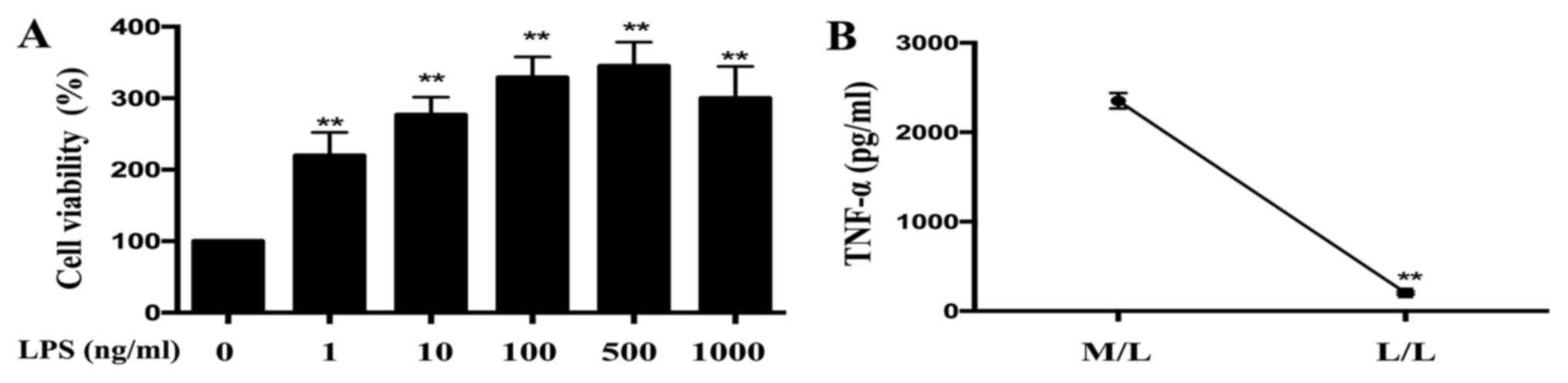
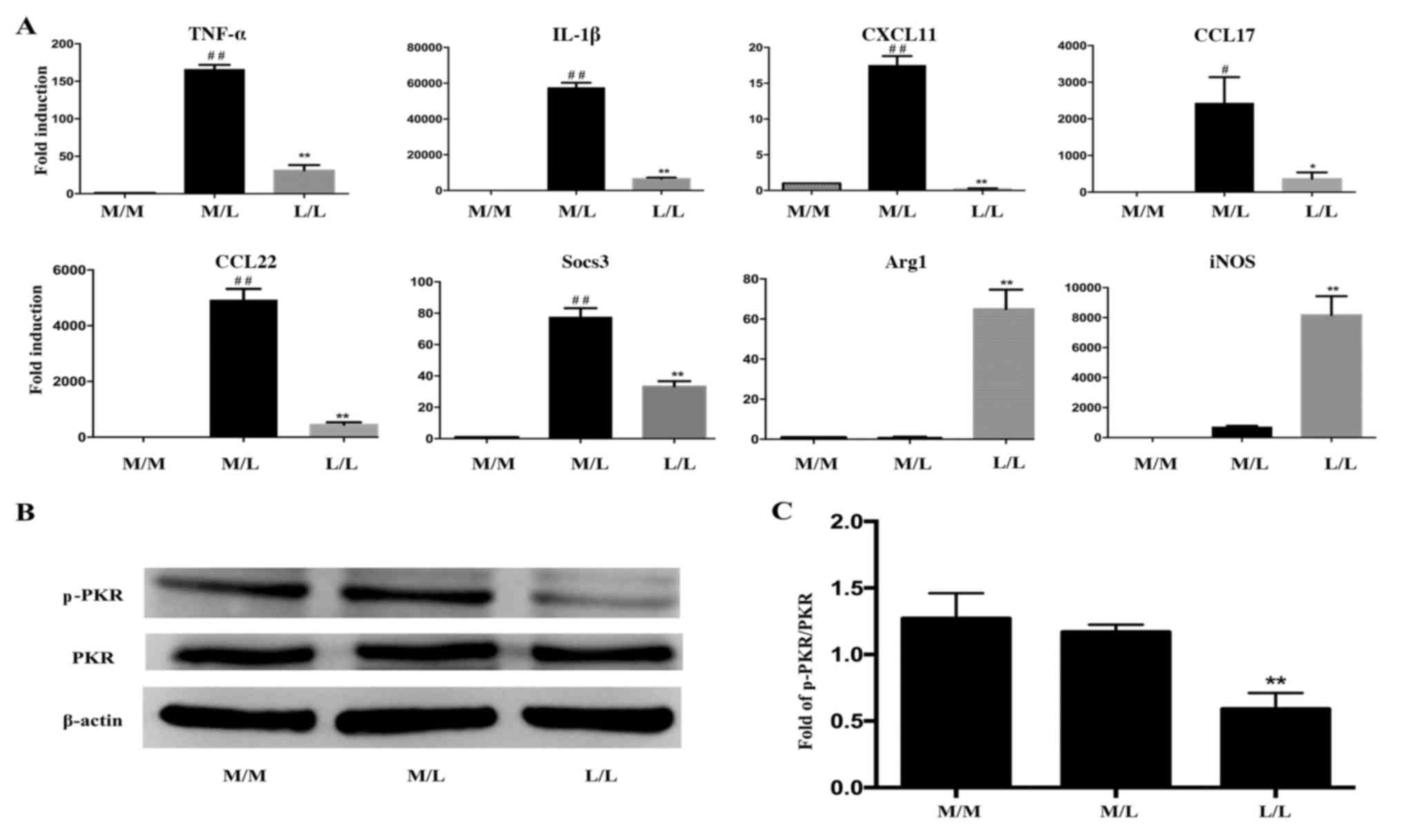
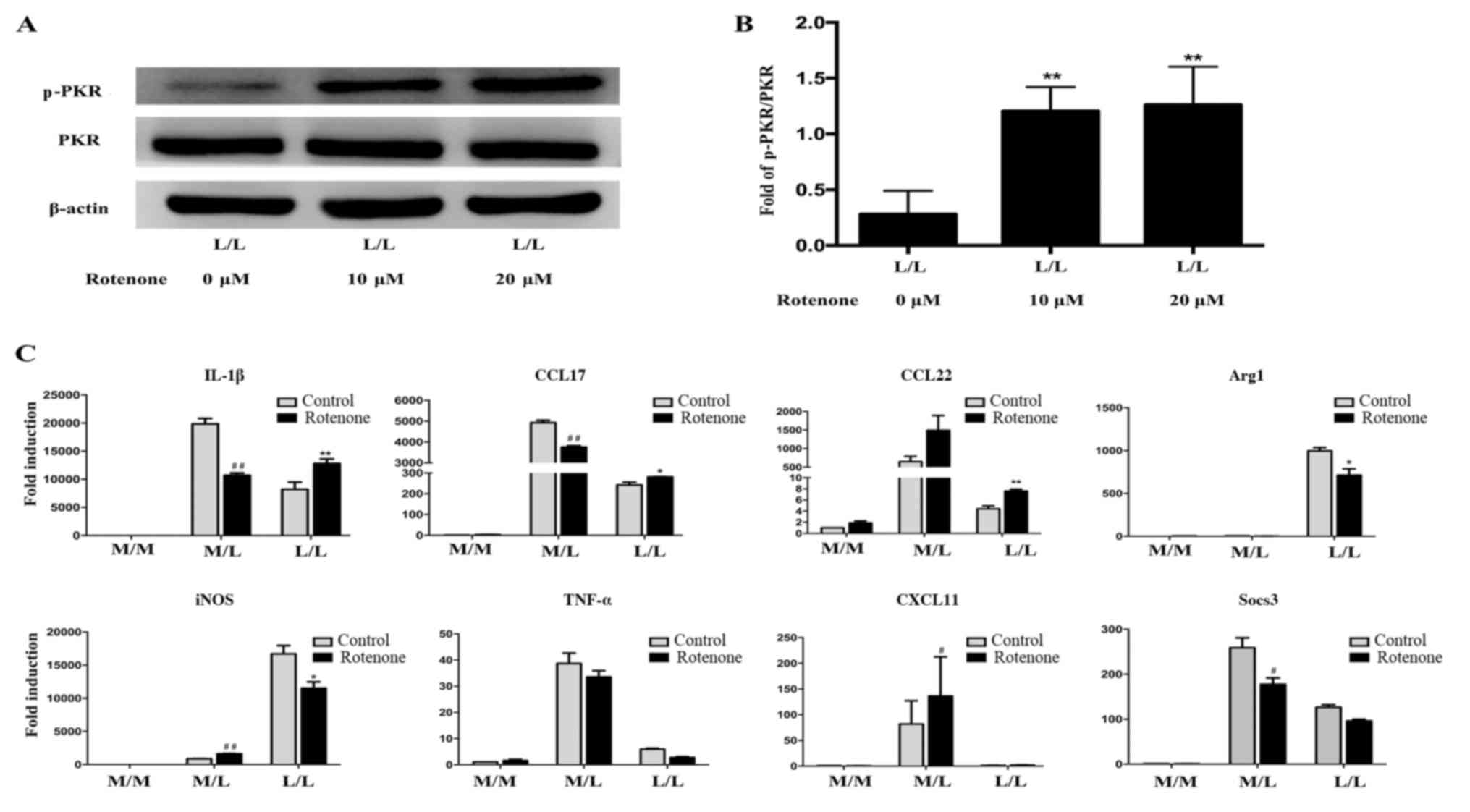
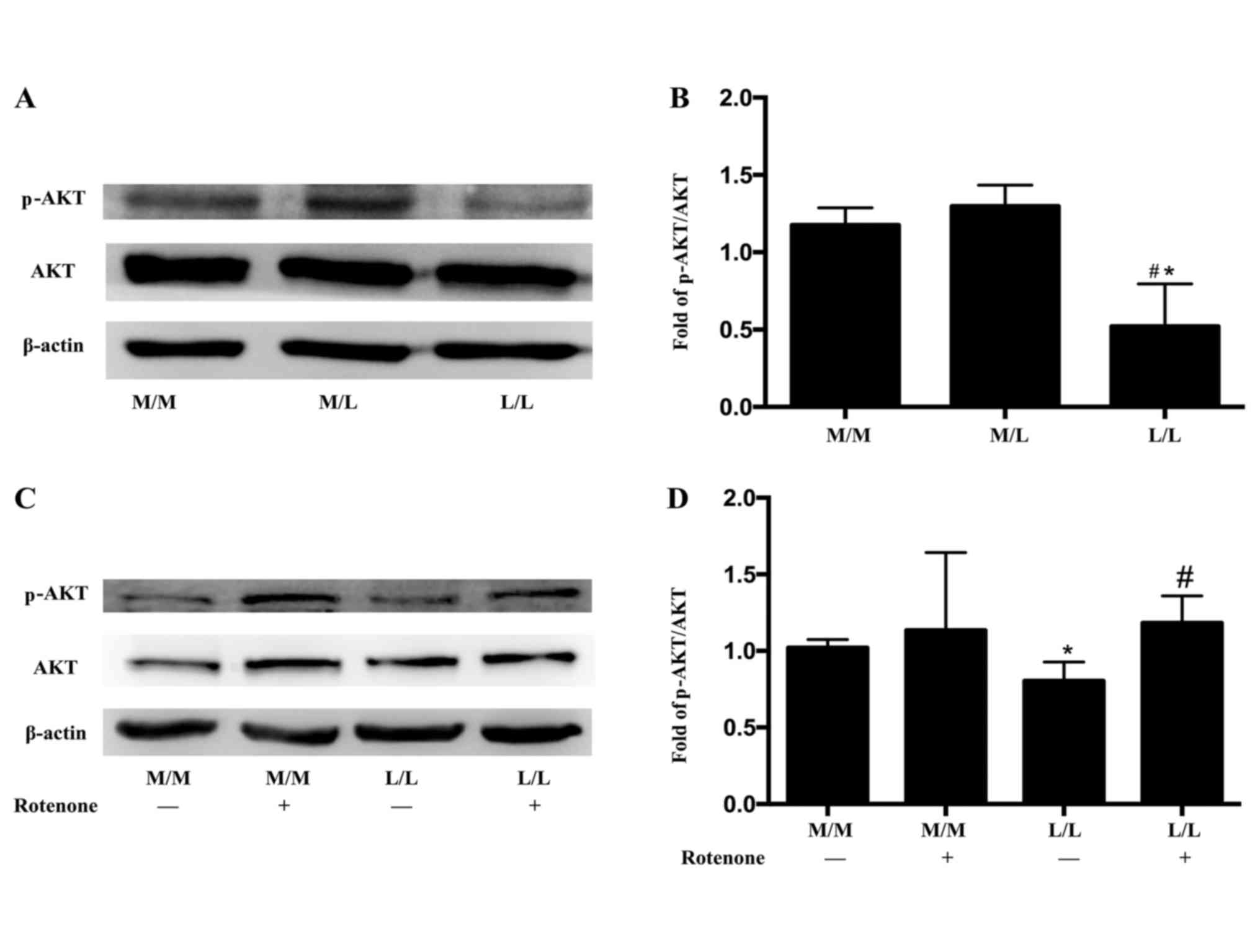
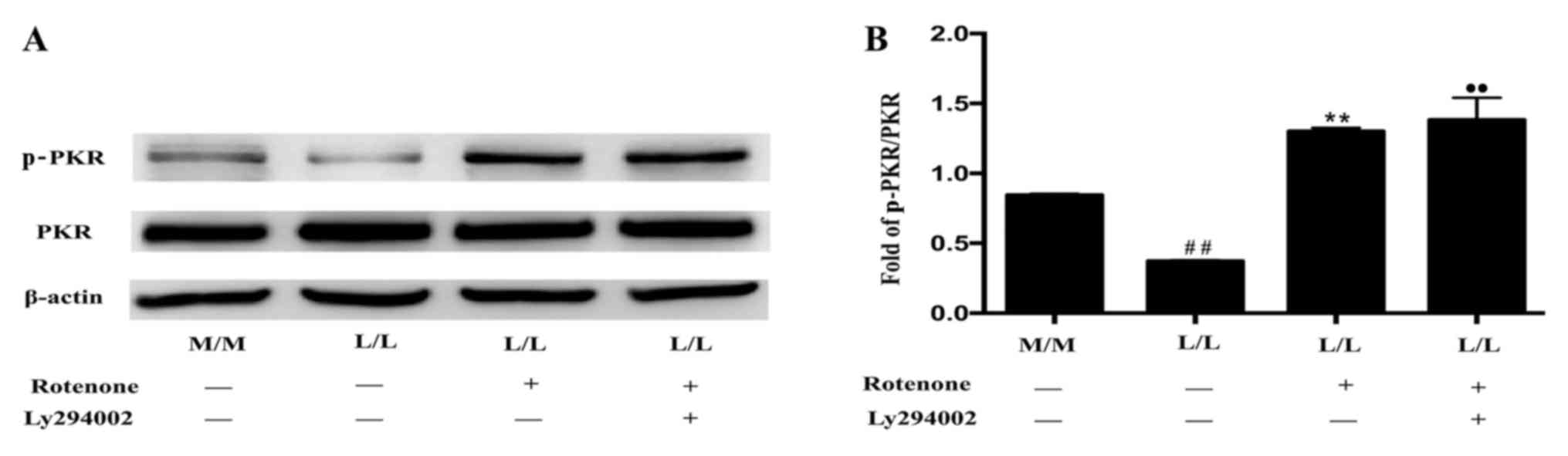
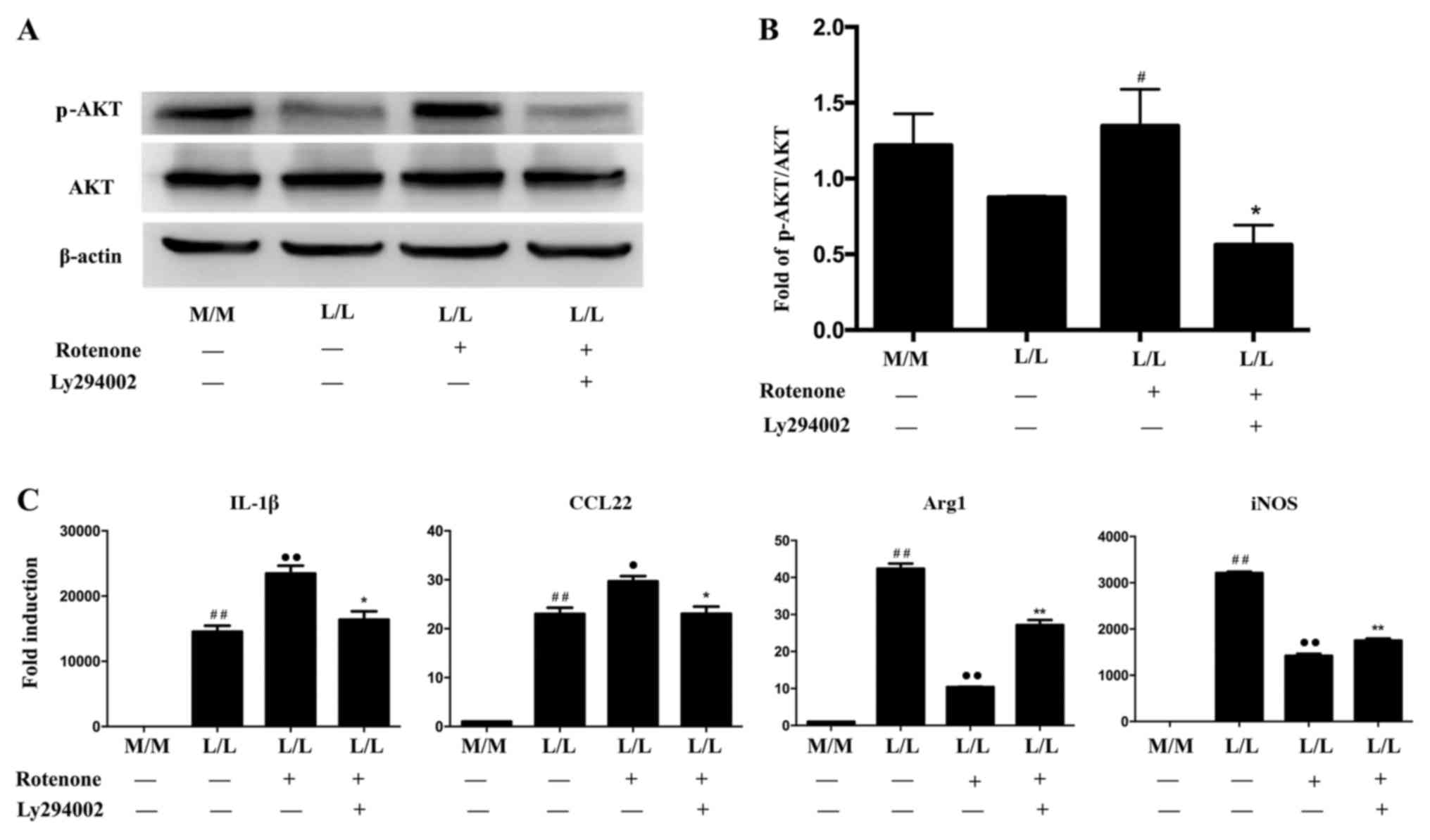
Following long‑term exposure to endotoxins, macrophages enter an immunosuppressive state that renders them unable respond to subsequent exposures to endotoxin, a phenomenon that is termed ʻendotoxin toleranceʼ. Endotoxin tolerance increases the risks of secondary infection and mortality in patients with sepsis. In endotoxin‑tolerant macrophages, the mixed variation of gene transcription is referred to as macrophage reprogramming. The mechanisms underlying macrophage reprogramming remain unclear at present. Interferon‑induced double‑stranded RNA‑dependent protein kinase (PKR) is a widely expressed serine/threonine protein kinase. In addition to antiviral effects, PKR regulates the transcription of inflammatory cytokines by affecting transcription factors. However, the role of PKR in macrophage reprogramming remains to be elucidated. In the present study, the expression of inflammatory cytokines differed in lipopolysaccharide (LPS)‑tolerant RAW264.7 macrophages compared with LPS‑activated macrophages. Specifically, reverse transcription‑quantitative polymerase chain reaction results demonstrated that the mRNA levels of tumor necrosis factor‑α, interleukin‑1β (IL‑1β), C‑X‑C motif chemokine ligand 11, C‑C motif chemokine ligand (CCL17), CCL22 and suppressor of cytokine signaling 3 were decreased, and mRNAs levels of arginase‑1 (Arg1) and nitric oxide synthase 2 (iNOS) were increased, in LPS‑tolerant macrophages compared with LPS‑activated macrophages. Furthermore, western blot analysis demonstrated that the protein levels of phosphorylated (p)‑PKR were significantly decreased in the LPS‑tolerant cells. PKR activation with rotenone (10 µM) abrogated endotoxin tolerance by increasing the levels of the IL‑1β, CCL17 and CCL22 mRNAs and decreasing the levels of the Arg1 and iNOS mRNAs. Furthermore, western blotting demonstrated that AKT was markedly inactivated in endotoxin‑tolerant cells, as indicated by reduced p‑AKT levels. However, levels of p‑AKT were markedly increased following rotenone‑induced PKR activation in endotoxin‑tolerant cells. Ly294002 (10 µM), a phosphatidylinositol‑4,5‑bisphosphate 3‑kinase (PI3K)/AKT signaling inhibitor, partially reversed the rotenone‑induced alleviation of endotoxin tolerance. These results demonstrated that PKR inhibition mediated endotoxin tolerance in macrophages, and these effects were partially mediated by PI3K/AKT signaling. PKR may be a potential target for the treatment of endotoxin tolerance in patients with sepsis.
View Figures

Figure 1

Figure 2

Figure 3

Figure 4

Figure 5

Figure 6

View References

1 

Gordon S and Taylor PR: Monocyte and macrophage heterogeneity. Nat Rev Immunol. 5:953–964. 2005. View Article : Google Scholar : PubMed/NCBI

2 

Lawrence T and Natoli G: Transcriptional regulation of macrophage polarization: Enabling diversity with identity. Nat Rev Immunol. 11:750–761. 2011. View Article : Google Scholar : PubMed/NCBI

3 

Beutler B: SHIP, TGF-beta, and endotoxin tolerance. Immunity. 21:134–135. 2004. View Article : Google Scholar : PubMed/NCBI

4 

O'Neill LA and Bowie AG: The family of five: TIR-domain-containing adaptors in Toll-like receptor signalling. Nat Rev Immunol. 7:353–364. 2007. View Article : Google Scholar : PubMed/NCBI

5 

Cavaillon JM and Adib-Conquy M: Bench-to-bedside review: Endotoxin tolerance as a model of leukocyte reprogramming in sepsis. Crit Care. 10:2332006. View Article : Google Scholar : PubMed/NCBI

6 

Fan H and Cook JA: Molecular mechanisms of endotoxin tolerance. J Endotoxin Res. 10:71–84. 2004. View Article : Google Scholar : PubMed/NCBI

7 

del Fresno C, García-Rio F, Gómez-Piña V, Soares-Schanoski A, Fernández-Ruíz I, Jurado T, Kajiji T, Shu C, Marín E, del Arroyo Gutierrez A, et al: Potent phagocytic activity with impaired antigen presentation identifying lipopolysaccharide-tolerant human monocytes: Demonstration in isolated monocytes from cystic fibrosis patients. J Immunol. 182:6494–6507. 2009. View Article : Google Scholar : PubMed/NCBI

8 

Zuckerman SH and Evans GF: Endotoxin tolerance: In vivo regulation of tumor necrosis factor and interleukin-1 synthesis is at the transcriptional level. Cell Immunol. 140:513–519. 1992. View Article : Google Scholar : PubMed/NCBI

9 

Rajaiah R, Perkins DJ, Polumuri SK, Zhao A, Keegan AD and Vogel SN: Dissociation of endotoxin tolerance and differentiation of alternatively activated macrophages. J Immunol. 190:4763–4772. 2013. View Article : Google Scholar : PubMed/NCBI

10 

Piao W, Song C, Chen H, Diaz MA, Wahl LM, Fitzgerald KA, Li L and Medvedev AE: Endotoxin tolerance dysregulates MyD88- and Toll/IL-1R domain-containing adapter inducing IFN-beta-dependent pathways and increases expression of negative regulators of TLR signaling. J Leukoc Biol. 86:863–875. 2009. View Article : Google Scholar : PubMed/NCBI

11 

Rackov G, Hernández-Jiménez E, Shokri R, Carmona-Rodríguez L, Mañes S, Álvarez-Mon M, López-Collazo E, Martínez-A C and Balomenos D: p21 mediates macrophage reprogramming through regulation of p50-p50 NF-κB and IFN-β. J Clin Invest. 126:3089–3103. 2016. View Article : Google Scholar : PubMed/NCBI

12 

Foster SL and Medzhitov R: Gene-specific control of the TLR-induced inflammatory response. Clin Immunol. 130:7–15. 2009. View Article : Google Scholar : PubMed/NCBI

13 

Foster SL, Hargreaves DC and Medzhitov R: Gene-specific control of inflammation by TLR-induced chromatin modifications. Nature. 447:972–978. 2007. View Article : Google Scholar : PubMed/NCBI

14 

Shalova IN, Lim JY, Chittezhath M, Zinkernagel AS, Beasley F, Hernández-Jiménez E, Toledano V, Cubillos-Zapata C, Rapisarda A, Chen J, et al: Human monocytes undergo functional re-programming during sepsis mediated by hypoxia-inducible factor-1α. Immunity. 42:484–498. 2015. View Article : Google Scholar : PubMed/NCBI

15 

Pena OM, Hancock DG, Lyle NH, Linder A, Russell JA, Xia J, Fjell CD, Boyd JH and Hancock RE: An endotoxin tolerance signature predicts sepsis and organ dysfunction at initial clinical presentation. EBioMedicine. 1:64–71. 2014. View Article : Google Scholar : PubMed/NCBI

16 

Hotchkiss RS, Levy JH and Levi M: Sepsis-induced disseminated intravascular coagulation, symmetrical peripheral gangrene, and amputations. Crit Care Med. 41:e290–e291. 2013. View Article : Google Scholar : PubMed/NCBI

17 

Moller K: Of cells and men: Ex vivo and in vivo tolerance to lipopolysaccharide. Crit Care Med. 39:1997–1998. 2011. View Article : Google Scholar : PubMed/NCBI

18 

Angus DC and van der Poll T: Severe sepsis and septic shock. N Engl J Med. 369:20632013. View Article : Google Scholar : PubMed/NCBI

19 

Delano MJ and Ward PA: Sepsis-induced immune dysfunction: Can immune therapies reduce mortality? J Clin Invest. 126:23–31. 2016. View Article : Google Scholar : PubMed/NCBI

20 

Lopez-Collazo E and del Fresno C: Pathophysiology of endotoxin tolerance: Mechanisms and clinical consequences. Crit Care. 17:2422013. View Article : Google Scholar : PubMed/NCBI

21 

Sly LM, Rauh MJ, Kalesnikoff J, Song CH and Krystal G: LPS-induced upregulation of SHIP is essential for endotoxin tolerance. Immunity. 21:227–239. 2004. View Article : Google Scholar : PubMed/NCBI

22 

Xiong Y and Medvedev AE: Induction of endotoxin tolerance in vivo inhibits activation of IRAK4 and increases negative regulators IRAK-M, SHIP-1, and A20. J Leukoc Biol. 90:1141–1148. 2011. View Article : Google Scholar : PubMed/NCBI

23 

Meurs E, Chong K, Galabru J, Thomas NS, Kerr IM, Williams BR and Hovanessian AG: Molecular cloning and characterization of the human double-stranded RNA-activated protein kinase induced by interferon. Cell. 62:379–390. 1990. View Article : Google Scholar : PubMed/NCBI

24 

Shen SJ, Zhang YH, Gu XX, Jiang SJ and Xu LJ: Yangfei Kongliu Formula, a compound Chinese herbal medicine, combined with cisplatin, inhibits growth of lung cancer cells through transforming growth factor-β1 signaling pathway. J Integr Med. 15:242–251. 2017.PubMed/NCBI

25 

Balachandran S and Barber GN: PKR in innate immunity, cancer, and viral oncolysis. Methods Mol Biol. 383:277–301. 2007.PubMed/NCBI

26 

Williams BR: Signal integration via PKR. Sci STKE. 2001:re22001.PubMed/NCBI

27 

García MA, Gil J, Ventoso I, Guerra S, Domingo E, Rivas C and Esteban M: Impact of protein kinase PKR in cell biology: From antiviral to antiproliferative action. Microbiol Mol Biol Rev. 70:1032–1060. 2006. View Article : Google Scholar : PubMed/NCBI

28 

Zhang P and Samuel CE: Induction of protein kinase PKR-dependent activation of interferon regulatory factor 3 by vaccinia virus occurs through adapter IPS-1 signaling. J Biol Chem. 283:34580–34587. 2008. View Article : Google Scholar : PubMed/NCBI

29 

Zamanian-Daryoush M, Mogensen TH, DiDonato JA and Williams BR: NF-kappaB activation by double-stranded-RNA-activated protein kinase (PKR) is mediated through NF-kappaB-inducing kinase and IkappaB kinase. Mol Cell Biol. 20:1278–1290. 2000. View Article : Google Scholar : PubMed/NCBI

30 

Han BH, Lee YJ, Yoon JJ, Choi ES, Namgung S, Jin XJ, Jeong DH, Kang DG and Lee HS: Hwangryunhaedoktang exerts anti-inflammation on LPS-induced NO production by suppressing MAPK and NF-κB activation in RAW264.7 macrophages. J Integr Med. 15:326–336. 2017. View Article : Google Scholar : PubMed/NCBI

31 

Porta C, Rimoldi M, Raes G, Brys L, Ghezzi P, Di Liberto D, Dieli F, Ghisletti S, Natoli G, De Baetselier P, et al: Tolerance and M2 (alternative) macrophage polarization are related processes orchestrated by p50 nuclear factor kappaB. Proc Natl Acad Sci USA. 106:14978–14983. 2009. View Article : Google Scholar : PubMed/NCBI

32 

Livak KJ and Schmittgen TD: Analysis of relative gene expression data using real-time quantitative PCR and the 2(-Delta Delta C(T)) method. Methods. 25:402–408. 2001. View Article : Google Scholar : PubMed/NCBI

33 

Lu B, Nakamura T, Inouye K, Li J, Tang Y, Lundbäck P, Valdes-Ferrer SI, Olofsson PS, Kalb T, Roth J, et al: Novel role of PKR in inflammasome activation and HMGB1 release. Nature. 488:670–674. 2012. View Article : Google Scholar : PubMed/NCBI

34 

Cavaillon JM, Adrie C, Fitting C and Adib-Conquy M: Endotoxin tolerance: Is there a clinical relevance? J Endotoxin Res. 9:101–107. 2003. View Article : Google Scholar : PubMed/NCBI

35 

del Fresno C, Gómez-Piña V, Lores V, Soares-Schanoski A, Fernández-Ruiz I, Rojo B, Alvarez-Sala R, Caballero-Garrido E, García F, Veliz T, et al: Monocytes from cystic fibrosis patients are locked in an LPS tolerance state: Down-regulation of TREM-1 as putative underlying mechanism. PLoS One. 3:e26672008. View Article : Google Scholar : PubMed/NCBI

36 

Escoll P, del Fresno C, García L, Vallés G, Lendínez MJ, Arnalich F and López-Collazo E: Rapid up-regulation of IRAK-M expression following a second endotoxin challenge in human monocytes and in monocytes isolated from septic patients. Biochem Biophys Res Commun. 311:465–472. 2003. View Article : Google Scholar : PubMed/NCBI

37 

Hotchkiss RS, Monneret G and Payen D: Immunosuppression in sepsis: A novel understanding of the disorder and a new therapeutic approach. Lancet Infect Dis. 13:260–268. 2013. View Article : Google Scholar : PubMed/NCBI

38 

Hotchkiss RS and Karl IE: The pathophysiology and treatment of sepsis. N Engl J Med. 348:138–150. 2003. View Article : Google Scholar : PubMed/NCBI

39 

Hotchkiss RS and Opal S: Immunotherapy for sepsis-a new approach against an ancient foe. N Engl J Med. 363:87–89. 2010. View Article : Google Scholar : PubMed/NCBI

40 

Nahid MA, Satoh M and Chan EK: MicroRNA in TLR signaling and endotoxin tolerance. Cell Mol Immunol. 8:388–403. 2011. View Article : Google Scholar : PubMed/NCBI

41 

West MA and Koons A: Endotoxin tolerance in sepsis: Concentration-dependent augmentation or inhibition of LPS-stimulated macrophage TNF secretion by LPS pretreatment. J Trauma. 65:893–898. 2008. View Article : Google Scholar : PubMed/NCBI

42 

Biswas SK and Lopez-Collazo E: Endotoxin tolerance: New mechanisms, molecules and clinical significance. Trends Immunol. 30:475–487. 2009. View Article : Google Scholar : PubMed/NCBI

43 

Mosser DM and Edwards JP: Exploring the full spectrum of macrophage activation. Nat Rev Immunol. 8:958–969. 2008. View Article : Google Scholar : PubMed/NCBI

44 

Mantovani A, Sozzani S, Locati M, Allavena P and Sica A: Macrophage polarization: Tumor-associated macrophages as a paradigm for polarized M2 mononuclear phagocytes. Trends Immunol. 23:549–555. 2002. View Article : Google Scholar : PubMed/NCBI

45 

Mosser DM: The many faces of macrophage activation. J Leukoc Biol. 73:209–212. 2003. View Article : Google Scholar : PubMed/NCBI

46 

Shirey KA, Pletneva LM, Puche AC, Keegan AD, Prince GA, Blanco JC and Vogel SN: Control of RSV-induced lung injury by alternatively activated macrophages is IL-4R alpha-, TLR4-, and IFN-beta-dependent. Mucosal Immunol. 3:291–300. 2010. View Article : Google Scholar : PubMed/NCBI

47 

Gordon S: Alternative activation of macrophages. Nat Rev Immunol. 3:23–35. 2003. View Article : Google Scholar : PubMed/NCBI

48 

Castegren M, Skorup P, Lipcsey M, Larsson A and Sjolin J: Endotoxin tolerance variation over 24 h during porcine endotoxemia: Association with changes in circulation and organ dysfunction. PLoS One. 8:e532212013. View Article : Google Scholar : PubMed/NCBI

49 

Dias MB, Almeida MC, Carnio EC and Branco LG: Role of nitric oxide in tolerance to lipopolysaccharide in mice. J Appl Physiol (1985). 98:1322–1327. 2005. View Article : Google Scholar : PubMed/NCBI

50 

Perkins DJ, Qureshi N and Vogel SN: A Toll-like receptor-responsive kinase, protein kinase R, is inactivated in endotoxin tolerance through differential K63/K48 ubiquitination. MBio. 1:e00239–e002310. 2010. View Article : Google Scholar : PubMed/NCBI

51 

Goh KC, deVeer MJ and Williams BR: The protein kinase PKR is required for p38 MAPK activation and the innate immune response to bacterial endotoxin. EMBO J. 19:4292–4297. 2000. View Article : Google Scholar : PubMed/NCBI

52 

Nakamura T, Furuhashi M, Li P, Cao H, Tuncman G, Sonenberg N, Gorgun CZ and Hotamisligil GS: Double-stranded RNA-dependent protein kinase links pathogen sensing with stress and metabolic homeostasis. Cell. 140:338–348. 2010. View Article : Google Scholar : PubMed/NCBI

53 

Bonnet MC, Weil R, Dam E, Hovanessian AG and Meurs EF: PKR stimulates NF-kappaB irrespective of its kinase function by interacting with the IkappaB kinase complex. Mol Cell Biol. 20:4532–4542. 2000. View Article : Google Scholar : PubMed/NCBI

54 

Alisi A, Spaziani A, Anticoli S, Ghidinelli M and Balsano C: PKR is a novel functional direct player that coordinates skeletal muscle differentiation via p38MAPK/AKT pathways. Cell Signal. 20:534–542. 2008. View Article : Google Scholar : PubMed/NCBI

55 

Zhu M, Liu X, Wang S, Miao J, Wu L, Yang X, Wang Y, Kang L, Li W, Cui C, et al: PKR promotes choroidal neovascularization via upregulating the PI3K/Akt signaling pathway in VEGF expression. Mol Vis. 22:1361–1374. 2016.PubMed/NCBI

Related Articles

  • Abstract
  • View
  • Download
  • Twitter
Copy and paste a formatted citation
Spandidos Publications style
Xu H, Chen J, Si X, Chen M, Pei F, Qiu C, Wu J and Guan X: PKR inhibition mediates endotoxin tolerance in macrophages through inactivation of PI3K/AKT signaling. Mol Med Rep 17: 8548-8556, 2018.
APA
Xu, H., Chen, J., Si, X., Chen, M., Pei, F., Qiu, C. ... Guan, X. (2018). PKR inhibition mediates endotoxin tolerance in macrophages through inactivation of PI3K/AKT signaling. Molecular Medicine Reports, 17, 8548-8556. https://doi.org/10.3892/mmr.2018.8869
MLA
Xu, H., Chen, J., Si, X., Chen, M., Pei, F., Qiu, C., Wu, J., Guan, X."PKR inhibition mediates endotoxin tolerance in macrophages through inactivation of PI3K/AKT signaling". Molecular Medicine Reports 17.6 (2018): 8548-8556.
Chicago
Xu, H., Chen, J., Si, X., Chen, M., Pei, F., Qiu, C., Wu, J., Guan, X."PKR inhibition mediates endotoxin tolerance in macrophages through inactivation of PI3K/AKT signaling". Molecular Medicine Reports 17, no. 6 (2018): 8548-8556. https://doi.org/10.3892/mmr.2018.8869
Copy and paste a formatted citation
x
Spandidos Publications style
Xu H, Chen J, Si X, Chen M, Pei F, Qiu C, Wu J and Guan X: PKR inhibition mediates endotoxin tolerance in macrophages through inactivation of PI3K/AKT signaling. Mol Med Rep 17: 8548-8556, 2018.
APA
Xu, H., Chen, J., Si, X., Chen, M., Pei, F., Qiu, C. ... Guan, X. (2018). PKR inhibition mediates endotoxin tolerance in macrophages through inactivation of PI3K/AKT signaling. Molecular Medicine Reports, 17, 8548-8556. https://doi.org/10.3892/mmr.2018.8869
MLA
Xu, H., Chen, J., Si, X., Chen, M., Pei, F., Qiu, C., Wu, J., Guan, X."PKR inhibition mediates endotoxin tolerance in macrophages through inactivation of PI3K/AKT signaling". Molecular Medicine Reports 17.6 (2018): 8548-8556.
Chicago
Xu, H., Chen, J., Si, X., Chen, M., Pei, F., Qiu, C., Wu, J., Guan, X."PKR inhibition mediates endotoxin tolerance in macrophages through inactivation of PI3K/AKT signaling". Molecular Medicine Reports 17, no. 6 (2018): 8548-8556. https://doi.org/10.3892/mmr.2018.8869
Follow us
  • Twitter
  • LinkedIn
  • Facebook
About
  • Spandidos Publications
  • Careers
  • Cookie Policy
  • Privacy Policy
How can we help?
  • Help
  • Live Chat
  • Contact
  • Email to our Support Team