Spandidos Publications Logo
  • About
    • About Spandidos
    • Aims and Scopes
    • Abstracting and Indexing
    • Editorial Policies
    • Reprints and Permissions
    • Job Opportunities
    • Terms and Conditions
    • Contact
  • Journals
    • All Journals
    • Oncology Letters
      • Oncology Letters
      • Information for Authors
      • Editorial Policies
      • Editorial Board
      • Aims and Scope
      • Abstracting and Indexing
      • Bibliographic Information
      • Archive
    • International Journal of Oncology
      • International Journal of Oncology
      • Information for Authors
      • Editorial Policies
      • Editorial Board
      • Aims and Scope
      • Abstracting and Indexing
      • Bibliographic Information
      • Archive
    • Molecular and Clinical Oncology
      • Molecular and Clinical Oncology
      • Information for Authors
      • Editorial Policies
      • Editorial Board
      • Aims and Scope
      • Abstracting and Indexing
      • Bibliographic Information
      • Archive
    • Experimental and Therapeutic Medicine
      • Experimental and Therapeutic Medicine
      • Information for Authors
      • Editorial Policies
      • Editorial Board
      • Aims and Scope
      • Abstracting and Indexing
      • Bibliographic Information
      • Archive
    • International Journal of Molecular Medicine
      • International Journal of Molecular Medicine
      • Information for Authors
      • Editorial Policies
      • Editorial Board
      • Aims and Scope
      • Abstracting and Indexing
      • Bibliographic Information
      • Archive
    • Biomedical Reports
      • Biomedical Reports
      • Information for Authors
      • Editorial Policies
      • Editorial Board
      • Aims and Scope
      • Abstracting and Indexing
      • Bibliographic Information
      • Archive
    • Oncology Reports
      • Oncology Reports
      • Information for Authors
      • Editorial Policies
      • Editorial Board
      • Aims and Scope
      • Abstracting and Indexing
      • Bibliographic Information
      • Archive
    • Molecular Medicine Reports
      • Molecular Medicine Reports
      • Information for Authors
      • Editorial Policies
      • Editorial Board
      • Aims and Scope
      • Abstracting and Indexing
      • Bibliographic Information
      • Archive
    • World Academy of Sciences Journal
      • World Academy of Sciences Journal
      • Information for Authors
      • Editorial Policies
      • Editorial Board
      • Aims and Scope
      • Abstracting and Indexing
      • Bibliographic Information
      • Archive
    • International Journal of Functional Nutrition
      • International Journal of Functional Nutrition
      • Information for Authors
      • Editorial Policies
      • Editorial Board
      • Aims and Scope
      • Abstracting and Indexing
      • Bibliographic Information
      • Archive
    • International Journal of Epigenetics
      • International Journal of Epigenetics
      • Information for Authors
      • Editorial Policies
      • Editorial Board
      • Aims and Scope
      • Abstracting and Indexing
      • Bibliographic Information
      • Archive
    • Medicine International
      • Medicine International
      • Information for Authors
      • Editorial Policies
      • Editorial Board
      • Aims and Scope
      • Abstracting and Indexing
      • Bibliographic Information
      • Archive
  • Articles
  • Information
    • Information for Authors
    • Information for Reviewers
    • Information for Librarians
    • Information for Advertisers
    • Conferences
  • Language Editing
Spandidos Publications Logo
  • About
    • About Spandidos
    • Aims and Scopes
    • Abstracting and Indexing
    • Editorial Policies
    • Reprints and Permissions
    • Job Opportunities
    • Terms and Conditions
    • Contact
  • Journals
    • All Journals
    • Biomedical Reports
      • Information for Authors
      • Editorial Policies
      • Editorial Board
      • Aims and Scope
      • Abstracting and Indexing
      • Bibliographic Information
      • Archive
    • Experimental and Therapeutic Medicine
      • Information for Authors
      • Editorial Policies
      • Editorial Board
      • Aims and Scope
      • Abstracting and Indexing
      • Bibliographic Information
      • Archive
    • International Journal of Epigenetics
      • Information for Authors
      • Editorial Policies
      • Editorial Board
      • Aims and Scope
      • Abstracting and Indexing
      • Bibliographic Information
      • Archive
    • International Journal of Functional Nutrition
      • Information for Authors
      • Editorial Policies
      • Editorial Board
      • Aims and Scope
      • Abstracting and Indexing
      • Bibliographic Information
      • Archive
    • International Journal of Molecular Medicine
      • Information for Authors
      • Editorial Policies
      • Editorial Board
      • Aims and Scope
      • Abstracting and Indexing
      • Bibliographic Information
      • Archive
    • International Journal of Oncology
      • Information for Authors
      • Editorial Policies
      • Editorial Board
      • Aims and Scope
      • Abstracting and Indexing
      • Bibliographic Information
      • Archive
    • Medicine International
      • Information for Authors
      • Editorial Policies
      • Editorial Board
      • Aims and Scope
      • Abstracting and Indexing
      • Bibliographic Information
      • Archive
    • Molecular and Clinical Oncology
      • Information for Authors
      • Editorial Policies
      • Editorial Board
      • Aims and Scope
      • Abstracting and Indexing
      • Bibliographic Information
      • Archive
    • Molecular Medicine Reports
      • Information for Authors
      • Editorial Policies
      • Editorial Board
      • Aims and Scope
      • Abstracting and Indexing
      • Bibliographic Information
      • Archive
    • Oncology Letters
      • Information for Authors
      • Editorial Policies
      • Editorial Board
      • Aims and Scope
      • Abstracting and Indexing
      • Bibliographic Information
      • Archive
    • Oncology Reports
      • Information for Authors
      • Editorial Policies
      • Editorial Board
      • Aims and Scope
      • Abstracting and Indexing
      • Bibliographic Information
      • Archive
    • World Academy of Sciences Journal
      • Information for Authors
      • Editorial Policies
      • Editorial Board
      • Aims and Scope
      • Abstracting and Indexing
      • Bibliographic Information
      • Archive
  • Articles
  • Information
    • For Authors
    • For Reviewers
    • For Librarians
    • For Advertisers
    • Conferences
  • Language Editing
Login Register Submit
  • This site uses cookies
  • You can change your cookie settings at any time by following the instructions in our Cookie Policy. To find out more, you may read our Privacy Policy.

    I agree
Search articles by DOI, keyword, author or affiliation
Search
Advanced Search
presentation
Molecular Medicine Reports
Join Editorial Board Propose a Special Issue
Print ISSN: 1791-2997 Online ISSN: 1791-3004
Journal Cover
July-2018 Volume 18 Issue 1

Full Size Image

Sign up for eToc alerts
Recommend to Library

Journals

International Journal of Molecular Medicine

International Journal of Molecular Medicine

International Journal of Molecular Medicine is an international journal devoted to molecular mechanisms of human disease.

International Journal of Oncology

International Journal of Oncology

International Journal of Oncology is an international journal devoted to oncology research and cancer treatment.

Molecular Medicine Reports

Molecular Medicine Reports

Covers molecular medicine topics such as pharmacology, pathology, genetics, neuroscience, infectious diseases, molecular cardiology, and molecular surgery.

Oncology Reports

Oncology Reports

Oncology Reports is an international journal devoted to fundamental and applied research in Oncology.

Experimental and Therapeutic Medicine

Experimental and Therapeutic Medicine

Experimental and Therapeutic Medicine is an international journal devoted to laboratory and clinical medicine.

Oncology Letters

Oncology Letters

Oncology Letters is an international journal devoted to Experimental and Clinical Oncology.

Biomedical Reports

Biomedical Reports

Explores a wide range of biological and medical fields, including pharmacology, genetics, microbiology, neuroscience, and molecular cardiology.

Molecular and Clinical Oncology

Molecular and Clinical Oncology

International journal addressing all aspects of oncology research, from tumorigenesis and oncogenes to chemotherapy and metastasis.

World Academy of Sciences Journal

World Academy of Sciences Journal

Multidisciplinary open-access journal spanning biochemistry, genetics, neuroscience, environmental health, and synthetic biology.

International Journal of Functional Nutrition

International Journal of Functional Nutrition

Open-access journal combining biochemistry, pharmacology, immunology, and genetics to advance health through functional nutrition.

International Journal of Epigenetics

International Journal of Epigenetics

Publishes open-access research on using epigenetics to advance understanding and treatment of human disease.

Medicine International

Medicine International

An International Open Access Journal Devoted to General Medicine.

Journal Cover
July-2018 Volume 18 Issue 1

Full Size Image

Sign up for eToc alerts
Recommend to Library

  • Article
  • Citations
    • Cite This Article
    • Download Citation
    • Create Citation Alert
    • Remove Citation Alert
    • Cited By
  • Similar Articles
    • Related Articles (in Spandidos Publications)
    • Similar Articles (Google Scholar)
    • Similar Articles (PubMed)
  • Download PDF
  • Download XML
  • View XML
Article Open Access

Hypothermic machine perfusion attenuates ischemia/reperfusion injury against rat livers donated after cardiac death by activating the Keap1/Nrf2‑ARE signaling pathway

  • Authors:
    • Shuai Xue
    • Weiyang He
    • Xianpeng Zeng
    • Zimei Tang
    • Shoucheng Feng
    • Zibiao Zhong
    • Yan Xiong
    • Yanfeng Wang
    • Qifa Ye
  • View Affiliations / Copyright

    Affiliations: Zhongnan Hospital of Wuhan University, Institute of Hepatobiliary Diseases of Wuhan University, Transplant Center of Wuhan University, Hubei Key Laboratory of Medical Technology on Transplantation, Wuhan, Hubei 430071, P.R. China
    Copyright: © Xue et al. This is an open access article distributed under the terms of Creative Commons Attribution License.
  • Pages: 815-826
    |
    Published online on: May 23, 2018
       https://doi.org/10.3892/mmr.2018.9065
  • Expand metrics +
Metrics: Total Views: 0 (Spandidos Publications: | PMC Statistics: )
Metrics: Total PDF Downloads: 0 (Spandidos Publications: | PMC Statistics: )
Cited By (CrossRef): 0 citations Loading Articles...

This article is mentioned in:


Abstract

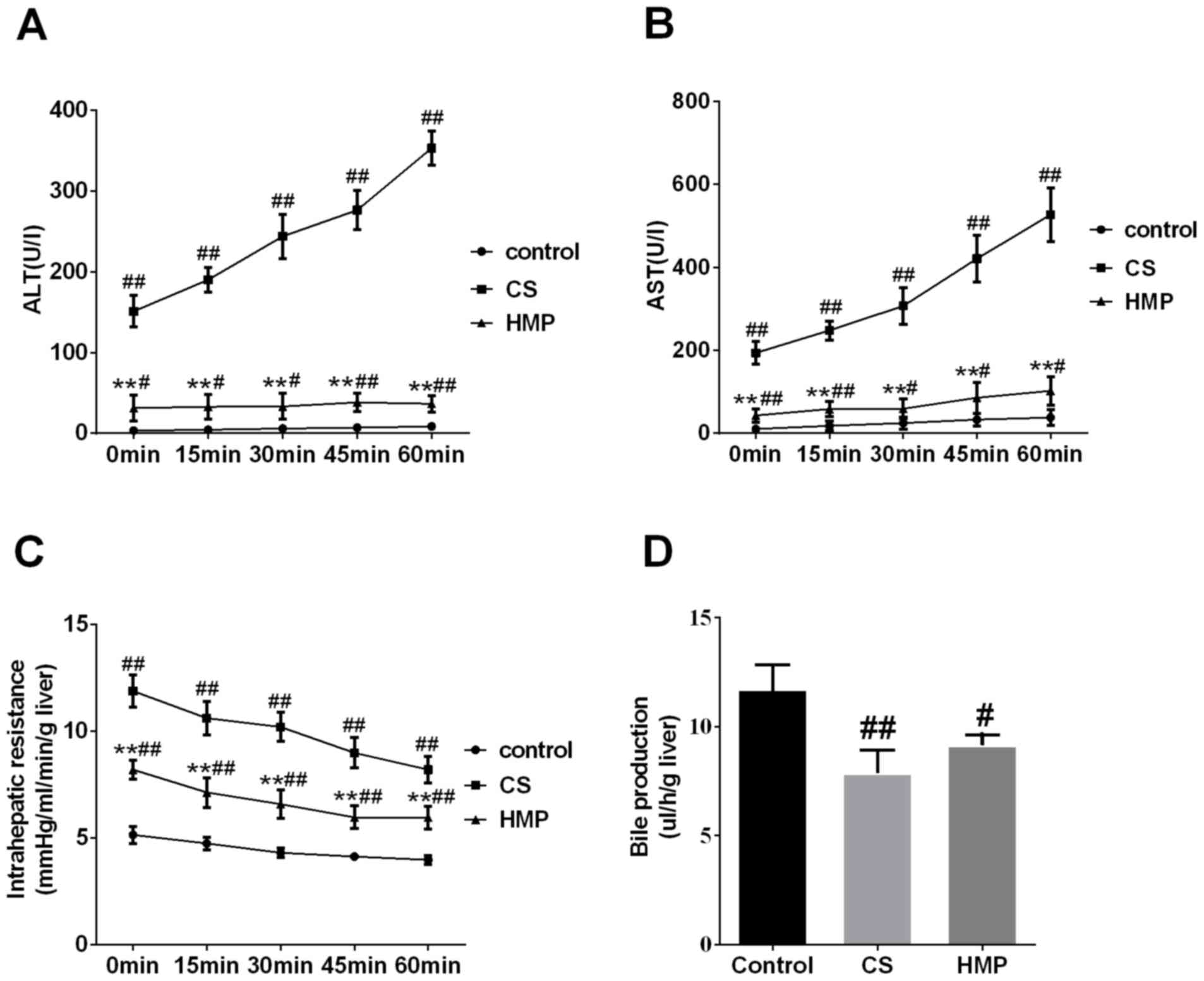
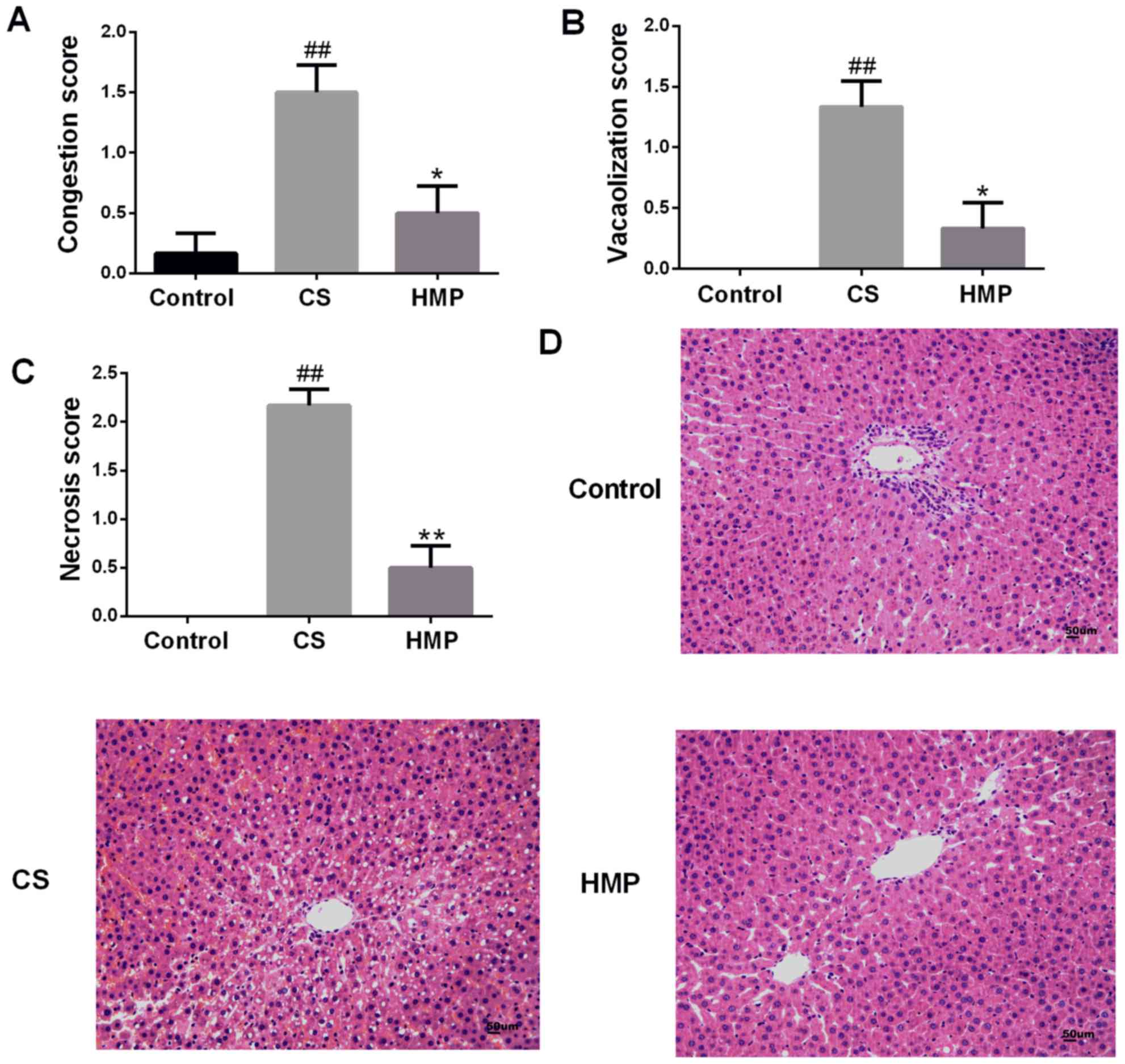
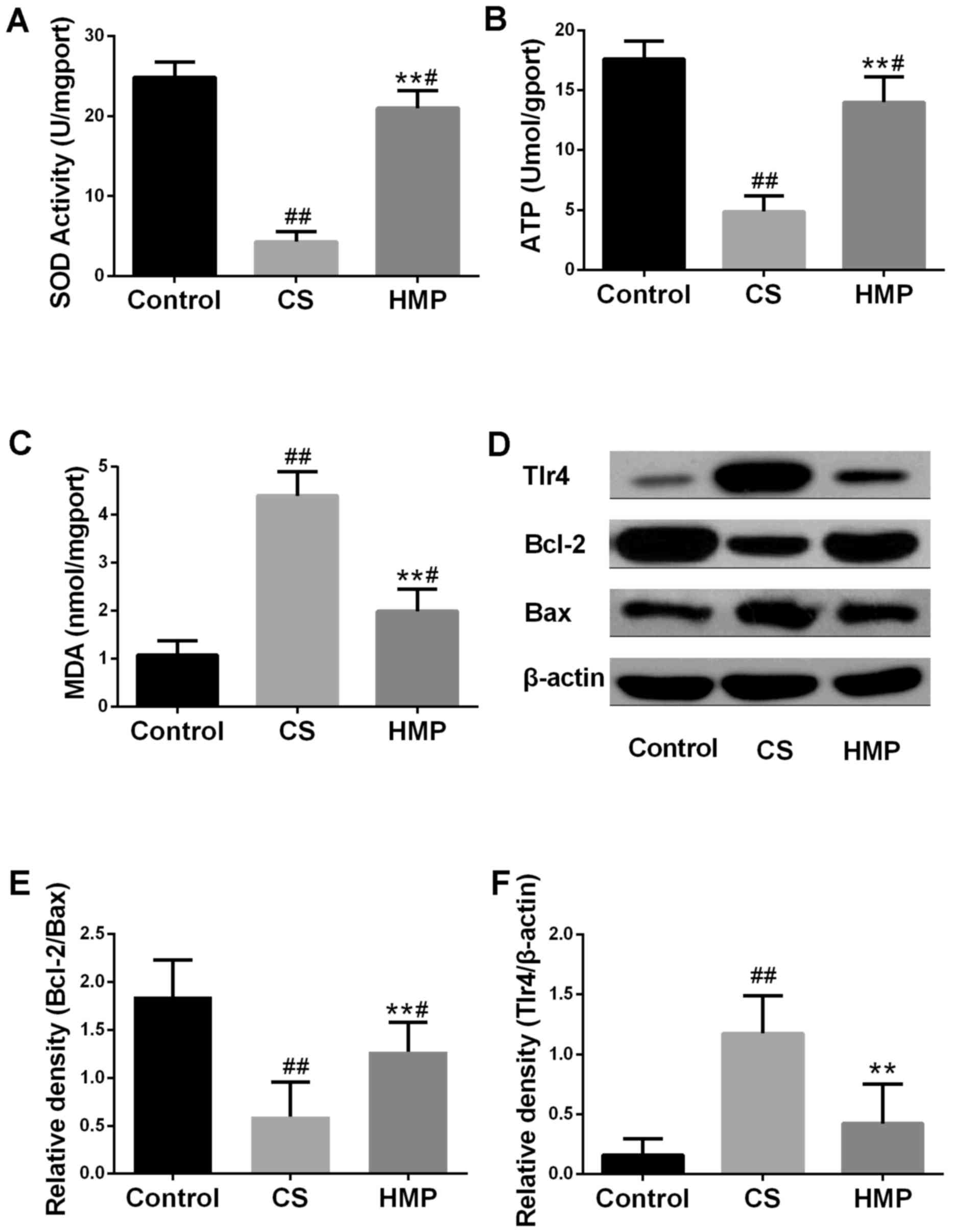
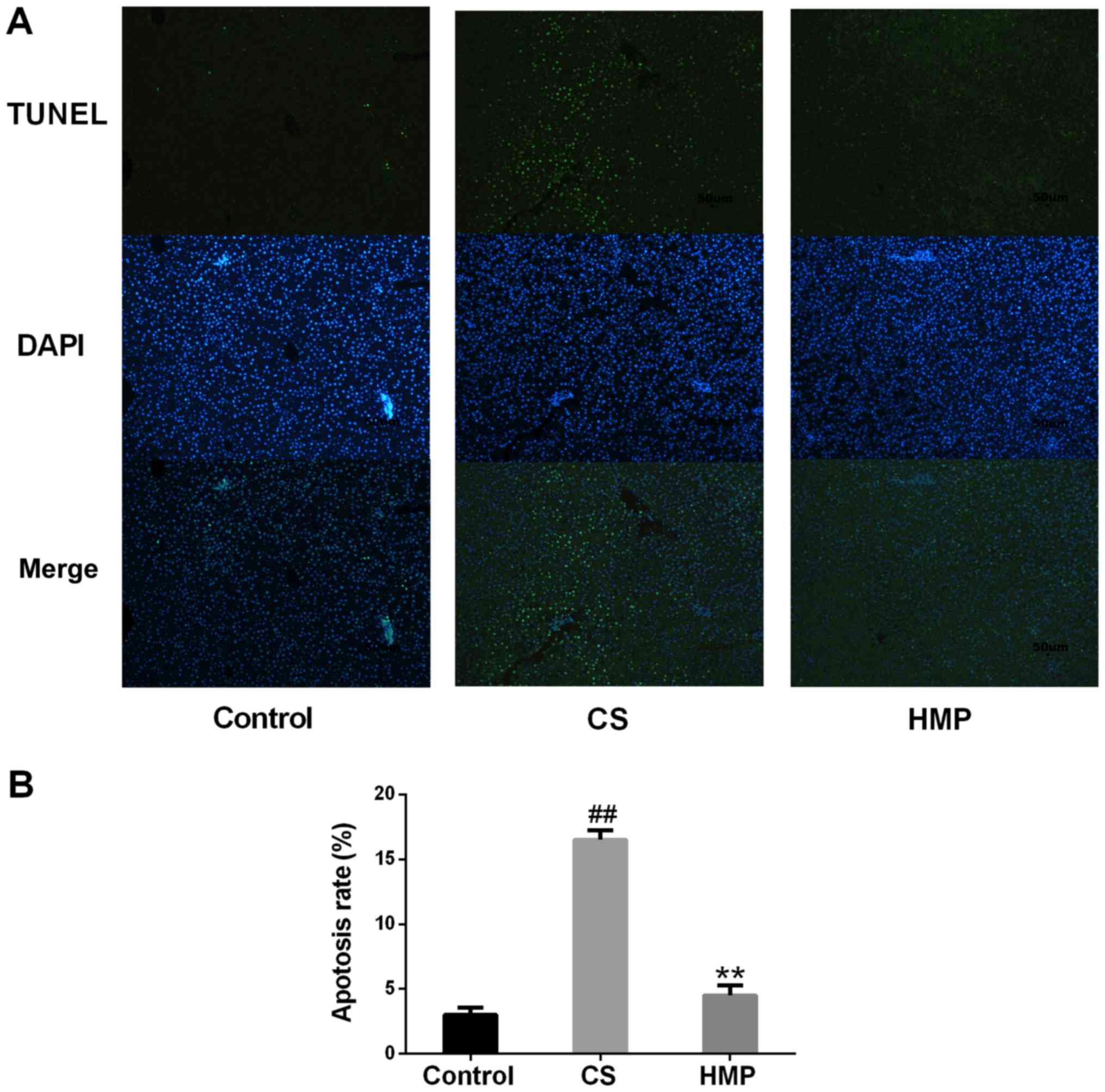
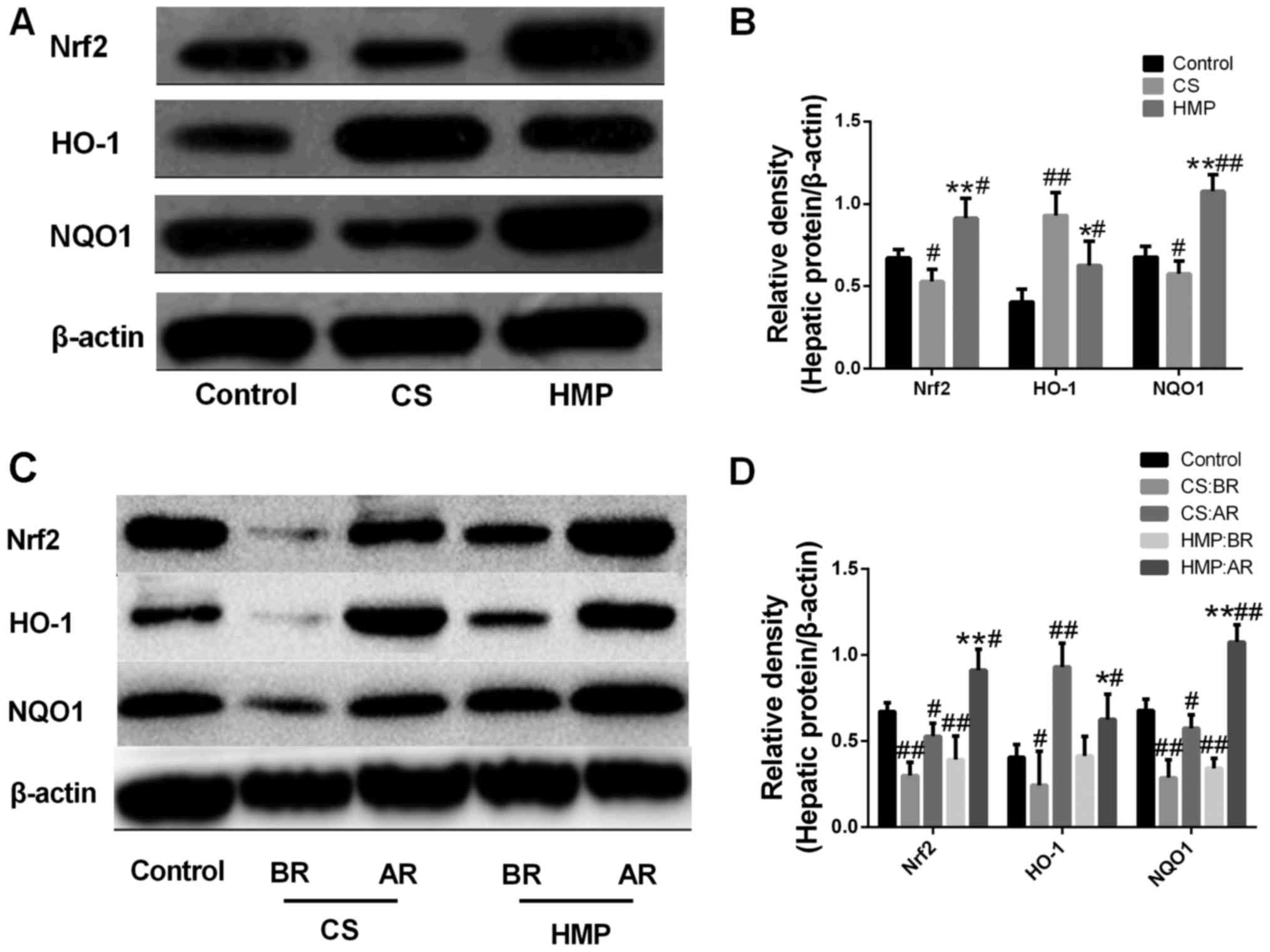
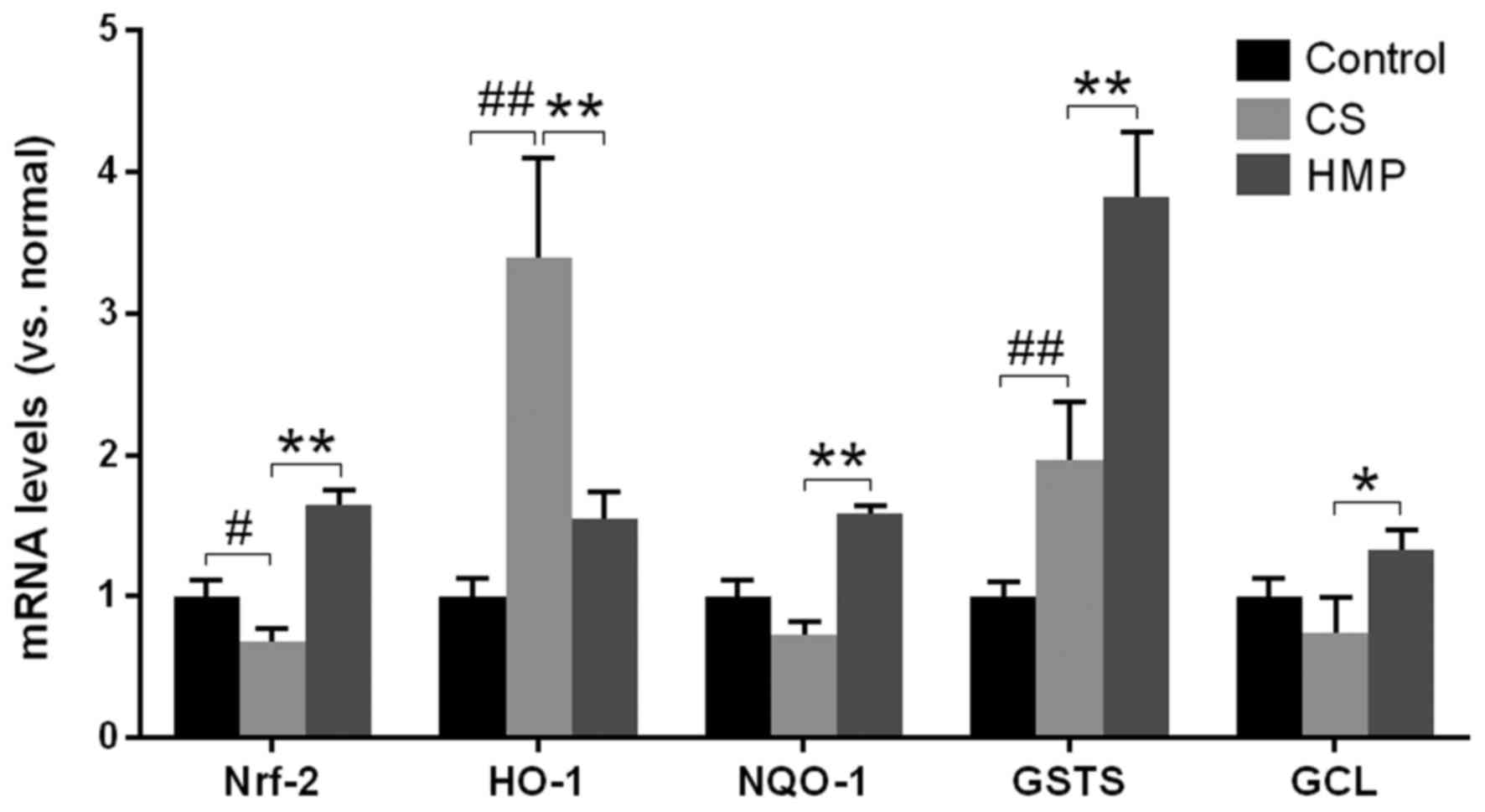
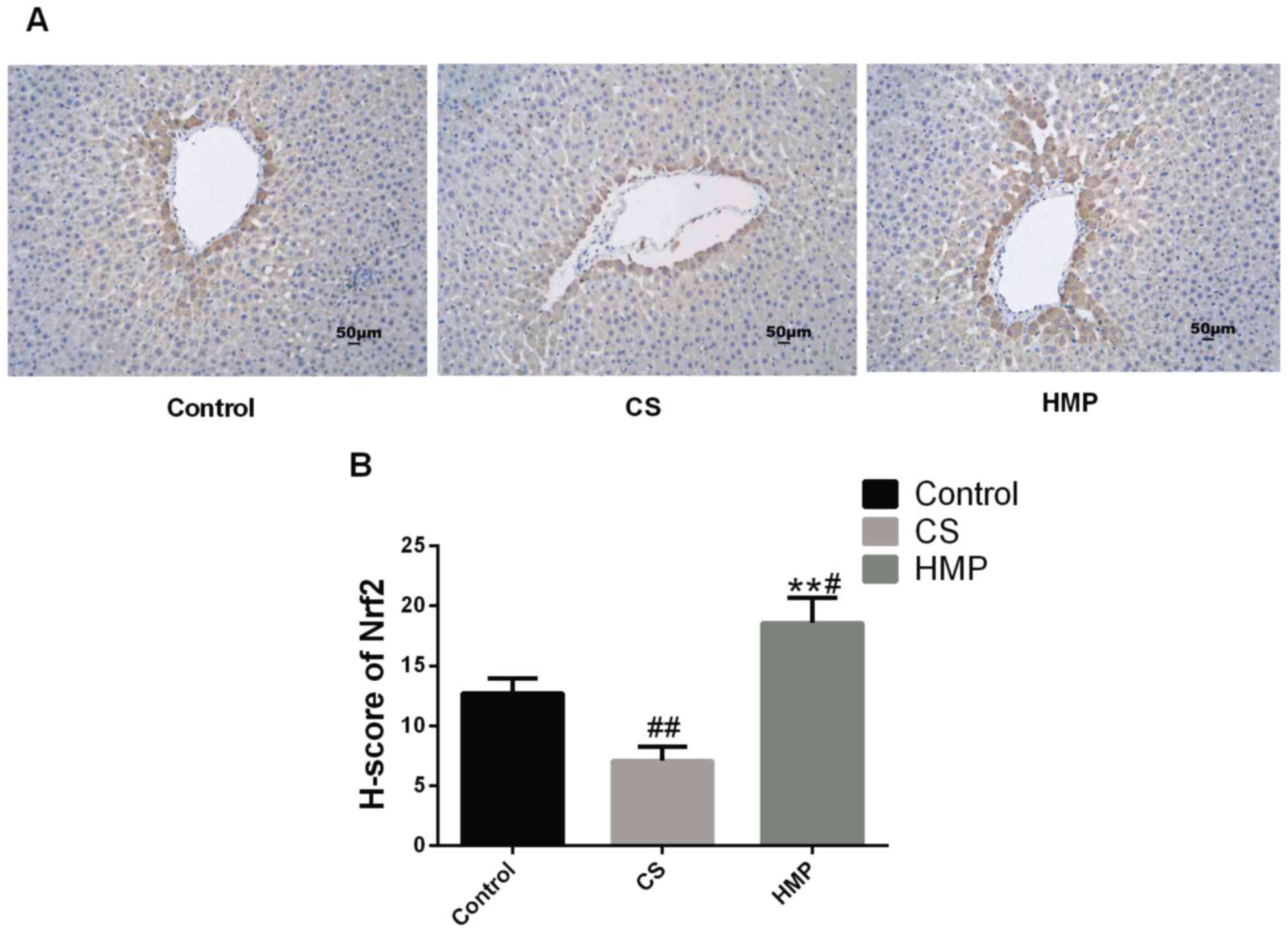
Hypothermic machine perfusion (HMP) has been demonstrated to be a more effective method for preserving livers donated after circulatory death (DCD) than cold storage (CS); however, the underlying mechanisms remain unclear. The aim of the present study was to investigate the protective effects of HMP on rat DCD livers and the possible role of the nuclear factor erythroid 2‑related factor 2 (Nrf2)/antioxidant response element (ARE) signaling pathway. A total of 18 adult male rats were randomly divided into three groups: Control, HMP and CS (n=6 per group). To simulate the conditions of DCD liver transplantation, rat livers in the CS and HMP groups were subjected to 30 min warm ischemia following cardiac arrest and were then preserved by CS or HMP for 3 h. Subsequently, after 1 h of isolated reperfusion, the extent of ischemia/reperfusion injury (IRI) and cellular functions were assessed. During reperfusion, intrahepatic resistance and bile production were measured, and the perfusion fluid was collected for liver enzyme analysis. The liver tissues were then harvested for the assessment of malondialdehyde (MDA) production, superoxide dismutase (SOD) activity, ATP levels, as well as for histological analysis, immunohistochemistry and a terminal deoxynucleotidyl transferase dUTP nick end labeling assay. Finally, the expression levels of the components associated with the Nrf2‑ARE signaling pathway were analyzed via western blotting and reverse transcription‑quantitative polymerase chain reaction. The results of the present study revealed that, compared with in the CS group, the HMP group exhibited higher levels of ATP, bile production and SOD activity, and improved histological results; however, lower levels of liver enzymes, apoptosis and MDA were detected. Additionally, the findings of the present study also suggested that the Nrf2‑ARE signaling pathway may be activated by the steady laminar flow of HMP. In conclusion, HMP may attenuate ischemia‑reperfusion injury to rat DCD livers via activation of the Nrf2‑ARE signaling pathway.
View Figures

Figure 1

Figure 2

Figure 3

Figure 4

Figure 5

Figure 6

Figure 7

View References

1 

O'Leary JG, Lepe R and Davis GL: Indications for liver transplantation. Gastroenterology. 134:1764–1776. 2008. View Article : Google Scholar : PubMed/NCBI

2 

Monbaliu D, Pirenne J and Talbot D: Liver transplantation using donation after cardiac death donors. J Hepatol. 56:474–485. 2012. View Article : Google Scholar : PubMed/NCBI

3 

Neyrinck A, Van Raemdonck D and Monbaliu D: Donation after circulatory death: Current status. Curr Opin Anaesthesiol. 26:382–390. 2013.PubMed/NCBI

4 

Jay CL, Lyuksemburg V, Ladner DP, Wang E, Caicedo JC, Holl JL, Abecassis MM and Skaro AI: Ischemic cholangiopathy after controlled donation after cardiac death liver transplantation: A meta-analysis. Ann Surg. 253:259–264. 2011. View Article : Google Scholar : PubMed/NCBI

5 

Fujita S, Mizuno S, Fujikawa T, Reed AI, Kim RD, Howard RJ and Hemming AW: Liver transplantation from donation after cardiac death: A single center experience. Transplantation. 84:46–49. 2007. View Article : Google Scholar : PubMed/NCBI

6 

Manzarbeitia CY, Ortiz JA, Jeon H, Rothstein KD, Martinez O, Araya VR, Munoz SJ and Reich DJ: Long-term outcome of controlled, non-heart-beating donor liver transplantation. Transplantation. 78:211–215. 2004. View Article : Google Scholar : PubMed/NCBI

7 

Morrissey PE and Monaco AP: Donation after circulatory death: Current practices, ongoing challenges, and potential improvements. Transplantation. 97:258–264. 2014. View Article : Google Scholar : PubMed/NCBI

8 

Henry SD and Guarrera JV: Protective effects of hypothermic ex vivo perfusion on ischemia/reperfusion injury and transplant outcomes. Transplantation Rev (Orlando). 26:163–175. 2012. View Article : Google Scholar

9 

Schreinemachers MJ, Doorschodt BM and van Gulik TM: Machine perfusion preservation of the liver: A worthwhile clinical activity? Curr Opin Organ Transplant. 12:224–230. 2007. View Article : Google Scholar : PubMed/NCBI

10 

Ma Q and He X: Molecular Basis of Electrophilic and Oxidative Defense: Promises and Perils of Nrf2. Pharmacol Rev. 64:1055–1081. 2012. View Article : Google Scholar : PubMed/NCBI

11 

Kensler TW, Wakabayashi N and Biswal S: Cell survival responses to environmental stresses via the Keap1-Nrf2-ARE pathway. Annu Rev Pharmacol Toxicol. 47:89–116. 2007. View Article : Google Scholar : PubMed/NCBI

12 

Itoh K, Wakabayashi N, Katoh Y, Ishii T, Igarashi K, Engel JD and Yamamoto M: Keap1 represses nuclear activation of antioxidant responsive elements by Nrf2 through binding to the amino-terminal Neh2 domain. Genes Dev. 13:76–86. 1999. View Article : Google Scholar : PubMed/NCBI

13 

Kang MI, Kobayashi A, Wakabayashi N, Kim SG and Yamamoto M: Scaffolding of Keap1 to the actin cytoskeleton controls the function of Nrf2 as key regulator of cytoprotective phase 2 genes. Proc Natl Acad Sci USA. 101:2046–2051. 2004. View Article : Google Scholar : PubMed/NCBI

14 

Zhang DD and Hannink M: Distinct cysteine residues in keap1 are required for Keap1-dependent ubiquitination of Nrf2 and for stabilization of Nrf2 by chemopreventiveagents and oxidative stress. Mol Cell Biol. 23:8137–8151. 2003. View Article : Google Scholar : PubMed/NCBI

15 

Kurokawa H, Motohashi H, Sueno S, Kimura M, Takagawa H, Kanno Y, Yamamoto M and Tanaka T: Structural basis of alternative DNA recognition by Maf transcription factors. Mol Cell Biol. 29:6232–6244. 2009. View Article : Google Scholar : PubMed/NCBI

16 

Kudoh K, Uchinami H, Yoshioka M, Seki E and Yamamoto Y: Nrf2 activation protects the liver from ischemia/reperfusion injury in mice. Ann Surg. 260:118–127. 2014. View Article : Google Scholar : PubMed/NCBI

17 

Lee LY, Harberg C, Matkowskyj KA, Cook S, Roenneburg D, Werner S, Johnson J and Foley DP: Overactivation of the nuclear factor (erythroid-derived 2)-like 2-antioxidant response element pathway in hepatocytes decreases hepatic ischemia/reperfusion injury in mice. Liver Transplant. 22:91–102. 2016. View Article : Google Scholar

18 

Tanaka Y, Maher JM, Chen C and Klaassen CD: Hepatic ischemia-reperfusion induces renal heme oxygenase-1 via NF-E2-related factor 2 in rats and mice. Mol Pharmacol. 71:817–825. 2007. View Article : Google Scholar : PubMed/NCBI

19 

Fukuda Y, Kaishima M, Ohnishi T, Tohyama K, Chisaki I, Nakayama Y, Ogasawara-Shimizu M and Kawamata Y: Fluid shear stress stimulates MATE2-K expression via Nrf2 pathway activation. Biochem Biophys Res Commun. 484:358–364. 2017. View Article : Google Scholar : PubMed/NCBI

20 

Nigro P, Abe J and Berk BC: Flow shear stress and atherosclerosis: A matter of site specificity. Antioxid Redox Signal. 15:1405–1414. 2011. View Article : Google Scholar : PubMed/NCBI

21 

Zakkar M, Angelini GD and Emanueli C: Regulation of vascular endothelium inflammatory signalling by shear stress. Curr Vasc Pharmacol. 14:181–186. 2016. View Article : Google Scholar : PubMed/NCBI

22 

National Research Council, . Guide for the care and use of laboratory animals. 8th edition. The National Academies press; Washington, DC: 2011, PubMed/NCBI

23 

Carnevale ME, Balaban CL, Guibert EE, Bottai H and Rodriguez JV: Hypothermic machine perfusion versus cold storage in the rescuing of livers from non-heart-beating donor rats. Artif Organs. 37:985–991. 2013. View Article : Google Scholar : PubMed/NCBI

24 

Rodriguez J, Guibert EE, Quintana A, Scandizzi A and Almada L: Role of sodium nitroprusside in the improvement of rat liver preservation in University of Wisconsin solution: A study in the isolated perfused liver model. J Surg Res. 87:201–208. 1999. View Article : Google Scholar : PubMed/NCBI

25 

Dutkowski P, Schönfeld S, Odermatt B, Heinrich T and Junginger T: Rat liver preservation by hypothermic oscillating liver perfusion compared to simple cold storage. Cryobiology. 36:61–70. 1998. View Article : Google Scholar : PubMed/NCBI

26 

Zeng C, Hu X, He W, Wang Y, Li L, Xiong Y and Ye Q: Hypothermic machine perfusion ameliorates inflammation during ischemia-reperfusion injury via sirtuin-1-mediated deacetylation of nuclear factor-κB p65 in rat livers donated after circulatory death. Mol Med Rep. 16:8649–8656. 2017. View Article : Google Scholar : PubMed/NCBI

27 

Schlegel A, Kron P, Graf R, Dutkowski P and Clavien PA: Warm vs. cold perfusion techniques to rescue rodent liver grafts. J Hepatol. 61:1267–1275. 2014. View Article : Google Scholar : PubMed/NCBI

28 

Pizarro MD, Rodriguez JV, Mamprin ME, Fuller BJ, Mann BE, Motterlini R and Guibert EE: Protective effects of a carbon monoxide-releasing molecule (CORM-3) during hepatic cold preservation. Cryobiology. 58:248–255. 2009. View Article : Google Scholar : PubMed/NCBI

29 

Srinivasan PK, Yagi S, Doorschodt B, Nagai K, Afify M, Uemoto S and Tolba R: Impact ofvenous systemic oxygen persufflation supplemented with nitric oxide gas on cold-stored, warm ischemia-damaged experimental liver grafts. Liver Transpl. 18:219–225. 2012. View Article : Google Scholar : PubMed/NCBI

30 

Minor T and Manekeller S: Assessment of hepatic integrity after ischemic preservation by isolated perfusion in vitro: The role of albumin. Cryobiology. 54:188–195. 2007. View Article : Google Scholar : PubMed/NCBI

31 

Boyer JL: Bile formation and secretion. Compr Physiol. 3:1035–1078. 2013.PubMed/NCBI

32 

Suzuki S, Toledo-Pereyra LH, Rodriguez FJ and Cejalvo D: Neutrophil Infiltration As An Important Factor in Liver Ischemia and Reperfusion Injury. Transplantation. 55:1265–1272. 1993. View Article : Google Scholar : PubMed/NCBI

33 

Funel N, Giovannetti E, Chiaro MD, Pollina L, Mosca F, Peters G, Campani D and Boggi U: Molecular mechanisms underlying the synergistic interaction of the novel anticancer drug celandine with gemcitabine in preclinical models of pancreatic cancer. Polski Tygodnik Lekarski. 11:23–40. 2011.

34 

Livak KJ and Schmittgen TD: Analysis of relative gene expression data using real-time quantitative PCR and the 2(-Delta Delta C(T)) method. Methods. 25:402–408. 2001. View Article : Google Scholar : PubMed/NCBI

35 

Sun K, Liu ZS and Sun Q: Role of mitochondria in cell apoptosis during hepaticischemia-reperfusion injury and protective effect of ischemic postconditioning. World J Gastroenterol. 10:1934–1938. 2004. View Article : Google Scholar : PubMed/NCBI

36 

Zhang L, Li C, Quan R and Xie S: The effect of electroacupuncture on neuronal apoptosis and related functions in rats with acute spinal cord injury. Chin Med. 5:199–210. 2014. View Article : Google Scholar

37 

Radak Z, Zhao Z, Koltai E, Ohno H and Atalay M: Oxygen consumption and usage during physical exercise: The balance between oxidative stress and ROS-dependent adaptive signaling. Antioxid Redox Signal. 18:1208–1246. 2013. View Article : Google Scholar : PubMed/NCBI

38 

Cardoso AR, Kakimoto PA and Kowaltowski AJ: Diet-sensitive sources of reactive oxygen species in liver mitochondria: Role of very long chain Acyl-CoA dehydrogenases. PLoS One. 8:e770882013. View Article : Google Scholar : PubMed/NCBI

39 

Reuter S, Gupta SC, Chaturvedi MM and Aggarwal BB: Oxidative stress, inflammation, and cancer: How are they linked? Free Radic Biol Med. 49:1603–1616. 2010. View Article : Google Scholar : PubMed/NCBI

40 

Chao DT and Korsmeyer SJ: BCL-2 family: Regulators of cell death. Annu Rev Immunol. 16:395–419. 1998. View Article : Google Scholar : PubMed/NCBI

41 

Oltvai ZN, Milliman CL and Korsmeyer SJ: Bcl-2 heterodimerizes in vivo with a conserved homolog, Bax, that accelerates programmed cell death. Cell. 74:609–619. 1993. View Article : Google Scholar : PubMed/NCBI

42 

Klune JR and Tsung A: Molecular biology of liver ischemia/reperfusion injury: Established mechanisms and recent advancements. Surg Clin North Am. 90:665–677. 2010. View Article : Google Scholar : PubMed/NCBI

43 

Weigand K, Brost S, Steinebrunner N, Büchler M, Schemmer P and Müller M: Ischemia/reperfusion injury in liver surgery and transplantation: Pathophysiology. HPB Surg. 2012:1767232012. View Article : Google Scholar : PubMed/NCBI

44 

Marecki H, Bozorgzadeh A, Porte RJ, Leuvenink HG, Uygun K and Martins PN: Liver ex situ machine perfusion preservation: A review of the methodology and results of large animal studies and clinical trials. Liver Transpl. 23:679–695. 2017. View Article : Google Scholar : PubMed/NCBI

45 

Montalvo-Jave EE, Escalante-Tattersfield T, Ortega-Salgado JA, Piña E and Geller DA: Factors in the pathophysiology of the liver ischemia-reperfusion injury. J Surg Res. 147:153–159. 2008. View Article : Google Scholar : PubMed/NCBI

46 

Kaczorowski DJ, Tsung A and Billiar TR: Innate immune mechanisms in ischemia/reperfusion. Front Biosci (Elite Ed). 1:91–98. 2009.PubMed/NCBI

47 

Zeng XP, Li XJ, Zhang QY, Liu QW, Li L, Xiong Y, He CX, Wang YF and Ye QF: Tert-Butylhydroquinone protects liver against ischemia/reperfusion injury in rats through Nrf2-activating anti-oxidative activity. Transplant Proc. 49:366–372. 2017. View Article : Google Scholar : PubMed/NCBI

48 

Tao X, Sun X, Xu L, Yin L, Han X, Qi Y, Xu Y, Zhao Y, Wang C and Peng J: Total flavonoids from Rosa laevigata Michx fruit ameliorates hepatic ischemia/reperfusion injury through inhibition of oxidative stress and inflammation in rats. Nutrients. 8:E4182016. View Article : Google Scholar : PubMed/NCBI

49 

Chou YH, Ho FM, Liu DZ, Lin SY, Tsai LH, Chen CH, Ho YS, Hung LF and Liang YC: The possible role of heat shock factor-1 in the negative regulation of heme oxygenase-1. Int J Biochem Cell Biol. 37:604–615. 2005. View Article : Google Scholar : PubMed/NCBI

50 

Pastukh V, Ruchko M, Gorodnya O, Wilson GL and Gillespie MN: Sequence-specific oxidative base modifications in hypoxia-inducible genes. Free Radic Biol Med. 43:1616–1626. 2007. View Article : Google Scholar : PubMed/NCBI

51 

Hsieh CY, Hsiao HY, Wu WY, Liu CA, Tsai YC, Chao YJ, Wang DL and Hsieh HJ: Regulation of shear-induced nuclear translocation of the Nrf2 transcription factor in endothelial cells. J Biomed Sci. 16:122009. View Article : Google Scholar : PubMed/NCBI

52 

St Peter SD, Imber CJ and Friend PJ: Liver and kidney preservation by perfusion. Lancet. 359:604–613. 2002. View Article : Google Scholar : PubMed/NCBI

Related Articles

  • Abstract
  • View
  • Download
  • Twitter
Copy and paste a formatted citation
Spandidos Publications style
Xue S, He W, Zeng X, Tang Z, Feng S, Zhong Z, Xiong Y, Wang Y and Ye Q: Hypothermic machine perfusion attenuates ischemia/reperfusion injury against rat livers donated after cardiac death by activating the Keap1/Nrf2‑ARE signaling pathway. Mol Med Rep 18: 815-826, 2018.
APA
Xue, S., He, W., Zeng, X., Tang, Z., Feng, S., Zhong, Z. ... Ye, Q. (2018). Hypothermic machine perfusion attenuates ischemia/reperfusion injury against rat livers donated after cardiac death by activating the Keap1/Nrf2‑ARE signaling pathway. Molecular Medicine Reports, 18, 815-826. https://doi.org/10.3892/mmr.2018.9065
MLA
Xue, S., He, W., Zeng, X., Tang, Z., Feng, S., Zhong, Z., Xiong, Y., Wang, Y., Ye, Q."Hypothermic machine perfusion attenuates ischemia/reperfusion injury against rat livers donated after cardiac death by activating the Keap1/Nrf2‑ARE signaling pathway". Molecular Medicine Reports 18.1 (2018): 815-826.
Chicago
Xue, S., He, W., Zeng, X., Tang, Z., Feng, S., Zhong, Z., Xiong, Y., Wang, Y., Ye, Q."Hypothermic machine perfusion attenuates ischemia/reperfusion injury against rat livers donated after cardiac death by activating the Keap1/Nrf2‑ARE signaling pathway". Molecular Medicine Reports 18, no. 1 (2018): 815-826. https://doi.org/10.3892/mmr.2018.9065
Copy and paste a formatted citation
x
Spandidos Publications style
Xue S, He W, Zeng X, Tang Z, Feng S, Zhong Z, Xiong Y, Wang Y and Ye Q: Hypothermic machine perfusion attenuates ischemia/reperfusion injury against rat livers donated after cardiac death by activating the Keap1/Nrf2‑ARE signaling pathway. Mol Med Rep 18: 815-826, 2018.
APA
Xue, S., He, W., Zeng, X., Tang, Z., Feng, S., Zhong, Z. ... Ye, Q. (2018). Hypothermic machine perfusion attenuates ischemia/reperfusion injury against rat livers donated after cardiac death by activating the Keap1/Nrf2‑ARE signaling pathway. Molecular Medicine Reports, 18, 815-826. https://doi.org/10.3892/mmr.2018.9065
MLA
Xue, S., He, W., Zeng, X., Tang, Z., Feng, S., Zhong, Z., Xiong, Y., Wang, Y., Ye, Q."Hypothermic machine perfusion attenuates ischemia/reperfusion injury against rat livers donated after cardiac death by activating the Keap1/Nrf2‑ARE signaling pathway". Molecular Medicine Reports 18.1 (2018): 815-826.
Chicago
Xue, S., He, W., Zeng, X., Tang, Z., Feng, S., Zhong, Z., Xiong, Y., Wang, Y., Ye, Q."Hypothermic machine perfusion attenuates ischemia/reperfusion injury against rat livers donated after cardiac death by activating the Keap1/Nrf2‑ARE signaling pathway". Molecular Medicine Reports 18, no. 1 (2018): 815-826. https://doi.org/10.3892/mmr.2018.9065
Follow us
  • Twitter
  • LinkedIn
  • Facebook
About
  • Spandidos Publications
  • Careers
  • Cookie Policy
  • Privacy Policy
How can we help?
  • Help
  • Live Chat
  • Contact
  • Email to our Support Team