Spandidos Publications Logo
  • About
    • About Spandidos
    • Aims and Scopes
    • Abstracting and Indexing
    • Editorial Policies
    • Reprints and Permissions
    • Job Opportunities
    • Terms and Conditions
    • Contact
  • Journals
    • All Journals
    • Oncology Letters
      • Oncology Letters
      • Information for Authors
      • Editorial Policies
      • Editorial Board
      • Aims and Scope
      • Abstracting and Indexing
      • Bibliographic Information
      • Archive
    • International Journal of Oncology
      • International Journal of Oncology
      • Information for Authors
      • Editorial Policies
      • Editorial Board
      • Aims and Scope
      • Abstracting and Indexing
      • Bibliographic Information
      • Archive
    • Molecular and Clinical Oncology
      • Molecular and Clinical Oncology
      • Information for Authors
      • Editorial Policies
      • Editorial Board
      • Aims and Scope
      • Abstracting and Indexing
      • Bibliographic Information
      • Archive
    • Experimental and Therapeutic Medicine
      • Experimental and Therapeutic Medicine
      • Information for Authors
      • Editorial Policies
      • Editorial Board
      • Aims and Scope
      • Abstracting and Indexing
      • Bibliographic Information
      • Archive
    • International Journal of Molecular Medicine
      • International Journal of Molecular Medicine
      • Information for Authors
      • Editorial Policies
      • Editorial Board
      • Aims and Scope
      • Abstracting and Indexing
      • Bibliographic Information
      • Archive
    • Biomedical Reports
      • Biomedical Reports
      • Information for Authors
      • Editorial Policies
      • Editorial Board
      • Aims and Scope
      • Abstracting and Indexing
      • Bibliographic Information
      • Archive
    • Oncology Reports
      • Oncology Reports
      • Information for Authors
      • Editorial Policies
      • Editorial Board
      • Aims and Scope
      • Abstracting and Indexing
      • Bibliographic Information
      • Archive
    • Molecular Medicine Reports
      • Molecular Medicine Reports
      • Information for Authors
      • Editorial Policies
      • Editorial Board
      • Aims and Scope
      • Abstracting and Indexing
      • Bibliographic Information
      • Archive
    • World Academy of Sciences Journal
      • World Academy of Sciences Journal
      • Information for Authors
      • Editorial Policies
      • Editorial Board
      • Aims and Scope
      • Abstracting and Indexing
      • Bibliographic Information
      • Archive
    • International Journal of Functional Nutrition
      • International Journal of Functional Nutrition
      • Information for Authors
      • Editorial Policies
      • Editorial Board
      • Aims and Scope
      • Abstracting and Indexing
      • Bibliographic Information
      • Archive
    • International Journal of Epigenetics
      • International Journal of Epigenetics
      • Information for Authors
      • Editorial Policies
      • Editorial Board
      • Aims and Scope
      • Abstracting and Indexing
      • Bibliographic Information
      • Archive
    • Medicine International
      • Medicine International
      • Information for Authors
      • Editorial Policies
      • Editorial Board
      • Aims and Scope
      • Abstracting and Indexing
      • Bibliographic Information
      • Archive
  • Articles
  • Information
    • Information for Authors
    • Information for Reviewers
    • Information for Librarians
    • Information for Advertisers
    • Conferences
  • Language Editing
Spandidos Publications Logo
  • About
    • About Spandidos
    • Aims and Scopes
    • Abstracting and Indexing
    • Editorial Policies
    • Reprints and Permissions
    • Job Opportunities
    • Terms and Conditions
    • Contact
  • Journals
    • All Journals
    • Biomedical Reports
      • Information for Authors
      • Editorial Policies
      • Editorial Board
      • Aims and Scope
      • Abstracting and Indexing
      • Bibliographic Information
      • Archive
    • Experimental and Therapeutic Medicine
      • Information for Authors
      • Editorial Policies
      • Editorial Board
      • Aims and Scope
      • Abstracting and Indexing
      • Bibliographic Information
      • Archive
    • International Journal of Epigenetics
      • Information for Authors
      • Editorial Policies
      • Editorial Board
      • Aims and Scope
      • Abstracting and Indexing
      • Bibliographic Information
      • Archive
    • International Journal of Functional Nutrition
      • Information for Authors
      • Editorial Policies
      • Editorial Board
      • Aims and Scope
      • Abstracting and Indexing
      • Bibliographic Information
      • Archive
    • International Journal of Molecular Medicine
      • Information for Authors
      • Editorial Policies
      • Editorial Board
      • Aims and Scope
      • Abstracting and Indexing
      • Bibliographic Information
      • Archive
    • International Journal of Oncology
      • Information for Authors
      • Editorial Policies
      • Editorial Board
      • Aims and Scope
      • Abstracting and Indexing
      • Bibliographic Information
      • Archive
    • Medicine International
      • Information for Authors
      • Editorial Policies
      • Editorial Board
      • Aims and Scope
      • Abstracting and Indexing
      • Bibliographic Information
      • Archive
    • Molecular and Clinical Oncology
      • Information for Authors
      • Editorial Policies
      • Editorial Board
      • Aims and Scope
      • Abstracting and Indexing
      • Bibliographic Information
      • Archive
    • Molecular Medicine Reports
      • Information for Authors
      • Editorial Policies
      • Editorial Board
      • Aims and Scope
      • Abstracting and Indexing
      • Bibliographic Information
      • Archive
    • Oncology Letters
      • Information for Authors
      • Editorial Policies
      • Editorial Board
      • Aims and Scope
      • Abstracting and Indexing
      • Bibliographic Information
      • Archive
    • Oncology Reports
      • Information for Authors
      • Editorial Policies
      • Editorial Board
      • Aims and Scope
      • Abstracting and Indexing
      • Bibliographic Information
      • Archive
    • World Academy of Sciences Journal
      • Information for Authors
      • Editorial Policies
      • Editorial Board
      • Aims and Scope
      • Abstracting and Indexing
      • Bibliographic Information
      • Archive
  • Articles
  • Information
    • For Authors
    • For Reviewers
    • For Librarians
    • For Advertisers
    • Conferences
  • Language Editing
Login Register Submit
  • This site uses cookies
  • You can change your cookie settings at any time by following the instructions in our Cookie Policy. To find out more, you may read our Privacy Policy.

    I agree
Search articles by DOI, keyword, author or affiliation
Search
Advanced Search
presentation
Oncology Letters
Join Editorial Board Propose a Special Issue
Print ISSN: 1792-1074 Online ISSN: 1792-1082
Journal Cover
August-2015 Volume 10 Issue 2

Full Size Image

Sign up for eToc alerts
Recommend to Library

Journals

International Journal of Molecular Medicine

International Journal of Molecular Medicine

International Journal of Molecular Medicine is an international journal devoted to molecular mechanisms of human disease.

International Journal of Oncology

International Journal of Oncology

International Journal of Oncology is an international journal devoted to oncology research and cancer treatment.

Molecular Medicine Reports

Molecular Medicine Reports

Covers molecular medicine topics such as pharmacology, pathology, genetics, neuroscience, infectious diseases, molecular cardiology, and molecular surgery.

Oncology Reports

Oncology Reports

Oncology Reports is an international journal devoted to fundamental and applied research in Oncology.

Experimental and Therapeutic Medicine

Experimental and Therapeutic Medicine

Experimental and Therapeutic Medicine is an international journal devoted to laboratory and clinical medicine.

Oncology Letters

Oncology Letters

Oncology Letters is an international journal devoted to Experimental and Clinical Oncology.

Biomedical Reports

Biomedical Reports

Explores a wide range of biological and medical fields, including pharmacology, genetics, microbiology, neuroscience, and molecular cardiology.

Molecular and Clinical Oncology

Molecular and Clinical Oncology

International journal addressing all aspects of oncology research, from tumorigenesis and oncogenes to chemotherapy and metastasis.

World Academy of Sciences Journal

World Academy of Sciences Journal

Multidisciplinary open-access journal spanning biochemistry, genetics, neuroscience, environmental health, and synthetic biology.

International Journal of Functional Nutrition

International Journal of Functional Nutrition

Open-access journal combining biochemistry, pharmacology, immunology, and genetics to advance health through functional nutrition.

International Journal of Epigenetics

International Journal of Epigenetics

Publishes open-access research on using epigenetics to advance understanding and treatment of human disease.

Medicine International

Medicine International

An International Open Access Journal Devoted to General Medicine.

Journal Cover
August-2015 Volume 10 Issue 2

Full Size Image

Sign up for eToc alerts
Recommend to Library

  • Article
  • Citations
    • Cite This Article
    • Download Citation
    • Create Citation Alert
    • Remove Citation Alert
    • Cited By
  • Similar Articles
    • Related Articles (in Spandidos Publications)
    • Similar Articles (Google Scholar)
    • Similar Articles (PubMed)
  • Download PDF
  • Download XML
  • View XML
Article

Immune checkpoints: Cytotoxic T-lymphocyte antigen 4 and programmed cell death protein 1 in breast cancer surgery

  • Authors:
    • Agnieszka Kolacinska
    • Barbara Cebula‑Obrzut
    • Lukasz Pakula
    • Justyna Chalubinska‑Fendler
    • Alina Morawiec‑Sztandera
    • Zofia Pawlowska
    • Izabela Zawlik
    • Zbigniew Morawiec
    • Dorota Jesionek‑Kupnicka
    • Piotr Smolewski
  • View Affiliations / Copyright

    Affiliations: Department of Head and Neck Cancer Surgery, Medical University of Łódź, Łódź 93‑509, Poland, Department of Experimental Hematology, Medical University of Łódź, Łódź 93‑510, Poland, Department of Anesthesiology, Copernicus Memorial Hospital, Łódź 93‑509, Poland, Department of Radiotherapy, Medical University of Łódź, Łódź 93‑509, Poland, Central Scientific Laboratory, Medical University of Łódź, Łódź 92‑215, Poland, Department of Medical Genetics, Institute of Nursing and Health Sciences, Faculty of Medicine, University of Rzeszów, Rzeszów 35‑959, Poland, Department of Surgical Oncology, Cancer Center, Łódź 93‑509, Poland, Department of Cancer Pathology, Medical University of Łódź, Łódź 93‑509, Poland
  • Pages: 1079-1086
    |
    Published online on: June 4, 2015
       https://doi.org/10.3892/ol.2015.3321
  • Expand metrics +
Metrics: Total Views: 0 (Spandidos Publications: | PMC Statistics: )
Metrics: Total PDF Downloads: 0 (Spandidos Publications: | PMC Statistics: )
Cited By (CrossRef): 0 citations Loading Articles...

This article is mentioned in:


Abstract

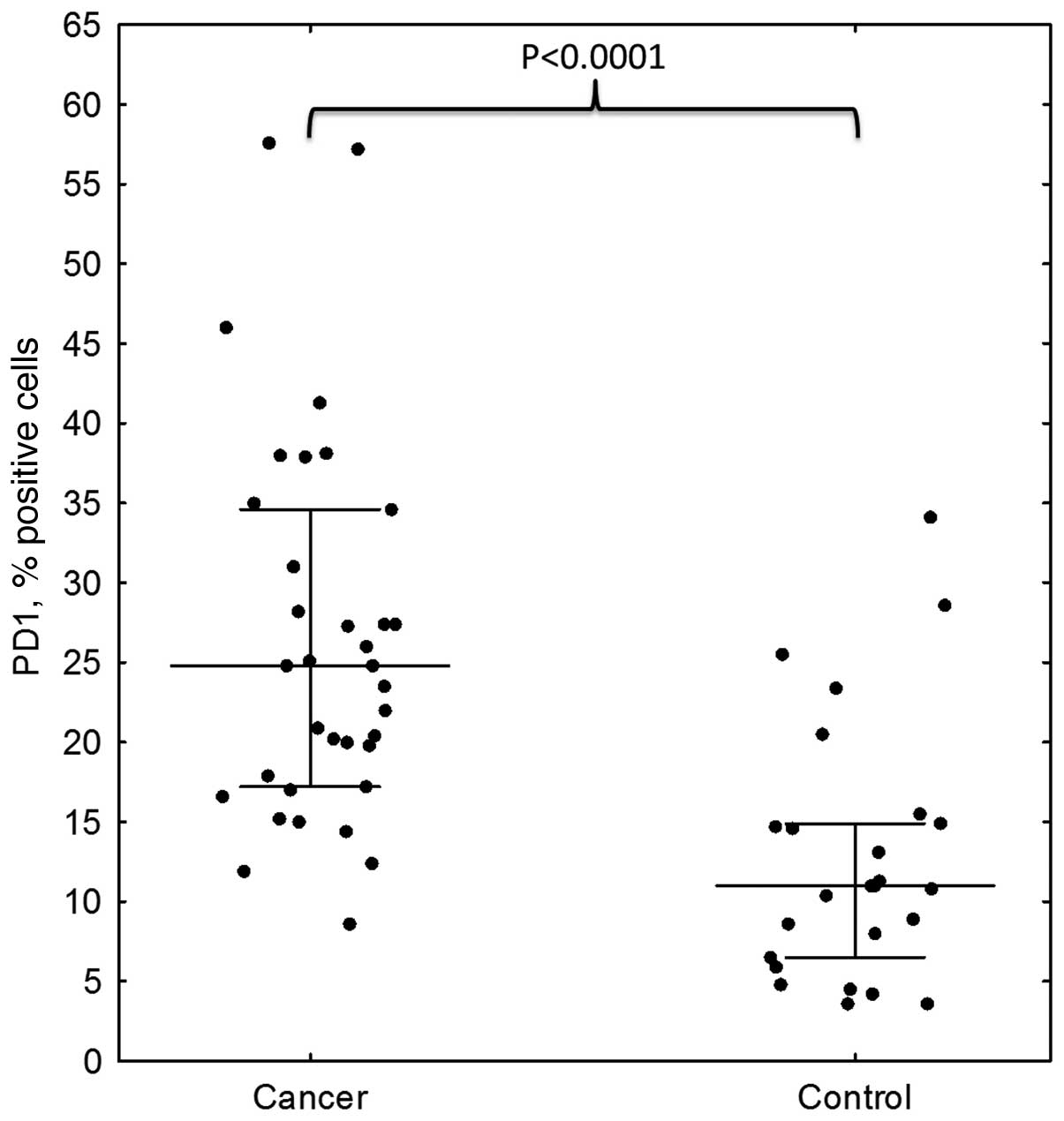
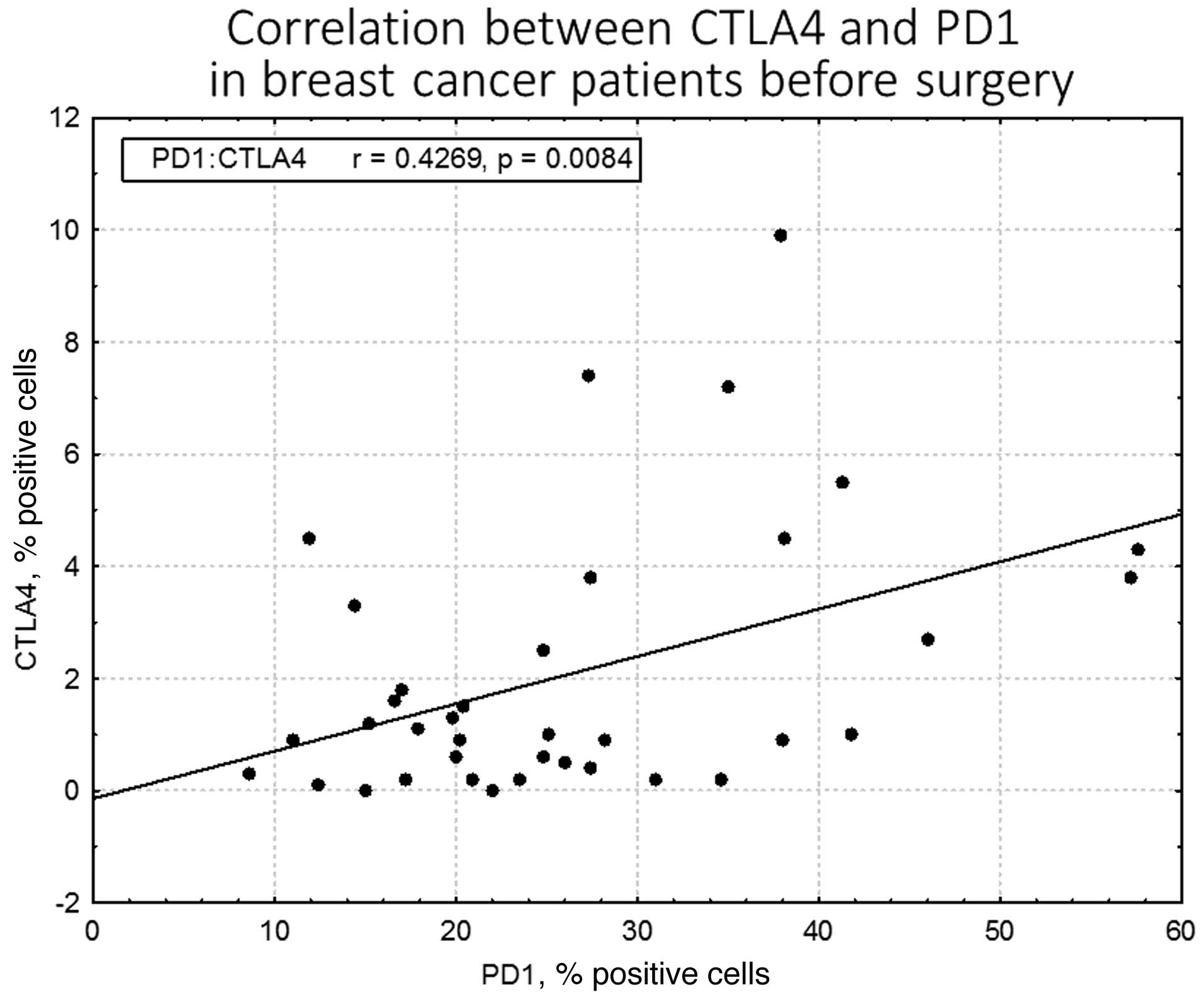
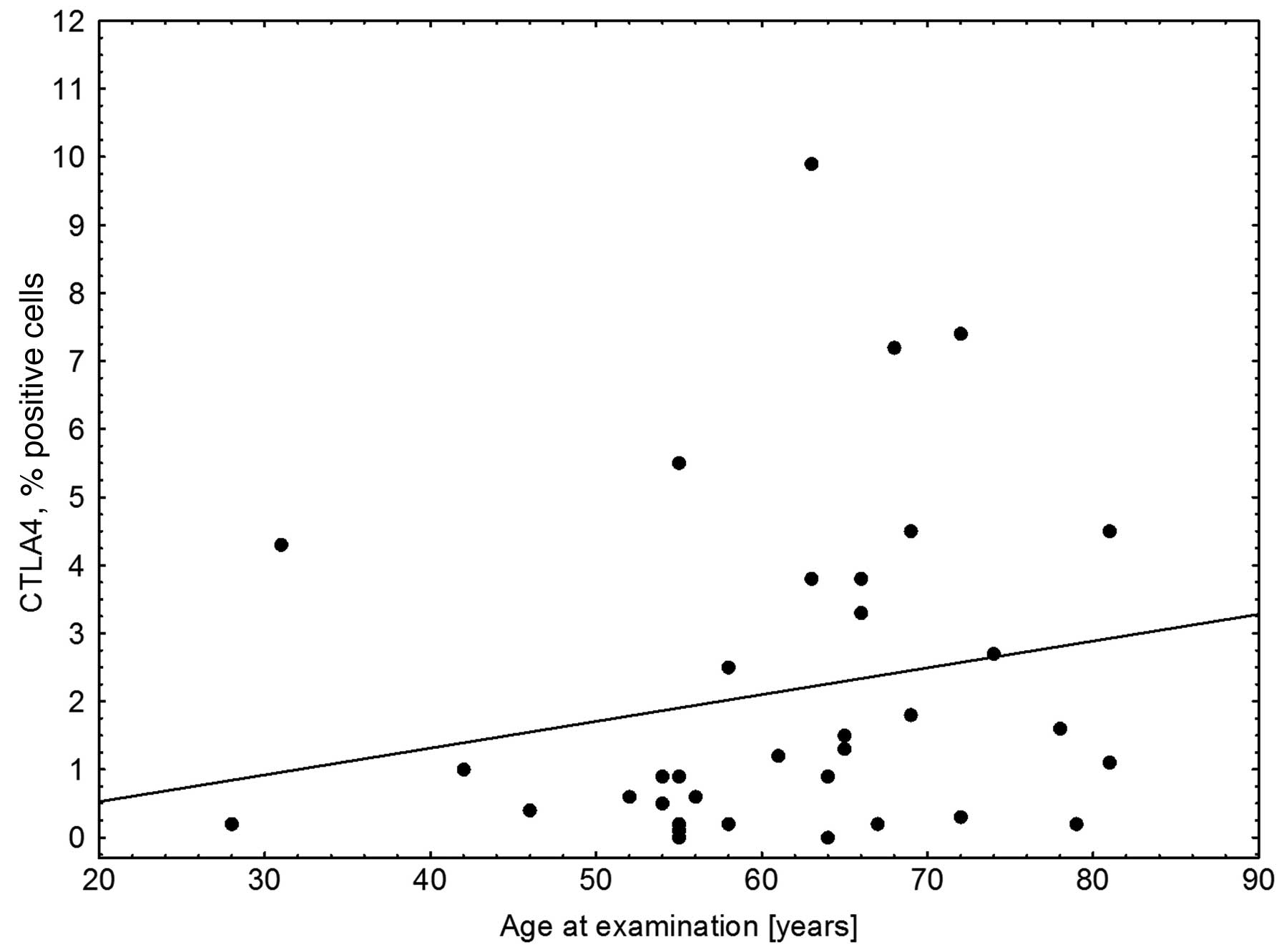
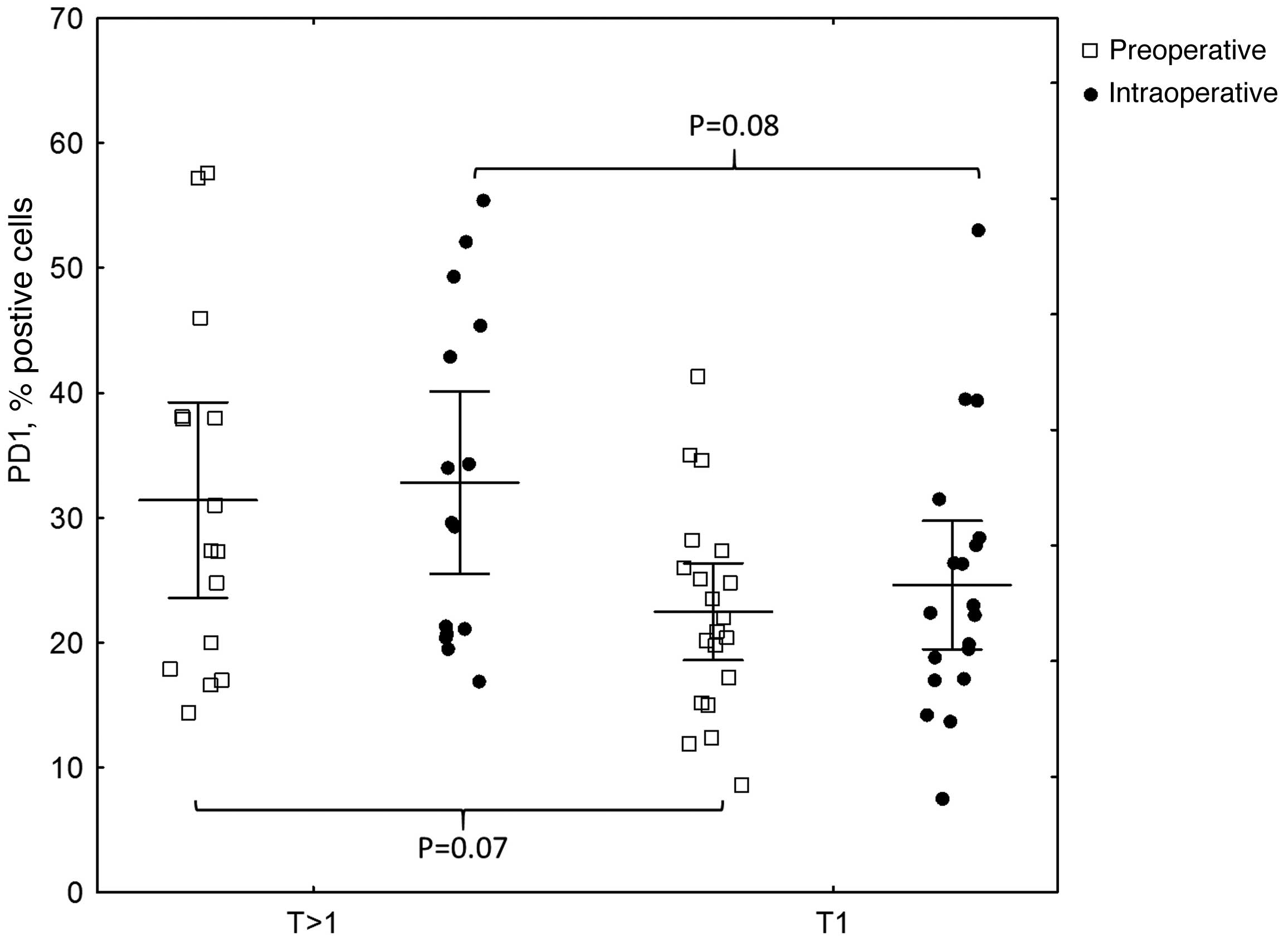
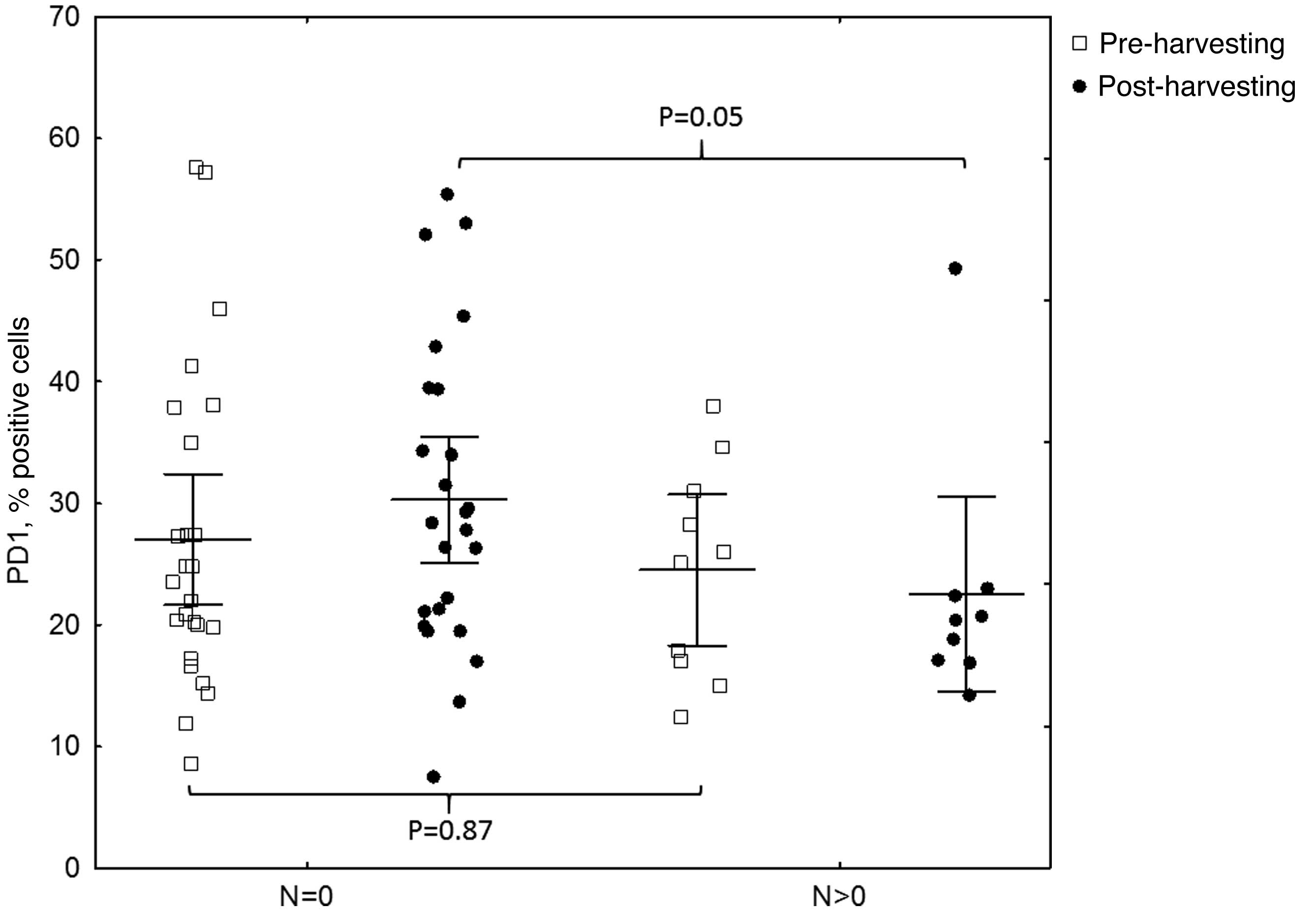
Immune checkpoints refer to a plethora of inhibitory pathways built into the immune system, and recent studies have emphasized the role of these checkpoints in carcinogenesis. The aim of the present study was to evaluate two major immune checkpoints, the cytotoxic T-lymphocyte antigen 4 (CTLA-4) and programmed cell death protein 1 (PD‑1), in the serum of 35 patients with stage I and II breast cancer. Serum concentrations of CTLA‑4 and PD‑1 were measured at three time points: i) Preoperatively; ii) during anesthesia following the harvesting of sentinel nodes (SNs); and iii) 24 h postoperatively. Control samples were obtained from 25 healthy, age‑matched females. Assessment of CTLA‑4 and PD‑1 expression levels was conducted using flow cytometry. A statistically significant difference in PD‑1 expression was identified between breast cancer patients preoperatively and healthy controls (26.31±11.87 vs. 12.72±8.15; P<0.0001). In addition, a statistically significant association was found between CTLA‑4 and PD‑1 levels prior to surgery (P=0.0084). In addition, CTLA‑4 expression was associated with age (P=0.0453), with elevated levels of CTLA‑4 detected in older breast cancer patients. Higher PD‑1 expression levels were observed in T2 tumors compared with T1 tumors prior to surgery and intraoperatively; however, the differences were not statistically significant. Furthermore, a decrease in PD‑1 levels was observed subsequent to harvesting SNs with metastasis, but not in SN‑negative patients (P=0.05). A negative correlation was also observed between PD‑1 expression and progesterone receptor (PR) status following surgery (P=0.024). These results provided a basis for further investigation of immune checkpoints in breast cancer. Breast cancer patients exhibit an altered profile of immune checkpoint markers, with higher concentrations of PD-1 observed in larger, PR-negative tumors.
View Figures

Figure 1

Figure 2

Figure 3

Figure 4

Figure 5

Figure 6

View References

1 

Urban JA and Baker HW: Radical mastectomy in continuity with en bloc resection of the internal mammary lymph-node chain; a new procedure for primary operable cancer of the breast. Cancer. 5:992–1008. 1952. View Article : Google Scholar : PubMed/NCBI

2 

Halsted WS: I. The Results of Operations for the Cure of Cancer of the Breast Performed at the Johns Hopkins Hospital from June, 1889, to January, 1894. Ann Surg. 20:497–555. 1894. View Article : Google Scholar : PubMed/NCBI

3 

Giuliano AE, Kirgan DM, Guenther JM and Morton DL: Lymphatic mapping and sentinel lymphadenectomy for breast cancer. Ann Surg. 220:391–398. 1994. View Article : Google Scholar : PubMed/NCBI

4 

Giuliano AE, Hunt KK, Ballman KV, Beitsch PD, Whitworth PW, Blumencranz PW, Leitch AM, Saha S, McCall LM and Morrow M: Axillary dissection vs no axillary dissection in women with invasive breast cancer and sentinel node metastasis: a randomized clinical trial. JAMA. 305:569–575. 2011. View Article : Google Scholar : PubMed/NCBI

5 

Galimberti V, Cole BF, Zurrida S, et al International Breast Cancer Study Group Trial 23-01 investigators: Axillary dissection versus no axillary dissection in patients with sentinel-node micrometastases (IBCSG 23-01): a phase 3 randomised controlled trial. Lancet Oncol. 14:297–305. 2013. View Article : Google Scholar : PubMed/NCBI

6 

Gentilini O and Veronesi U: Abandoning sentinel lymph node biopsy in early breast cancer? A new trial in progress at the European Institute of Oncology of Milan (SOUND: Sentinel node vs Observation after axillary UltraSouND). Breast. 21:678–681. 2012. View Article : Google Scholar : PubMed/NCBI

7 

Reimer T, Hartmann S, Stachs A and Gerber B: Local treatment of the axilla in early breast cancer: Concepts from the national surgical adjuvant breast and bowel project B-04 to the planned intergroup sentinel mamma trial. Breast Care Basel. 9:87–95. 2014.PubMed/NCBI

8 

Pardoll DM: The blockade of immune checkpoints in cancer immunotherapy. Nat Rev Cancer. 12:252–264. 2012. View Article : Google Scholar : PubMed/NCBI

9 

Topalian SL, Hodi FS, Brahmer JR, et al: Safety, activity, and immune correlates of anti-PD-1 antibody in cancer. N Engl J Med. 366:2443–2454. 2012. View Article : Google Scholar : PubMed/NCBI

10 

Ott PA, Hodi FS and Robert C: CTLA-4 and PD-1/PD-L1 blockade: New immunotherapeutic modalities with durable clinical benefit in melanoma patients. Clin Cancer Res. 19:5300–5309. 2013. View Article : Google Scholar : PubMed/NCBI

11 

Eggermont AM, Spatz A and Robert C: Cutaneous melanoma. Lancet. 383:816–827. 2014. View Article : Google Scholar : PubMed/NCBI

12 

Lipson EJ, Sharfman WH, Drake CG, et al: Durable cancer regression off-treatment and effective reinduction therapy with an anti-PD-1 antibody. Clin Cancer Res. 19:462–468. 2013. View Article : Google Scholar : PubMed/NCBI

13 

Loi S: Tumor infiltrating lymphocytes (TILs) indicate trastuzumab benefit in early-stage HER2-positive breast cancer (HER2+ BC). Presented at the. San Antonio Breast Cancer Symposium. 2013.https://www.conferencenotes.co/conferences/5467ecb588d6868d254609f6/presentations/54739f542e0507a22d1b9341?referrer=history

14 

Beavis PA, Milenkovski N, Henderson MA, et al: Adenosine receptor 2A blockade increases the efficacy of anti-PD1 through enhanced antitumor T-cell responses. Cancer Immunol Res. Feb 11–2015.(Epub ahead of print). View Article : Google Scholar : PubMed/NCBI

15 

Denkert C, von Minckwitz G, Brase JC, et al: Tumor-infiltrating lymphocytes and response to neoadjuvant chemotherapy with or without carboplatin in human epidermal growth factor receptor 2-positive and triple-negative primary breast cancers. J Clin Oncol. 33:983–991. 2015. View Article : Google Scholar : PubMed/NCBI

16 

Verbrugge I, Hagekyriakou J, Sharp LL, et al: Radiotherapy increases the permissiveness of established mammary tumors to rejection by immunomodulatory antibodies. Cancer Res. 72:3163–3174. 2012. View Article : Google Scholar : PubMed/NCBI

17 

Bos PD, Plitas G, Rudra D, Lee SY and Rudensky AY: Transient regulatory T cell ablation deters oncogene-driven breast cancer and enhances radiotherapy. J Exp Med. 210:2435–2466. 2013. View Article : Google Scholar : PubMed/NCBI

18 

Vonderheide RH, LoRusso PM, Khalil M, et al: Tremelimumab in combination with exemestane in patients with advanced breast cancer and treatment-associated modulation of inducible costimulator expression on patient T cells. Clin Cancer Res. 16:3485–3494. 2010. View Article : Google Scholar : PubMed/NCBI

19 

Elston CW and Ellis IO: Pathological prognostic factors in breast cancer. I. The value of histological grade in breast cancer: Experience from a large study with long-term follow-up. Histopathology. 19:403–410. 1991. View Article : Google Scholar : PubMed/NCBI

20 

Allred DC, Harvey JM, Berardo M and Clark GM: Prognostic and predictive factors in breast cancer by immunohistochemical analysis. Mod Pathol. 11:155–168. 1998.PubMed/NCBI

21 

Wolff AC, Hammond ME, Hicks DG, Dowsett M, McShane LM, Allison KH, Allred DC, Bartlett JM, Bilous M, Fitzgibbons P, et al American Society of Clinical Oncology; College of American Pathologists: Recommendations for human epidermal growth factor receptor 2 testing in breast cancer: American Society of Clinical Oncology/College of American Pathologists clinical practice guideline update. J Clin Oncol. 31:3997–4013. 2013. View Article : Google Scholar : PubMed/NCBI

22 

Legat A, Speiser DE, Pircher H, Zehn D and Fuertes Marraco SA: Inhibitory receptor expression depends more dominantly on differentiation and activation than “exhaustion” of human CD8 T cells. Front Immunol. 4:4552013. View Article : Google Scholar : PubMed/NCBI

23 

Poschke I, De Boniface J, Mao Y and Kiessling R: Tumor-induced changes in the phenotype of blood-derived and tumor-associated T cells of early stage breast cancer patients. Int J Cancer. 131:1611–1620. 2012. View Article : Google Scholar : PubMed/NCBI

24 

Azim HA, Brohée S, Peccatori FA, et al: Biology of breast cancer during pregnancy using genomic profiling. Endocr Relat Cancer. 21:545–554. 2014. View Article : Google Scholar : PubMed/NCBI

25 

Poland GA, Ovsyannikova IG, Kennedy RB, Lambert ND and Kirkland JL: A systems biology approach to the effect of aging, immunosenescence and vaccine response. Curr Opin Immunol. 29:62–68. 2014. View Article : Google Scholar : PubMed/NCBI

26 

Martinet KZ, Bloquet S and Bourgeois C: Ageing combines CD4 T cell lymphopenia in secondary lymphoid organs and T cell accumulation in gut associated lymphoid tissue. Immun Ageing. 11:82014. View Article : Google Scholar : PubMed/NCBI

27 

Stagg J, Andre F and Loi S: Immunomodulation via chemotherapy and targeted therapy: A new paradigm in breast cancer therapy? Breast Care Basel. 7:267–272. 2012. View Article : Google Scholar : PubMed/NCBI

28 

Brahmer JR, Drake CG, Wollner I, et al: Phase I study of single-agent anti-programmed death-1 (MDX-1106) in refractory solid tumors: Safety, clinical activity, pharmacodynamics, and immunologic correlates. J Clin Oncol. 28:3167–3175. 2010. View Article : Google Scholar : PubMed/NCBI

29 

Wolchok JD, Kluger H, Callahan MK, et al: Nivolumab plus ipilimumab in advanced melanoma. N Engl J Med. 369:122–133. 2013. View Article : Google Scholar : PubMed/NCBI

30 

Topalian SL, Sznol M, McDermott DF, et al: Survival, durable tumor remission, and long-term safety in patients with advanced melanoma receiving nivolumab. J Clin Oncol. 32:1020–1030. 2014. View Article : Google Scholar : PubMed/NCBI

31 

National Comprehensive Cancer Network, . Clinical Practice Guidelines in Oncology. Version 2. 2015 http://www.nccn.org/professionals/physician_gls/f_guidelines.asp#breastAccessed. March 11–2015

32 

Vallacchi V, Vergani E, Camisaschi C, et al: Transcriptional profiling of melanoma sentinel nodes identify patients with poor outcome and reveal an association of CD30(+) T lymphocytes with progression. Cancer Res. 74:130–140. 2014. View Article : Google Scholar : PubMed/NCBI

33 

Goldhirsch A, Winer EP, Coates AS, et al: Role: Panel membersPersonalizing the treatment of women with early breast cancer: Highlights of the St Gallen International Expert Consensus on the Primary Therapy of Early Breast Cancer 2013. Ann Oncol. 24:2206–2223. 2013. View Article : Google Scholar : PubMed/NCBI

34 

Prat A, Cheang MC, Martín M, et al: Prognostic significance of progesterone receptor-positive tumor cells within immunohistochemically defined luminal A breast cancer. J Clin Oncol. 31:203–209. 2013. View Article : Google Scholar : PubMed/NCBI

35 

Carroll JS: Steroids, nuclear receptors and breast cancer. Preface. Mol Cell Endocrinol. 382:6232014. View Article : Google Scholar : PubMed/NCBI

36 

Denkert C: The immunogenicity of breast cancer - molecular subtypes matter. Ann Oncol. 25:1453–1455. 2014. View Article : Google Scholar : PubMed/NCBI

37 

Loi S, Michiels S, Salgado R, et al: Tumor infiltrating lymphocytes are prognostic in triple negative breast cancer and predictive for trastuzumab benefit in early breast cancer: Results from the FinHER trial. Ann Oncol. 25:1544–1550. 2014. View Article : Google Scholar : PubMed/NCBI

38 

von Minckwitz G, Schneeweiss A, Loibl S, et al: Neoadjuvant carboplatin in patients with triple-negative and HER2-positive early breast cancer (GeparSixto; GBG 66): A randomised phase 2 trial. Lancet Oncol. 15:747–756. 2014. View Article : Google Scholar : PubMed/NCBI

39 

Denkert C: Diagnostic and therapeutic implications of tumor-infiltrating lymphocytes in breast cancer. J Clin Oncol. 31:836–837. 2013. View Article : Google Scholar : PubMed/NCBI

40 

Loi S, Sirtaine N, Piette F, et al: Prognostic and predictive value of tumor-infiltrating lymphocytes in a phase III randomized adjuvant breast cancer trial in node-positive breast cancer comparing the addition of docetaxel to doxorubicin with doxorubicin-based chemotherapy: BIG 02–98. J Clin Oncol. 31:860–867. 2013. View Article : Google Scholar : PubMed/NCBI

Related Articles

  • Abstract
  • View
  • Download
  • Twitter
Copy and paste a formatted citation
Spandidos Publications style
Kolacinska A, Cebula‑Obrzut B, Pakula L, Chalubinska‑Fendler J, Morawiec‑Sztandera A, Pawlowska Z, Zawlik I, Morawiec Z, Jesionek‑Kupnicka D, Smolewski P, Smolewski P, et al: Immune checkpoints: Cytotoxic T-lymphocyte antigen 4 and programmed cell death protein 1 in breast cancer surgery. Oncol Lett 10: 1079-1086, 2015.
APA
Kolacinska, A., Cebula‑Obrzut, B., Pakula, L., Chalubinska‑Fendler, J., Morawiec‑Sztandera, A., Pawlowska, Z. ... Smolewski, P. (2015). Immune checkpoints: Cytotoxic T-lymphocyte antigen 4 and programmed cell death protein 1 in breast cancer surgery. Oncology Letters, 10, 1079-1086. https://doi.org/10.3892/ol.2015.3321
MLA
Kolacinska, A., Cebula‑Obrzut, B., Pakula, L., Chalubinska‑Fendler, J., Morawiec‑Sztandera, A., Pawlowska, Z., Zawlik, I., Morawiec, Z., Jesionek‑Kupnicka, D., Smolewski, P."Immune checkpoints: Cytotoxic T-lymphocyte antigen 4 and programmed cell death protein 1 in breast cancer surgery". Oncology Letters 10.2 (2015): 1079-1086.
Chicago
Kolacinska, A., Cebula‑Obrzut, B., Pakula, L., Chalubinska‑Fendler, J., Morawiec‑Sztandera, A., Pawlowska, Z., Zawlik, I., Morawiec, Z., Jesionek‑Kupnicka, D., Smolewski, P."Immune checkpoints: Cytotoxic T-lymphocyte antigen 4 and programmed cell death protein 1 in breast cancer surgery". Oncology Letters 10, no. 2 (2015): 1079-1086. https://doi.org/10.3892/ol.2015.3321
Copy and paste a formatted citation
x
Spandidos Publications style
Kolacinska A, Cebula‑Obrzut B, Pakula L, Chalubinska‑Fendler J, Morawiec‑Sztandera A, Pawlowska Z, Zawlik I, Morawiec Z, Jesionek‑Kupnicka D, Smolewski P, Smolewski P, et al: Immune checkpoints: Cytotoxic T-lymphocyte antigen 4 and programmed cell death protein 1 in breast cancer surgery. Oncol Lett 10: 1079-1086, 2015.
APA
Kolacinska, A., Cebula‑Obrzut, B., Pakula, L., Chalubinska‑Fendler, J., Morawiec‑Sztandera, A., Pawlowska, Z. ... Smolewski, P. (2015). Immune checkpoints: Cytotoxic T-lymphocyte antigen 4 and programmed cell death protein 1 in breast cancer surgery. Oncology Letters, 10, 1079-1086. https://doi.org/10.3892/ol.2015.3321
MLA
Kolacinska, A., Cebula‑Obrzut, B., Pakula, L., Chalubinska‑Fendler, J., Morawiec‑Sztandera, A., Pawlowska, Z., Zawlik, I., Morawiec, Z., Jesionek‑Kupnicka, D., Smolewski, P."Immune checkpoints: Cytotoxic T-lymphocyte antigen 4 and programmed cell death protein 1 in breast cancer surgery". Oncology Letters 10.2 (2015): 1079-1086.
Chicago
Kolacinska, A., Cebula‑Obrzut, B., Pakula, L., Chalubinska‑Fendler, J., Morawiec‑Sztandera, A., Pawlowska, Z., Zawlik, I., Morawiec, Z., Jesionek‑Kupnicka, D., Smolewski, P."Immune checkpoints: Cytotoxic T-lymphocyte antigen 4 and programmed cell death protein 1 in breast cancer surgery". Oncology Letters 10, no. 2 (2015): 1079-1086. https://doi.org/10.3892/ol.2015.3321
Follow us
  • Twitter
  • LinkedIn
  • Facebook
About
  • Spandidos Publications
  • Careers
  • Cookie Policy
  • Privacy Policy
How can we help?
  • Help
  • Live Chat
  • Contact
  • Email to our Support Team