Spandidos Publications Logo
  • About
    • About Spandidos
    • Aims and Scopes
    • Abstracting and Indexing
    • Editorial Policies
    • Reprints and Permissions
    • Job Opportunities
    • Terms and Conditions
    • Contact
  • Journals
    • All Journals
    • Oncology Letters
      • Oncology Letters
      • Information for Authors
      • Editorial Policies
      • Editorial Board
      • Aims and Scope
      • Abstracting and Indexing
      • Bibliographic Information
      • Archive
    • International Journal of Oncology
      • International Journal of Oncology
      • Information for Authors
      • Editorial Policies
      • Editorial Board
      • Aims and Scope
      • Abstracting and Indexing
      • Bibliographic Information
      • Archive
    • Molecular and Clinical Oncology
      • Molecular and Clinical Oncology
      • Information for Authors
      • Editorial Policies
      • Editorial Board
      • Aims and Scope
      • Abstracting and Indexing
      • Bibliographic Information
      • Archive
    • Experimental and Therapeutic Medicine
      • Experimental and Therapeutic Medicine
      • Information for Authors
      • Editorial Policies
      • Editorial Board
      • Aims and Scope
      • Abstracting and Indexing
      • Bibliographic Information
      • Archive
    • International Journal of Molecular Medicine
      • International Journal of Molecular Medicine
      • Information for Authors
      • Editorial Policies
      • Editorial Board
      • Aims and Scope
      • Abstracting and Indexing
      • Bibliographic Information
      • Archive
    • Biomedical Reports
      • Biomedical Reports
      • Information for Authors
      • Editorial Policies
      • Editorial Board
      • Aims and Scope
      • Abstracting and Indexing
      • Bibliographic Information
      • Archive
    • Oncology Reports
      • Oncology Reports
      • Information for Authors
      • Editorial Policies
      • Editorial Board
      • Aims and Scope
      • Abstracting and Indexing
      • Bibliographic Information
      • Archive
    • Molecular Medicine Reports
      • Molecular Medicine Reports
      • Information for Authors
      • Editorial Policies
      • Editorial Board
      • Aims and Scope
      • Abstracting and Indexing
      • Bibliographic Information
      • Archive
    • World Academy of Sciences Journal
      • World Academy of Sciences Journal
      • Information for Authors
      • Editorial Policies
      • Editorial Board
      • Aims and Scope
      • Abstracting and Indexing
      • Bibliographic Information
      • Archive
    • International Journal of Functional Nutrition
      • International Journal of Functional Nutrition
      • Information for Authors
      • Editorial Policies
      • Editorial Board
      • Aims and Scope
      • Abstracting and Indexing
      • Bibliographic Information
      • Archive
    • International Journal of Epigenetics
      • International Journal of Epigenetics
      • Information for Authors
      • Editorial Policies
      • Editorial Board
      • Aims and Scope
      • Abstracting and Indexing
      • Bibliographic Information
      • Archive
    • Medicine International
      • Medicine International
      • Information for Authors
      • Editorial Policies
      • Editorial Board
      • Aims and Scope
      • Abstracting and Indexing
      • Bibliographic Information
      • Archive
  • Articles
  • Information
    • Information for Authors
    • Information for Reviewers
    • Information for Librarians
    • Information for Advertisers
    • Conferences
  • Language Editing
Spandidos Publications Logo
  • About
    • About Spandidos
    • Aims and Scopes
    • Abstracting and Indexing
    • Editorial Policies
    • Reprints and Permissions
    • Job Opportunities
    • Terms and Conditions
    • Contact
  • Journals
    • All Journals
    • Biomedical Reports
      • Information for Authors
      • Editorial Policies
      • Editorial Board
      • Aims and Scope
      • Abstracting and Indexing
      • Bibliographic Information
      • Archive
    • Experimental and Therapeutic Medicine
      • Information for Authors
      • Editorial Policies
      • Editorial Board
      • Aims and Scope
      • Abstracting and Indexing
      • Bibliographic Information
      • Archive
    • International Journal of Epigenetics
      • Information for Authors
      • Editorial Policies
      • Editorial Board
      • Aims and Scope
      • Abstracting and Indexing
      • Bibliographic Information
      • Archive
    • International Journal of Functional Nutrition
      • Information for Authors
      • Editorial Policies
      • Editorial Board
      • Aims and Scope
      • Abstracting and Indexing
      • Bibliographic Information
      • Archive
    • International Journal of Molecular Medicine
      • Information for Authors
      • Editorial Policies
      • Editorial Board
      • Aims and Scope
      • Abstracting and Indexing
      • Bibliographic Information
      • Archive
    • International Journal of Oncology
      • Information for Authors
      • Editorial Policies
      • Editorial Board
      • Aims and Scope
      • Abstracting and Indexing
      • Bibliographic Information
      • Archive
    • Medicine International
      • Information for Authors
      • Editorial Policies
      • Editorial Board
      • Aims and Scope
      • Abstracting and Indexing
      • Bibliographic Information
      • Archive
    • Molecular and Clinical Oncology
      • Information for Authors
      • Editorial Policies
      • Editorial Board
      • Aims and Scope
      • Abstracting and Indexing
      • Bibliographic Information
      • Archive
    • Molecular Medicine Reports
      • Information for Authors
      • Editorial Policies
      • Editorial Board
      • Aims and Scope
      • Abstracting and Indexing
      • Bibliographic Information
      • Archive
    • Oncology Letters
      • Information for Authors
      • Editorial Policies
      • Editorial Board
      • Aims and Scope
      • Abstracting and Indexing
      • Bibliographic Information
      • Archive
    • Oncology Reports
      • Information for Authors
      • Editorial Policies
      • Editorial Board
      • Aims and Scope
      • Abstracting and Indexing
      • Bibliographic Information
      • Archive
    • World Academy of Sciences Journal
      • Information for Authors
      • Editorial Policies
      • Editorial Board
      • Aims and Scope
      • Abstracting and Indexing
      • Bibliographic Information
      • Archive
  • Articles
  • Information
    • For Authors
    • For Reviewers
    • For Librarians
    • For Advertisers
    • Conferences
  • Language Editing
Login Register Submit
  • This site uses cookies
  • You can change your cookie settings at any time by following the instructions in our Cookie Policy. To find out more, you may read our Privacy Policy.

    I agree
Search articles by DOI, keyword, author or affiliation
Search
Advanced Search
presentation
Oncology Letters
Join Editorial Board Propose a Special Issue
Print ISSN: 1792-1074 Online ISSN: 1792-1082
Journal Cover
April-2018 Volume 15 Issue 4

Full Size Image

Sign up for eToc alerts
Recommend to Library

Journals

International Journal of Molecular Medicine

International Journal of Molecular Medicine

International Journal of Molecular Medicine is an international journal devoted to molecular mechanisms of human disease.

International Journal of Oncology

International Journal of Oncology

International Journal of Oncology is an international journal devoted to oncology research and cancer treatment.

Molecular Medicine Reports

Molecular Medicine Reports

Covers molecular medicine topics such as pharmacology, pathology, genetics, neuroscience, infectious diseases, molecular cardiology, and molecular surgery.

Oncology Reports

Oncology Reports

Oncology Reports is an international journal devoted to fundamental and applied research in Oncology.

Experimental and Therapeutic Medicine

Experimental and Therapeutic Medicine

Experimental and Therapeutic Medicine is an international journal devoted to laboratory and clinical medicine.

Oncology Letters

Oncology Letters

Oncology Letters is an international journal devoted to Experimental and Clinical Oncology.

Biomedical Reports

Biomedical Reports

Explores a wide range of biological and medical fields, including pharmacology, genetics, microbiology, neuroscience, and molecular cardiology.

Molecular and Clinical Oncology

Molecular and Clinical Oncology

International journal addressing all aspects of oncology research, from tumorigenesis and oncogenes to chemotherapy and metastasis.

World Academy of Sciences Journal

World Academy of Sciences Journal

Multidisciplinary open-access journal spanning biochemistry, genetics, neuroscience, environmental health, and synthetic biology.

International Journal of Functional Nutrition

International Journal of Functional Nutrition

Open-access journal combining biochemistry, pharmacology, immunology, and genetics to advance health through functional nutrition.

International Journal of Epigenetics

International Journal of Epigenetics

Publishes open-access research on using epigenetics to advance understanding and treatment of human disease.

Medicine International

Medicine International

An International Open Access Journal Devoted to General Medicine.

Journal Cover
April-2018 Volume 15 Issue 4

Full Size Image

Sign up for eToc alerts
Recommend to Library

  • Article
  • Citations
    • Cite This Article
    • Download Citation
    • Create Citation Alert
    • Remove Citation Alert
    • Cited By
  • Similar Articles
    • Related Articles (in Spandidos Publications)
    • Similar Articles (Google Scholar)
    • Similar Articles (PubMed)
  • Download PDF
  • Download XML
  • View XML
Article

MAP30 promotes apoptosis of U251 and U87 cells by suppressing the LGR5 and Wnt/β-catenin signaling pathway, and enhancing Smac expression

  • Authors:
    • Yilin Jiang
    • Junjie Miao
    • Dongliang Wang
    • Jingru Zhou
    • Bo Liu
    • Feng Jiao
    • Jiangfeng Liang
    • Yangshuo Wang
    • Cungang Fan
    • Qingjun Zhang
  • View Affiliations / Copyright

    Affiliations: Department of Neurosurgery, Peking University People's Hospital, Peking University, Beijing 100044, P.R. China, Department of Neurosurgery, Peking University International Hospital, Beijing 102206, P.R. China
  • Pages: 5833-5840
    |
    Published online on: February 16, 2018
       https://doi.org/10.3892/ol.2018.8073
  • Expand metrics +
Metrics: Total Views: 0 (Spandidos Publications: | PMC Statistics: )
Metrics: Total PDF Downloads: 0 (Spandidos Publications: | PMC Statistics: )
Cited By (CrossRef): 0 citations Loading Articles...

This article is mentioned in:


Abstract

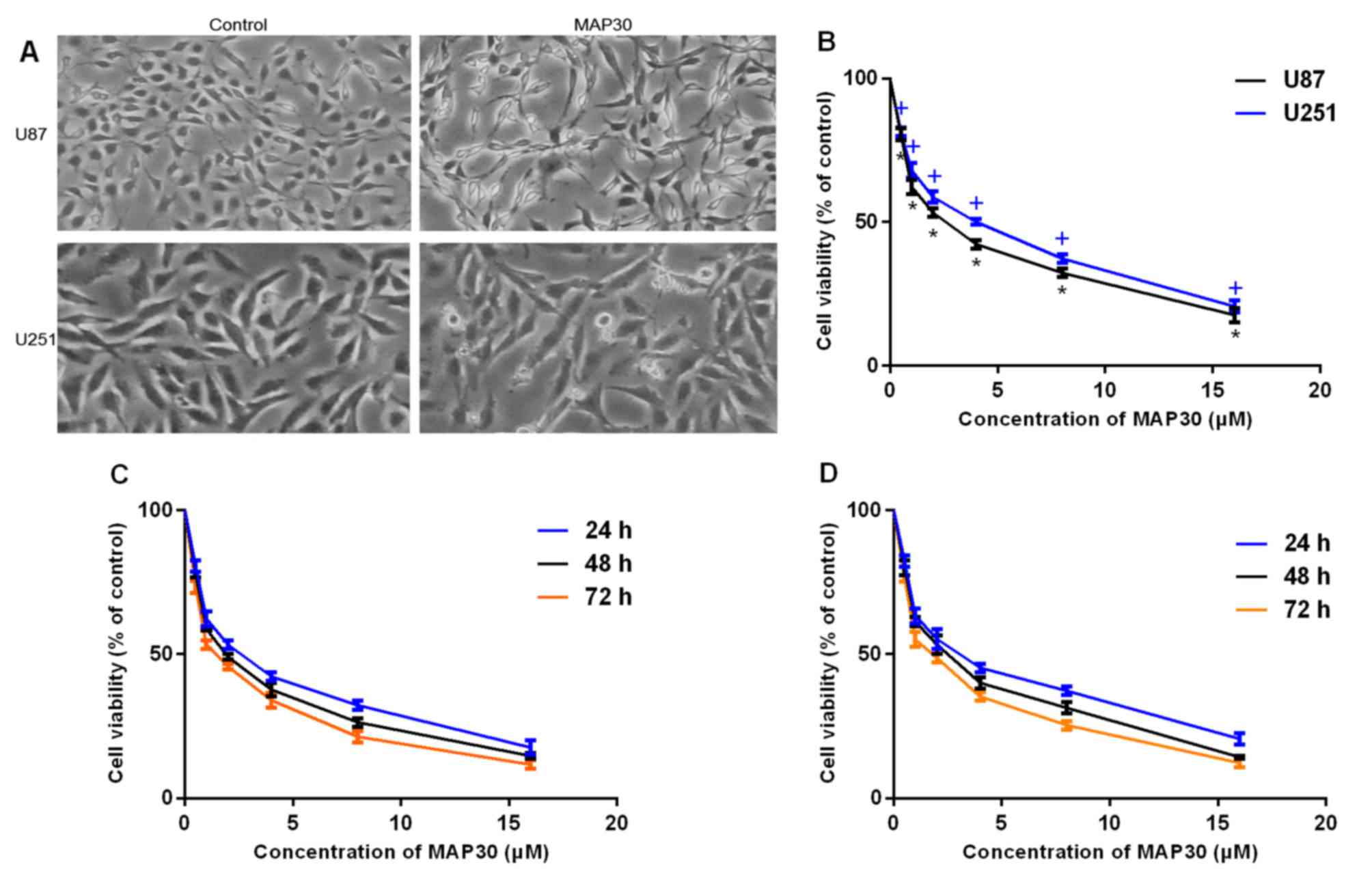
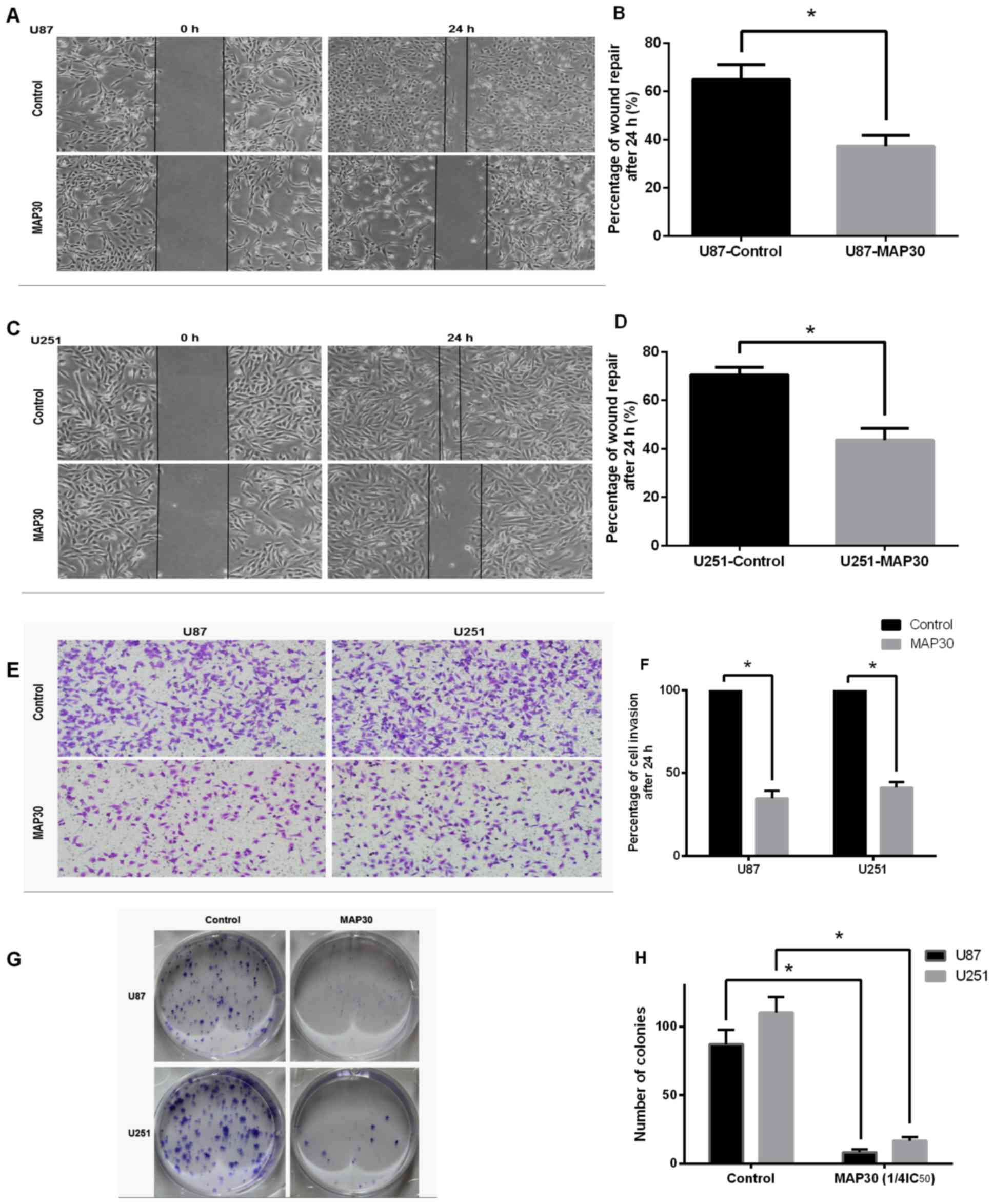
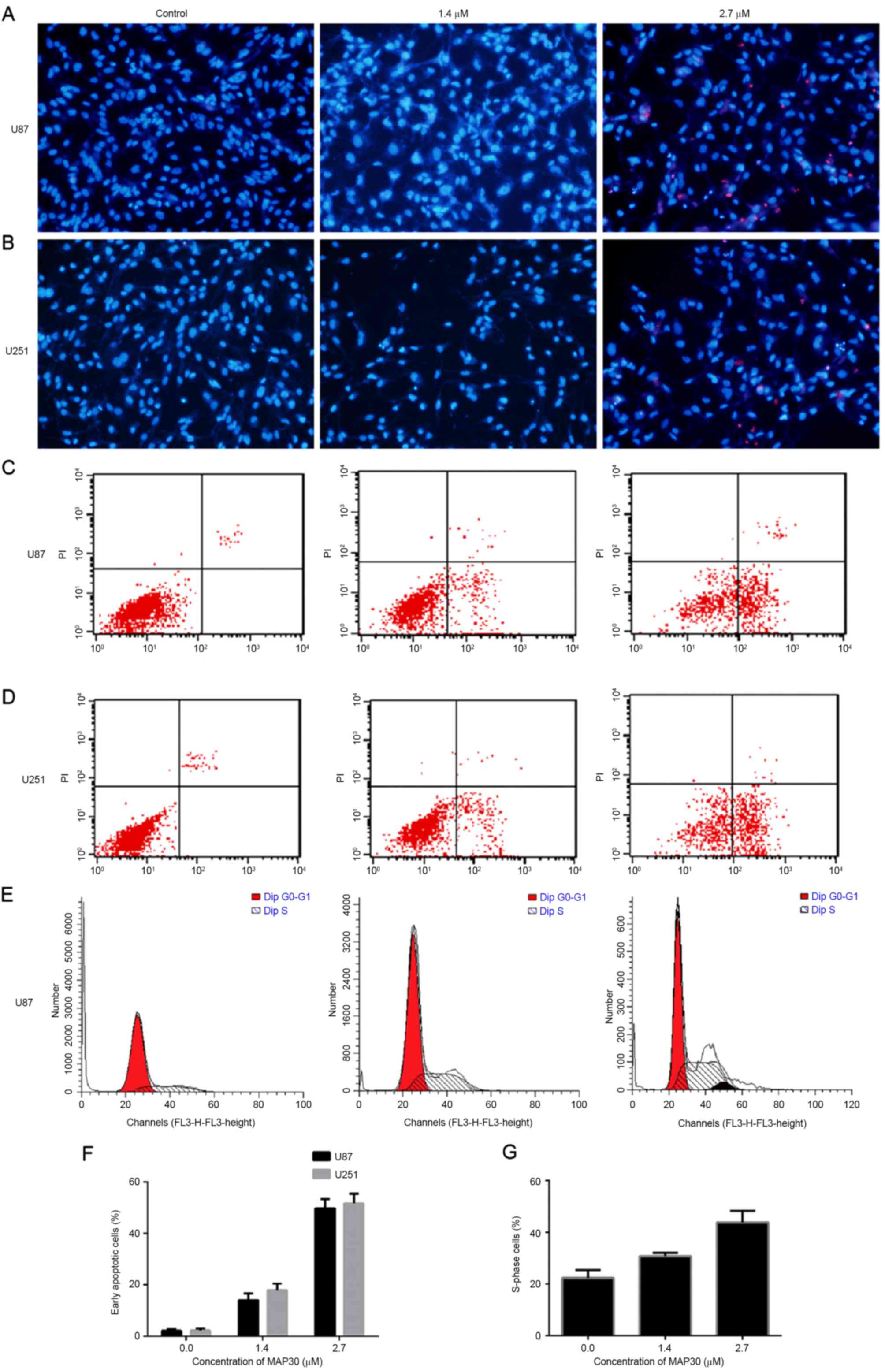
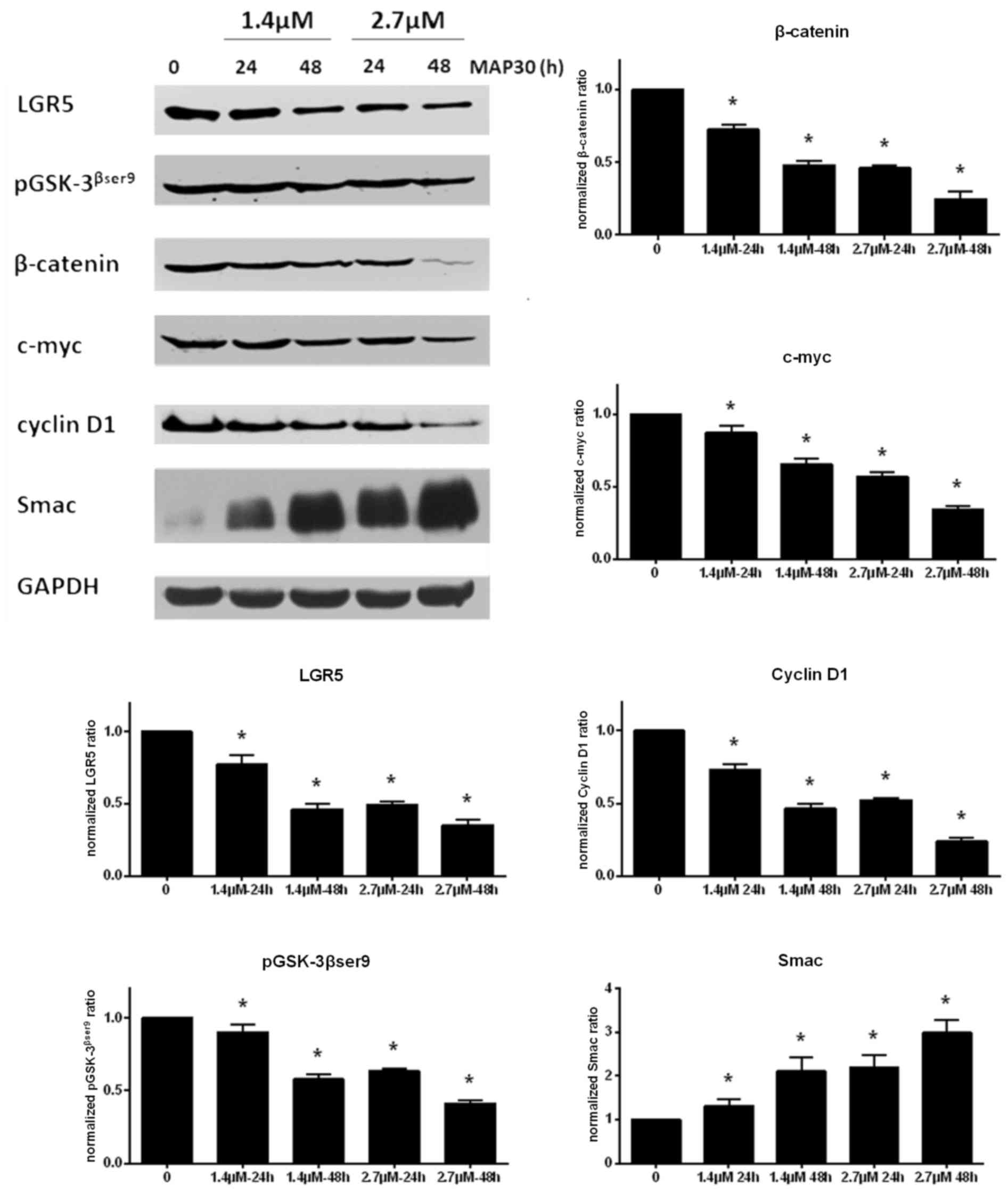
Significant antitumor activity of Momordica anti-human immunodeficiency virus protein of 30 kDa (MAP30) purified from Momordica charantia has been the subject of previous research. However, the effective mechanism of MAP30 on malignant glioma cells has not yet been clarified. The aim of the present study was to investigate the effects and mechanism of MAP30 on U87 and U251 cell lines. A Cell Counting Kit‑8 assay, wound healing assay and Transwell assay were used to detect the effects on U87 and U251 cells treated with different concentrations of MAP30 (0.5, 1, 2, 4, 8 and 16 µM) over different periods of time. Proliferation, migration and invasion of each cell line were markedly inhibited by MAP30 in a dose‑ and time‑dependent manner. Flow cytometry and fluorescence staining demonstrated that apoptosis increased and the cell cycle was arrested in S‑phase in the two investigated cell lines following MAP30 treatment. Western blot analysis demonstrated that leucine‑rich‑repeat‑containing G‑protein‑coupled receptor 5 (LGR5) expression and key proteins in the Wnt/β‑catenin signaling pathway were apparently decreased, whereas second mitochondria‑derived activator of caspase (Smac) protein expression significantly increased with MAP30 treatment in the same manner. These results suggest that MAP30 markedly induces apoptosis in U87 and U251 cell lines by suppressing LGR5 and the Wnt/β‑catenin signaling pathway, and enhancing Smac expression in a dose‑ and time‑dependent manner.
View Figures

Figure 1

Figure 2

Figure 3

Figure 4

View References

1 

Louis DN, Ohgaki H, Wiestler OD, Cavenee WK, Burger P, Jouvet A, Scheithauer BW and Kleihues P: WHO classification of tumours of the central nervous system. Acta Neuropathol. 114:97–109. 2007. View Article : Google Scholar : PubMed/NCBI

2 

Tchoghandjian A, Soubéran A, Tabouret E, Colin C, Denicolaï E, Jiguet-Jiglaire C, El-Battari A, Villard C, Baeza-Kallee N and Figarella-Branger D: Inhibitor of apoptosis protein expression in glioblastomas and their in vitro and in vivo targeting by SMAC mimetic GDC-0152. Cell Death Dis. 7:e23252016. View Article : Google Scholar : PubMed/NCBI

3 

Lee-Huang S and Huang PL, Nara PL, Chen HC, Kung HF, Huang P, Huang HI and Huang PL: MAP 30: A new inhibitor of HIV-1 infection and replication. FEBS Lett. 272:12–18. 1990. View Article : Google Scholar : PubMed/NCBI

4 

Fang EF, Zhang CZ, Ng TB, Wong JH, Pan WL, Ye XJ, Chan YS and Fong WP: Momordica Charantia lectin, a type II ribosome inactivating protein, exhibits antitumor activity toward human nasopharyngeal carcinoma cells in vitro and in vivo. Cancer Prev Res (Phila). 5:109–121. 2012. View Article : Google Scholar : PubMed/NCBI

5 

Fang EF and Ng TB: Can bitter gourd (Momordica Charantia) be a novel therapy for human cancers? Cancer Prev Res. 1–2. 2012.

6 

Fang EF and Ng TB: Bitter gourd (Momordica charantia) is a cornucopia of health: A review of its credited antidiabetic, anti-HIV and antitumor properties. Curr Mol Med. 11:417–436. 2011. View Article : Google Scholar : PubMed/NCBI

7 

Wang X, Sun W, Cao J, Qu H, Bi X and Zhao Y: Structures of new triterpenoids and cytotoxicity activities of the isolated major compounds from the fruit of Momordica charantia L. J Agric Food Chem. 60:3927–3933. 2012. View Article : Google Scholar : PubMed/NCBI

8 

Miao J, Jiang Y, Wang D, Zhou J, Fan C, Jiao F, Liu B, Zhang J, Wang Y and Zhang Q: Trichosanthin suppresses the proliferation of glioma cells by inhibiting LGR5 expression and the Wnt/β-catenin signaling pathway. Oncol Rep. 34:2845–2852. 2015. View Article : Google Scholar : PubMed/NCBI

9 

Grover JK and Yadav SP: Pharmacological actions and potential uses of Momordica charantia: A review. J Ethnopharmacol. 93:123–132. 2004. View Article : Google Scholar : PubMed/NCBI

10 

Dandawate PR, Subramaniam D, Padhye SB and Anant S: Bitter melon: A panacea for inflammation and cancer. Chin J Nat Med. 14:81–100. 2016.PubMed/NCBI

11 

Raina K, Kumar D and Agarwal R: Promise of bitter melon (Momordica charantia) bioactives in cancer prevention and therapy. Semin Cancer Biol 40–41. 1–129. 2016.

12 

Lv Q, Yang XZ, Fu LY, Lu YT, Lu YH, Zhao J and Wang FJ: Recombinant expression and purification of a MAP30-cell penetrating peptide fusion protein with higher anti-tumor bioactivity. Protein Expr Purif. 111:9–17. 2015. View Article : Google Scholar : PubMed/NCBI

13 

Fan X, He L and Meng Y, Li G, Li L and Meng Y: A-MMC and MAP30, two ribosome-inactivating proteins extracted from Momordica charantia, induce cell cycle arrest and apoptosis in A549 human lung carcinoma cells. Mol Med Rep. 11:3553–3558. 2015. View Article : Google Scholar : PubMed/NCBI

14 

Fang EF, Zhang CZ, Wong JH, Shen JY, Li CH and Ng TB: The MAP30 protein from bitter gourd (Momordica charantia) seeds promotes apoptosis in liver cancer cells in vitro and in vivo. Cancer Lett. 324:66–74. 2012. View Article : Google Scholar : PubMed/NCBI

15 

Fan JM, Luo J, Xu J, Zhu S, Zhang Q, Gao DF, Xu YB and Zhang GP: Effects of recombinant MAP30 on cell proliferation and apoptosis of human colorectal carcinoma LoVo cells. Mol Biotechnol. 39:79–86. 2008. View Article : Google Scholar : PubMed/NCBI

16 

Fang EF, Ng TB, Shaw PC and Wong RN: Recent progress in medicinal investigations on trichosanthin and other ribosome inactivating proteins from the plant genus Trichosanthes. Curr Med Chem. 18:4410–4417. 2011. View Article : Google Scholar : PubMed/NCBI

17 

Wang YX, Neamati N, Jacob J, Palmer I, Stahl SJ, Kaufman JD, Huang PL, Huang PL, Winslow HE, Pommier Y, et al: Solution structure of anti-HIV-1 and anti-tumor protein MAP30: Structural insights into its multiple functions. Cell. 99:433–442. 1999. View Article : Google Scholar : PubMed/NCBI

18 

Meng Y, Lin S, Liu S, Fan X, Li G and Meng Y: A novel method for simultaneous production of two ribosome-inactivating proteins, α-MMC and MAP30, from Momordica charantia L. PLoS One. 9:e1019982014. View Article : Google Scholar : PubMed/NCBI

19 

Chinot OL, Wick W, Mason W, Henriksson R, Saran F, Nishikawa R, Carpentier AF, Hoang-Xuan K, Kavan P, Cernea D, et al: Bevacizumab plus radiotherapy-temozolomide for newly diagnosed glioblastoma. N Engl J Med. 370:709–722. 2014. View Article : Google Scholar : PubMed/NCBI

20 

Wick W, Chinot OL, Bendszus M, Mason W, Henriksson R, Saran F, Nishikawa R, Revil C, Kerloeguen Y and Cloughesy T: Evaluation of pseudoprogression rates and tumor progression patterns in a phase III trial of bevacizumab plus radiotherapy/temozolomide for newly diagnosed glioblastoma. Neuro Oncol. 18:1434–1441. 2016. View Article : Google Scholar : PubMed/NCBI

21 

Hlin H, Zhi-Guo Z, Cong-Hui H, Yan Z, Qing L, Bo J, Hou-Guang H, Jun-Jie Z and Pei-Ying Z: Expression of Momordica charantia MAP30 and its anti-tumor effect on bladder cancer cells. Minerva Urol Nefrol. 68:275–281. 2014.PubMed/NCBI

22 

Meng Y, Liu S, Li J, Meng Y and Zhao X: Preparation of an antitumor and antivirus agent: chemical modification of α-MMC and MAP30 from Momordica Charantia L. with covalent conjugation of polyethyelene glycol. Int J Nanomedicine. 7:3133–3142. 2012.PubMed/NCBI

23 

Allen M, Bjerke M, Edlund H, Nelander S and Westermark B: Origin of the U87MG glioma cell line: Good news and bad news. Sci Transl Med. 8:354re32016. View Article : Google Scholar : PubMed/NCBI

24 

Bedini A, Baiula M, Vincelli G, Formaggio F, Lombardi S, Caprini M and Spampinato S: Nociceptin/orphanin FQ antagonizes lipopolysaccharide-stimulated proliferation, migration and inflammatory signaling in human glioblastoma U87 cells. Biochem Pharmacol. 140:89–104. 2017. View Article : Google Scholar : PubMed/NCBI

25 

Heckler M, Osterberg N, Guenzle J, Thiede-Stan NK, Reichardt W, Weidensteiner C, Saavedra JE and Weyerbrock A: The nitric oxide donor JS-K sensitizes U87 glioma cells to repetitive irradiation. Tumour Biol. 39:10104283177039222017. View Article : Google Scholar : PubMed/NCBI

26 

Alphandéry E, Idbaih A, Adam C, Delattre JY, Schmitt C, Guyot F and Chebbi I: Development of non-pyrogenic magnetosome minerals coated with poly-l-lysine leading to full disappearance of intracranial U87-Luc glioblastoma in 100% of treated mice using magnetic hyperthermia. Biomaterials. 141:210–222. 2017. View Article : Google Scholar : PubMed/NCBI

27 

Alphandéry E, Idbaih A, Adam C, Delattre JY, Schmitt C, Guyot F and Chebbi I: Chains of magnetosomes with controlled endotoxin release and partial tumor occupation induce full destruction of intracranial U87-Luc glioma in mice under the application of an alternating magnetic field. J Control Release. 262:259–272. 2017. View Article : Google Scholar : PubMed/NCBI

28 

Ru P, Steele R, Nerurkar PV, Phillips N and Ray RB: Bitter melon extract impairs prostate cancer cell-cycle progression and delays prostatic intraepithelial neoplasia in TRAMP model. Cancer Prev Res (Phila). 4:2122–2130. 2011. View Article : Google Scholar : PubMed/NCBI

29 

Brennan VC, Wang CM and Yang WH: Bitter melon (Momordica charantia) extract suppresses adrenocortical cancer cell proliferation through modulation of the apoptotic pathway, steroidogenesis and insulin-like growth factor type 1 receptor/RAC-alpha serine/threonine-protein kinase signaling. J Med Food. 15:325–334. 2012. View Article : Google Scholar : PubMed/NCBI

30 

Ray RB, Raychoudhuri A, Steele R and Nerurkar P: Bitter melon (Momordica charantia) extract inhibits breast cancer cell proliferation by modulating cell cycle regulatory genes and promotes apoptosis. Cancer Res. 70:1925–1931. 2010. View Article : Google Scholar : PubMed/NCBI

31 

Rot S, Taubert H, Bache M, Greither T, Würl P, Eckert AW, Schubert J, Vordermark D and Kappler M: A novel splice variant of the stem cell marker LGR5/GPR49 is correlated with the risk of tumor-related death in soft-tissue sarcoma patients. BMC Cancer. 11:4292011. View Article : Google Scholar : PubMed/NCBI

32 

Yi GZ, Liu YW, Xiang W, Wang H, Chen ZY, Xie SD and Qi ST: Akt and β-catenin contribute to TMZ resistance and EMT of MGMT negative malignant glioma cell line. J Neurol Sci. 367:101–106. 2016. View Article : Google Scholar : PubMed/NCBI

33 

Morris SL and Huang S: Crosstalk of the Wnt/β-catenin pathway with other pathways in cancer cells. Genes Dis. 3:41–47. 2016. View Article : Google Scholar : PubMed/NCBI

34 

Barker N and Clevers H: Leucine-rich repeat-containing G-protein-coupled receptors as markers of adult stem cells. Gastroenterology. 138:1681–1696. 2010. View Article : Google Scholar : PubMed/NCBI

35 

Barker N, van Es JH, Kuipers J, Kujala P, van den Born M, Cozijnsen M, Haegebarth A, Korving J, Begthel H, Peters PJ and Clevers H: Identification of stem cells in small intestine and colon by marker gene Lgr5. Nature. 449:1003–1007. 2007. View Article : Google Scholar : PubMed/NCBI

36 

Hsu SY, Kudo M, Chen T, Nakabayashi K, Bhalla A, van der Spek PJ, van Duin M and Hsueh AJ: The three subfamilies of leucine-rich repeat-containing G protein-coupled receptors (LGR): Identification of LGR6 and LGR7 and the signaling mechanism for LGR7. Mol Endocrinol. 14:1257–1271. 2000. View Article : Google Scholar : PubMed/NCBI

37 

Wang D, Zhou J, Fan C, Jiao F, Liu B, Sun P, Miao J and Zhang Q: Knockdown of LGR5 suppresses the proliferation of glioma cells in vitro and in vivo. Oncol Rep. 31:41–49. 2014. View Article : Google Scholar : PubMed/NCBI

38 

Hsu HC, Liu YS, Tseng KC, Tan BC, Chen SJ and Chen HC: LGR5 regulates survival through mitochondria-mediated apoptosis and by targeting the Wnt/β-catenin signaling pathway in colorectal cancer cells. Cell Signal. 26:2333–2342. 2014. View Article : Google Scholar : PubMed/NCBI

39 

Fulda S: Promises and challenges of smac mimetics as cancer therapeutics. Clin Cancer Res. 21:5030–5036. 2015. View Article : Google Scholar : PubMed/NCBI

40 

Marschall V and Fulda S: Smac mimetic-induced upregulation of interferon-β sensitizes glioblastoma to temozolomide-induced cell death. Cell Death Dis. 6:e18882015. View Article : Google Scholar : PubMed/NCBI

41 

Mizukawa K, Kawamura A, Sasayama T, Tanaka K, Kamei M, Sasaki M and Kohmura E: Synthetic Smac peptide enhances the effect of etoposide-induced apoptosis in human glioblastoma cell lines. J Neurooncol. 77:247–255. 2006. View Article : Google Scholar : PubMed/NCBI

42 

Amendola D, De Salvo M, Marchese R, Verga Falzacappa C, Stigliano A, Carico E, Brunetti E, Moscarini M and Bucci B: Myc down-regulation affects cyclin D1/cdk4 activity and induces apoptosis via Smac/Diablo pathway in an astrocytoma cell line. Cell Prolif. 42:94–109. 2009. View Article : Google Scholar : PubMed/NCBI

43 

Scheidereit C: IkappaB kinase complexes: Gateways to NF-kappaB activation and transcription. Oncogene. 25:6685–6705. 2006. View Article : Google Scholar : PubMed/NCBI

44 

Sun Y, Sun F, Li J, Wu M, Fan X and Meng Y and Meng Y: Mono-PEGylation of Alpha-MMC and MAP30 from Momordica charantia L: Production, identification and anti-tumor activity. Molecules. 21:E14572016. View Article : Google Scholar : PubMed/NCBI

45 

Huang PL, Sun Y, Chen HC, Kung HF and Lee-Huang S: Proteolytic fragments of anti-HIV and anti-tumor proteins MAP30 and GAP31 are biologically active. Biochem Biophys Res Commun. 262:615–623. 1999. View Article : Google Scholar : PubMed/NCBI

46 

Schreiber CA, Wan L, Sun Y, Lu L, Krey LC and Lee-Huang S: The antiviral agents, MAP30 and GAP31, are not toxic to human spermatozoa and may be useful in preventing the sexual transmission of human immunodeficiency virus type 1. Fertil Steril. 72:686–690. 1999. View Article : Google Scholar : PubMed/NCBI

47 

Putnam CD and Tainer JA: The food of sweet and bitter fancy. Nat Struct Biol. 7:17–18. 2000. View Article : Google Scholar : PubMed/NCBI

Related Articles

  • Abstract
  • View
  • Download
  • Twitter
Copy and paste a formatted citation
Spandidos Publications style
Jiang Y, Miao J, Wang D, Zhou J, Liu B, Jiao F, Liang J, Wang Y, Fan C, Zhang Q, Zhang Q, et al: MAP30 promotes apoptosis of U251 and U87 cells by suppressing the LGR5 and Wnt/β-catenin signaling pathway, and enhancing Smac expression. Oncol Lett 15: 5833-5840, 2018.
APA
Jiang, Y., Miao, J., Wang, D., Zhou, J., Liu, B., Jiao, F. ... Zhang, Q. (2018). MAP30 promotes apoptosis of U251 and U87 cells by suppressing the LGR5 and Wnt/β-catenin signaling pathway, and enhancing Smac expression. Oncology Letters, 15, 5833-5840. https://doi.org/10.3892/ol.2018.8073
MLA
Jiang, Y., Miao, J., Wang, D., Zhou, J., Liu, B., Jiao, F., Liang, J., Wang, Y., Fan, C., Zhang, Q."MAP30 promotes apoptosis of U251 and U87 cells by suppressing the LGR5 and Wnt/β-catenin signaling pathway, and enhancing Smac expression". Oncology Letters 15.4 (2018): 5833-5840.
Chicago
Jiang, Y., Miao, J., Wang, D., Zhou, J., Liu, B., Jiao, F., Liang, J., Wang, Y., Fan, C., Zhang, Q."MAP30 promotes apoptosis of U251 and U87 cells by suppressing the LGR5 and Wnt/β-catenin signaling pathway, and enhancing Smac expression". Oncology Letters 15, no. 4 (2018): 5833-5840. https://doi.org/10.3892/ol.2018.8073
Copy and paste a formatted citation
x
Spandidos Publications style
Jiang Y, Miao J, Wang D, Zhou J, Liu B, Jiao F, Liang J, Wang Y, Fan C, Zhang Q, Zhang Q, et al: MAP30 promotes apoptosis of U251 and U87 cells by suppressing the LGR5 and Wnt/β-catenin signaling pathway, and enhancing Smac expression. Oncol Lett 15: 5833-5840, 2018.
APA
Jiang, Y., Miao, J., Wang, D., Zhou, J., Liu, B., Jiao, F. ... Zhang, Q. (2018). MAP30 promotes apoptosis of U251 and U87 cells by suppressing the LGR5 and Wnt/β-catenin signaling pathway, and enhancing Smac expression. Oncology Letters, 15, 5833-5840. https://doi.org/10.3892/ol.2018.8073
MLA
Jiang, Y., Miao, J., Wang, D., Zhou, J., Liu, B., Jiao, F., Liang, J., Wang, Y., Fan, C., Zhang, Q."MAP30 promotes apoptosis of U251 and U87 cells by suppressing the LGR5 and Wnt/β-catenin signaling pathway, and enhancing Smac expression". Oncology Letters 15.4 (2018): 5833-5840.
Chicago
Jiang, Y., Miao, J., Wang, D., Zhou, J., Liu, B., Jiao, F., Liang, J., Wang, Y., Fan, C., Zhang, Q."MAP30 promotes apoptosis of U251 and U87 cells by suppressing the LGR5 and Wnt/β-catenin signaling pathway, and enhancing Smac expression". Oncology Letters 15, no. 4 (2018): 5833-5840. https://doi.org/10.3892/ol.2018.8073
Follow us
  • Twitter
  • LinkedIn
  • Facebook
About
  • Spandidos Publications
  • Careers
  • Cookie Policy
  • Privacy Policy
How can we help?
  • Help
  • Live Chat
  • Contact
  • Email to our Support Team