Spandidos Publications Logo
  • About
    • About Spandidos
    • Aims and Scopes
    • Abstracting and Indexing
    • Editorial Policies
    • Reprints and Permissions
    • Job Opportunities
    • Terms and Conditions
    • Contact
  • Journals
    • All Journals
    • Oncology Letters
      • Oncology Letters
      • Information for Authors
      • Editorial Policies
      • Editorial Board
      • Aims and Scope
      • Abstracting and Indexing
      • Bibliographic Information
      • Archive
    • International Journal of Oncology
      • International Journal of Oncology
      • Information for Authors
      • Editorial Policies
      • Editorial Board
      • Aims and Scope
      • Abstracting and Indexing
      • Bibliographic Information
      • Archive
    • Molecular and Clinical Oncology
      • Molecular and Clinical Oncology
      • Information for Authors
      • Editorial Policies
      • Editorial Board
      • Aims and Scope
      • Abstracting and Indexing
      • Bibliographic Information
      • Archive
    • Experimental and Therapeutic Medicine
      • Experimental and Therapeutic Medicine
      • Information for Authors
      • Editorial Policies
      • Editorial Board
      • Aims and Scope
      • Abstracting and Indexing
      • Bibliographic Information
      • Archive
    • International Journal of Molecular Medicine
      • International Journal of Molecular Medicine
      • Information for Authors
      • Editorial Policies
      • Editorial Board
      • Aims and Scope
      • Abstracting and Indexing
      • Bibliographic Information
      • Archive
    • Biomedical Reports
      • Biomedical Reports
      • Information for Authors
      • Editorial Policies
      • Editorial Board
      • Aims and Scope
      • Abstracting and Indexing
      • Bibliographic Information
      • Archive
    • Oncology Reports
      • Oncology Reports
      • Information for Authors
      • Editorial Policies
      • Editorial Board
      • Aims and Scope
      • Abstracting and Indexing
      • Bibliographic Information
      • Archive
    • Molecular Medicine Reports
      • Molecular Medicine Reports
      • Information for Authors
      • Editorial Policies
      • Editorial Board
      • Aims and Scope
      • Abstracting and Indexing
      • Bibliographic Information
      • Archive
    • World Academy of Sciences Journal
      • World Academy of Sciences Journal
      • Information for Authors
      • Editorial Policies
      • Editorial Board
      • Aims and Scope
      • Abstracting and Indexing
      • Bibliographic Information
      • Archive
    • International Journal of Functional Nutrition
      • International Journal of Functional Nutrition
      • Information for Authors
      • Editorial Policies
      • Editorial Board
      • Aims and Scope
      • Abstracting and Indexing
      • Bibliographic Information
      • Archive
    • International Journal of Epigenetics
      • International Journal of Epigenetics
      • Information for Authors
      • Editorial Policies
      • Editorial Board
      • Aims and Scope
      • Abstracting and Indexing
      • Bibliographic Information
      • Archive
    • Medicine International
      • Medicine International
      • Information for Authors
      • Editorial Policies
      • Editorial Board
      • Aims and Scope
      • Abstracting and Indexing
      • Bibliographic Information
      • Archive
  • Articles
  • Information
    • Information for Authors
    • Information for Reviewers
    • Information for Librarians
    • Information for Advertisers
    • Conferences
  • Language Editing
Spandidos Publications Logo
  • About
    • About Spandidos
    • Aims and Scopes
    • Abstracting and Indexing
    • Editorial Policies
    • Reprints and Permissions
    • Job Opportunities
    • Terms and Conditions
    • Contact
  • Journals
    • All Journals
    • Biomedical Reports
      • Information for Authors
      • Editorial Policies
      • Editorial Board
      • Aims and Scope
      • Abstracting and Indexing
      • Bibliographic Information
      • Archive
    • Experimental and Therapeutic Medicine
      • Information for Authors
      • Editorial Policies
      • Editorial Board
      • Aims and Scope
      • Abstracting and Indexing
      • Bibliographic Information
      • Archive
    • International Journal of Epigenetics
      • Information for Authors
      • Editorial Policies
      • Editorial Board
      • Aims and Scope
      • Abstracting and Indexing
      • Bibliographic Information
      • Archive
    • International Journal of Functional Nutrition
      • Information for Authors
      • Editorial Policies
      • Editorial Board
      • Aims and Scope
      • Abstracting and Indexing
      • Bibliographic Information
      • Archive
    • International Journal of Molecular Medicine
      • Information for Authors
      • Editorial Policies
      • Editorial Board
      • Aims and Scope
      • Abstracting and Indexing
      • Bibliographic Information
      • Archive
    • International Journal of Oncology
      • Information for Authors
      • Editorial Policies
      • Editorial Board
      • Aims and Scope
      • Abstracting and Indexing
      • Bibliographic Information
      • Archive
    • Medicine International
      • Information for Authors
      • Editorial Policies
      • Editorial Board
      • Aims and Scope
      • Abstracting and Indexing
      • Bibliographic Information
      • Archive
    • Molecular and Clinical Oncology
      • Information for Authors
      • Editorial Policies
      • Editorial Board
      • Aims and Scope
      • Abstracting and Indexing
      • Bibliographic Information
      • Archive
    • Molecular Medicine Reports
      • Information for Authors
      • Editorial Policies
      • Editorial Board
      • Aims and Scope
      • Abstracting and Indexing
      • Bibliographic Information
      • Archive
    • Oncology Letters
      • Information for Authors
      • Editorial Policies
      • Editorial Board
      • Aims and Scope
      • Abstracting and Indexing
      • Bibliographic Information
      • Archive
    • Oncology Reports
      • Information for Authors
      • Editorial Policies
      • Editorial Board
      • Aims and Scope
      • Abstracting and Indexing
      • Bibliographic Information
      • Archive
    • World Academy of Sciences Journal
      • Information for Authors
      • Editorial Policies
      • Editorial Board
      • Aims and Scope
      • Abstracting and Indexing
      • Bibliographic Information
      • Archive
  • Articles
  • Information
    • For Authors
    • For Reviewers
    • For Librarians
    • For Advertisers
    • Conferences
  • Language Editing
Login Register Submit
  • This site uses cookies
  • You can change your cookie settings at any time by following the instructions in our Cookie Policy. To find out more, you may read our Privacy Policy.

    I agree
Search articles by DOI, keyword, author or affiliation
Search
Advanced Search
presentation
Oncology Letters
Join Editorial Board Propose a Special Issue
Print ISSN: 1792-1074 Online ISSN: 1792-1082
Journal Cover
January-2019 Volume 17 Issue 1

Full Size Image

Sign up for eToc alerts
Recommend to Library

Journals

International Journal of Molecular Medicine

International Journal of Molecular Medicine

International Journal of Molecular Medicine is an international journal devoted to molecular mechanisms of human disease.

International Journal of Oncology

International Journal of Oncology

International Journal of Oncology is an international journal devoted to oncology research and cancer treatment.

Molecular Medicine Reports

Molecular Medicine Reports

Covers molecular medicine topics such as pharmacology, pathology, genetics, neuroscience, infectious diseases, molecular cardiology, and molecular surgery.

Oncology Reports

Oncology Reports

Oncology Reports is an international journal devoted to fundamental and applied research in Oncology.

Experimental and Therapeutic Medicine

Experimental and Therapeutic Medicine

Experimental and Therapeutic Medicine is an international journal devoted to laboratory and clinical medicine.

Oncology Letters

Oncology Letters

Oncology Letters is an international journal devoted to Experimental and Clinical Oncology.

Biomedical Reports

Biomedical Reports

Explores a wide range of biological and medical fields, including pharmacology, genetics, microbiology, neuroscience, and molecular cardiology.

Molecular and Clinical Oncology

Molecular and Clinical Oncology

International journal addressing all aspects of oncology research, from tumorigenesis and oncogenes to chemotherapy and metastasis.

World Academy of Sciences Journal

World Academy of Sciences Journal

Multidisciplinary open-access journal spanning biochemistry, genetics, neuroscience, environmental health, and synthetic biology.

International Journal of Functional Nutrition

International Journal of Functional Nutrition

Open-access journal combining biochemistry, pharmacology, immunology, and genetics to advance health through functional nutrition.

International Journal of Epigenetics

International Journal of Epigenetics

Publishes open-access research on using epigenetics to advance understanding and treatment of human disease.

Medicine International

Medicine International

An International Open Access Journal Devoted to General Medicine.

Journal Cover
January-2019 Volume 17 Issue 1

Full Size Image

Sign up for eToc alerts
Recommend to Library

  • Article
  • Citations
    • Cite This Article
    • Download Citation
    • Create Citation Alert
    • Remove Citation Alert
    • Cited By
  • Similar Articles
    • Related Articles (in Spandidos Publications)
    • Similar Articles (Google Scholar)
    • Similar Articles (PubMed)
  • Download PDF
  • Download XML
  • View XML
Article Open Access

Effects of different doses of X‑ray irradiation on cell apoptosis, cell cycle, DNA damage repair and glycolysis in HeLa cells

  • Authors:
    • Hong Zhao
    • Yafei Zhuang
    • Ruibin Li
    • Yinyin Liu
    • Zijie Mei
    • Zhongshi He
    • Fuxiang Zhou
    • Yunfeng Zhou
  • View Affiliations / Copyright

    Affiliations: Hubei Key Laboratory of Tumor Biological Behaviors, Zhongnan Hospital Affiliated to Wuhan University, Wuhan, Hubei 430071, P.R. China, Department of Radiation and Medical Oncology, Zhongnan Hospital Affiliated to Wuhan University, Wuhan, Hubei 430071, P.R. China
    Copyright: © Zhao et al. This is an open access article distributed under the terms of Creative Commons Attribution License.
  • Pages: 42-54
    |
    Published online on: October 11, 2018
       https://doi.org/10.3892/ol.2018.9566
  • Expand metrics +
Metrics: Total Views: 0 (Spandidos Publications: | PMC Statistics: )
Metrics: Total PDF Downloads: 0 (Spandidos Publications: | PMC Statistics: )
Cited By (CrossRef): 0 citations Loading Articles...

This article is mentioned in:


Abstract

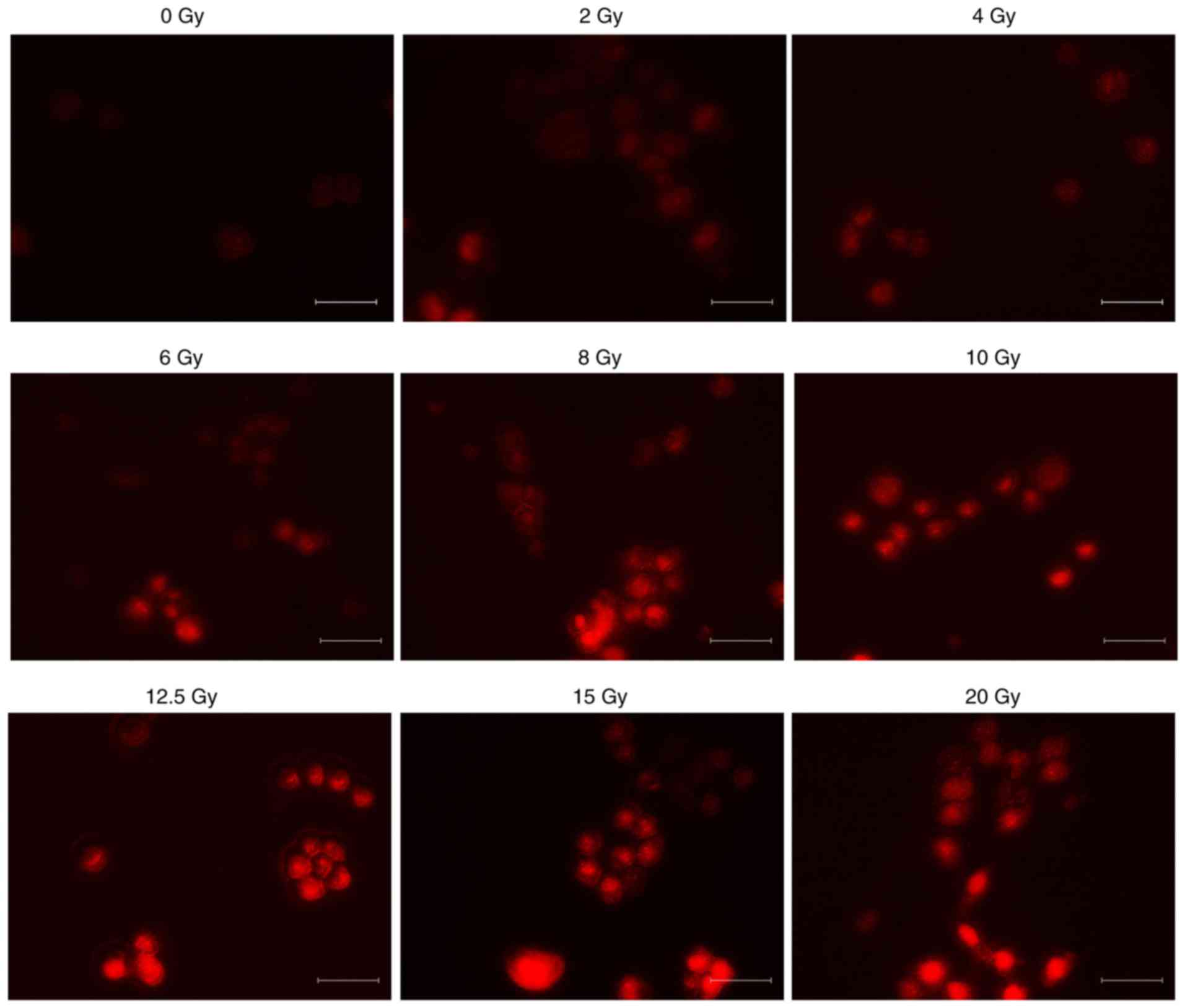
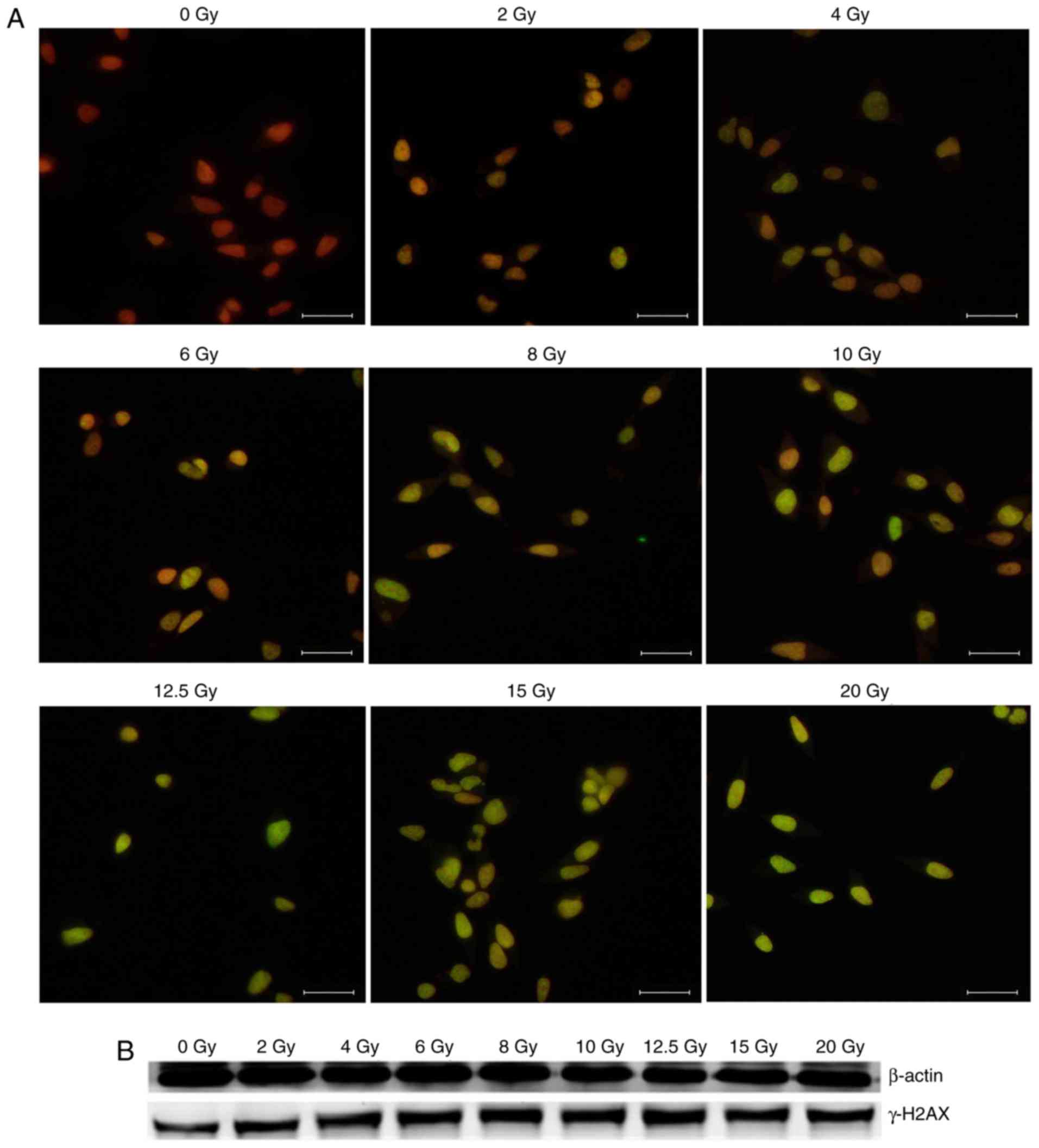
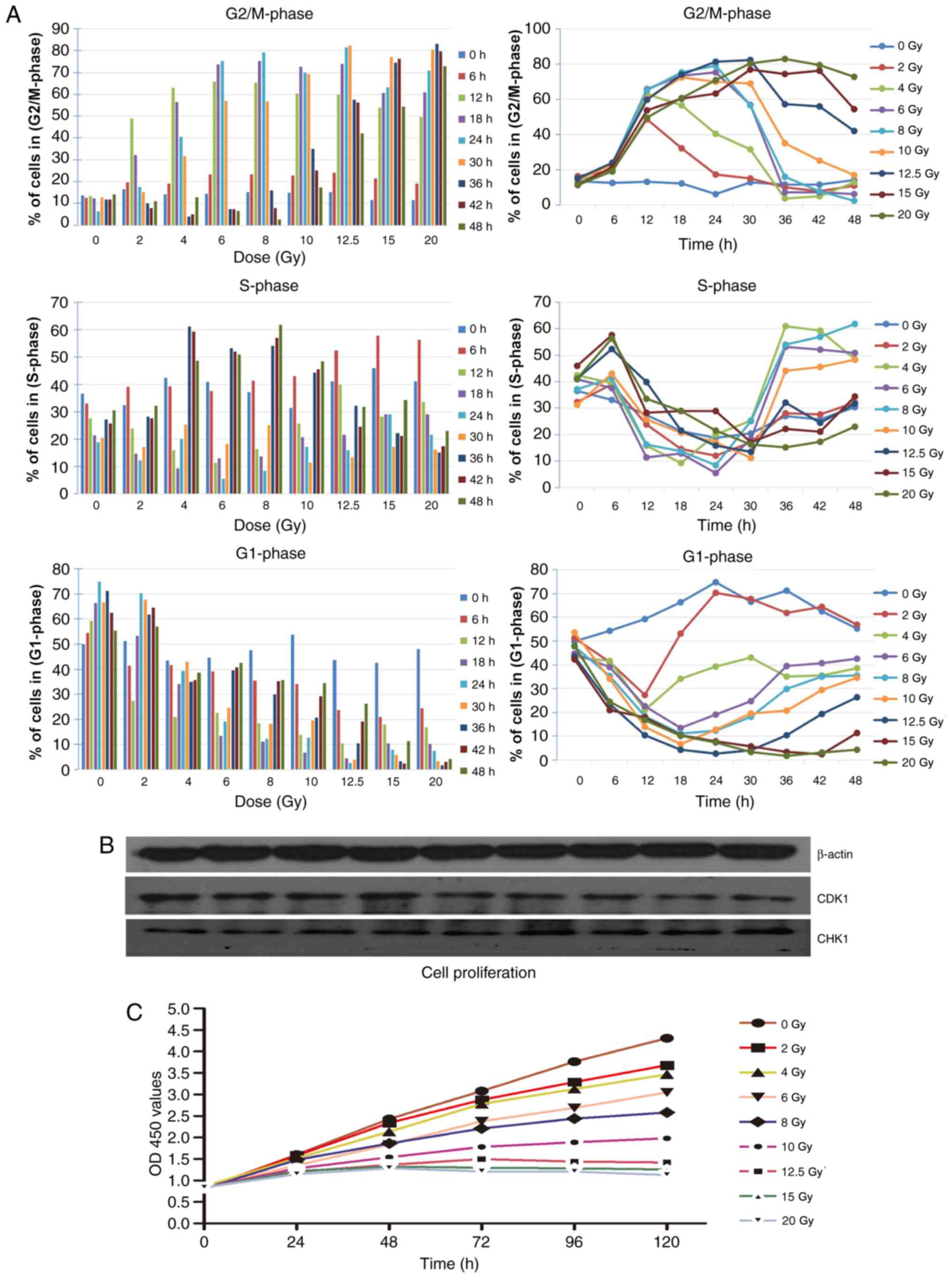
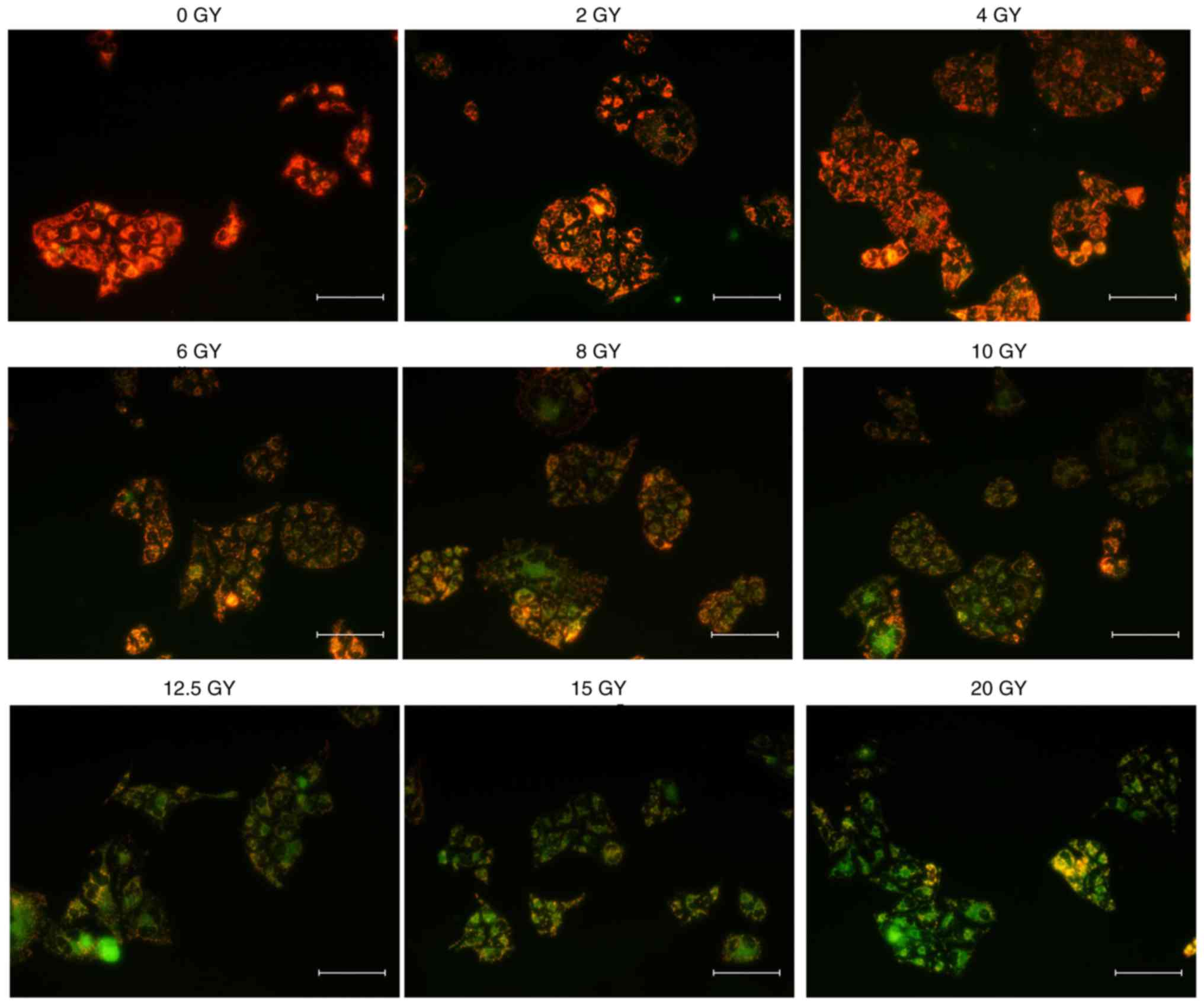
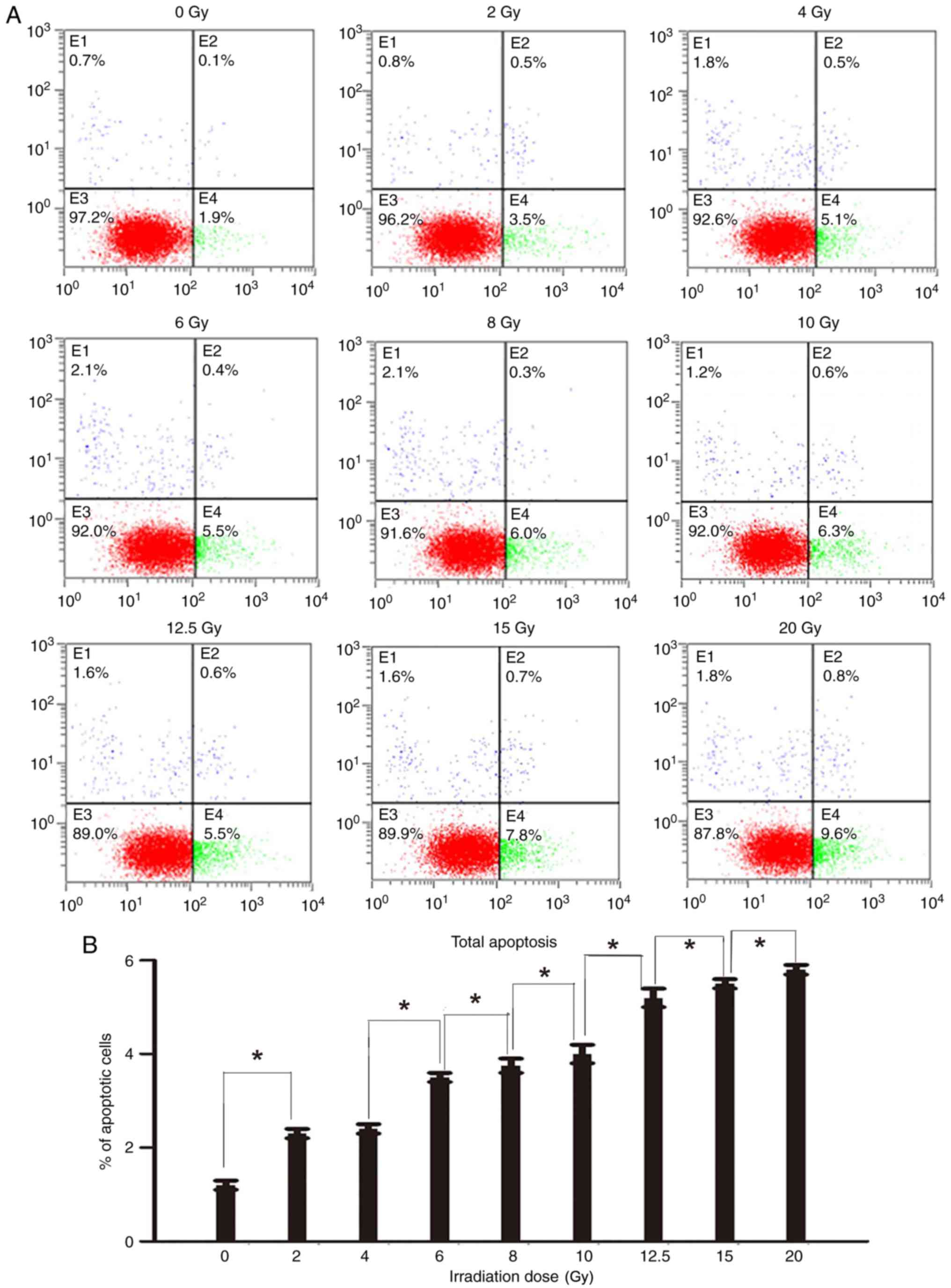
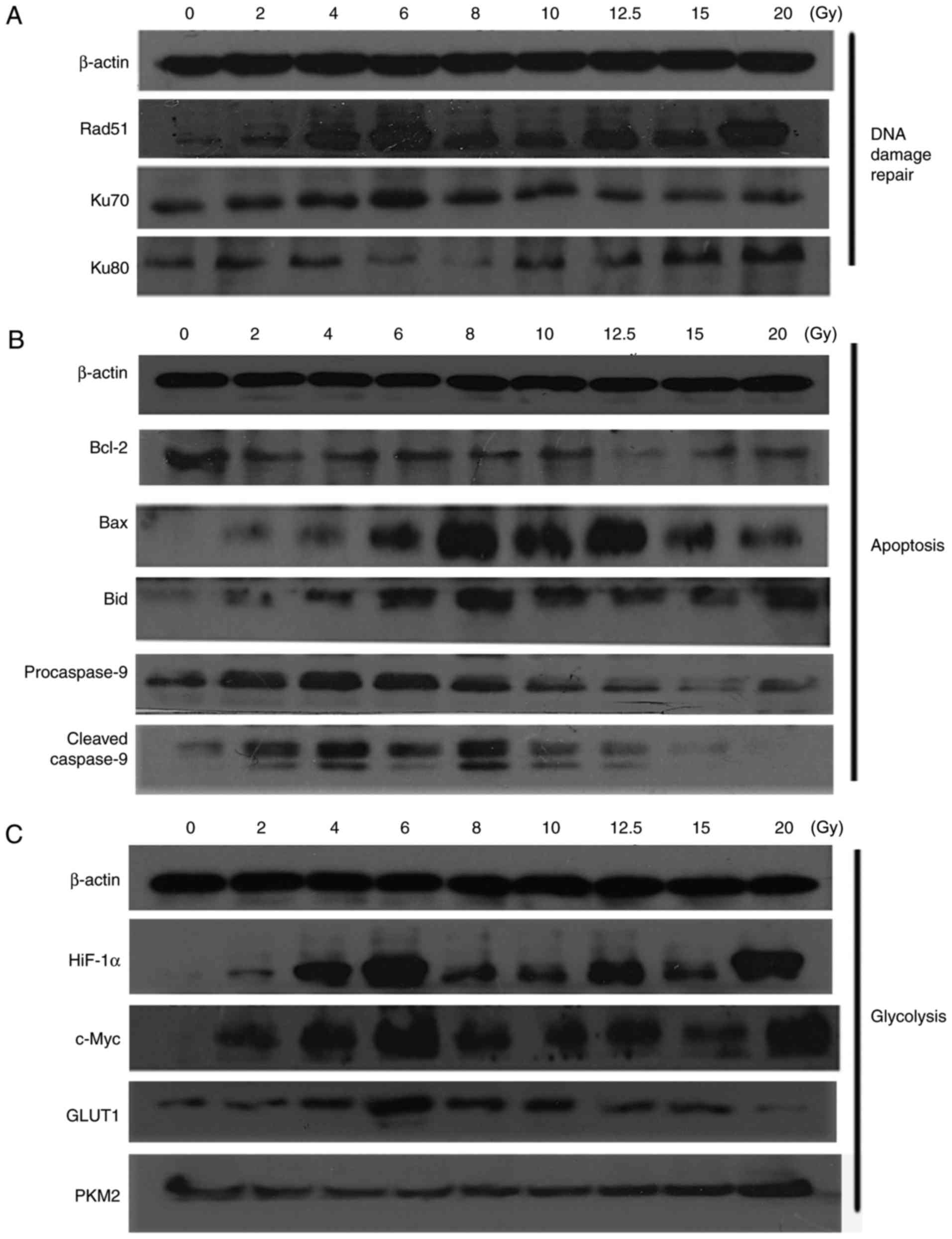
The present study examined the radiation biological response of cancer cells to different fractional irradiation doses and investigates the optimal fractional irradiation dose with improved biological effects. Radiobiological studies were performed at the molecular and cellular levels to provide insights into DNA damage and repair, and the apoptosis mechanism of cells that were exposed to different doses of X‑ray irradiation (0, 2, 4, 6, 8, 10, 12.5, 15 and 20 Gy). Evidence of increased reactive oxygen species (ROS), DNA double strand breaks (DSB), cellular apoptosis, G2/M phase proportion and inhibition of cell proliferation were observed following irradiation. Differences in the ROS amount and apoptotic percentages of cells between the 2 and 4 Gy groups were insignificant. Compared with 0 Gy, the expression of the apoptosis suppression protein B‑cell lymphoma‑2 was decreased following at increased irradiation doses. However, apoptosis‑associated protein Bcl‑2‑associated X (Bax), caspase‑9 and BH3 interacting domain death agonist (Bid) were elevated following irradiation, compared with the control group (0 Gy). Furthermore, the expression levels of Bax in the 6, 8, 10 and 12.5 Gy groups were significantly increased, compared with the other groups. Caspase‑9 expression with 2, 4, 6 and 8 Gy were increased compared with other groups, and the Bid levels with 6 and 8 Gy were also increased compared with other groups. G2/M phase arrest was associated with the increase of checkpoint kinase 1 and reduction of cyclin dependent kinase 1. DNA damage repair was associated with the protein Ku70 in the 2, 8, 10, 12.5, 15 and 20 Gy groups were less than other group. Compared with other group, Ku80 levels were reduced in the 6 and 8 Gy groups, and Rad51 levels were reduced in the 2, 8 and 10 Gy groups. The expression of hypoxia inducible factor‑1α, c‑Myc and glucose transporter 1 (GLUT1) demonstrated an increasing trend following irradiation in a dose‑dependent manner, but the expression of pyruvate kinase M2, in the 2‑10 Gy irradiation groups, and GLUT1, in the 12.5, 15 and 20 Gy irradiation groups, were reduced, compared with the other groups. Considering the DNA damage repair and apoptosis mechanisms at molecular and cellular levels, it was concluded that 2, 6, 8 and 10 Gy may be the optimal fractional dose that can promote cell apoptosis, and inhibit DNA damage repair and glycolysis.
View Figures

Figure 1

Figure 2

Figure 3

Figure 4

Figure 5

Figure 6

View References

1 

Bergonié J and Tribondeau L: Interpretation of some results from radiotherapy and an attempt to determine a rational treatment technique. 1906. Yale J Biol Med. 76:181–182. 2003.PubMed/NCBI

2 

Timmerman RD and Kavanagh BD: Stereotactic body radiation therapy. Curr Probl Cancer. 29:120–157. 2005. View Article : Google Scholar : PubMed/NCBI

3 

Kim MS, Kim W, Park IH, Kim HJ, Lee E, Jung JH, Cho LC and Song CW: Radiobiological mechanisms of stereotactic body radiation therapy and stereotactic radiation surgery. Radiat Oncol J. 33:265–275. 2015. View Article : Google Scholar : PubMed/NCBI

4 

Tsang MW: Stereotactic body radiotherapy: Current strategies and future development. J Thorac Dis. 8 Suppl 6:S517–S527. 2016. View Article : Google Scholar : PubMed/NCBI

5 

Sapkaroski D, Osborne C and Knight KA: A review of stereotactic body radiotherapy-is volumetric modulated arc therapy the answer? J Med Radiat Sci. 62:142–151. 2015. View Article : Google Scholar : PubMed/NCBI

6 

Kavanagh BD, Timmerman RD, Benedict SH, Wu Q, Schefter TE, Stuhr K, McCourt S, Newman F, Cardinale RM and Gaspar LF: How should we describe the radioblologic effect of extracranial stereotactic radlosurgery: Equivalent uniform dose or tumor control probability? Med Phys. 30:321–324. 2003. View Article : Google Scholar : PubMed/NCBI

7 

Hof H, Herfarth KK, Münter M, Hoess A, Motsch J, Wannenmacher M and Debus JJ: Stereotactic single-dose radiotherapy of stage I non-small-cell lung cancer (NSCLC). Int J Radiat Oncol Biol Phys. 56:335–341. 2003. View Article : Google Scholar : PubMed/NCBI

8 

Timmerman R, Papiez L and Suntharalingam M: Extracranial stereotactic radiation delivery: Expansion of technology beyond the brain. Technol Cancer Res Treat. 2:153–160. 2003. View Article : Google Scholar : PubMed/NCBI

9 

Potters L, Steinberg M, Rose C, Timmerman R, Ryu S, Hevezi JM, Welsh J, Mehta M, Larson DA and Janjan NA; American Society for Therapeutic Radiology and Oncology; American College of Radiology, . American society for therapeutic radiology and oncology and american college of radiology practice guideline for the performance of stereotactic body radiation therapy. Int J Radiat Oncol Biol Phys. 60:1026–1032. 2004. View Article : Google Scholar : PubMed/NCBI

10 

Timmerman RD, Forster KM and Chinsoo Cho L: Extracranial stereotactic radiation delivery. Semin Radiat Oncol. 15:202–207. 2005. View Article : Google Scholar : PubMed/NCBI

11 

Barilla J, Lokajíček M, Pisaková H and Simr P: Analytical model of chemical phase and formation of DSB in chromosomes by ionizing radiation. Australas Phys Eng Sci Med. 36:11–17. 2013. View Article : Google Scholar : PubMed/NCBI

12 

Sharma A, Singh K and Almasan A: Histone H2AX phosphorylation: A marker for DNA damage. Methods Mol Biol. 920:613–626. 2012. View Article : Google Scholar : PubMed/NCBI

13 

Tanaka T, Halicka D, Traganos F and Darzynkiewicz Z: Cytometric analysis of DNA damage: Phosphorylation of histone H2AX as a marker of DNA double-strand breaks (DSBs). Methods Mol Biol. 523:161–168. 2009. View Article : Google Scholar : PubMed/NCBI

14 

Stark GR and Taylor WR: Control of the G2/M transition. Mol Biotechnol. 32:227–248. 2006. View Article : Google Scholar : PubMed/NCBI

15 

Yan Y, Black CP and Cowan KH: Irradiation-induced G2/M checkpoint response requires ERK1/2 activation. Oncogene. 26:4689–4698. 2007. View Article : Google Scholar : PubMed/NCBI

16 

Hu D and Kipps TJ: Reduction in mitochondrial membrane potential is an early event in Fas-independent CTL-mediated apoptosis. Cell Immunol. 195:43–52. 1999. View Article : Google Scholar : PubMed/NCBI

17 

Liu Q, Jiang H, Liu Z, Wang Y, Zhao M, Hao C, Feng S, Guo H, Xu B, Yang Q, et al: Berberine radiosensitizes human esophageal cancer cells by downregulating homologous recombination repair protein RAD51. PLoS One. 6:e234272011. View Article : Google Scholar : PubMed/NCBI

18 

Dynan WS and Yoo S: Interaction of Ku protein and DNA-dependent protein kinase catalytic subunit with nucleic acids. Nucleic Acids Res. 26:1551–1559. 1998. View Article : Google Scholar : PubMed/NCBI

19 

Orthwein A, Fradet-Turcotte A, Noordermeer SM, Canny MD, Brun CM, Strecker J, Escribano-Diaz C and Durocher D: Mitosis inhibits DNA double-strand break repair to guard against telomere fusions. Science. 344:189–193. 2014. View Article : Google Scholar : PubMed/NCBI

20 

Symington LS and Gautier J: Double-strand break end resection and repair pathway choice. Annu Rev Genet. 45:247–271. 2011. View Article : Google Scholar : PubMed/NCBI

21 

Pitroda SP, Wakim BT, Sood RF, Beveridge MG, Beckett MA, MacDermed DM, Weichselbaum RR and Khodarev NN: STAT1-dependent expression of energy metabolic pathways links tumour growth and radioresistance to the Warburg effect. BMC Med. 7:682009. View Article : Google Scholar : PubMed/NCBI

22 

Khodarev NN, Beckett M, Labay E, Darga T, Roizman B and Weichselbaum RR: STAT1 is overexpressed in tumors selected for radioresistance and confers protection from radiation in transduced sensitive cells. Proc Natl Acad Sci USA. 101:1714–1719. 2004. View Article : Google Scholar : PubMed/NCBI

23 

Gatenby RA and Gillies RJ: Why do cancers have high aerobic glycolysis? Nat Rev Cancer. 4:891–899. 2004. View Article : Google Scholar : PubMed/NCBI

24 

Kondoh H, Lleonart ME, Gil J, Wang J, Degan P, Peters G, Martinez D, Carnero A and Beach D: Glycolytic enzymes can modulate cellular life span. Cancer Res. 65:177–185. 2005.PubMed/NCBI

25 

Lo SS, Slotman BJ, Lock M, Nagata Y, Guckenberger M, Siva S, Foote M, Tan D, The BS, Mayr NA, et al: The development of stereotactic body radiotherapy in the past decade: A global perspective. Future Oncol. 11:2721–2733. 2015. View Article : Google Scholar : PubMed/NCBI

26 

Potters L, Kavanagh B, Galvin JM, Hevezi JM, Janjan NA, Larson DA, Mehta MP, Ryu S, Steinberg M, Timmerman R, et al: American society for therapeutic radiology and oncology (ASTRO) and american college of radiology (ACR) practice guideline for the performance of stereotactic body radiation therapy. Int J Radiat Oncol Biol Phys. 76:326–332. 2010. View Article : Google Scholar : PubMed/NCBI

27 

Borek C: Antioxidants and radiation therapy. J Nutr. 134:3207S–3209S. 2004. View Article : Google Scholar : PubMed/NCBI

28 

Aparicio T, Baer R and Gautier J: DNA double-strand break repair pathway choice and cancer. DNA Repair (Amst). 19:169–175. 2014. View Article : Google Scholar : PubMed/NCBI

29 

Illner D and Scherthan H: Ionizing irradiation-induced radical stress stalls live meiotic chromosome movements by altering the actin cytoskeleton. Proc Natl Acad Sci USA. 110:16027–16032. 2013. View Article : Google Scholar : PubMed/NCBI

30 

Xu B, Kim ST, Lim DS and Kastan MB: Two molecularly distinct G(2)/M checkpoints are induced by ionizing irradiation. Mol Cell Biol. 22:1049–1059. 2002. View Article : Google Scholar : PubMed/NCBI

31 

Marples B, Wouters BG and Joiner MC: An association between the radiation-induced arrest of G2-phase cells and low-dose hyper-radiosensitivity: A plausible underlying mechanism? Radiat Res. 160:38–45. 2003. View Article : Google Scholar : PubMed/NCBI

32 

Fingert HJ, Chang JD and Pardee AB: Cytotoxic, cell cycle, and chromosomal effects of methylxanthines in human tumor cells treated with alkylating agents. Cancer Res. 46:2463–2467. 1986.PubMed/NCBI

33 

Kinner A, Wu W, Staudt C and Iliakis G: Gamma-H2AX in recognition and signaling of DNA double-strand breaks in the context of chromatin. Nucleic Acids Res. 36:5678–5694. 2008. View Article : Google Scholar : PubMed/NCBI

34 

Helleday T, Lo J, van Gent DC and Engelward BP: DNA double-strand break repair: From mechanistic understanding to cancer treatment. DNA Repair (Amst). 6:923–935. 2007. View Article : Google Scholar : PubMed/NCBI

35 

Rothkamm K, Krüger I, Thompson LH and Löbrich M: Pathways of DNA double-strand break repair during the mammalian cell cycle. Mol Cell Biol. 23:5706–5715. 2003. View Article : Google Scholar : PubMed/NCBI

36 

Beucher A, Birraux J, Tchouandong L, Barton O, Shibata A, Conrad S, Goodarzi AA, Krempler A, Jeggo PA and Löbrich M: ATM and Artemis promote homologous recombination of radiation-induced DNA double-strand breaks in G2. EMBO J. 28:3413–3427. 2009. View Article : Google Scholar : PubMed/NCBI

37 

Vandersickel V, Depuydt J, Van Bockstaele B, Perletti G, Philippe J, Thierens H and Vral A: Early increase of radiation-induced γH2AX foci in a human Ku70/80 knockdown cell line characterized by an enhanced radiosensitivity. J Radiat Res. 51:633–641. 2010. View Article : Google Scholar : PubMed/NCBI

38 

Saydam O, Saydam N, Glauser DL, Pruschy M, Dinh-Van V, Hilbe M, Jacobs AH, Ackermann M and Fraefel C: HSV-1 amplicon-mediated post-transcriptional inhibition of Rad51 sensitizes human glioma cells to ionizing radiation. Gene Ther. 14:1143–1151. 2007. View Article : Google Scholar : PubMed/NCBI

39 

Johnson RD and Jasin M: Sister chromatid gene conversion is a prominent double-strand break repair pathway in mammalian cells. EMBO J. 19:3398–3407. 2000. View Article : Google Scholar : PubMed/NCBI

40 

Roos WP and Kaina B: DNA damage-induced cell death: From specific DNA lesions to the DNA damage response and apoptosis. Cancer Lett. 332:237–248. 2013. View Article : Google Scholar : PubMed/NCBI

41 

Pardo FS, Su M and Borek C: Cyclin D1 induced apoptosis maintains the integrity of the G1/S checkpoint following ionizing radiation irradiation. Somat Cell Mol Genet. 22:135–144. 1996. View Article : Google Scholar : PubMed/NCBI

42 

Brown JM, Diehn M and Loo BW Jr: Stereotactic ablative radiotherapy should be combined with a hypoxic cell radiosensitizer. Int J Radiat Oncol Biol Phys. 78:323–327. 2010. View Article : Google Scholar : PubMed/NCBI

43 

Zimmermann KC, Bonzon C and Green DR: The machinery of programmed cell death. Pharmacol Ther. 92:57–70. 2001. View Article : Google Scholar : PubMed/NCBI

44 

Semenza GL: Oxygen sensing, homeostasis, and disease. N Engl J Med. 365:537–547. 2011. View Article : Google Scholar : PubMed/NCBI

45 

Kim JW and Dang CV: Cancer's molecular sweet tooth and the warburg effect. Cancer Res. 66:8927–8930. 2006. View Article : Google Scholar : PubMed/NCBI

46 

Wang T, Marquardt C and Foker J: Aerobic glycolysis during lymphocyte proliferation. Nature. 261:702–705. 1976. View Article : Google Scholar : PubMed/NCBI

47 

Christofk HR, Vander Heiden MG, Harris MH, Ramanathan A, Gerszten RE, Wei R, Fleming MD, Schreiber SL and Cantley LC: The M2 splice isoform of pyruvate kinase is important for cancer metabolism and tumour growth. Nature. 452:230–233. 2008. View Article : Google Scholar : PubMed/NCBI

Related Articles

  • Abstract
  • View
  • Download
  • Twitter
Copy and paste a formatted citation
Spandidos Publications style
Zhao H, Zhuang Y, Li R, Liu Y, Mei Z, He Z, Zhou F and Zhou Y: Effects of different doses of X‑ray irradiation on cell apoptosis, cell cycle, DNA damage repair and glycolysis in HeLa cells. Oncol Lett 17: 42-54, 2019.
APA
Zhao, H., Zhuang, Y., Li, R., Liu, Y., Mei, Z., He, Z. ... Zhou, Y. (2019). Effects of different doses of X‑ray irradiation on cell apoptosis, cell cycle, DNA damage repair and glycolysis in HeLa cells. Oncology Letters, 17, 42-54. https://doi.org/10.3892/ol.2018.9566
MLA
Zhao, H., Zhuang, Y., Li, R., Liu, Y., Mei, Z., He, Z., Zhou, F., Zhou, Y."Effects of different doses of X‑ray irradiation on cell apoptosis, cell cycle, DNA damage repair and glycolysis in HeLa cells". Oncology Letters 17.1 (2019): 42-54.
Chicago
Zhao, H., Zhuang, Y., Li, R., Liu, Y., Mei, Z., He, Z., Zhou, F., Zhou, Y."Effects of different doses of X‑ray irradiation on cell apoptosis, cell cycle, DNA damage repair and glycolysis in HeLa cells". Oncology Letters 17, no. 1 (2019): 42-54. https://doi.org/10.3892/ol.2018.9566
Copy and paste a formatted citation
x
Spandidos Publications style
Zhao H, Zhuang Y, Li R, Liu Y, Mei Z, He Z, Zhou F and Zhou Y: Effects of different doses of X‑ray irradiation on cell apoptosis, cell cycle, DNA damage repair and glycolysis in HeLa cells. Oncol Lett 17: 42-54, 2019.
APA
Zhao, H., Zhuang, Y., Li, R., Liu, Y., Mei, Z., He, Z. ... Zhou, Y. (2019). Effects of different doses of X‑ray irradiation on cell apoptosis, cell cycle, DNA damage repair and glycolysis in HeLa cells. Oncology Letters, 17, 42-54. https://doi.org/10.3892/ol.2018.9566
MLA
Zhao, H., Zhuang, Y., Li, R., Liu, Y., Mei, Z., He, Z., Zhou, F., Zhou, Y."Effects of different doses of X‑ray irradiation on cell apoptosis, cell cycle, DNA damage repair and glycolysis in HeLa cells". Oncology Letters 17.1 (2019): 42-54.
Chicago
Zhao, H., Zhuang, Y., Li, R., Liu, Y., Mei, Z., He, Z., Zhou, F., Zhou, Y."Effects of different doses of X‑ray irradiation on cell apoptosis, cell cycle, DNA damage repair and glycolysis in HeLa cells". Oncology Letters 17, no. 1 (2019): 42-54. https://doi.org/10.3892/ol.2018.9566
Follow us
  • Twitter
  • LinkedIn
  • Facebook
About
  • Spandidos Publications
  • Careers
  • Cookie Policy
  • Privacy Policy
How can we help?
  • Help
  • Live Chat
  • Contact
  • Email to our Support Team