Spandidos Publications Logo
  • About
    • About Spandidos
    • Aims and Scopes
    • Abstracting and Indexing
    • Editorial Policies
    • Reprints and Permissions
    • Job Opportunities
    • Terms and Conditions
    • Contact
  • Journals
    • All Journals
    • Oncology Letters
      • Oncology Letters
      • Information for Authors
      • Editorial Policies
      • Editorial Board
      • Aims and Scope
      • Abstracting and Indexing
      • Bibliographic Information
      • Archive
    • International Journal of Oncology
      • International Journal of Oncology
      • Information for Authors
      • Editorial Policies
      • Editorial Board
      • Aims and Scope
      • Abstracting and Indexing
      • Bibliographic Information
      • Archive
    • Molecular and Clinical Oncology
      • Molecular and Clinical Oncology
      • Information for Authors
      • Editorial Policies
      • Editorial Board
      • Aims and Scope
      • Abstracting and Indexing
      • Bibliographic Information
      • Archive
    • Experimental and Therapeutic Medicine
      • Experimental and Therapeutic Medicine
      • Information for Authors
      • Editorial Policies
      • Editorial Board
      • Aims and Scope
      • Abstracting and Indexing
      • Bibliographic Information
      • Archive
    • International Journal of Molecular Medicine
      • International Journal of Molecular Medicine
      • Information for Authors
      • Editorial Policies
      • Editorial Board
      • Aims and Scope
      • Abstracting and Indexing
      • Bibliographic Information
      • Archive
    • Biomedical Reports
      • Biomedical Reports
      • Information for Authors
      • Editorial Policies
      • Editorial Board
      • Aims and Scope
      • Abstracting and Indexing
      • Bibliographic Information
      • Archive
    • Oncology Reports
      • Oncology Reports
      • Information for Authors
      • Editorial Policies
      • Editorial Board
      • Aims and Scope
      • Abstracting and Indexing
      • Bibliographic Information
      • Archive
    • Molecular Medicine Reports
      • Molecular Medicine Reports
      • Information for Authors
      • Editorial Policies
      • Editorial Board
      • Aims and Scope
      • Abstracting and Indexing
      • Bibliographic Information
      • Archive
    • World Academy of Sciences Journal
      • World Academy of Sciences Journal
      • Information for Authors
      • Editorial Policies
      • Editorial Board
      • Aims and Scope
      • Abstracting and Indexing
      • Bibliographic Information
      • Archive
    • International Journal of Functional Nutrition
      • International Journal of Functional Nutrition
      • Information for Authors
      • Editorial Policies
      • Editorial Board
      • Aims and Scope
      • Abstracting and Indexing
      • Bibliographic Information
      • Archive
    • International Journal of Epigenetics
      • International Journal of Epigenetics
      • Information for Authors
      • Editorial Policies
      • Editorial Board
      • Aims and Scope
      • Abstracting and Indexing
      • Bibliographic Information
      • Archive
    • Medicine International
      • Medicine International
      • Information for Authors
      • Editorial Policies
      • Editorial Board
      • Aims and Scope
      • Abstracting and Indexing
      • Bibliographic Information
      • Archive
  • Articles
  • Information
    • Information for Authors
    • Information for Reviewers
    • Information for Librarians
    • Information for Advertisers
    • Conferences
  • Language Editing
Spandidos Publications Logo
  • About
    • About Spandidos
    • Aims and Scopes
    • Abstracting and Indexing
    • Editorial Policies
    • Reprints and Permissions
    • Job Opportunities
    • Terms and Conditions
    • Contact
  • Journals
    • All Journals
    • Biomedical Reports
      • Information for Authors
      • Editorial Policies
      • Editorial Board
      • Aims and Scope
      • Abstracting and Indexing
      • Bibliographic Information
      • Archive
    • Experimental and Therapeutic Medicine
      • Information for Authors
      • Editorial Policies
      • Editorial Board
      • Aims and Scope
      • Abstracting and Indexing
      • Bibliographic Information
      • Archive
    • International Journal of Epigenetics
      • Information for Authors
      • Editorial Policies
      • Editorial Board
      • Aims and Scope
      • Abstracting and Indexing
      • Bibliographic Information
      • Archive
    • International Journal of Functional Nutrition
      • Information for Authors
      • Editorial Policies
      • Editorial Board
      • Aims and Scope
      • Abstracting and Indexing
      • Bibliographic Information
      • Archive
    • International Journal of Molecular Medicine
      • Information for Authors
      • Editorial Policies
      • Editorial Board
      • Aims and Scope
      • Abstracting and Indexing
      • Bibliographic Information
      • Archive
    • International Journal of Oncology
      • Information for Authors
      • Editorial Policies
      • Editorial Board
      • Aims and Scope
      • Abstracting and Indexing
      • Bibliographic Information
      • Archive
    • Medicine International
      • Information for Authors
      • Editorial Policies
      • Editorial Board
      • Aims and Scope
      • Abstracting and Indexing
      • Bibliographic Information
      • Archive
    • Molecular and Clinical Oncology
      • Information for Authors
      • Editorial Policies
      • Editorial Board
      • Aims and Scope
      • Abstracting and Indexing
      • Bibliographic Information
      • Archive
    • Molecular Medicine Reports
      • Information for Authors
      • Editorial Policies
      • Editorial Board
      • Aims and Scope
      • Abstracting and Indexing
      • Bibliographic Information
      • Archive
    • Oncology Letters
      • Information for Authors
      • Editorial Policies
      • Editorial Board
      • Aims and Scope
      • Abstracting and Indexing
      • Bibliographic Information
      • Archive
    • Oncology Reports
      • Information for Authors
      • Editorial Policies
      • Editorial Board
      • Aims and Scope
      • Abstracting and Indexing
      • Bibliographic Information
      • Archive
    • World Academy of Sciences Journal
      • Information for Authors
      • Editorial Policies
      • Editorial Board
      • Aims and Scope
      • Abstracting and Indexing
      • Bibliographic Information
      • Archive
  • Articles
  • Information
    • For Authors
    • For Reviewers
    • For Librarians
    • For Advertisers
    • Conferences
  • Language Editing
Login Register Submit
  • This site uses cookies
  • You can change your cookie settings at any time by following the instructions in our Cookie Policy. To find out more, you may read our Privacy Policy.

    I agree
Search articles by DOI, keyword, author or affiliation
Search
Advanced Search
presentation
Oncology Letters
Join Editorial Board Propose a Special Issue
Print ISSN: 1792-1074 Online ISSN: 1792-1082
Journal Cover
March-2021 Volume 21 Issue 3

Full Size Image

Sign up for eToc alerts
Recommend to Library

Journals

International Journal of Molecular Medicine

International Journal of Molecular Medicine

International Journal of Molecular Medicine is an international journal devoted to molecular mechanisms of human disease.

International Journal of Oncology

International Journal of Oncology

International Journal of Oncology is an international journal devoted to oncology research and cancer treatment.

Molecular Medicine Reports

Molecular Medicine Reports

Covers molecular medicine topics such as pharmacology, pathology, genetics, neuroscience, infectious diseases, molecular cardiology, and molecular surgery.

Oncology Reports

Oncology Reports

Oncology Reports is an international journal devoted to fundamental and applied research in Oncology.

Experimental and Therapeutic Medicine

Experimental and Therapeutic Medicine

Experimental and Therapeutic Medicine is an international journal devoted to laboratory and clinical medicine.

Oncology Letters

Oncology Letters

Oncology Letters is an international journal devoted to Experimental and Clinical Oncology.

Biomedical Reports

Biomedical Reports

Explores a wide range of biological and medical fields, including pharmacology, genetics, microbiology, neuroscience, and molecular cardiology.

Molecular and Clinical Oncology

Molecular and Clinical Oncology

International journal addressing all aspects of oncology research, from tumorigenesis and oncogenes to chemotherapy and metastasis.

World Academy of Sciences Journal

World Academy of Sciences Journal

Multidisciplinary open-access journal spanning biochemistry, genetics, neuroscience, environmental health, and synthetic biology.

International Journal of Functional Nutrition

International Journal of Functional Nutrition

Open-access journal combining biochemistry, pharmacology, immunology, and genetics to advance health through functional nutrition.

International Journal of Epigenetics

International Journal of Epigenetics

Publishes open-access research on using epigenetics to advance understanding and treatment of human disease.

Medicine International

Medicine International

An International Open Access Journal Devoted to General Medicine.

Journal Cover
March-2021 Volume 21 Issue 3

Full Size Image

Sign up for eToc alerts
Recommend to Library

  • Article
  • Citations
    • Cite This Article
    • Download Citation
    • Create Citation Alert
    • Remove Citation Alert
    • Cited By
  • Similar Articles
    • Related Articles (in Spandidos Publications)
    • Similar Articles (Google Scholar)
    • Similar Articles (PubMed)
  • Download PDF
  • Download XML
  • View XML
Article Open Access

Luteolin inhibits proliferation, triggers apoptosis and modulates Akt/mTOR and MAP kinase pathways in HeLa cells

  • Authors:
    • Ritu Raina
    • Sreepoorna Pramodh
    • Naushad Rais
    • Shafiul Haque
    • Jasmin Shafarin
    • Khuloud Bajbouj
    • Mawieh Hamad
    • Arif Hussain
  • View Affiliations / Copyright

    Affiliations: School of Life Sciences, Manipal Academy of Higher Education, Dubai, United Arab Emirates, Department of Life and Environmental Sciences, College of Natural and Health Science, Zayed University, Dubai, United Arab Emirates, Research and Scientific Studies Unit, College of Nursing and Allied Health Sciences, Jazan University, Jazan 45142, Saudi Arabia, College of Medicine, University of Sharjah, Sharjah, United Arab Emirates
    Copyright: © Raina et al. This is an open access article distributed under the terms of Creative Commons Attribution License.
  • Article Number: 192
    |
    Published online on: January 7, 2021
       https://doi.org/10.3892/ol.2021.12452
  • Expand metrics +
Metrics: Total Views: 0 (Spandidos Publications: | PMC Statistics: )
Metrics: Total PDF Downloads: 0 (Spandidos Publications: | PMC Statistics: )
Cited By (CrossRef): 0 citations Loading Articles...

This article is mentioned in:


Abstract

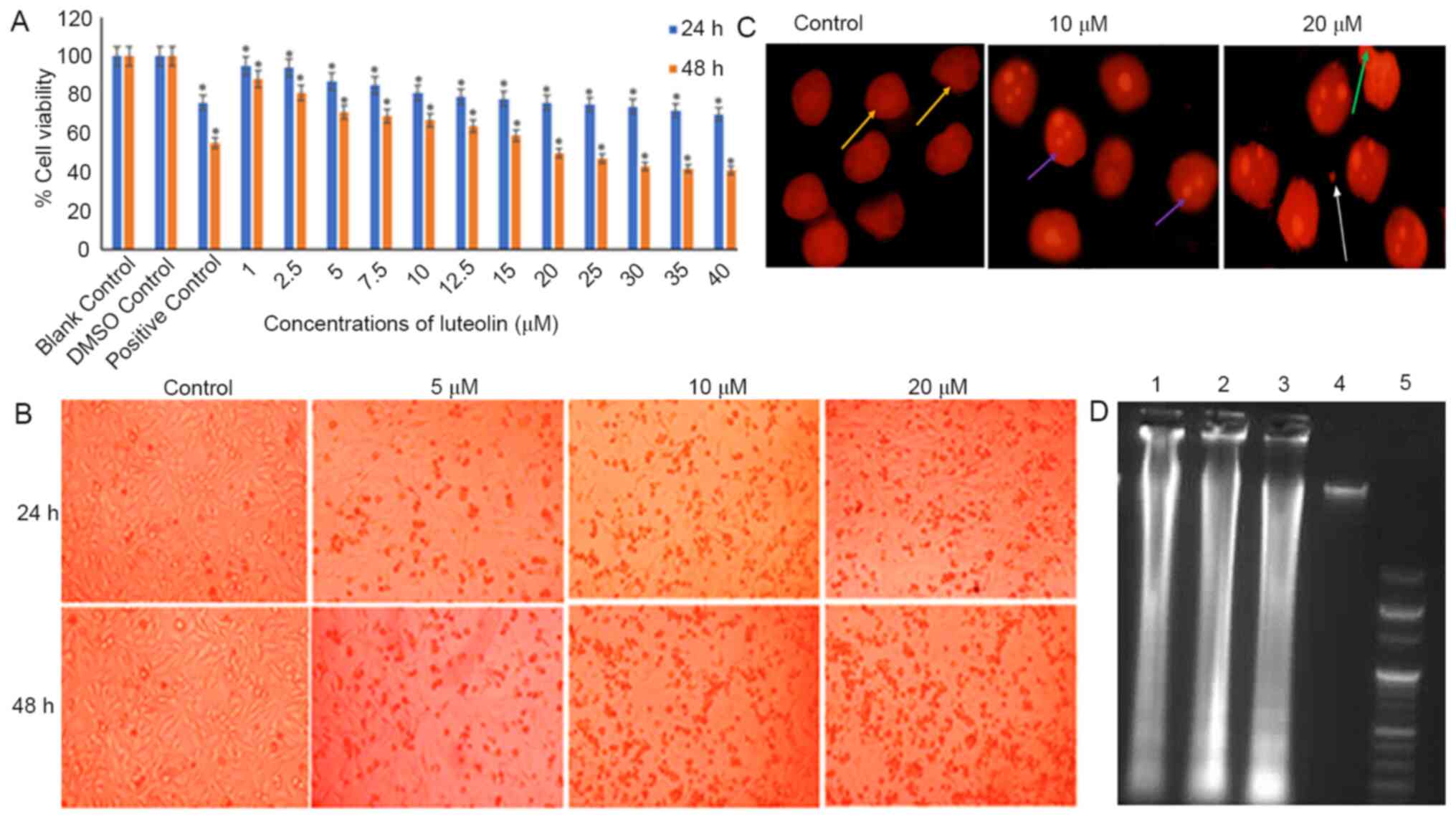
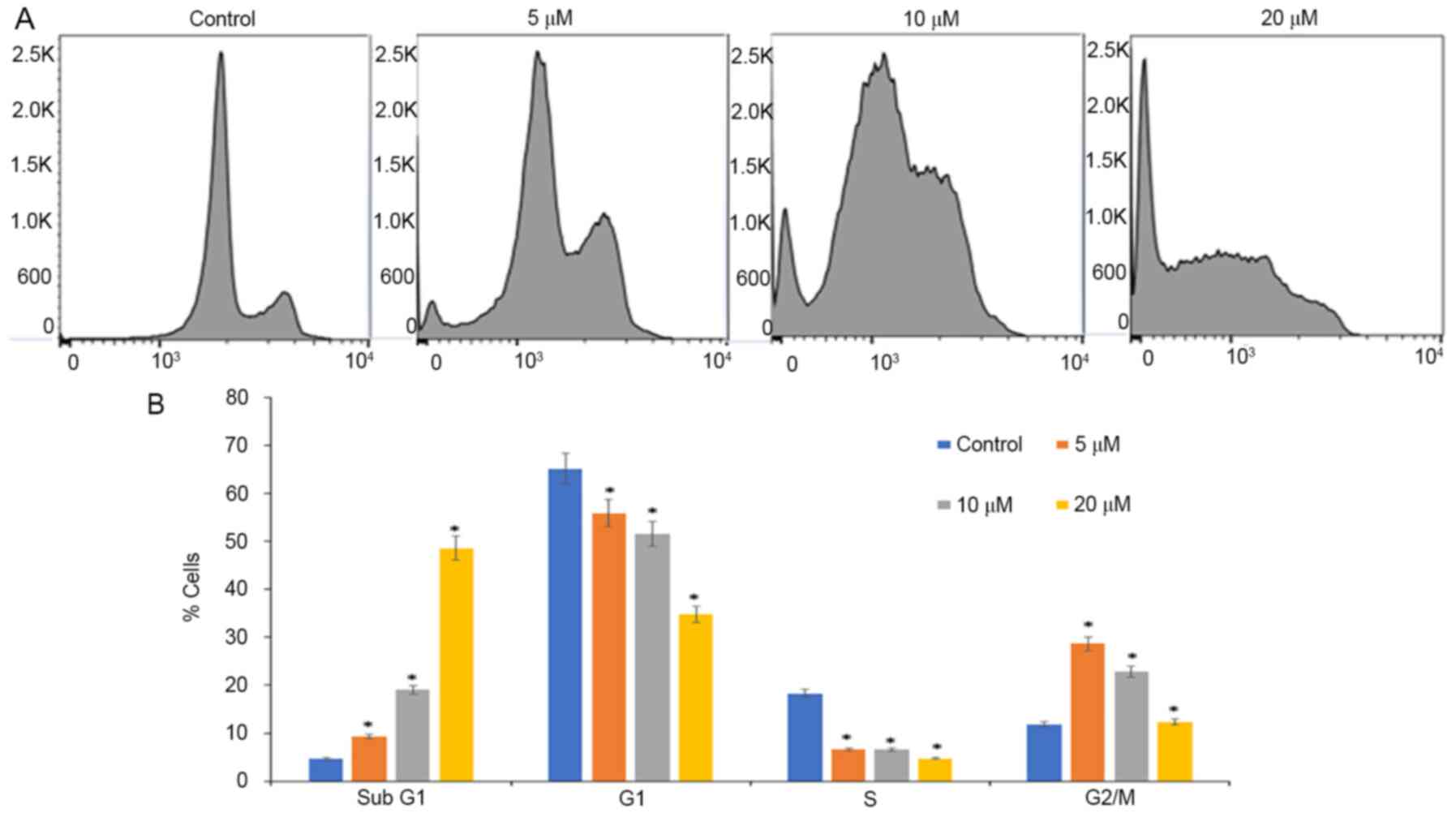
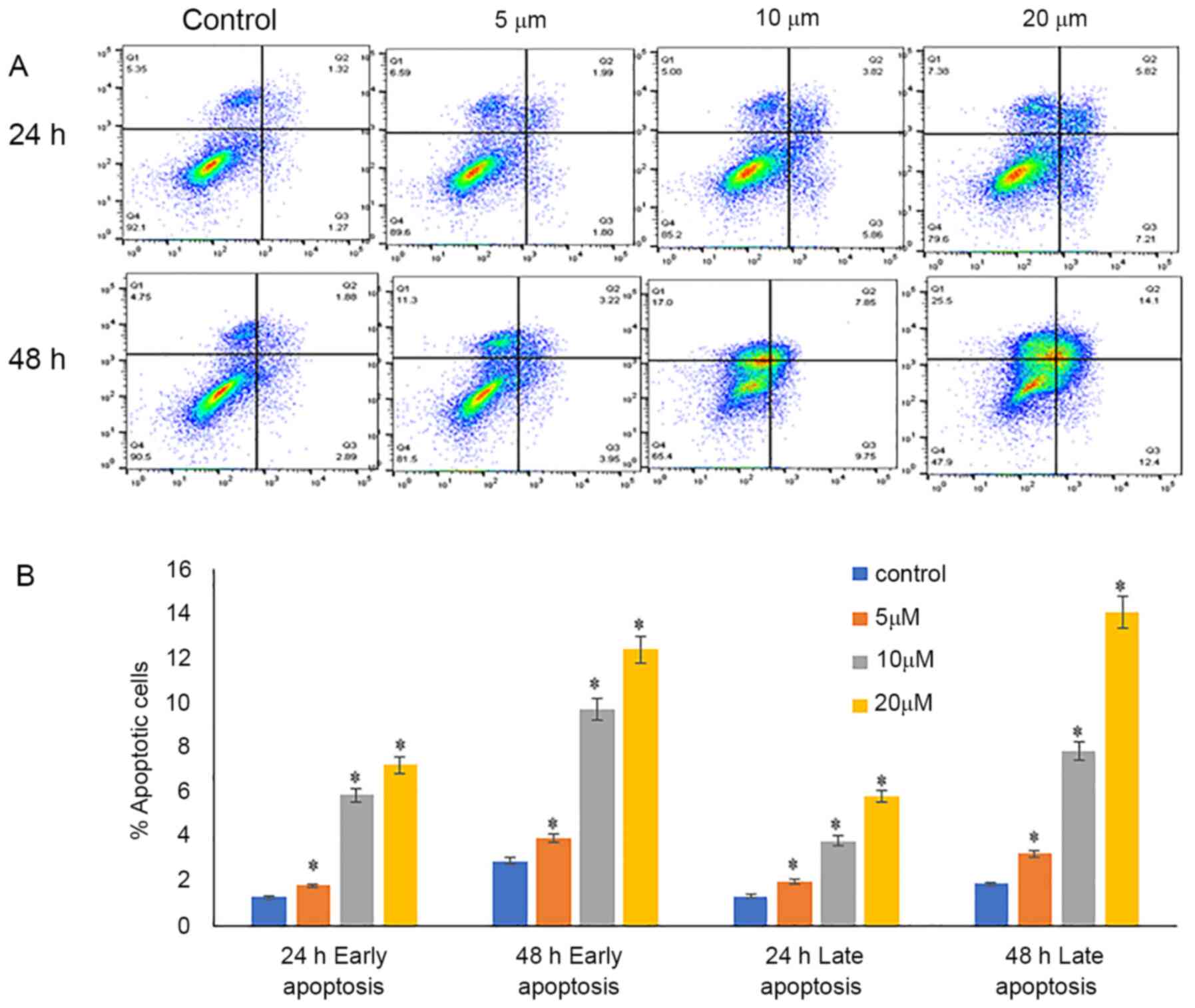
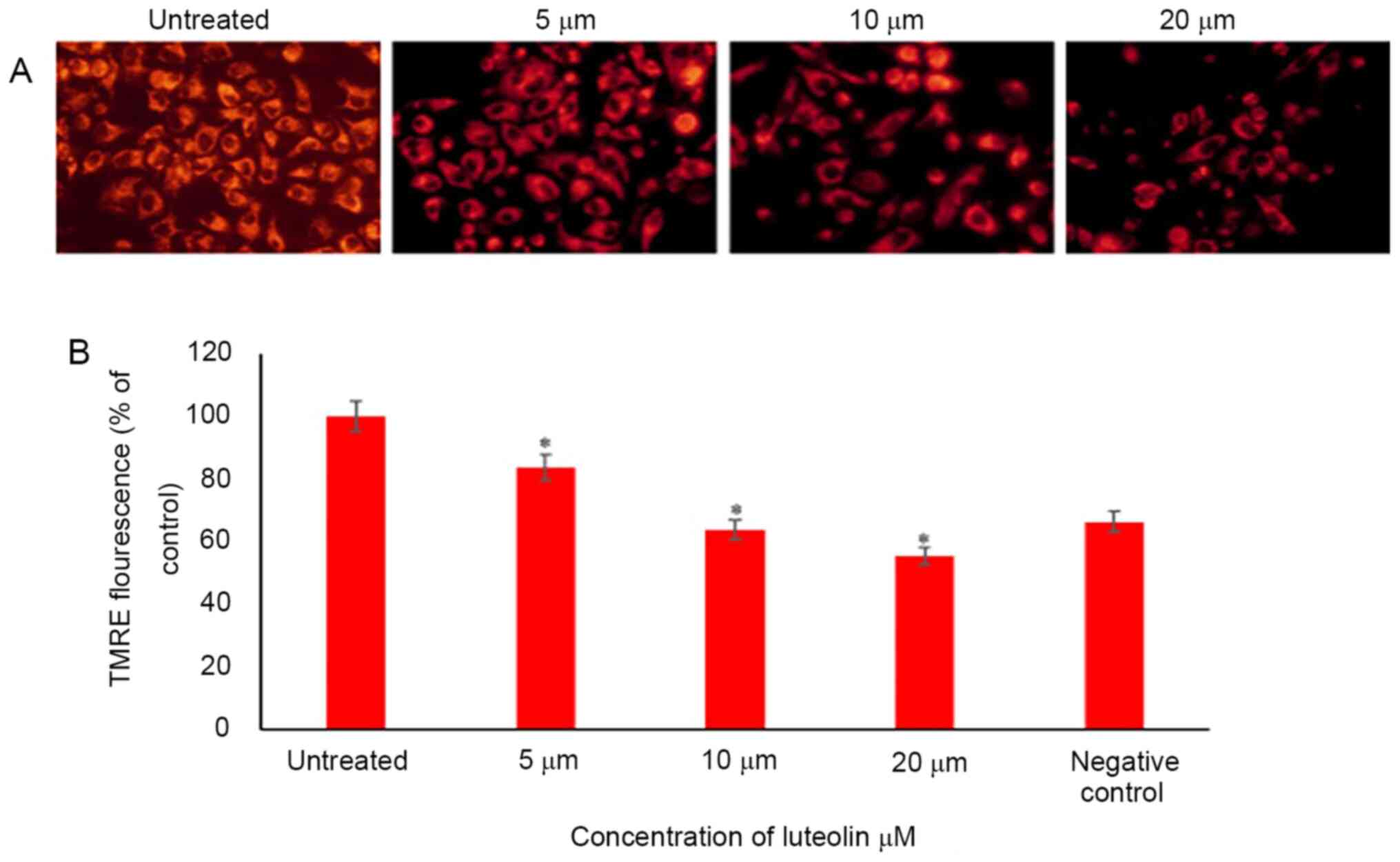
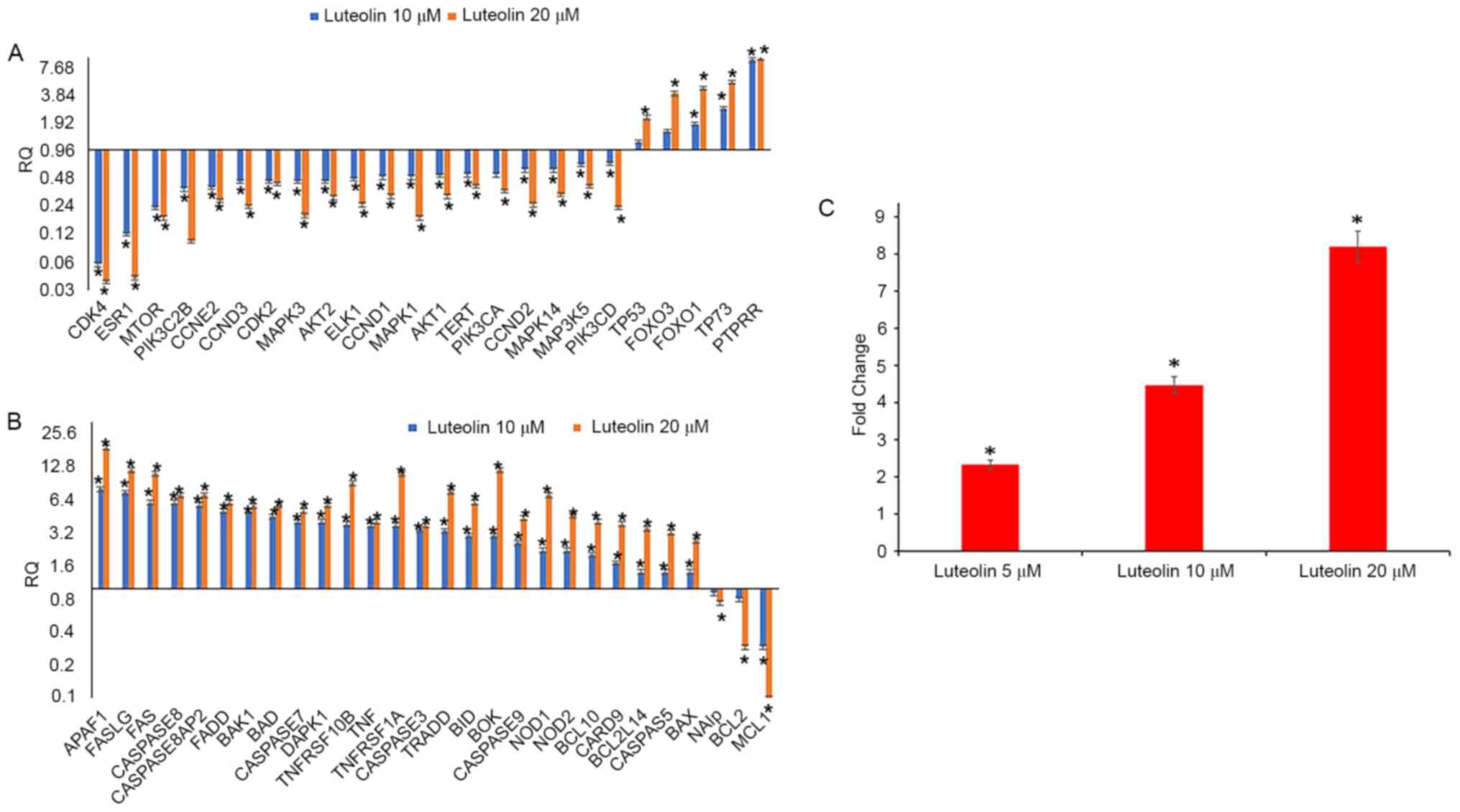
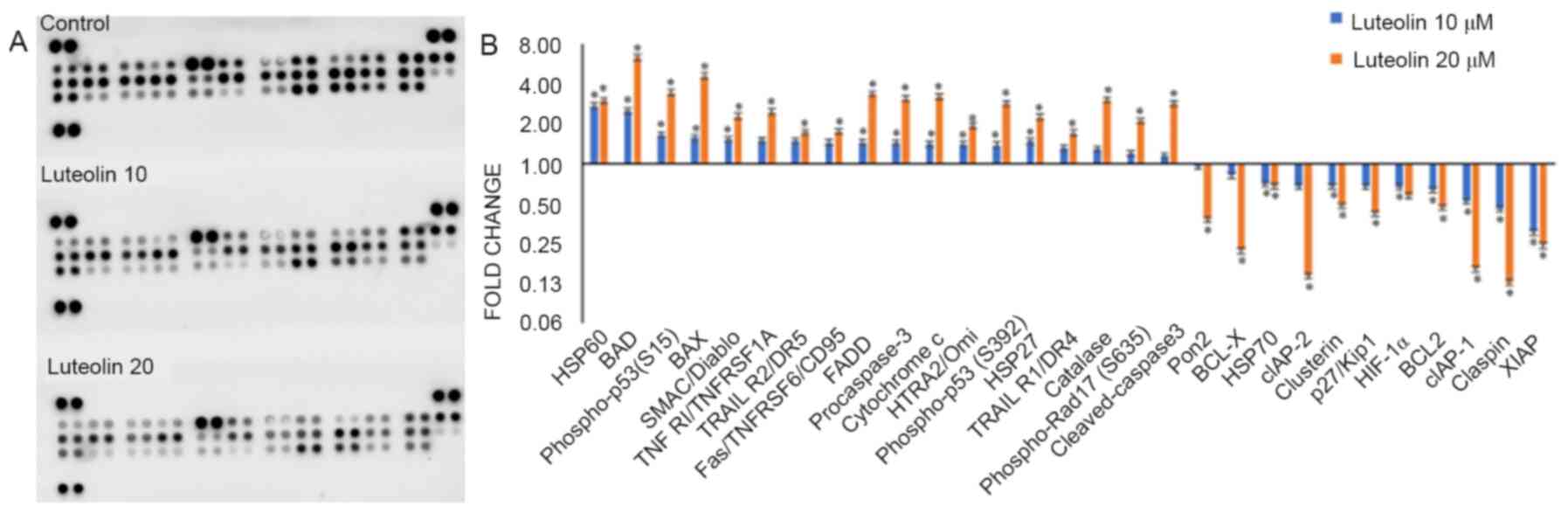
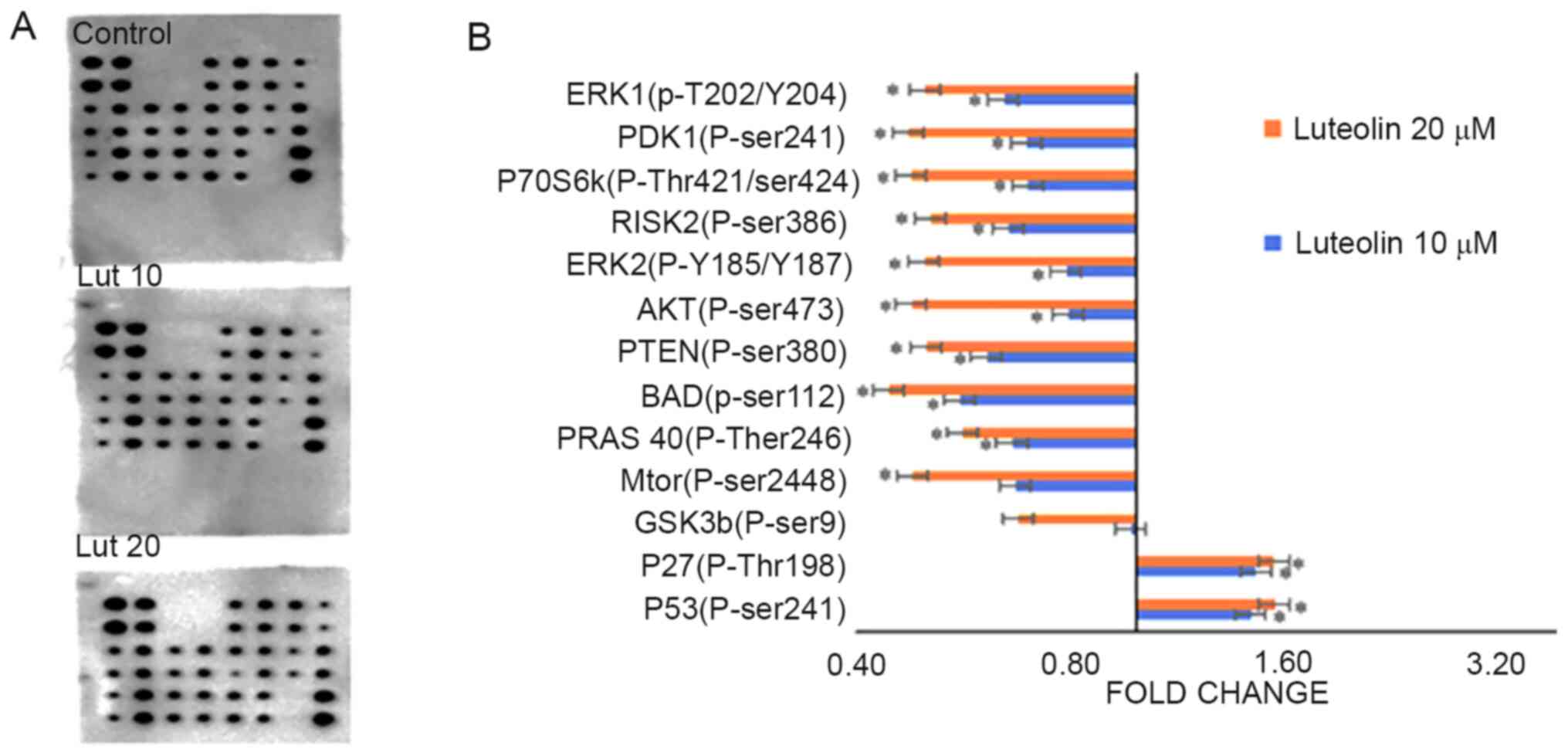
Flavonoids, a subclass of polyphenols, have been shown to be effective against several types of cancer, by decreasing proliferation and inducing apoptosis. Therefore, the aim of the present study was to assess the anti‑carcinogenic potential of luteolin on HeLa human cervical cancer cells, through the use of a cell viability assay, DNA fragmentation assay, mitochondrial membrane potential assay, cell cycle analysis using Annexin/PI staining and flow cytometry, gene expression analysis and a protein profiling array. Luteolin treatment exhibited cytotoxicity towards HeLa cells in a dose‑ and time‑dependent manner, and its anti‑proliferative properties were confirmed by accumulation of luteolin‑treated cells in sub‑G1 phases. Cytotoxicity induced by luteolin treatment resulted in apoptosis, which was mediated through depolarization of the mitochondrial membrane potential and DNA fragmentation. Furthermore, luteolin treatment increased the expression of various proapoptotic genes, including APAF1, BAX, BAD, BID, BOK, BAK1, TRADD, FADD, FAS, and Caspases 3 and 9, whereas the expression of anti‑apoptotic genes, including NAIP, MCL‑1 and BCL‑2, was decreased. Cell cycle regulatory genes, including CCND1, 2 and 3, CCNE2, CDKN1A, CDKN2B, CDK4 and CDK2, were decreased following treatment. Expression of TRAILR2/DR5, TRAILR1/DR4, Fas/TNFRSF6/CD95 and TNFR1/TNFRSF1A, as well as pro‑apoptotic proteins, including BAD, BAX and Cytochrome C were consistently increased, and the expression of antiapoptotic proteins, HIF1α, BCL‑X, MCL1 and BCL2, were found to be decreased following treatment. Expression of AKT1 and 2, ELK1, PIK3C2A, PIK3C2B, MAPK14, MAP3K5, MAPK3 and MAPK1 was significantly decreased at the transcriptional level. Expression of GSK3b (p‑ser9), PRAS 40 (p‑Ther246), BAD (p‑ser112), PTEN (p‑ser380), AKT (p‑ser473), ERK2 (p‑Y185/Y187), RISK2 (p‑ser386), P70S6k (p‑Thr421/ser424), PDK1(p‑ser241), ERK1 (p‑T202/Y204) and MTOR (p‑ser2448) was downregulated and expression of P53 (p‑ser241) and P27(p‑Thr198) was upregulated by luteolin in a dose‑dependent manner, indicating its anti‑proliferative and apoptosis enabling properties, and this may have been mediated via inhibition of the AKT and the MAPK pathways.
View Figures

Figure 1

Figure 2

Figure 3

Figure 4

Figure 5

Figure 6

Figure 7

View References

1 

Tripathi KD: Essentials of medical pharmacology. (7th edition). J.P. Medical Ltd. 2013.

2 

Masui K, Gini B, Wykosky J, Zanca C, Mischel PS, Furnari FB and Cavenee WK: A tale of two approaches: Complementary mechanisms of cytotoxic and targeted therapy resistance may inform next-generation cancer treatments. Carcinogenesis. 34:725–738. 2013. View Article : Google Scholar : PubMed/NCBI

3 

Patterson SL, Colbert Maresso K and Hawk E: Cancer chemoprevention: Successes and failures. Clin Chem. 59:94–101. 2013. View Article : Google Scholar : PubMed/NCBI

4 

Dedeurwaerder S, Defrance M, Calonne E, Denis H, Sotiriou C and Fuks F: Evaluation of the infinium methylation 450 K technology. Epigenomics. 3:771–784. 2011. View Article : Google Scholar : PubMed/NCBI

5 

Theodoratou E, Timofeeva M, Li X, Meng X and Ioannidis JPA: Nature, nurture, and cancer risks: Genetic and nutritional contributions to cancer. Annu Rev Nutr. 37:293–320. 2017. View Article : Google Scholar : PubMed/NCBI

6 

Sauter ER: Breast cancer prevention: Current approaches and future directions. Eur J Breast Health. 14:64–71. 2018.PubMed/NCBI

7 

de Melo FHM, Oliveira JS, Sartorelli VOB and Montor WR: Cancer chemoprevention: Classic and epigenetic mechanisms inhibiting tumorigenesis. What have we learned so far? Front Oncol. 8:6442018.PubMed/NCBI

8 

Ko JH, Sethi G, Um JY, Shanmugam MK, Arfuso F, Kumar AP, Bishayee A and Ahn KS: The role of resveratrol in cancer therapy. Int J Mol Sci. 18:25892017. View Article : Google Scholar

9 

Sur S and Panda CK: Molecular aspects of cancer chemopreventive and therapeutic efficacies of tea and tea polyphenols. Nutrition. 43-44:8–15. 2017. View Article : Google Scholar : PubMed/NCBI

10 

Wu S, Zhu W, Thompson P and Hannun YA: Evaluating intrinsic and non-intrinsic cancer risk factors. Nat Commun. 9:34902018. View Article : Google Scholar : PubMed/NCBI

11 

Willett WC: Diet, nutrition, and avoidable cancer. Environ Health Perspect. 103 Suppl:8 (Suppl 8):S165–S170. 1995. View Article : Google Scholar

12 

Hussain A and Raina R: Flavones combat cancer via multidimensional molecular approaches. Phytocompounds: Sources and Bioactivities. Studium Press; 2019

13 

Costea T, Hudiță A, Ciolac OA, Gălățeanu B, Ginghină O, Costache M, Ganea C and Mocanu MM: Chemoprevention of colorectal cancer by dietary compounds. Int J Mol Sci. 19:37872018. View Article : Google Scholar

14 

Koosha S, Alshawsh MA, Looi CY, Seyedan A and Mohamed Z: An association map on the effect of flavonoids on the signaling pathways in colorectal cancer. Int J Med Sci. 13:374–385. 2016. View Article : Google Scholar : PubMed/NCBI

15 

Maru GB, Hudlikar RR, Kumar G, Gandhi K and Mahimkar MB: Understanding the molecular mechanisms of cancer prevention by dietary phytochemicals: From experimental models to clinical trials. World J Biol Chem. 7:88–99. 2016. View Article : Google Scholar : PubMed/NCBI

16 

Attoub S, Hassan AH, Vanhoecke B, Iratni R, Takahashi T, Gaben AM, Bracke M, Awad S, John A, Kamalboor HA, et al: Inhibition of cell survival, invasion, tumor growth and histone deacetylase activity by the dietary flavonoid luteolin in human epithelioid cancer cells. Eur J Pharmacol. 651:18–25. 2011. View Article : Google Scholar : PubMed/NCBI

17 

Ham S, Kim KH, Kwon TH, Bak Y, Lee DH, Song YS, Park SH, Park YS, Kim MS, Kang JW, et al: Luteolin induces intrinsic apoptosis via inhibition of E6/E7 oncogenes and activation of extrinsic and intrinsic signaling pathways in HPV-18-associated cells. Oncol Rep. 31:2683–2691. 2014. View Article : Google Scholar : PubMed/NCBI

18 

Meng G, Chai K, Li X, Zhu Y and Huang W: Luteolin exerts pro-apoptotic effect and anti-migration effects on A549 lung adenocarcinoma cells through the activation of MEK/ERK signaling pathway. Chem Biol Interact. 257:26–34. 2016. View Article : Google Scholar : PubMed/NCBI

19 

Abotaleb M, Samuel SM, Varghese E, Varghese S, Kubatka P, Liskova A and Büsselberg D: Flavonoids in cancer and apoptosis. Cancers (Basel). 11:282019. View Article : Google Scholar

20 

Kedhari Sundaram M, Raina R, Afroze N, Bajbouj K, Hamad M, Haque S and Hussain A: Quercetin modulates signaling pathways and induces apoptosis in cervical cancer cells. Biosci Rep. 39:BSR201907202019. View Article : Google Scholar : PubMed/NCBI

21 

Badgujar NV, Mistry KN, Rank DN and Joshi CG: Screening of antiproliferative activity mediated through apoptosis pathway in human non-small lung cancer A-549 cells by active compounds present in medicinal plants. Asian Pac J Trop Med. 11:666–675. 2018. View Article : Google Scholar

22 

Tuorkey MJ: Molecular targets of luteolin in cancer. Eur J Cancer Prev. 25:65–76. 2016. View Article : Google Scholar : PubMed/NCBI

23 

Wang SW, Chen YR, Chow JM, Chien MH, Yang SF, Wen YC, Lee WJ and Tseng TH: Stimulation of Fas/FasL-mediated apoptosis by luteolin through enhancement of histone H3 acetylation and c-Jun activation in HL-60 leukemia cells. Mol Carcinog. 57:866–877. 2018. View Article : Google Scholar : PubMed/NCBI

24 

Chen P, Zhang JY, Sha BB, Ma YE, Hu T, Ma YC, Sun H, Shi JX, Dong ZM and Li P: Luteolin inhibits cell proliferation and induces cell apoptosis via down-regulation of mitochondrial membrane potential in esophageal carcinoma cells EC1 and KYSE450. Oncotarget. 8:27471–27480. 2017. View Article : Google Scholar : PubMed/NCBI

25 

Park SH, Ham S, Kwon TH, Kim MS, Lee DH, Kang JW, Oh SR and Yoon DY: Luteolin induces cell cycle arrest and apoptosis through extrinsic and intrinsic signaling pathways in MCF-7 breast cancer cells. J Environ Pathol Toxicol Oncol. 33:219–231. 2014. View Article : Google Scholar : PubMed/NCBI

26 

Mary V, Haris P, Varghese MK, Aparna P and Sudarsanakumar C: Experimental probing and molecular dynamics simulation of the molecular recognition of DNA duplexes by the flavonoid luteolin. J Chem Inf Model. 57:2237–2249. 2017. View Article : Google Scholar : PubMed/NCBI

27 

Imran M, Rauf A, Abu-Izneid T, Nadeem M, Shariati MA, Khan IA, Imran A, Orhan IE, Rizwan M, Atif M, et al: Luteolin, a flavonoid, as an anticancer agent: A review. Biomed Pharmacother. 112:1086122019. View Article : Google Scholar : PubMed/NCBI

28 

Aggarwal R, Jha M, Shrivastava A and Jha AK: Natural compounds: Role in reversal of epigenetic changes. Biochemistry (Mosc). 80:972–989. 2015. View Article : Google Scholar : PubMed/NCBI

29 

Zhou Y, Zheng J, Li Y, Xu DP, Li S, Chen YM and Li HB: Natural polyphenols for prevention and treatment of cancer. Nutrients. 8:5152016. View Article : Google Scholar

30 

Ruan J, Zhang L, Yan L, Liu Y, Yue Z, Chen L, Wang AY, Chen W, Zheng S, Wang S and Lu Y: Inhibition of hypoxia-induced epithelial mesenchymal transition by luteolin in non-small cell lung cancer cells. Mol Med Rep. 6:232–238. 2012.PubMed/NCBI

31 

Sundaram MK, Unni S, Somvanshi P, Bhardwaj T, Mandal RK, Hussain A and Haque S: Genistein modulates signaling pathways and targets several epigenetic markers in HeLa cells. Genes (Basel). 10:9552019. View Article : Google Scholar

32 

Masters JR: HeLa cells 50 years on: The good, the bad and the ugly. Nat Rev Cancer. 2:315–319. 2002. View Article : Google Scholar : PubMed/NCBI

33 

Shariffa K: Apoptosis-journey of a cell in life. Univ J Surg Surg Spec. 4(3)2018.

34 

Li J, Han J, Hu Y and Yang J: Selection of reference genes for quantitative real-time PCR during flower development in tree peony (Paeonia suffruticosa Andr.). Front Plant Sci. 7:5162016.PubMed/NCBI

35 

Islam S, Islam N, Kermode T, Johnstone B, Mukhtar H, Moskowitz RW, Goldberg VM, Malemud CJ and Haqqi TM: Involvement of caspase-3 in epigallocatechin-3-gallate-mediated apoptosis of human chondrosarcoma cells. Biochem Biophys Res Commun. 270:793–797. 2000. View Article : Google Scholar : PubMed/NCBI

36 

Lennarz WJ and Lane MD: Encyclopedia of biological chemistry. 2nd edition. Academic Press; 2013, PubMed/NCBI

37 

Gul-e-Saba, Islamiah M, Ismail N, Mohamad H, Sung YY and Muhammad TST: Induction of apoptosis by Aaptos sp., fractions in human breast cancer cell line, MCF-7. Int J Res Pharm Sci. 9(2)2018.

38 

Lee DH, Park KI, Park HS, Kang SR, Nagappan A, Kim JA, Kim EH, Lee WS, Hah YS, Chung H, et al: Flavonoids isolated from Korea Citrus aurantium L. induce G2/M phase arrest and apoptosis in human gastric cancer AGS cells. Evid Based Complement Alternat Med. 2012:5159012012.PubMed/NCBI

39 

Abdal Dayem A, Choi HY, Yang GM, Kim K, Saha SK and Cho SG: The anti-cancer effect of polyphenols against breast cancer and cancer stem cells: Molecular mechanisms. Nutrients. 8:5812016. View Article : Google Scholar

40 

Mocanu MM, Nagy P and Szöllősi J: Chemoprevention of breast cancer by dietary polyphenols. Molecules. 20:22578–22620. 2015. View Article : Google Scholar : PubMed/NCBI

41 

Khan MA, Hussain A, Sundaram MK, Alalami U, Gunasekera D, Ramesh L, Hamza A and Quraishi U: (−)-Epigallocatechin-3-gallate reverses the expression of various tumor-suppressor genes by inhibiting DNA methyltransferases and histone deacetylases in human cervical cancer cells. Oncol Rep. 33:1976–1984. 2015. View Article : Google Scholar : PubMed/NCBI

42 

Hussain A, Mohsin J, Prabhu SA, Begum S, Nusri Qel-A, Harish G, Javed E, Khan MA and Sharma C: Sulforaphane inhibits growth of human breast cancer cells and augments the therapeutic index of the chemotherapeutic Drug, gemcitabine. Asian Pac J Cancer Prev. 14:5855–5860. 2013. View Article : Google Scholar : PubMed/NCBI

43 

Xue C, Chen Y, Hu DN, Iacob C, Lu C and Huang Z: Chrysin induces cell apoptosis in human uveal melanoma cells via intrinsic apoptosis. Oncol Lett. 12:4813–4820. 2016. View Article : Google Scholar : PubMed/NCBI

44 

Cao Z, Zhang H, Cai X, Fang W, Chai D, Wen Y, Chen H, Chu F and Zhang Y: Luteolin promotes cell apoptosis by inducing autophagy in hepatocellular carcinoma. Cell Physiol Biochem. 43:1803–1812. 2017. View Article : Google Scholar : PubMed/NCBI

45 

Hu C, Cai X, Hu T, Lu W and Cao P: Mechanism of growth inhibition effect of 3′, 4′, 5, 7-tetrahydroxyflavone on A549 cells. Zhongguo Zhong Yao Za Zhi. 37:1259–1264. 2012.(In Chinese). PubMed/NCBI

46 

Aneknan P, Kukongviriyapan V, Prawan A, Kongpetch S, Sripa B and Senggunprai L: Luteolin arrests cell cycling, induces apoptosis and inhibits the JAK/STAT3 pathway in human cholangiocarcinoma cells. Asian Pac J Cancer Prev. 15:5071–5076. 2014. View Article : Google Scholar : PubMed/NCBI

47 

George VC, Naveen Kumar DR, Suresh PK, Kumar S and Kumar RA: Comparative studies to evaluate relative in vitro potency of luteolin in inducing cell cycle arrest and apoptosis in HaCaT and A375 cells. Asian Pac J Cancer Prev. 14:631–637. 2013. View Article : Google Scholar : PubMed/NCBI

48 

You Y, Wang R, Shao N, Zhi F and Yang Y: Luteolin suppresses tumor proliferation through inducing apoptosis and autophagy via MAPK activation in glioma. Onco Targets Ther. 12:23832019. View Article : Google Scholar : PubMed/NCBI

49 

Lu X, Li Y, Li X and Aisa HA: Luteolin induces apoptosis in vitro through suppressing the MAPK and PI3K signaling pathways in gastric cancer. Oncol Lett. 14:1993–2000. 2017. View Article : Google Scholar : PubMed/NCBI

50 

Samarghandian S, Nezhad MA and Mohammadi G: Role of caspases, Bax and Bcl-2 in chrysin-induced apoptosis in the A549 human lung adenocarcinoma epithelial cells. Anticancer Agents Med Chem. 14:901–909. 2014. View Article : Google Scholar : PubMed/NCBI

51 

Tu LY, Bai HH, Cai JY and Deng SP: The mechanism of kaempferol induced apoptosis and inhibited proliferation in human cervical cancer SiHa cell: From macro to nano. Scanning. 38:644–653. 2016. View Article : Google Scholar : PubMed/NCBI

52 

Ren X, Zhang Z, Tian J, Wang H, Song G, Guo Q, Tian J, Han Y, Liao Q, Liu G, et al: The downregulation of c-Myc and its target gene hTERT is associated with the antiproliferative effects of baicalin on HL-60 cells. Oncol Lett. 14:6833–6840. 2017.PubMed/NCBI

53 

Huang L, Jin K and Lan H: Luteolin inhibits cell cycle progression and induces apoptosis of breast cancer cells through downregulation of human telomerase reverse transcriptase. Oncol Lett. 17:3842–3850. 2019.PubMed/NCBI

54 

Song KH, Woo SR, Chung JY, Lee HJ, Oh SJ, Hong SO, Shim J, Kim YN, Rho SB, Hong SM, et al: REP1 inhibits FOXO3-mediated apoptosis to promote cancer cell survival. Cell Death Dis. 8:e25362018. View Article : Google Scholar

55 

Zhang B, Gui LS, Zhao XL, Zhu LL and Li QW: FOXO1 is a tumor suppressor in cervical cancer. Genet Mol Res. 14:6605–6616. 2015. View Article : Google Scholar : PubMed/NCBI

56 

Zhang Y, Chen S, Wei C, Rankin GO, Ye X and Chen YC: Flavonoids from Chinese bayberry leaves induced apoptosis and G1 cell cycle arrest via Erk pathway in ovarian cancer cells. Eur J Med Chem. 147:218–226. 2018. View Article : Google Scholar : PubMed/NCBI

57 

Srivastava S, Somasagara RR, Hegde M, Nishana M, Tadi SK, Srivastava M, Choudhary B and Raghavan SC: Quercetin, a natural flavonoid interacts with DNA, arrests cell cycle and causes tumor regression by activating mitochondrial pathway of apoptosis. Sci Rep. 6:240492016. View Article : Google Scholar : PubMed/NCBI

58 

Fang X, Yu S, Eder A, Mao M, Bast RC Jr, Boyd D and Mills GB: Regulation of BAD phosphorylation at serine 112 by the Ras-mitogen-activated protein kinase pathway. Oncogene. 18:6635–6640. 1999. View Article : Google Scholar : PubMed/NCBI

59 

Khoo BY, Chua SL and Balaram P: Apoptotic effects of chrysin in human cancer cell lines. Int J Mol Sci. 11:2188–2199. 2010. View Article : Google Scholar : PubMed/NCBI

60 

Cardoso MFS, Castelletti CHM, Lima-Filho JL, Martins DBG and Teixeira JAC: Putative biomarkers for cervical cancer: SNVs, methylation and expression profiles. Mutat Res. 773:161–173. 2017. View Article : Google Scholar : PubMed/NCBI

61 

Okkenhaug K, Bilancio A, Farjot G, Priddle H, Sancho S, Peskett E, Pearce W, Meek SE, Salpekar A, Waterfield MD, et al: Impaired B and T cell antigen receptor signaling in p110delta PI 3-kinase mutant mice. Science. 297:1031–1034. 2002.PubMed/NCBI

62 

Wang S, Zhang J, Chen M and Wang Y: Delivering flavonoids into solid tumors using nanotechnologies. Expert Opin Drug Deliv. 10:1411–1428. 2013. View Article : Google Scholar : PubMed/NCBI

63 

Yuan ZP, Chen LJ, Fan LY, Tang MH, Yang GL, Yang HS, Du XB, Wang GQ, Yao WX, Zhao QM, et al: Liposomal quercetin efficiently suppresses growth of solid tumors in murine models. Clin Cancer Res. 12:3193–3199. 2006. View Article : Google Scholar : PubMed/NCBI

Related Articles

  • Abstract
  • View
  • Download
  • Twitter
Copy and paste a formatted citation
Spandidos Publications style
Raina R, Pramodh S, Rais N, Haque S, Shafarin J, Bajbouj K, Hamad M and Hussain A: Luteolin inhibits proliferation, triggers apoptosis and modulates Akt/mTOR and MAP kinase pathways in HeLa cells. Oncol Lett 21: 192, 2021.
APA
Raina, R., Pramodh, S., Rais, N., Haque, S., Shafarin, J., Bajbouj, K. ... Hussain, A. (2021). Luteolin inhibits proliferation, triggers apoptosis and modulates Akt/mTOR and MAP kinase pathways in HeLa cells. Oncology Letters, 21, 192. https://doi.org/10.3892/ol.2021.12452
MLA
Raina, R., Pramodh, S., Rais, N., Haque, S., Shafarin, J., Bajbouj, K., Hamad, M., Hussain, A."Luteolin inhibits proliferation, triggers apoptosis and modulates Akt/mTOR and MAP kinase pathways in HeLa cells". Oncology Letters 21.3 (2021): 192.
Chicago
Raina, R., Pramodh, S., Rais, N., Haque, S., Shafarin, J., Bajbouj, K., Hamad, M., Hussain, A."Luteolin inhibits proliferation, triggers apoptosis and modulates Akt/mTOR and MAP kinase pathways in HeLa cells". Oncology Letters 21, no. 3 (2021): 192. https://doi.org/10.3892/ol.2021.12452
Copy and paste a formatted citation
x
Spandidos Publications style
Raina R, Pramodh S, Rais N, Haque S, Shafarin J, Bajbouj K, Hamad M and Hussain A: Luteolin inhibits proliferation, triggers apoptosis and modulates Akt/mTOR and MAP kinase pathways in HeLa cells. Oncol Lett 21: 192, 2021.
APA
Raina, R., Pramodh, S., Rais, N., Haque, S., Shafarin, J., Bajbouj, K. ... Hussain, A. (2021). Luteolin inhibits proliferation, triggers apoptosis and modulates Akt/mTOR and MAP kinase pathways in HeLa cells. Oncology Letters, 21, 192. https://doi.org/10.3892/ol.2021.12452
MLA
Raina, R., Pramodh, S., Rais, N., Haque, S., Shafarin, J., Bajbouj, K., Hamad, M., Hussain, A."Luteolin inhibits proliferation, triggers apoptosis and modulates Akt/mTOR and MAP kinase pathways in HeLa cells". Oncology Letters 21.3 (2021): 192.
Chicago
Raina, R., Pramodh, S., Rais, N., Haque, S., Shafarin, J., Bajbouj, K., Hamad, M., Hussain, A."Luteolin inhibits proliferation, triggers apoptosis and modulates Akt/mTOR and MAP kinase pathways in HeLa cells". Oncology Letters 21, no. 3 (2021): 192. https://doi.org/10.3892/ol.2021.12452
Follow us
  • Twitter
  • LinkedIn
  • Facebook
About
  • Spandidos Publications
  • Careers
  • Cookie Policy
  • Privacy Policy
How can we help?
  • Help
  • Live Chat
  • Contact
  • Email to our Support Team