Spandidos Publications Logo
  • About
    • About Spandidos
    • Aims and Scopes
    • Abstracting and Indexing
    • Editorial Policies
    • Reprints and Permissions
    • Job Opportunities
    • Terms and Conditions
    • Contact
  • Journals
    • All Journals
    • Oncology Letters
      • Oncology Letters
      • Information for Authors
      • Editorial Policies
      • Editorial Board
      • Aims and Scope
      • Abstracting and Indexing
      • Bibliographic Information
      • Archive
    • International Journal of Oncology
      • International Journal of Oncology
      • Information for Authors
      • Editorial Policies
      • Editorial Board
      • Aims and Scope
      • Abstracting and Indexing
      • Bibliographic Information
      • Archive
    • Molecular and Clinical Oncology
      • Molecular and Clinical Oncology
      • Information for Authors
      • Editorial Policies
      • Editorial Board
      • Aims and Scope
      • Abstracting and Indexing
      • Bibliographic Information
      • Archive
    • Experimental and Therapeutic Medicine
      • Experimental and Therapeutic Medicine
      • Information for Authors
      • Editorial Policies
      • Editorial Board
      • Aims and Scope
      • Abstracting and Indexing
      • Bibliographic Information
      • Archive
    • International Journal of Molecular Medicine
      • International Journal of Molecular Medicine
      • Information for Authors
      • Editorial Policies
      • Editorial Board
      • Aims and Scope
      • Abstracting and Indexing
      • Bibliographic Information
      • Archive
    • Biomedical Reports
      • Biomedical Reports
      • Information for Authors
      • Editorial Policies
      • Editorial Board
      • Aims and Scope
      • Abstracting and Indexing
      • Bibliographic Information
      • Archive
    • Oncology Reports
      • Oncology Reports
      • Information for Authors
      • Editorial Policies
      • Editorial Board
      • Aims and Scope
      • Abstracting and Indexing
      • Bibliographic Information
      • Archive
    • Molecular Medicine Reports
      • Molecular Medicine Reports
      • Information for Authors
      • Editorial Policies
      • Editorial Board
      • Aims and Scope
      • Abstracting and Indexing
      • Bibliographic Information
      • Archive
    • World Academy of Sciences Journal
      • World Academy of Sciences Journal
      • Information for Authors
      • Editorial Policies
      • Editorial Board
      • Aims and Scope
      • Abstracting and Indexing
      • Bibliographic Information
      • Archive
    • International Journal of Functional Nutrition
      • International Journal of Functional Nutrition
      • Information for Authors
      • Editorial Policies
      • Editorial Board
      • Aims and Scope
      • Abstracting and Indexing
      • Bibliographic Information
      • Archive
    • International Journal of Epigenetics
      • International Journal of Epigenetics
      • Information for Authors
      • Editorial Policies
      • Editorial Board
      • Aims and Scope
      • Abstracting and Indexing
      • Bibliographic Information
      • Archive
    • Medicine International
      • Medicine International
      • Information for Authors
      • Editorial Policies
      • Editorial Board
      • Aims and Scope
      • Abstracting and Indexing
      • Bibliographic Information
      • Archive
  • Articles
  • Information
    • Information for Authors
    • Information for Reviewers
    • Information for Librarians
    • Information for Advertisers
    • Conferences
  • Language Editing
Spandidos Publications Logo
  • About
    • About Spandidos
    • Aims and Scopes
    • Abstracting and Indexing
    • Editorial Policies
    • Reprints and Permissions
    • Job Opportunities
    • Terms and Conditions
    • Contact
  • Journals
    • All Journals
    • Biomedical Reports
      • Information for Authors
      • Editorial Policies
      • Editorial Board
      • Aims and Scope
      • Abstracting and Indexing
      • Bibliographic Information
      • Archive
    • Experimental and Therapeutic Medicine
      • Information for Authors
      • Editorial Policies
      • Editorial Board
      • Aims and Scope
      • Abstracting and Indexing
      • Bibliographic Information
      • Archive
    • International Journal of Epigenetics
      • Information for Authors
      • Editorial Policies
      • Editorial Board
      • Aims and Scope
      • Abstracting and Indexing
      • Bibliographic Information
      • Archive
    • International Journal of Functional Nutrition
      • Information for Authors
      • Editorial Policies
      • Editorial Board
      • Aims and Scope
      • Abstracting and Indexing
      • Bibliographic Information
      • Archive
    • International Journal of Molecular Medicine
      • Information for Authors
      • Editorial Policies
      • Editorial Board
      • Aims and Scope
      • Abstracting and Indexing
      • Bibliographic Information
      • Archive
    • International Journal of Oncology
      • Information for Authors
      • Editorial Policies
      • Editorial Board
      • Aims and Scope
      • Abstracting and Indexing
      • Bibliographic Information
      • Archive
    • Medicine International
      • Information for Authors
      • Editorial Policies
      • Editorial Board
      • Aims and Scope
      • Abstracting and Indexing
      • Bibliographic Information
      • Archive
    • Molecular and Clinical Oncology
      • Information for Authors
      • Editorial Policies
      • Editorial Board
      • Aims and Scope
      • Abstracting and Indexing
      • Bibliographic Information
      • Archive
    • Molecular Medicine Reports
      • Information for Authors
      • Editorial Policies
      • Editorial Board
      • Aims and Scope
      • Abstracting and Indexing
      • Bibliographic Information
      • Archive
    • Oncology Letters
      • Information for Authors
      • Editorial Policies
      • Editorial Board
      • Aims and Scope
      • Abstracting and Indexing
      • Bibliographic Information
      • Archive
    • Oncology Reports
      • Information for Authors
      • Editorial Policies
      • Editorial Board
      • Aims and Scope
      • Abstracting and Indexing
      • Bibliographic Information
      • Archive
    • World Academy of Sciences Journal
      • Information for Authors
      • Editorial Policies
      • Editorial Board
      • Aims and Scope
      • Abstracting and Indexing
      • Bibliographic Information
      • Archive
  • Articles
  • Information
    • For Authors
    • For Reviewers
    • For Librarians
    • For Advertisers
    • Conferences
  • Language Editing
Login Register Submit
  • This site uses cookies
  • You can change your cookie settings at any time by following the instructions in our Cookie Policy. To find out more, you may read our Privacy Policy.

    I agree
Search articles by DOI, keyword, author or affiliation
Search
Advanced Search
presentation
Oncology Reports
Join Editorial Board Propose a Special Issue
Print ISSN: 1021-335X Online ISSN: 1791-2431
Journal Cover
September 2013 Volume 30 Issue 3

Full Size Image

Sign up for eToc alerts
Recommend to Library

Journals

International Journal of Molecular Medicine

International Journal of Molecular Medicine

International Journal of Molecular Medicine is an international journal devoted to molecular mechanisms of human disease.

International Journal of Oncology

International Journal of Oncology

International Journal of Oncology is an international journal devoted to oncology research and cancer treatment.

Molecular Medicine Reports

Molecular Medicine Reports

Covers molecular medicine topics such as pharmacology, pathology, genetics, neuroscience, infectious diseases, molecular cardiology, and molecular surgery.

Oncology Reports

Oncology Reports

Oncology Reports is an international journal devoted to fundamental and applied research in Oncology.

Experimental and Therapeutic Medicine

Experimental and Therapeutic Medicine

Experimental and Therapeutic Medicine is an international journal devoted to laboratory and clinical medicine.

Oncology Letters

Oncology Letters

Oncology Letters is an international journal devoted to Experimental and Clinical Oncology.

Biomedical Reports

Biomedical Reports

Explores a wide range of biological and medical fields, including pharmacology, genetics, microbiology, neuroscience, and molecular cardiology.

Molecular and Clinical Oncology

Molecular and Clinical Oncology

International journal addressing all aspects of oncology research, from tumorigenesis and oncogenes to chemotherapy and metastasis.

World Academy of Sciences Journal

World Academy of Sciences Journal

Multidisciplinary open-access journal spanning biochemistry, genetics, neuroscience, environmental health, and synthetic biology.

International Journal of Functional Nutrition

International Journal of Functional Nutrition

Open-access journal combining biochemistry, pharmacology, immunology, and genetics to advance health through functional nutrition.

International Journal of Epigenetics

International Journal of Epigenetics

Publishes open-access research on using epigenetics to advance understanding and treatment of human disease.

Medicine International

Medicine International

An International Open Access Journal Devoted to General Medicine.

Journal Cover
September 2013 Volume 30 Issue 3

Full Size Image

Sign up for eToc alerts
Recommend to Library

  • Article
  • Citations
    • Cite This Article
    • Download Citation
    • Create Citation Alert
    • Remove Citation Alert
    • Cited By
  • Similar Articles
    • Related Articles (in Spandidos Publications)
    • Similar Articles (Google Scholar)
    • Similar Articles (PubMed)
  • Download PDF
  • Download XML
  • View XML
Article

Identification of molecular candidates and interaction networks via integrative toxicogenomic analysis in a human cell line following low-dose exposure to the carcinogenic metals cadmium and nickel

  • Authors:
    • Jee Young Kwon
    • Jong-Il Weon
    • Preeyaporn Koedrith
    • Kang-Sik Park
    • Im Soon Kim
    • Young Rok Seo
  • View Affiliations / Copyright

    Affiliations: Department of Life Science, Institute of Environmental Medicine for Green Chemistry, Dongguk University, Seoul 100-715, Republic of Korea, Department of Safety Engineering, Institute of Environmental Medicine for Green Chemistry, Dongguk University, Gyeongju, Gyeongbuk 780-714, Republic of Korea, Faculty of Environment and Resource Studies, Mahidol University, Phuttamonthon District, NakhonPathom 73170, Thailand, Department of Physiology, and Biomedical Science Institute, Kyung Hee University School of Medicine, Seoul 130-701, Republic of Korea, Graduate School of Environmental Studies, Kwangwoon University, Seoul 139-701, Republic of Korea
  • Pages: 1185-1194
    |
    Published online on: July 4, 2013
       https://doi.org/10.3892/or.2013.2587
  • Expand metrics +
Metrics: Total Views: 0 (Spandidos Publications: | PMC Statistics: )
Metrics: Total PDF Downloads: 0 (Spandidos Publications: | PMC Statistics: )
Cited By (CrossRef): 0 citations Loading Articles...

This article is mentioned in:


Abstract

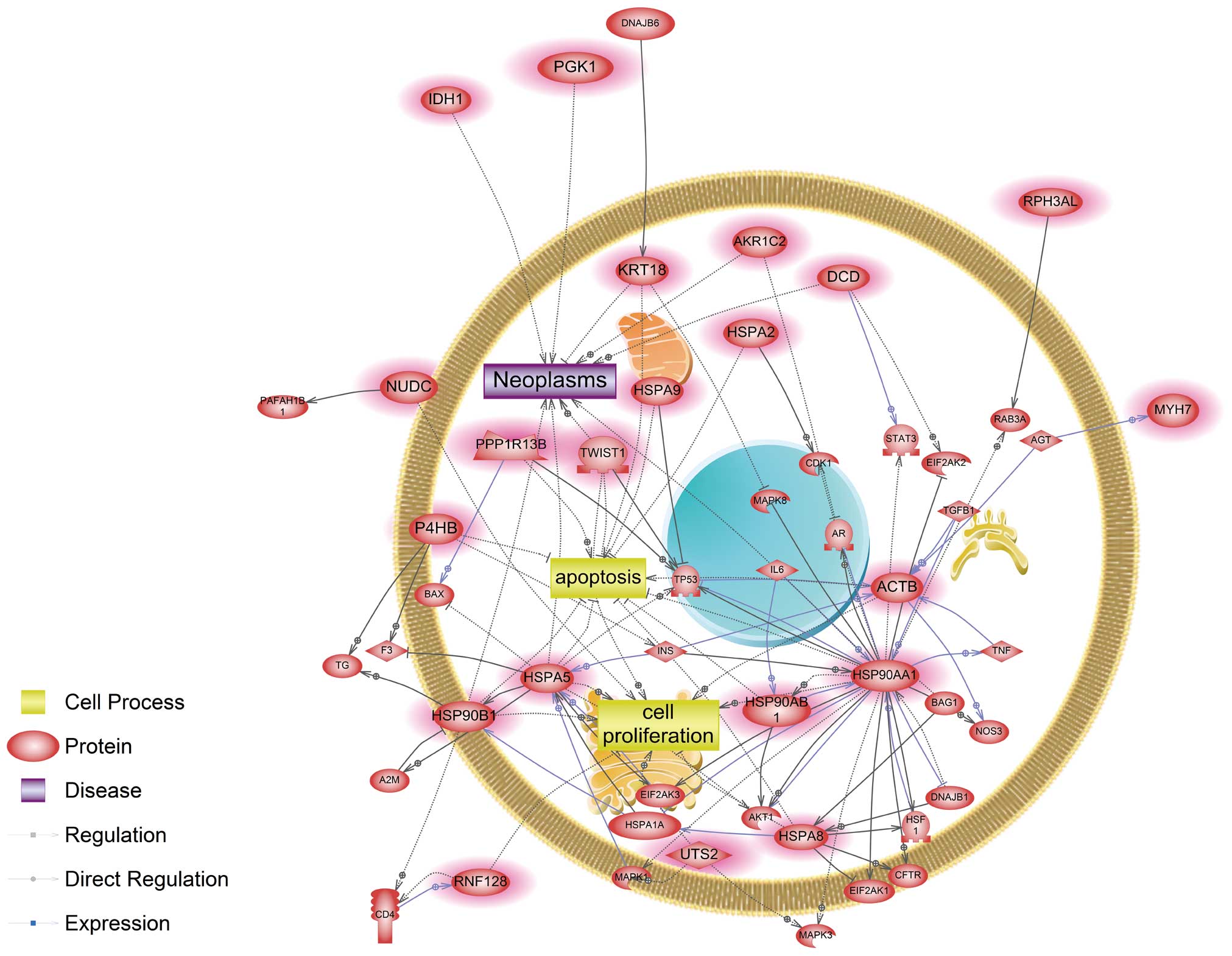
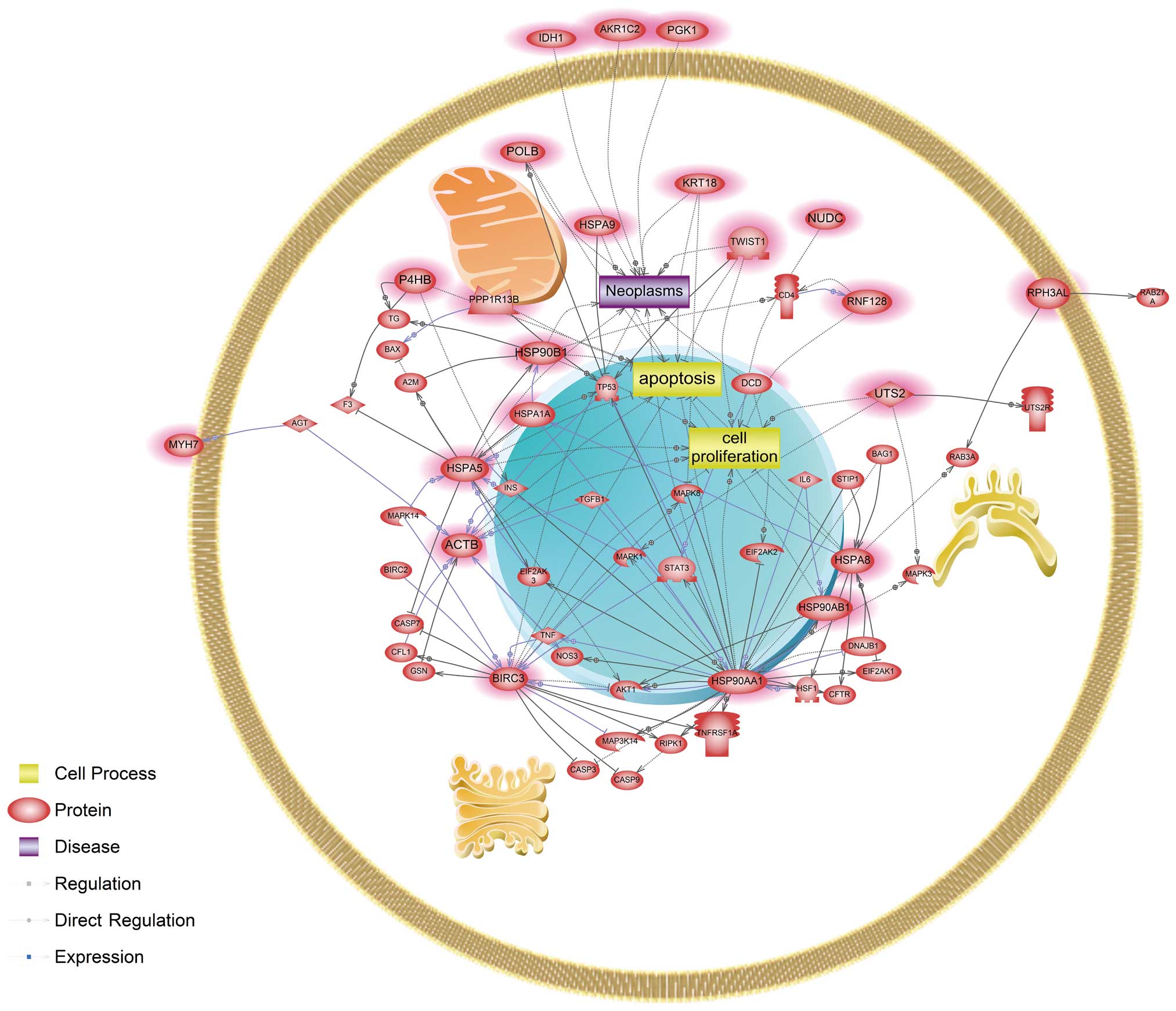
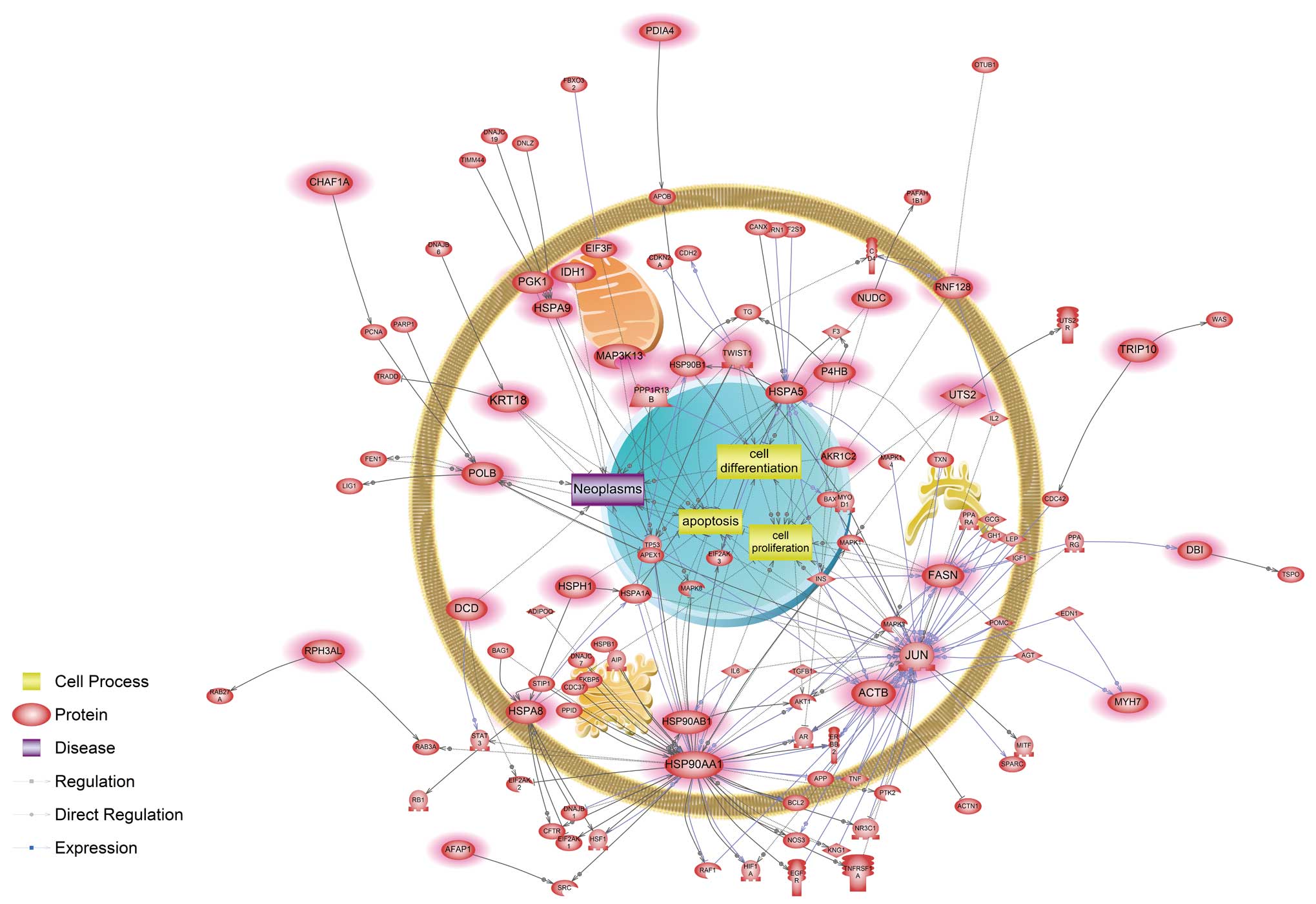
Cadmium and nickel have been classified as carcinogenic to humans by the World Health Organization's International Agency for Research on Cancer. Given their prevalence in the environment, the fact that cadmium and nickel may cause diseases including cancer even at low doses is a cause for concern. However, the exact mechanisms underlying the toxicological effects induced by low-dose exposure to cadmium and nickel remain to be elucidated. Furthermore, it has recently been recognized that integrative analysis of DNA, mRNA and proteins is required to discover biomarkers and signaling networks relevant to human toxicant exposure. In the present study, we examined the deleterious effects of chronic low-dose exposure of either cadmium or nickel on global profiling of DNA copy number variation, mRNA and proteins. Array comparative genomic hybridization, gene expression microarray and functional proteomics were conducted, and a bioinformatics tool, which predicted signaling pathways, was applied to integrate data for each heavy metal separately and together. We found distinctive signaling networks associated with subchronic low-dose exposure to cadmium and nickel, and identified pathways common to both. ACTB, HSP90AA1, HSPA5 and HSPA8, which are key mediators of pathways related to apoptosis, proliferation and neoplastic processes, were key mediators of the same pathways in low-dose nickel and cadmium exposure in particular. CASP-associated signaling pathways involving CASP3, CASP7 and CASP9 were observed in cadmium-exposed cells. We found that HSP90AA1, one of the main modulators, interacted with HIF1A, AR and BCL2 in nickel-exposed cells. Interestingly, we found that HSP90AA1 was involved in the BCL2-associated apoptotic pathway in the nickel-only data, whereas this gene interacted with several genes functioning in CASP-associated apoptotic signaling in the cadmium-only data. Additionally, JUN and FASN were main modulators in nickel-responsive signaling pathways. Our results provide valuable biomarkers and distinctive signaling networks that responded to subchronic low-dose exposure to cadmium and nickel.
View Figures

Figure 1

Figure 2

Figure 3

View References

1 

Andrew AS, Warren AJ, Barchowsky A, et al: Genomic and proteomic profiling of responses to toxic metals in human lung cells. Environ Health Perspect. 111:825–835. 2003.PubMed/NCBI

2 

Arita A and Costa M: Epigenetics in metal carcinogenesis: nickel, arsenic, chromium and cadmium. Metallomics. 1:222–228. 2009. View Article : Google Scholar : PubMed/NCBI

3 

Koedrith P and Seo YR: Advances in carcinogenic metal toxicity and potential molecular markers. Int J Mol Sci. 12:9576–9595. 2011. View Article : Google Scholar : PubMed/NCBI

4 

Fabbri M, Urani C, Sacco MG, Procaccianti C and Gribaldo L: Whole genome analysis and microRNAs regulation in HepG2 cells exposed to cadmium. ALTEX. 29:173–182. 2012. View Article : Google Scholar : PubMed/NCBI

5 

Talio MC, Luconi MO, Masi AN and Fernandez LP: Cadmium monitoring in saliva and urine as indicator of smoking addiction. Sci Total Environ. 408:3125–3132. 2010. View Article : Google Scholar : PubMed/NCBI

6 

Martelli A, Rousselet E, Dycke C, Bouron A and Moulis JM: Cadmium toxicity in animal cells by interference with essential metals. Biochimie. 88:1807–1814. 2006. View Article : Google Scholar : PubMed/NCBI

7 

Bertin G and Averbeck D: Cadmium: cellular effects, modifications of biomolecules, modulation of DNA repair and genotoxic consequences (Review). Biochimie. 88:1549–1559. 2006. View Article : Google Scholar : PubMed/NCBI

8 

Hartwig A: Mechanisms in cadmium-induced carcinogenicity: recent insights. Biometals. 23:951–960. 2010. View Article : Google Scholar : PubMed/NCBI

9 

Waalkes MP: Cadmium carcinogenesis. Mutat Res. 533:107–120. 2003. View Article : Google Scholar : PubMed/NCBI

10 

Karin M, Haslinger A, Holtgreve H, et al: Characterization of DNA sequences through which cadmium and glucocorticoid hormones induce human metallothionein-IIA gene. Nature. 308:513–519. 1984. View Article : Google Scholar : PubMed/NCBI

11 

Schmidt CJ, Jubier MF and Hamer DH: Structure and expression of two human metallothionein-I isoform genes and a related pseudogene. J Biol Chem. 260:7731–7737. 1985.PubMed/NCBI

12 

Williams GT and Morimoto RI: Maximal stress-induced transcription from the human HSP70 promoter requires interactions with the basal promoter elements independent of rotational alignment. Mol Cell Biol. 10:3125–3136. 1990.

13 

Hiranuma K, Hirata K, Abe T, et al: Induction of mitochondrial chaperonin, hsp60, by cadmium in human hepatoma cells. Biochem Biophys Res Commun. 194:531–536. 1993. View Article : Google Scholar : PubMed/NCBI

14 

Takeda K, Ishizawa S, Sato M, Yoshida T and Shibahara S: Identification of a cis-acting element that is responsible for cadmium-mediated induction of the human heme oxygenase gene. J Biol Chem. 269:22858–22867. 1994.PubMed/NCBI

15 

Jin P and Ringertz NR: Cadmium induces transcription of proto-oncogenes c-jun and c-myc in rat L6 myoblasts. J Biol Chem. 265:14061–14064. 1990.PubMed/NCBI

16 

Epner DE and Herschman HR: Heavy metals induce expression of the TPA-inducible sequence (TIS) genes. J Cell Physiol. 148:68–74. 1991. View Article : Google Scholar : PubMed/NCBI

17 

Garcia-Morales P, Saceda M, Kenney N, et al: Effect of cadmium on estrogen receptor levels and estrogen-induced responses in human breast cancer cells. J Biol Chem. 269:16896–16901. 1994.PubMed/NCBI

18 

Salnikow K and Zhitkovich A: Genetic and epigenetic mechanisms in metal carcinogenesis and cocarcinogenesis: nickel, arsenic, and chromium. Chem Res Toxicol. 21:28–44. 2008. View Article : Google Scholar : PubMed/NCBI

19 

Doll R, Morgan LG and Speizer FE: Cancers of the lung and nasal sinuses in nickel workers. Br J Cancer. 24:623–632. 1970. View Article : Google Scholar : PubMed/NCBI

20 

Kerckaert GA, LeBoeuf RA and Isfort RJ: Use of the Syrian hamster embryo cell transformation assay for determining the carcinogenic potential of heavy metal compounds. Fundam Appl Toxicol. 34:67–72. 1996. View Article : Google Scholar : PubMed/NCBI

21 

Kuper CF, Woutersen RA, Slootweg PJ and Feron VJ: Carcinogenic response of the nasal cavity to inhaled chemical mixtures. Mutat Res. 380:19–26. 1997. View Article : Google Scholar : PubMed/NCBI

22 

Miller AC, Mog S, McKinney L, et al: Neoplastic transformation of human osteoblast cells to the tumorigenic phenotype by heavy metal-tungsten alloy particles: induction of genotoxic effects. Carcinogenesis. 22:115–125. 2001. View Article : Google Scholar

23 

Fletcher GG, Rossetto FE, Turnbull JD and Nieboer E: Toxicity, uptake, and mutagenicity of particulate and soluble nickel compounds. Environ Health Perspect. 102(Suppl 3): 69–79. 1994. View Article : Google Scholar : PubMed/NCBI

24 

Kargacin B, Klein CB and Costa M: Mutagenic responses of nickel oxides and nickel sulfides in Chinese hamster V79 cell lines at the xanthine-guanine phosphoribosyl transferase locus. Mutat Res. 300:63–72. 1993. View Article : Google Scholar

25 

Liao CM, Shen HH, Chen CL, et al: Risk assessment of arsenic-induced internal cancer at long-term low dose exposure. J Hazard Mater. 165:652–663. 2009. View Article : Google Scholar : PubMed/NCBI

26 

Satarug S and Moore MR: Adverse health effects of chronic exposure to low-level cadmium in foodstuffs and cigarette smoke. Environ Health Perspect. 112:1099–1103. 2004. View Article : Google Scholar : PubMed/NCBI

27 

Park JYS and Seo YR: The protective role of Nrf2 in cadmium-induced DNA damage. Mol Cell Tox. 7:61–66. 2011. View Article : Google Scholar

28 

Kim HL and Seo YR: Synergistic genotoxic effect between gene and environmental pollutant: oxidative DNA damage induced by thioredoxin reductase 1 silencing under nickel treatment. Mol Cell Tox. 7:251–257. 2011. View Article : Google Scholar

29 

Pollack JR, Sørlie T, Perou CM, et al: Microarray analysis reveals a major direct role of DNA copy number alteration in the transcriptional program of human breast tumors. Proc Natl Acad Sci USA. 99:12963–12968. 2002. View Article : Google Scholar : PubMed/NCBI

30 

Ledet EM, Hu X, Sartor O, Rayford W, Li M and Mandal D: Characterization of germline copy number variation in high-risk African American families with prostate cancer. Prostate. 73:614–623. 2013. View Article : Google Scholar : PubMed/NCBI

31 

Qian Z, Liu X, Wang L, et al: Gene expression profiles of four heat shock proteins in response to different acute stresses in shrimp, Litopenaeus vannamei. Comp Biochem Physiol C Toxicol Pharmacol. 156:211–220. 2012. View Article : Google Scholar : PubMed/NCBI

32 

De Maio A: Heat shock proteins: facts, thoughts, and dreams. Shock. 11:1–12. 1999.

33 

Leal RB, Posser T, Rigon AP, et al: Cadmium stimulates MAPKs and Hsp27 phosphorylation in bovine adrenal chromaffin cells. Toxicology. 234:34–43. 2007. View Article : Google Scholar : PubMed/NCBI

34 

Matranga V, Pinsino A, Randazzo D, Giallongo A and Dubois P: Long-term environmental exposure to metals (Cu, Cd, Pb, Zn) activates the immune cell stress response in the common European sea star (Asterias rubens). Mar Environ Res. 76:122–127. 2012. View Article : Google Scholar : PubMed/NCBI

35 

Dong Z and Zhang JT: Initiation factor eIF3 and regulation of mRNA translation, cell growth, and cancer. Crit Rev Oncol Hematol. 59:169–180. 2006. View Article : Google Scholar : PubMed/NCBI

36 

Shi J, Feng Y, Goulet AC, et al: The p34cdc2-related cyclin-dependent kinase 11 interacts with the p47 subunit of eukaryotic initiation factor 3 during apoptosis. J Biol Chem. 278:5062–5071. 2003. View Article : Google Scholar : PubMed/NCBI

37 

Yim WC, Lee MB and Kwon Y: Cross-experimental analysis of microarray gene expression datasets for in silico risk assessment of TiO2 nano-particles. Mol Cell Tox. 8:229–239. 2012. View Article : Google Scholar

38 

Hillgartner FB, Salati LM and Goodridge AG: Physiological and molecular mechanisms involved in nutritional regulation of fatty acid synthesis. Physiol Rev. 75:47–76. 1995.PubMed/NCBI

39 

Smith S, Witkowski A and Joshi AK: Structural and functional organization of the animal fatty acid synthase. Prog Lipid Res. 42:289–317. 2003. View Article : Google Scholar : PubMed/NCBI

40 

Stangl GI and Kirchgessner M: Nickel deficiency alters liver lipid metabolism in rats. J Nutr. 126:2466–2473. 1996.PubMed/NCBI

41 

Kyriakis JM: Signaling by the germinal center kinase family of protein kinases. J Biol Chem. 274:5259–5262. 1999. View Article : Google Scholar : PubMed/NCBI

42 

Ham J, Babij C, Whitfield J, et al: A c-Jun dominant negative mutant protects sympathetic neurons against programmed cell death. Neuron. 14:927–939. 1995. View Article : Google Scholar : PubMed/NCBI

43 

Behrens A, Sibilia M and Wagner EF: Amino-terminal phosphorylation of c-Jun regulates stress-induced apoptosis and cellular proliferation. Nat Genet. 21:326–329. 1999. View Article : Google Scholar : PubMed/NCBI

44 

Eferl R, Ricci R, Kenner L, et al: Liver tumor development. c-Jun antagonizes the proapoptotic activity of p53. Cell. 112:181–192. 2003.PubMed/NCBI

45 

Beyersmann D and Hartwig A: Carcinogenic metal compounds: recent insight into molecular and cellular mechanisms. Arch Toxicol. 82:493–512. 2008. View Article : Google Scholar : PubMed/NCBI

46 

Permenter MG, Lewis JA and Jackson DA: Exposure to nickel, chromium, or cadmium causes distinct changes in the gene expression patterns of a rat liver derived cell line. PLoS One. 6:e277302011. View Article : Google Scholar : PubMed/NCBI

47 

Chen L, Xu B, Liu L, et al: Cadmium induction of reactive oxygen species activates the mTOR pathway, leading to neuronal cell death. Free Radic Biol Med. 50:624–632. 2011. View Article : Google Scholar : PubMed/NCBI

48 

Gordan JD, Thompson CB and Simon MC: HIF and c-Myc: sibling rivals for control of cancer cell metabolism and proliferation. Cancer Cell. 12:108–113. 2007. View Article : Google Scholar : PubMed/NCBI

49 

De Leon JT, Iwai A, Feau C, et al: Targeting the regulation of androgen receptor signaling by the heat shock protein 90 cochaperone FKBP52 in prostate cancer cells. Proc Natl Acad Sci USA. 108:11878–11883. 2011.

50 

Mahalingam D, Swords R, Carew JS, Nawrocki ST, Bhalla K and Giles FJ: Targeting HSP90 for cancer therapy. Br J Cancer. 100:1523–1529. 2009. View Article : Google Scholar : PubMed/NCBI

51 

Hashiramoto A, Murata M, Kawazoe T, et al: Heat shock protein 90 maintains the tumour-like character of rheumatoid synovial cells by stabilizing integrin-linked kinase, extracellular signal-regulated kinase and protein kinase B. Rheumatology. 50:852–861. 2011. View Article : Google Scholar

52 

Hahn JS: The Hsp90 chaperone machinery: from structure to drug development. BMB Rep. 42:623–630. 2009. View Article : Google Scholar : PubMed/NCBI

53 

Whitesell L and Lindquist SL: HSP90 and the chaperoning of cancer. Nat Rev Cancer. 5:761–772. 2005. View Article : Google Scholar : PubMed/NCBI

54 

Saporita AJ, Ai J and Wang Z: The Hsp90 inhibitor, 17-AAG, prevents the ligand-independent nuclear localization of androgen receptor in refractory prostate cancer cells. Prostate. 67:509–520. 2007. View Article : Google Scholar : PubMed/NCBI

55 

Trepel J, Mollapour M, Giaccone G and Neckers L: Targeting the dynamic HSP90 complex in cancer. Nat Rev Cancer. 10:537–549. 2010. View Article : Google Scholar : PubMed/NCBI

56 

Vanaja DK, Mitchell SH, Toft DO and Young CY: Effect of geldanamycin on androgen receptor function and stability. Cell Stress Chaperones. 7:55–64. 2002. View Article : Google Scholar : PubMed/NCBI

57 

Parsons SJ and Parsons JT: Src family kinases, key regulators of signal transduction. Oncogene. 23:7906–7909. 2004. View Article : Google Scholar : PubMed/NCBI

58 

Roskoski R Jr: Src kinase regulation by phosphorylation and dephosphorylation. Biochem Biophys Res Commun. 331:1–14. 2005. View Article : Google Scholar : PubMed/NCBI

59 

Ishimura N, Amano Y, Sanchez-Siles AA, et al: Fatty acid synthase expression in Barrett’s esophagus: implications for carcinogenesis. J Clin Gastroenterol. 45:665–672. 2011.

60 

Beyersmann D: Effects of carcinogenic metals on gene expression. Toxicol Lett. 127:63–68. 2002. View Article : Google Scholar : PubMed/NCBI

61 

Wu HC, Yang CY, Hung DZ, et al: Nickel(II) induced JNK activation-regulated mitochondria-dependent apoptotic pathway leading to cultured rat pancreatic β-cell death. Toxicology. 289:103–111. 2011.PubMed/NCBI

62 

Yu B, Miao ZH, Jiang Y, et al: c-Jun protects hypoxia-inducible factor-1α from degradation via its oxygen-dependent degradation domain in a nontranscriptional manner. Cancer Res. 69:7704–7712. 2009.

63 

Duyndam MC, Hulscher ST, van der Wall E, Pinedo HM and Boven E: Evidence for a role of p38 kinase in hypoxia-inducible factor 1-independent induction of vascular endothelial growth factor expression by sodium arsenite. J Biol Chem. 278:6885–6895. 2003. View Article : Google Scholar : PubMed/NCBI

64 

Ogihara H, Morii E, Kim DK, Oboki K and Kitamura Y: Inhibitory effect of the transcription factor encoded by the mutant mi microphthalmia allele on transactivation of mouse mast cell protease 7 gene. Blood. 97:645–651. 2001. View Article : Google Scholar : PubMed/NCBI

65 

Menendez JA, Vellon L, Mehmi I, et al: Inhibition of fatty acid synthase (FAS) suppresses HER2/neu (erbB-2) oncogene overexpression in cancer cells. Proc Natl Acad Sci USA. 101:10715–10720. 2004. View Article : Google Scholar : PubMed/NCBI

66 

Vazquez-Martin A, Colomer R, Brunet J, Lupu R and Menendez JA: Overexpression of fatty acid synthase gene activates HER1/HER2 tyrosine kinase receptors in human breast epithelial cells. Cell Prolif. 41:59–85. 2008. View Article : Google Scholar : PubMed/NCBI

67 

Lin VC, Chou CH, Lin YC, et al: Osthole suppresses fatty acid synthase expression in HER2-overexpressing breast cancer cells through modulating Akt/mTOR pathway. J Agric Food Chem. 58:4786–4793. 2010. View Article : Google Scholar : PubMed/NCBI

68 

Alli PM, Pinn ML, Jaffee EM, McFadden JM and Kuhajda FP: Fatty acid synthase inhibitors are chemopreventive for mammary cancer in neu-N transgenic mice. Oncogene. 24:39–46. 2005. View Article : Google Scholar : PubMed/NCBI

Related Articles

  • Abstract
  • View
  • Download
  • Twitter
Copy and paste a formatted citation
Spandidos Publications style
Kwon JY, Weon J, Koedrith P, Park K, Kim IS and Seo YR: Identification of molecular candidates and interaction networks via integrative toxicogenomic analysis in a human cell line following low-dose exposure to the carcinogenic metals cadmium and nickel. Oncol Rep 30: 1185-1194, 2013.
APA
Kwon, J.Y., Weon, J., Koedrith, P., Park, K., Kim, I.S., & Seo, Y.R. (2013). Identification of molecular candidates and interaction networks via integrative toxicogenomic analysis in a human cell line following low-dose exposure to the carcinogenic metals cadmium and nickel. Oncology Reports, 30, 1185-1194. https://doi.org/10.3892/or.2013.2587
MLA
Kwon, J. Y., Weon, J., Koedrith, P., Park, K., Kim, I. S., Seo, Y. R."Identification of molecular candidates and interaction networks via integrative toxicogenomic analysis in a human cell line following low-dose exposure to the carcinogenic metals cadmium and nickel". Oncology Reports 30.3 (2013): 1185-1194.
Chicago
Kwon, J. Y., Weon, J., Koedrith, P., Park, K., Kim, I. S., Seo, Y. R."Identification of molecular candidates and interaction networks via integrative toxicogenomic analysis in a human cell line following low-dose exposure to the carcinogenic metals cadmium and nickel". Oncology Reports 30, no. 3 (2013): 1185-1194. https://doi.org/10.3892/or.2013.2587
Copy and paste a formatted citation
x
Spandidos Publications style
Kwon JY, Weon J, Koedrith P, Park K, Kim IS and Seo YR: Identification of molecular candidates and interaction networks via integrative toxicogenomic analysis in a human cell line following low-dose exposure to the carcinogenic metals cadmium and nickel. Oncol Rep 30: 1185-1194, 2013.
APA
Kwon, J.Y., Weon, J., Koedrith, P., Park, K., Kim, I.S., & Seo, Y.R. (2013). Identification of molecular candidates and interaction networks via integrative toxicogenomic analysis in a human cell line following low-dose exposure to the carcinogenic metals cadmium and nickel. Oncology Reports, 30, 1185-1194. https://doi.org/10.3892/or.2013.2587
MLA
Kwon, J. Y., Weon, J., Koedrith, P., Park, K., Kim, I. S., Seo, Y. R."Identification of molecular candidates and interaction networks via integrative toxicogenomic analysis in a human cell line following low-dose exposure to the carcinogenic metals cadmium and nickel". Oncology Reports 30.3 (2013): 1185-1194.
Chicago
Kwon, J. Y., Weon, J., Koedrith, P., Park, K., Kim, I. S., Seo, Y. R."Identification of molecular candidates and interaction networks via integrative toxicogenomic analysis in a human cell line following low-dose exposure to the carcinogenic metals cadmium and nickel". Oncology Reports 30, no. 3 (2013): 1185-1194. https://doi.org/10.3892/or.2013.2587
Follow us
  • Twitter
  • LinkedIn
  • Facebook
About
  • Spandidos Publications
  • Careers
  • Cookie Policy
  • Privacy Policy
How can we help?
  • Help
  • Live Chat
  • Contact
  • Email to our Support Team