Spandidos Publications Logo
  • About
    • About Spandidos
    • Aims and Scopes
    • Abstracting and Indexing
    • Editorial Policies
    • Reprints and Permissions
    • Job Opportunities
    • Terms and Conditions
    • Contact
  • Journals
    • All Journals
    • Oncology Letters
      • Oncology Letters
      • Information for Authors
      • Editorial Policies
      • Editorial Board
      • Aims and Scope
      • Abstracting and Indexing
      • Bibliographic Information
      • Archive
    • International Journal of Oncology
      • International Journal of Oncology
      • Information for Authors
      • Editorial Policies
      • Editorial Board
      • Aims and Scope
      • Abstracting and Indexing
      • Bibliographic Information
      • Archive
    • Molecular and Clinical Oncology
      • Molecular and Clinical Oncology
      • Information for Authors
      • Editorial Policies
      • Editorial Board
      • Aims and Scope
      • Abstracting and Indexing
      • Bibliographic Information
      • Archive
    • Experimental and Therapeutic Medicine
      • Experimental and Therapeutic Medicine
      • Information for Authors
      • Editorial Policies
      • Editorial Board
      • Aims and Scope
      • Abstracting and Indexing
      • Bibliographic Information
      • Archive
    • International Journal of Molecular Medicine
      • International Journal of Molecular Medicine
      • Information for Authors
      • Editorial Policies
      • Editorial Board
      • Aims and Scope
      • Abstracting and Indexing
      • Bibliographic Information
      • Archive
    • Biomedical Reports
      • Biomedical Reports
      • Information for Authors
      • Editorial Policies
      • Editorial Board
      • Aims and Scope
      • Abstracting and Indexing
      • Bibliographic Information
      • Archive
    • Oncology Reports
      • Oncology Reports
      • Information for Authors
      • Editorial Policies
      • Editorial Board
      • Aims and Scope
      • Abstracting and Indexing
      • Bibliographic Information
      • Archive
    • Molecular Medicine Reports
      • Molecular Medicine Reports
      • Information for Authors
      • Editorial Policies
      • Editorial Board
      • Aims and Scope
      • Abstracting and Indexing
      • Bibliographic Information
      • Archive
    • World Academy of Sciences Journal
      • World Academy of Sciences Journal
      • Information for Authors
      • Editorial Policies
      • Editorial Board
      • Aims and Scope
      • Abstracting and Indexing
      • Bibliographic Information
      • Archive
    • International Journal of Functional Nutrition
      • International Journal of Functional Nutrition
      • Information for Authors
      • Editorial Policies
      • Editorial Board
      • Aims and Scope
      • Abstracting and Indexing
      • Bibliographic Information
      • Archive
    • International Journal of Epigenetics
      • International Journal of Epigenetics
      • Information for Authors
      • Editorial Policies
      • Editorial Board
      • Aims and Scope
      • Abstracting and Indexing
      • Bibliographic Information
      • Archive
    • Medicine International
      • Medicine International
      • Information for Authors
      • Editorial Policies
      • Editorial Board
      • Aims and Scope
      • Abstracting and Indexing
      • Bibliographic Information
      • Archive
  • Articles
  • Information
    • Information for Authors
    • Information for Reviewers
    • Information for Librarians
    • Information for Advertisers
    • Conferences
  • Language Editing
Spandidos Publications Logo
  • About
    • About Spandidos
    • Aims and Scopes
    • Abstracting and Indexing
    • Editorial Policies
    • Reprints and Permissions
    • Job Opportunities
    • Terms and Conditions
    • Contact
  • Journals
    • All Journals
    • Biomedical Reports
      • Information for Authors
      • Editorial Policies
      • Editorial Board
      • Aims and Scope
      • Abstracting and Indexing
      • Bibliographic Information
      • Archive
    • Experimental and Therapeutic Medicine
      • Information for Authors
      • Editorial Policies
      • Editorial Board
      • Aims and Scope
      • Abstracting and Indexing
      • Bibliographic Information
      • Archive
    • International Journal of Epigenetics
      • Information for Authors
      • Editorial Policies
      • Editorial Board
      • Aims and Scope
      • Abstracting and Indexing
      • Bibliographic Information
      • Archive
    • International Journal of Functional Nutrition
      • Information for Authors
      • Editorial Policies
      • Editorial Board
      • Aims and Scope
      • Abstracting and Indexing
      • Bibliographic Information
      • Archive
    • International Journal of Molecular Medicine
      • Information for Authors
      • Editorial Policies
      • Editorial Board
      • Aims and Scope
      • Abstracting and Indexing
      • Bibliographic Information
      • Archive
    • International Journal of Oncology
      • Information for Authors
      • Editorial Policies
      • Editorial Board
      • Aims and Scope
      • Abstracting and Indexing
      • Bibliographic Information
      • Archive
    • Medicine International
      • Information for Authors
      • Editorial Policies
      • Editorial Board
      • Aims and Scope
      • Abstracting and Indexing
      • Bibliographic Information
      • Archive
    • Molecular and Clinical Oncology
      • Information for Authors
      • Editorial Policies
      • Editorial Board
      • Aims and Scope
      • Abstracting and Indexing
      • Bibliographic Information
      • Archive
    • Molecular Medicine Reports
      • Information for Authors
      • Editorial Policies
      • Editorial Board
      • Aims and Scope
      • Abstracting and Indexing
      • Bibliographic Information
      • Archive
    • Oncology Letters
      • Information for Authors
      • Editorial Policies
      • Editorial Board
      • Aims and Scope
      • Abstracting and Indexing
      • Bibliographic Information
      • Archive
    • Oncology Reports
      • Information for Authors
      • Editorial Policies
      • Editorial Board
      • Aims and Scope
      • Abstracting and Indexing
      • Bibliographic Information
      • Archive
    • World Academy of Sciences Journal
      • Information for Authors
      • Editorial Policies
      • Editorial Board
      • Aims and Scope
      • Abstracting and Indexing
      • Bibliographic Information
      • Archive
  • Articles
  • Information
    • For Authors
    • For Reviewers
    • For Librarians
    • For Advertisers
    • Conferences
  • Language Editing
Login Register Submit
  • This site uses cookies
  • You can change your cookie settings at any time by following the instructions in our Cookie Policy. To find out more, you may read our Privacy Policy.

    I agree
Search articles by DOI, keyword, author or affiliation
Search
Advanced Search
presentation
Oncology Reports
Join Editorial Board Propose a Special Issue
Print ISSN: 1021-335X Online ISSN: 1791-2431
Journal Cover
May-2014 Volume 31 Issue 5

Full Size Image

Sign up for eToc alerts
Recommend to Library

Journals

International Journal of Molecular Medicine

International Journal of Molecular Medicine

International Journal of Molecular Medicine is an international journal devoted to molecular mechanisms of human disease.

International Journal of Oncology

International Journal of Oncology

International Journal of Oncology is an international journal devoted to oncology research and cancer treatment.

Molecular Medicine Reports

Molecular Medicine Reports

Covers molecular medicine topics such as pharmacology, pathology, genetics, neuroscience, infectious diseases, molecular cardiology, and molecular surgery.

Oncology Reports

Oncology Reports

Oncology Reports is an international journal devoted to fundamental and applied research in Oncology.

Experimental and Therapeutic Medicine

Experimental and Therapeutic Medicine

Experimental and Therapeutic Medicine is an international journal devoted to laboratory and clinical medicine.

Oncology Letters

Oncology Letters

Oncology Letters is an international journal devoted to Experimental and Clinical Oncology.

Biomedical Reports

Biomedical Reports

Explores a wide range of biological and medical fields, including pharmacology, genetics, microbiology, neuroscience, and molecular cardiology.

Molecular and Clinical Oncology

Molecular and Clinical Oncology

International journal addressing all aspects of oncology research, from tumorigenesis and oncogenes to chemotherapy and metastasis.

World Academy of Sciences Journal

World Academy of Sciences Journal

Multidisciplinary open-access journal spanning biochemistry, genetics, neuroscience, environmental health, and synthetic biology.

International Journal of Functional Nutrition

International Journal of Functional Nutrition

Open-access journal combining biochemistry, pharmacology, immunology, and genetics to advance health through functional nutrition.

International Journal of Epigenetics

International Journal of Epigenetics

Publishes open-access research on using epigenetics to advance understanding and treatment of human disease.

Medicine International

Medicine International

An International Open Access Journal Devoted to General Medicine.

Journal Cover
May-2014 Volume 31 Issue 5

Full Size Image

Sign up for eToc alerts
Recommend to Library

  • Article
  • Citations
    • Cite This Article
    • Download Citation
    • Create Citation Alert
    • Remove Citation Alert
    • Cited By
  • Similar Articles
    • Related Articles (in Spandidos Publications)
    • Similar Articles (Google Scholar)
    • Similar Articles (PubMed)
  • Download PDF
  • Download XML
  • View XML
Article

Prostaglandin E2 receptor EP2 mediates Snail expression in hepatocellular carcinoma cells

  • Authors:
    • Shan-Yu Cheng
    • Hai Zhang
    • Min Zhang
    • Shu-Kai Xia
    • Xiao‑Ming Bai
    • Li Zhang
    • Juan Ma
    • Rong Rong
    • Yi-Pin Wang
    • Ming-Zhan Du
    • Jie Wang
    • Meng Chen
    • Feng Shi
    • Qin-Yi Yang
    • Jing Leng
  • View Affiliations / Copyright

    Affiliations: Cancer Center, Department of Pathology, Nanjing Medical University, Nanjing, Jiangsu 210029, P.R. China
  • Pages: 2099-2106
    |
    Published online on: March 11, 2014
       https://doi.org/10.3892/or.2014.3074
  • Expand metrics +
Metrics: Total Views: 0 (Spandidos Publications: | PMC Statistics: )
Metrics: Total PDF Downloads: 0 (Spandidos Publications: | PMC Statistics: )
Cited By (CrossRef): 0 citations Loading Articles...

This article is mentioned in:


Abstract

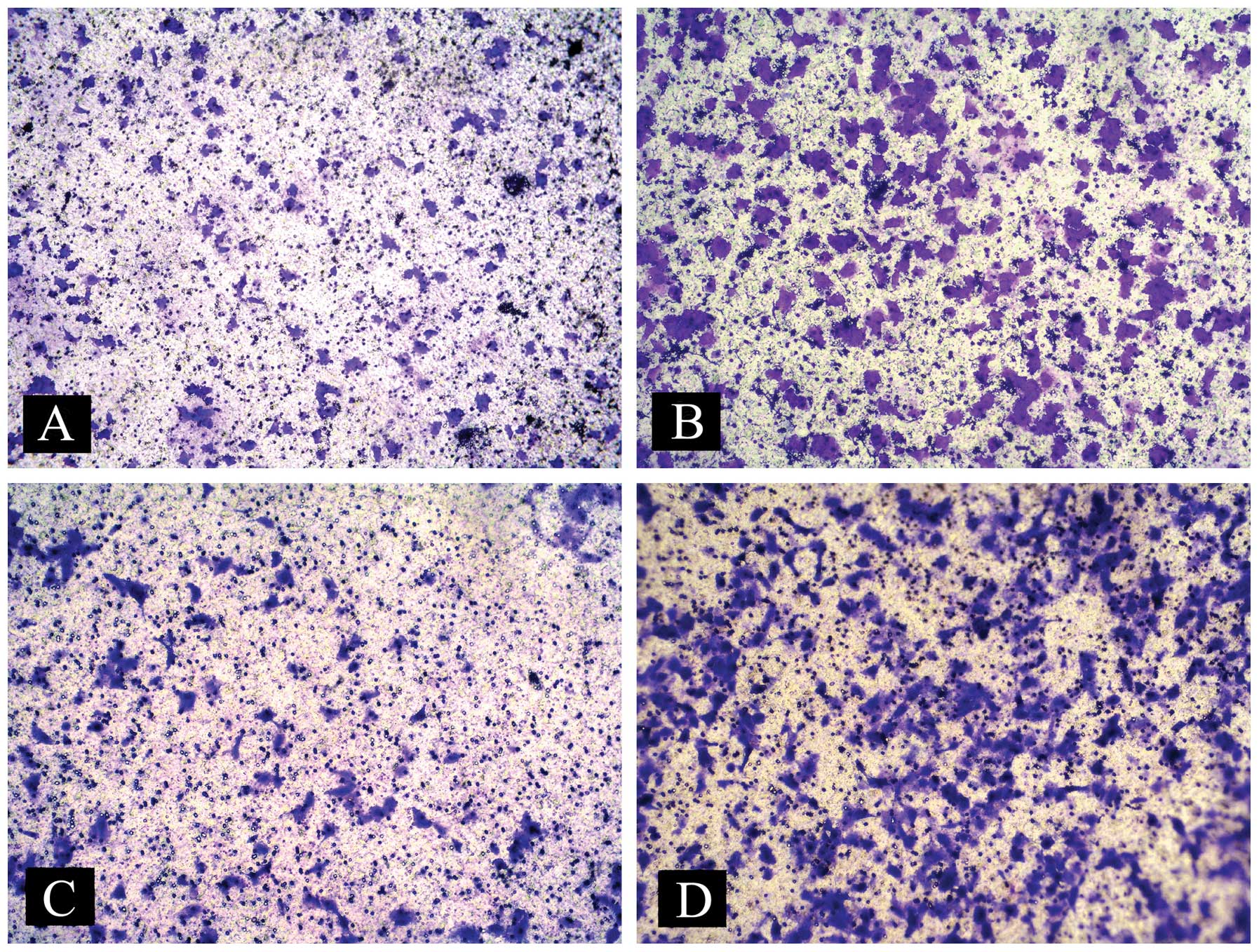
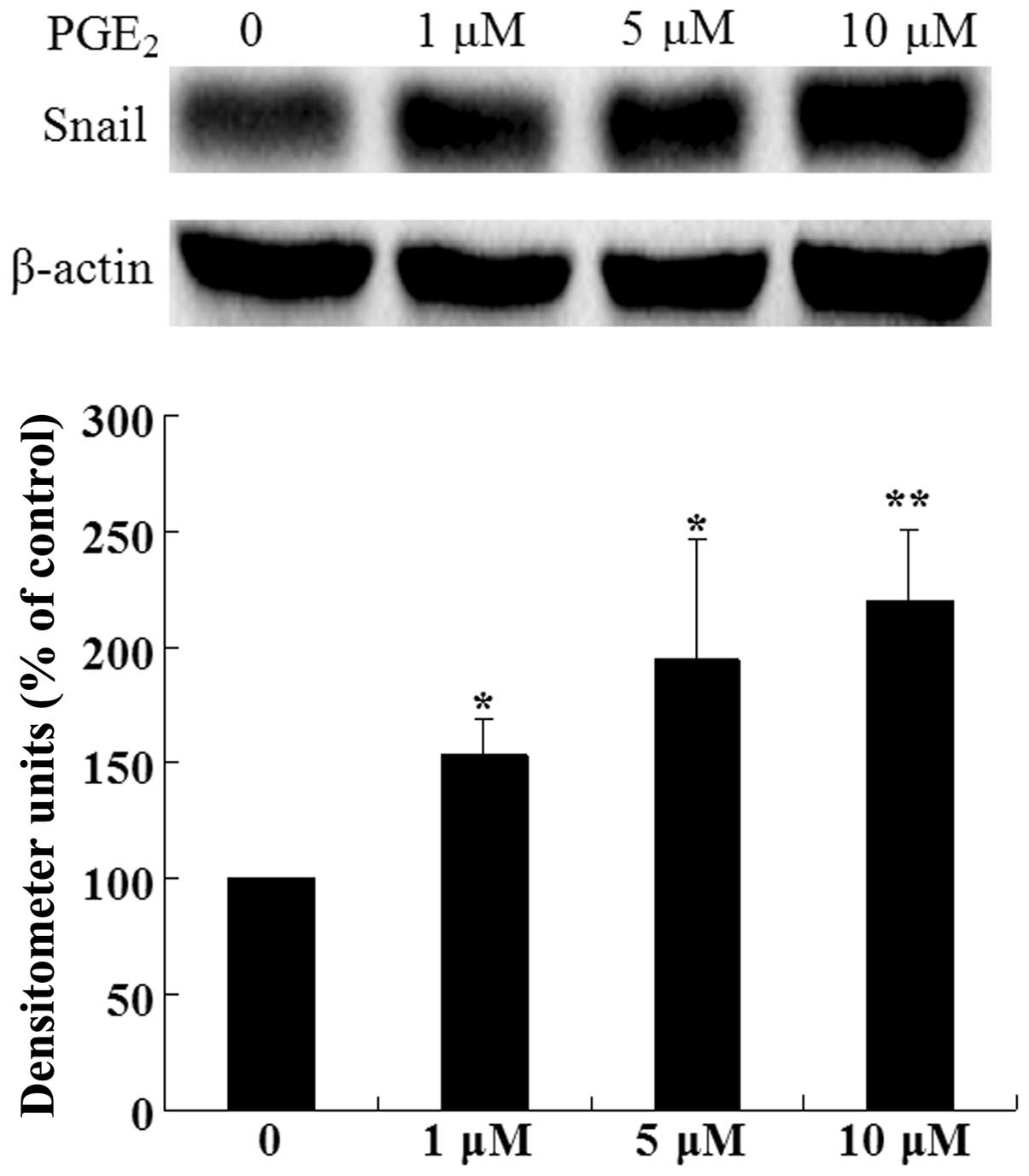
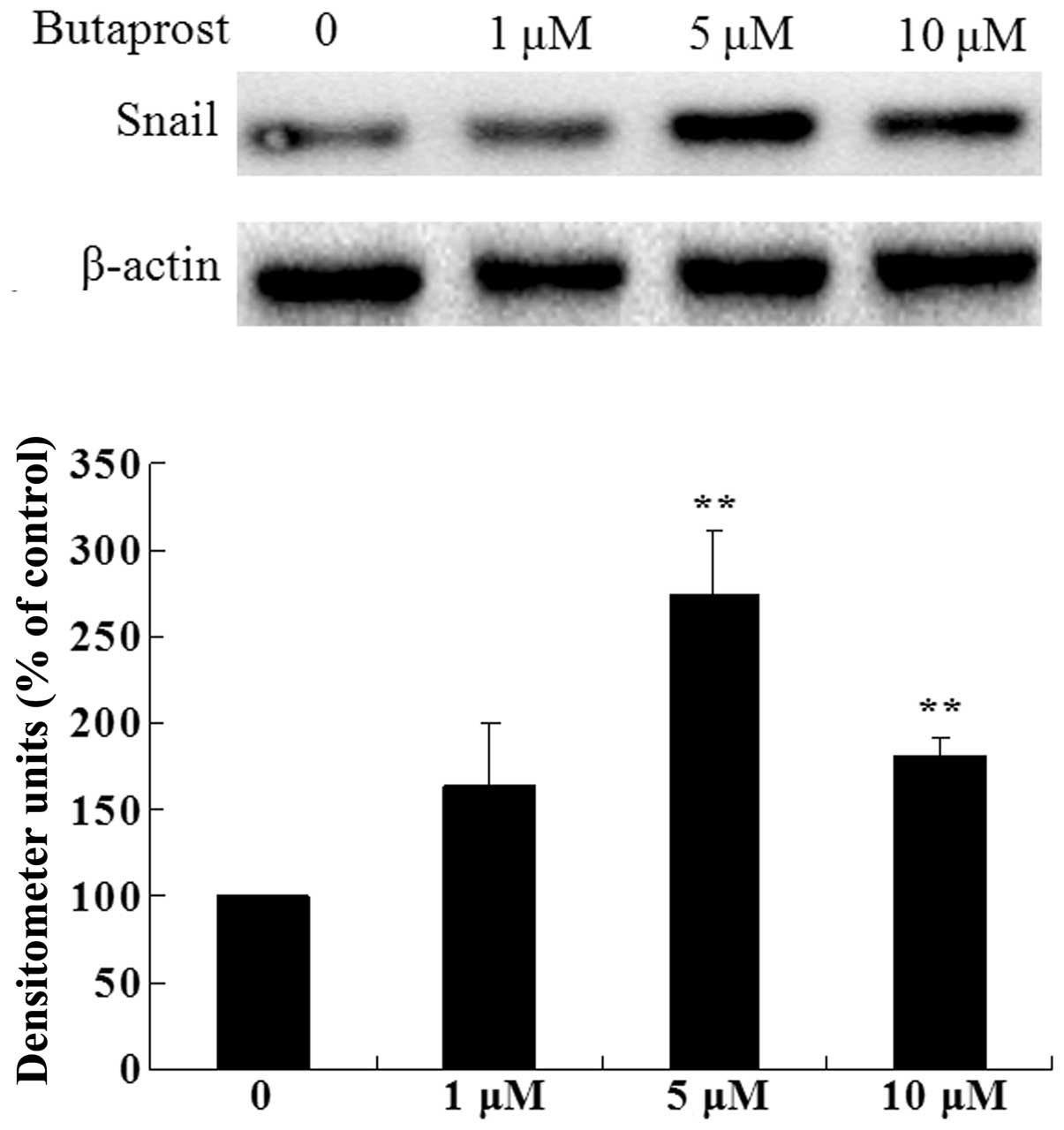
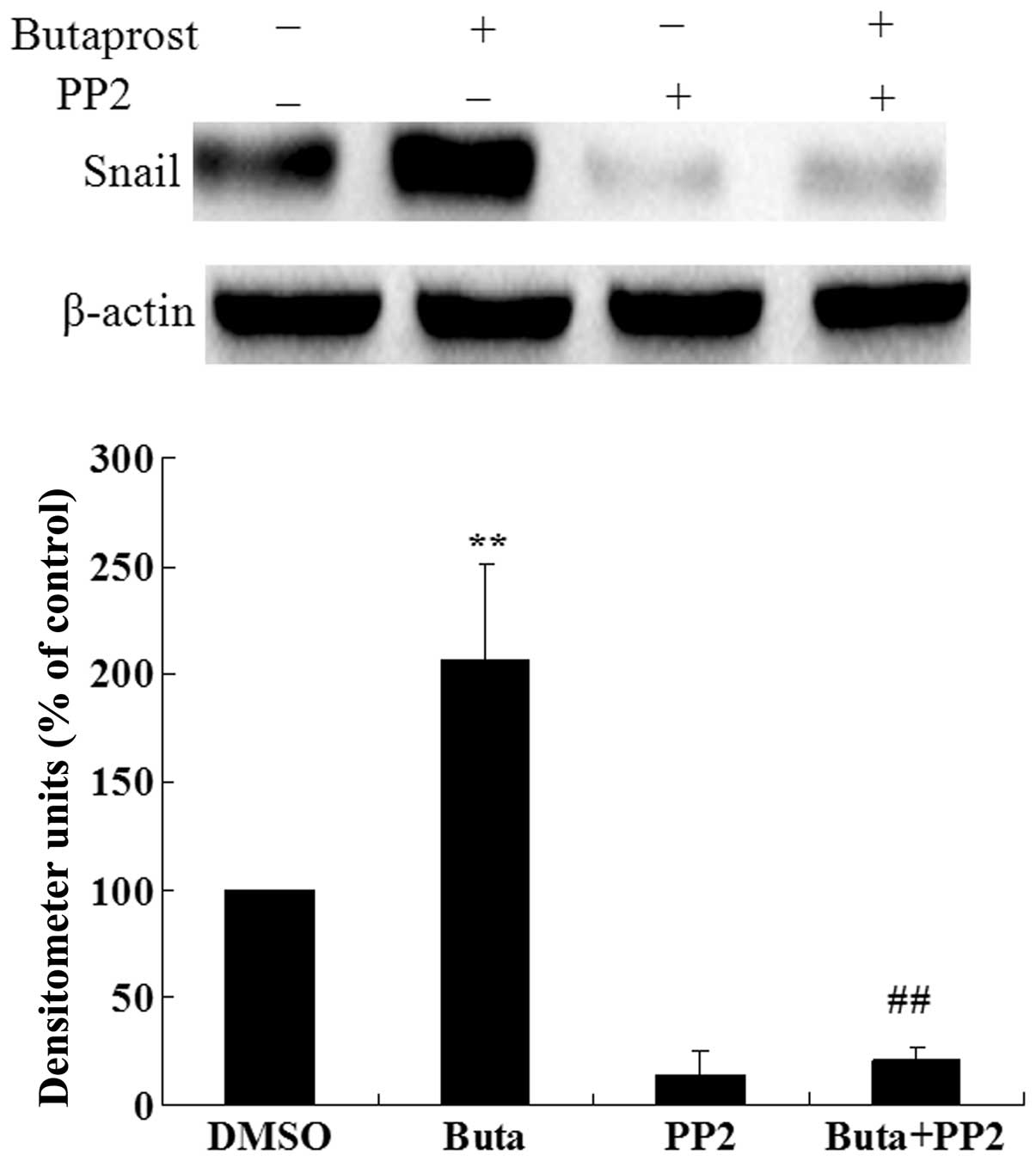
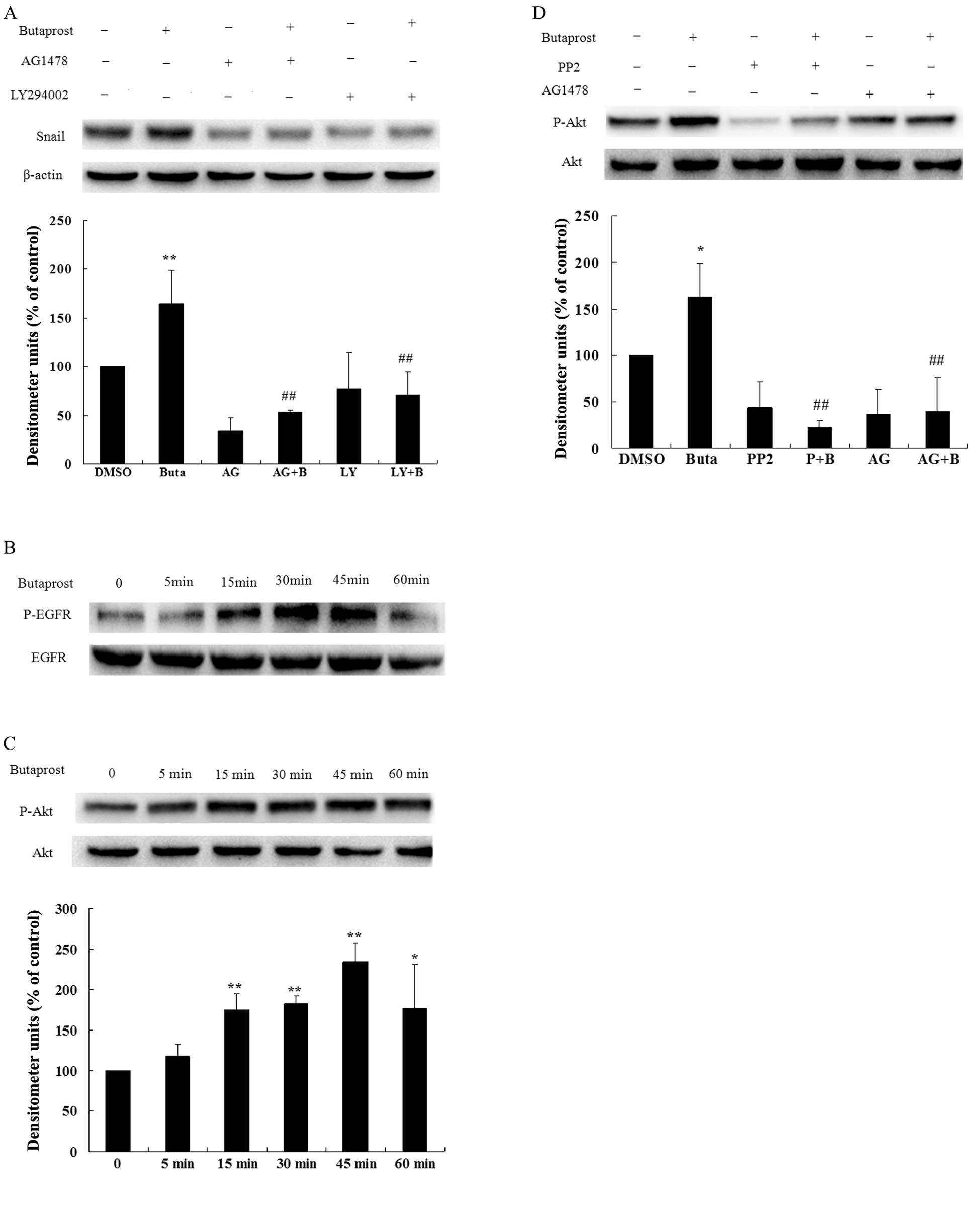
Prostaglandin E2 (PGE2) has been shown to influence cell invasion and metastasis in several types of cancer, including hepatocellular carcinoma (HCC). however, the molecular mechanisms underlying it remain to be further elucidated. Snail, as one of key inducers of epithelial-mesenchymal transition (EMT), plays pivotal roles in HCC invasion and metastasis. The present study was designed to evaluate the possible signaling pathways through which PGE2 regulates Snail protein expression in HCC cell lines. PGE2 markedly enhanced Huh-7 cell invasion and migration ability by upregulating the expression level of Snail protein, and EP2 receptor played an important role in this process. Src, EGFR, Akt and mTOR were all activated and involved in the regulation of snail protein expression. Our findings suggest that PGE2 could upregulate the expression level of Snail protein through the EP2/Src/EGFR/Akt/mTOR pathway in Huh-7 cells, which promotes HCC cell invasion and migration.
View Figures

Figure 1

Figure 2

Figure 3

Figure 4

Figure 5

Figure 6

View References

1 

Wu T: Cyclooxygenase-2 in hepatocellular carcinoma. Cancer Treat Rev. 32:28–44. 2006. View Article : Google Scholar

2 

Pang RW, Joh JW, Johnson PJ, Monden M, Pawlik TM and Poon RT: Biology of hepatocellular carcinoma. Ann Surg Oncol. 15:962–971. 2008. View Article : Google Scholar

3 

Uchino K, Tateishi R, Shiina S, et al: Hepatocellular carcinoma with extrahepatic metastasis: clinical features and prognostic factors. Cancer. 117:4475–4483. 2011. View Article : Google Scholar : PubMed/NCBI

4 

Bai XM, Zhang W, Liu NB, et al: Focal adhesion kinase: Important to prostaglandin E2-mediated adhesion, migration and invasion in hepatocellular carcinoma cells. Oncol Rep. 21:129–136. 2009.PubMed/NCBI

5 

Wu J, Zhang Y, Frilot N, Kim JI, Kim WJ and Daaka Y: Prostaglandin E2 regulates renal cell carcinoma invasion through the EP4 receptor-Rap GTPase signal transduction pathway. J Biol Chem. 286:33954–33962. 2011.

6 

Vo BT, Morton D Jr, Komaragiri S, Millena AC, Leath C and Khan SA: TGF-β effects on prostate cancer cell migration and invasion are mediated by PGE2 through activation of PI3K/AKT/mTOR pathway. Endocrinology. 154:1768–1779. 2013.

7 

Zhang L, Jiang L, Sun Q, et al: Prostaglandin E2 enhances mitogen-activated protein kinase/Erk pathway in human cholangiocarcinoma cells: involvement of EP1 receptor, calcium and EGF receptors signaling. Mol Cell Biochem. 305:19–26. 2007. View Article : Google Scholar

8 

Han C, Michalopoulos GK and Wu T: Prostaglandin E2 receptor EP1 transactivates EGFR/MET receptor tyrosine kinases and enhances invasiveness in human hepatocellular carcinoma cells. J Cell Physiol. 207:261–270. 2006.

9 

Breyer RM, Bagdassarian CK, Myers SA and Breyer MD: Prostanoid receptors: subtypes and signaling. Annu Rev Pharmacol Toxicol. 41:661–690. 2001. View Article : Google Scholar : PubMed/NCBI

10 

Bos CL, Richel DJ, Ritsema T, Peppelenbosch MP and Versteeg HH: Prostanoids and prostanoid receptors in signal transduction. Int J Biochem Cell Biol. 36:1187–1205. 2004. View Article : Google Scholar : PubMed/NCBI

11 

Jiang J and Dingledine R: Role of prostaglandin receptor EP2 in the regulations of cancer cell proliferation, invasion, and inflammation. J Pharmacol Exp Ther. 344:360–367. 2012. View Article : Google Scholar : PubMed/NCBI

12 

Pan MR, Hou MF, Chang HC and Hung WC: Cyclooxygenase-2 up-regulates CCR7 via EP2/EP4 receptor signaling pathways to enhance lymphatic invasion of breast cancer cells. J Biol Chem. 283:11155–11163. 2008. View Article : Google Scholar : PubMed/NCBI

13 

Wang X and Klein RD: Prostaglandin E2 induces vascular endothelial growth factor secretion in prostate cancer cells through EP2 receptor-mediated cAMP pathway. Mol Carcinog. 46:912–923. 2007. View Article : Google Scholar : PubMed/NCBI

14 

Guarino M, Rubino B and Ballabio G: The role of epithelial-mesenchymal transition in cancer pathology. Pathology. 39:305–318. 2007. View Article : Google Scholar : PubMed/NCBI

15 

Fan F, Samuel S, Evans KW, et al: Overexpression of snail induces epithelial-mesenchymal transition and a cancer stem cell-like phenotype in human colorectal cancer cells. Cancer Med. 1:5–16. 2013. View Article : Google Scholar : PubMed/NCBI

16 

Wang Y, Shi J, Chai K, Ying X and Zhou BP: The role of Snail in EMT and tumorigenesis. Curr Cancer Drug Targets. 13:963–972. 2013. View Article : Google Scholar : PubMed/NCBI

17 

Emadi Baygi M, Soheili ZS, Schmitz I, Sameie S and Schulz WA: Snail regulates cell survival and inhibits cellular senescence in human metastatic prostate cancer cell lines. Cell Biol Toxicol. 26:553–567. 2010.PubMed/NCBI

18 

Nishioka R, Itoh S, Gui T, et al: SNAIL induces epithelial-to-mesenchymal transition in a human pancreatic cancer cell line (BxPC3) and promotes distant metastasis and invasiveness in vivo. Exp Mol Pathol. 89:149–157. 2010. View Article : Google Scholar : PubMed/NCBI

19 

Haslehurst AM, Koti M, Dharsee M, et al: EMT transcription factors snail and slug directly contribute to cisplatin resistance in ovarian cancer. BMC Cancer. 12:912012. View Article : Google Scholar : PubMed/NCBI

20 

Wang H, Wang HS, Zhou BH, et al: Epithelial-mesenchymal transition (EMT) induced by TNF-α requires AKT/GSK-3β-mediated stabilization of snail in colorectal cancer. PLoS One. 8:e566642013.

21 

He H, Chen W, Wang X, et al: Snail is an independent prognostic predictor for progression and patient survival of gastric cancer. Cancer Sci. 103:1296–1303. 2012. View Article : Google Scholar : PubMed/NCBI

22 

Han C, Demetris AJ, Michalopoulos G, Shelhamer JH and Wu T: 85-kDa cPLA2 plays a critical role in PPAR-mediated gene transcription in human hepatoma cells. Am J Physiol Gastrointest Liver Physiol. 282:G586–G597. 2002.PubMed/NCBI

23 

Rahman MA, Dhar DK, Yamaguchi E, et al: Coexpression of inducible nitric oxide synthase and COX-2 in hepatocellular carcinoma and surrounding liver: possible involvement of COX-2 in the angiogenesis of hepatitis C virus-positive cases. Clin Cancer Res. 7:1325–1332. 2001.

24 

Li T, Zhu Y, Ren W, et al: High co-expression of vascular endothelial growth factor receptor-1 and Snail is associated with poor prognosis after curative resection of hepatocellular carcinoma. Med Oncol. 29:2750–2761. 2012. View Article : Google Scholar : PubMed/NCBI

25 

Tang TC, Poon RT, Lau CP, Xie D and Fan ST: Tumor cyclooxygenase-2 levels correlate with tumor invasiveness in human hepatocellular carcinoma. World J Gastroenterol. 11:1896–1902. 2005. View Article : Google Scholar : PubMed/NCBI

26 

Koga H: Hepatocellular carcinoma: is there a potential for chemoprevention using cyclooxygenase-2 inhibitors? Cancer. 98:661–667. 2003. View Article : Google Scholar : PubMed/NCBI

27 

Bai XM, Jiang H, Ding JX, et al: Prostaglandin E2 upregulates survivin expression via the EP1 receptor in hepatocellular carcinoma cells. Life Sci. 86:214–223. 2009.

28 

Ma J, Chen M, Xia SK, et al: Prostaglandin E2 promotes liver cancer cell growth by the upregulation of FUSE-binding protein 1 expression. Int J Oncol. 42:1093–1104. 2013.

29 

Mayoral R, Fernandez-Martinez A, Bosca L and Martin-Sanz P: Prostaglandin E2 promotes migration and adhesion in hepatocellular carcinoma cells. Carcinogenesis. 26:753–761. 2005.PubMed/NCBI

30 

Sheng H, Shao J, Washington MK and DuBois RN: Prostaglandin E2 increases growth and motility of colorectal carcinoma cells. J Biol Chem. 276:18075–18081. 2001.PubMed/NCBI

31 

Breyer MD and Breyer RM: G protein-coupled prostanoid receptors and the kidney. Annu Rev Physiol. 63:579–605. 2001. View Article : Google Scholar : PubMed/NCBI

32 

Boie Y, Stocco R, Sawyer N, et al: Molecular cloning and characterization of the four rat prostaglandin E2 prostanoid receptor subtypes. Eur J Pharmacol. 340:227–241. 1997. View Article : Google Scholar : PubMed/NCBI

33 

Regan JW: EP2 and EP4 prostanoid receptor signaling. Life Sci. 74:143–153. 2003.

34 

Sanchez-Tillo E, Liu Y, de Barrios O, et al: EMT-activating transcription factors in cancer: beyond EMT and tumor invasiveness. Cell Mol Life Sci. 69:3429–3456. 2012. View Article : Google Scholar : PubMed/NCBI

35 

Blechschmidt K, Kremmer E, Hollweck R, et al: The E-cadherin repressor snail plays a role in tumor progression of endometrioid adenocarcinomas. Diagn Mol Pathol. 16:222–228. 2007. View Article : Google Scholar : PubMed/NCBI

36 

Guaita S, Puig I, Franci C, et al: Snail induction of epithelial to mesenchymal transition in tumor cells is accompanied by MUC1 repression and ZEB1 expression. J Biol Chem. 277:39209–39216. 2002. View Article : Google Scholar : PubMed/NCBI

37 

Miyoshi A, Kitajima Y, Sumi K, et al: Snail and SIP1 increase cancer invasion by upregulating MMP family in hepatocellular carcinoma cells. Br J Cancer. 90:1265–1273. 2004. View Article : Google Scholar : PubMed/NCBI

38 

Miyoshi A, Kitajima Y, Kido S, et al: Snail accelerates cancer invasion by upregulating MMP expression and is associated with poor prognosis of hepatocellular carcinoma. Br J Cancer. 92:252–258. 2005.PubMed/NCBI

39 

Mikami S, Katsube K, Oya M, et al: Expression of Snail and Slug in renal cell carcinoma: E-cadherin repressor Snail is associated with cancer invasion and prognosis. Lab Invest. 91:1443–1458. 2011. View Article : Google Scholar : PubMed/NCBI

40 

Dohadwala M, Yang SC, Luo J, et al: Cyclooxygenase-2-dependent regulation of E-cadherin: prostaglandin E2 induces transcriptional repressors ZEB1 and snail in non-small cell lung cancer. Cancer Res. 66:5338–5345. 2006. View Article : Google Scholar : PubMed/NCBI

41 

Kuo KT, Wang HW, Chou TY, et al: Prognostic role of PGE2 receptor EP2 in esophageal squamous cell carcinoma. Ann Surg Oncol. 16:352–360. 2009. View Article : Google Scholar : PubMed/NCBI

42 

Buchanan FG and DuBois RN: Emerging roles of β-arrestins. Cell Cycle. 5:2060–2063. 2006.

43 

Fischer OM, Hart S, Gschwind A and Ullrich A: EGFR signal transactivation in cancer cells. Biochem Soc Trans. 31:1203–1208. 2003. View Article : Google Scholar : PubMed/NCBI

44 

Hipp S, Walch A, Schuster T, et al: Activation of epidermal growth factor receptor results in snail protein but not mRNA overexpression in endometrial cancer. J Cell Mol Med. 13:3858–3867. 2009. View Article : Google Scholar : PubMed/NCBI

45 

Yun SP, Ryu JM, Jang MW and Han HJ: Interaction of profilin-1 and F-actin via a β-arrestin-1/JNK signaling pathway involved in prostaglandin E2-induced human mesenchymal stem cells migration and proliferation. J Cell Physiol. 226:559–571. 2010.

46 

Donnini S, Finetti F, Solito R, et al: EP2 prostanoid receptor promotes squamous cell carcinoma growth through epidermal growth factor receptor transactivation and iNOS and ERK1/2 pathways. FASEB J. 21:2418–2430. 2007. View Article : Google Scholar

47 

Chun KS, Lao HC, Trempus CS, Okada M and Langenbach R: The prostaglandin receptor EP2 activates multiple signaling pathways and β-arrestin1 complex formation during mouse skin papilloma development. Carcinogenesis. 30:1620–1627. 2009.

48 

Ayuso-Sacido A, Moliterno JA, Kratovac S, et al: Activated EGFR signaling increases proliferation, survival, and migration and blocks neuronal differentiation in post-natal neural stem cells. J Neurooncol. 97:323–337. 2009. View Article : Google Scholar : PubMed/NCBI

49 

Glaysher S, Bolton LM, Johnson P, et al: Targeting EGFR and PI3K pathways in ovarian cancer. Br J Cancer. 109:1786–1794. 2013. View Article : Google Scholar : PubMed/NCBI

50 

Leng J, Han C, Demetris AJ, Michalopoulos GK and Wu T: Cyclooxygenase-2 promotes hepatocellular carcinoma cell growth through Akt activation: evidence for Akt inhibition in celecoxib-induced apoptosis. Hepatology. 38:756–768. 2003. View Article : Google Scholar : PubMed/NCBI

51 

Ogunwobi OO, Wang T, Zhang L and Liu C: Cyclooxygenase-2 and Akt mediate multiple growth-factor-induced epithelial-mesenchymal transition in human hepatocellular carcinoma. J Gastroenterol Hepatol. 27:566–578. 2011. View Article : Google Scholar

52 

Park MK, Kang YJ, Ha YM, et al: EP2 receptor activation by prostaglandin E2 leads to induction of HO-1 via PKA and PI3K pathways in C6 cells. Biochem Biophys Res Commun. 379:1043–1047. 2009.PubMed/NCBI

53 

Fresno Vara JA, Casado E, de Castro J, Cejas P, Belda-Iniesta C and Gonzalez-Baron M: PI3K/Akt signalling pathway and cancer. Cancer Treat Rev. 30:193–204. 2004.PubMed/NCBI

54 

Lau MT and Leung PC: The PI3K/Akt/mTOR signaling pathway mediates insulin-like growth factor 1-induced E-cadherin down-regulation and cell proliferation in ovarian cancer cells. Cancer Lett. 326:191–198. 2012. View Article : Google Scholar : PubMed/NCBI

55 

Hung CM, Garcia-Haro L, Sparks CA and Guertin DA: mTOR-dependent cell survival mechanisms. Cold Spring Harb Perspect Biol. 4:a0087712012.PubMed/NCBI

56 

Garcia-Maceira P and Mateo J: Silibinin inhibits hypoxia-inducible factor-1α and mTOR/p70S6K/4E-BP1 signalling pathway in human cervical and hepatoma cancer cells: implications for anticancer therapy. Oncogene. 28:313–324. 2009.

57 

Vivanco I and Sawyers CL: The phosphatidylinositol 3-Kinase AKT pathway in human cancer. Nat Rev Cancer. 2:489–501. 2002. View Article : Google Scholar : PubMed/NCBI

Related Articles

  • Abstract
  • View
  • Download
  • Twitter
Copy and paste a formatted citation
Spandidos Publications style
Cheng S, Zhang H, Zhang M, Xia S, Bai XM, Zhang L, Ma J, Rong R, Wang Y, Du M, Du M, et al: Prostaglandin E2 receptor EP2 mediates Snail expression in hepatocellular carcinoma cells. Oncol Rep 31: 2099-2106, 2014.
APA
Cheng, S., Zhang, H., Zhang, M., Xia, S., Bai, X., Zhang, L. ... Leng, J. (2014). Prostaglandin E2 receptor EP2 mediates Snail expression in hepatocellular carcinoma cells. Oncology Reports, 31, 2099-2106. https://doi.org/10.3892/or.2014.3074
MLA
Cheng, S., Zhang, H., Zhang, M., Xia, S., Bai, X., Zhang, L., Ma, J., Rong, R., Wang, Y., Du, M., Wang, J., Chen, M., Shi, F., Yang, Q., Leng, J."Prostaglandin E2 receptor EP2 mediates Snail expression in hepatocellular carcinoma cells". Oncology Reports 31.5 (2014): 2099-2106.
Chicago
Cheng, S., Zhang, H., Zhang, M., Xia, S., Bai, X., Zhang, L., Ma, J., Rong, R., Wang, Y., Du, M., Wang, J., Chen, M., Shi, F., Yang, Q., Leng, J."Prostaglandin E2 receptor EP2 mediates Snail expression in hepatocellular carcinoma cells". Oncology Reports 31, no. 5 (2014): 2099-2106. https://doi.org/10.3892/or.2014.3074
Copy and paste a formatted citation
x
Spandidos Publications style
Cheng S, Zhang H, Zhang M, Xia S, Bai XM, Zhang L, Ma J, Rong R, Wang Y, Du M, Du M, et al: Prostaglandin E2 receptor EP2 mediates Snail expression in hepatocellular carcinoma cells. Oncol Rep 31: 2099-2106, 2014.
APA
Cheng, S., Zhang, H., Zhang, M., Xia, S., Bai, X., Zhang, L. ... Leng, J. (2014). Prostaglandin E2 receptor EP2 mediates Snail expression in hepatocellular carcinoma cells. Oncology Reports, 31, 2099-2106. https://doi.org/10.3892/or.2014.3074
MLA
Cheng, S., Zhang, H., Zhang, M., Xia, S., Bai, X., Zhang, L., Ma, J., Rong, R., Wang, Y., Du, M., Wang, J., Chen, M., Shi, F., Yang, Q., Leng, J."Prostaglandin E2 receptor EP2 mediates Snail expression in hepatocellular carcinoma cells". Oncology Reports 31.5 (2014): 2099-2106.
Chicago
Cheng, S., Zhang, H., Zhang, M., Xia, S., Bai, X., Zhang, L., Ma, J., Rong, R., Wang, Y., Du, M., Wang, J., Chen, M., Shi, F., Yang, Q., Leng, J."Prostaglandin E2 receptor EP2 mediates Snail expression in hepatocellular carcinoma cells". Oncology Reports 31, no. 5 (2014): 2099-2106. https://doi.org/10.3892/or.2014.3074
Follow us
  • Twitter
  • LinkedIn
  • Facebook
About
  • Spandidos Publications
  • Careers
  • Cookie Policy
  • Privacy Policy
How can we help?
  • Help
  • Live Chat
  • Contact
  • Email to our Support Team