Spandidos Publications Logo
  • About
    • About Spandidos
    • Aims and Scopes
    • Abstracting and Indexing
    • Editorial Policies
    • Reprints and Permissions
    • Job Opportunities
    • Terms and Conditions
    • Contact
  • Journals
    • All Journals
    • Oncology Letters
      • Oncology Letters
      • Information for Authors
      • Editorial Policies
      • Editorial Board
      • Aims and Scope
      • Abstracting and Indexing
      • Bibliographic Information
      • Archive
    • International Journal of Oncology
      • International Journal of Oncology
      • Information for Authors
      • Editorial Policies
      • Editorial Board
      • Aims and Scope
      • Abstracting and Indexing
      • Bibliographic Information
      • Archive
    • Molecular and Clinical Oncology
      • Molecular and Clinical Oncology
      • Information for Authors
      • Editorial Policies
      • Editorial Board
      • Aims and Scope
      • Abstracting and Indexing
      • Bibliographic Information
      • Archive
    • Experimental and Therapeutic Medicine
      • Experimental and Therapeutic Medicine
      • Information for Authors
      • Editorial Policies
      • Editorial Board
      • Aims and Scope
      • Abstracting and Indexing
      • Bibliographic Information
      • Archive
    • International Journal of Molecular Medicine
      • International Journal of Molecular Medicine
      • Information for Authors
      • Editorial Policies
      • Editorial Board
      • Aims and Scope
      • Abstracting and Indexing
      • Bibliographic Information
      • Archive
    • Biomedical Reports
      • Biomedical Reports
      • Information for Authors
      • Editorial Policies
      • Editorial Board
      • Aims and Scope
      • Abstracting and Indexing
      • Bibliographic Information
      • Archive
    • Oncology Reports
      • Oncology Reports
      • Information for Authors
      • Editorial Policies
      • Editorial Board
      • Aims and Scope
      • Abstracting and Indexing
      • Bibliographic Information
      • Archive
    • Molecular Medicine Reports
      • Molecular Medicine Reports
      • Information for Authors
      • Editorial Policies
      • Editorial Board
      • Aims and Scope
      • Abstracting and Indexing
      • Bibliographic Information
      • Archive
    • World Academy of Sciences Journal
      • World Academy of Sciences Journal
      • Information for Authors
      • Editorial Policies
      • Editorial Board
      • Aims and Scope
      • Abstracting and Indexing
      • Bibliographic Information
      • Archive
    • International Journal of Functional Nutrition
      • International Journal of Functional Nutrition
      • Information for Authors
      • Editorial Policies
      • Editorial Board
      • Aims and Scope
      • Abstracting and Indexing
      • Bibliographic Information
      • Archive
    • International Journal of Epigenetics
      • International Journal of Epigenetics
      • Information for Authors
      • Editorial Policies
      • Editorial Board
      • Aims and Scope
      • Abstracting and Indexing
      • Bibliographic Information
      • Archive
    • Medicine International
      • Medicine International
      • Information for Authors
      • Editorial Policies
      • Editorial Board
      • Aims and Scope
      • Abstracting and Indexing
      • Bibliographic Information
      • Archive
  • Articles
  • Information
    • Information for Authors
    • Information for Reviewers
    • Information for Librarians
    • Information for Advertisers
    • Conferences
  • Language Editing
Spandidos Publications Logo
  • About
    • About Spandidos
    • Aims and Scopes
    • Abstracting and Indexing
    • Editorial Policies
    • Reprints and Permissions
    • Job Opportunities
    • Terms and Conditions
    • Contact
  • Journals
    • All Journals
    • Biomedical Reports
      • Information for Authors
      • Editorial Policies
      • Editorial Board
      • Aims and Scope
      • Abstracting and Indexing
      • Bibliographic Information
      • Archive
    • Experimental and Therapeutic Medicine
      • Information for Authors
      • Editorial Policies
      • Editorial Board
      • Aims and Scope
      • Abstracting and Indexing
      • Bibliographic Information
      • Archive
    • International Journal of Epigenetics
      • Information for Authors
      • Editorial Policies
      • Editorial Board
      • Aims and Scope
      • Abstracting and Indexing
      • Bibliographic Information
      • Archive
    • International Journal of Functional Nutrition
      • Information for Authors
      • Editorial Policies
      • Editorial Board
      • Aims and Scope
      • Abstracting and Indexing
      • Bibliographic Information
      • Archive
    • International Journal of Molecular Medicine
      • Information for Authors
      • Editorial Policies
      • Editorial Board
      • Aims and Scope
      • Abstracting and Indexing
      • Bibliographic Information
      • Archive
    • International Journal of Oncology
      • Information for Authors
      • Editorial Policies
      • Editorial Board
      • Aims and Scope
      • Abstracting and Indexing
      • Bibliographic Information
      • Archive
    • Medicine International
      • Information for Authors
      • Editorial Policies
      • Editorial Board
      • Aims and Scope
      • Abstracting and Indexing
      • Bibliographic Information
      • Archive
    • Molecular and Clinical Oncology
      • Information for Authors
      • Editorial Policies
      • Editorial Board
      • Aims and Scope
      • Abstracting and Indexing
      • Bibliographic Information
      • Archive
    • Molecular Medicine Reports
      • Information for Authors
      • Editorial Policies
      • Editorial Board
      • Aims and Scope
      • Abstracting and Indexing
      • Bibliographic Information
      • Archive
    • Oncology Letters
      • Information for Authors
      • Editorial Policies
      • Editorial Board
      • Aims and Scope
      • Abstracting and Indexing
      • Bibliographic Information
      • Archive
    • Oncology Reports
      • Information for Authors
      • Editorial Policies
      • Editorial Board
      • Aims and Scope
      • Abstracting and Indexing
      • Bibliographic Information
      • Archive
    • World Academy of Sciences Journal
      • Information for Authors
      • Editorial Policies
      • Editorial Board
      • Aims and Scope
      • Abstracting and Indexing
      • Bibliographic Information
      • Archive
  • Articles
  • Information
    • For Authors
    • For Reviewers
    • For Librarians
    • For Advertisers
    • Conferences
  • Language Editing
Login Register Submit
  • This site uses cookies
  • You can change your cookie settings at any time by following the instructions in our Cookie Policy. To find out more, you may read our Privacy Policy.

    I agree
Search articles by DOI, keyword, author or affiliation
Search
Advanced Search
presentation
Oncology Reports
Join Editorial Board Propose a Special Issue
Print ISSN: 1021-335X Online ISSN: 1791-2431
Journal Cover
May-2014 Volume 31 Issue 5

Full Size Image

Sign up for eToc alerts
Recommend to Library

Journals

International Journal of Molecular Medicine

International Journal of Molecular Medicine

International Journal of Molecular Medicine is an international journal devoted to molecular mechanisms of human disease.

International Journal of Oncology

International Journal of Oncology

International Journal of Oncology is an international journal devoted to oncology research and cancer treatment.

Molecular Medicine Reports

Molecular Medicine Reports

Covers molecular medicine topics such as pharmacology, pathology, genetics, neuroscience, infectious diseases, molecular cardiology, and molecular surgery.

Oncology Reports

Oncology Reports

Oncology Reports is an international journal devoted to fundamental and applied research in Oncology.

Experimental and Therapeutic Medicine

Experimental and Therapeutic Medicine

Experimental and Therapeutic Medicine is an international journal devoted to laboratory and clinical medicine.

Oncology Letters

Oncology Letters

Oncology Letters is an international journal devoted to Experimental and Clinical Oncology.

Biomedical Reports

Biomedical Reports

Explores a wide range of biological and medical fields, including pharmacology, genetics, microbiology, neuroscience, and molecular cardiology.

Molecular and Clinical Oncology

Molecular and Clinical Oncology

International journal addressing all aspects of oncology research, from tumorigenesis and oncogenes to chemotherapy and metastasis.

World Academy of Sciences Journal

World Academy of Sciences Journal

Multidisciplinary open-access journal spanning biochemistry, genetics, neuroscience, environmental health, and synthetic biology.

International Journal of Functional Nutrition

International Journal of Functional Nutrition

Open-access journal combining biochemistry, pharmacology, immunology, and genetics to advance health through functional nutrition.

International Journal of Epigenetics

International Journal of Epigenetics

Publishes open-access research on using epigenetics to advance understanding and treatment of human disease.

Medicine International

Medicine International

An International Open Access Journal Devoted to General Medicine.

Journal Cover
May-2014 Volume 31 Issue 5

Full Size Image

Sign up for eToc alerts
Recommend to Library

  • Article
  • Citations
    • Cite This Article
    • Download Citation
    • Create Citation Alert
    • Remove Citation Alert
    • Cited By
  • Similar Articles
    • Related Articles (in Spandidos Publications)
    • Similar Articles (Google Scholar)
    • Similar Articles (PubMed)
  • Download PDF
  • Download XML
  • View XML
Article

Proteomic and functional analyses demonstrate the involvement of oxidative stress in the anticancer activities of oridonin in HepG2 cells

  • Authors:
    • Hui Wang
    • Yan Ye
    • Zhi-Ling Yu
  • View Affiliations / Copyright

    Affiliations: Guangdong Provincial Key Laboratory of Biotechnology Candidate Drug Research, School of Life Science and Biopharmaceutics, Guangdong Pharmaceutical University, Guangzhou, P.R. China, Center for Cancer and Inflammation Research, School of Chinese Medicine, Hong Kong Baptist University, Kowloon Tong, Hong Kong, SAR, P.R. China
  • Pages: 2165-2172
    |
    Published online on: March 12, 2014
       https://doi.org/10.3892/or.2014.3081
  • Expand metrics +
Metrics: Total Views: 0 (Spandidos Publications: | PMC Statistics: )
Metrics: Total PDF Downloads: 0 (Spandidos Publications: | PMC Statistics: )
Cited By (CrossRef): 0 citations Loading Articles...

This article is mentioned in:


Abstract

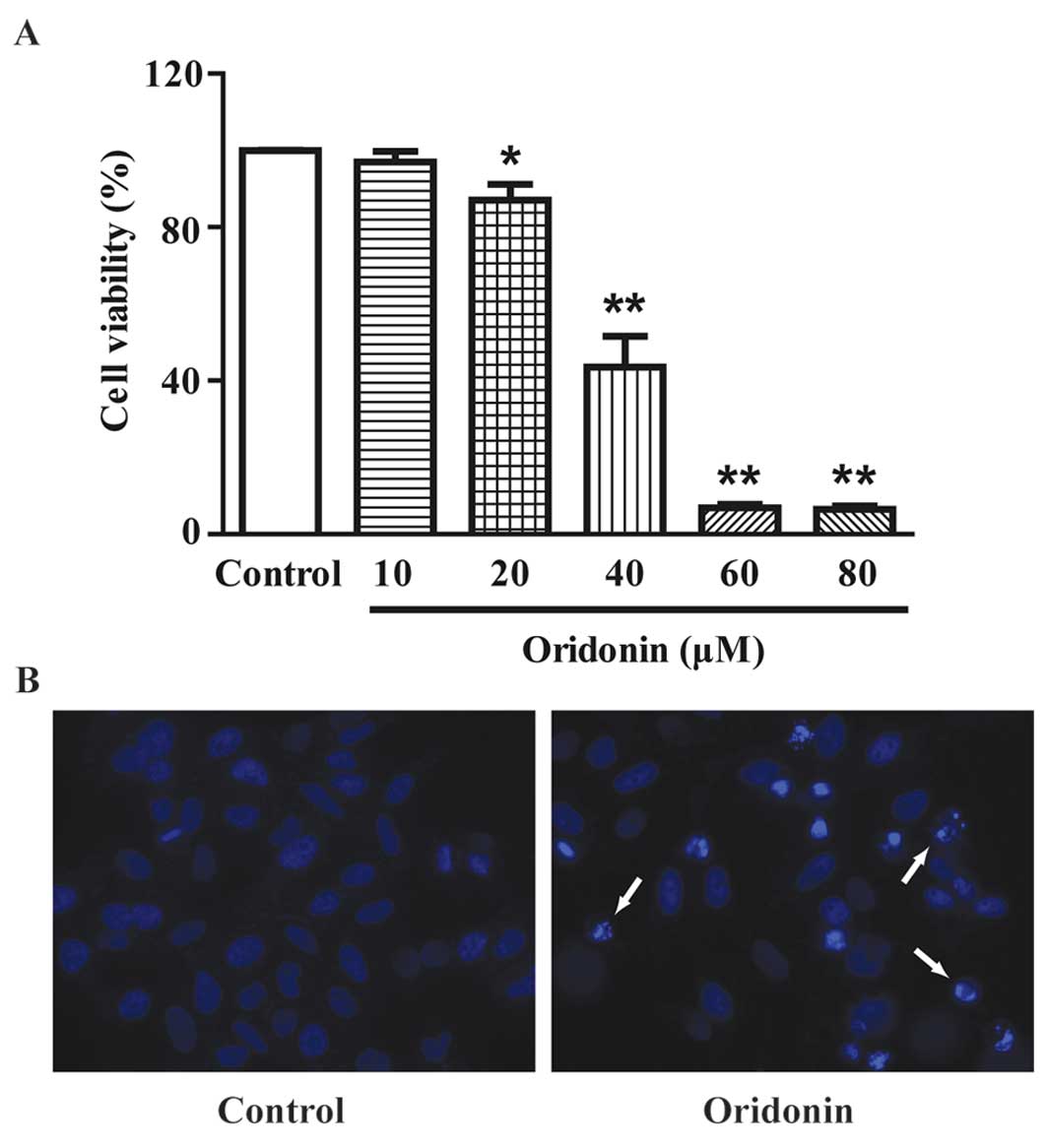
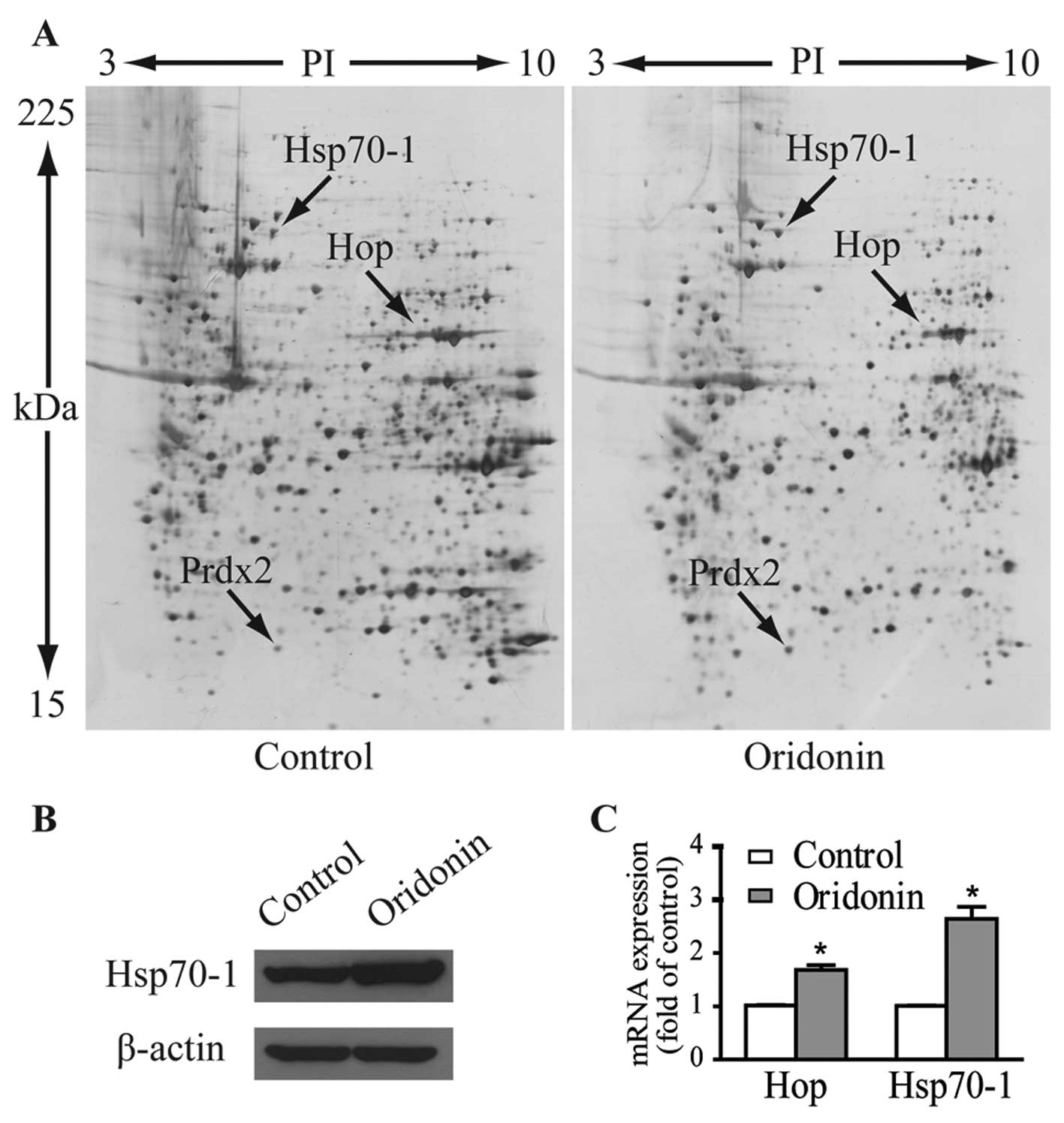
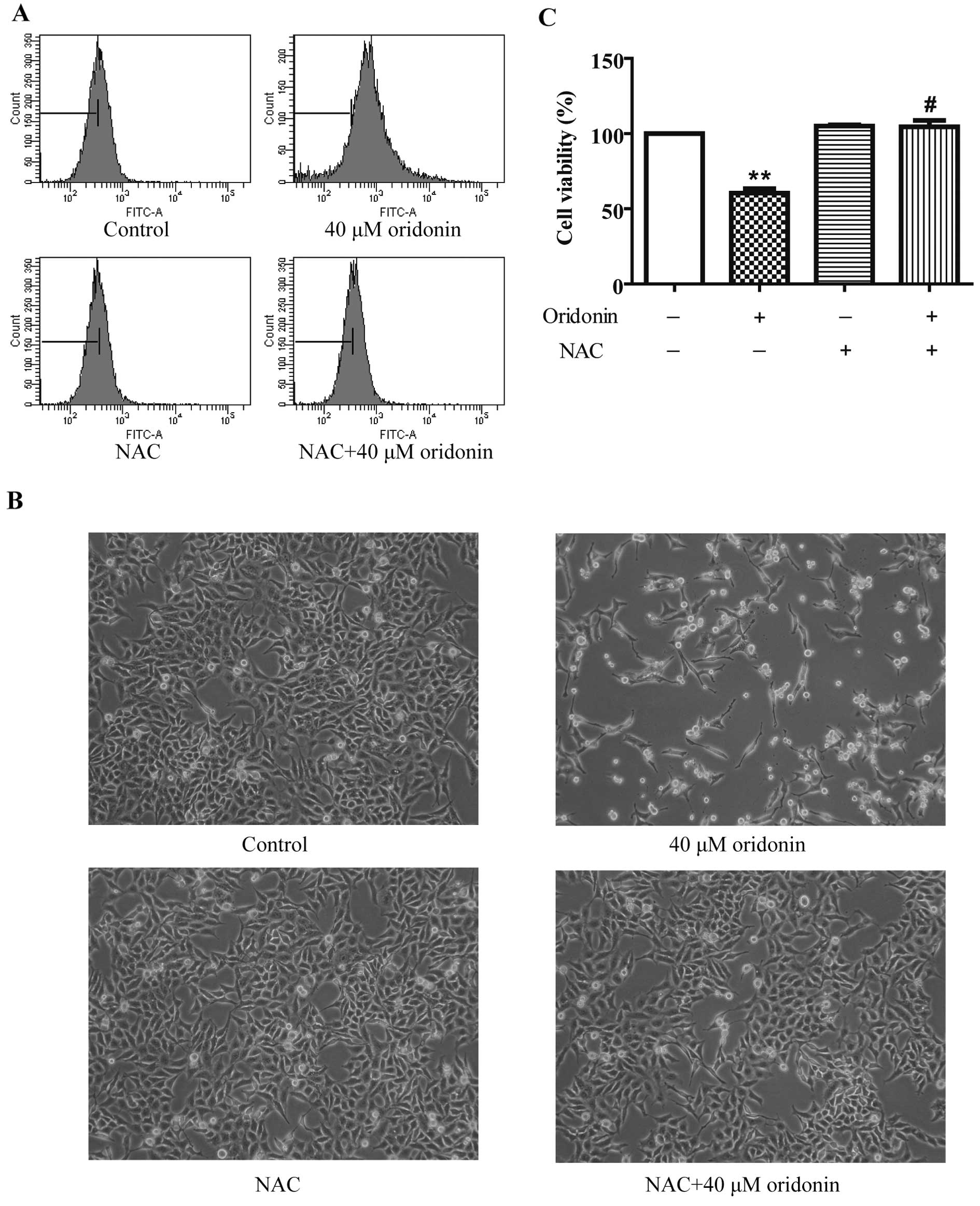
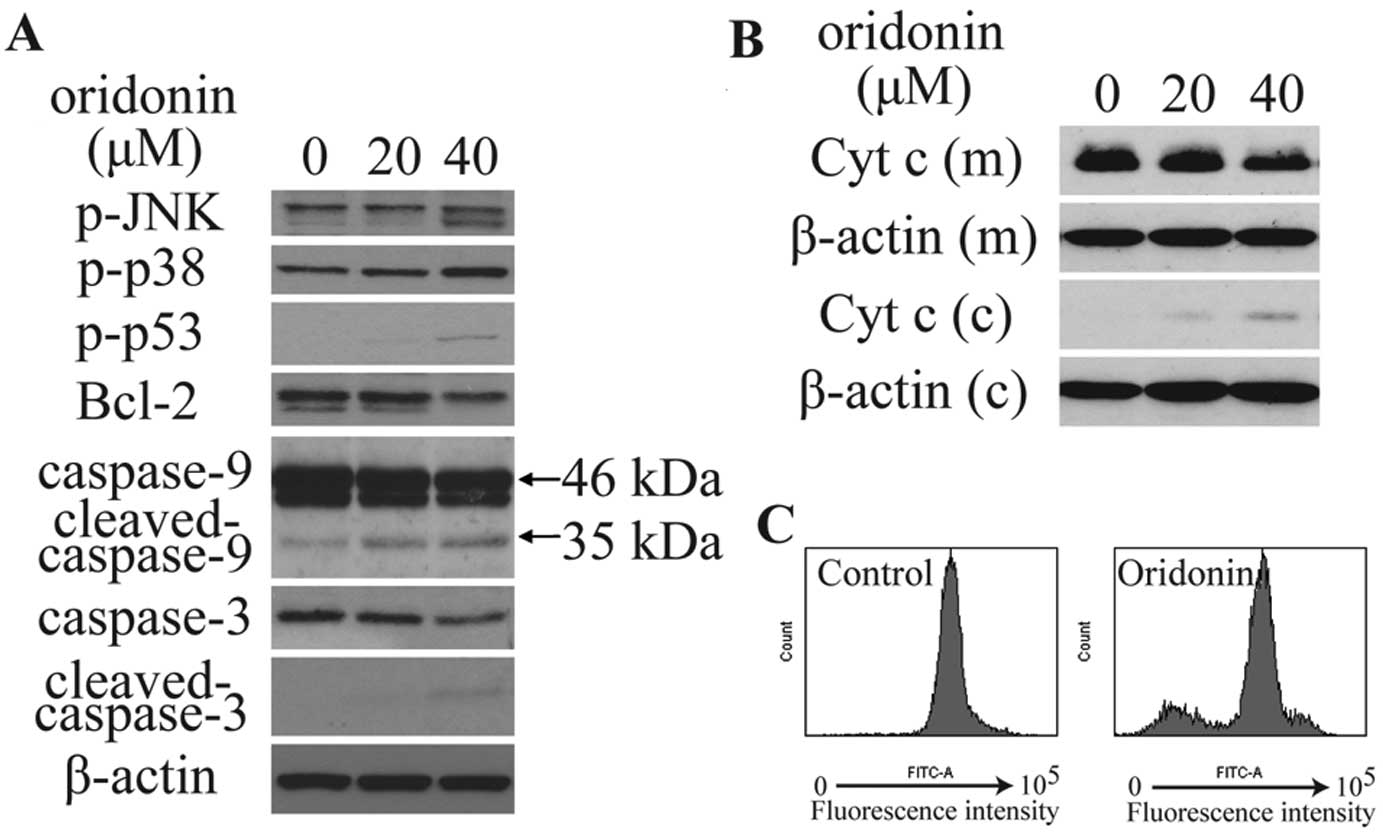
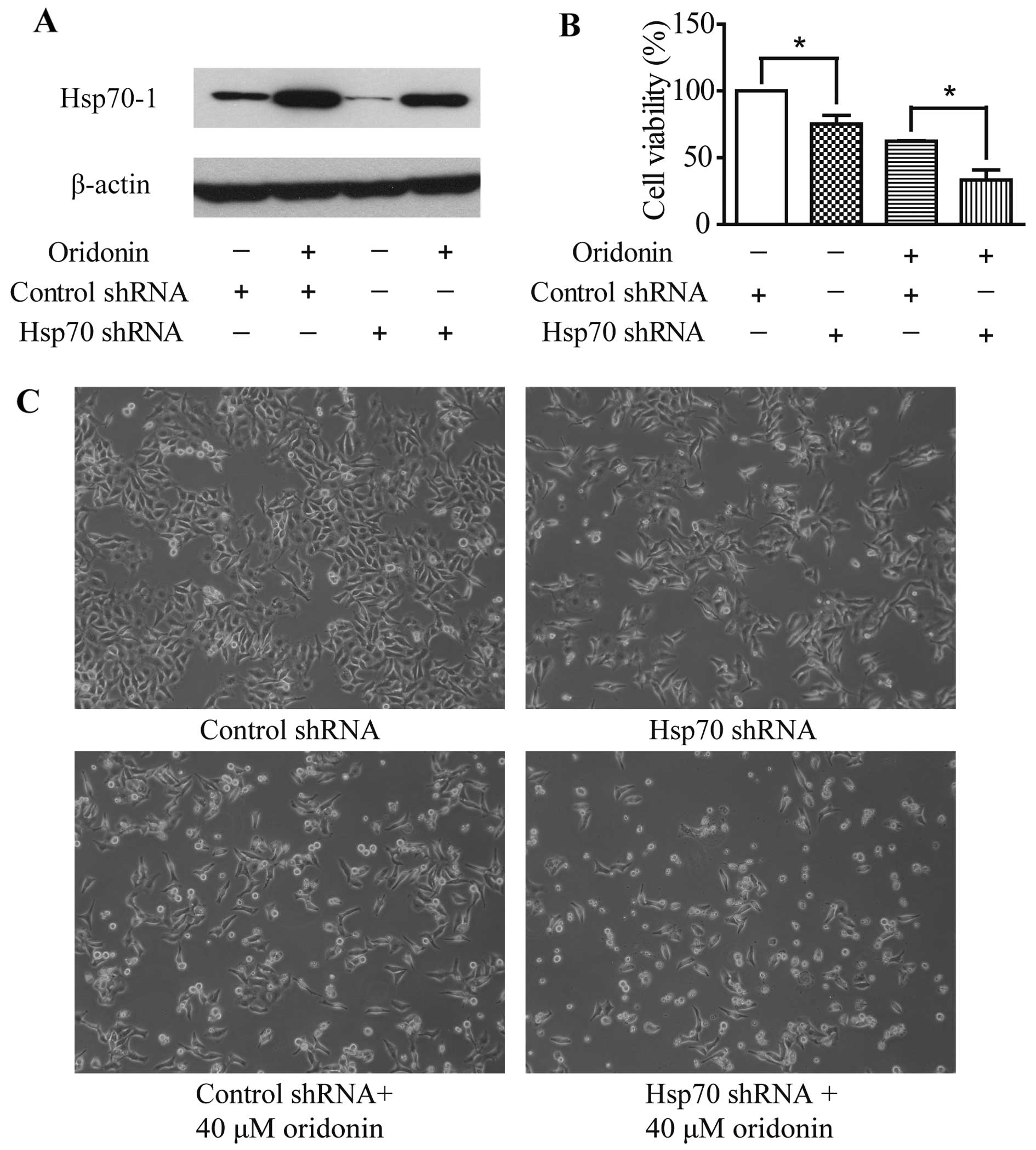
Oridonin exhibits a curative effect on liver carcinoma in patients and experimental animals. In the present study, we performed proteomic and functional analyses to explore the mechanism involved in the anticancer activity of oridonin. Oridonin treatment for 24 h resulted in a dose-dependent decrease in cell viability with an IC50 value of 37.90 µM. Treatment with 40 µM oridonin for 24 h induced apoptosis as typical apoptotic nuclear alterations were observed following DAPI staining. Using a 2-DE-based proteomic approach, 3 upregulated oxidative stress markers, Hsp70-1, Hop and Prdx2, were identified in the HepG2 cells treated with 40 µM oridonin for 24 h. A pattern of alteration in Hsp70-1 was verified by western blotting. The mRNA expression patterns of Hsp70-1 and Hop as determined by qPCR were comparable to their protein expression patterns. Further investigations showed that oridonin treatment for 24 h resulted in reactive oxygen species (ROS) generation, and ROS scavenger N-acetylcysteine (NAC) completely inhibited ROS production and restored cell viability, suggesting that oxidative stress contributed to oridonin-induced HepG2 cell death. Western blot analysis of oxidative stress pathway-related proteins demonstrated that oridonin treatment increased p-JNK, p-p38 and p-p53, and decreased Bcl-2 protein expression levels, promoted cytochrome c release, decreased mitochondrial membrane potential, and activated caspase-9 and caspase-3. Furthermore, knockdown of Hsp70-1 expression with specific shRNA significantly decreased the viability of the cells treated with oridonin, suggesting a protective role of Hsp70-1 in oridonin-mediated oxidative stress. The results of the present study provide evidence for a link between oxidative stress and oridonin-induced apoptosis in HepG2 cells.
View Figures

Figure 1

Figure 2

Figure 3

Figure 4

Figure 5

Figure 6

View References

1 

Gao X, Liu SZ, Liu QL, Liu YY, Zeng DL and Deng MD: Clinical study on anti-cancer effects of Rabdosia rubescens. Chin J Cancer. 3:201–202. 1984.

2 

Zhang JF, Chen GH, Lu MQ and Liu JJ: Antiproliferation effects of oridonin on hepatocellular carcinoma BEL-7402 cells and its mechanism. Chin Traditional Patent Med. 28:1325–1329. 2006.

3 

Huang J, Wei XY, Sun BH, Wu LJ and Ikejima T: Oridonin induced HepG2 cell death partially through TNFα signal pathway. Modern Chin Med. 12:28–32. 2010.

4 

Cai DT, Jin H, Xiong QX, et al: ER stress and ASK1-JNK activation contribute to oridonin-induced apoptosis and growth inhibition in cultured human hepatoblastoma HuH-6 cells. Mol Cell Biochem. 379:161–169. 2013. View Article : Google Scholar : PubMed/NCBI

5 

Wang RL: Therapeutic effects of Isodon rubescens and oridonin preparations in 31 patients with primary carcinoma of the liver. Ai Zheng. 3:501984.

6 

Ha HL, Shin HJ, Feitelson MA and Yu DY: Oxidative stress and antioxidants in hepatic pathogenesis. World J Gastroenterol. 16:6035–6043. 2010. View Article : Google Scholar : PubMed/NCBI

7 

Morales-González JA: Oxidative Stress and Chronic Degenerative Diseases - A Role for Antioxidants. InTech. http://dx.doi.org/10.5772/45722. View Article : Google Scholar

8 

Fang J, Nakamura H and Iyer AK: Tumor-targeted induction of oxystress for cancer therapy. J Drug Target. 15:475–486. 2007. View Article : Google Scholar : PubMed/NCBI

9 

Trachootham D, Alexandre J and Huang P: Targeting cancer cells by ROS-mediated mechanisms: a radical therapeutic approach? Nat Rev Drug Discov. 8:579–591. 2009. View Article : Google Scholar : PubMed/NCBI

10 

Papp E, Nardai G, Soti C and Csermely P: Molecular chaperones, stress proteins and redox homeostasis. Biofactors. 17:249–257. 2003. View Article : Google Scholar : PubMed/NCBI

11 

Odunuga OO, Longshaw VM and Blatch GL: Hop: more than an Hsp70/Hsp90 adaptor protein. Bioessays. 26:1058–1068. 2004. View Article : Google Scholar : PubMed/NCBI

12 

Kang SW, Chae HZ, Seo MS, Kim K, Baines IC and Rhee SG: Mammalian peroxiredoxin isoforms can reduce hydrogen peroxide generated in response to growth factors and tumor necrosis factor-α. J Biol Chem. 273:6297–6302. 1998.PubMed/NCBI

13 

Kim H, Lee TH, Park ES, et al: Role of peroxiredoxins in regulating intracellular hydrogen peroxide and hydrogen peroxide-induced apoptosis in thyroid cells. J Biol Chem. 275:18266–18270. 2000. View Article : Google Scholar : PubMed/NCBI

14 

Fratelli M, Demol H, Puype M, et al: Identification by redox proteomics of glutathionylated proteins in oxidatively stressed human T lymphocytes. Proc Natl Acad Sci USA. 99:3505–3510. 2002. View Article : Google Scholar : PubMed/NCBI

15 

Paron I, D’Elia A, D’Ambrosio C, et al: A proteomic approach to identify early molecular targets of oxidative stress in human epithelial lens cells. Biochem J. 378:929–937. 2004. View Article : Google Scholar : PubMed/NCBI

16 

Cesaratto L, Vascotto C, D’Ambrosio C, et al: Overoxidation of peroxiredoxins as an immediate and sensitive marker of oxidative stress in HepG2 cells and its application to the redox effects induced by ischemia/reperfusion in human liver. Free Radic Res. 39:255–268. 2005. View Article : Google Scholar : PubMed/NCBI

17 

Wang T, Tamae D, LeBon T, Shively JE, Yen Y and Li JJ: The role of peroxiredoxin II in radiation-resistant MCF-7 breast cancer cells. Cancer Res. 65:10338–10346. 2005. View Article : Google Scholar : PubMed/NCBI

18 

Pan JS, Hong MZ and Ren JL: Reactive oxygen species: a double-edged sword in oncogenesis. World J Gastroenterol. 15:1702–1707. 2009. View Article : Google Scholar : PubMed/NCBI

19 

Wu GS: The functional interactions between the p53 and MAPK signaling pathways. Cancer Biol Ther. 3:156–161. 2004. View Article : Google Scholar : PubMed/NCBI

20 

Shen Y and White E: p53-dependent apoptosis pathways. Adv Cancer Res. 82:55–84. 2001. View Article : Google Scholar

21 

Wang H, Ye Y, Chui JH, et al: Oridonin induces G2/M cell cycle arrest and apoptosis through MAPK and p53 signaling pathways in HepG2 cells. Oncol Rep. 24:647–651. 2010.PubMed/NCBI

22 

Zhang JF, Liu JJ, Liu PQ, Lin DJ, Li XD and Chen GH: Oridonin inhibits cell growth by induction of apoptosis on human hepatocelluar carcinoma BEL-7402 cells. Hepatol Res. 35:104–110. 2006. View Article : Google Scholar : PubMed/NCBI

23 

Wang H, Ye Y, Chu JH, Zhu GY, Fong WF and Yu ZL: Proteomic and functional analyses reveal the potential involvement of endoplasmic reticulum stress and α-CP1 in the anticancer activities of oridonin in HepG2 cells. Integr Cancer Ther. 10:160–167. 2010.PubMed/NCBI

24 

Zhang JF, Chen GH, Lu MQ, Li H, Cai CJ and Yang Y: Change of Bcl-2 expression and telomerase during apoptosis induced by oridonin on human hepatocelluar carcinoma cells. Zhongguo Zhong Yao Za Zhi. 31:1811–1814. 2006.(In Chinese).

25 

Yoon SO, Yun CH and Chung AS: Dose effect of oxidative stress on signal transduction in aging. Mech Ageing Dev. 123:1597–1604. 2002. View Article : Google Scholar : PubMed/NCBI

26 

Liu J, Shen HM and Ong CN: Role of intracellular thiol depletion, mitochondrial dysfunction and reactive oxygen species in Salvia miltiorrhiza-induced apoptosis in human hepatoma HepG2 cells. Life Sci. 69:1833–1850. 2001. View Article : Google Scholar : PubMed/NCBI

27 

Datta K, Babbar P, Srivastava T, Sinha S and Chattopadhyay P: p53 dependent apoptosis in glioma cell lines in response to hydrogen peroxide induced oxidative stress. Int J Biochem Cell Biol. 34:148–157. 2002. View Article : Google Scholar : PubMed/NCBI

28 

Haruna S, Kuroi R, Kajiwara K, et al: Induction of apoptosis in HL-60 cells by photochemically generated hydroxyl radicals. Bioorg Med Chem Lett. 12:675–676. 2002. View Article : Google Scholar : PubMed/NCBI

29 

Du Y, Villeneuve NF, Wang XJ, et al: Oridonin confers protection against arsenic-induced toxicity through activation of the Nrf2-mediated defensive response. Environ Health Perspect. 116:1154–1161. 2008. View Article : Google Scholar : PubMed/NCBI

30 

Zang L, He H, Xu Q, et al: Reactive oxygen species H2O2 and radical •OH, but not O2• − promote oridonin-induced phagocytosis of apoptotic cells by human histocytic lymphoma U937 cells. Int Immunopharmacol. 15:414–423. 2013.

31 

Cheng Y, Qiu F, Ye YC, et al: Autophagy inhibits reactive oxygen species-mediated apoptosis via activating p38-nuclear factor-kappa B survival pathways in oridonin-treated murine fibrosarcoma L929 cells. FEBS J. 276:1291–1306. 2009. View Article : Google Scholar

32 

Huang J, Wu L, Tashiro S, Onodera S and Ikejima T: Reactive oxygen species mediate oridonin-induced HepG2 apoptosis through p53, MAPK, and mitochondrial signaling pathways. J Pharmacol Sci. 107:370–379. 2008. View Article : Google Scholar : PubMed/NCBI

33 

Yu Y, Fan SM, Song JK, Tashiro S, Onodera S and Ikejima T: Hydroxyl radical (•OH) played a pivotal role in oridonin-induced apoptosis and autophagy in human epidermoid carcinoma A431 cells. Biol Pharm Bull. 35:2148–2159. 2012.

34 

McCubrey JA, Lahair MM and Franklin RA: Reactive oxygen species-induced activation of the MAP kinase signaling pathways. Antioxid Redox Signal. 8:1775–1789. 2006. View Article : Google Scholar : PubMed/NCBI

35 

Schuler M and Green DR: Mechanisms of p53-dependent apoptosis. Biochem Soc Trans. 29:684–688. 2001. View Article : Google Scholar : PubMed/NCBI

Related Articles

  • Abstract
  • View
  • Download
  • Twitter
Copy and paste a formatted citation
Spandidos Publications style
Wang H, Ye Y and Yu Z: Proteomic and functional analyses demonstrate the involvement of oxidative stress in the anticancer activities of oridonin in HepG2 cells. Oncol Rep 31: 2165-2172, 2014.
APA
Wang, H., Ye, Y., & Yu, Z. (2014). Proteomic and functional analyses demonstrate the involvement of oxidative stress in the anticancer activities of oridonin in HepG2 cells. Oncology Reports, 31, 2165-2172. https://doi.org/10.3892/or.2014.3081
MLA
Wang, H., Ye, Y., Yu, Z."Proteomic and functional analyses demonstrate the involvement of oxidative stress in the anticancer activities of oridonin in HepG2 cells". Oncology Reports 31.5 (2014): 2165-2172.
Chicago
Wang, H., Ye, Y., Yu, Z."Proteomic and functional analyses demonstrate the involvement of oxidative stress in the anticancer activities of oridonin in HepG2 cells". Oncology Reports 31, no. 5 (2014): 2165-2172. https://doi.org/10.3892/or.2014.3081
Copy and paste a formatted citation
x
Spandidos Publications style
Wang H, Ye Y and Yu Z: Proteomic and functional analyses demonstrate the involvement of oxidative stress in the anticancer activities of oridonin in HepG2 cells. Oncol Rep 31: 2165-2172, 2014.
APA
Wang, H., Ye, Y., & Yu, Z. (2014). Proteomic and functional analyses demonstrate the involvement of oxidative stress in the anticancer activities of oridonin in HepG2 cells. Oncology Reports, 31, 2165-2172. https://doi.org/10.3892/or.2014.3081
MLA
Wang, H., Ye, Y., Yu, Z."Proteomic and functional analyses demonstrate the involvement of oxidative stress in the anticancer activities of oridonin in HepG2 cells". Oncology Reports 31.5 (2014): 2165-2172.
Chicago
Wang, H., Ye, Y., Yu, Z."Proteomic and functional analyses demonstrate the involvement of oxidative stress in the anticancer activities of oridonin in HepG2 cells". Oncology Reports 31, no. 5 (2014): 2165-2172. https://doi.org/10.3892/or.2014.3081
Follow us
  • Twitter
  • LinkedIn
  • Facebook
About
  • Spandidos Publications
  • Careers
  • Cookie Policy
  • Privacy Policy
How can we help?
  • Help
  • Live Chat
  • Contact
  • Email to our Support Team