Spandidos Publications Logo
  • About
    • About Spandidos
    • Aims and Scopes
    • Abstracting and Indexing
    • Editorial Policies
    • Reprints and Permissions
    • Job Opportunities
    • Terms and Conditions
    • Contact
  • Journals
    • All Journals
    • Oncology Letters
      • Oncology Letters
      • Information for Authors
      • Editorial Policies
      • Editorial Board
      • Aims and Scope
      • Abstracting and Indexing
      • Bibliographic Information
      • Archive
    • International Journal of Oncology
      • International Journal of Oncology
      • Information for Authors
      • Editorial Policies
      • Editorial Board
      • Aims and Scope
      • Abstracting and Indexing
      • Bibliographic Information
      • Archive
    • Molecular and Clinical Oncology
      • Molecular and Clinical Oncology
      • Information for Authors
      • Editorial Policies
      • Editorial Board
      • Aims and Scope
      • Abstracting and Indexing
      • Bibliographic Information
      • Archive
    • Experimental and Therapeutic Medicine
      • Experimental and Therapeutic Medicine
      • Information for Authors
      • Editorial Policies
      • Editorial Board
      • Aims and Scope
      • Abstracting and Indexing
      • Bibliographic Information
      • Archive
    • International Journal of Molecular Medicine
      • International Journal of Molecular Medicine
      • Information for Authors
      • Editorial Policies
      • Editorial Board
      • Aims and Scope
      • Abstracting and Indexing
      • Bibliographic Information
      • Archive
    • Biomedical Reports
      • Biomedical Reports
      • Information for Authors
      • Editorial Policies
      • Editorial Board
      • Aims and Scope
      • Abstracting and Indexing
      • Bibliographic Information
      • Archive
    • Oncology Reports
      • Oncology Reports
      • Information for Authors
      • Editorial Policies
      • Editorial Board
      • Aims and Scope
      • Abstracting and Indexing
      • Bibliographic Information
      • Archive
    • Molecular Medicine Reports
      • Molecular Medicine Reports
      • Information for Authors
      • Editorial Policies
      • Editorial Board
      • Aims and Scope
      • Abstracting and Indexing
      • Bibliographic Information
      • Archive
    • World Academy of Sciences Journal
      • World Academy of Sciences Journal
      • Information for Authors
      • Editorial Policies
      • Editorial Board
      • Aims and Scope
      • Abstracting and Indexing
      • Bibliographic Information
      • Archive
    • International Journal of Functional Nutrition
      • International Journal of Functional Nutrition
      • Information for Authors
      • Editorial Policies
      • Editorial Board
      • Aims and Scope
      • Abstracting and Indexing
      • Bibliographic Information
      • Archive
    • International Journal of Epigenetics
      • International Journal of Epigenetics
      • Information for Authors
      • Editorial Policies
      • Editorial Board
      • Aims and Scope
      • Abstracting and Indexing
      • Bibliographic Information
      • Archive
    • Medicine International
      • Medicine International
      • Information for Authors
      • Editorial Policies
      • Editorial Board
      • Aims and Scope
      • Abstracting and Indexing
      • Bibliographic Information
      • Archive
  • Articles
  • Information
    • Information for Authors
    • Information for Reviewers
    • Information for Librarians
    • Information for Advertisers
    • Conferences
  • Language Editing
Spandidos Publications Logo
  • About
    • About Spandidos
    • Aims and Scopes
    • Abstracting and Indexing
    • Editorial Policies
    • Reprints and Permissions
    • Job Opportunities
    • Terms and Conditions
    • Contact
  • Journals
    • All Journals
    • Biomedical Reports
      • Information for Authors
      • Editorial Policies
      • Editorial Board
      • Aims and Scope
      • Abstracting and Indexing
      • Bibliographic Information
      • Archive
    • Experimental and Therapeutic Medicine
      • Information for Authors
      • Editorial Policies
      • Editorial Board
      • Aims and Scope
      • Abstracting and Indexing
      • Bibliographic Information
      • Archive
    • International Journal of Epigenetics
      • Information for Authors
      • Editorial Policies
      • Editorial Board
      • Aims and Scope
      • Abstracting and Indexing
      • Bibliographic Information
      • Archive
    • International Journal of Functional Nutrition
      • Information for Authors
      • Editorial Policies
      • Editorial Board
      • Aims and Scope
      • Abstracting and Indexing
      • Bibliographic Information
      • Archive
    • International Journal of Molecular Medicine
      • Information for Authors
      • Editorial Policies
      • Editorial Board
      • Aims and Scope
      • Abstracting and Indexing
      • Bibliographic Information
      • Archive
    • International Journal of Oncology
      • Information for Authors
      • Editorial Policies
      • Editorial Board
      • Aims and Scope
      • Abstracting and Indexing
      • Bibliographic Information
      • Archive
    • Medicine International
      • Information for Authors
      • Editorial Policies
      • Editorial Board
      • Aims and Scope
      • Abstracting and Indexing
      • Bibliographic Information
      • Archive
    • Molecular and Clinical Oncology
      • Information for Authors
      • Editorial Policies
      • Editorial Board
      • Aims and Scope
      • Abstracting and Indexing
      • Bibliographic Information
      • Archive
    • Molecular Medicine Reports
      • Information for Authors
      • Editorial Policies
      • Editorial Board
      • Aims and Scope
      • Abstracting and Indexing
      • Bibliographic Information
      • Archive
    • Oncology Letters
      • Information for Authors
      • Editorial Policies
      • Editorial Board
      • Aims and Scope
      • Abstracting and Indexing
      • Bibliographic Information
      • Archive
    • Oncology Reports
      • Information for Authors
      • Editorial Policies
      • Editorial Board
      • Aims and Scope
      • Abstracting and Indexing
      • Bibliographic Information
      • Archive
    • World Academy of Sciences Journal
      • Information for Authors
      • Editorial Policies
      • Editorial Board
      • Aims and Scope
      • Abstracting and Indexing
      • Bibliographic Information
      • Archive
  • Articles
  • Information
    • For Authors
    • For Reviewers
    • For Librarians
    • For Advertisers
    • Conferences
  • Language Editing
Login Register Submit
  • This site uses cookies
  • You can change your cookie settings at any time by following the instructions in our Cookie Policy. To find out more, you may read our Privacy Policy.

    I agree
Search articles by DOI, keyword, author or affiliation
Search
Advanced Search
presentation
Oncology Reports
Join Editorial Board Propose a Special Issue
Print ISSN: 1021-335X Online ISSN: 1791-2431
Journal Cover
August-2016 Volume 36 Issue 2

Full Size Image

Sign up for eToc alerts
Recommend to Library

Journals

International Journal of Molecular Medicine

International Journal of Molecular Medicine

International Journal of Molecular Medicine is an international journal devoted to molecular mechanisms of human disease.

International Journal of Oncology

International Journal of Oncology

International Journal of Oncology is an international journal devoted to oncology research and cancer treatment.

Molecular Medicine Reports

Molecular Medicine Reports

Covers molecular medicine topics such as pharmacology, pathology, genetics, neuroscience, infectious diseases, molecular cardiology, and molecular surgery.

Oncology Reports

Oncology Reports

Oncology Reports is an international journal devoted to fundamental and applied research in Oncology.

Experimental and Therapeutic Medicine

Experimental and Therapeutic Medicine

Experimental and Therapeutic Medicine is an international journal devoted to laboratory and clinical medicine.

Oncology Letters

Oncology Letters

Oncology Letters is an international journal devoted to Experimental and Clinical Oncology.

Biomedical Reports

Biomedical Reports

Explores a wide range of biological and medical fields, including pharmacology, genetics, microbiology, neuroscience, and molecular cardiology.

Molecular and Clinical Oncology

Molecular and Clinical Oncology

International journal addressing all aspects of oncology research, from tumorigenesis and oncogenes to chemotherapy and metastasis.

World Academy of Sciences Journal

World Academy of Sciences Journal

Multidisciplinary open-access journal spanning biochemistry, genetics, neuroscience, environmental health, and synthetic biology.

International Journal of Functional Nutrition

International Journal of Functional Nutrition

Open-access journal combining biochemistry, pharmacology, immunology, and genetics to advance health through functional nutrition.

International Journal of Epigenetics

International Journal of Epigenetics

Publishes open-access research on using epigenetics to advance understanding and treatment of human disease.

Medicine International

Medicine International

An International Open Access Journal Devoted to General Medicine.

Journal Cover
August-2016 Volume 36 Issue 2

Full Size Image

Sign up for eToc alerts
Recommend to Library

  • Article
  • Citations
    • Cite This Article
    • Download Citation
    • Create Citation Alert
    • Remove Citation Alert
    • Cited By
  • Similar Articles
    • Related Articles (in Spandidos Publications)
    • Similar Articles (Google Scholar)
    • Similar Articles (PubMed)
  • Download PDF
  • Download XML
  • View XML
Article

Phosphorylated mTOR is associated to androgen receptor expression in early triple-negative breast cancer

  • Authors:
    • M. Pistelli
    • Z. Ballatore
    • A. Santinelli
    • T. Biscotti
    • F. Piva
    • G. Occhipinti
    • A. Della Mora
    • A. Pagliacci
    • N. Battelli
    • L. Bastianelli
    • M. De Lisa
    • R. Bracci
    • E. Maccaroni
    • R. Berardi
    • S. Cascinu
  • View Affiliations / Copyright

    Affiliations: Department of Medical Oncology, AOU Ospedali Riuniti, Università Politecnica delle Marche, Ancona, Italy, Department of Pathology, AOU Ospedali Riuniti, Università Politecnica delle Marche, Ancona, Italy, Department of Specialistic Clinical and Odontostomatological Sciences, Polytechnic University of Marche, Ancona, Italy
  • Pages: 755-762
    |
    Published online on: June 22, 2016
       https://doi.org/10.3892/or.2016.4903
  • Expand metrics +
Metrics: Total Views: 0 (Spandidos Publications: | PMC Statistics: )
Metrics: Total PDF Downloads: 0 (Spandidos Publications: | PMC Statistics: )
Cited By (CrossRef): 0 citations Loading Articles...

This article is mentioned in:


Abstract

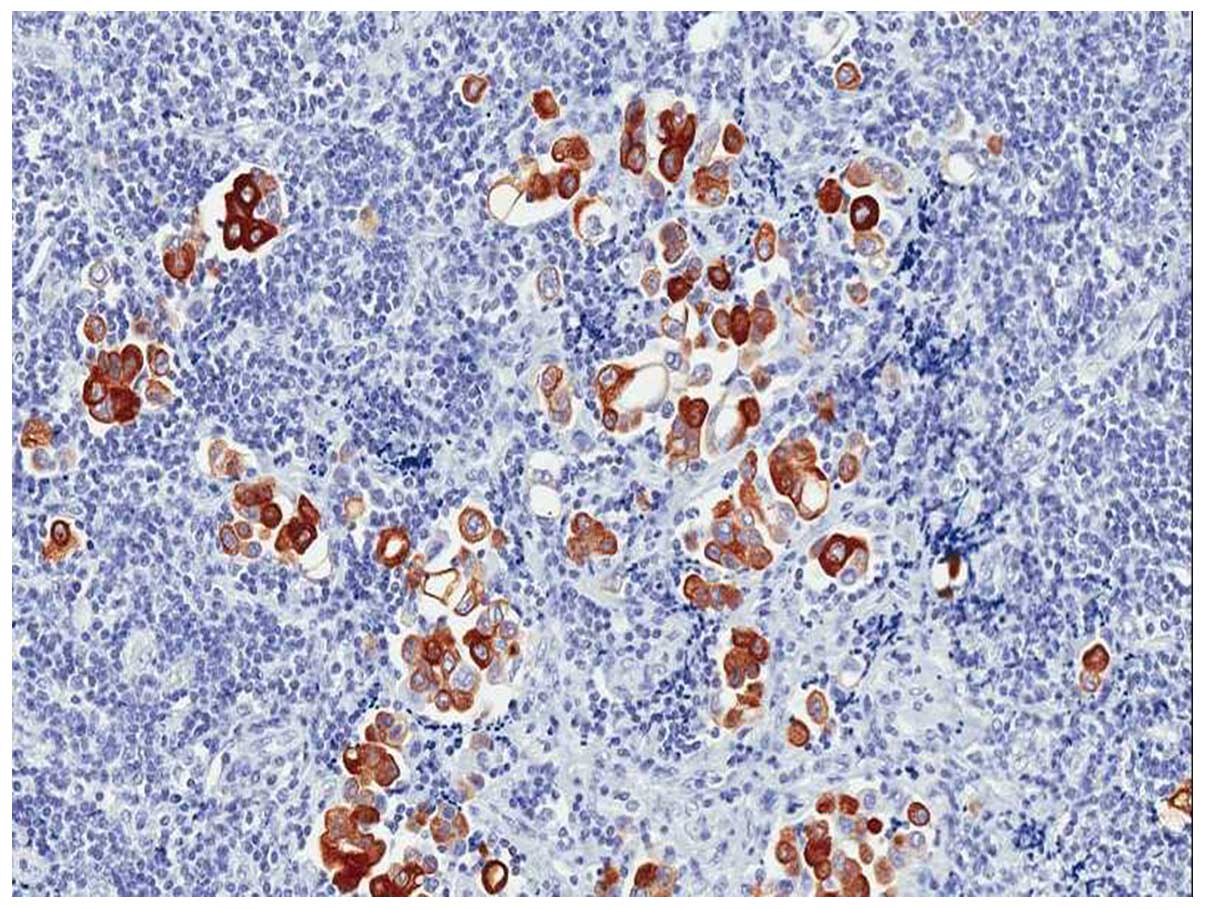
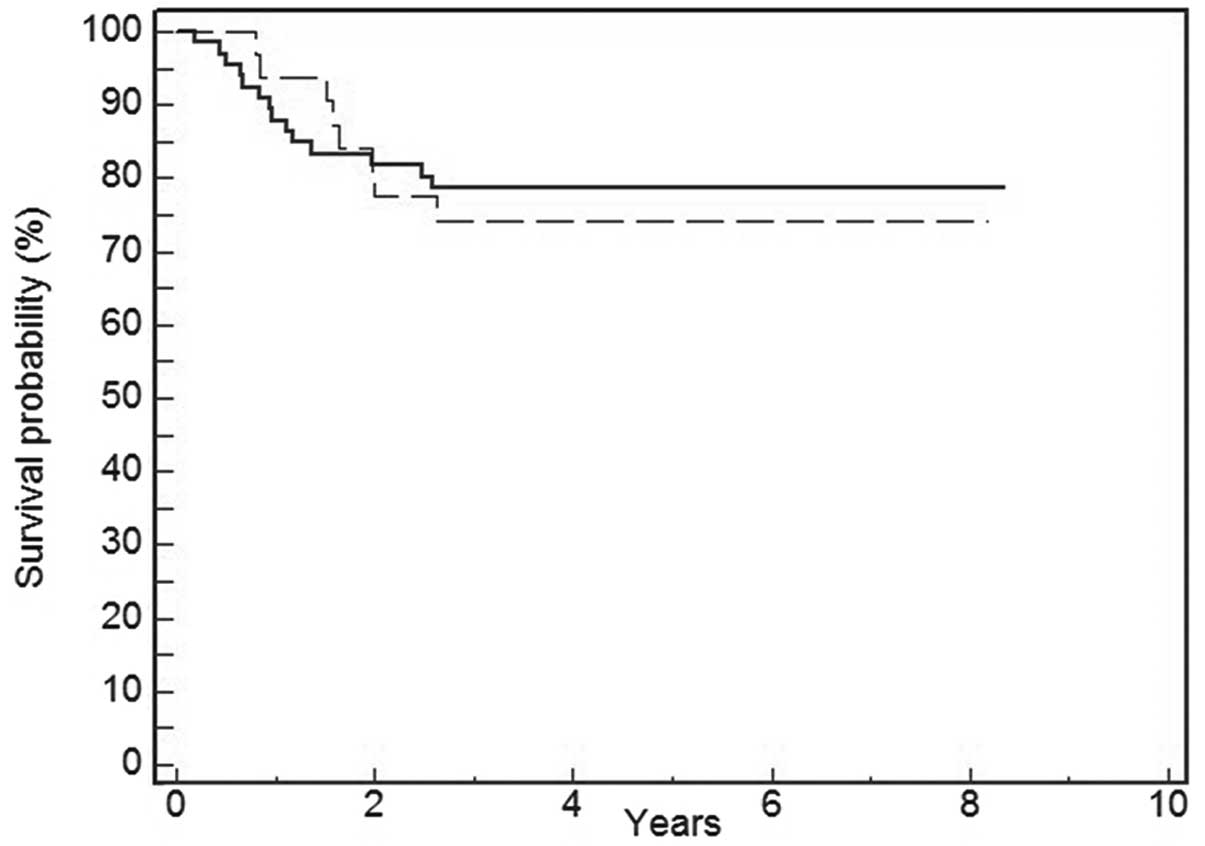
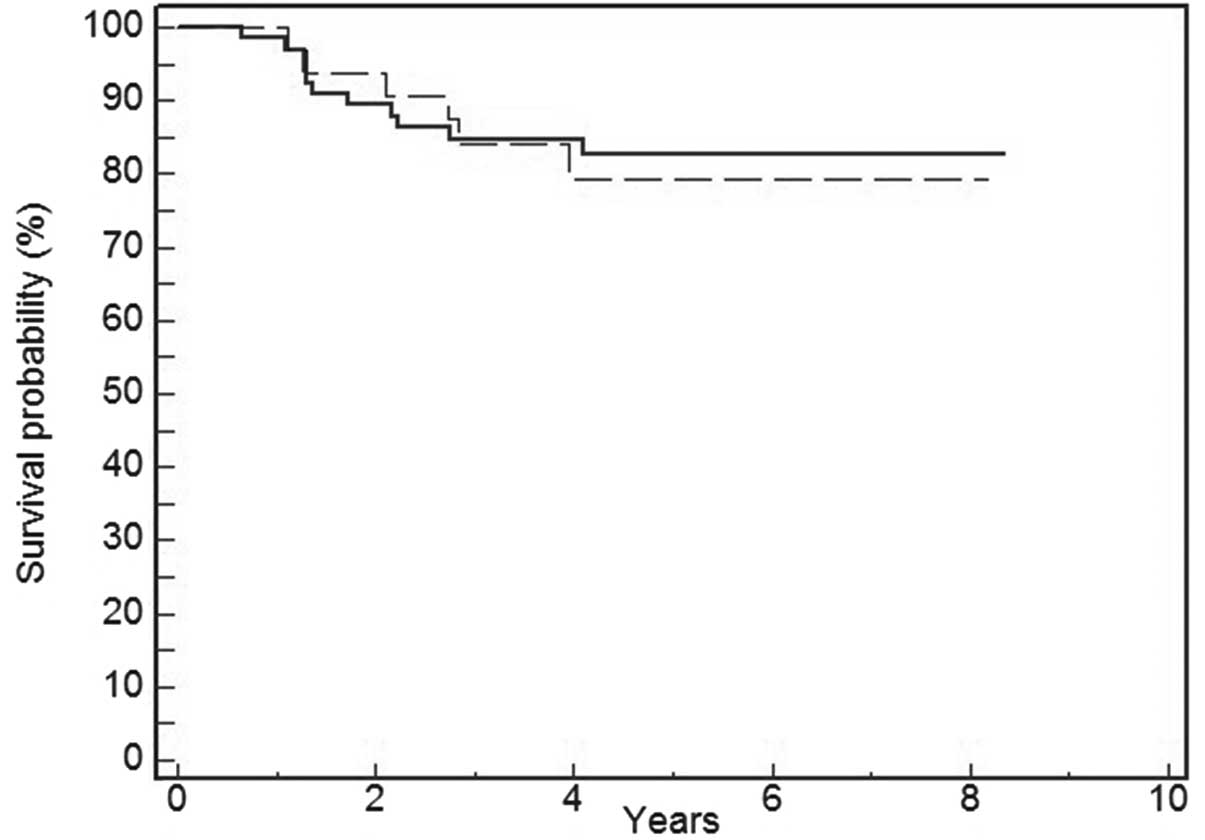
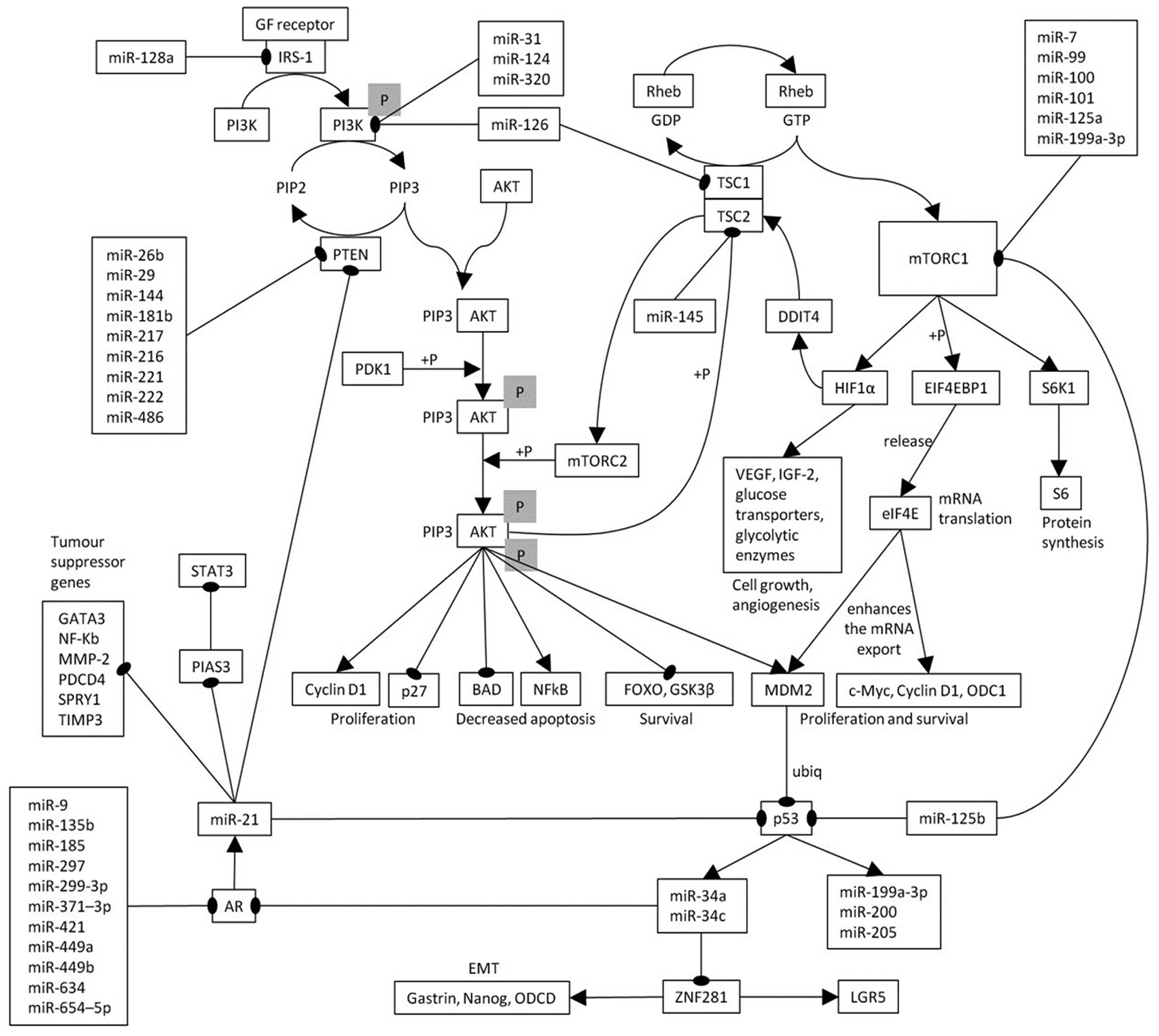
The significance of phosphorylated mTOR (p-mTOR) expression is unknown in triple-negative breast carcinoma (TNBC). The aims of the present study were to assess the expression of p-mTOR in early TNBC and to evaluate possible correlations between androgen receptor (AR) expression, clinicopathological parameters and disease outcome. Between January 2009 and December 2013, all consecutive patients who were diagnosed and completed the treatment of invasive TNBC at our institution were eligible for this analysis. Patients with stage IV disease were excluded. The evaluation of p-mTOR immunohistochemical staining was semi-quantitatively considering both the percentage of positive tumor cells (range, 0-100%) and staining intensity (range, 0-3+). Ninety-eight TNBC patients were included. Approximately 33% of cases were p-mTOR positive and there was no association between positive immunostaining for p-mTOR and DFS (p=0.74) and OS (p=0.81). p-mTOR positivity was associated with small tumor size (p=0.03) and AR expression (p=0.04). High expression of p-mTOR may drive tumor proliferation in almost one third of TNBC. The biological association between mTOR activation and AR pathway suggests that there may exist a subgroup of TNBC in which the combination of both AR antagonism and mTOR inhibition should have a synergistic effect on cell growth and tumor progression.
View Figures

Figure 1

Figure 2

Figure 3

Figure 4

View References

1 

Cuenca-López MD, Montero JC, Morales JC, Prat A, Pandiella A and Ocana A: Phospho-kinase profile of triple negative breast cancer and androgen receptor signaling. BMC Cancer. 14:3022014. View Article : Google Scholar : PubMed/NCBI

2 

Dent R, Trudeau M, Pritchard KI, Hanna WM, Kahn HK, Sawka CA, Lickley LA, Rawlinson E, Sun P and Narod SA: Triple-negative breast cancer: Clinical features and patterns of recurrence. Clin Cancer Res. 13:4429–4434. 2007. View Article : Google Scholar : PubMed/NCBI

3 

Liedtke C, Mazouni C, Hess KR, André F, Tordai A, Mejia JA, Symmans WF, Gonzalez-Angulo AM, Hennessy B, Green M, et al: Response to neoadjuvant therapy and long-term survival in patients with triple-negative breast cancer. J Clin Oncol. 26:1275–1281. 2008. View Article : Google Scholar : PubMed/NCBI

4 

Craig DW, O'Shaughnessy JA, Kiefer JA, Aldrich J, Sinari S, Moses TM, Wong S, Dinh J, Christoforides A, Blum JL, et al: Genome and transcriptome sequencing in prospective metastatic triple-negative breast cancer uncovers therapeutic vulnerabilities. Mol Cancer Ther. 12:104–116. 2013. View Article : Google Scholar

5 

Pal SK, Childs BH and Pegram M: Triple negative breast cancer: Unmet medical needs. Breast Cancer Res Treat. 125:627–636. 2011. View Article : Google Scholar :

6 

André F and Zielinski CC: Optimal strategies for the treatment of metastatic triple-negative breast cancer with currently approved agents. Ann Oncol. 23(Suppl 6): vi46–vi51. 2012. View Article : Google Scholar : PubMed/NCBI

7 

Lehmann BD and Pietenpol JA: Identification and use of biomarkers in treatment strategies for triple-negative breast cancer subtypes. J Pathol. 232:142–150. 2014. View Article : Google Scholar :

8 

Laplante M and Sabatini DM: mTOR signaling in growth control and disease. Cell. 149:274–293. 2012. View Article : Google Scholar : PubMed/NCBI

9 

Dann SG, Selvaraj A and Thomas G: mTOR Complex1-S6K1 signaling: At the crossroads of obesity, diabetes and cancer. Trends Mol Med. 13:252–259. 2007. View Article : Google Scholar : PubMed/NCBI

10 

Yaba A, Bianchi V, Borini A and Johnson J: A putative mitotic checkpoint dependent on mTOR function controls cell proliferation and survival in ovarian granulosa cells. Reprod Sci. 15:128–138. 2008. View Article : Google Scholar : PubMed/NCBI

11 

Vazquez-Martin A, Oliveras-Ferraros C, Bernadó L, López-Bonet E and Menendez JA: The serine 2481-autophosphorylated form of mammalian target of rapamycin (mTOR) is localized to midzone and midbody in dividing cancer cells. Biochem Biophys Res Commun. 380:638–643. 2009. View Article : Google Scholar : PubMed/NCBI

12 

Walsh S, Flanagan L, Quinn C, Evoy D, McDermott EW, Pierce A and Duffy MJ: mTOR in breast cancer: Differential expression in triple-negative and non-triple-negative tumors. Breast. 21:178–182. 2012. View Article : Google Scholar

13 

Zhou X, Tan M, Stone Hawthorne V, Klos KS, Lan KH, Yang Y, Yang W, Smith TL, Shi D and Yu D: Activation of the Akt/mammalian target of rapamycin/4E-BP1 pathway by ErbB2 overexpression predicts tumor progression in breast cancers. Clin Cancer Res. 10:6779–6788. 2004. View Article : Google Scholar : PubMed/NCBI

14 

Ueng SH, Chen SC, Chang YS, Hsueh S, Lin YC, Chien HP, Lo YF, Shen SC and Hsueh C: Phosphorylated mTOR expression correlates with poor outcome in early-stage triple negative breast carcinomas. Int J Clin Exp Pathol. 5:806–813. 2012.PubMed/NCBI

15 

Shaw RJ and Cantley LC: Ras, PI(3)K and mTOR signalling controls tumour cell growth. Nature. 441:424–430. 2006. View Article : Google Scholar : PubMed/NCBI

16 

Hammond ME, Hayes DF, Dowsett M, Allred DC, Hagerty KL, Badve S, Fitzgibbons PL, Francis G, Goldstein NS, Hayes M, et al: American Society of Clinical Oncology/College Of American Pathologists guideline recommendations for immunohistochemical testing of estrogen and progesterone receptors in breast cancer. J Clin Oncol. 28:2784–2795. 2010. View Article : Google Scholar : PubMed/NCBI

17 

Wolff AC, Hammond ME, Hicks DG, Dowsett M, McShane LM, Allison KH, Allred DC, Bartlett JM, Bilous M, Fitzgibbons P, et al American Society of Clinical Oncology; College of American Pathologists: Recommendations for human epidermal growth factor receptor 2 testing in breast cancer: American Society of Clinical Oncology/College of American Pathologists clinical practice guideline update. J Clin Oncol. 31:3997–4013. 2013. View Article : Google Scholar : PubMed/NCBI

18 

Yunokawa M, Koizumi F, Kitamura Y, Katanasaka Y, Okamoto N, Kodaira M, Yonemori K, Shimizu C, Ando M, Masutomi K, et al: Efficacy of everolimus, a novel mTOR inhibitor, against basal-like triple-negative breast cancer cells. Cancer Sci. 103:1665–1671. 2012. View Article : Google Scholar : PubMed/NCBI

19 

Vazquez-Martin A, Oliveras-Ferraros C, Del Barco S, Martin-Castillo B and Menendez JA: If mammalian target of metformin indirectly is mammalian target of rapamycin, then the insulin-like growth factor-1 receptor axis will audit the efficacy of metformin in cancer clinical trials. J Clin Oncol. 27:e207–209; author reply e210. 2009. View Article : Google Scholar : PubMed/NCBI

20 

Zhang H, Cohen AL, Krishnakumar S, Wapnir IL, Veeriah S, Deng G, Coram MA, Piskun CM, Longacre TA, Herrler M, et al: Patient-derived xenografts of triple-negative breast cancer reproduce molecular features of patient tumors and respond to mTOR inhibition. Breast Cancer Res. 16:R362014. View Article : Google Scholar : PubMed/NCBI

21 

Xu S, Li S, Guo Z, Luo J, Ellis MJ and Ma CX: Combined targeting of mTOR and AKT is an effective strategy for basal-like breast cancer in patient-derived xenograft models. Mol Cancer Ther. 12:1665–1675. 2013. View Article : Google Scholar : PubMed/NCBI

22 

Bose S, Chandran S, Mirocha JM and Bose N: The Akt pathway in human breast cancer: a tissue-array-based analysis. Mod Pathol. 19:238–245. 2006. View Article : Google Scholar

23 

Lehmann BD, Bauer JA, Schafer JM, Pendleton CS, Tang L, Johnson KC, Chen X, Balko JM, Gómez H, Arteaga CL, et al: PIK3CA mutations in androgen receptor-positive triple negative breast cancer confer sensitivity to the combination of PI3K and androgen receptor inhibitors. Breast Cancer Res. 16:4062014. View Article : Google Scholar : PubMed/NCBI

24 

Lehmann BD, Bauer JA, Chen X, Sanders ME, Chakravarthy AB, Shyr Y and Pietenpol JA: Identification of human triple-negative breast cancer subtypes and preclinical models for selection of targeted therapies. J Clin Invest. 121:2750–2767. 2011. View Article : Google Scholar : PubMed/NCBI

25 

Gucalp A and Traina TA: Triple-negative breast cancer: Role of the androgen receptor. Cancer J. 16:62–65. 2010. View Article : Google Scholar : PubMed/NCBI

26 

Edlind MP and Hsieh AC: PI3K-AKT-mTOR signaling in prostate cancer progression and androgen deprivation therapy resistance. Asian J Androl. 16:378–386. 2014. View Article : Google Scholar : PubMed/NCBI

27 

Dong G, Liang X, Wang D, Gao H, Wang L, Wang L, Liu J and Du Z: High expression of miR-21 in triple-negative breast cancers was correlated with a poor prognosis and promoted tumor cell in vitro proliferation. Med Oncol. 31:572014. View Article : Google Scholar : PubMed/NCBI

28 

Medimegh I, Omrane I, Privat M, Uhrhummer N, Ayari H, Belaiba F, Benayed F, Benromdhan K, Mader S, Bignon IJ, et al: MicroRNAs expression in triple negative vs non triple negative breast cancer in Tunisia: Interaction with clinical outcome. PLoS One. 9:e1118772014. View Article : Google Scholar : PubMed/NCBI

29 

Huang J, Dibble CC, Matsuzaki M and Manning BD: The TSC1-TSC2 complex is required for proper activation of mTOR complex 2. Mol Cell Biol. 28:4104–4115. 2008. View Article : Google Scholar : PubMed/NCBI

30 

Ke Q and Costa M: Hypoxia-inducible factor-1 (HIF-1). Mol Pharmacol. 70:1469–1480. 2006. View Article : Google Scholar : PubMed/NCBI

31 

DeYoung MP, Horak P, Sofer A, Sgroi D and Ellisen LW: Hypoxia regulates TSC1/2-mTOR signaling and tumor suppression through REDD1-mediated 14-3-3 shuttling. Genes Dev. 22:239–251. 2008. View Article : Google Scholar : PubMed/NCBI

32 

Culjkovic B, Topisirovic I, Skrabanek L, Ruiz-Gutierrez M and Borden KL: eIF4E is a central node of an RNA regulon that governs cellular proliferation. J Cell Biol. 175:415–426. 2006. View Article : Google Scholar : PubMed/NCBI

33 

Culjkovic-Kraljacic B, Baguet A, Volpon L, Amri A and Borden KL: The oncogene eIF4E reprograms the nuclear pore complex to promote mRNA export and oncogenic transformation. Cell Rep. 2:207–215. 2012. View Article : Google Scholar : PubMed/NCBI

34 

Giulietti M, Milantoni SA, Armeni T, Principato G and Piva F: ExportAid: Database of RNA elements regulating nuclear RNA export in mammals. Bioinformatics. 31:246–251. 2015. View Article : Google Scholar

35 

Rokavec M, Li H, Jiang L and Hermeking H: The p53/miR-34 axis in development and disease. J Mol Cell Biol. 6:214–230. 2014. View Article : Google Scholar : PubMed/NCBI

36 

Hermeking H: MicroRNAs in the p53 network: Micromanagement of tumour suppression. Nat Rev Cancer. 12:613–626. 2012. View Article : Google Scholar : PubMed/NCBI

37 

Östling P, Leivonen SK, Aakula A, Kohonen P, Mäkelä R, Hagman Z, Edsjö A, Kangaspeska S, Edgren H, Nicorici D, et al: Systematic analysis of microRNAs targeting the androgen receptor in prostate cancer cells. Cancer Res. 71:1956–1967. 2011. View Article : Google Scholar : PubMed/NCBI

38 

Ribas J, Ni X, Haffner M, Wentzel EA, Salmasi AH, Chowdhury WH, Kudrolli TA, Yegnasubramanian S, Luo J, Rodriguez R, et al: miR-21: An androgen receptor-regulated microRNA that promotes hormone-dependent and hormone-independent prostate cancer growth. Cancer Res. 69:7165–7169. 2009. View Article : Google Scholar : PubMed/NCBI

39 

Teng Y, Litchfield LM, Ivanova MM, Prough RA, Clark BJ and Klinge CM: Dehydroepiandrosterone-induces miR-21 transcription in HepG2 cells through estrogen receptor β and androgen receptor. Mol Cell Endocrinol. 392:23–36. 2014. View Article : Google Scholar : PubMed/NCBI

40 

Ma X, Choudhury SN, Hua X, Dai Z and Li Y: Interaction of the oncogenic miR-21 microRNA and the p53 tumor suppressor pathway. Carcinogenesis. 34:1216–1223. 2013. View Article : Google Scholar : PubMed/NCBI

41 

Xiong Q, Zhong Q, Zhang J, Yang M, Li C, Zheng P, Bi LJ and Ge F: Identification of novel miR-21 target proteins in multiple myeloma cells by quantitative proteomics. J Proteome Res. 11:2078–2090. 2012. View Article : Google Scholar : PubMed/NCBI

42 

Meng F, Henson R, Wehbe-Janek H, Ghoshal K, Jacob ST and Patel T: MicroRNA-21 regulates expression of the PTEN tumor suppressor gene in human hepatocellular cancer. Gastroenterology. 133:647–658. 2007. View Article : Google Scholar : PubMed/NCBI

43 

Bao B, Ali S, Kong D, Sarkar SH, Wang Z, Banerjee S, Aboukameel A, Padhye S, Philip PA and Sarkar FH: Anti-tumor activity of a novel compound-CDF is mediated by regulating miR-21, miR-200, and PTEN in pancreatic cancer. PLoS One. 6:e178502011. View Article : Google Scholar : PubMed/NCBI

44 

Darido C, Georgy SR, Wilanowski T, Dworkin S, Auden A, Zhao Q, Rank G, Srivastava S, Finlay MJ, Papenfuss AT, et al: Targeting of the tumor suppressor GRHL3 by a miR-21-dependent proto-oncogenic network results in PTEN loss and tumorigenesis. Cancer Cell. 20:635–648. 2011. View Article : Google Scholar : PubMed/NCBI

45 

Tang H, Liu P, Yang L and Xie X, Ye F, Wu M, Liu X, Chen B, Zhang L and Xie X: miR-185 suppresses tumor proliferation by directly targeting E2F6 and DNMT1 and indirectly upregulating BRCA1 in triple-negative breast cancer. Mol Cancer Ther. 13:3185–3197. 2014. View Article : Google Scholar : PubMed/NCBI

46 

Cascione L, Gasparini P, Lovat F, Carasi S, Pulvirenti A, Ferro A, Alder H, He G, Vecchione A, Croce CM, et al: Integrated microRNA and mRNA signatures associated with survival in triple negative breast cancer. PLoS One. 8:e559102013. View Article : Google Scholar : PubMed/NCBI

47 

Augoff K, McCue B, Plow EF and Sossey-Alaoui K: miR-31 and its host gene lncRNA LOC554202 are regulated by promoter hypermethylation in triple-negative breast cancer. Mol Cancer. 11:52012. View Article : Google Scholar : PubMed/NCBI

48 

Humphries B, Wang Z, Oom AL, Fisher T, Tan D, Cui Y, Jiang Y and Yang C: MicroRNA-200b targets protein kinase Cα and suppresses triple-negative breast cancer metastasis. Carcinogenesis. 35:2254–2263. 2014. View Article : Google Scholar : PubMed/NCBI

Related Articles

  • Abstract
  • View
  • Download
  • Twitter
Copy and paste a formatted citation
Spandidos Publications style
Pistelli M, Ballatore Z, Santinelli A, Biscotti T, Piva F, Occhipinti G, Della Mora A , Pagliacci A, Battelli N, Bastianelli L, Bastianelli L, et al: Phosphorylated mTOR is associated to androgen receptor expression in early triple-negative breast cancer. Oncol Rep 36: 755-762, 2016.
APA
Pistelli, M., Ballatore, Z., Santinelli, A., Biscotti, T., Piva, F., Occhipinti, G. ... Cascinu, S. (2016). Phosphorylated mTOR is associated to androgen receptor expression in early triple-negative breast cancer. Oncology Reports, 36, 755-762. https://doi.org/10.3892/or.2016.4903
MLA
Pistelli, M., Ballatore, Z., Santinelli, A., Biscotti, T., Piva, F., Occhipinti, G., Della Mora, A. ., Pagliacci, A., Battelli, N., Bastianelli, L., De Lisa, M., Bracci, R., Maccaroni, E., Berardi, R., Cascinu, S."Phosphorylated mTOR is associated to androgen receptor expression in early triple-negative breast cancer". Oncology Reports 36.2 (2016): 755-762.
Chicago
Pistelli, M., Ballatore, Z., Santinelli, A., Biscotti, T., Piva, F., Occhipinti, G., Della Mora, A. ., Pagliacci, A., Battelli, N., Bastianelli, L., De Lisa, M., Bracci, R., Maccaroni, E., Berardi, R., Cascinu, S."Phosphorylated mTOR is associated to androgen receptor expression in early triple-negative breast cancer". Oncology Reports 36, no. 2 (2016): 755-762. https://doi.org/10.3892/or.2016.4903
Copy and paste a formatted citation
x
Spandidos Publications style
Pistelli M, Ballatore Z, Santinelli A, Biscotti T, Piva F, Occhipinti G, Della Mora A , Pagliacci A, Battelli N, Bastianelli L, Bastianelli L, et al: Phosphorylated mTOR is associated to androgen receptor expression in early triple-negative breast cancer. Oncol Rep 36: 755-762, 2016.
APA
Pistelli, M., Ballatore, Z., Santinelli, A., Biscotti, T., Piva, F., Occhipinti, G. ... Cascinu, S. (2016). Phosphorylated mTOR is associated to androgen receptor expression in early triple-negative breast cancer. Oncology Reports, 36, 755-762. https://doi.org/10.3892/or.2016.4903
MLA
Pistelli, M., Ballatore, Z., Santinelli, A., Biscotti, T., Piva, F., Occhipinti, G., Della Mora, A. ., Pagliacci, A., Battelli, N., Bastianelli, L., De Lisa, M., Bracci, R., Maccaroni, E., Berardi, R., Cascinu, S."Phosphorylated mTOR is associated to androgen receptor expression in early triple-negative breast cancer". Oncology Reports 36.2 (2016): 755-762.
Chicago
Pistelli, M., Ballatore, Z., Santinelli, A., Biscotti, T., Piva, F., Occhipinti, G., Della Mora, A. ., Pagliacci, A., Battelli, N., Bastianelli, L., De Lisa, M., Bracci, R., Maccaroni, E., Berardi, R., Cascinu, S."Phosphorylated mTOR is associated to androgen receptor expression in early triple-negative breast cancer". Oncology Reports 36, no. 2 (2016): 755-762. https://doi.org/10.3892/or.2016.4903
Follow us
  • Twitter
  • LinkedIn
  • Facebook
About
  • Spandidos Publications
  • Careers
  • Cookie Policy
  • Privacy Policy
How can we help?
  • Help
  • Live Chat
  • Contact
  • Email to our Support Team