Spandidos Publications Logo
  • About
    • About Spandidos
    • Aims and Scopes
    • Abstracting and Indexing
    • Editorial Policies
    • Reprints and Permissions
    • Job Opportunities
    • Terms and Conditions
    • Contact
  • Journals
    • All Journals
    • Oncology Letters
      • Oncology Letters
      • Information for Authors
      • Editorial Policies
      • Editorial Board
      • Aims and Scope
      • Abstracting and Indexing
      • Bibliographic Information
      • Archive
    • International Journal of Oncology
      • International Journal of Oncology
      • Information for Authors
      • Editorial Policies
      • Editorial Board
      • Aims and Scope
      • Abstracting and Indexing
      • Bibliographic Information
      • Archive
    • Molecular and Clinical Oncology
      • Molecular and Clinical Oncology
      • Information for Authors
      • Editorial Policies
      • Editorial Board
      • Aims and Scope
      • Abstracting and Indexing
      • Bibliographic Information
      • Archive
    • Experimental and Therapeutic Medicine
      • Experimental and Therapeutic Medicine
      • Information for Authors
      • Editorial Policies
      • Editorial Board
      • Aims and Scope
      • Abstracting and Indexing
      • Bibliographic Information
      • Archive
    • International Journal of Molecular Medicine
      • International Journal of Molecular Medicine
      • Information for Authors
      • Editorial Policies
      • Editorial Board
      • Aims and Scope
      • Abstracting and Indexing
      • Bibliographic Information
      • Archive
    • Biomedical Reports
      • Biomedical Reports
      • Information for Authors
      • Editorial Policies
      • Editorial Board
      • Aims and Scope
      • Abstracting and Indexing
      • Bibliographic Information
      • Archive
    • Oncology Reports
      • Oncology Reports
      • Information for Authors
      • Editorial Policies
      • Editorial Board
      • Aims and Scope
      • Abstracting and Indexing
      • Bibliographic Information
      • Archive
    • Molecular Medicine Reports
      • Molecular Medicine Reports
      • Information for Authors
      • Editorial Policies
      • Editorial Board
      • Aims and Scope
      • Abstracting and Indexing
      • Bibliographic Information
      • Archive
    • World Academy of Sciences Journal
      • World Academy of Sciences Journal
      • Information for Authors
      • Editorial Policies
      • Editorial Board
      • Aims and Scope
      • Abstracting and Indexing
      • Bibliographic Information
      • Archive
    • International Journal of Functional Nutrition
      • International Journal of Functional Nutrition
      • Information for Authors
      • Editorial Policies
      • Editorial Board
      • Aims and Scope
      • Abstracting and Indexing
      • Bibliographic Information
      • Archive
    • International Journal of Epigenetics
      • International Journal of Epigenetics
      • Information for Authors
      • Editorial Policies
      • Editorial Board
      • Aims and Scope
      • Abstracting and Indexing
      • Bibliographic Information
      • Archive
    • Medicine International
      • Medicine International
      • Information for Authors
      • Editorial Policies
      • Editorial Board
      • Aims and Scope
      • Abstracting and Indexing
      • Bibliographic Information
      • Archive
  • Articles
  • Information
    • Information for Authors
    • Information for Reviewers
    • Information for Librarians
    • Information for Advertisers
    • Conferences
  • Language Editing
Spandidos Publications Logo
  • About
    • About Spandidos
    • Aims and Scopes
    • Abstracting and Indexing
    • Editorial Policies
    • Reprints and Permissions
    • Job Opportunities
    • Terms and Conditions
    • Contact
  • Journals
    • All Journals
    • Biomedical Reports
      • Information for Authors
      • Editorial Policies
      • Editorial Board
      • Aims and Scope
      • Abstracting and Indexing
      • Bibliographic Information
      • Archive
    • Experimental and Therapeutic Medicine
      • Information for Authors
      • Editorial Policies
      • Editorial Board
      • Aims and Scope
      • Abstracting and Indexing
      • Bibliographic Information
      • Archive
    • International Journal of Epigenetics
      • Information for Authors
      • Editorial Policies
      • Editorial Board
      • Aims and Scope
      • Abstracting and Indexing
      • Bibliographic Information
      • Archive
    • International Journal of Functional Nutrition
      • Information for Authors
      • Editorial Policies
      • Editorial Board
      • Aims and Scope
      • Abstracting and Indexing
      • Bibliographic Information
      • Archive
    • International Journal of Molecular Medicine
      • Information for Authors
      • Editorial Policies
      • Editorial Board
      • Aims and Scope
      • Abstracting and Indexing
      • Bibliographic Information
      • Archive
    • International Journal of Oncology
      • Information for Authors
      • Editorial Policies
      • Editorial Board
      • Aims and Scope
      • Abstracting and Indexing
      • Bibliographic Information
      • Archive
    • Medicine International
      • Information for Authors
      • Editorial Policies
      • Editorial Board
      • Aims and Scope
      • Abstracting and Indexing
      • Bibliographic Information
      • Archive
    • Molecular and Clinical Oncology
      • Information for Authors
      • Editorial Policies
      • Editorial Board
      • Aims and Scope
      • Abstracting and Indexing
      • Bibliographic Information
      • Archive
    • Molecular Medicine Reports
      • Information for Authors
      • Editorial Policies
      • Editorial Board
      • Aims and Scope
      • Abstracting and Indexing
      • Bibliographic Information
      • Archive
    • Oncology Letters
      • Information for Authors
      • Editorial Policies
      • Editorial Board
      • Aims and Scope
      • Abstracting and Indexing
      • Bibliographic Information
      • Archive
    • Oncology Reports
      • Information for Authors
      • Editorial Policies
      • Editorial Board
      • Aims and Scope
      • Abstracting and Indexing
      • Bibliographic Information
      • Archive
    • World Academy of Sciences Journal
      • Information for Authors
      • Editorial Policies
      • Editorial Board
      • Aims and Scope
      • Abstracting and Indexing
      • Bibliographic Information
      • Archive
  • Articles
  • Information
    • For Authors
    • For Reviewers
    • For Librarians
    • For Advertisers
    • Conferences
  • Language Editing
Login Register Submit
  • This site uses cookies
  • You can change your cookie settings at any time by following the instructions in our Cookie Policy. To find out more, you may read our Privacy Policy.

    I agree
Search articles by DOI, keyword, author or affiliation
Search
Advanced Search
presentation
Oncology Reports
Join Editorial Board Propose a Special Issue
Print ISSN: 1021-335X Online ISSN: 1791-2431
Journal Cover
March-2017 Volume 37 Issue 3

Full Size Image

Sign up for eToc alerts
Recommend to Library

Journals

International Journal of Molecular Medicine

International Journal of Molecular Medicine

International Journal of Molecular Medicine is an international journal devoted to molecular mechanisms of human disease.

International Journal of Oncology

International Journal of Oncology

International Journal of Oncology is an international journal devoted to oncology research and cancer treatment.

Molecular Medicine Reports

Molecular Medicine Reports

Covers molecular medicine topics such as pharmacology, pathology, genetics, neuroscience, infectious diseases, molecular cardiology, and molecular surgery.

Oncology Reports

Oncology Reports

Oncology Reports is an international journal devoted to fundamental and applied research in Oncology.

Experimental and Therapeutic Medicine

Experimental and Therapeutic Medicine

Experimental and Therapeutic Medicine is an international journal devoted to laboratory and clinical medicine.

Oncology Letters

Oncology Letters

Oncology Letters is an international journal devoted to Experimental and Clinical Oncology.

Biomedical Reports

Biomedical Reports

Explores a wide range of biological and medical fields, including pharmacology, genetics, microbiology, neuroscience, and molecular cardiology.

Molecular and Clinical Oncology

Molecular and Clinical Oncology

International journal addressing all aspects of oncology research, from tumorigenesis and oncogenes to chemotherapy and metastasis.

World Academy of Sciences Journal

World Academy of Sciences Journal

Multidisciplinary open-access journal spanning biochemistry, genetics, neuroscience, environmental health, and synthetic biology.

International Journal of Functional Nutrition

International Journal of Functional Nutrition

Open-access journal combining biochemistry, pharmacology, immunology, and genetics to advance health through functional nutrition.

International Journal of Epigenetics

International Journal of Epigenetics

Publishes open-access research on using epigenetics to advance understanding and treatment of human disease.

Medicine International

Medicine International

An International Open Access Journal Devoted to General Medicine.

Journal Cover
March-2017 Volume 37 Issue 3

Full Size Image

Sign up for eToc alerts
Recommend to Library

  • Article
  • Citations
    • Cite This Article
    • Download Citation
    • Create Citation Alert
    • Remove Citation Alert
    • Cited By
  • Similar Articles
    • Related Articles (in Spandidos Publications)
    • Similar Articles (Google Scholar)
    • Similar Articles (PubMed)
  • Download PDF
  • Download XML
  • View XML
Article

Astragaloside IV inhibits metastasis in hepatoma cells through the suppression of epithelial-mesenchymal transition via the Akt/GSK-3β/β-catenin pathway

  • Authors:
    • Cheng-Dong Qin
    • De-Ning Ma
    • Zheng-Gang Ren
    • Xiao-Dong Zhu
    • Cheng-Hao Wang
    • Ying-Cong Wang
    • Bo-Gen Ye
    • Man-Qing Cao
    • Dong-Mei Gao
    • Zhao-You Tang
  • View Affiliations / Copyright

    Affiliations: Liver Cancer Institute, Zhongshan Hospital, Fudan University, Key Laboratory of Carcinogenesis and Cancer Invasion (Fudan University), Chinese Ministry of Education, Shanghai 200032, P.R. China, Department of Liver Surgery, Fudan University Shanghai Cancer Center, Cancer Hospital, Shanghai 200032, P.R. China, Department of General Surgery, Changhai Hospital, Second Military Medical University, Shanghai, 200032, P.R. China
  • Pages: 1725-1735
    |
    Published online on: January 19, 2017
       https://doi.org/10.3892/or.2017.5389
  • Expand metrics +
Metrics: Total Views: 0 (Spandidos Publications: | PMC Statistics: )
Metrics: Total PDF Downloads: 0 (Spandidos Publications: | PMC Statistics: )
Cited By (CrossRef): 0 citations Loading Articles...

This article is mentioned in:


Abstract

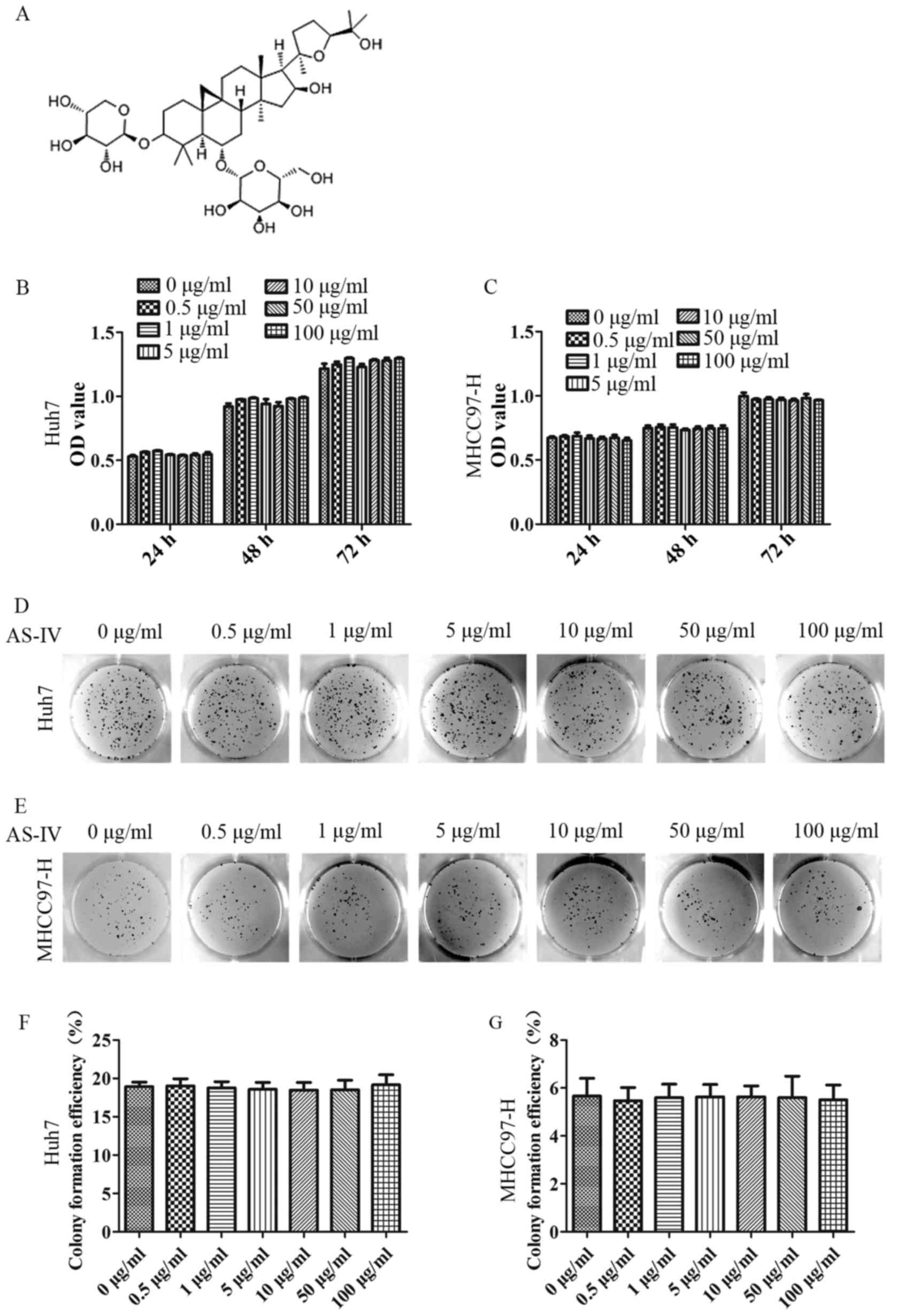
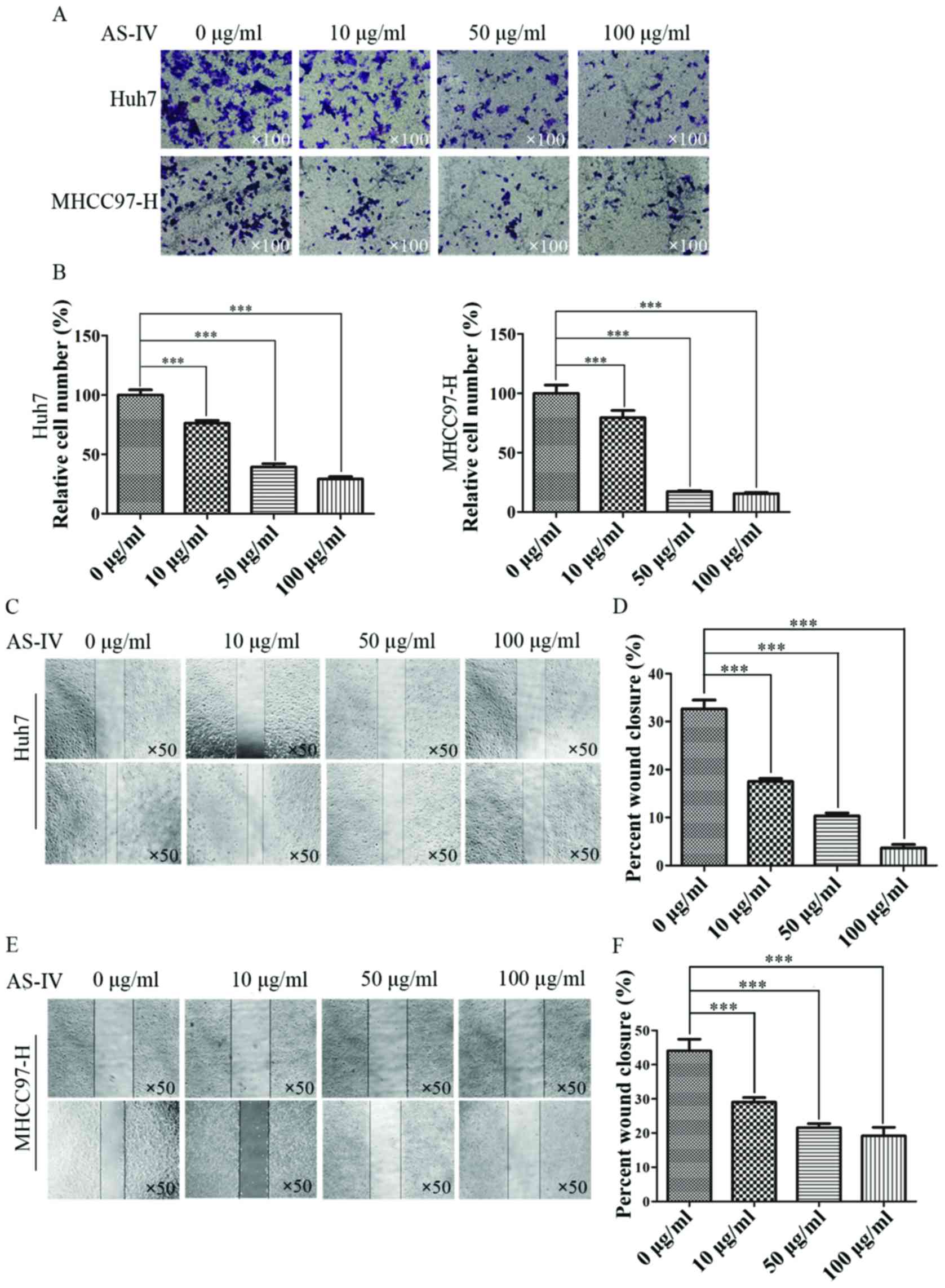
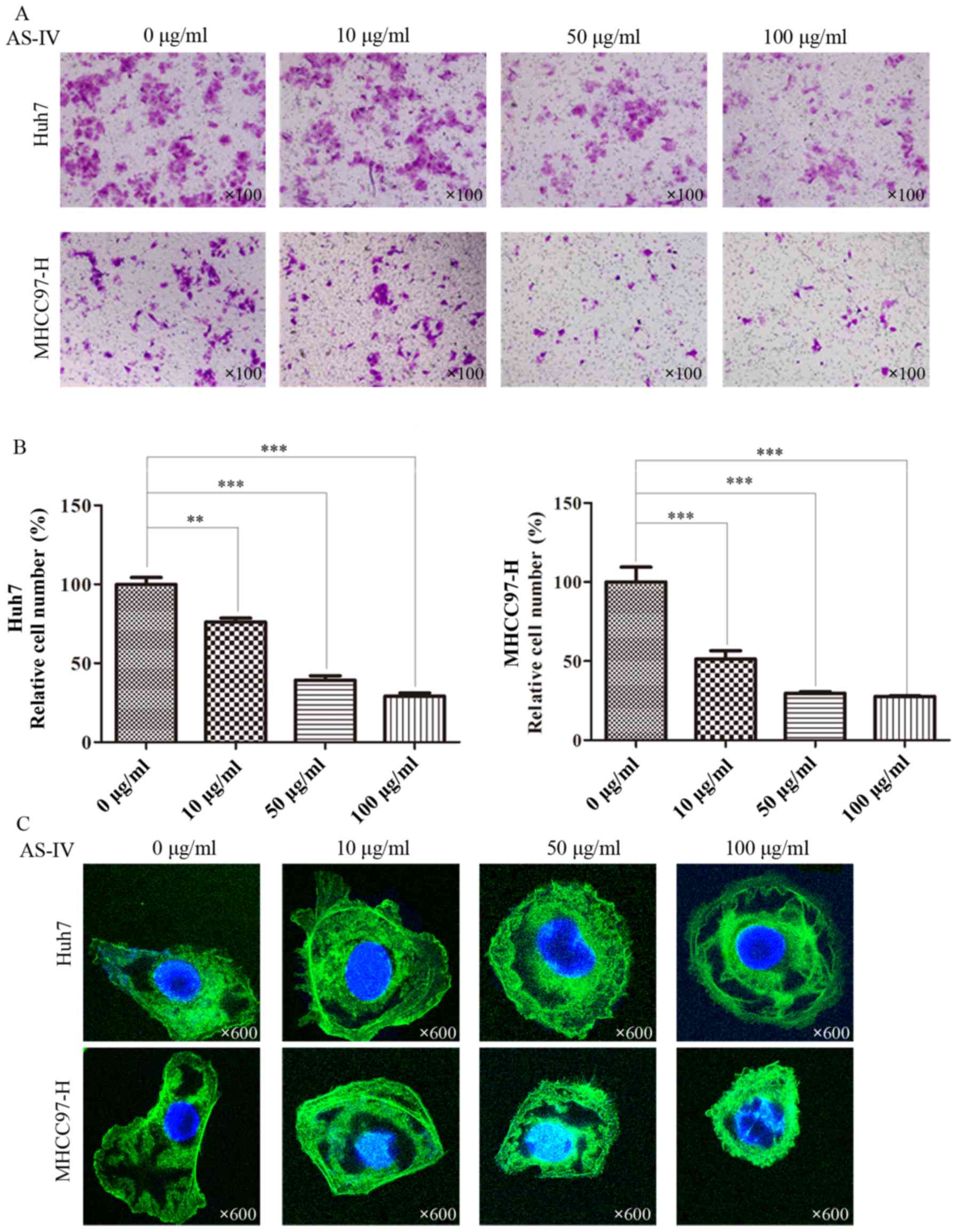
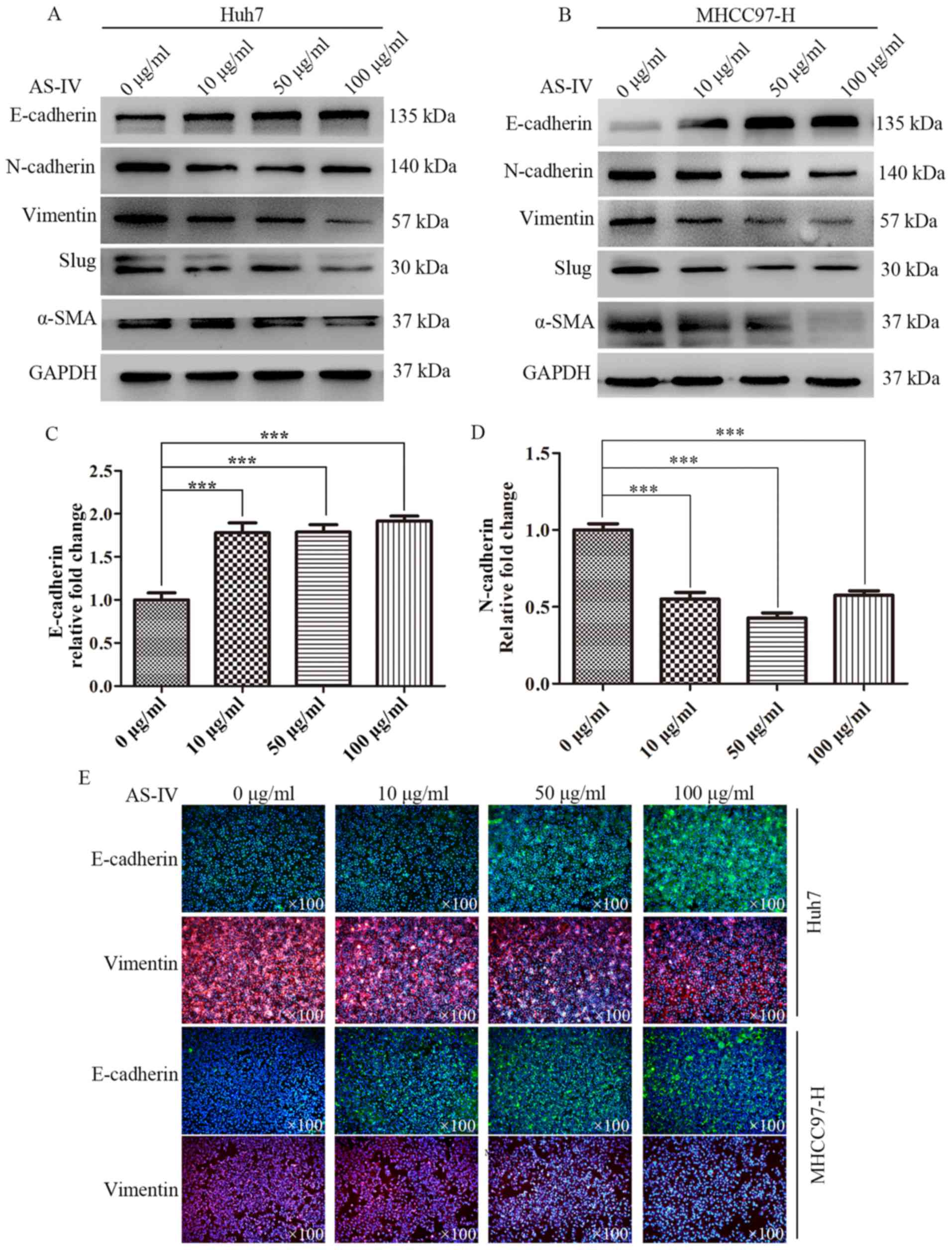
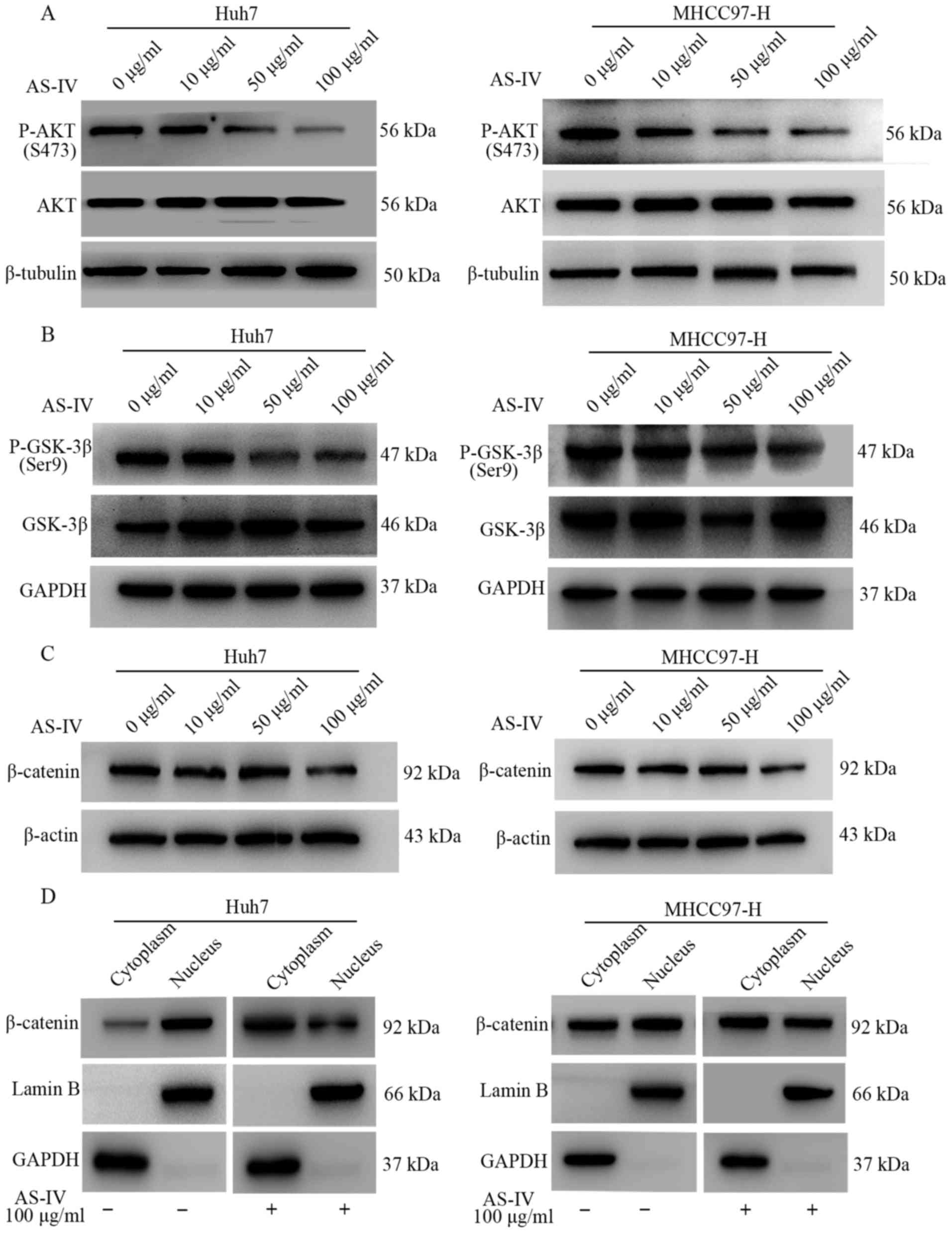
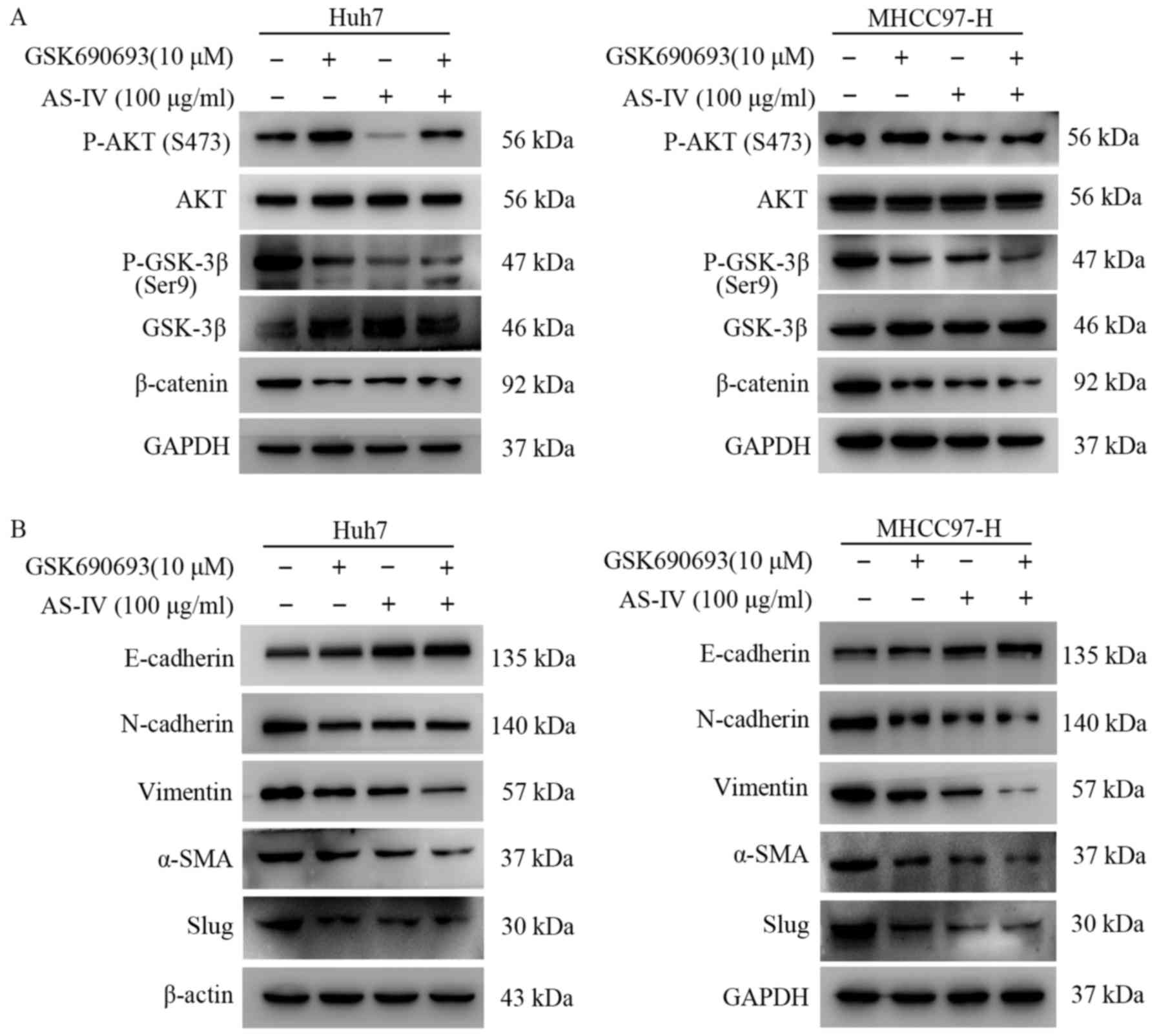
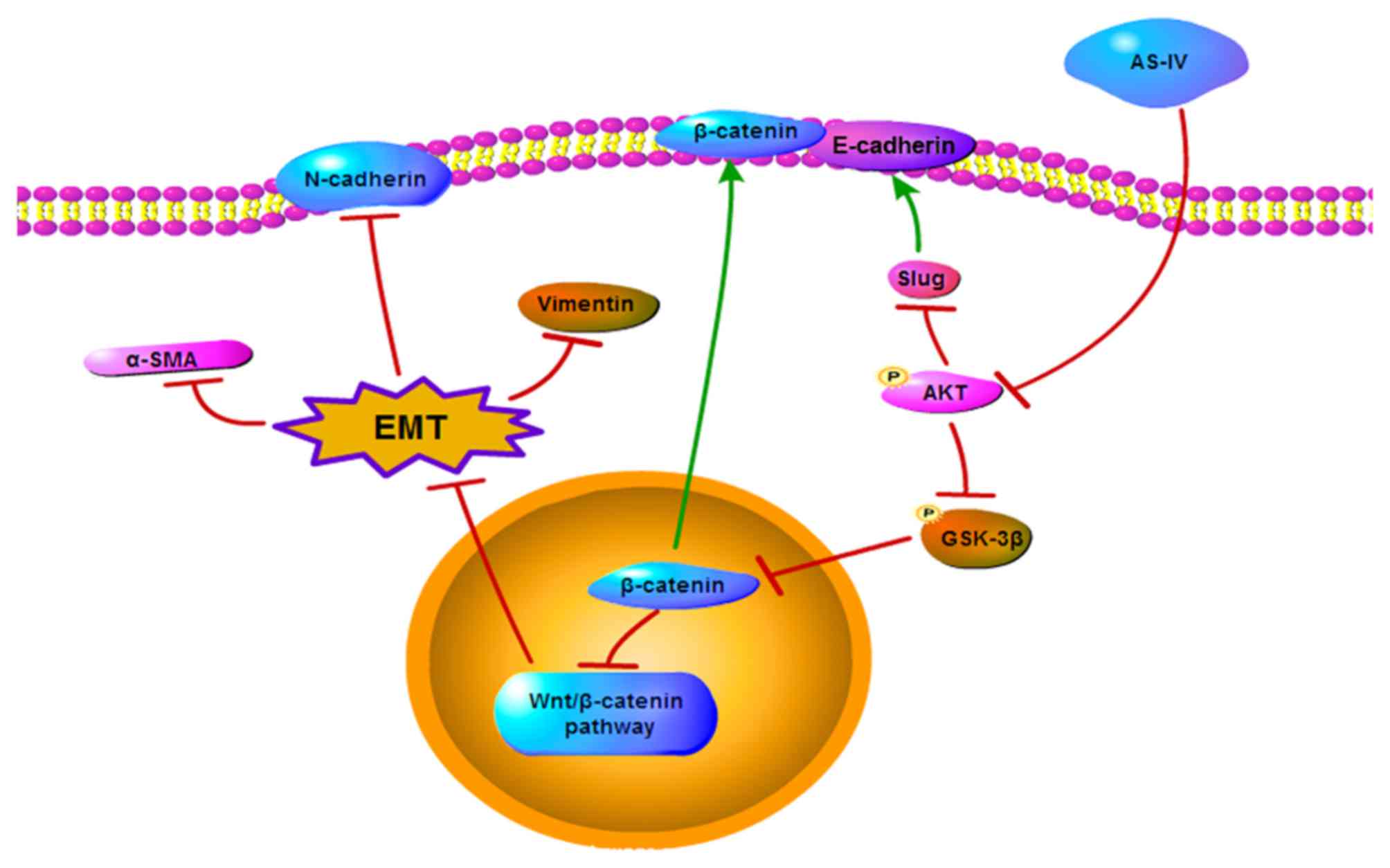
Our previous studies demonstrated that traditional Chinese herbal medicine ‘Songyou Yin’ inhibited the growth and invasion of hepatocellular carcinoma (HCC) cells, and altered epithelial‑mesenchymal transition (EMT) markers in oxaliplatin‑treated HCC tissues and cell lines. In the present study, we aimed to explore whether astragaloside IV (AS-IV), a component of ‘Songyou Yin’, can affect the growth and invasion of HCC cells and the underlying mechanism involved. Human HCC cell lines Huh7 and MHCC97-H, with low and high metastatic potential, respectively, were treated with increasing doses of AS-IV. The Cell Counting Kit-8 (CCK-8), plate clone formation, Transwell, wound healing and immunofluorescence assays were used to investigate the effects of AS-IV on HCC cell proliferation, migration and invasion. The protein expression levels were analyzed by western blotting and immunofluorescence assay. The CCK-8 and plate clone formation assays showed that AS-IV had little effect on the proliferation of HCC cells in vitro. However, the Transwell and wound healing assays demonstrated that AS-IV inhibited the migration and invasion of HCC cells in a dose-dependent manner and the morphology of HCC cells was altered from spindle into oval shaped in the AS-IV pretreated groups. The upregulation of E-cadherin and downregulation of N-cadherin, vimentin, α-SMA and Slug were also observed in the AS-IV pretreated groups. Additionally, AS-IV treatment resulted in a profound decrease in the phosphorylated forms of Akt and GSK-3β, which in turn inhibited the expression of β-catenin. Thus, we conclude that AS-IV attenuates the invasive and migratory abilities of HCC cells through the inhibition of EMT by targeting the Akt/GSK-3β/β-catenin pathway.
View Figures

Figure 1

Figure 2

Figure 3

Figure 4

Figure 5

Figure 6

Figure 7

View References

1 

Torre LA, Bray F, Siegel RL, Ferlay J, Lortet-Tieulent J and Jemal A: Global cancer statistics, 2012. CA Cancer J Clin. 65:87–108. 2015. View Article : Google Scholar : PubMed/NCBI

2 

Chen W, Zheng R, Baade PD, Zhang S, Zeng H, Bray F, Jemal A, Yu XQ and He J: Cancer statistics in China, 2015. CA Cancer J Clin. 66:115–132. 2016. View Article : Google Scholar : PubMed/NCBI

3 

Zhou XD, Tang ZY, Yang BH, Lin ZY, Ma ZC, Ye SL, Wu ZQ, Fan J, Qin LX and Zheng BH: Experience of 1000 patients who underwent hepatectomy for small hepatocellular carcinoma. Cancer. 91:1479–1486. 2001. View Article : Google Scholar : PubMed/NCBI

4 

Raphael S Waly, Yangde Z and Yuxiang C: Hepatocellular carcinoma: Focus on different aspects of management. ISRN Oncol. 2012:421673. 2012.PubMed/NCBI

5 

Chaffer CL and Weinberg RA: A perspective on cancer cell metastasis. Science. 331:1559–1564. 2011. View Article : Google Scholar : PubMed/NCBI

6 

Puisieux A, Brabletz T and Caramel J: Oncogenic roles of EMT-inducing transcription factors. Nat Cell Biol. 16:488–494. 2014. View Article : Google Scholar : PubMed/NCBI

7 

Guerram M, Jiang ZZ, Yousef BA, Hamdi AM, Hassan HM, Yuan ZQ, Luo HW, Zhu X and Zhang LY: The potential utility of acetyltanshinone IIA in the treatment of HER2-overexpressed breast cancer: Induction of cancer cell death by targeting apoptotic and metabolic signaling pathways. Oncotarget. 6:21865–21877. 2015. View Article : Google Scholar : PubMed/NCBI

8 

Lam W, Jiang Z, Guan F, Huang X, Hu R, Wang J, Bussom S, Liu SH, Zhao H, Yen Y, et al: PHY906(KD018), an adjuvant based on a 1800-year-old Chinese medicine, enhanced the anti-tumor activity of Sorafenib by changing the tumor microenvironment. Sci Rep. 5:93842015. View Article : Google Scholar : PubMed/NCBI

9 

Huang XY, Wang L, Huang ZL, Zheng Q, Li QS and Tang ZY: Herbal extract ‘Songyou Yin’ inhibits tumor growth and prolongs survival in nude mice bearing human hepatocellular carcinoma xenograft with high metastatic potential. J Cancer Res Clin Oncol. 135:1245–1255. 2009. View Article : Google Scholar : PubMed/NCBI

10 

Jia QA, Ren ZG, Bu Y, Wang ZM, Zhang QB, Liang L, Jiang XM, Zhang QB and Tang ZY: Herbal compound ‘Songyou Yin’ renders hepatocellular carcinoma sensitive to oxaliplatin through inhibition of stemness. Evid Based Complement Alternat Med. 2012:9086012012. View Article : Google Scholar : PubMed/NCBI

11 

Li X, Qu L, Dong Y, Han L, Liu E, Fang S, Zhang Y and Wang T: A review of recent research progress on the astragalus genus. Molecules. 19:18850–18880. 2014. View Article : Google Scholar : PubMed/NCBI

12 

Boye A, Wu C, Jiang Y, Wang J, Wu J, Yang X and Yang Y: Compound Astragalus and Salvia miltiorrhiza extracts modulate MAPK-regulated TGF-β/Smad signaling in hepatocellular carcinoma by multi-target mechanism. J Ethnopharmacol. 169:219–228. 2015. View Article : Google Scholar : PubMed/NCBI

13 

Wang Y, Auyeung KK, Zhang X and Ko JK: Astragalus saponins modulates colon cancer development by regulating calpain-mediated glucose-regulated protein expression. BMC Complement Altern Med. 14:401. 2014. View Article : Google Scholar : PubMed/NCBI

14 

Auyeung KK, Han QB and Ko JK: Astragalus membranaceus: A Review of its protection against inflammation and gastrointestinal cancers. Am J Chin Med. 44:1–22. 2016. View Article : Google Scholar : PubMed/NCBI

15 

Li W and Fitzloff JF: Determination of astragaloside IV in Radix astragali (Astragalus membranaceus var. monghulicus) using high-performance liquid chromatography with evaporative light-scattering detection. J Chromatogr Sci. 39:459–462. 2001. View Article : Google Scholar : PubMed/NCBI

16 

Lai PK, Chan JY, Cheng L, Lau CP, Han SQ, Leung PC, Fung KP and Lau CB: Isolation of anti-inflammatory fractions and compounds from the root of Astragalus membranaceus. Phytother Res. 27:581–587. 2013. View Article : Google Scholar : PubMed/NCBI

17 

Zhao M, Zhao J, He G, Sun X, Huang X and Hao L: Effects of astragaloside IV on action potentials and ionic currents in guinea-pig ventricular myocytes. Biol Pharm Bull. 36:515–521. 2013. View Article : Google Scholar : PubMed/NCBI

18 

Zhang L, Li Z, He W, Xu L, Wang J, Shi J and Sheng M: Effects of astragaloside IV against the TGF-β1-induced epithelial-to-mesenchymal transition in peritoneal mesothelial cells by promoting Smad 7 expression. Cell Physiol Biochem. 37:43–54. 2015. View Article : Google Scholar : PubMed/NCBI

19 

Qi W, Niu J, Qin Q, Qiao Z and Gu Y: Astragaloside IV attenuates glycated albumin-induced epithelial-to-mesenchymal transition by inhibiting oxidative stress in renal proximal tubular cells. Cell Stress Chaperones. 19:105–114. 2014. View Article : Google Scholar : PubMed/NCBI

20 

Xiong W, Ren ZG, Qiu SJ, Sun HC, Wang L, Liu BB, Li QS, Zhang W, Zhu XD, Liu L, et al: Residual hepatocellular carcinoma after oxaliplatin treatment has increased metastatic potential in a nude mouse model and is attenuated by Songyou Yin. BMC Cancer. 10:219. 2010. View Article : Google Scholar : PubMed/NCBI

21 

Tian J, Tang ZY, Ye SL, Liu YK, Lin ZY, Chen J and Xue Q: New human hepatocellular carcinoma (HCC) cell line with highly metastatic potential (MHCC97) and its expressions of the factors associated with metastasis. Br J Cancer. 81:814–821. 1999. View Article : Google Scholar : PubMed/NCBI

22 

Xue G, Restuccia DF, Lan Q, Hynx D, Dirnhofer S, Hess D, Rüegg C and Hemmings BA: Akt/PKB-mediated phosphorylation of Twist1 promotes tumor metastasis via mediating cross-talk between PI3K/Akt and TGF-β signaling axes. Cancer Discov. 2:248–259. 2012. View Article : Google Scholar : PubMed/NCBI

23 

Hsu CY, Lin CH, Jan YH, Su CY, Yao YC, Cheng HC, Hsu TI, Wang PS, Su WP, Yang CJ, et al: Huntingtin-interacting protein-1 is an early-stage prognostic biomarker of lung adenocarcinoma and suppresses metastasis via Akt-mediated epithelial-mesenchymal transition. Am J Respir Crit Care Med. 193:869–880. 2016. View Article : Google Scholar : PubMed/NCBI

24 

Lamouille S, Xu J and Derynck R: Molecular mechanisms of epithelial-mesenchymal transition. Nat Rev Mol Cell Biol. 15:178–196. 2014. View Article : Google Scholar : PubMed/NCBI

25 

Chen HN, Yuan K, Xie N, Wang K, Huang Z, Chen Y, Dou Q, Wu M, Nice EC, Zhou ZG, et al: PDLIM1 stabilizes the E-cadherin/β-catenin complex to prevent epithelial-mesenchymal transition and metastatic potential of colorectal cancer cells. Cancer Res. 76:1122–1134. 2016. View Article : Google Scholar : PubMed/NCBI

26 

Murata-Kamiya N, Kurashima Y, Teishikata Y, Yamahashi Y, Saito Y, Higashi H, Aburatani H, Akiyama T, Peek RM Jr, Azuma T, et al: Helicobacter pylori CagA interacts with E-cadherin and deregulates the β-catenin signal that promotes intestinal transdifferentiation in gastric epithelial cells. Oncogene. 26:4617–4626. 2007. View Article : Google Scholar : PubMed/NCBI

27 

Rhodes N, Heerding DA, Duckett DR, Eberwein DJ, Knick VB, Lansing TJ, McConnell RT, Gilmer TM, Zhang SY, Robell K, et al: Characterization of an Akt kinase inhibitor with potent pharmacodynamic and antitumor activity. Cancer Res. 68:2366–2374. 2008. View Article : Google Scholar : PubMed/NCBI

28 

Levy DS, Kahana JA and Kumar R: AKT inhibitor, GSK690693, induces growth inhibition and apoptosis in acute lymphoblastic leukemia cell lines. Blood. 113:1723–1729. 2009. View Article : Google Scholar : PubMed/NCBI

29 

Zhang J, Wang P, Ouyang H, Yin J, Liu A, Ma C and Liu L: Targeting cancer-related inflammation: Chinese herbal medicine inhibits epithelial-to-mesenchymal transition in pancreatic cancer. PLoS One. 8:e703342013. View Article : Google Scholar : PubMed/NCBI

30 

Hanahan D and Weinberg RA: Hallmarks of cancer: The next generation. Cell. 144:646–674. 2011. View Article : Google Scholar : PubMed/NCBI

31 

Qi X, Zhang L and Lu X: New insights into the epithelial-to-mesenchymal transition in cancer. Trends Pharmacol Sci. 37:246–248. 2016. View Article : Google Scholar : PubMed/NCBI

32 

Lai YJ and Tai CJ, Wang CW, Choong CY, Lee BH, Shi YC and Tai CJ: Anti-cancer activity of Solanum nigrum (AESN) through suppression of mitochondrial function and epithelial-mesenchymal transition (EMT) in breast cancer cells. Molecules. 21:pii: E5532016. View Article : Google Scholar

33 

Lin W, Zhuang Q, Zheng L, Cao Z, Shen A, Li Q, Fu C, Feng J and Peng J: Pien Tze Huang inhibits liver metastasis by targeting TGF-β signaling in an orthotopic model of colorectal cancer. Oncol Rep. 33:1922–1928. 2015.PubMed/NCBI

34 

Lin X, Yi Z, Diao J, Shao M, Zhao L, Cai H, Fan Q, Yao X and Sun X: ShaoYao decoction ameliorates colitis-associated colorectal cancer by downregulating proinflammatory cytokines and promoting epithelial-mesenchymal transition. J Transl Med. 12:105. 2014. View Article : Google Scholar : PubMed/NCBI

35 

Li Y, Chen CQ, He YL, Cai SR, Yang DJ, He WL, Xu JB and Zan WH: Abnormal expression of E-cadherin in tumor cells is associated with poor prognosis of gastric carcinoma. J Surg Oncol. 106:304–310. 2012. View Article : Google Scholar : PubMed/NCBI

36 

Siu MK, Wong ES, Kong DS, Chan HY, Jiang L, Wong OG, Lam EW, Chan KK, Ngan HY, Le XF, et al: Stem cell transcription factor NANOG controls cell migration and invasion via dysregulation of E-cadherin and FoxJ1 and contributes to adverse clinical outcome in ovarian cancers. Oncogene. 32:3500–3509. 2013. View Article : Google Scholar : PubMed/NCBI

37 

Qualtrough D, Rees P, Speight B, Williams AC and Paraskeva C: The Hedgehog inhibitor cyclopamine reduces β-catenin-Tcf transcriptional activity, induces E-cadherin expression, and reduces invasion in colorectal cancer cells. Cancers. 7:1885–1899. 2015. View Article : Google Scholar : PubMed/NCBI

38 

Wang SP, Wang WL, Chang YL, Wu CT, Chao YC, Kao SH, Yuan A, Lin CW, Yang SC, Chan WK, et al: p53 controls cancer cell invasion by inducing the MDM2-mediated degradation of Slug. Nat Cell Biol. 11:694–704. 2009. View Article : Google Scholar : PubMed/NCBI

39 

Fernando RI, Litzinger M, Trono P, Hamilton DH, Schlom J and Palena C: The T-box transcription factor Brachyury promotes epithelial-mesenchymal transition in human tumor cells. J Clin Invest. 120:533–544. 2010. View Article : Google Scholar : PubMed/NCBI

40 

Lee JK, Phillips JW, Smith BA, Park JW, Stoyanova T, McCaffrey EF, Baertsch R, Sokolov A, Meyerowitz JG, Mathis C, et al: N-Myc drives neuroendocrine prostate cancer initiated from human prostate epithelial cells. Cancer Cell. 29:536–547. 2016. View Article : Google Scholar : PubMed/NCBI

41 

Toker A and Rameh L: PIPPing on AKT1: How many phosphatases does it take to turn off PI3K? Cancer Cell. 28:143–145. 2015. View Article : Google Scholar : PubMed/NCBI

42 

Mayer IA and Arteaga CL: The PI3K/AKT pathway as a target for cancer treatment. Annu Rev Med. 67:11–28. 2016. View Article : Google Scholar : PubMed/NCBI

43 

Attoub S, Arafat K, Hammadi NK, Mester J and Gaben AM: Akt2 knock-down reveals its contribution to human lung cancer cell proliferation, growth, motility, invasion and endothelial cell tube formation. Sci Rep. 5:127592015. View Article : Google Scholar : PubMed/NCBI

44 

Zhang Y, Liu S, Wang L, Wu Y, Hao J, Wang Z, Lu W, Wang XA, Zhang F, Cao Y, et al: A novel PI3K/AKT signaling axis mediates Nectin-4-induced gallbladder cancer cell proliferation, metastasis and tumor growth. Cancer Lett. 375:179–189. 2016. View Article : Google Scholar : PubMed/NCBI

45 

Larue L and Bellacosa A: Epithelial-mesenchymal transition in development and cancer: Role of phosphatidylinositol 3 kinase/AKT pathways. Oncogene. 24:7443–7454. 2005. View Article : Google Scholar : PubMed/NCBI

46 

Gu Y, Wang Q, Guo K, Qin W, Liao W, Wang S, Ding Y and Lin J: TUSC3 promotes colorectal cancer progression and epithelial-mesenchymal transition (EMT) through WNT/β-catenin and MAPK signalling. J Pathol. 239:60–71. 2016. View Article : Google Scholar : PubMed/NCBI

47 

Lee SC, Kim OH, Lee SK and Kim SJ: IWR-1 inhibits epithelial-mesenchymal transition of colorectal cancer cells through suppressing Wnt/β-catenin signaling as well as survivin expression. Oncotarget. 6:27146–27159. 2015. View Article : Google Scholar : PubMed/NCBI

48 

Bernaudo S, Salem M, Qi X, Zhou W, Zhang C, Yang W, Rosman D, Deng Z, Ye G, Yang B, et al: Cyclin G2 inhibits epithelial-to-mesenchymal transition by disrupting Wnt/β-catenin signaling. Oncogene. 35:4816–4827. 2016. View Article : Google Scholar : PubMed/NCBI

49 

Soutto M, Peng D, Katsha A, Chen Z, Piazuelo MB, Washington MK, Belkhiri A, Correa P and El-Rifai W: Activation of β-catenin signalling by TFF1 loss promotes cell proliferation and gastric tumorigenesis. Gut. 64:1028–1039. 2015. View Article : Google Scholar : PubMed/NCBI

Related Articles

  • Abstract
  • View
  • Download
  • Twitter
Copy and paste a formatted citation
Spandidos Publications style
Qin C, Ma D, Ren Z, Zhu X, Wang C, Wang Y, Ye B, Cao M, Gao D, Tang Z, Tang Z, et al: Astragaloside IV inhibits metastasis in hepatoma cells through the suppression of epithelial-mesenchymal transition via the Akt/GSK-3β/β-catenin pathway. Oncol Rep 37: 1725-1735, 2017.
APA
Qin, C., Ma, D., Ren, Z., Zhu, X., Wang, C., Wang, Y. ... Tang, Z. (2017). Astragaloside IV inhibits metastasis in hepatoma cells through the suppression of epithelial-mesenchymal transition via the Akt/GSK-3β/β-catenin pathway. Oncology Reports, 37, 1725-1735. https://doi.org/10.3892/or.2017.5389
MLA
Qin, C., Ma, D., Ren, Z., Zhu, X., Wang, C., Wang, Y., Ye, B., Cao, M., Gao, D., Tang, Z."Astragaloside IV inhibits metastasis in hepatoma cells through the suppression of epithelial-mesenchymal transition via the Akt/GSK-3β/β-catenin pathway". Oncology Reports 37.3 (2017): 1725-1735.
Chicago
Qin, C., Ma, D., Ren, Z., Zhu, X., Wang, C., Wang, Y., Ye, B., Cao, M., Gao, D., Tang, Z."Astragaloside IV inhibits metastasis in hepatoma cells through the suppression of epithelial-mesenchymal transition via the Akt/GSK-3β/β-catenin pathway". Oncology Reports 37, no. 3 (2017): 1725-1735. https://doi.org/10.3892/or.2017.5389
Copy and paste a formatted citation
x
Spandidos Publications style
Qin C, Ma D, Ren Z, Zhu X, Wang C, Wang Y, Ye B, Cao M, Gao D, Tang Z, Tang Z, et al: Astragaloside IV inhibits metastasis in hepatoma cells through the suppression of epithelial-mesenchymal transition via the Akt/GSK-3β/β-catenin pathway. Oncol Rep 37: 1725-1735, 2017.
APA
Qin, C., Ma, D., Ren, Z., Zhu, X., Wang, C., Wang, Y. ... Tang, Z. (2017). Astragaloside IV inhibits metastasis in hepatoma cells through the suppression of epithelial-mesenchymal transition via the Akt/GSK-3β/β-catenin pathway. Oncology Reports, 37, 1725-1735. https://doi.org/10.3892/or.2017.5389
MLA
Qin, C., Ma, D., Ren, Z., Zhu, X., Wang, C., Wang, Y., Ye, B., Cao, M., Gao, D., Tang, Z."Astragaloside IV inhibits metastasis in hepatoma cells through the suppression of epithelial-mesenchymal transition via the Akt/GSK-3β/β-catenin pathway". Oncology Reports 37.3 (2017): 1725-1735.
Chicago
Qin, C., Ma, D., Ren, Z., Zhu, X., Wang, C., Wang, Y., Ye, B., Cao, M., Gao, D., Tang, Z."Astragaloside IV inhibits metastasis in hepatoma cells through the suppression of epithelial-mesenchymal transition via the Akt/GSK-3β/β-catenin pathway". Oncology Reports 37, no. 3 (2017): 1725-1735. https://doi.org/10.3892/or.2017.5389
Follow us
  • Twitter
  • LinkedIn
  • Facebook
About
  • Spandidos Publications
  • Careers
  • Cookie Policy
  • Privacy Policy
How can we help?
  • Help
  • Live Chat
  • Contact
  • Email to our Support Team