Spandidos Publications Logo
  • About
    • About Spandidos
    • Aims and Scopes
    • Abstracting and Indexing
    • Editorial Policies
    • Reprints and Permissions
    • Job Opportunities
    • Terms and Conditions
    • Contact
  • Journals
    • All Journals
    • Oncology Letters
      • Oncology Letters
      • Information for Authors
      • Editorial Policies
      • Editorial Board
      • Aims and Scope
      • Abstracting and Indexing
      • Bibliographic Information
      • Archive
    • International Journal of Oncology
      • International Journal of Oncology
      • Information for Authors
      • Editorial Policies
      • Editorial Board
      • Aims and Scope
      • Abstracting and Indexing
      • Bibliographic Information
      • Archive
    • Molecular and Clinical Oncology
      • Molecular and Clinical Oncology
      • Information for Authors
      • Editorial Policies
      • Editorial Board
      • Aims and Scope
      • Abstracting and Indexing
      • Bibliographic Information
      • Archive
    • Experimental and Therapeutic Medicine
      • Experimental and Therapeutic Medicine
      • Information for Authors
      • Editorial Policies
      • Editorial Board
      • Aims and Scope
      • Abstracting and Indexing
      • Bibliographic Information
      • Archive
    • International Journal of Molecular Medicine
      • International Journal of Molecular Medicine
      • Information for Authors
      • Editorial Policies
      • Editorial Board
      • Aims and Scope
      • Abstracting and Indexing
      • Bibliographic Information
      • Archive
    • Biomedical Reports
      • Biomedical Reports
      • Information for Authors
      • Editorial Policies
      • Editorial Board
      • Aims and Scope
      • Abstracting and Indexing
      • Bibliographic Information
      • Archive
    • Oncology Reports
      • Oncology Reports
      • Information for Authors
      • Editorial Policies
      • Editorial Board
      • Aims and Scope
      • Abstracting and Indexing
      • Bibliographic Information
      • Archive
    • Molecular Medicine Reports
      • Molecular Medicine Reports
      • Information for Authors
      • Editorial Policies
      • Editorial Board
      • Aims and Scope
      • Abstracting and Indexing
      • Bibliographic Information
      • Archive
    • World Academy of Sciences Journal
      • World Academy of Sciences Journal
      • Information for Authors
      • Editorial Policies
      • Editorial Board
      • Aims and Scope
      • Abstracting and Indexing
      • Bibliographic Information
      • Archive
    • International Journal of Functional Nutrition
      • International Journal of Functional Nutrition
      • Information for Authors
      • Editorial Policies
      • Editorial Board
      • Aims and Scope
      • Abstracting and Indexing
      • Bibliographic Information
      • Archive
    • International Journal of Epigenetics
      • International Journal of Epigenetics
      • Information for Authors
      • Editorial Policies
      • Editorial Board
      • Aims and Scope
      • Abstracting and Indexing
      • Bibliographic Information
      • Archive
    • Medicine International
      • Medicine International
      • Information for Authors
      • Editorial Policies
      • Editorial Board
      • Aims and Scope
      • Abstracting and Indexing
      • Bibliographic Information
      • Archive
  • Articles
  • Information
    • Information for Authors
    • Information for Reviewers
    • Information for Librarians
    • Information for Advertisers
    • Conferences
  • Language Editing
Spandidos Publications Logo
  • About
    • About Spandidos
    • Aims and Scopes
    • Abstracting and Indexing
    • Editorial Policies
    • Reprints and Permissions
    • Job Opportunities
    • Terms and Conditions
    • Contact
  • Journals
    • All Journals
    • Biomedical Reports
      • Information for Authors
      • Editorial Policies
      • Editorial Board
      • Aims and Scope
      • Abstracting and Indexing
      • Bibliographic Information
      • Archive
    • Experimental and Therapeutic Medicine
      • Information for Authors
      • Editorial Policies
      • Editorial Board
      • Aims and Scope
      • Abstracting and Indexing
      • Bibliographic Information
      • Archive
    • International Journal of Epigenetics
      • Information for Authors
      • Editorial Policies
      • Editorial Board
      • Aims and Scope
      • Abstracting and Indexing
      • Bibliographic Information
      • Archive
    • International Journal of Functional Nutrition
      • Information for Authors
      • Editorial Policies
      • Editorial Board
      • Aims and Scope
      • Abstracting and Indexing
      • Bibliographic Information
      • Archive
    • International Journal of Molecular Medicine
      • Information for Authors
      • Editorial Policies
      • Editorial Board
      • Aims and Scope
      • Abstracting and Indexing
      • Bibliographic Information
      • Archive
    • International Journal of Oncology
      • Information for Authors
      • Editorial Policies
      • Editorial Board
      • Aims and Scope
      • Abstracting and Indexing
      • Bibliographic Information
      • Archive
    • Medicine International
      • Information for Authors
      • Editorial Policies
      • Editorial Board
      • Aims and Scope
      • Abstracting and Indexing
      • Bibliographic Information
      • Archive
    • Molecular and Clinical Oncology
      • Information for Authors
      • Editorial Policies
      • Editorial Board
      • Aims and Scope
      • Abstracting and Indexing
      • Bibliographic Information
      • Archive
    • Molecular Medicine Reports
      • Information for Authors
      • Editorial Policies
      • Editorial Board
      • Aims and Scope
      • Abstracting and Indexing
      • Bibliographic Information
      • Archive
    • Oncology Letters
      • Information for Authors
      • Editorial Policies
      • Editorial Board
      • Aims and Scope
      • Abstracting and Indexing
      • Bibliographic Information
      • Archive
    • Oncology Reports
      • Information for Authors
      • Editorial Policies
      • Editorial Board
      • Aims and Scope
      • Abstracting and Indexing
      • Bibliographic Information
      • Archive
    • World Academy of Sciences Journal
      • Information for Authors
      • Editorial Policies
      • Editorial Board
      • Aims and Scope
      • Abstracting and Indexing
      • Bibliographic Information
      • Archive
  • Articles
  • Information
    • For Authors
    • For Reviewers
    • For Librarians
    • For Advertisers
    • Conferences
  • Language Editing
Login Register Submit
  • This site uses cookies
  • You can change your cookie settings at any time by following the instructions in our Cookie Policy. To find out more, you may read our Privacy Policy.

    I agree
Search articles by DOI, keyword, author or affiliation
Search
Advanced Search
presentation
Oncology Reports
Join Editorial Board Propose a Special Issue
Print ISSN: 1021-335X Online ISSN: 1791-2431
Journal Cover
March-2017 Volume 37 Issue 3

Full Size Image

Sign up for eToc alerts
Recommend to Library

Journals

International Journal of Molecular Medicine

International Journal of Molecular Medicine

International Journal of Molecular Medicine is an international journal devoted to molecular mechanisms of human disease.

International Journal of Oncology

International Journal of Oncology

International Journal of Oncology is an international journal devoted to oncology research and cancer treatment.

Molecular Medicine Reports

Molecular Medicine Reports

Covers molecular medicine topics such as pharmacology, pathology, genetics, neuroscience, infectious diseases, molecular cardiology, and molecular surgery.

Oncology Reports

Oncology Reports

Oncology Reports is an international journal devoted to fundamental and applied research in Oncology.

Experimental and Therapeutic Medicine

Experimental and Therapeutic Medicine

Experimental and Therapeutic Medicine is an international journal devoted to laboratory and clinical medicine.

Oncology Letters

Oncology Letters

Oncology Letters is an international journal devoted to Experimental and Clinical Oncology.

Biomedical Reports

Biomedical Reports

Explores a wide range of biological and medical fields, including pharmacology, genetics, microbiology, neuroscience, and molecular cardiology.

Molecular and Clinical Oncology

Molecular and Clinical Oncology

International journal addressing all aspects of oncology research, from tumorigenesis and oncogenes to chemotherapy and metastasis.

World Academy of Sciences Journal

World Academy of Sciences Journal

Multidisciplinary open-access journal spanning biochemistry, genetics, neuroscience, environmental health, and synthetic biology.

International Journal of Functional Nutrition

International Journal of Functional Nutrition

Open-access journal combining biochemistry, pharmacology, immunology, and genetics to advance health through functional nutrition.

International Journal of Epigenetics

International Journal of Epigenetics

Publishes open-access research on using epigenetics to advance understanding and treatment of human disease.

Medicine International

Medicine International

An International Open Access Journal Devoted to General Medicine.

Journal Cover
March-2017 Volume 37 Issue 3

Full Size Image

Sign up for eToc alerts
Recommend to Library

  • Article
  • Citations
    • Cite This Article
    • Download Citation
    • Create Citation Alert
    • Remove Citation Alert
    • Cited By
  • Similar Articles
    • Related Articles (in Spandidos Publications)
    • Similar Articles (Google Scholar)
    • Similar Articles (PubMed)
  • Download PDF
  • Download XML
  • View XML
Article

Calcium release induced by 2-pyridinecarboxaldehyde thiosemicarbazone and its copper complex contributes to tumor cell death

  • Authors:
    • Yun Fu
    • Youxun Liu
    • Jiangang Wang
    • Cuiping Li
    • Sufeng Zhou
    • Yun Yang
    • Pingxin Zhou
    • Chengbiao Lu
    • Changzheng Li
  • View Affiliations / Copyright

    Affiliations: Department of Molecular Biology and Biochemistry, Xinxiang Medical University, Xinxiang, Henan 453003, P.R. China, Department of Pathophysiology, Xinxiang Medical University, Xinxiang, Henan 453003, P.R. China
  • Pages: 1662-1670
    |
    Published online on: January 20, 2017
       https://doi.org/10.3892/or.2017.5395
  • Expand metrics +
Metrics: Total Views: 0 (Spandidos Publications: | PMC Statistics: )
Metrics: Total PDF Downloads: 0 (Spandidos Publications: | PMC Statistics: )
Cited By (CrossRef): 0 citations Loading Articles...

This article is mentioned in:


Abstract

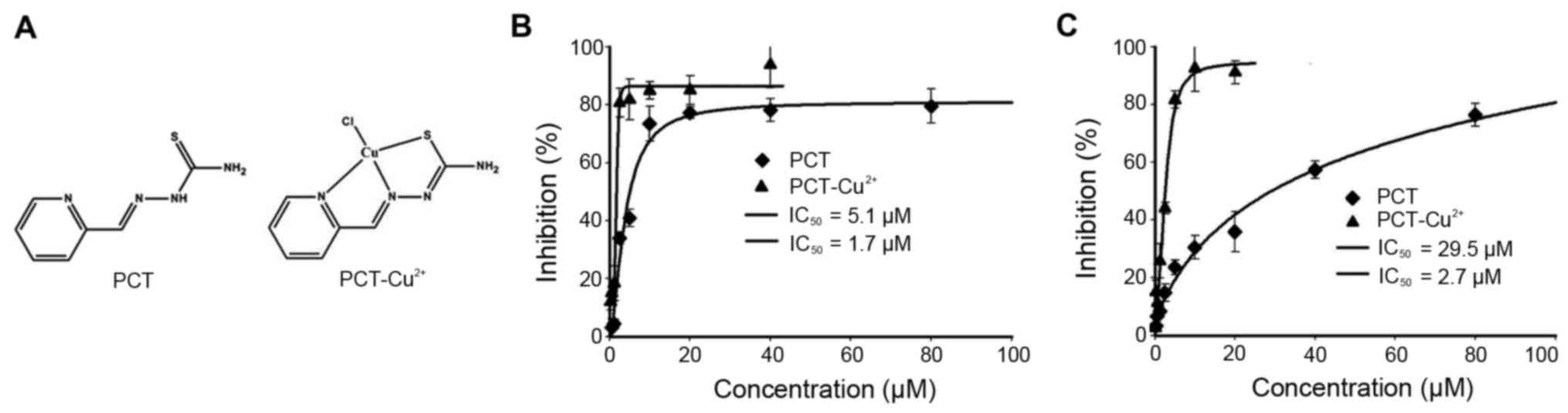
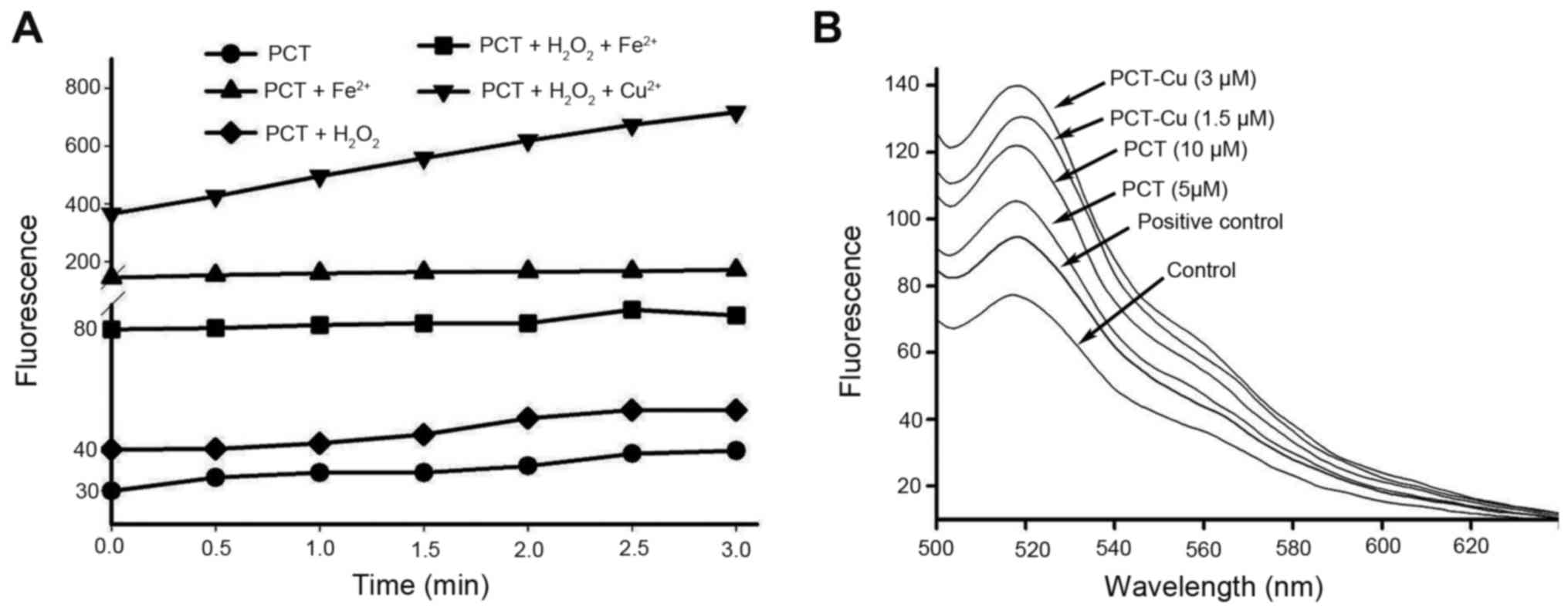
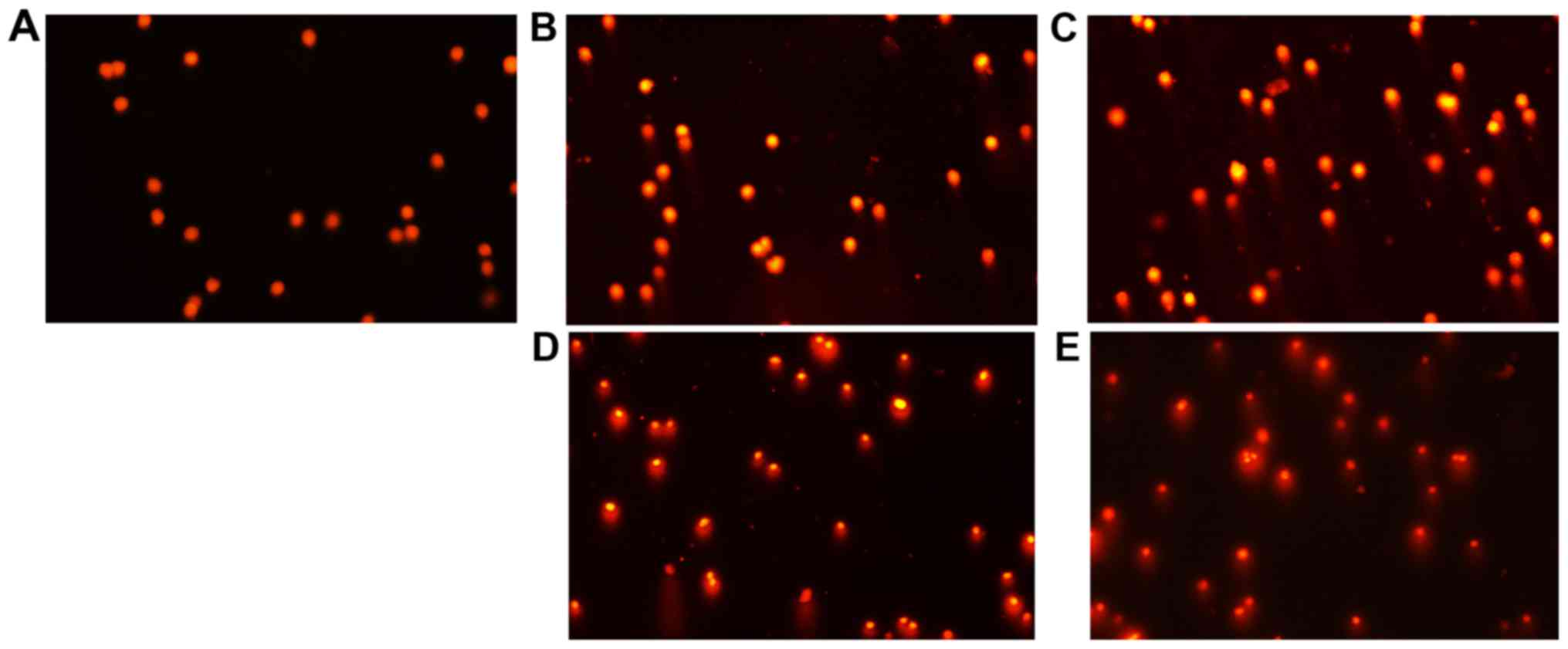
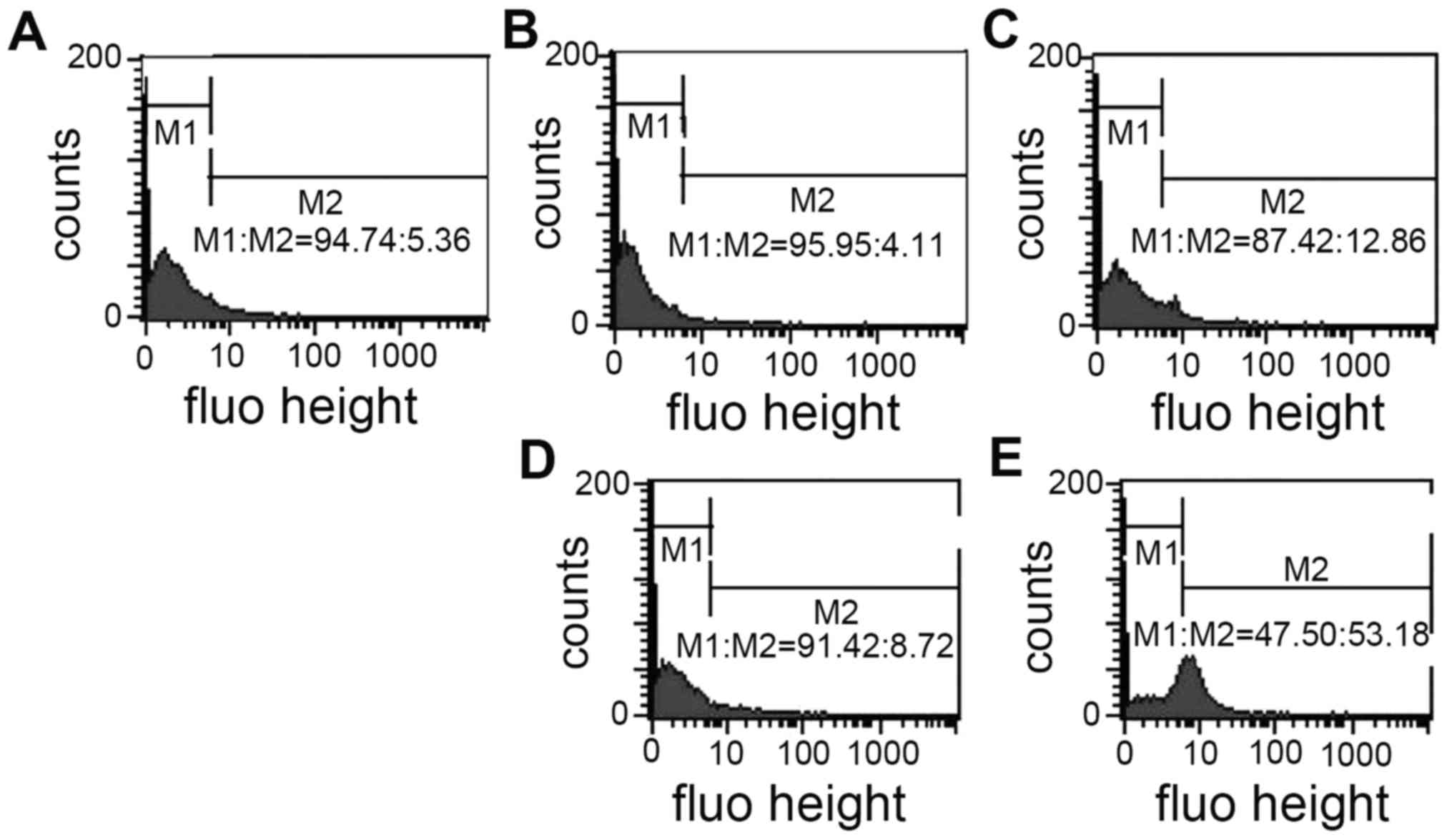
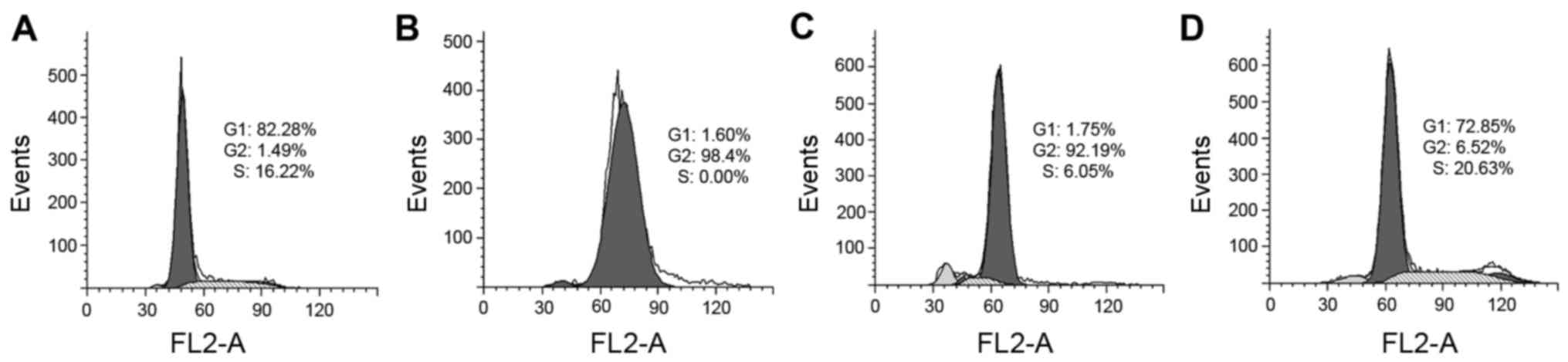
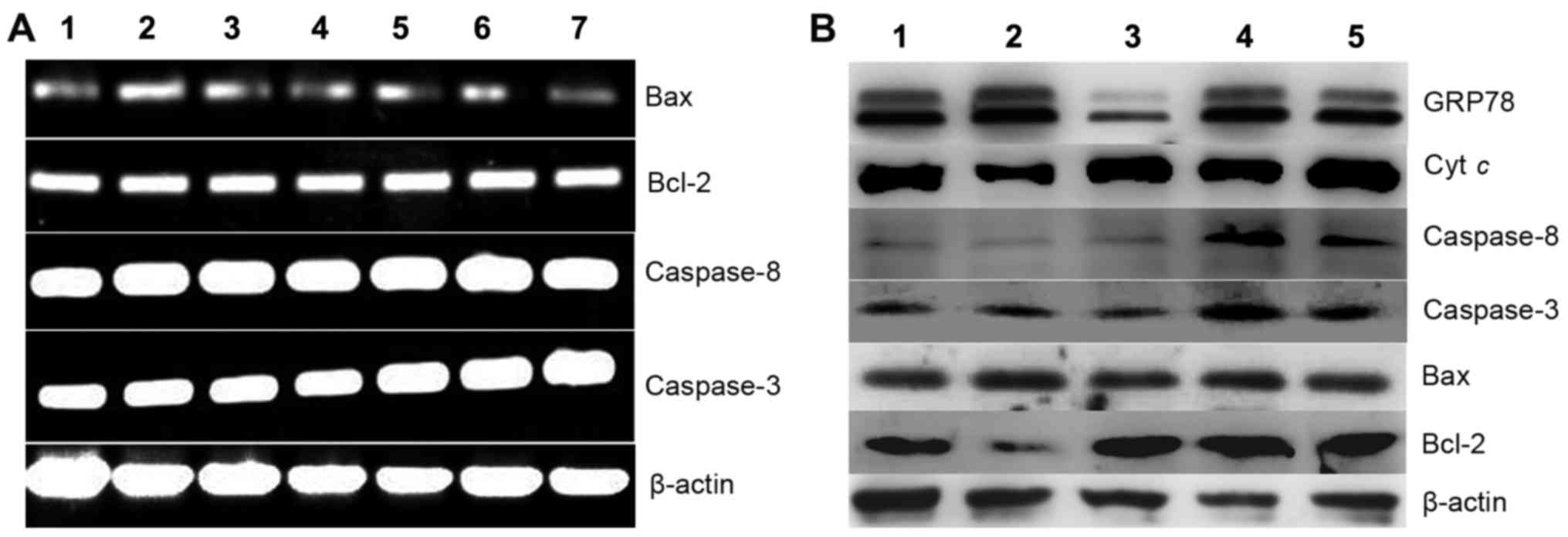
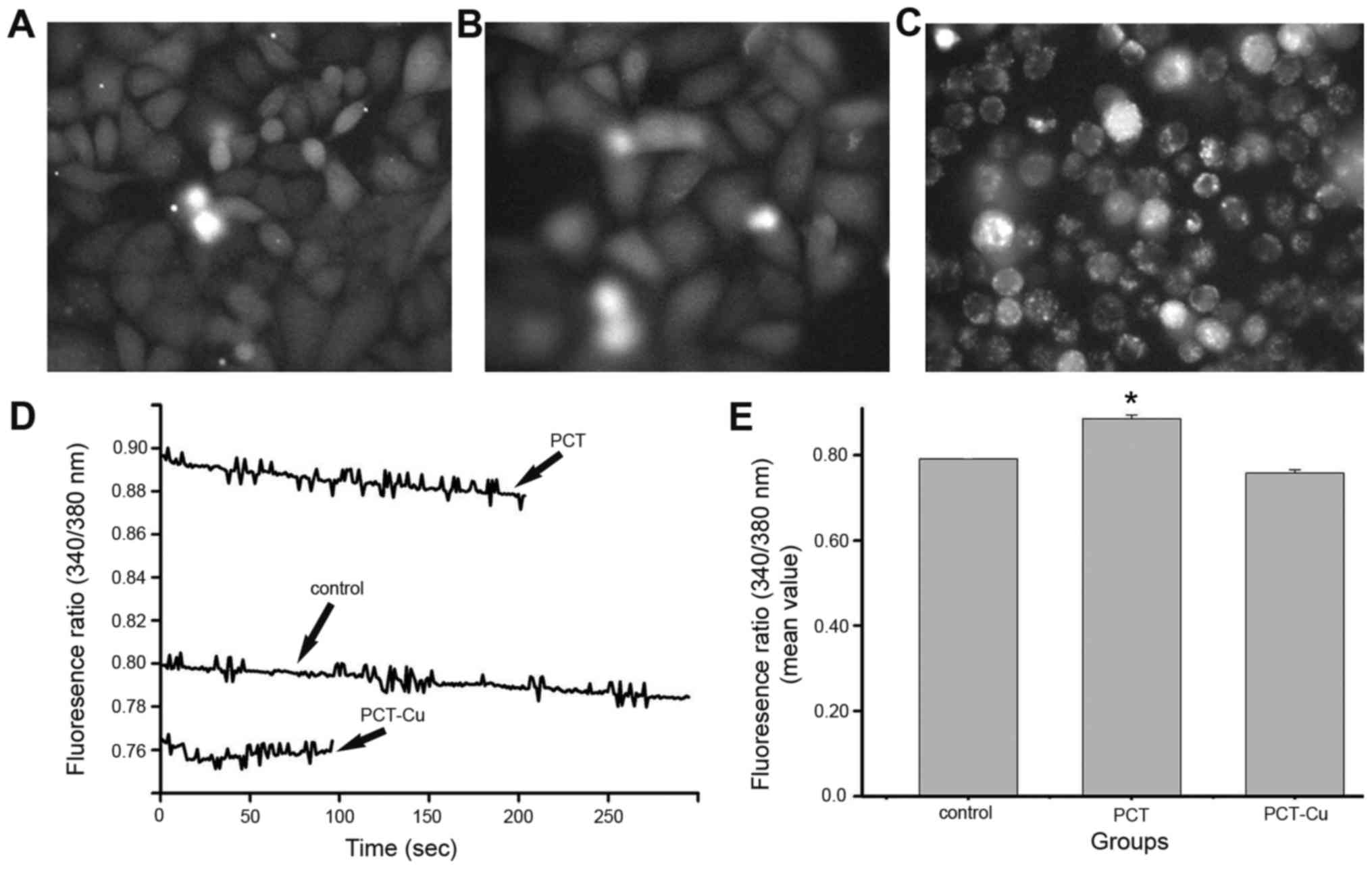
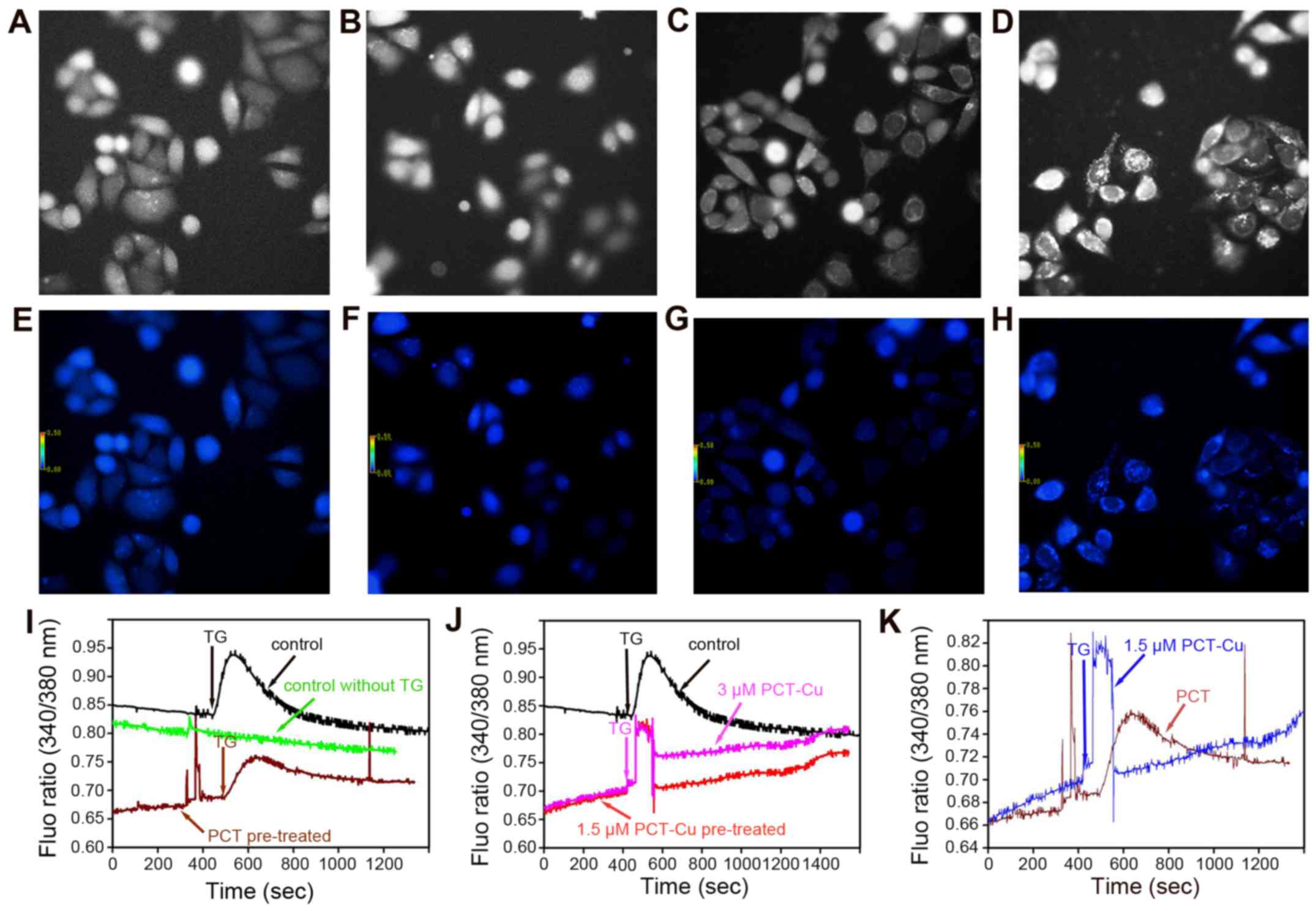
Thiosemicarbazones display significant antitumor activity and their copper complexes also exhibit enhanced biological activities in most situations, but the underlying mechanism is poorly understood. Therefore, investigation of the mechanism involved in the change upon chelation is required to extend our understanding of the effects of thiosemicarbazones. In the present study, the inhibitory effect of 2-pyridinecarboxaldehyde thiosemicarbazone (PCT) and its copper complex (PCT-Cu) on cell proliferation was investigated. The copper chelate exhibited a 3- to 10-fold increase in antitumor activity (with an IC50 <5 µM). The results showed that both PCT and PCT-Cu induced reactive oxygen species (ROS) generation in vitro and in vivo, caused cellular DNA fragmentation, depolarization of the mitochondrial membrane and cell cycle arrest. Western blotting showed that both PCT and PCT-Cu induced apoptosis. Upregulation of GRP78 in HepG2 cells following treatment with the agents indicated that endoplasmic reticulum (ER) stress occurred. Furthermore calcium release was revealed in this study, suggesting that PCT and PCT-Cu disturbed calcium homeostasis. It was noted that PCT-Cu sensitized thapsigargin‑stimulated calcium release from the ER, which was correlated with the ROS level they induced, implying that the antitumor activity of PCT and PCT-Cu partly stemmed from calcium mobilization, a situation that was reported in few studies. Our findings may significantly contribute to the understanding of the anti‑proliferative effect of the derivatives of thiosemicarbazones along with their antitumor mechanism.
View Figures

Figure 1

Figure 2

Figure 3

Figure 4

Figure 5

Figure 6

Figure 7

Figure 8

View References

1 

Husain K, Bhat AR and Azam A: New Pd(II) complexes of the synthesized 1-N-substituted thiosemicarbazones of 3-indole carboxaldehyde: Characterization and antiamoebic assessment against E. histolytica. Eur J Med Chem. 43:2016–2028. 2008. View Article : Google Scholar : PubMed/NCBI

2 

Rodríguez-Argüelles MC, Tourón-Touceda P, Cao R, García-Deibe AM, Pelagatti P, Pelizzi C and Zani F: Complexes of 2-acetyl-γ-butyrolactone and 2-furancarbaldehyde thiosemicarbazones: Antibacterial and antifungal activity. J Inorg Biochem. 103:35–42. 2009. View Article : Google Scholar : PubMed/NCBI

3 

Quach P, Gutierrez E, Basha MT, Kalinowski DS, Sharpe PC, Lovejoy DB, Bernhardt PV, Jansson PJ and Richardson DR: Methemoglobin formation by triapine, di-2-pyridylketone-4,4-dimethyl-3-thiosemicarbazone (Dp44mT), and other anticancer thiosemicarbazones: Identification of novel thiosemicarbazones and therapeutics that prevent this effect. Mol Pharmacol. 82:105–114. 2012. View Article : Google Scholar : PubMed/NCBI

4 

García-Tojal J, García-Jaca J, Cortés R, Rojo T, Urtiaga KM and Arriortua IM: Synthesis and spectroscopic properties of two pyridine-2-carbaldehyde thiosemicarbazonecopper(II) compounds: [CuX2(C7H8N4S)]·H2O (X= Br, Cl). Crystal structure of the bromo complex. Inorg Chim Acta. 249:25–32. 1996. View Article : Google Scholar

5 

Chandra S, Parmar S and Kumar Y: Synthesis, spectroscopic, and antimicrobial studies on bivalent zinc and mercury complexes of 2-formylpyridine thiosemicarbazone. Bioinorg Chem Appl. 2009:8513162009. View Article : Google Scholar :

6 

Baldini M, Belicchi-Ferrari M, Bisceglie F, Capacchi S, Pelosi G and Tarasconi P: Zinc complexes with cyclic derivatives of alpha-ketoglutaric acid thiosemicarbazone: Synthesis, X-ray structures and DNA interactions. J Inorg Biochem. 99:1504–1513. 2005. View Article : Google Scholar : PubMed/NCBI

7 

Pelosi G: Thiosemicarbazone metal complexes: from structure to activity. Open Crystallogr J. 3:16–28. 2010. View Article : Google Scholar

8 

Cabrera M, Gomez N, Lenicov F Remes, Echeverría E, Shayo C, Moglioni A, Fernández N and Davio C: G2/M cell cycle arrest and tumor selective apoptosis of acute leukemia cells by a promising benzophenone thiosemicarbazone compound. PLoS One. 10:e01368782015. View Article : Google Scholar : PubMed/NCBI

9 

Shao J, Zhou B, Di Bilio AJ, Zhu L, Wang T, Qi C, Shih J and Yen Y: A Ferrous-Triapine complex mediates formation of reactive oxygen species that inactivate human ribonucleotide reductase. Mol Cancer Ther. 5:586–592. 2006. View Article : Google Scholar : PubMed/NCBI

10 

Cao SS and Kaufman RJ: Endoplasmic reticulum stress and oxidative stress in cell fate decision and human disease. Antioxid Redox Signal. 21:396–413. 2014. View Article : Google Scholar : PubMed/NCBI

11 

Hancock CN, Stockwin LH, Han B, Divelbiss RD, Jun JH, Malhotra SV, Hollingshead MG and Newton DL: A copper chelate of thiosemicarbazone NSC 689534 induces oxidative/ER stress and inhibits tumor growth in vitro and in vivo. Free Radic Biol Med. 50:110–121. 2011. View Article : Google Scholar : PubMed/NCBI

12 

Lovejoy DB, Jansson PJ, Brunk UT, Wong J, Ponka P and Richardson DR: Antitumor activity of metal-chelating compound Dp44mT is mediated by formation of a redox-active copper complex that accumulates in lysosomes. Cancer Res. 71:5871–5880. 2011. View Article : Google Scholar : PubMed/NCBI

13 

Kowol CR, Heffeter P, Miklos W, Gille L, Trondl R, Cappellacci L, Berger W and Keppler BK: Mechanisms underlying reductant-induced reactive oxygen species formation by anticancer copper(II) compounds. J Biol Inorg Chem. 17:409–423. 2012. View Article : Google Scholar : PubMed/NCBI

14 

Kowol CR, Trondl R, Arion VB, Jakupec MA, Lichtscheidl I and Keppler BK: Fluorescence properties and cellular distribution of the investigational anticancer drug triapine (3-aminopyridine-2-carboxaldehyde thiosemicarbazone) and its zinc(II) complex. Dalton Trans. 39:704–706. 2010. View Article : Google Scholar : PubMed/NCBI

15 

Trondl R, Flocke LS, Kowol CR, Heffeter P, Jungwirth U, Mair GE, Steinborn R, Enyedy ÉA, Jakupec MA, Berger W, et al: Triapine and a more potent dimethyl derivative induce endoplasmic reticulum stress in cancer cells. Mol Pharmacol. 85:451–459. 2014. View Article : Google Scholar : PubMed/NCBI

16 

Berridge MJ: Elementary and global aspects of calcium signalling. J Physiol. 499:291–306. 1997. View Article : Google Scholar : PubMed/NCBI

17 

Berridge MJ: Inositol trisphosphate and calcium signalling. Nature. 361:315–325. 1993. View Article : Google Scholar : PubMed/NCBI

18 

Rogers TB, Inesi G, Wade R and Lederer WJ: Use of thapsigargin to study Ca2+ homeostasis in cardiac cells. Biosci Rep. 15:341–349. 1995. View Article : Google Scholar : PubMed/NCBI

19 

Chandra S, Raizada S, Tyagi M and Sharma PK: Spectroscopic and biological approach of Ni(II) and Cu(II) complexes of 2-pyridinecarboxaldehyde thiosemicarbazone. Spectrochim Acta A Mol Biomol Spectrosc. 69:816–821. 2008. View Article : Google Scholar : PubMed/NCBI

20 

Chen D, Cui QC, Yang H, Barrea RA, Sarkar FH, Sheng S, Yan B, Reddy GP and Dou QP: Clioquinol, a therapeutic agent for Alzheimer's disease, has proteasome-inhibitory, androgen receptor-suppressing, apoptosis-inducing, and antitumor activities in human prostate cancer cells and xenografts. Cancer Res. 67:1636–1644. 2007. View Article : Google Scholar : PubMed/NCBI

21 

Huang T and Li C, Sun X, Zhu Z, Fu Y, Liu Y, Yuan Y, Li S and Li C: The antitumor mechanism of di-2-pyridylketone 2-pyridine carboxylic acid hydrazone and its copper complex in ROS generation and topoisomerase inhibition, and hydrazone involvement in oxygen-catalytic iron mobilization. Int J Oncol. 47:1854–1862. 2015.PubMed/NCBI

22 

Singh NP, McCoy MT, Tice RR and Schneider EL: A simple technique for quantitation of low levels of DNA damage in individual cells. Exp Cell Res. 175:184–191. 1988. View Article : Google Scholar : PubMed/NCBI

23 

Fu Y, Zhang Y, Zhou SF, Liu Y, Wang J, Wang Y, Lu C and Li C: Effects of substitution of carboxyl with hydrazide group on position 3 of ciprofloxacin on its antimicrobial and antitumor activity. Int J Pharmacol. 9:416–429. 2013. View Article : Google Scholar

24 

Wang J, Wang Y, Wang Y, Wang R, Zhang Y, Zhang Q and Lu C: Contribution of α4β2 nAChR in nicotine-induced intracellular calcium response and excitability of MSDB neurons. Brain Res. 1592:1–10. 2014. View Article : Google Scholar : PubMed/NCBI

25 

Liu MC, Lin TS and Sartorelli AC: Synthesis and antitumor activity of amino derivatives of pyridine-2-carboxaldehyde thiosemicarbazone. J Med Chem. 35:3672–3677. 1992. View Article : Google Scholar : PubMed/NCBI

26 

Zhang K: Integration of ER stress, oxidative stress and the inflammatory response in health and disease. Int J Clin Exp Med. 3:33–40. 2010.PubMed/NCBI

27 

Gething MJ and Sambrook J: Protein folding in the cell. Nature. 355:33–45. 1992. View Article : Google Scholar : PubMed/NCBI

28 

Brodská B and Holoubek A: Generation of reactive oxygen species during apoptosis induced by DNA-damaging agents and/or histone deacetylase inhibitors. Oxid Med Cell Longev. 2011:2535292011. View Article : Google Scholar : PubMed/NCBI

29 

Sun Y, Huang L, Mackenzie GG and Rigas B: Oxidative stress mediates through apoptosis the anticancer effect of phospho-nonsteroidal anti-inflammatory drugs: Implications for the role of oxidative stress in the action of anticancer agents. J Pharmacol Exp Ther. 338:775–783. 2011. View Article : Google Scholar : PubMed/NCBI

30 

Rigas B and Sun Y: Induction of oxidative stress as a mechanism of action of chemopreventive agents against cancer. Br J Cancer. 98:1157–1160. 2008. View Article : Google Scholar : PubMed/NCBI

31 

Jansson PJ, Hawkins CL, Lovejoy DB and Richardson DR: The iron complex of Dp44mT is redox-active and induces hydroxyl radical formation: An EPR study. J Inorg Biochem. 104:1224–1228. 2010. View Article : Google Scholar : PubMed/NCBI

32 

Kakhlon O and Cabantchik ZI: The labile iron pool: Characterization, measurement, and participation in cellular processes(1). Free Radic Biol Med. 33:1037–1046. 2002. View Article : Google Scholar : PubMed/NCBI

33 

Preza AM, Jaramillo ME, Puebla AM, Mateos JC, Hernández R and Lugo E: Antitumor activity against murine lymphoma L5178Y model of proteins from cacao (Theobroma cacao L.) seeds in relation with in vitro antioxidant activity. BMC Complement Altern Med. 10:612010. View Article : Google Scholar : PubMed/NCBI

34 

Vandamme M, Robert E, Lerondel S, Sarron V, Ries D, Dozias S, Sobilo J, Gosset D, Kieda C, Legrain B, et al: ROS implication in a new antitumor strategy based on non-thermal plasma. Int J Cancer. 130:2185–2194. 2012. View Article : Google Scholar : PubMed/NCBI

35 

Zhang X, Chen M, Zou P, Kanchana K, Weng Q, Chen W, Zhong P, Ji J, Zhou H, He L, et al: Curcumin analog WZ35 induced cell death via ROS-dependent ER stress and G2/M cell cycle arrest in human prostate cancer cells. BMC Cancer. 15:8662015. View Article : Google Scholar : PubMed/NCBI

36 

Guo J, Wu G, Bao J, Hao W, Lu J and Chen X: Cucurbitacin B induced ATM-mediated DNA damage causes G2/M cell cycle arrest in a ROS-dependent manner. PLoS One. 9:e881402014. View Article : Google Scholar : PubMed/NCBI

37 

Vandaele L, Goossens K, Peelman L and Van Soom A: mRNA expression of Bcl-2, Bax, caspase-3 and −7 cannot be used as a marker for apoptosis in bovine blastocysts. Anim Reprod Sci. 106:168–173. 2008. View Article : Google Scholar : PubMed/NCBI

38 

Yip KW and Reed JC: Bcl-2 family proteins and cancer. Oncogene. 27:6398–6406. 2008. View Article : Google Scholar : PubMed/NCBI

39 

Liang Y, Yan C and Schor NF: Apoptosis in the absence of caspase 3. Oncogene. 20:6570–6578. 2001. View Article : Google Scholar : PubMed/NCBI

40 

Alvarado-Kristensson M, Melander F, Leandersson K, Rönnstrand L, Wernstedt C and Andersson T: p38-MAPK signals survival by phosphorylation of caspase-8 and caspase-3 in human neutrophils. J Exp Med. 199:449–458. 2004. View Article : Google Scholar : PubMed/NCBI

41 

Voss OH, Kim S, Wewers MD and Doseff AI: Regulation of monocyte apoptosis by the protein kinase Cdelta-dependent phosphorylation of caspase-3. J Biol Chem. 280:17371–17379. 2005. View Article : Google Scholar : PubMed/NCBI

42 

Liu J, Uematsu H, Tsuchida N and Ikeda MA: Essential role of caspase-8 in p53/p73-dependent apoptosis induced by etoposide in head and neck carcinoma cells. Mol Cancer. 10:952011. View Article : Google Scholar : PubMed/NCBI

43 

Cai J, Yang J and Jones D: Mitochondrial control of apoptosis: The role of cytochrome c. Biochim Biophys Acta. 1366:139–149. 1998. View Article : Google Scholar : PubMed/NCBI

44 

Malhotra JD and Kaufman RJ: Endoplasmic reticulum stress and oxidative stress: A vicious cycle or a double-edged sword? Antioxid Redox Signal. 9:2277–2293. 2007. View Article : Google Scholar : PubMed/NCBI

45 

Kim JL, Lee DH, Na YJ, Kim BR, Jeong YA, Lee SI, Kang S, Joung SY, Lee SY, Oh SC, et al: Iron chelator-induced apoptosis via the ER stress pathway in gastric cancer cells. Tumour Biol. 37:9709–9719. 2016. View Article : Google Scholar : PubMed/NCBI

46 

Lane DJ, Mills TM, Shafie NH, Merlot AM, Moussa R Saleh, Kalinowski DS, Kovacevic Z and Richardson DR: Expanding horizons in iron chelation and the treatment of cancer: Role of iron in the regulation of ER stress and the epithelial-mesenchymal transition. Biochim Biophys Acta. 1845:166–181. 2014.PubMed/NCBI

47 

Moustapha A, Pérétout PA, Rainey NE, Sureau F, Geze M, Petit JM, Dewailly E, Slomianny C and Petit PX: Curcumin induces crosstalk between autophagy and apoptosis mediated by calcium release from the endoplasmic reticulum, lysosomal destabilization and mitochondrial events. Cell Death Dis. 1:150172015. View Article : Google Scholar

Related Articles

  • Abstract
  • View
  • Download
  • Twitter
Copy and paste a formatted citation
Spandidos Publications style
Fu Y, Liu Y, Wang J, Li C, Zhou S, Yang Y, Zhou P, Lu C and Li C: Calcium release induced by 2-pyridinecarboxaldehyde thiosemicarbazone and its copper complex contributes to tumor cell death. Oncol Rep 37: 1662-1670, 2017.
APA
Fu, Y., Liu, Y., Wang, J., Li, C., Zhou, S., Yang, Y. ... Li, C. (2017). Calcium release induced by 2-pyridinecarboxaldehyde thiosemicarbazone and its copper complex contributes to tumor cell death. Oncology Reports, 37, 1662-1670. https://doi.org/10.3892/or.2017.5395
MLA
Fu, Y., Liu, Y., Wang, J., Li, C., Zhou, S., Yang, Y., Zhou, P., Lu, C., Li, C."Calcium release induced by 2-pyridinecarboxaldehyde thiosemicarbazone and its copper complex contributes to tumor cell death". Oncology Reports 37.3 (2017): 1662-1670.
Chicago
Fu, Y., Liu, Y., Wang, J., Li, C., Zhou, S., Yang, Y., Zhou, P., Lu, C., Li, C."Calcium release induced by 2-pyridinecarboxaldehyde thiosemicarbazone and its copper complex contributes to tumor cell death". Oncology Reports 37, no. 3 (2017): 1662-1670. https://doi.org/10.3892/or.2017.5395
Copy and paste a formatted citation
x
Spandidos Publications style
Fu Y, Liu Y, Wang J, Li C, Zhou S, Yang Y, Zhou P, Lu C and Li C: Calcium release induced by 2-pyridinecarboxaldehyde thiosemicarbazone and its copper complex contributes to tumor cell death. Oncol Rep 37: 1662-1670, 2017.
APA
Fu, Y., Liu, Y., Wang, J., Li, C., Zhou, S., Yang, Y. ... Li, C. (2017). Calcium release induced by 2-pyridinecarboxaldehyde thiosemicarbazone and its copper complex contributes to tumor cell death. Oncology Reports, 37, 1662-1670. https://doi.org/10.3892/or.2017.5395
MLA
Fu, Y., Liu, Y., Wang, J., Li, C., Zhou, S., Yang, Y., Zhou, P., Lu, C., Li, C."Calcium release induced by 2-pyridinecarboxaldehyde thiosemicarbazone and its copper complex contributes to tumor cell death". Oncology Reports 37.3 (2017): 1662-1670.
Chicago
Fu, Y., Liu, Y., Wang, J., Li, C., Zhou, S., Yang, Y., Zhou, P., Lu, C., Li, C."Calcium release induced by 2-pyridinecarboxaldehyde thiosemicarbazone and its copper complex contributes to tumor cell death". Oncology Reports 37, no. 3 (2017): 1662-1670. https://doi.org/10.3892/or.2017.5395
Follow us
  • Twitter
  • LinkedIn
  • Facebook
About
  • Spandidos Publications
  • Careers
  • Cookie Policy
  • Privacy Policy
How can we help?
  • Help
  • Live Chat
  • Contact
  • Email to our Support Team