Spandidos Publications Logo
  • About
    • About Spandidos
    • Aims and Scopes
    • Abstracting and Indexing
    • Editorial Policies
    • Reprints and Permissions
    • Job Opportunities
    • Terms and Conditions
    • Contact
  • Journals
    • All Journals
    • Oncology Letters
      • Oncology Letters
      • Information for Authors
      • Editorial Policies
      • Editorial Board
      • Aims and Scope
      • Abstracting and Indexing
      • Bibliographic Information
      • Archive
    • International Journal of Oncology
      • International Journal of Oncology
      • Information for Authors
      • Editorial Policies
      • Editorial Board
      • Aims and Scope
      • Abstracting and Indexing
      • Bibliographic Information
      • Archive
    • Molecular and Clinical Oncology
      • Molecular and Clinical Oncology
      • Information for Authors
      • Editorial Policies
      • Editorial Board
      • Aims and Scope
      • Abstracting and Indexing
      • Bibliographic Information
      • Archive
    • Experimental and Therapeutic Medicine
      • Experimental and Therapeutic Medicine
      • Information for Authors
      • Editorial Policies
      • Editorial Board
      • Aims and Scope
      • Abstracting and Indexing
      • Bibliographic Information
      • Archive
    • International Journal of Molecular Medicine
      • International Journal of Molecular Medicine
      • Information for Authors
      • Editorial Policies
      • Editorial Board
      • Aims and Scope
      • Abstracting and Indexing
      • Bibliographic Information
      • Archive
    • Biomedical Reports
      • Biomedical Reports
      • Information for Authors
      • Editorial Policies
      • Editorial Board
      • Aims and Scope
      • Abstracting and Indexing
      • Bibliographic Information
      • Archive
    • Oncology Reports
      • Oncology Reports
      • Information for Authors
      • Editorial Policies
      • Editorial Board
      • Aims and Scope
      • Abstracting and Indexing
      • Bibliographic Information
      • Archive
    • Molecular Medicine Reports
      • Molecular Medicine Reports
      • Information for Authors
      • Editorial Policies
      • Editorial Board
      • Aims and Scope
      • Abstracting and Indexing
      • Bibliographic Information
      • Archive
    • World Academy of Sciences Journal
      • World Academy of Sciences Journal
      • Information for Authors
      • Editorial Policies
      • Editorial Board
      • Aims and Scope
      • Abstracting and Indexing
      • Bibliographic Information
      • Archive
    • International Journal of Functional Nutrition
      • International Journal of Functional Nutrition
      • Information for Authors
      • Editorial Policies
      • Editorial Board
      • Aims and Scope
      • Abstracting and Indexing
      • Bibliographic Information
      • Archive
    • International Journal of Epigenetics
      • International Journal of Epigenetics
      • Information for Authors
      • Editorial Policies
      • Editorial Board
      • Aims and Scope
      • Abstracting and Indexing
      • Bibliographic Information
      • Archive
    • Medicine International
      • Medicine International
      • Information for Authors
      • Editorial Policies
      • Editorial Board
      • Aims and Scope
      • Abstracting and Indexing
      • Bibliographic Information
      • Archive
  • Articles
  • Information
    • Information for Authors
    • Information for Reviewers
    • Information for Librarians
    • Information for Advertisers
    • Conferences
  • Language Editing
Spandidos Publications Logo
  • About
    • About Spandidos
    • Aims and Scopes
    • Abstracting and Indexing
    • Editorial Policies
    • Reprints and Permissions
    • Job Opportunities
    • Terms and Conditions
    • Contact
  • Journals
    • All Journals
    • Biomedical Reports
      • Information for Authors
      • Editorial Policies
      • Editorial Board
      • Aims and Scope
      • Abstracting and Indexing
      • Bibliographic Information
      • Archive
    • Experimental and Therapeutic Medicine
      • Information for Authors
      • Editorial Policies
      • Editorial Board
      • Aims and Scope
      • Abstracting and Indexing
      • Bibliographic Information
      • Archive
    • International Journal of Epigenetics
      • Information for Authors
      • Editorial Policies
      • Editorial Board
      • Aims and Scope
      • Abstracting and Indexing
      • Bibliographic Information
      • Archive
    • International Journal of Functional Nutrition
      • Information for Authors
      • Editorial Policies
      • Editorial Board
      • Aims and Scope
      • Abstracting and Indexing
      • Bibliographic Information
      • Archive
    • International Journal of Molecular Medicine
      • Information for Authors
      • Editorial Policies
      • Editorial Board
      • Aims and Scope
      • Abstracting and Indexing
      • Bibliographic Information
      • Archive
    • International Journal of Oncology
      • Information for Authors
      • Editorial Policies
      • Editorial Board
      • Aims and Scope
      • Abstracting and Indexing
      • Bibliographic Information
      • Archive
    • Medicine International
      • Information for Authors
      • Editorial Policies
      • Editorial Board
      • Aims and Scope
      • Abstracting and Indexing
      • Bibliographic Information
      • Archive
    • Molecular and Clinical Oncology
      • Information for Authors
      • Editorial Policies
      • Editorial Board
      • Aims and Scope
      • Abstracting and Indexing
      • Bibliographic Information
      • Archive
    • Molecular Medicine Reports
      • Information for Authors
      • Editorial Policies
      • Editorial Board
      • Aims and Scope
      • Abstracting and Indexing
      • Bibliographic Information
      • Archive
    • Oncology Letters
      • Information for Authors
      • Editorial Policies
      • Editorial Board
      • Aims and Scope
      • Abstracting and Indexing
      • Bibliographic Information
      • Archive
    • Oncology Reports
      • Information for Authors
      • Editorial Policies
      • Editorial Board
      • Aims and Scope
      • Abstracting and Indexing
      • Bibliographic Information
      • Archive
    • World Academy of Sciences Journal
      • Information for Authors
      • Editorial Policies
      • Editorial Board
      • Aims and Scope
      • Abstracting and Indexing
      • Bibliographic Information
      • Archive
  • Articles
  • Information
    • For Authors
    • For Reviewers
    • For Librarians
    • For Advertisers
    • Conferences
  • Language Editing
Login Register Submit
  • This site uses cookies
  • You can change your cookie settings at any time by following the instructions in our Cookie Policy. To find out more, you may read our Privacy Policy.

    I agree
Search articles by DOI, keyword, author or affiliation
Search
Advanced Search
presentation
Oncology Reports
Join Editorial Board Propose a Special Issue
Print ISSN: 1021-335X Online ISSN: 1791-2431
Journal Cover
September-2017 Volume 38 Issue 3

Full Size Image

Sign up for eToc alerts
Recommend to Library

Journals

International Journal of Molecular Medicine

International Journal of Molecular Medicine

International Journal of Molecular Medicine is an international journal devoted to molecular mechanisms of human disease.

International Journal of Oncology

International Journal of Oncology

International Journal of Oncology is an international journal devoted to oncology research and cancer treatment.

Molecular Medicine Reports

Molecular Medicine Reports

Covers molecular medicine topics such as pharmacology, pathology, genetics, neuroscience, infectious diseases, molecular cardiology, and molecular surgery.

Oncology Reports

Oncology Reports

Oncology Reports is an international journal devoted to fundamental and applied research in Oncology.

Experimental and Therapeutic Medicine

Experimental and Therapeutic Medicine

Experimental and Therapeutic Medicine is an international journal devoted to laboratory and clinical medicine.

Oncology Letters

Oncology Letters

Oncology Letters is an international journal devoted to Experimental and Clinical Oncology.

Biomedical Reports

Biomedical Reports

Explores a wide range of biological and medical fields, including pharmacology, genetics, microbiology, neuroscience, and molecular cardiology.

Molecular and Clinical Oncology

Molecular and Clinical Oncology

International journal addressing all aspects of oncology research, from tumorigenesis and oncogenes to chemotherapy and metastasis.

World Academy of Sciences Journal

World Academy of Sciences Journal

Multidisciplinary open-access journal spanning biochemistry, genetics, neuroscience, environmental health, and synthetic biology.

International Journal of Functional Nutrition

International Journal of Functional Nutrition

Open-access journal combining biochemistry, pharmacology, immunology, and genetics to advance health through functional nutrition.

International Journal of Epigenetics

International Journal of Epigenetics

Publishes open-access research on using epigenetics to advance understanding and treatment of human disease.

Medicine International

Medicine International

An International Open Access Journal Devoted to General Medicine.

Journal Cover
September-2017 Volume 38 Issue 3

Full Size Image

Sign up for eToc alerts
Recommend to Library

  • Article
  • Citations
    • Cite This Article
    • Download Citation
    • Create Citation Alert
    • Remove Citation Alert
    • Cited By
  • Similar Articles
    • Related Articles (in Spandidos Publications)
    • Similar Articles (Google Scholar)
    • Similar Articles (PubMed)
  • Download PDF
  • Download XML
  • View XML
Article Open Access

Anacardic acid induces cell apoptosis of prostatic cancer through autophagy by ER stress/DAPK3/Akt signaling pathway

  • Authors:
    • Jing Tan
    • Xianzhen Jiang
    • Guangming Yin
    • Leye He
    • Jianye Liu
    • Zhi Long
    • Zhiqiang Jiang
    • Kun Yao
  • View Affiliations / Copyright

    Affiliations: Department of Urology, The Third Xiangya Hospital of Central South University; Institute of Prostate Disease, Central South University, Changsha, Hunan 410013, P.R. China
    Copyright: © Tan et al. This is an open access article distributed under the terms of Creative Commons Attribution License.
  • Pages: 1373-1382
    |
    Published online on: July 20, 2017
       https://doi.org/10.3892/or.2017.5841
  • Expand metrics +
Metrics: Total Views: 0 (Spandidos Publications: | PMC Statistics: )
Metrics: Total PDF Downloads: 0 (Spandidos Publications: | PMC Statistics: )
Cited By (CrossRef): 0 citations Loading Articles...

This article is mentioned in:


Abstract

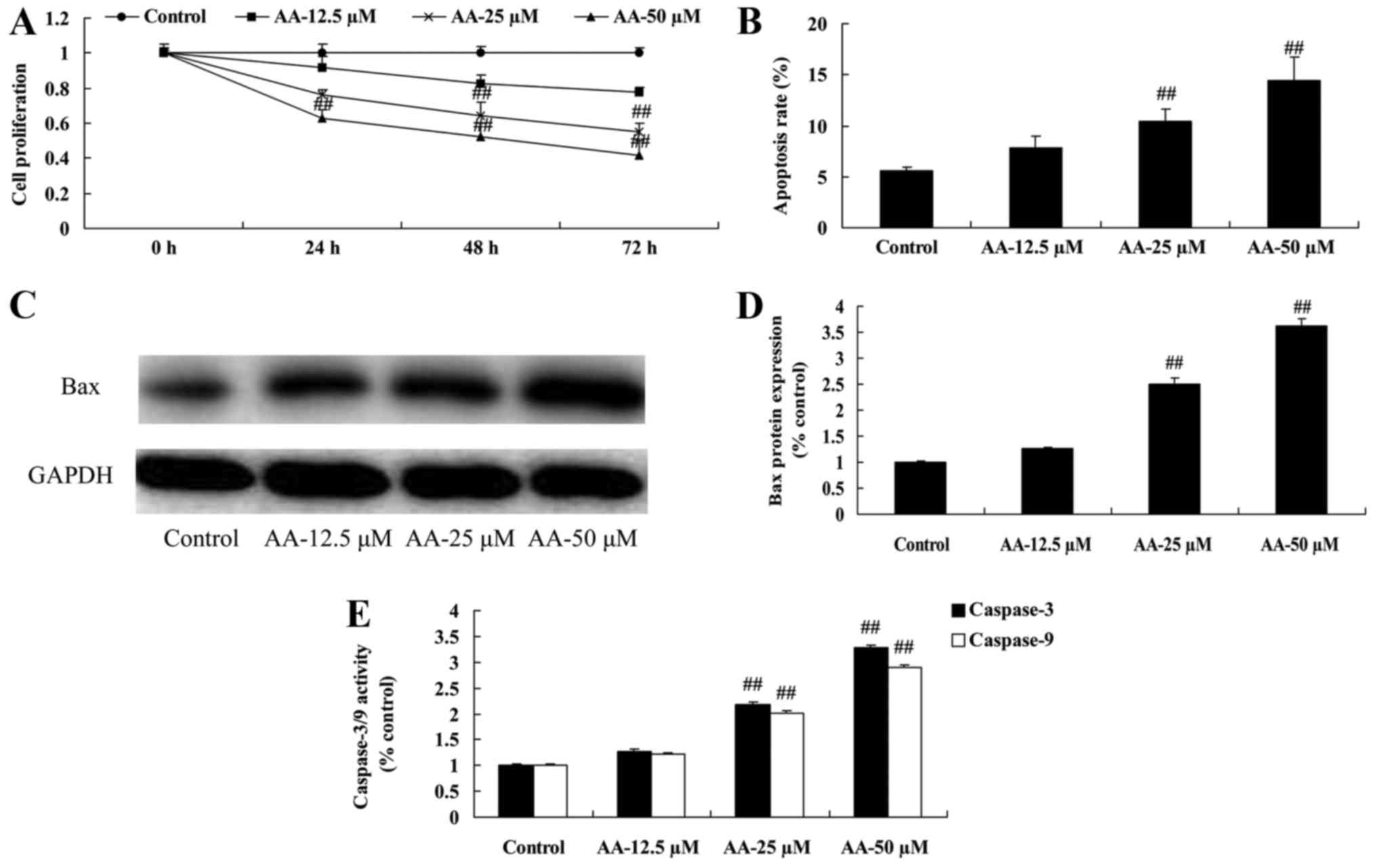
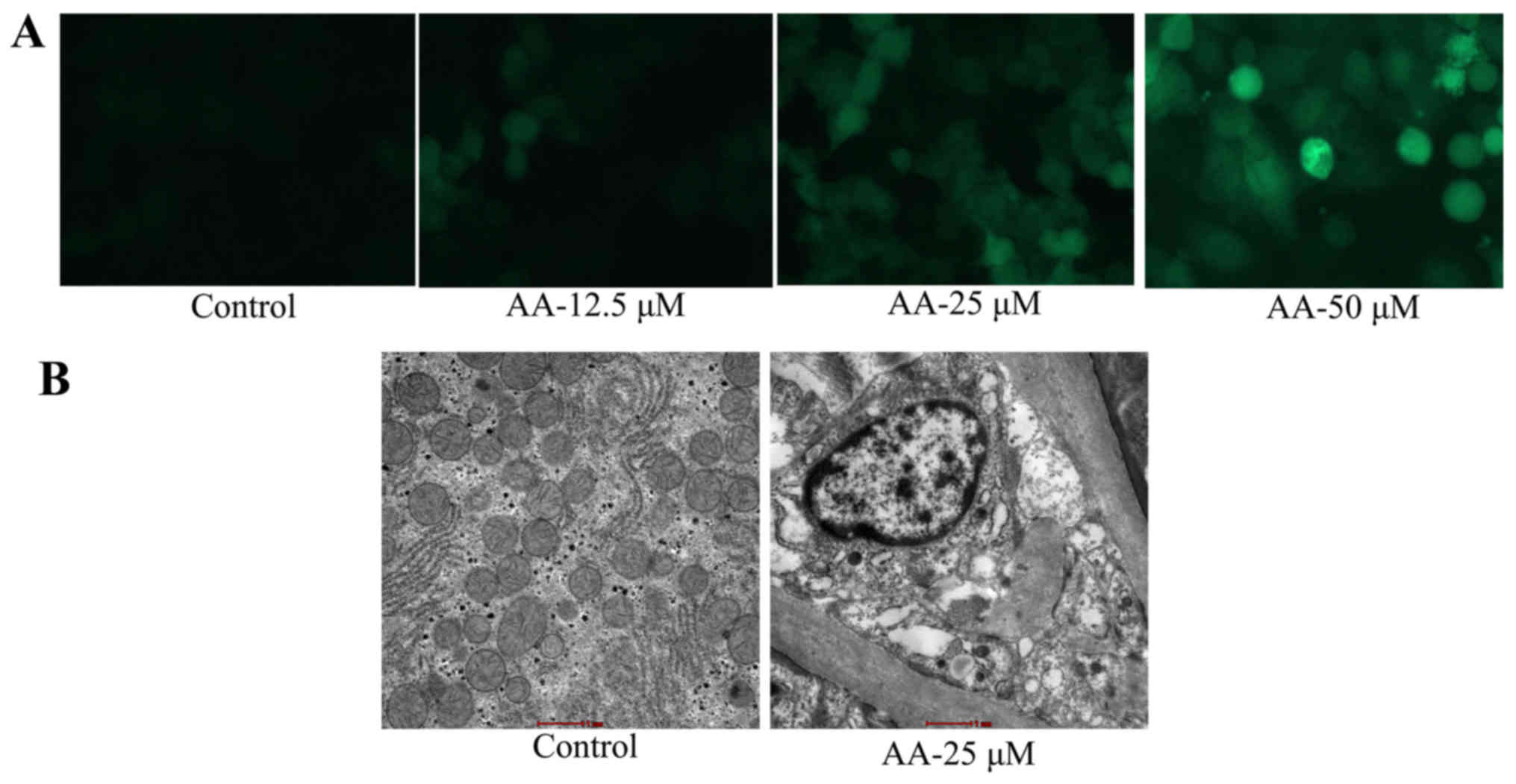
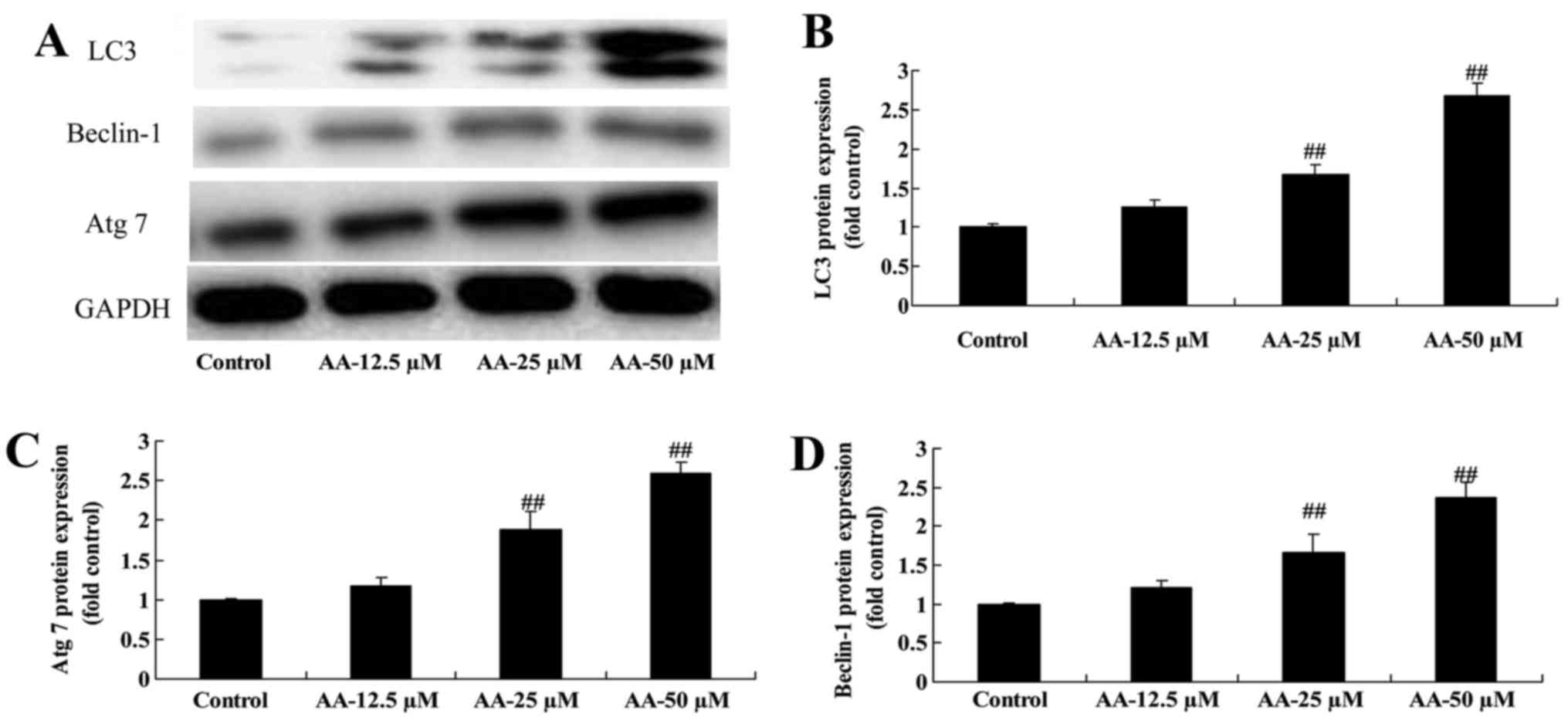
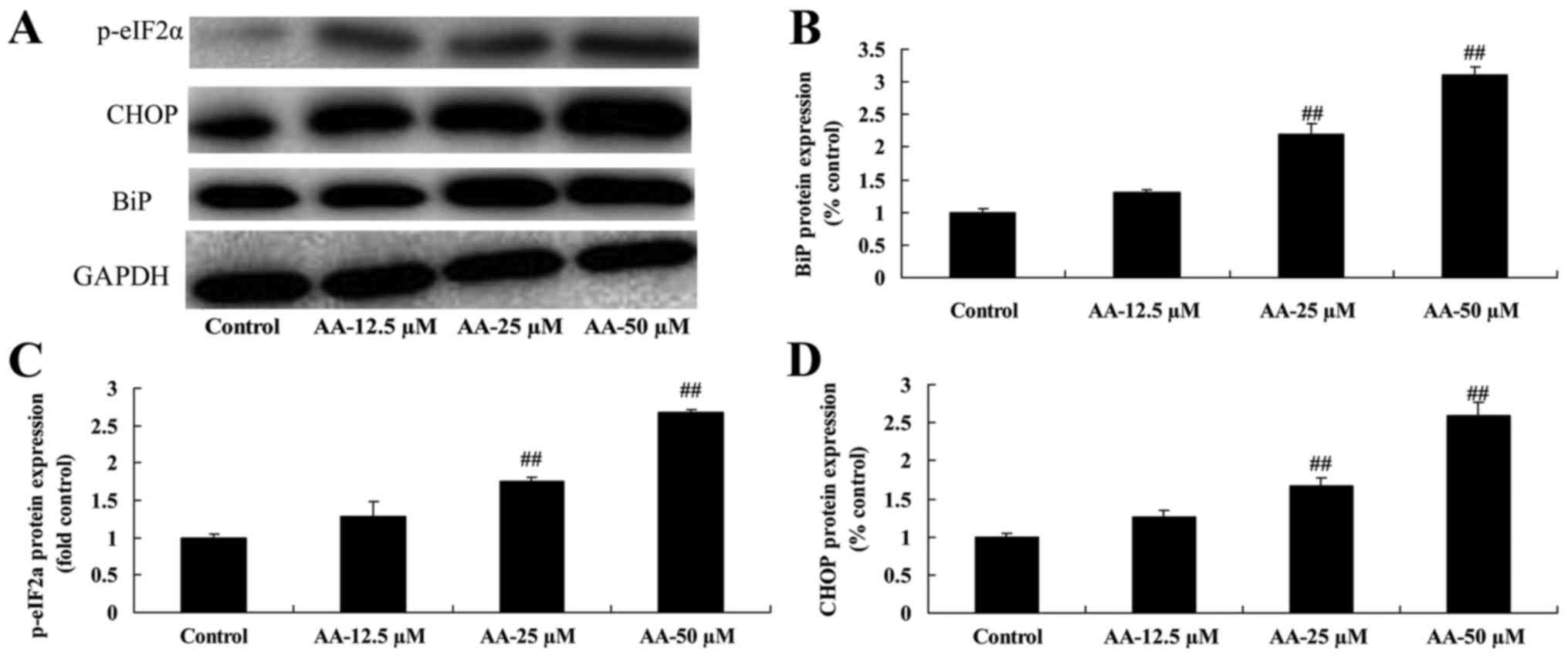
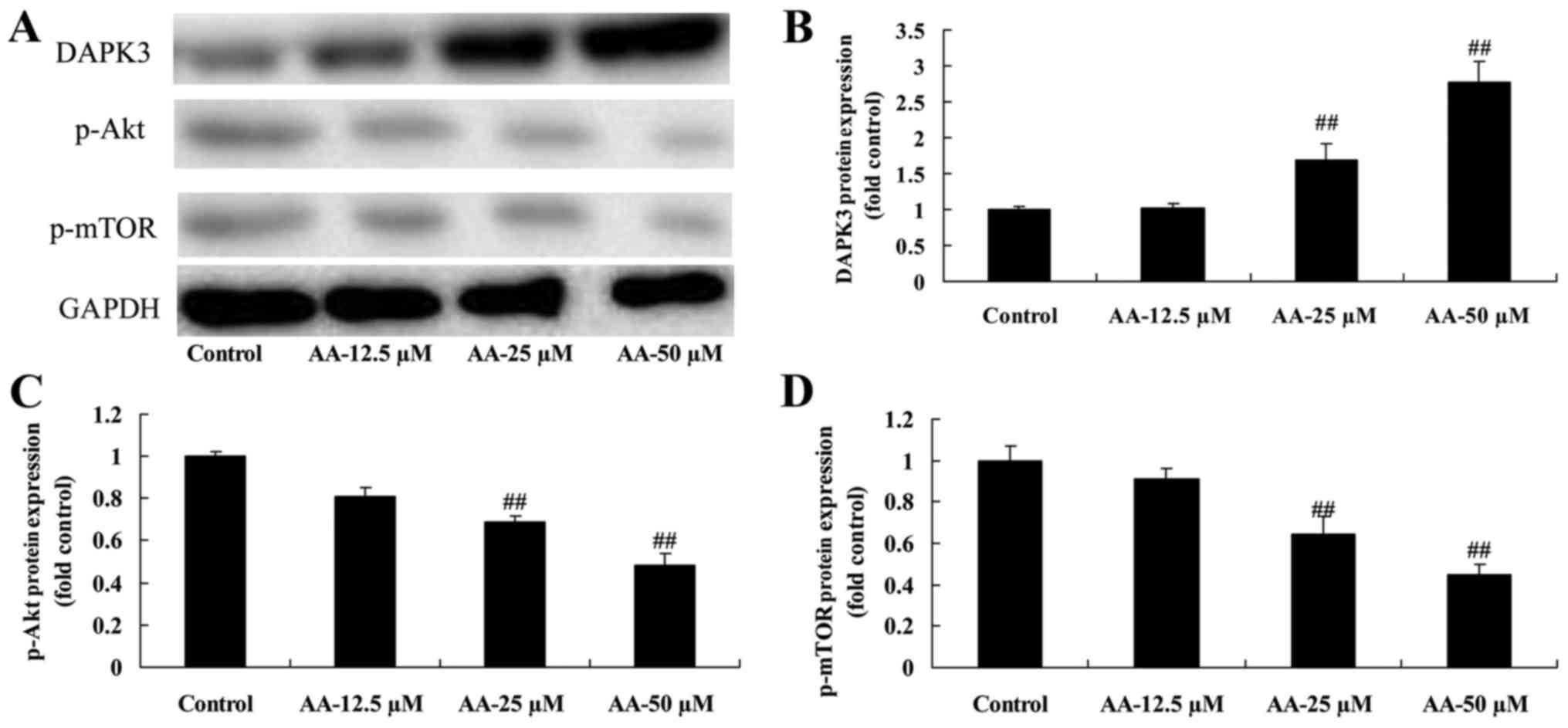
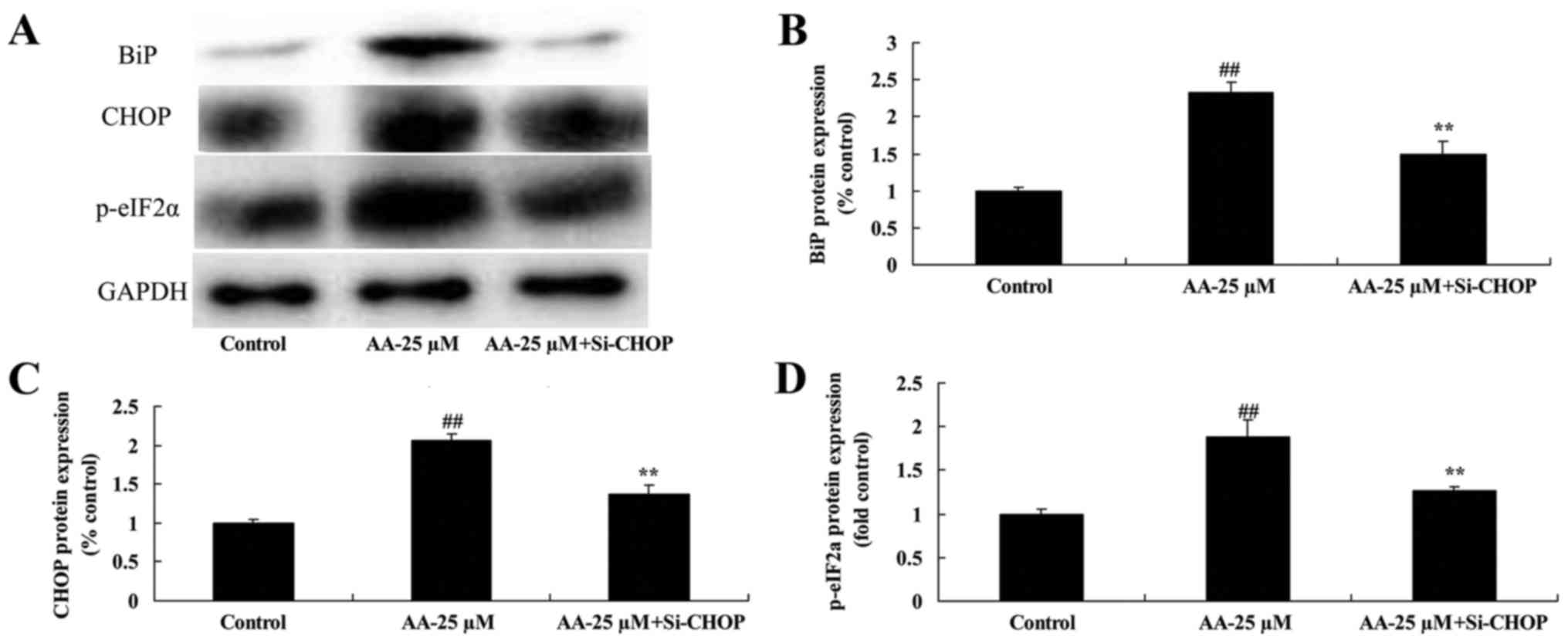
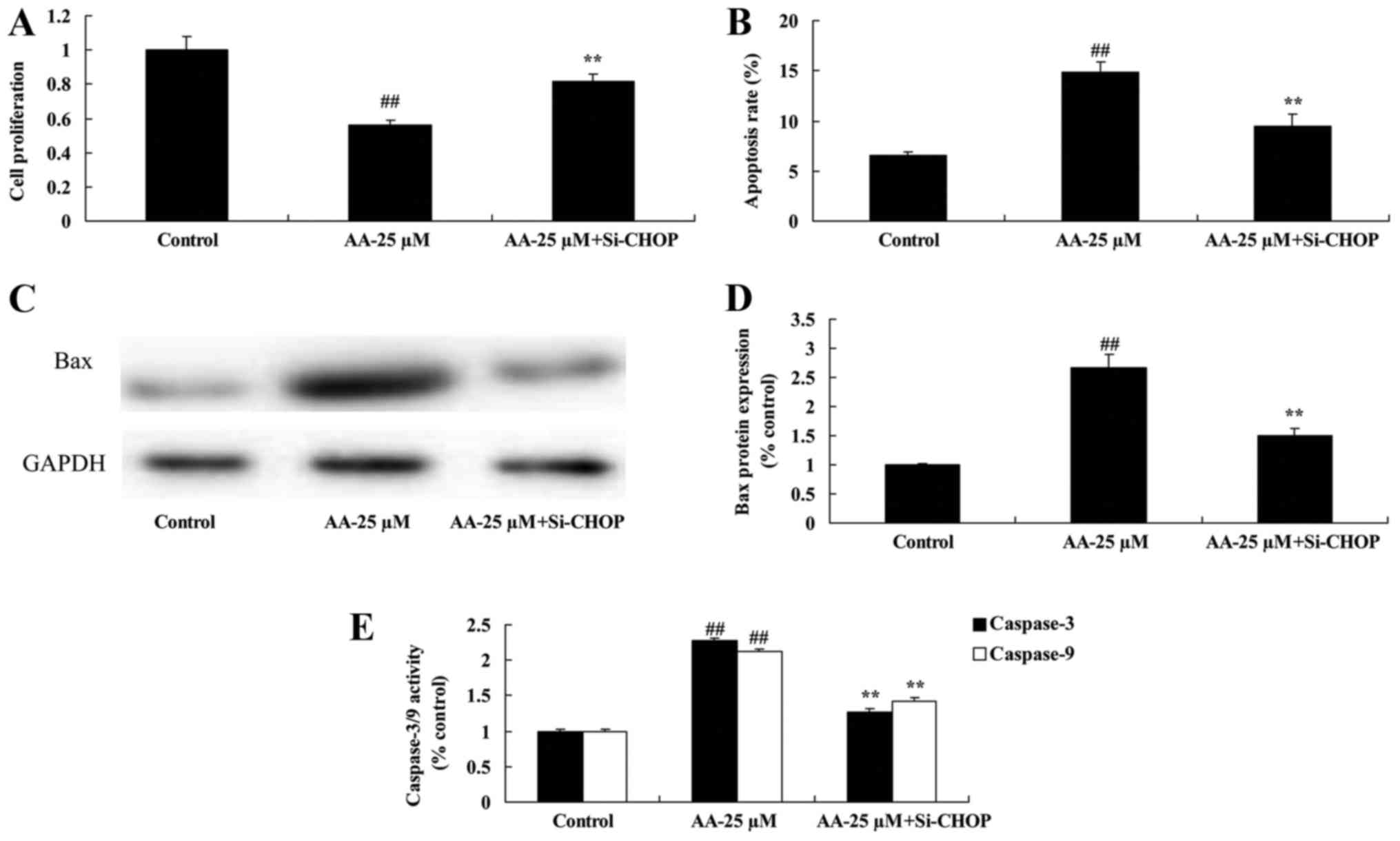
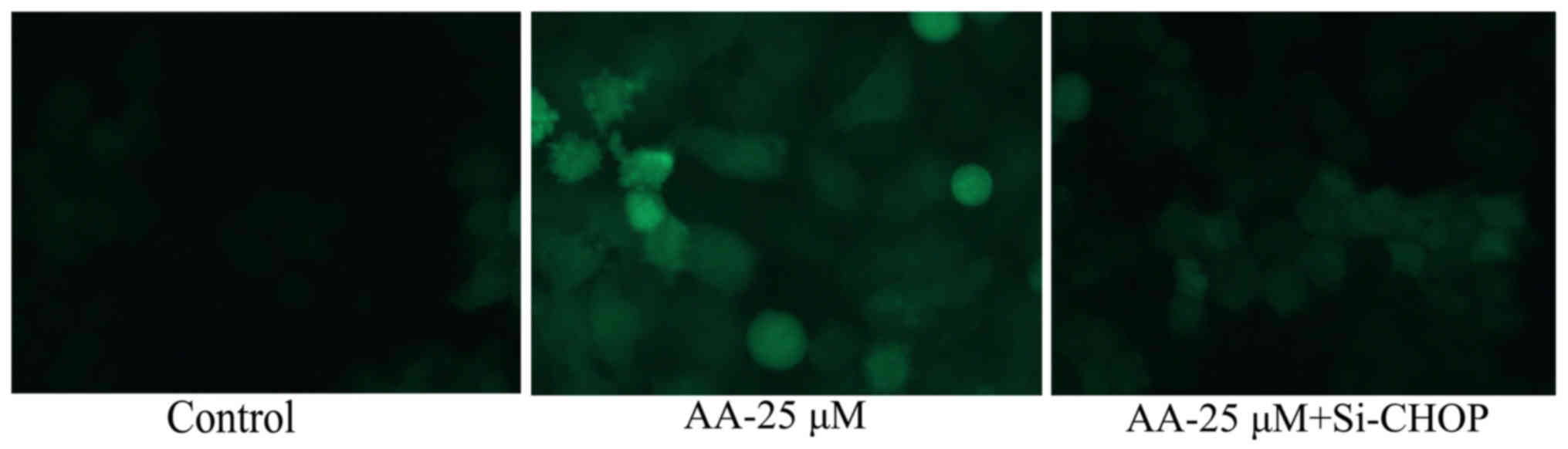
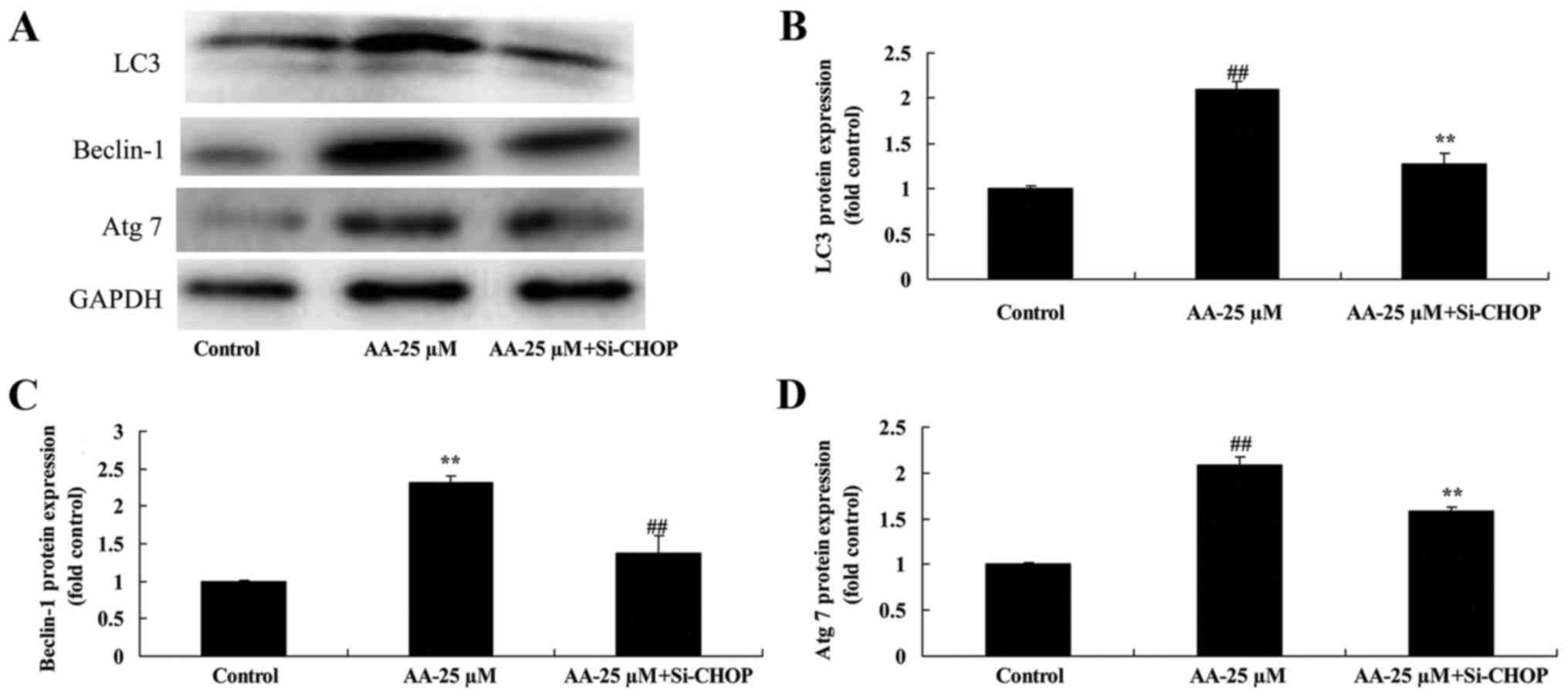
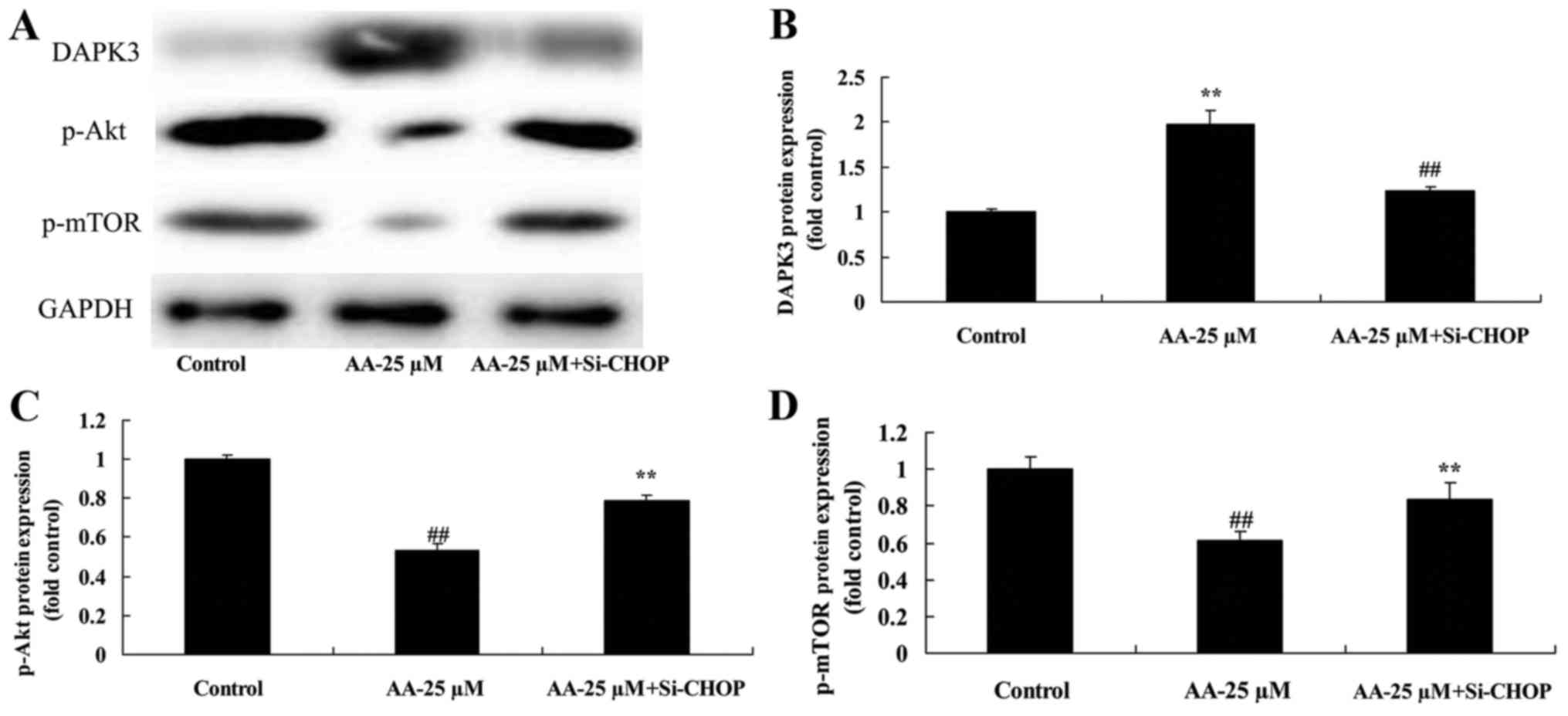
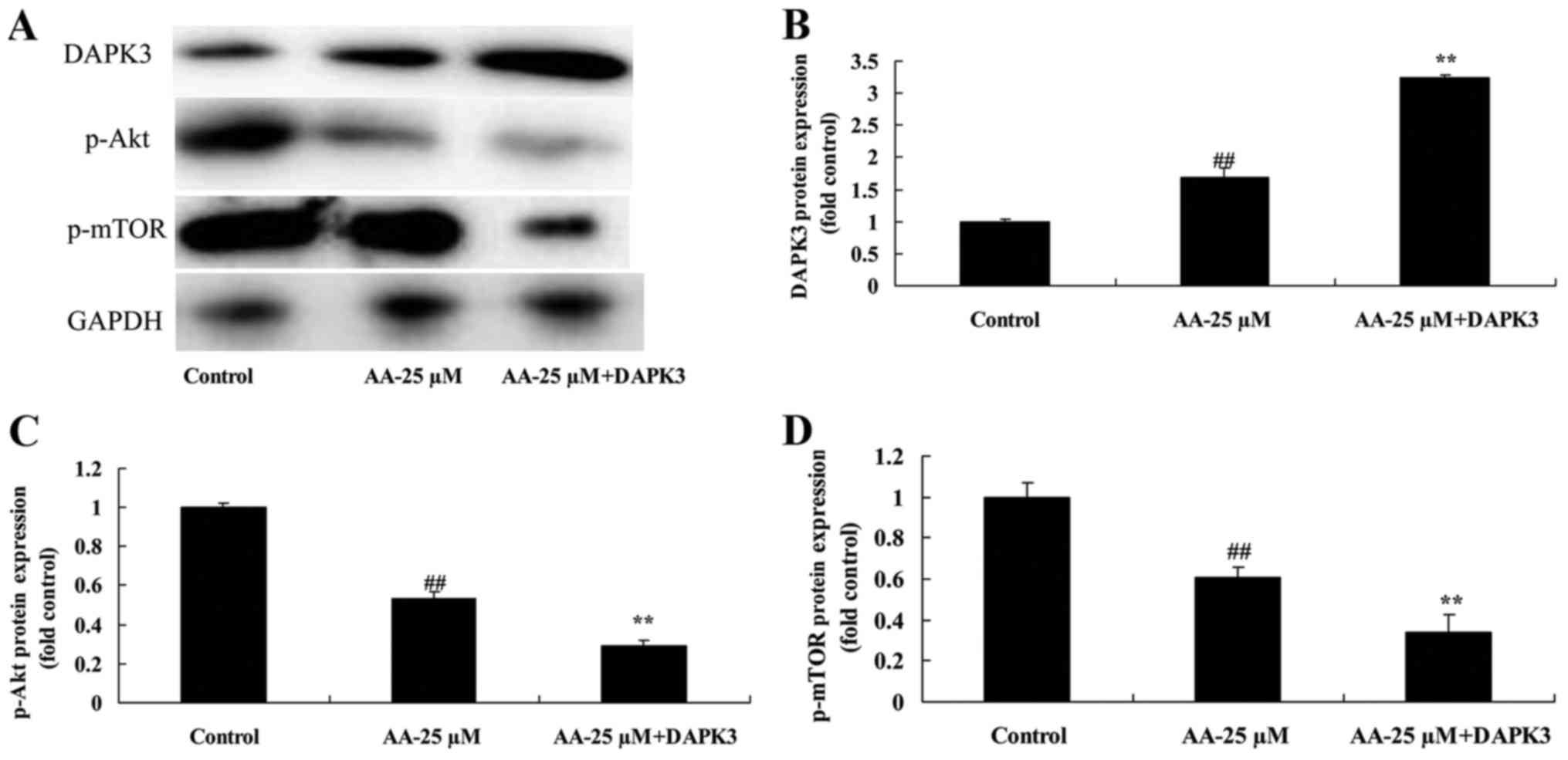
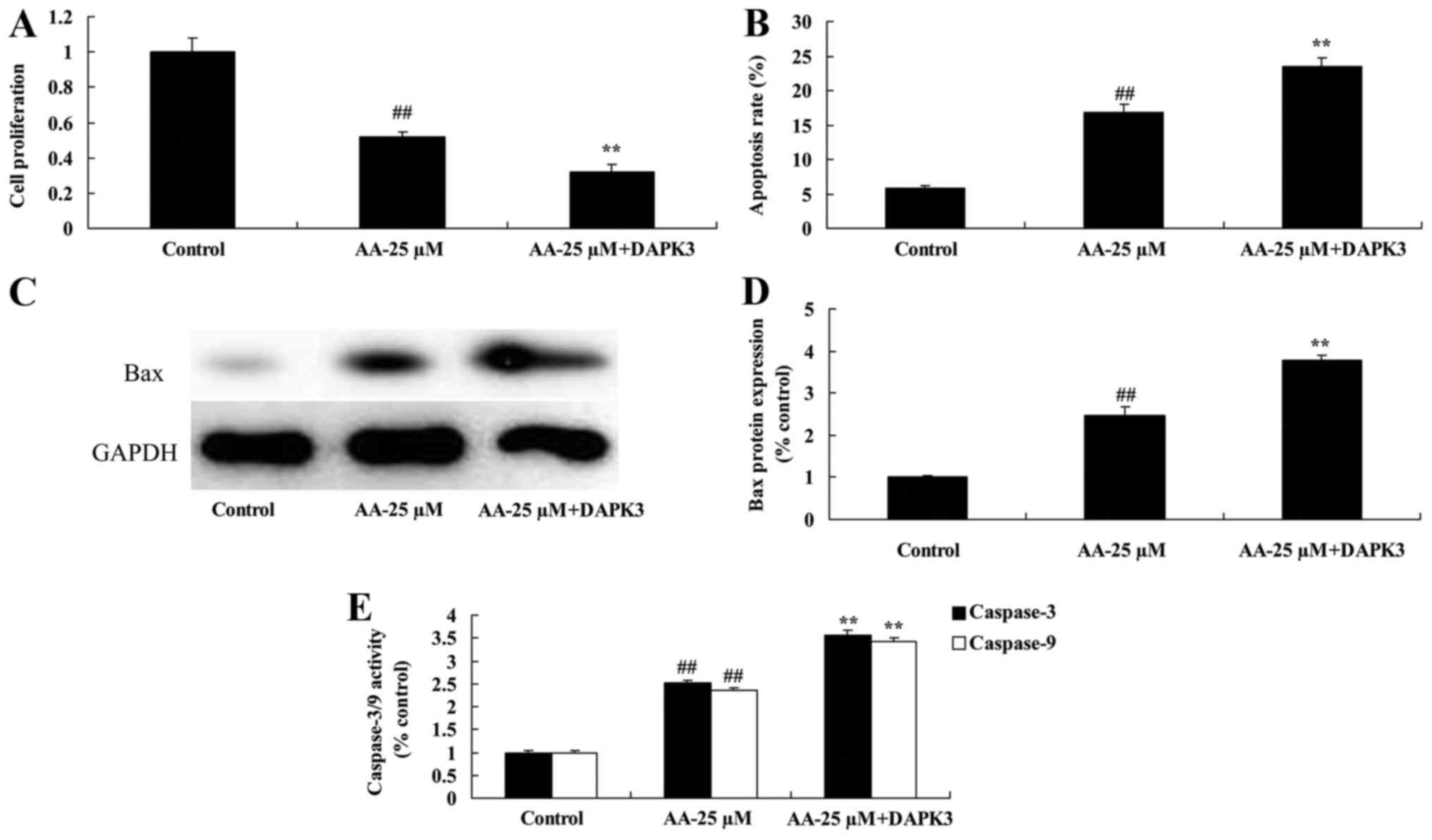
Anacardic acid, which is commonly seen in plants of Anacardiaceae, is an important composition of cashew, ginkgo leaf and fruit, and it has been suggested in previous research to show antitumor activity. The main aim of the present study was to evaluate the anticancer effects of anacardic acid on cell apoptosis of prostatic cancer and molecular mechanisms of this phenomenon. In this study we found that anacardic acid inhibited cell proliferation, induced apoptosis and caspase-3/9 activities and Bax protein expression of prostatic cancer. Anacardic acid induced the ER stress inducing factors (BiP, CHOP, p-eIF2α), autophagy, LC3, Beclin-1, Atg 7 and DAPK3 protein expression, and suppressed p-Akt and p-mTOR protein expression of prostatic cancer. Si-CHOP was used to inhibit ER stress in prostatic cancer by anacardic acid, which showed that the cell proliferation was increased, apoptosis, and caspase-3/9 activities and Bax protein expression was suppressed, autophagy, LC3, Beclin-1, Atg 7 and DAPK3 protein expression was reduced, and p-Akt and p-mTOR protein expression was promoted. DAPK3 inhibited p-Akt and p-mTOR protein expression, enhanced the anticancer effects of anacardic acid on prostatic cancer through autophagy. For the first time, the present study showed that anacardic acid induces cell apoptosis of prostatic cancer through autophagy by ER stress/DAPK3/Akt signaling pathway.
View Figures

Figure 1

Figure 2

Figure 3

Figure 4

Figure 5

Figure 6

Figure 7

Figure 8

Figure 9

Figure 10

Figure 11

Figure 12

Figure 13

Figure 14

Figure 15

View References

1 

Aggarwal RR, Beer TM, Weinberg VK, Higano C, Taplin ME, Ryan CJ, Lin AM, Alumkal J, Graff JN, Nordquist LT, et al: Intermittent chemotherapy as a platform for testing novel agents in patients with metastatic castration-resistant prostate cancer: A Department of Defense Prostate cancer clinical trials consortium randomized phase II trial of intermittent docetaxel with prednisone with or without maintenance GM-CSF. Clin Genitourin Cancer. 13:e191–e198. 2015. View Article : Google Scholar : PubMed/NCBI

2 

Figg WD, Chau CH, Madan RA, Gulley JL, Gao R, Sissung TM, Spencer S, Beatson M, Aragon-Ching J, Steinberg SM, et al: Phase II study of satraplatin and prednisone in patients with metastatic castration-resistant prostate cancer: A pharmacogenetic assessment of outcome and toxicity. Clin Genitourin Cancer. 11:229–237. 2013. View Article : Google Scholar : PubMed/NCBI

3 

Scheltema MJ, van den Bos W, de Bruin DM, Wijkstra H, Laguna MP, de Reijke TM and de la Rosette JJ: Focal vs extended ablation in localized prostate cancer with irreversible electroporation; a multi-center randomized controlled trial. BMC Cancer. 16:2992016. View Article : Google Scholar : PubMed/NCBI

4 

Guo J, Huang X, Wang H and Yang H: Celastrol induces autophagy by targeting AR/miR-101 in prostate cancer cells. PLoS One. 10:e01407452015. View Article : Google Scholar : PubMed/NCBI

5 

Guo J, Mei Y, Li K, Huang X and Yang H: Downregulation of miR-17-92a cluster promotes autophagy induction in response to celastrol treatment in prostate cancer cells. Biochem Biophys Res Commun. 478:804–810. 2016. View Article : Google Scholar : PubMed/NCBI

6 

Liao H, Xiao Y, Hu Y, Xiao Y, Yin Z and Liu L: microRNA-32 induces radioresistance by targeting DAB2IP and regulating autophagy in prostate cancer cells. Oncol Lett. 10:2055–2062. 2015.PubMed/NCBI

7 

Rah B, ur Rasool R, Nayak D, Yousuf SK, Mukherjee D, Kumar LD and Goswami A: PAWR-mediated suppression of BCL2 promotes switching of 3-azido withaferin A (3-AWA)-induced autophagy to apoptosis in prostate cancer cells. Autophagy. 11:314–331. 2015. View Article : Google Scholar : PubMed/NCBI

8 

Mathur A, Elmageed ZY Abd, Liu X, Kostochka ML, Zhang H, Abdel-Mageed AB and Mondal D: Subverting ER-stress towards apoptosis by nelfinavir and curcumin coexposure augments docetaxel efficacy in castration resistant prostate cancer cells. PLoS One. 9:e1031092014. View Article : Google Scholar : PubMed/NCBI

9 

Yang J, Wei J, Wu Y, Wang Z, Guo Y, Lee P and Li X: Metformin induces ER stress-dependent apoptosis through miR-708-5p/NNAT pathway in prostate cancer. Oncogenesis. 4:e1582015. View Article : Google Scholar : PubMed/NCBI

10 

Fujiwara N, Usui T, Ohama T and Sato K: Regulation of Beclin 1 protein phosphorylation and autophagy by protein phosphatase 2A (PP2A) and death-associated protein kinase 3 (DAPK3). J Biol Chem. 291:10858–10866. 2016. View Article : Google Scholar : PubMed/NCBI

11 

Das TP, Suman S, John AM Papu, Pal D, Edwards A, Alatassi H, Ankem MK and Damodaran C: Activation of AKT negatively regulates the pro-apoptotic function of death-associated protein kinase 3 (DAPK3) in prostate cancer. Cancer Lett. 377:134–139. 2016. View Article : Google Scholar : PubMed/NCBI

12 

Utermark T, Schmit F, Lee SH, Gao X, Schaffhausen BS and Roberts TM: The phosphatidylinositol 3-kinase (PI3K) isoform dependence of tumor formation is determined by the genetic mode of PI3K pathway activation rather than by tissue type. J Virol. 88:10673–10679. 2014. View Article : Google Scholar : PubMed/NCBI

13 

Quan Y, Wang N, Chen Q, Xu J, Cheng W, Di M, Xia W and Gao WQ: SIRT3 inhibits prostate cancer by destabilizing oncoprotein c-MYC through regulation of the PI3K/Akt pathway. Oncotarget. 6:26494–26507. 2015. View Article : Google Scholar : PubMed/NCBI

14 

Nambiar J, Bose C, Venugopal M, Banerji A, Patel TB, Kumar GB and Nair BG: Anacardic acid inhibits gelatinases through the regulation of Spry2, MMP-14, EMMPRIN and RECK. Exp Cell Res. 349:139–151. 2016. View Article : Google Scholar : PubMed/NCBI

15 

Philip JY, Da Cruz Francisco J, Dey ES, Buchweishaija J, Mkayula LL and Ye L: Isolation of anacardic acid from natural cashew nut shell liquid (CNSL) using supercritical carbon dioxide. J Agric Food Chem. 56:9350–9354. 2008. View Article : Google Scholar : PubMed/NCBI

16 

Peng C, Zhu J, Sun HC, Huang XP, Zhao WA, Zheng M, Liu LJ and Tian J: Inhibition of histone H3K9 acetylation by anacardic acid can correct the over-expression of Gata4 in the hearts of fetal mice exposed to alcohol during pregnancy. PLoS One. 9:e1041352014. View Article : Google Scholar : PubMed/NCBI

17 

Alam-Escamilla D, Estrada-Muñiz E, Solís-Villegas E, Elizondo G and Vega L: Genotoxic and cytostatic effects of 6-pentadecyl salicylic anacardic acid in transformed cell lines and peripheral blood mononuclear cells. Mutat Res Genet Toxicol Environ Mutagen. 777:43–53. 2015. View Article : Google Scholar : PubMed/NCBI

18 

Seong YA, Shin PG, Yoon JS, Yadunandam AK and Kim GD: Induction of the endoplasmic reticulum stress and autophagy in human lung carcinoma A549 cells by anacardic acid. Cell Biochem Biophys. 68:369–377. 2014. View Article : Google Scholar : PubMed/NCBI

19 

Gladwish A, Loblaw A, Cheung P, Morton G, Chung H, Deabreu A, Pang G and Mamedov A: Accelerated hypofractioned postoperative radiotherapy for prostate cancer: A prospective phase I/II study. Clin Oncol (R Coll Radiol). 27:145–152. 2015. View Article : Google Scholar : PubMed/NCBI

20 

Gong P, Zhang T, He D and Hsieh JT: MicroRNA-145 modulates tumor sensitivity to radiation in prostate cancer. Radiat Res. 184:630–638. 2015. View Article : Google Scholar : PubMed/NCBI

21 

Yao K, Jiang X, He L, Tang Y, Yin G, Zeng Q, Jiang Z and Tan J: Anacardic acid sensitizes prostate cancer cells to radiation therapy by regulating H2AX expression. Int J Clin Exp Pathol. 8:15926–15932. 2015.PubMed/NCBI

22 

Morell C, Bort A, Vara-Ciruelos D, Ramos-Torres Á, Altamirano-Dimas M, Díaz-Laviada I and Rodríguez-Henche N: Up-regulated expression of LAMP2 and autophagy activity during neuroendocrine differentiation of prostate cancer LNCaP cells. PLoS One. 11:e01629772016. View Article : Google Scholar : PubMed/NCBI

23 

Ramos-Torres Á, Bort A, Morell C, Rodríguez-Henche N and Díaz-Laviada I: The peppers natural ingredient capsaicin induces autophagy blockage in prostate cancer cells. Oncotarget. 7:1569–1583. 2016. View Article : Google Scholar : PubMed/NCBI

24 

Tai S, Xu L, Xu M, Zhang L, Zhang Y, Zhang K, Zhang L and Liang C: Combination of Arsenic trioxide and Everolimus (Rad001) synergistically induces both autophagy and apoptosis in prostate cancer cells. Oncotarget. 8:11206–11218. 2017.PubMed/NCBI

25 

Wang L, Fu P, Zhao Y, Wang G, Yu R, Wang X, Tang Z, Imperato-McGinley J and Zhu YS: Dissociation of NSC606985 induces atypical ER-stress and cell death in prostate cancer cells. Int J Oncol. 49:529–538. 2016.PubMed/NCBI

26 

Bruchmann A, Roller C, Walther TV, Schäfer G, Lehmusvaara S, Visakorpi T, Klocker H, Cato AC and Maddalo D: Bcl-2 associated athanogene 5 (Bag5) is overexpressed in prostate cancer and inhibits ER-stress induced apoptosis. BMC Cancer. 13:962013. View Article : Google Scholar : PubMed/NCBI

27 

QiNan W, XiaGuang G, XiaoTian L, WuQuan D, Ling Z and Bing C: Par-4/NF-kappaB mediates the apoptosis of islet beta cells induced by glucolipotoxicity. J Diabetes Res. 4692478:20162016.

28 

Qi W, Morales C, Cooke LS, Johnson B, Somer B and Mahadevan D: Reciprocal feedback inhibition of the androgen receptor and PI3K as a novel therapy for castrate-sensitive and -resistant prostate cancer. Oncotarget. 6:41976–41987. 2015. View Article : Google Scholar : PubMed/NCBI

29 

Casar B, Rimann I, Kato H, Shattil SJ, Quigley JP and Deryugina EI: In vivo cleaved CDCP1 promotes early tumor dissemination via complexing with activated β1 integrin and induction of FAK/PI3K/Akt motility signaling. Oncogene. 33:255–268. 2014. View Article : Google Scholar : PubMed/NCBI

30 

Xiu YL, Zhao Y, Gou WF, Chen S, Takano Y and Zheng HC: Anacardic acid enhances the proliferation of human ovarian cancer cells. PLoS One. 9:e993612014. View Article : Google Scholar : PubMed/NCBI

31 

Kwon T, Youn H, Son B, Kim D, Seong KM, Park S, Kim W and Youn B: DANGER is involved in high glucose-induced radioresistance through inhibiting DAPK-mediated anoikis in non-small cell lung cancer. Oncotarget. 7:7193–7206. 2016. View Article : Google Scholar : PubMed/NCBI

32 

Dai L, Ma C, Zhang Z, Zeng S, Liu A, Tang S, Ren Q, Sun Y and Xu C: DAPK promoter methylation and bladder cancer risk: A systematic review and meta-analysis. PLoS One. 11:e01672282016. View Article : Google Scholar : PubMed/NCBI

Related Articles

  • Abstract
  • View
  • Download
  • Twitter
Copy and paste a formatted citation
Spandidos Publications style
Tan J, Jiang X, Yin G, He L, Liu J, Long Z, Jiang Z and Yao K: Anacardic acid induces cell apoptosis of prostatic cancer through autophagy by ER stress/DAPK3/Akt signaling pathway. Oncol Rep 38: 1373-1382, 2017.
APA
Tan, J., Jiang, X., Yin, G., He, L., Liu, J., Long, Z. ... Yao, K. (2017). Anacardic acid induces cell apoptosis of prostatic cancer through autophagy by ER stress/DAPK3/Akt signaling pathway. Oncology Reports, 38, 1373-1382. https://doi.org/10.3892/or.2017.5841
MLA
Tan, J., Jiang, X., Yin, G., He, L., Liu, J., Long, Z., Jiang, Z., Yao, K."Anacardic acid induces cell apoptosis of prostatic cancer through autophagy by ER stress/DAPK3/Akt signaling pathway". Oncology Reports 38.3 (2017): 1373-1382.
Chicago
Tan, J., Jiang, X., Yin, G., He, L., Liu, J., Long, Z., Jiang, Z., Yao, K."Anacardic acid induces cell apoptosis of prostatic cancer through autophagy by ER stress/DAPK3/Akt signaling pathway". Oncology Reports 38, no. 3 (2017): 1373-1382. https://doi.org/10.3892/or.2017.5841
Copy and paste a formatted citation
x
Spandidos Publications style
Tan J, Jiang X, Yin G, He L, Liu J, Long Z, Jiang Z and Yao K: Anacardic acid induces cell apoptosis of prostatic cancer through autophagy by ER stress/DAPK3/Akt signaling pathway. Oncol Rep 38: 1373-1382, 2017.
APA
Tan, J., Jiang, X., Yin, G., He, L., Liu, J., Long, Z. ... Yao, K. (2017). Anacardic acid induces cell apoptosis of prostatic cancer through autophagy by ER stress/DAPK3/Akt signaling pathway. Oncology Reports, 38, 1373-1382. https://doi.org/10.3892/or.2017.5841
MLA
Tan, J., Jiang, X., Yin, G., He, L., Liu, J., Long, Z., Jiang, Z., Yao, K."Anacardic acid induces cell apoptosis of prostatic cancer through autophagy by ER stress/DAPK3/Akt signaling pathway". Oncology Reports 38.3 (2017): 1373-1382.
Chicago
Tan, J., Jiang, X., Yin, G., He, L., Liu, J., Long, Z., Jiang, Z., Yao, K."Anacardic acid induces cell apoptosis of prostatic cancer through autophagy by ER stress/DAPK3/Akt signaling pathway". Oncology Reports 38, no. 3 (2017): 1373-1382. https://doi.org/10.3892/or.2017.5841
Follow us
  • Twitter
  • LinkedIn
  • Facebook
About
  • Spandidos Publications
  • Careers
  • Cookie Policy
  • Privacy Policy
How can we help?
  • Help
  • Live Chat
  • Contact
  • Email to our Support Team