Spandidos Publications Logo
  • About
    • About Spandidos
    • Aims and Scopes
    • Abstracting and Indexing
    • Editorial Policies
    • Reprints and Permissions
    • Job Opportunities
    • Terms and Conditions
    • Contact
  • Journals
    • All Journals
    • Oncology Letters
      • Oncology Letters
      • Information for Authors
      • Editorial Policies
      • Editorial Board
      • Aims and Scope
      • Abstracting and Indexing
      • Bibliographic Information
      • Archive
    • International Journal of Oncology
      • International Journal of Oncology
      • Information for Authors
      • Editorial Policies
      • Editorial Board
      • Aims and Scope
      • Abstracting and Indexing
      • Bibliographic Information
      • Archive
    • Molecular and Clinical Oncology
      • Molecular and Clinical Oncology
      • Information for Authors
      • Editorial Policies
      • Editorial Board
      • Aims and Scope
      • Abstracting and Indexing
      • Bibliographic Information
      • Archive
    • Experimental and Therapeutic Medicine
      • Experimental and Therapeutic Medicine
      • Information for Authors
      • Editorial Policies
      • Editorial Board
      • Aims and Scope
      • Abstracting and Indexing
      • Bibliographic Information
      • Archive
    • International Journal of Molecular Medicine
      • International Journal of Molecular Medicine
      • Information for Authors
      • Editorial Policies
      • Editorial Board
      • Aims and Scope
      • Abstracting and Indexing
      • Bibliographic Information
      • Archive
    • Biomedical Reports
      • Biomedical Reports
      • Information for Authors
      • Editorial Policies
      • Editorial Board
      • Aims and Scope
      • Abstracting and Indexing
      • Bibliographic Information
      • Archive
    • Oncology Reports
      • Oncology Reports
      • Information for Authors
      • Editorial Policies
      • Editorial Board
      • Aims and Scope
      • Abstracting and Indexing
      • Bibliographic Information
      • Archive
    • Molecular Medicine Reports
      • Molecular Medicine Reports
      • Information for Authors
      • Editorial Policies
      • Editorial Board
      • Aims and Scope
      • Abstracting and Indexing
      • Bibliographic Information
      • Archive
    • World Academy of Sciences Journal
      • World Academy of Sciences Journal
      • Information for Authors
      • Editorial Policies
      • Editorial Board
      • Aims and Scope
      • Abstracting and Indexing
      • Bibliographic Information
      • Archive
    • International Journal of Functional Nutrition
      • International Journal of Functional Nutrition
      • Information for Authors
      • Editorial Policies
      • Editorial Board
      • Aims and Scope
      • Abstracting and Indexing
      • Bibliographic Information
      • Archive
    • International Journal of Epigenetics
      • International Journal of Epigenetics
      • Information for Authors
      • Editorial Policies
      • Editorial Board
      • Aims and Scope
      • Abstracting and Indexing
      • Bibliographic Information
      • Archive
    • Medicine International
      • Medicine International
      • Information for Authors
      • Editorial Policies
      • Editorial Board
      • Aims and Scope
      • Abstracting and Indexing
      • Bibliographic Information
      • Archive
  • Articles
  • Information
    • Information for Authors
    • Information for Reviewers
    • Information for Librarians
    • Information for Advertisers
    • Conferences
  • Language Editing
Spandidos Publications Logo
  • About
    • About Spandidos
    • Aims and Scopes
    • Abstracting and Indexing
    • Editorial Policies
    • Reprints and Permissions
    • Job Opportunities
    • Terms and Conditions
    • Contact
  • Journals
    • All Journals
    • Biomedical Reports
      • Information for Authors
      • Editorial Policies
      • Editorial Board
      • Aims and Scope
      • Abstracting and Indexing
      • Bibliographic Information
      • Archive
    • Experimental and Therapeutic Medicine
      • Information for Authors
      • Editorial Policies
      • Editorial Board
      • Aims and Scope
      • Abstracting and Indexing
      • Bibliographic Information
      • Archive
    • International Journal of Epigenetics
      • Information for Authors
      • Editorial Policies
      • Editorial Board
      • Aims and Scope
      • Abstracting and Indexing
      • Bibliographic Information
      • Archive
    • International Journal of Functional Nutrition
      • Information for Authors
      • Editorial Policies
      • Editorial Board
      • Aims and Scope
      • Abstracting and Indexing
      • Bibliographic Information
      • Archive
    • International Journal of Molecular Medicine
      • Information for Authors
      • Editorial Policies
      • Editorial Board
      • Aims and Scope
      • Abstracting and Indexing
      • Bibliographic Information
      • Archive
    • International Journal of Oncology
      • Information for Authors
      • Editorial Policies
      • Editorial Board
      • Aims and Scope
      • Abstracting and Indexing
      • Bibliographic Information
      • Archive
    • Medicine International
      • Information for Authors
      • Editorial Policies
      • Editorial Board
      • Aims and Scope
      • Abstracting and Indexing
      • Bibliographic Information
      • Archive
    • Molecular and Clinical Oncology
      • Information for Authors
      • Editorial Policies
      • Editorial Board
      • Aims and Scope
      • Abstracting and Indexing
      • Bibliographic Information
      • Archive
    • Molecular Medicine Reports
      • Information for Authors
      • Editorial Policies
      • Editorial Board
      • Aims and Scope
      • Abstracting and Indexing
      • Bibliographic Information
      • Archive
    • Oncology Letters
      • Information for Authors
      • Editorial Policies
      • Editorial Board
      • Aims and Scope
      • Abstracting and Indexing
      • Bibliographic Information
      • Archive
    • Oncology Reports
      • Information for Authors
      • Editorial Policies
      • Editorial Board
      • Aims and Scope
      • Abstracting and Indexing
      • Bibliographic Information
      • Archive
    • World Academy of Sciences Journal
      • Information for Authors
      • Editorial Policies
      • Editorial Board
      • Aims and Scope
      • Abstracting and Indexing
      • Bibliographic Information
      • Archive
  • Articles
  • Information
    • For Authors
    • For Reviewers
    • For Librarians
    • For Advertisers
    • Conferences
  • Language Editing
Login Register Submit
  • This site uses cookies
  • You can change your cookie settings at any time by following the instructions in our Cookie Policy. To find out more, you may read our Privacy Policy.

    I agree
Search articles by DOI, keyword, author or affiliation
Search
Advanced Search
presentation
Oncology Reports
Join Editorial Board Propose a Special Issue
Print ISSN: 1021-335X Online ISSN: 1791-2431
Journal Cover
March-2019 Volume 41 Issue 3

Full Size Image

Sign up for eToc alerts
Recommend to Library

Journals

International Journal of Molecular Medicine

International Journal of Molecular Medicine

International Journal of Molecular Medicine is an international journal devoted to molecular mechanisms of human disease.

International Journal of Oncology

International Journal of Oncology

International Journal of Oncology is an international journal devoted to oncology research and cancer treatment.

Molecular Medicine Reports

Molecular Medicine Reports

Covers molecular medicine topics such as pharmacology, pathology, genetics, neuroscience, infectious diseases, molecular cardiology, and molecular surgery.

Oncology Reports

Oncology Reports

Oncology Reports is an international journal devoted to fundamental and applied research in Oncology.

Experimental and Therapeutic Medicine

Experimental and Therapeutic Medicine

Experimental and Therapeutic Medicine is an international journal devoted to laboratory and clinical medicine.

Oncology Letters

Oncology Letters

Oncology Letters is an international journal devoted to Experimental and Clinical Oncology.

Biomedical Reports

Biomedical Reports

Explores a wide range of biological and medical fields, including pharmacology, genetics, microbiology, neuroscience, and molecular cardiology.

Molecular and Clinical Oncology

Molecular and Clinical Oncology

International journal addressing all aspects of oncology research, from tumorigenesis and oncogenes to chemotherapy and metastasis.

World Academy of Sciences Journal

World Academy of Sciences Journal

Multidisciplinary open-access journal spanning biochemistry, genetics, neuroscience, environmental health, and synthetic biology.

International Journal of Functional Nutrition

International Journal of Functional Nutrition

Open-access journal combining biochemistry, pharmacology, immunology, and genetics to advance health through functional nutrition.

International Journal of Epigenetics

International Journal of Epigenetics

Publishes open-access research on using epigenetics to advance understanding and treatment of human disease.

Medicine International

Medicine International

An International Open Access Journal Devoted to General Medicine.

Journal Cover
March-2019 Volume 41 Issue 3

Full Size Image

Sign up for eToc alerts
Recommend to Library

  • Article
  • Citations
    • Cite This Article
    • Download Citation
    • Create Citation Alert
    • Remove Citation Alert
    • Cited By
  • Similar Articles
    • Related Articles (in Spandidos Publications)
    • Similar Articles (Google Scholar)
    • Similar Articles (PubMed)
  • Download PDF
  • Download XML
  • View XML
Article Open Access

Imatinib‑induced apoptosis of gastric cancer cells is mediated by endoplasmic reticulum stress

  • Authors:
    • Jung Lim Kim
    • Dae‑Hee Lee
    • Soyeon Jeong
    • Bo Ram Kim
    • Yoo Jin Na
    • Seong Hye Park
    • Min Jee Jo
    • Yoon A. Jeong
    • Sang Cheul Oh
  • View Affiliations / Copyright

    Affiliations: Division of Oncology, Department of Internal Medicine, Korea University College of Medicine, Korea University Guro Hospital, Seoul 08308, Republic of Korea, Graduate School of Medicine, Korea University College of Medicine, Seoul 02841, Republic of Korea
    Copyright: © Kim et al. This is an open access article distributed under the terms of Creative Commons Attribution License.
  • Pages: 1616-1626
    |
    Published online on: December 19, 2018
       https://doi.org/10.3892/or.2018.6945
  • Expand metrics +
Metrics: Total Views: 0 (Spandidos Publications: | PMC Statistics: )
Metrics: Total PDF Downloads: 0 (Spandidos Publications: | PMC Statistics: )
Cited By (CrossRef): 0 citations Loading Articles...

This article is mentioned in:


Abstract

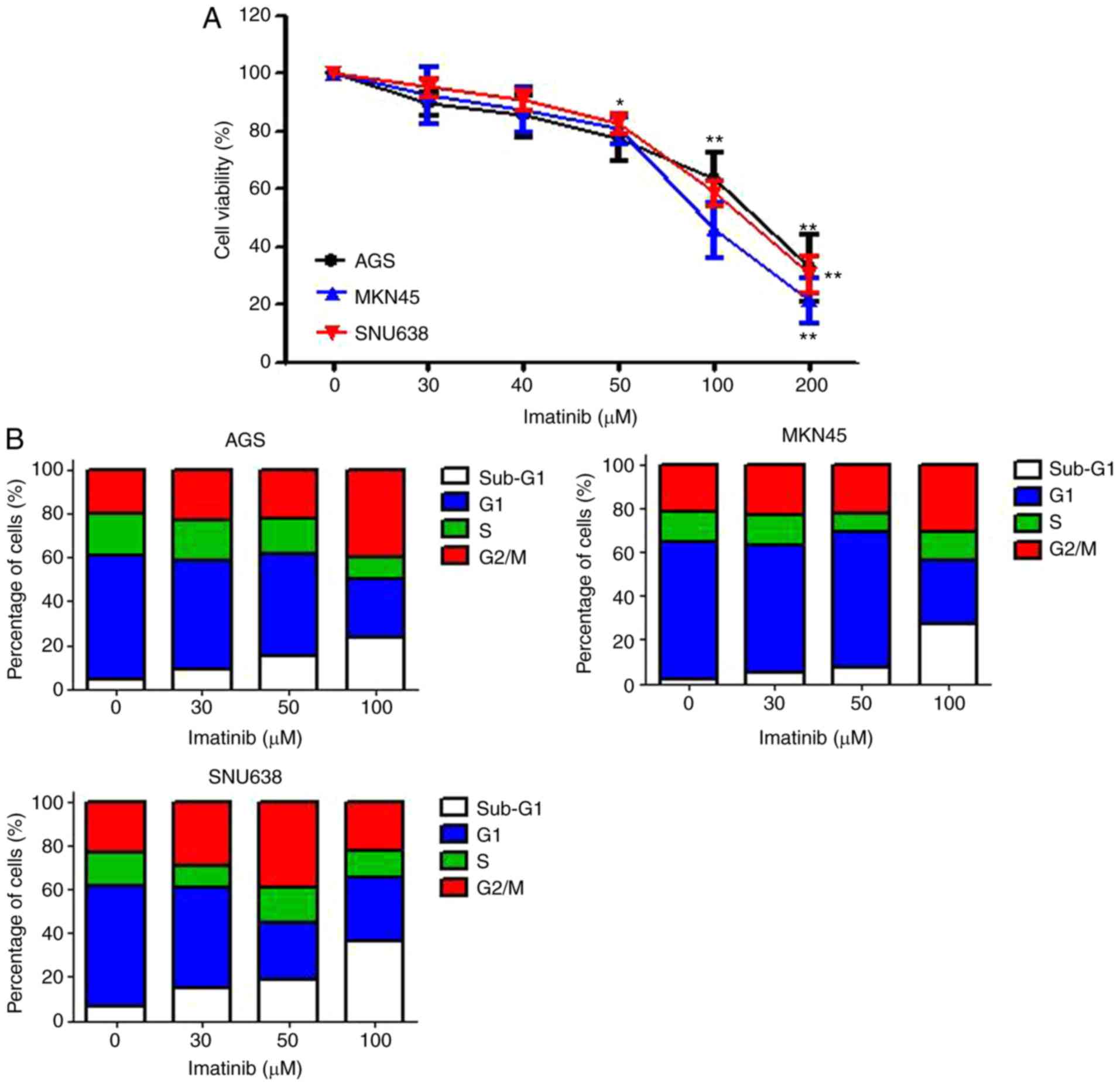
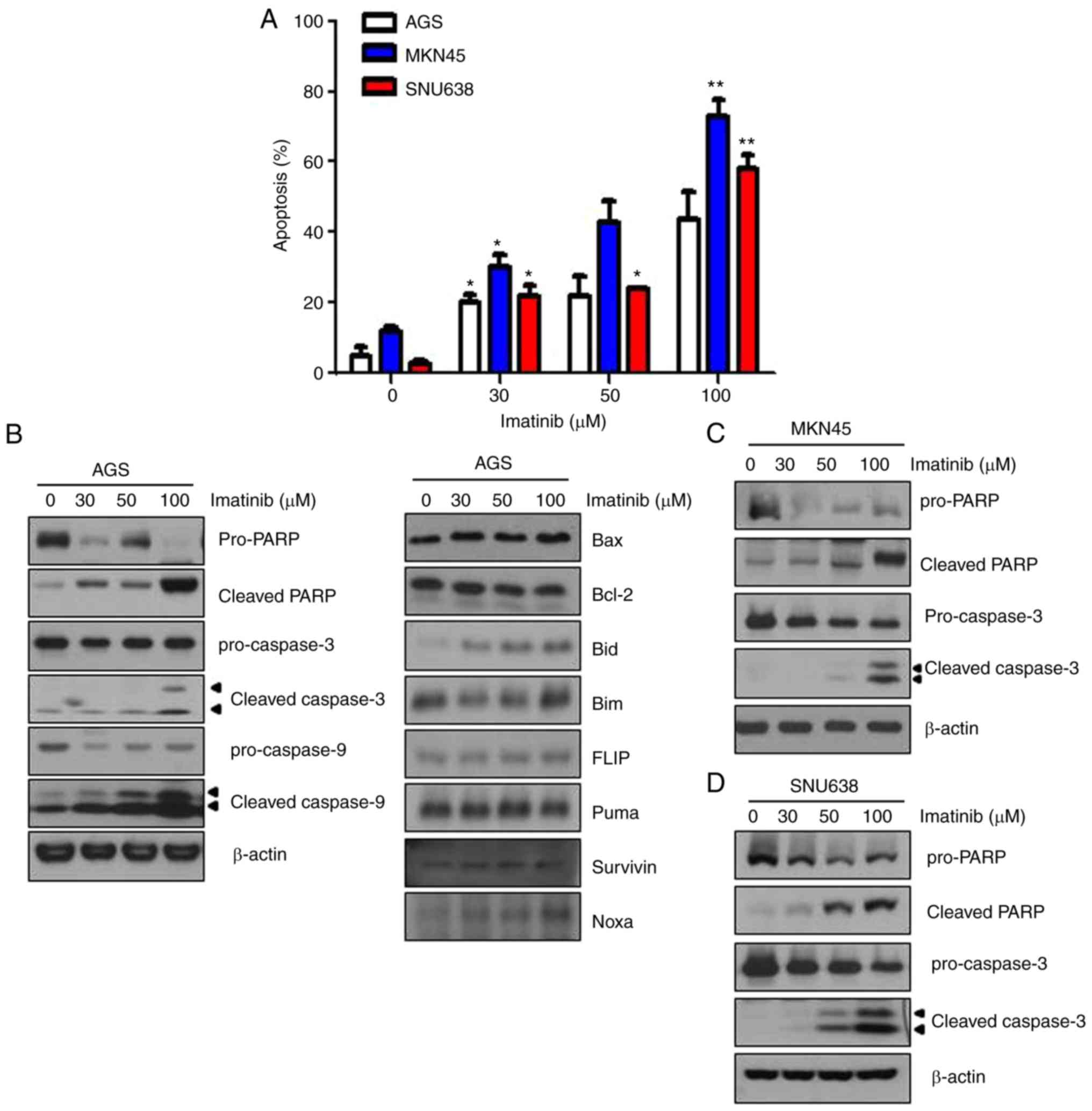
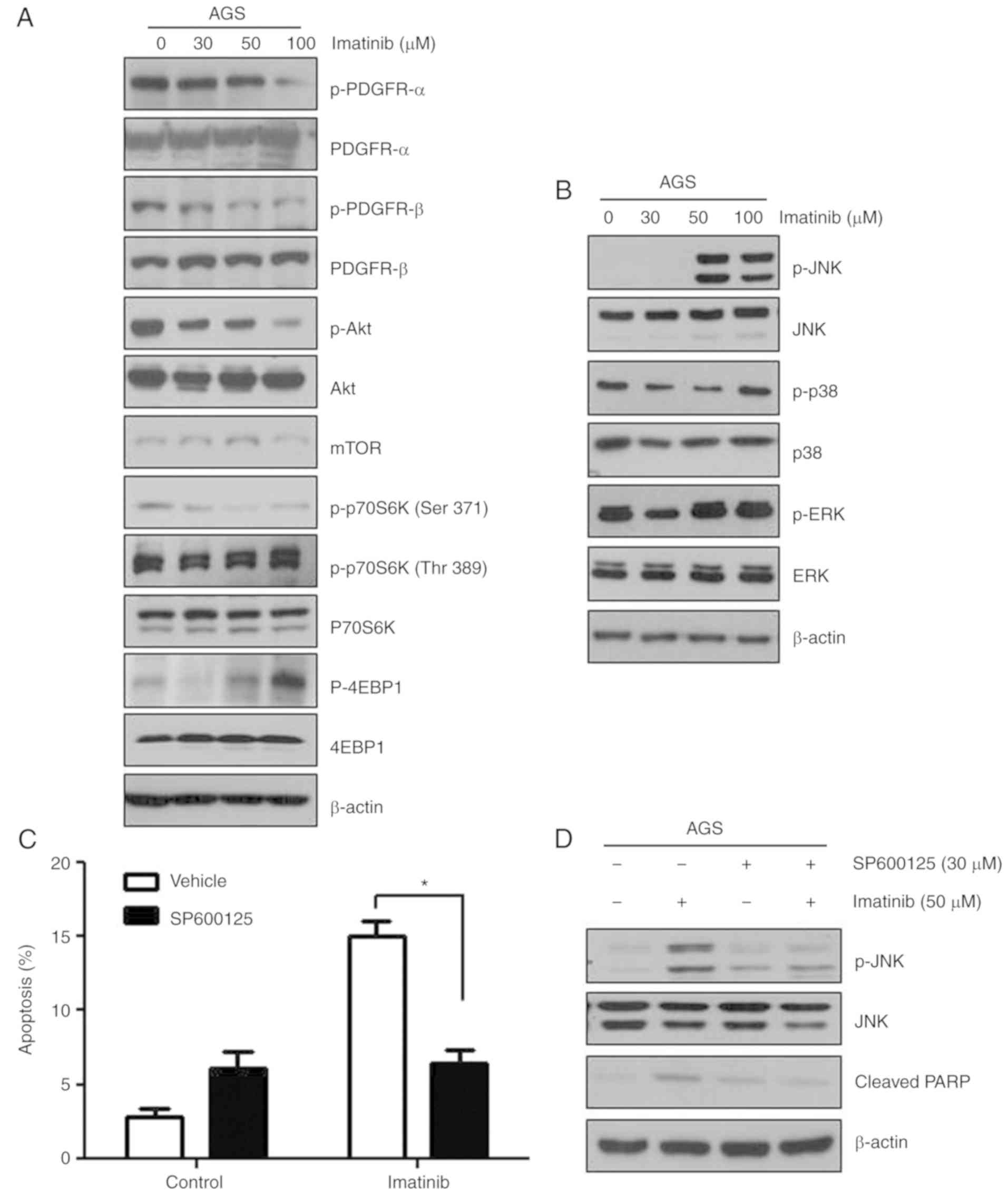
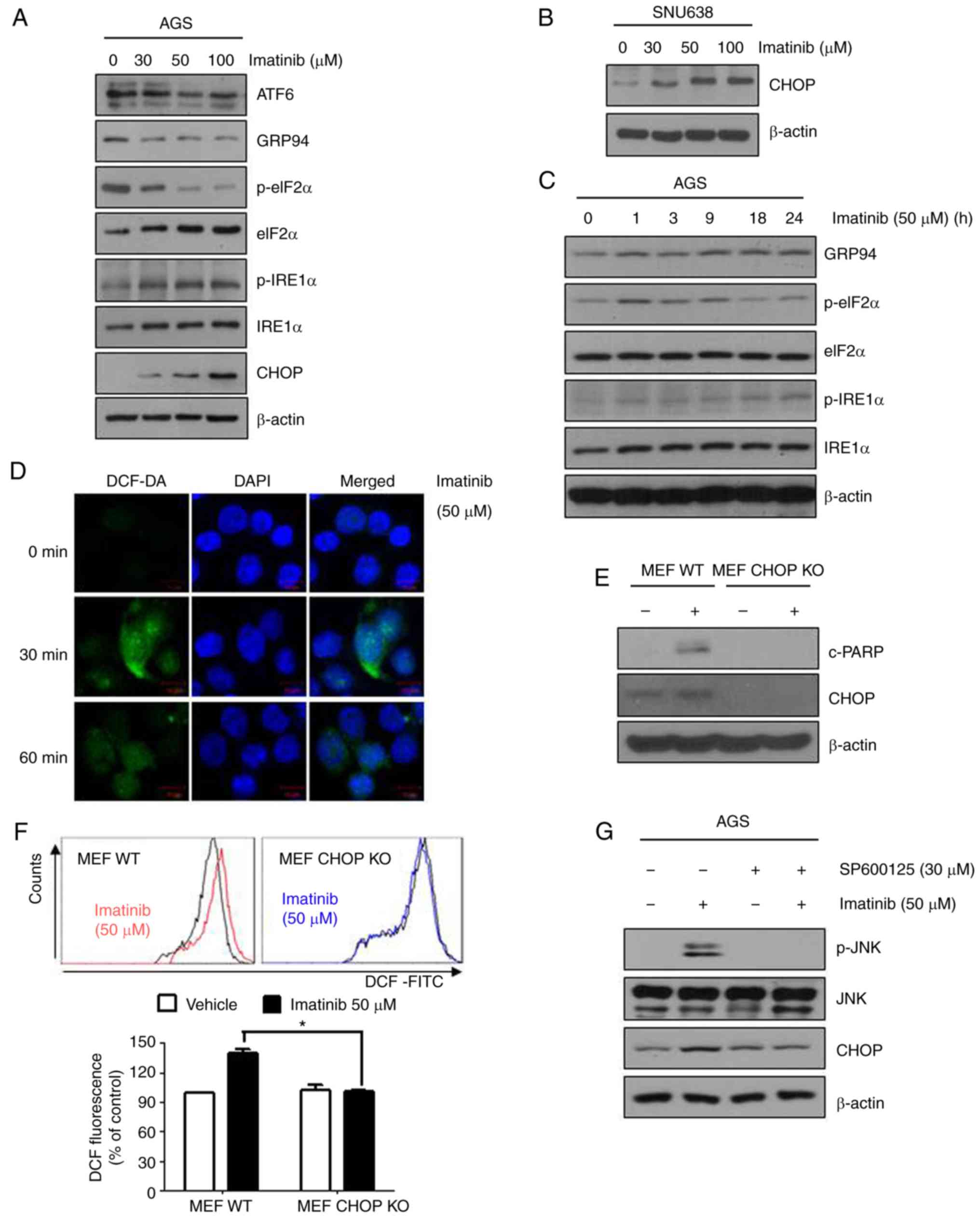
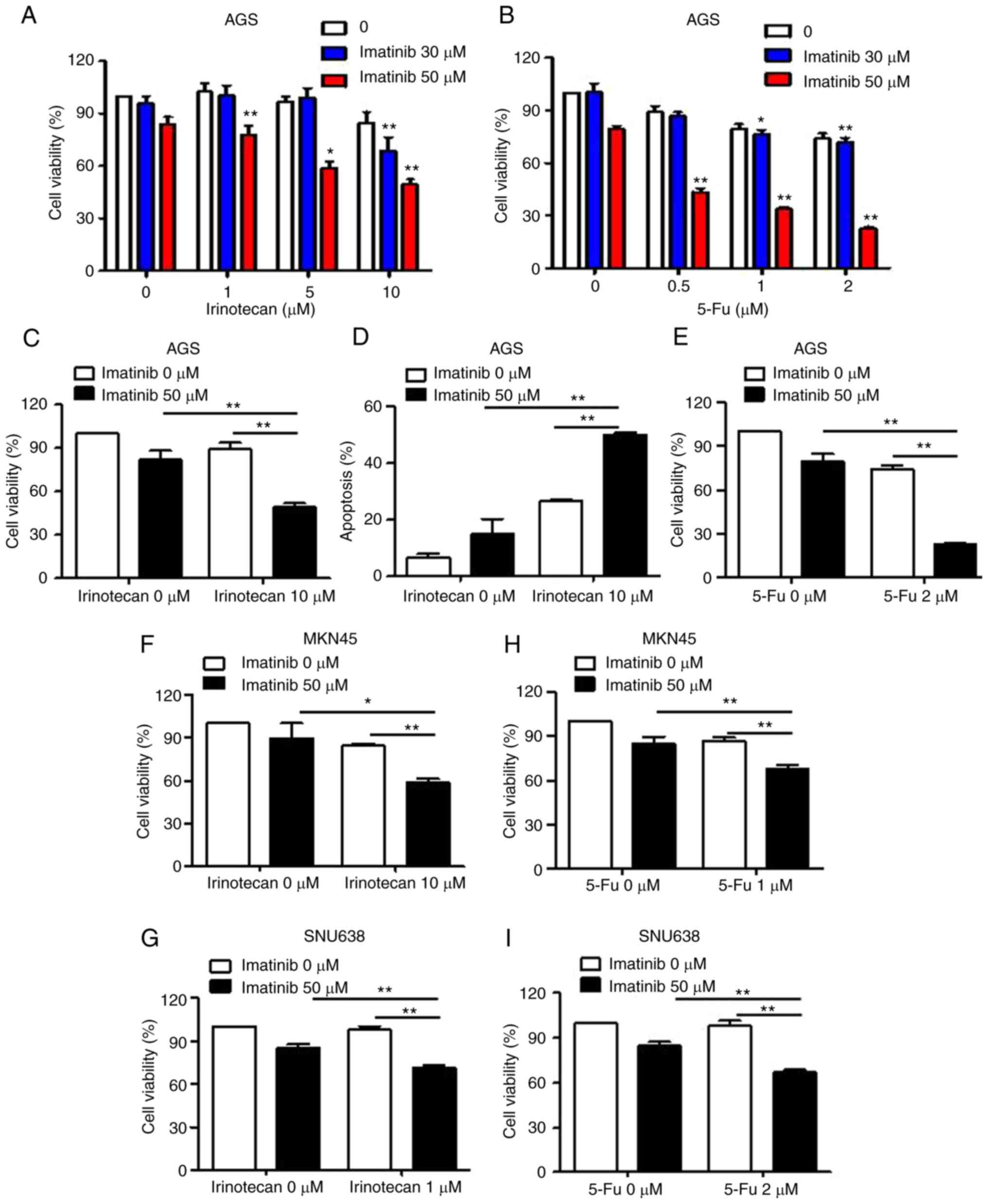
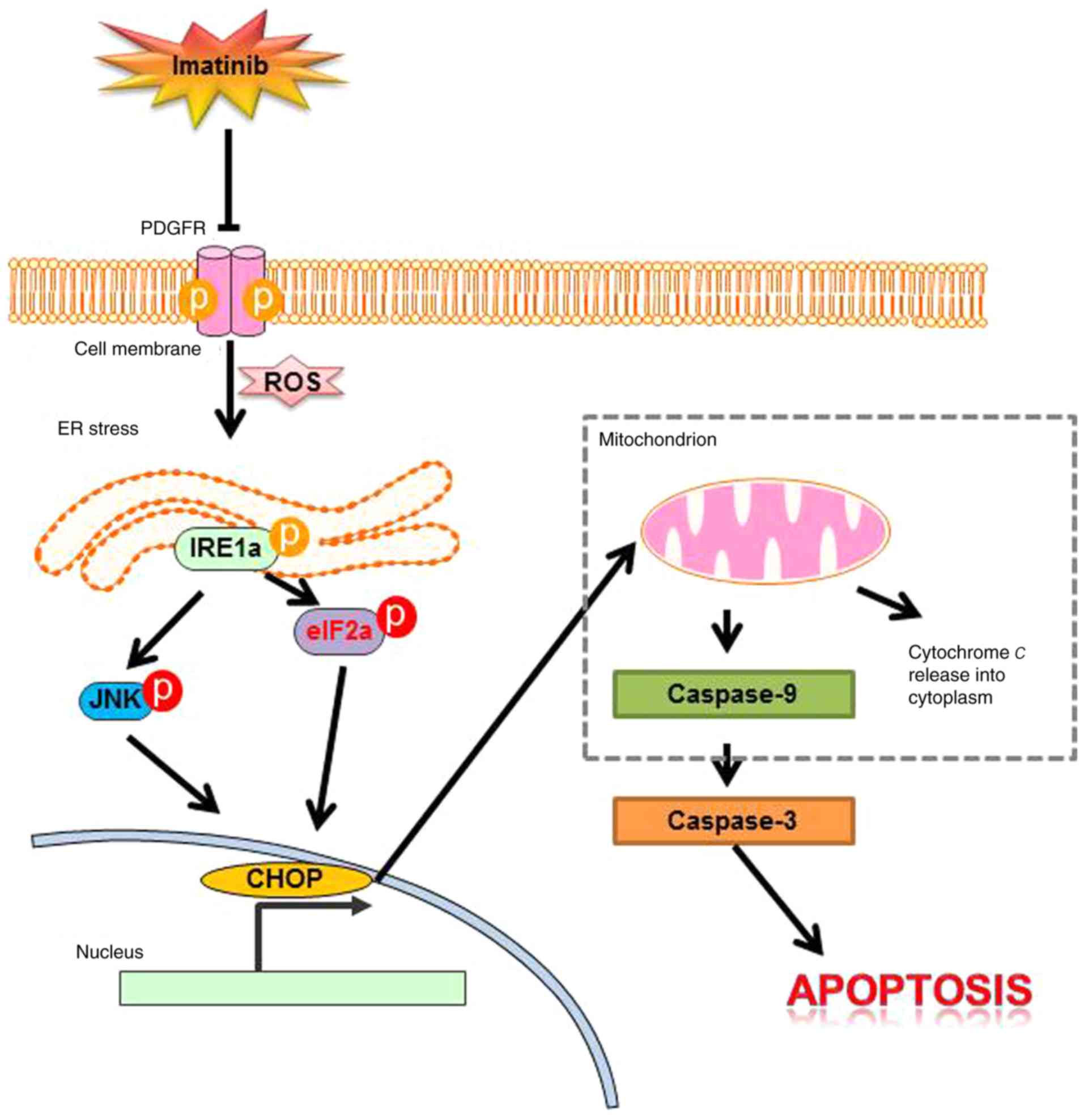
Imatinib is a powerful tyrosine kinase inhibitor that specifically targets BCR‑ABL, c‑KIT, and PDGFR kinases, and is used in the treatment of chronic myelogenous leukemia, gastrointestinal stromal tumors, and other types of cancers. However, the possible anticancer effects of imatinib in gastric cancer have not yet been explored. The present study evaluated the in vitro effects of imatinib on gastric cancer cells and determined the molecular mechanism underlying these effects. We determined that imatinib induced mitochondria‑mediated apoptosis of gastric cancer cells by involving endoplasmic reticulum (ER) stress‑associated activation of c‑Jun NH2‑terminal kinase (JNK). We also found that imatinib suppressed cell proliferation in a time‑ and dose‑dependent manner. Cell cycle analysis revealed that imatinib‑treated AGS cells were arrested in the G2/M phase of the cell cycle. Moreover, imatinib‑treated cells exhibited increased levels of phosphorylated JNK, and of the transcription factor C/EBP homologous protein, an ER stress‑associated apoptotic molecule. Results of cell viability assays revealed that treatment with a combination of imatinib and chemotherapy agents irinotecan or 5‑Fu synergistically inhibited cell growth, compared with treatment with any of these drugs alone. These data indicated that imatinib exerted cytotoxic effects on gastric cancer cells by inducing apoptosis mediated by reactive oxygen species generation and ER stress‑associated JNK activation. Furthermore, we revealed that imatinib induced the apoptosis of gastric cancer cells by inhibiting platelet‑derived growth factor receptor signaling. Collectively, our results strongly support the use of imatinib in the treatment of treating gastric cancer.
View Figures

Figure 1

Figure 2

Figure 3

Figure 4

Figure 5

Figure 6

View References

1 

Jemal A, Bray F, Center MM, Ferlay J, Ward E and Forman D: Global cancer statistics. CA Cancer J Clin. 61:69–90. 2011. View Article : Google Scholar : PubMed/NCBI

2 

Nakatani H, Araki K, Jin T, Kobayashi M, Sugimoto T, Akimori T, Namikawa T, Okamoto K, Nakano T, Okabayashi T, et al: STI571 (Glivec) induces cell death in the gastrointestinal stromal tumor cell line, GIST-T1, via endoplasmic reticulum stress response. Int J Mol Med. 17:893–897. 2006.PubMed/NCBI

3 

Kadivar A, Kamalidehghan B, Akbari Javar H, Karimi B, Sedghi R and Noordin MI: Antiproliferation effect of imatinib mesylate on MCF7, T-47D tumorigenic and MCF 10A nontumorigenic breast cell lines via PDGFR-β, PDGF-BB, c-Kit and SCF genes. Drug Des Dev Ther. 11:469–481. 2017. View Article : Google Scholar

4 

Donovan J, Abraham D and Norman J: Platelet-derived growth factor signaling in mesenchymal cells. Front Biosci. 18:106–119. 2013. View Article : Google Scholar

5 

Cumpănas AA, Cimpean AM, Ferician O, Ceausu RA, Sarb S, Barbos V, Dema A and Raica M: The involvement of PDGF-B/PDGFRβ axis in the resistance to antiangiogenic and antivascular therapy in renal cancer. Anticancer Res. 36:2291–2295. 2016.PubMed/NCBI

6 

Kazlauskas A: PDGFs and their receptors. Gene. 614:1–7. 2017. View Article : Google Scholar : PubMed/NCBI

7 

Pietras K, Sjöblom T, Rubin K, Heldin CH and Ostman A: PDGF receptors as cancer drug targets. Cancer Cell. 3:439–443. 2003. View Article : Google Scholar : PubMed/NCBI

8 

Minamino T, Komuro I and Kitakaze M: Endoplasmic reticulum stress as a therapeutic target in cardiovascular disease. Circ Res. 107:1071–1082. 2010. View Article : Google Scholar : PubMed/NCBI

9 

Tsai YC and Weissman AM: The unfolded protein response, degradation from endoplasmic reticulum and cancer. Genes Cancer. 1:764–778. 2010. View Article : Google Scholar : PubMed/NCBI

10 

Malhotra JD, Miao H, Zhang K, Wolfson A, Pennathur S, Pipe SW and Kaufman RJ: Antioxidants reduce endoplasmic reticulum stress and improve protein secretion. Proc Natl Acad Sci USA. 105:18525–18530. 2008. View Article : Google Scholar : PubMed/NCBI

11 

Thuerauf DJ, Marcinko M, Gude N, Rubio M, Sussman MA and Glembotski CC: Activation of the unfolded protein response in infarcted mouse heart and hypoxic cultured cardiac myocytes. Circ Res. 99:275–282. 2006. View Article : Google Scholar : PubMed/NCBI

12 

Xu C, Bailly-Maitre B and Reed JC: Endoplasmic reticulum stress: Cell life and death decisions. J Clin Invest. 115:2656–2664. 2005. View Article : Google Scholar : PubMed/NCBI

13 

Mansfield KD, Simon MC and Keith B: Hypoxic reduction in cellular glutathione levels requires mitochondrial reactive oxygen species. J Appl Physiol. 97:1358–1366. 2004. View Article : Google Scholar : PubMed/NCBI

14 

Waypa GB, Guzy R, Mungai PT, Mack MM, Marks JD, Roe MW and Schumacker PT: Increases in mitochondrial reactive oxygen species trigger hypoxia-induced calcium responses in pulmonary artery smooth muscle cells. Circ Res. 99:970–978. 2006. View Article : Google Scholar : PubMed/NCBI

15 

Ostadal P, Elmoselhi AB, Zdobnicka I, Lukas A, Elimban V and Dhalla NS: Role of oxidative stress in ischemia-reperfusion-induced changes in Na+,K+-ATPase isoform expression in rat heart. Antioxid Redox Signal. 6:914–923. 2004. View Article : Google Scholar : PubMed/NCBI

16 

Nojiri H, Shimizu T, Funakoshi M, Yamaguchi O, Zhou H, Kawakami S, Ohta Y, Sami M, Tachibana T, Ishikawa H, et al: Oxidative stress causes heart failure with impaired mitochondrial respiration. J Biol Chem. 281:33789–33801. 2006. View Article : Google Scholar : PubMed/NCBI

17 

Morgan WA: DNA single-strand breakage in mammalian cells induced by redox cycling quinones in the absence of oxidative stress. J Biochem Toxicol. 10:227–232. 1995. View Article : Google Scholar : PubMed/NCBI

18 

Devasagayam TP, Tilak JC, Boloor KK, Sane KS, Ghaskadbi SS and Lele RD: Free radicals and antioxidants in human health: Current status and future prospects. J Assoc Physicians India. 52:794–804. 2004.PubMed/NCBI

19 

Gong K, Xie J, Yi H and Li W: CS055 (Chidamide/HBI-8000), a novel histone deacetylase inhibitor, induces G1 arrest, ROS-dependent apoptosis and differentiation in human leukaemia cells. Biochem J. 443:735–746. 2012. View Article : Google Scholar : PubMed/NCBI

20 

Chang YJ, Huang YP, Li ZL and Chen CH: GRP78 knockdown enhances apoptosis via the down-regulation of oxidative stress and Akt pathway after epirubicin treatment in colon cancer DLD-1 cells. PLoS One. 7:e351232012. View Article : Google Scholar : PubMed/NCBI

21 

Atari-Hajipirloo S, Nikanfar S, Heydari A and Kheradmand F: Imatinib and its combination with 2,5-dimethyl-celecoxibinduces apoptosis of human HT-29 colorectal cancer cells. Res Pharm Sci. 12:67–73. 2017. View Article : Google Scholar : PubMed/NCBI

22 

Akram AM, Iqbal Z, Akhtar T, Khalid AM, Sabar MF, Qazi MH, Aziz Z, Sajid N, Aleem A, Rasool M, et al: Presence of novel compound BCR-ABL mutations in late chronic and advanced phase imatinib sensitive CML patients indicates their possible role in CML progression. Cancer Biol Ther. 18:214–221. 2017. View Article : Google Scholar : PubMed/NCBI

23 

Mahon FX: Discontinuation of TKI therapy and ‘functional’ cure for CML. Best Prac Res Clin Haematol. 29:308–313. 2016. View Article : Google Scholar

24 

Abu-Amna M, Awadie H and Bar-Sela G: Imatinib-induced gastrointestinal vascular ectasia in a patient with advanced gIST: Case report and literature review. Anticancer Res. 36:6151–6154. 2016. View Article : Google Scholar : PubMed/NCBI

25 

Sui X, Kong N, Ye L, Han W, Zhou J, Zhang Q, He C and Pan H: p38 and JNK MAPK pathways control the balance of apoptosis and autophagy in response to chemotherapeutic agents. Cancer Lett. 344:174–179. 2014. View Article : Google Scholar : PubMed/NCBI

26 

Balachandran VP, Cavnar MJ, Zeng S, Bamboat ZM, Ocuin LM, Obaid H, Sorenson EC, Popow R, Ariyan C, Rossi F, et al: Imatinib potentiates antitumor T cell responses in gastrointestinal stromal tumor through the inhibition of Ido. Nat Med. 17:1094–1100. 2011. View Article : Google Scholar : PubMed/NCBI

27 

Nakatani H, Kobayashi M, Jin T, Taguchi T, Sugimoto T, Nakano T, Hamada S and Araki K: STI571 (Glivec) inhibits the interaction between c-KIT and heat shock protein 90 of the gastrointestinal stromal tumor cell line, GIST-T1. Cancer Sci. 96:116–119. 2005. View Article : Google Scholar : PubMed/NCBI

28 

Matei D, Emerson RE, Lai YC, Baldridge LA, Rao J, Yiannoutsos C and Donner DD: Autocrine activation of PDGFRalpha promotes the progression of ovarian cancer. Oncogene. 25:2060–2069. 2006. View Article : Google Scholar : PubMed/NCBI

29 

Li J, Kleeff J, Guo J, Fischer L, Giese N, Büchler MW and Friess H: Effects of STI571 (gleevec) on pancreatic cancer cell growth. Mol Cancer. 2:322003. View Article : Google Scholar : PubMed/NCBI

30 

Mireskandari M, Shafaii AF, Kayser G and Kayser K: Lack of CD117 and rare bcl-2 expression in stomach cancer by immunohistochemistry. An immunohistochemical study with review of the literature. Diagn Pathol. 1:72006. View Article : Google Scholar : PubMed/NCBI

31 

Shandiz SA, Farasati S, Saeedi B, Baghbani-Arani F, Asl EA, Keshavarz-Pakseresht B, Rahimi A, Assadi A, Noorbazargan H, RahimpourHesari M, et al: Up regulation of KAI1 gene expression and apoptosis effect of imatinib mesylate in gastric adenocarcinoma (AGS) cell line. Asian Pac J Trop Dis. 6:120–125. 2016. View Article : Google Scholar

32 

Biswas SK, Zhao Y and Sandirasegarane L: Imatinib induces apoptosis by inhibiting PDGF-but not insulin-induced PI 3-kinase/Akt survival signaling in RGC-5 retinal ganglion cells. Mol Vis. 15:1599–1610. 2009.PubMed/NCBI

33 

Abouantoun TJ and MacDonald TJ: Imatinib blocks migration and invasion of medulloblastoma cells by concurrently inhibiting activation of platelet-derived growth factor receptor and transactivation of epidermal growth factor receptor. Mol Cancer Ther. 8:1137–1147. 2009. View Article : Google Scholar : PubMed/NCBI

34 

Chang SP, Shen SC, Lee WR, Yang LL and Chen YC: Imatinib mesylate induction of ROS-dependent apoptosis in melanoma B16F0 cells. J Dermatol Sci. 62:183–191. 2011. View Article : Google Scholar : PubMed/NCBI

35 

Yu C, Krystal G, Varticovksi L, McKinstry R, Rahmani M, Dent P and Grant S: Pharmacologic mitogen-activated protein/extracellular signal-regulated kinase kinase/mitogen-activated protein kinase inhibitors interact synergistically with STI571 to induce apoptosis in Bcr/Abl-expressing human leukemia cells. Cancer Res. 62:188–199. 2002.PubMed/NCBI

36 

Lenna S, Han R and Trojanowska M: Endoplasmic reticulum stress and endothelial dysfunction. IUBMB Life. 66:530–537. 2014. View Article : Google Scholar : PubMed/NCBI

37 

Kim JL, Lee DH, Na YJ, Kim BR, Jeong YA, Lee SI, Kang S, Joung SY, Lee SY, Oh SC and Min BW: Iron chelator-induced apoptosis via the ER stress pathway in gastric cancer cells. Tumour Biol. 37:9709–9719. 2016. View Article : Google Scholar : PubMed/NCBI

38 

Han MS, Chung KW, Cheon HG, Rhee SD, Yoon CH, Lee MK, Kim KW and Lee MS: Imatinib mesylate reduces endoplasmic reticulum stress and induces remission of diabetes in db/db mice. Diabetes. 58:329–336. 2009. View Article : Google Scholar : PubMed/NCBI

39 

Pattacini L, Mancini M, Mazzacurati L, Brusa G, Benvenuti M, Martinelli G, Baccarani M and Santucci MA: Endoplasmic reticulum stress initiates apoptotic death induced by STI571 inhibition of p210 bcr-abl tyrosine kinase. Leuk Res. 28:191–202. 2004. View Article : Google Scholar : PubMed/NCBI

40 

Zhang X, Inukai T, Akahane K, Hirose K, Kuroda I, Honna H, Goi K, Kagami K, Tauchi T, Yagita H, et al: Endoplasmic reticulum stress inducers, but not imatinib, sensitize Philadelphia chromosome-positive leukemia cells to TRAIL-mediated apoptosis. Leuk Res. 35:940–949. 2011. View Article : Google Scholar : PubMed/NCBI

41 

Lopez A, Harada K, Mizrak Kaya D and Ajani JA: Current therapeutic landscape for advanced gastroesophageal cancers. Ann Transl Med. 6:78–96. 2018. View Article : Google Scholar : PubMed/NCBI

42 

Mayr M, Becker K, Schulte N, Belle S, Hofheinz R, Krause A, Schmid RM, Röcken C and Ebert MP: phase I study of imatinib, cisplatin and 5-fluoruracil or capecitabine in advanced esophageal and gastric adenocarcinoma. BMC Cancer. 12:587–593. 2012. View Article : Google Scholar : PubMed/NCBI

Related Articles

  • Abstract
  • View
  • Download
  • Twitter
Copy and paste a formatted citation
Spandidos Publications style
Kim JL, Lee DH, Jeong S, Kim BR, Na YJ, Park SH, Jo MJ, Jeong YA and Oh SC: Imatinib‑induced apoptosis of gastric cancer cells is mediated by endoplasmic reticulum stress. Oncol Rep 41: 1616-1626, 2019.
APA
Kim, J.L., Lee, D., Jeong, S., Kim, B.R., Na, Y.J., Park, S.H. ... Oh, S.C. (2019). Imatinib‑induced apoptosis of gastric cancer cells is mediated by endoplasmic reticulum stress. Oncology Reports, 41, 1616-1626. https://doi.org/10.3892/or.2018.6945
MLA
Kim, J. L., Lee, D., Jeong, S., Kim, B. R., Na, Y. J., Park, S. H., Jo, M. J., Jeong, Y. A., Oh, S. C."Imatinib‑induced apoptosis of gastric cancer cells is mediated by endoplasmic reticulum stress". Oncology Reports 41.3 (2019): 1616-1626.
Chicago
Kim, J. L., Lee, D., Jeong, S., Kim, B. R., Na, Y. J., Park, S. H., Jo, M. J., Jeong, Y. A., Oh, S. C."Imatinib‑induced apoptosis of gastric cancer cells is mediated by endoplasmic reticulum stress". Oncology Reports 41, no. 3 (2019): 1616-1626. https://doi.org/10.3892/or.2018.6945
Copy and paste a formatted citation
x
Spandidos Publications style
Kim JL, Lee DH, Jeong S, Kim BR, Na YJ, Park SH, Jo MJ, Jeong YA and Oh SC: Imatinib‑induced apoptosis of gastric cancer cells is mediated by endoplasmic reticulum stress. Oncol Rep 41: 1616-1626, 2019.
APA
Kim, J.L., Lee, D., Jeong, S., Kim, B.R., Na, Y.J., Park, S.H. ... Oh, S.C. (2019). Imatinib‑induced apoptosis of gastric cancer cells is mediated by endoplasmic reticulum stress. Oncology Reports, 41, 1616-1626. https://doi.org/10.3892/or.2018.6945
MLA
Kim, J. L., Lee, D., Jeong, S., Kim, B. R., Na, Y. J., Park, S. H., Jo, M. J., Jeong, Y. A., Oh, S. C."Imatinib‑induced apoptosis of gastric cancer cells is mediated by endoplasmic reticulum stress". Oncology Reports 41.3 (2019): 1616-1626.
Chicago
Kim, J. L., Lee, D., Jeong, S., Kim, B. R., Na, Y. J., Park, S. H., Jo, M. J., Jeong, Y. A., Oh, S. C."Imatinib‑induced apoptosis of gastric cancer cells is mediated by endoplasmic reticulum stress". Oncology Reports 41, no. 3 (2019): 1616-1626. https://doi.org/10.3892/or.2018.6945
Follow us
  • Twitter
  • LinkedIn
  • Facebook
About
  • Spandidos Publications
  • Careers
  • Cookie Policy
  • Privacy Policy
How can we help?
  • Help
  • Live Chat
  • Contact
  • Email to our Support Team