Spandidos Publications Logo
  • About
    • About Spandidos
    • Aims and Scopes
    • Abstracting and Indexing
    • Editorial Policies
    • Reprints and Permissions
    • Job Opportunities
    • Terms and Conditions
    • Contact
  • Journals
    • All Journals
    • Oncology Letters
      • Oncology Letters
      • Information for Authors
      • Editorial Policies
      • Editorial Board
      • Aims and Scope
      • Abstracting and Indexing
      • Bibliographic Information
      • Archive
    • International Journal of Oncology
      • International Journal of Oncology
      • Information for Authors
      • Editorial Policies
      • Editorial Board
      • Aims and Scope
      • Abstracting and Indexing
      • Bibliographic Information
      • Archive
    • Molecular and Clinical Oncology
      • Molecular and Clinical Oncology
      • Information for Authors
      • Editorial Policies
      • Editorial Board
      • Aims and Scope
      • Abstracting and Indexing
      • Bibliographic Information
      • Archive
    • Experimental and Therapeutic Medicine
      • Experimental and Therapeutic Medicine
      • Information for Authors
      • Editorial Policies
      • Editorial Board
      • Aims and Scope
      • Abstracting and Indexing
      • Bibliographic Information
      • Archive
    • International Journal of Molecular Medicine
      • International Journal of Molecular Medicine
      • Information for Authors
      • Editorial Policies
      • Editorial Board
      • Aims and Scope
      • Abstracting and Indexing
      • Bibliographic Information
      • Archive
    • Biomedical Reports
      • Biomedical Reports
      • Information for Authors
      • Editorial Policies
      • Editorial Board
      • Aims and Scope
      • Abstracting and Indexing
      • Bibliographic Information
      • Archive
    • Oncology Reports
      • Oncology Reports
      • Information for Authors
      • Editorial Policies
      • Editorial Board
      • Aims and Scope
      • Abstracting and Indexing
      • Bibliographic Information
      • Archive
    • Molecular Medicine Reports
      • Molecular Medicine Reports
      • Information for Authors
      • Editorial Policies
      • Editorial Board
      • Aims and Scope
      • Abstracting and Indexing
      • Bibliographic Information
      • Archive
    • World Academy of Sciences Journal
      • World Academy of Sciences Journal
      • Information for Authors
      • Editorial Policies
      • Editorial Board
      • Aims and Scope
      • Abstracting and Indexing
      • Bibliographic Information
      • Archive
    • International Journal of Functional Nutrition
      • International Journal of Functional Nutrition
      • Information for Authors
      • Editorial Policies
      • Editorial Board
      • Aims and Scope
      • Abstracting and Indexing
      • Bibliographic Information
      • Archive
    • International Journal of Epigenetics
      • International Journal of Epigenetics
      • Information for Authors
      • Editorial Policies
      • Editorial Board
      • Aims and Scope
      • Abstracting and Indexing
      • Bibliographic Information
      • Archive
    • Medicine International
      • Medicine International
      • Information for Authors
      • Editorial Policies
      • Editorial Board
      • Aims and Scope
      • Abstracting and Indexing
      • Bibliographic Information
      • Archive
  • Articles
  • Information
    • Information for Authors
    • Information for Reviewers
    • Information for Librarians
    • Information for Advertisers
    • Conferences
  • Language Editing
Spandidos Publications Logo
  • About
    • About Spandidos
    • Aims and Scopes
    • Abstracting and Indexing
    • Editorial Policies
    • Reprints and Permissions
    • Job Opportunities
    • Terms and Conditions
    • Contact
  • Journals
    • All Journals
    • Biomedical Reports
      • Information for Authors
      • Editorial Policies
      • Editorial Board
      • Aims and Scope
      • Abstracting and Indexing
      • Bibliographic Information
      • Archive
    • Experimental and Therapeutic Medicine
      • Information for Authors
      • Editorial Policies
      • Editorial Board
      • Aims and Scope
      • Abstracting and Indexing
      • Bibliographic Information
      • Archive
    • International Journal of Epigenetics
      • Information for Authors
      • Editorial Policies
      • Editorial Board
      • Aims and Scope
      • Abstracting and Indexing
      • Bibliographic Information
      • Archive
    • International Journal of Functional Nutrition
      • Information for Authors
      • Editorial Policies
      • Editorial Board
      • Aims and Scope
      • Abstracting and Indexing
      • Bibliographic Information
      • Archive
    • International Journal of Molecular Medicine
      • Information for Authors
      • Editorial Policies
      • Editorial Board
      • Aims and Scope
      • Abstracting and Indexing
      • Bibliographic Information
      • Archive
    • International Journal of Oncology
      • Information for Authors
      • Editorial Policies
      • Editorial Board
      • Aims and Scope
      • Abstracting and Indexing
      • Bibliographic Information
      • Archive
    • Medicine International
      • Information for Authors
      • Editorial Policies
      • Editorial Board
      • Aims and Scope
      • Abstracting and Indexing
      • Bibliographic Information
      • Archive
    • Molecular and Clinical Oncology
      • Information for Authors
      • Editorial Policies
      • Editorial Board
      • Aims and Scope
      • Abstracting and Indexing
      • Bibliographic Information
      • Archive
    • Molecular Medicine Reports
      • Information for Authors
      • Editorial Policies
      • Editorial Board
      • Aims and Scope
      • Abstracting and Indexing
      • Bibliographic Information
      • Archive
    • Oncology Letters
      • Information for Authors
      • Editorial Policies
      • Editorial Board
      • Aims and Scope
      • Abstracting and Indexing
      • Bibliographic Information
      • Archive
    • Oncology Reports
      • Information for Authors
      • Editorial Policies
      • Editorial Board
      • Aims and Scope
      • Abstracting and Indexing
      • Bibliographic Information
      • Archive
    • World Academy of Sciences Journal
      • Information for Authors
      • Editorial Policies
      • Editorial Board
      • Aims and Scope
      • Abstracting and Indexing
      • Bibliographic Information
      • Archive
  • Articles
  • Information
    • For Authors
    • For Reviewers
    • For Librarians
    • For Advertisers
    • Conferences
  • Language Editing
Login Register Submit
  • This site uses cookies
  • You can change your cookie settings at any time by following the instructions in our Cookie Policy. To find out more, you may read our Privacy Policy.

    I agree
Search articles by DOI, keyword, author or affiliation
Search
Advanced Search
presentation
Oncology Reports
Join Editorial Board Propose a Special Issue
Print ISSN: 1021-335X Online ISSN: 1791-2431
Journal Cover
November-2018 Volume 40 Issue 5

Full Size Image

Sign up for eToc alerts
Recommend to Library

Journals

International Journal of Molecular Medicine

International Journal of Molecular Medicine

International Journal of Molecular Medicine is an international journal devoted to molecular mechanisms of human disease.

International Journal of Oncology

International Journal of Oncology

International Journal of Oncology is an international journal devoted to oncology research and cancer treatment.

Molecular Medicine Reports

Molecular Medicine Reports

Covers molecular medicine topics such as pharmacology, pathology, genetics, neuroscience, infectious diseases, molecular cardiology, and molecular surgery.

Oncology Reports

Oncology Reports

Oncology Reports is an international journal devoted to fundamental and applied research in Oncology.

Experimental and Therapeutic Medicine

Experimental and Therapeutic Medicine

Experimental and Therapeutic Medicine is an international journal devoted to laboratory and clinical medicine.

Oncology Letters

Oncology Letters

Oncology Letters is an international journal devoted to Experimental and Clinical Oncology.

Biomedical Reports

Biomedical Reports

Explores a wide range of biological and medical fields, including pharmacology, genetics, microbiology, neuroscience, and molecular cardiology.

Molecular and Clinical Oncology

Molecular and Clinical Oncology

International journal addressing all aspects of oncology research, from tumorigenesis and oncogenes to chemotherapy and metastasis.

World Academy of Sciences Journal

World Academy of Sciences Journal

Multidisciplinary open-access journal spanning biochemistry, genetics, neuroscience, environmental health, and synthetic biology.

International Journal of Functional Nutrition

International Journal of Functional Nutrition

Open-access journal combining biochemistry, pharmacology, immunology, and genetics to advance health through functional nutrition.

International Journal of Epigenetics

International Journal of Epigenetics

Publishes open-access research on using epigenetics to advance understanding and treatment of human disease.

Medicine International

Medicine International

An International Open Access Journal Devoted to General Medicine.

Journal Cover
November-2018 Volume 40 Issue 5

Full Size Image

Sign up for eToc alerts
Recommend to Library

  • Article
  • Citations
    • Cite This Article
    • Download Citation
    • Create Citation Alert
    • Remove Citation Alert
    • Cited By
  • Similar Articles
    • Related Articles (in Spandidos Publications)
    • Similar Articles (Google Scholar)
    • Similar Articles (PubMed)
  • Download PDF
  • Download XML
  • View XML
Article

Resveratrol inhibited the progression of human hepatocellular carcinoma by inducing autophagy via regulating p53 and the phosphoinositide 3‑kinase/protein kinase B pathway

  • Authors:
    • Baichao Zhang
    • Xiaoning Yin
    • Shaoguang Sui
  • View Affiliations / Copyright

    Affiliations: General Department, Zuanshiwan Hospital District of The Second Hospital of Dalian Medical University, Dalian, Liaoning 116000, P.R. China, Emergency Department, The Second Hospital of Dalian Medical University, Dalian, Liaoning 116000, P.R. China
  • Pages: 2758-2765
    |
    Published online on: August 17, 2018
       https://doi.org/10.3892/or.2018.6648
  • Expand metrics +
Metrics: Total Views: 0 (Spandidos Publications: | PMC Statistics: )
Metrics: Total PDF Downloads: 0 (Spandidos Publications: | PMC Statistics: )
Cited By (CrossRef): 0 citations Loading Articles...

This article is mentioned in:


Abstract

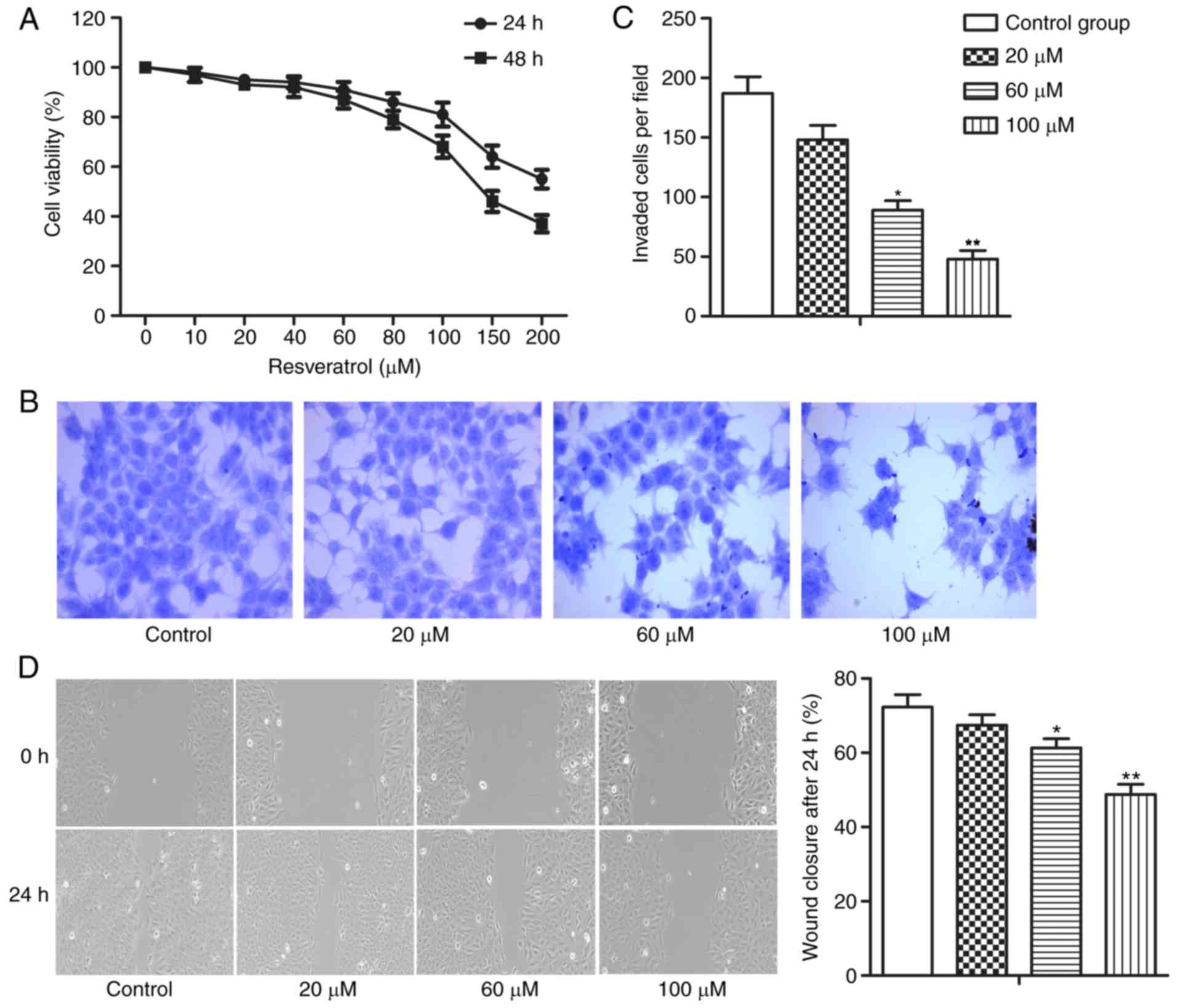
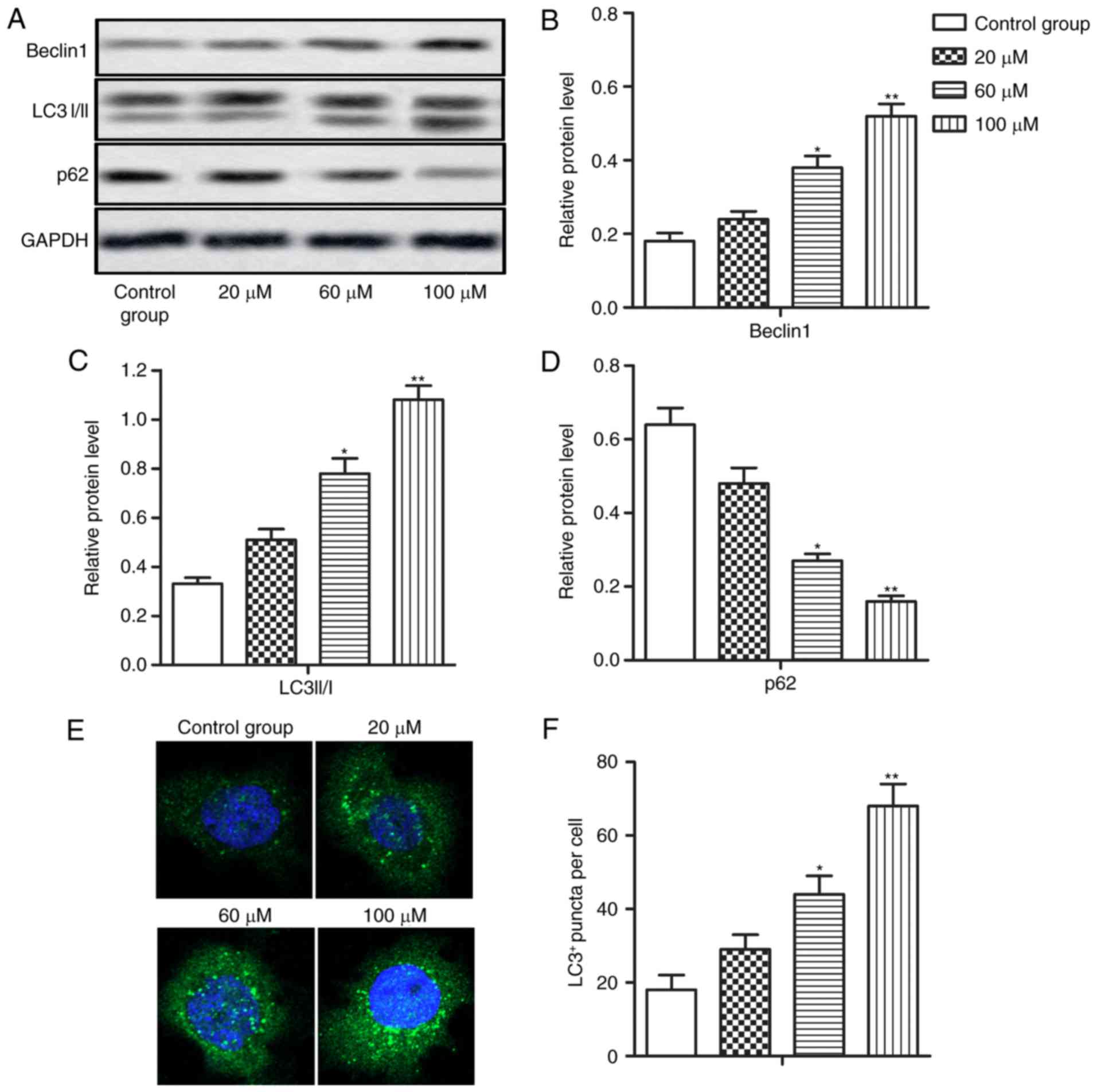
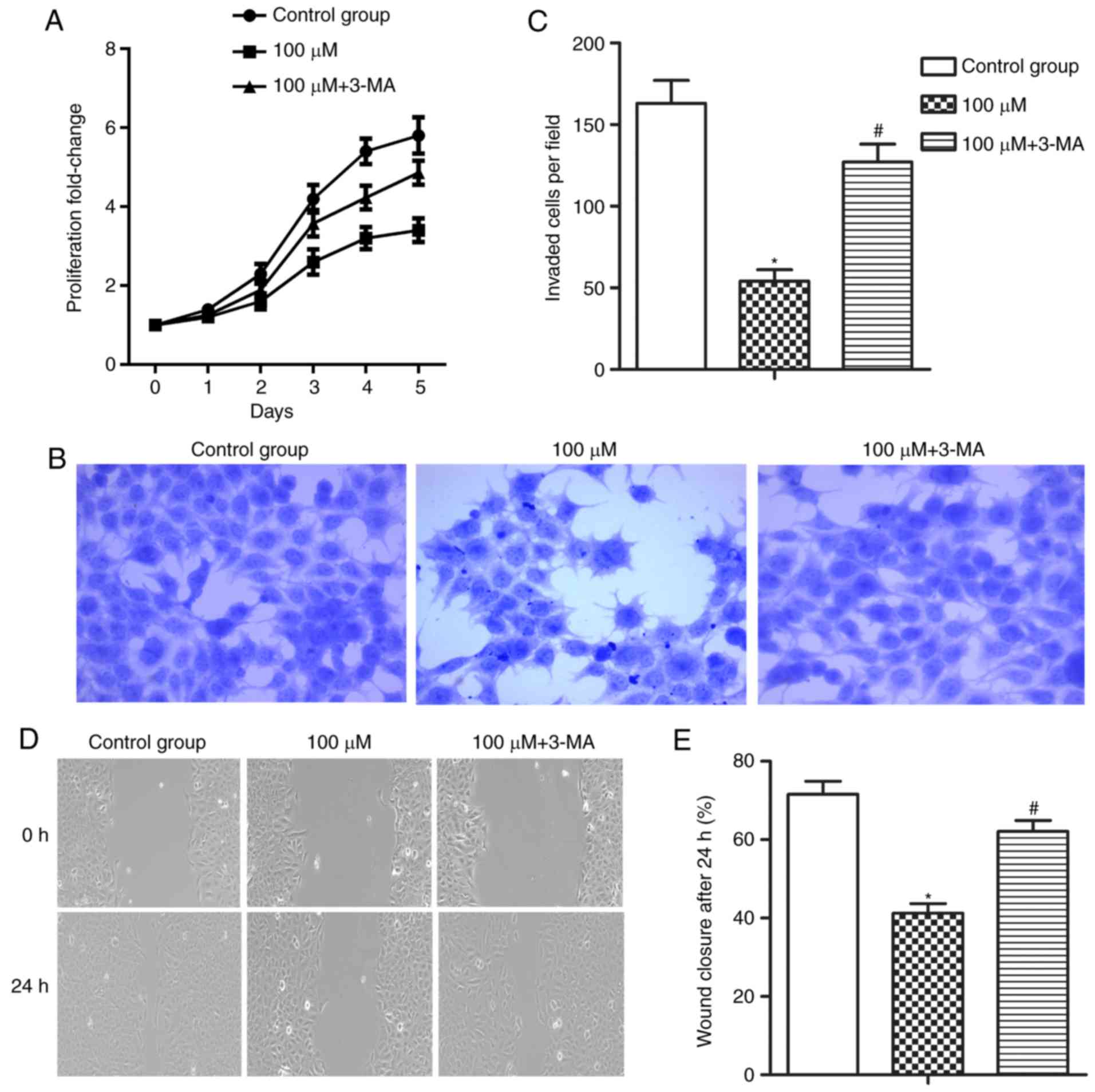
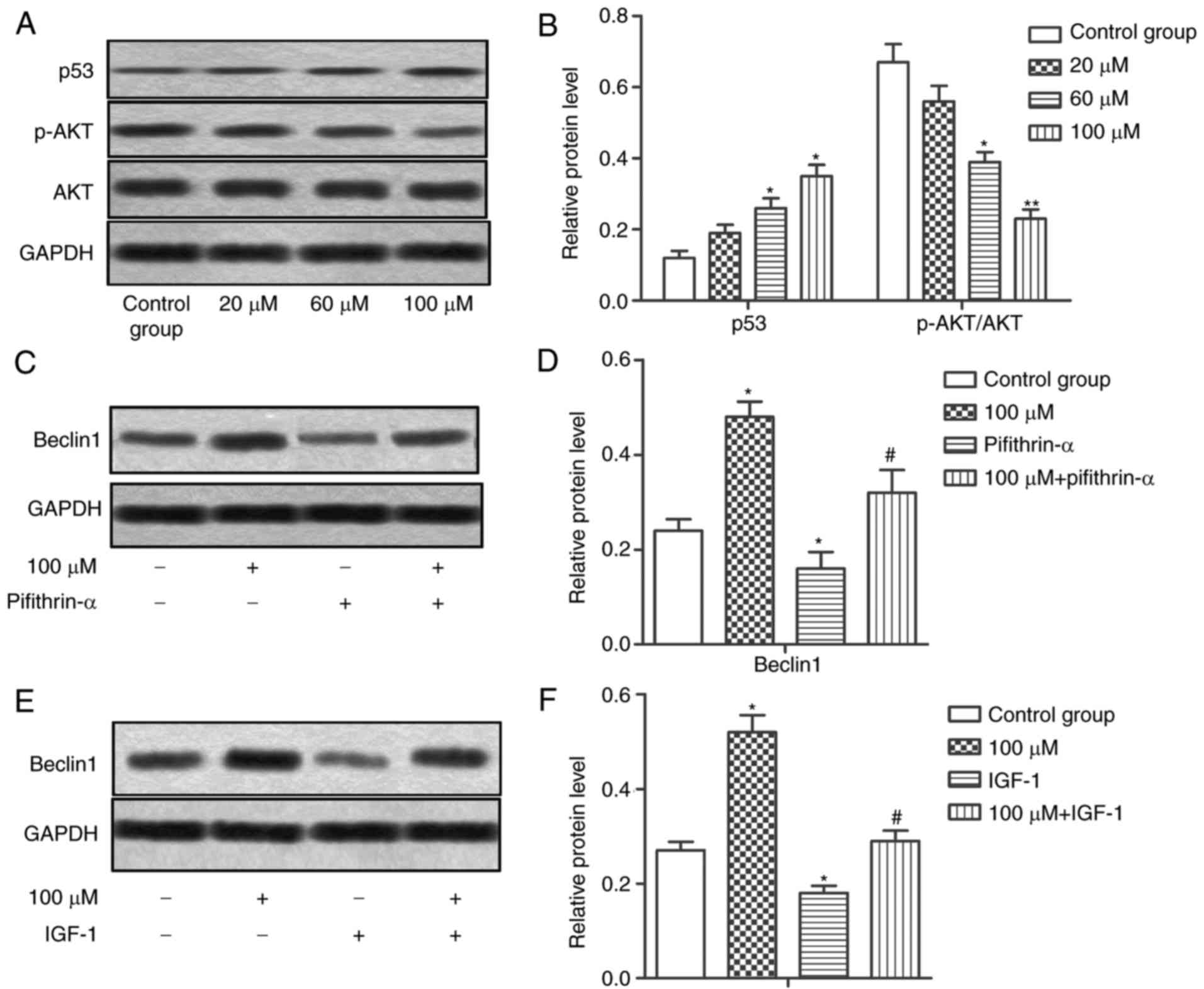
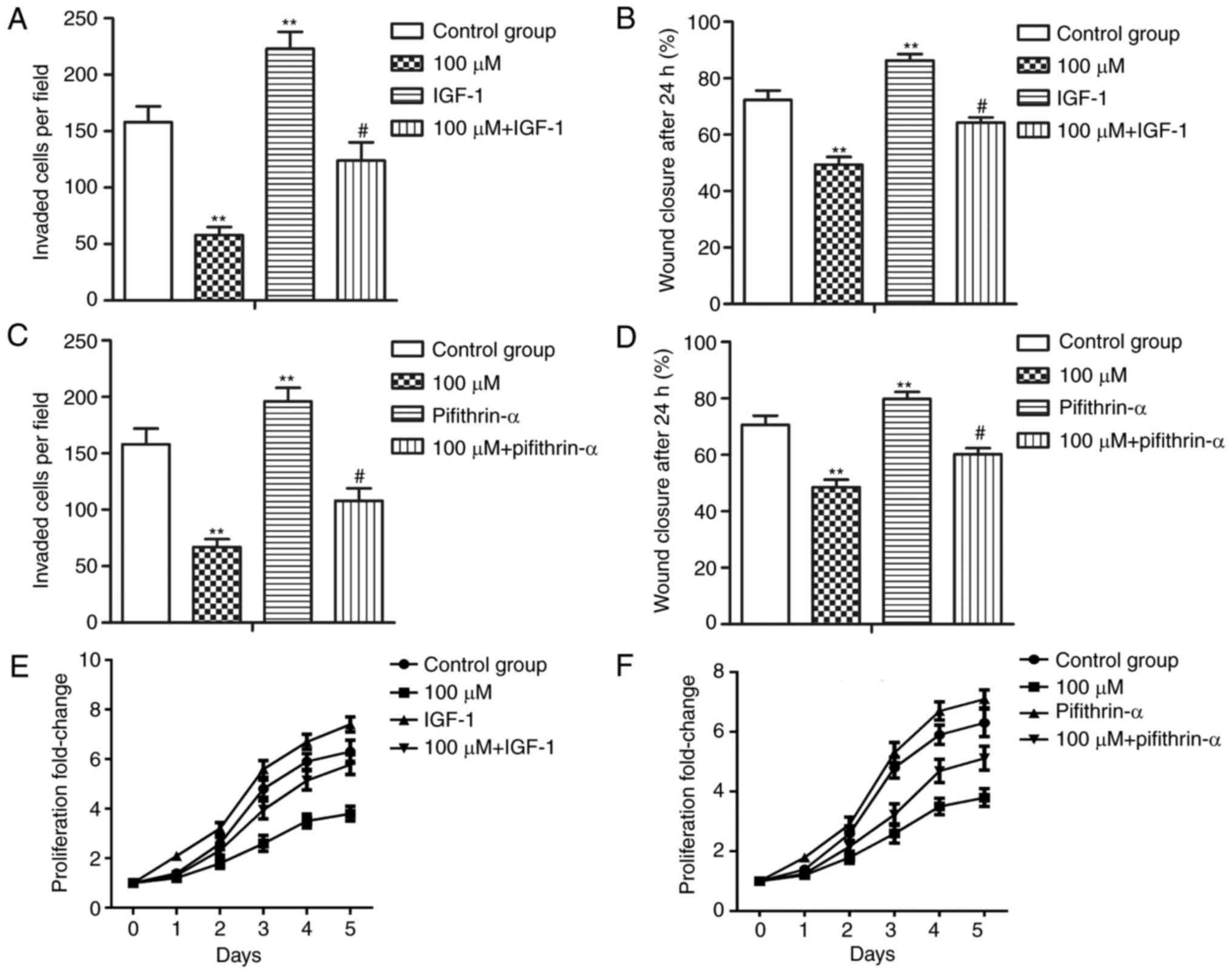
Resveratrol, a natural product, has been revealed to exert antitumor effects in multiple types of tumors. However, the antitumor effects of resveratrol on hepatocellular carcinoma (HCC) and its potential underlying mechanisms have not yet been elucidated. The present study demonstrated that resveratrol inhibited viability, proliferation, invasion and migration of HCC cells significantly in a time‑ and dose‑dependent manner, indicating that resveratrol exerted antitumor effects in HCC. Furthermore, relative expression of autophagy‑related proteins Beclin1 and LC3 II/I ratio was increased while p62 expression was decreased by resveratrol treatment dose‑dependently. The LC3+ puncta formation, which represented autophagosome formation was also markedly dose‑dependently upregulated by resveratrol treatment, suggesting that resveratrol induced autophagy in HCC cells. In addition, treatment with autophagy inhibitor 3‑methyladenine (3‑MA) counteracted the inhibitory effect of resveratrol on HCC cell proliferation, invasion and migration, indicating that suppressing autophagy may hamper the antitumor effect of resveratrol in HCC. It was revealed that resveratrol upregulated the expression of p53 while decreasing the ratio of phosphorylated protein kinase B (p‑Akt)/Akt in HCC cells. Treatment with p53 inhibitor pifithrin‑α and Akt activator insulin‑like growth factor‑1 decreased the expression of Beclin1 while significantly promoting cell proliferation, invasion and migration compared with the resveratrol treatment group. Taken together, the results of the present study revealed that resveratrol inhibited the proliferation and mobility of HCC cells through inducing autophagy via activating p53 and inhibiting phosphoinositide 3‑kinase/Akt. Enhancing autophagy can augment the antitumor effects of resveratrol in HCC. Therefore, combining resveratrol with an autophagy inducer may be a viable option for treating HCC.
View Figures

Figure 1

Figure 2

Figure 3

Figure 4

Figure 5

View References

1 

Chen W, Zheng R, Baade PD, Zhang S, Zeng H, Bray F, Jemal A, Yu XQ and He J: Cancer statistics in China, 2015. CA Cancer J Clin. 66:115–132. 2016. View Article : Google Scholar : PubMed/NCBI

2 

Dugo EB, Yedjou CG, Stevens JJ and Tchounwou PB: Therapeutic potential of arsenic trioxide (ATO) in treatment of hepatocellular carcinoma: Role of oxidative stress in ATO-induced apoptosis. Ann Clin Pathol. 5:11012017.PubMed/NCBI

3 

Oh IS, Sinn DH, Kang TW, Lee MW, Kang W, Gwak GY, Paik YH, Choi MS, Lee JH, Koh KC, et al: Liver function assessment using albumin-bilirubin grade for patients with very early-stage hepatocellular carcinoma treated with radiofrequency ablation. Dig Dis Sci. 62:3235–3242. 2017. View Article : Google Scholar : PubMed/NCBI

4 

Kanda T, Ogasawara S, Chiba T, Haga Y, Omata M and Yokosuka O: Current management of patients with hepatocellular carcinoma. World J Hepatol. 7:1913–1920. 2015. View Article : Google Scholar : PubMed/NCBI

5 

Gomha SM, Edrees MM, Muhammad ZA and El-Reedy AA: 5-(Thiophen-2-yl)-1,3,4-thiadiazole derivatives: Synthesis, molecular docking and in vitro cytotoxicity evaluation as potential anticancer agents. Drug Des Dev Ther. 12:1511–1523. 2018. View Article : Google Scholar

6 

Rawat D, Shrivastava S, Naik RA, Chhonker SK, Mehrotra A and Koiri RK: An overview of natural plant products in the treatment of hepatocellular carcinoma. Anticancer Agents Med Chem. Jun 3–2018.(Epub ahead of print). doi: 10.2174/1871520618666180604085612. View Article : Google Scholar

7 

Piotrowska H, Kucinska M and Murias M: Biological activity of piceatannol: Leaving the shadow of resveratrol. Mutat Res. 750:60–82. 2012. View Article : Google Scholar : PubMed/NCBI

8 

Johnson WD, Morrissey RL, Usborne AL, Kapetanovic I, Crowell JA, Muzzio M and McCormick DL: Subchronic oral toxicity and cardiovascular safety pharmacology studies of resveratrol, a naturally occurring polyphenol with cancer preventive activity. Food Chem Toxicol. 49:3319–3327. 2011. View Article : Google Scholar : PubMed/NCBI

9 

Szekeres T, Saiko P, Fritzer-Szekeres M, Djavan B and Jager W: Chemopreventive effects of resveratrol and resveratrol derivatives. Ann NY Acad Sci. 1215:89–95. 2011. View Article : Google Scholar : PubMed/NCBI

10 

Fabre KM, Saito K, DeGraff W, Sowers AL, Thetford A, Cook JA, Krishna MC and Mitchell JB: The effects of resveratrol and selected metabolites on the radiation and antioxidant response. Cancer Biol Ther. 12:915–923. 2011. View Article : Google Scholar : PubMed/NCBI

11 

Kunimasa K, Ohta T, Tani H, Kato E, Eguchi R, Kaji K, Ikeda K, Mori H, Mori M, Tatefuji T, et al: Resveratrol derivative-rich melinjo (Gnetum gnemon L.) seed extract suppresses multiple angiogenesis-related endothelial cell functions and tumor angiogenesis. Mol Nutri Food Res. 55:1730–1734. 2011. View Article : Google Scholar

12 

Li Q, Yue Y, Chen L, Xu C, Wang Y, Du L, Xue X, Liu Q, Wang Y and Fan F: Resveratrol sensitizes carfilzomib-induced apoptosis via promoting oxidative stress in multiple myeloma cells. Front Pharmacol. 9:3342018. View Article : Google Scholar : PubMed/NCBI

13 

Fan Y, Chiu JF, Liu J, Deng Y, Xu C, Zhang J and Li G: Resveratrol induces autophagy-dependent apoptosis in HL-60 cells. BMC Cancer. 18:5812018. View Article : Google Scholar : PubMed/NCBI

14 

Chang CH, Lee CY, Lu CC, Tsai FJ, Hsu YM, Tsao JW, Juan YN, Chiu HY, Yang JS and Wang CC: Resveratrol-induced autophagy and apoptosis in cisplatin-resistant human oral cancer CAR cells: A key role of AMPK and Akt/mTOR signaling. Int J Oncol. 50:873–882. 2017. View Article : Google Scholar : PubMed/NCBI

15 

Mizushima N: Autophagy: Process and function. Genes Dev. 21:2861–2873. 2007. View Article : Google Scholar : PubMed/NCBI

16 

Fan TF, Bu LL, Wang WM, Ma SR, Liu JF, Deng WW, Mao L, Yu GT, Huang CF, Liu B, et al: Tumor growth suppression by inhibiting both autophagy and STAT3 signaling in HNSCC. Oncotarget. 6:43581–43593. 2015. View Article : Google Scholar : PubMed/NCBI

17 

Singh SK, Banerjee S, Acosta EP, Lillard JW and Singh R: Resveratrol induces cell cycle arrest and apoptosis with docetaxel in prostate cancer cells via a p53/p21WAF1/CIP1 and p27KIP1 pathway. Oncotarget. 8:17216–17228. 2017. View Article : Google Scholar : PubMed/NCBI

18 

Chai R, Fu H, Zheng Z, Liu T, Ji S and Li G: Resveratrol inhibits proliferation and migration through SIRT1 mediated posttranslational modification of PI3K/AKT signaling in hepatocellular carcinoma cells. Mol Med Rep. 16:8037–8044. 2017. View Article : Google Scholar : PubMed/NCBI

19 

Harikumar KB, Kunnumakkara AB, Sethi G, Diagaradjane P, Anand P, Pandey MK, Gelovani J, Krishnan S, Guha S and Aggarwal BB: Resveratrol, a multitargeted agent, can enhance antitumor activity of gemcitabine in vitro and in orthotopic mouse model of human pancreatic cancer. Int J Cancer. 127:257–268. 2010.PubMed/NCBI

20 

Bai Y, Mao QQ, Qin J, Zheng XY, Wang YB, Yang K, Shen HF and Xie LP: Resveratrol induces apoptosis and cell cycle arrest of human T24 bladder cancer cells in vitro and inhibits tumor growth in vivo. Cancer Sci. 101:488–493. 2010. View Article : Google Scholar : PubMed/NCBI

21 

Ko JH, Sethi G, Um JY, Shanmugam MK, Arfuso F, Kumar AP, Bishayee A and Ahn KS: The role of resveratrol in cancer therapy. Int J Mol Sci. 18:E25892017. View Article : Google Scholar : PubMed/NCBI

22 

Bai Y, Yang H, Zhang G, Hu L, Lei Y, Qin Y, Yang Y, Wang Q, Li R and Mao Q: Inhibitory effects of resveratrol on the adhesion, migration and invasion of human bladder cancer cells. Mol Med Rep. 15:885–889. 2017. View Article : Google Scholar : PubMed/NCBI

23 

Mizushima N and Komatsu M: Autophagy: Renovation of cells and tissues. Cell. 147:728–741. 2011. View Article : Google Scholar : PubMed/NCBI

24 

Guo JY, Xia B and White E: Autophagy-mediated tumor promotion. Cell. 155:1216–1219. 2013. View Article : Google Scholar : PubMed/NCBI

25 

Lamy L, Ngo VN, Emre NC, Shaffer AL III, Yang Y, Tian E, Nair V, Kruhlak MJ, Zingone A, Landgren O, et al: Control of autophagic cell death by caspase-10 in multiple myeloma. Cancer Cell. 23:435–449. 2013. View Article : Google Scholar : PubMed/NCBI

26 

Mariño G, Niso-Santano M, Baehrecke EH and Kroemer G: Self-consumption: The interplay of autophagy and apoptosis. Nat Rev Mol Cell Biol. 15:81–94. 2014. View Article : Google Scholar : PubMed/NCBI

27 

Kadowaki M and Karim MR: Cytosolic LC3 ratio as a quantitative index of macroautophagy. Methods Enzymol. 452:199–213. 2009. View Article : Google Scholar : PubMed/NCBI

28 

Wang S, Wang C, Yan F, Wang T, He Y, Li H, Xia Z and Zhang Z: N-acetylcysteine attenuates diabetic myocardial ischemia reperfusion injury through inhibiting excessive autophagy. Mediators Inflamm. 2017:92572912017. View Article : Google Scholar : PubMed/NCBI

29 

Zhu H, Ding J, Wu J, Liu T, Liang J, Tang Q and Jiao M: Resveratrol attenuates bone cancer pain through regulating the expression levels of ASIC3 and activating cell autophagy. Acta Biochim Biophys Sin. 49:1008–1014. 2017. View Article : Google Scholar : PubMed/NCBI

30 

Lang F, Qin Z, Li F, Zhang H, Fang Z and Hao E: Apoptotic cell death induced by resveratrol is partially mediated by the autophagy pathway in human ovarian cancer cells. PLoS One. 10:e01291962015. View Article : Google Scholar : PubMed/NCBI

31 

He W and Cheng Y: Inhibition of miR-20 promotes proliferation and autophagy in articular chondrocytes by PI3K/AKT/mTOR signaling pathway. Biomed Pharmacother. 97:607–615. 2018. View Article : Google Scholar : PubMed/NCBI

32 

Deng F, Ma YX, Liang L, Zhang P and Feng J: The pro-apoptosis effect of sinomenine in renal carcinoma via inducing autophagy through inactivating PI3K/AKT/mTOR pathway. Biomed Pharmacother. 97:1269–1274. 2018. View Article : Google Scholar : PubMed/NCBI

33 

Huang SW, Chang SH, Mu SW, Jiang HY, Wang ST, Kao JK, Huang JL, Wu CY, Chen YJ and Shieh JJ: Imiquimod activates p53-dependent apoptosis in a human basal cell carcinoma cell line. J Dermatol Sci. 81:182–191. 2016. View Article : Google Scholar : PubMed/NCBI

Related Articles

  • Abstract
  • View
  • Download
  • Twitter
Copy and paste a formatted citation
Spandidos Publications style
Zhang B, Yin X and Sui S: Resveratrol inhibited the progression of human hepatocellular carcinoma by inducing autophagy via regulating p53 and the phosphoinositide 3‑kinase/protein kinase B pathway. Oncol Rep 40: 2758-2765, 2018.
APA
Zhang, B., Yin, X., & Sui, S. (2018). Resveratrol inhibited the progression of human hepatocellular carcinoma by inducing autophagy via regulating p53 and the phosphoinositide 3‑kinase/protein kinase B pathway. Oncology Reports, 40, 2758-2765. https://doi.org/10.3892/or.2018.6648
MLA
Zhang, B., Yin, X., Sui, S."Resveratrol inhibited the progression of human hepatocellular carcinoma by inducing autophagy via regulating p53 and the phosphoinositide 3‑kinase/protein kinase B pathway". Oncology Reports 40.5 (2018): 2758-2765.
Chicago
Zhang, B., Yin, X., Sui, S."Resveratrol inhibited the progression of human hepatocellular carcinoma by inducing autophagy via regulating p53 and the phosphoinositide 3‑kinase/protein kinase B pathway". Oncology Reports 40, no. 5 (2018): 2758-2765. https://doi.org/10.3892/or.2018.6648
Copy and paste a formatted citation
x
Spandidos Publications style
Zhang B, Yin X and Sui S: Resveratrol inhibited the progression of human hepatocellular carcinoma by inducing autophagy via regulating p53 and the phosphoinositide 3‑kinase/protein kinase B pathway. Oncol Rep 40: 2758-2765, 2018.
APA
Zhang, B., Yin, X., & Sui, S. (2018). Resveratrol inhibited the progression of human hepatocellular carcinoma by inducing autophagy via regulating p53 and the phosphoinositide 3‑kinase/protein kinase B pathway. Oncology Reports, 40, 2758-2765. https://doi.org/10.3892/or.2018.6648
MLA
Zhang, B., Yin, X., Sui, S."Resveratrol inhibited the progression of human hepatocellular carcinoma by inducing autophagy via regulating p53 and the phosphoinositide 3‑kinase/protein kinase B pathway". Oncology Reports 40.5 (2018): 2758-2765.
Chicago
Zhang, B., Yin, X., Sui, S."Resveratrol inhibited the progression of human hepatocellular carcinoma by inducing autophagy via regulating p53 and the phosphoinositide 3‑kinase/protein kinase B pathway". Oncology Reports 40, no. 5 (2018): 2758-2765. https://doi.org/10.3892/or.2018.6648
Follow us
  • Twitter
  • LinkedIn
  • Facebook
About
  • Spandidos Publications
  • Careers
  • Cookie Policy
  • Privacy Policy
How can we help?
  • Help
  • Live Chat
  • Contact
  • Email to our Support Team