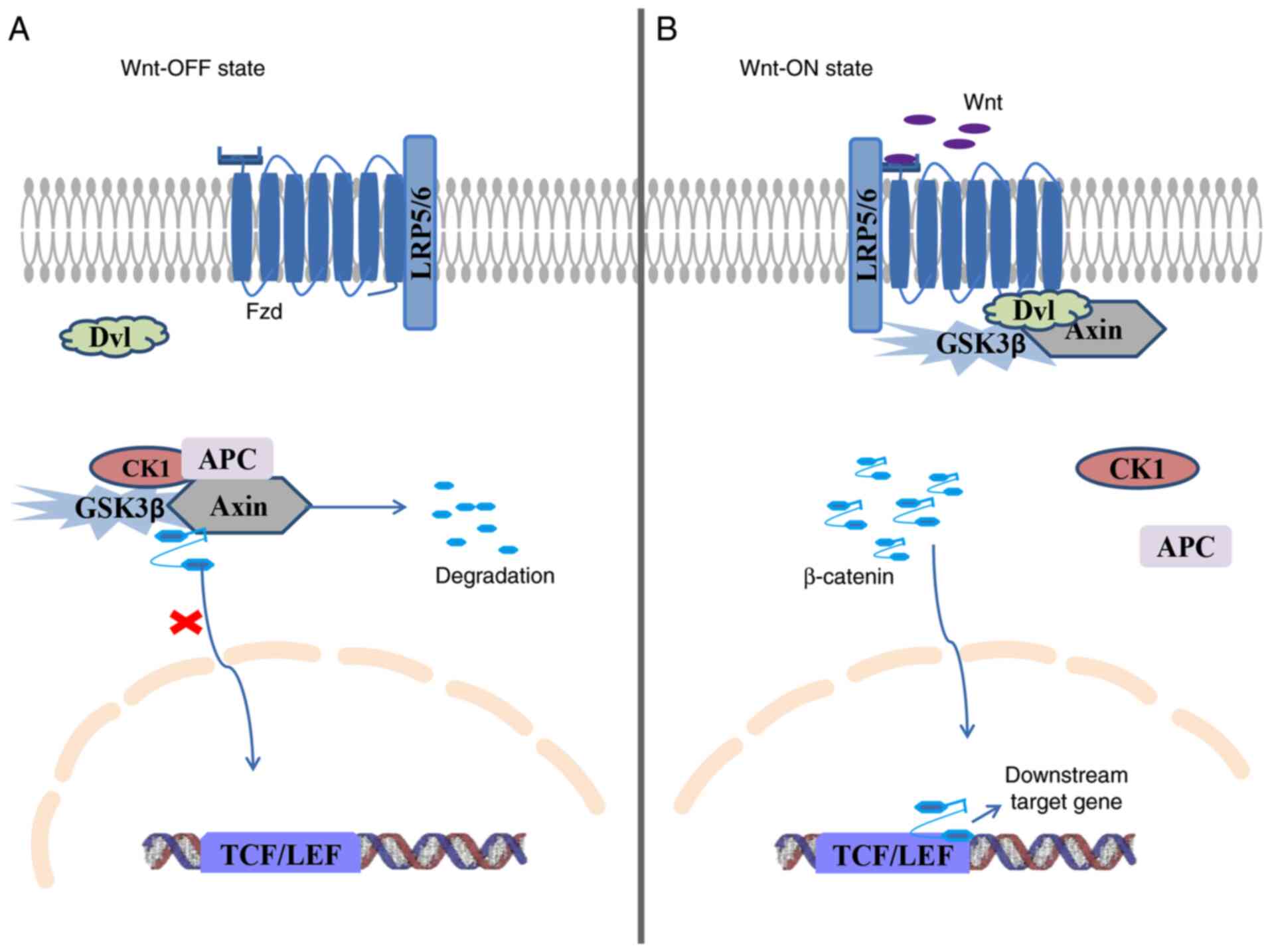
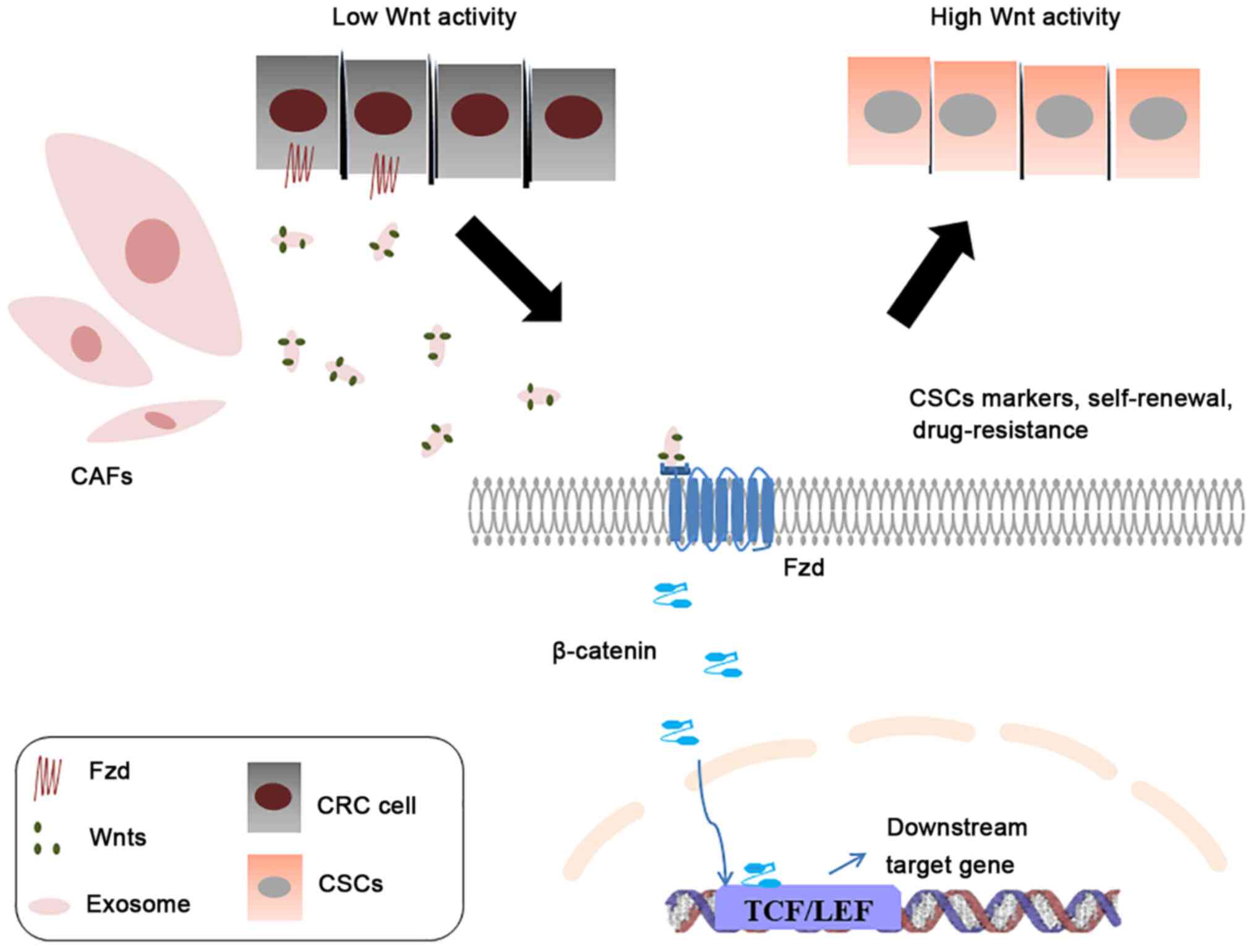
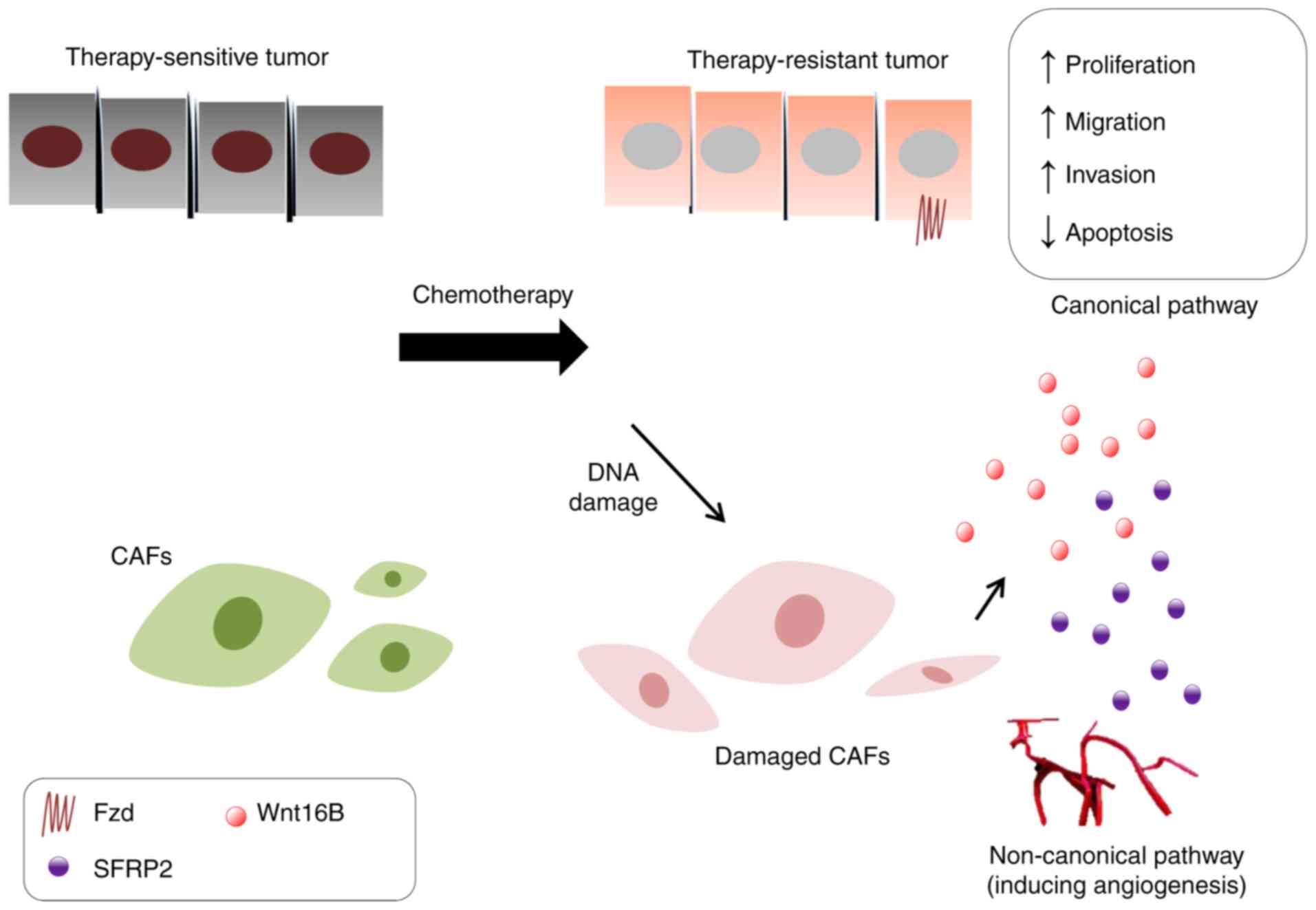
|
1
|
Keum N and Giovannucci E: Global burden of
colorectal cancer: Emerging trends, risk factors and prevention
strategies. Nat Rev Gastroenterol Hepatol. 16:713–732. 2019.
View Article : Google Scholar
|
|
2
|
Rawla P, Sunkara T and Barsouk A:
Epidemiology of colorectal cancer: Incidence, mortality, survival,
and risk factors. Prz Gastroenterol. 14:89–103. 2019.
|
|
3
|
Arnold M, Sierra MS, Laversanne M,
Soerjomataram I, Jemal A and Bray F: Global patterns and trends in
colorectal cancer incidence and mortality. Gut. 66:683–691. 2017.
View Article : Google Scholar
|
|
4
|
Marmol I, Sanchez-de-Diego C, Pradilla
Dieste A, Cerrada E and Rodriguez Yoldi MJ: Colorectal carcinoma: A
general overview and future perspectives in colorectal cancer. Int
J Mol Sci. 18:1972017. View Article : Google Scholar
|
|
5
|
Calvert PM and Frucht H: The genetics of
colorectal cancer. Ann Intern Med. 137:603–612. 2002. View Article : Google Scholar
|
|
6
|
Angarita FA, Feinberg AE, Feinberg SM,
Riddell RH and McCart JA: Management of complex polyps of the colon
and rectum. Int J Colorectal Dis. 33:115–129. 2018. View Article : Google Scholar
|
|
7
|
Blank A, Roberts DE II, Dawson H, Zlobec I
and Lugli A: Tumor heterogeneity in primary colorectal cancer and
corresponding metastases. Does the apple fall far from the tree?
Front Med (Lausanne). 5:2342018.
|
|
8
|
Dahmus JD, Kotler DL, Kastenberg DM and
Kistler CA: The gut microbiome and colorectal cancer: A review of
bacterial pathogenesis. J Gastrointest Oncol. 9:769–777. 2018.
View Article : Google Scholar
|
|
9
|
Jayasekara H, English DR, Haydon A, Hodge
AM, Lynch BM, Rosty C, Williamson EJ, Clendenning M, Southey MC,
Jenkins MA, et al: Associations of alcohol intake, smoking,
physical activity and obesity with survival following colorectal
cancer diagnosis by stage, anatomic site and tumor molecular
subtype. Int J Cancer. 142:238–250. 2018. View Article : Google Scholar
|
|
10
|
Mehta A and Patel BM: Therapeutic
opportunities in colon cancer: Focus on phosphodiesterase
inhibitors. Life Sci. 230:150–161. 2019. View Article : Google Scholar
|
|
11
|
Salonga D, Danenberg KD, Johnson M,
Metzger R, Groshen S, Tsao-Wei DD, Lenz HJ, Leichman CG, Leichman
L, Diasio RB and Danenberg PV: Colorectal tumors responding to
5-fluorouracil have low gene expression levels of dihydropyrimidine
dehydrogenase, thymidylate synthase, and thymidine phosphorylase.
Clin Cancer Res. 6:1322–1327. 2000.
|
|
12
|
Showalter SL, Showalter TN, Witkiewicz A,
Havens R, Kennedy EP, Hucl T, Kern SE, Yeo CJ and Brody JR:
Evaluating the drug-target relationship between thymidylate
synthase expression and tumor response to 5-fluorouracil. Is it
time to move forward? Cancer Biol Ther. 7:986–994. 2008. View Article : Google Scholar
|
|
13
|
Yaffee P, Osipov A, Tan C, Tuli R and
Hendifar A: Review of systemic therapies for locally advanced and
metastatic rectal cancer. J Gastrointest Oncol. 6:185–200.
2015.
|
|
14
|
Cunningham D, Humblet Y, Siena S, Khayat
D, Bleiberg H, Santoro A, Bets D, Mueser M, Harstrick A, Verslype
C, et al: Cetuximab monotherapy and cetuximab plus irinotecan in
irinotecan-refractory metastatic colorectal cancer. N Engl J Med.
351:337–345. 2004. View Article : Google Scholar
|
|
15
|
Van Cutsem E, Peeters M, Siena S, Humblet
Y, Hendlisz A, Neyns B, Canon JL, Van Laethem JL, Maurel J,
Richardson G, et al: Open-label phase III trial of panitumumab plus
best supportive care compared with best supportive care alone in
patients with chemotherapy-refractory metastatic colorectal cancer.
J Clin Oncol. 25:1658–1664. 2007. View Article : Google Scholar
|
|
16
|
Hu T, Li Z, Gao CY and Cho CH: Mechanisms
of drug resistance in colon cancer and its therapeutic strategies.
World J Gastroenterol. 22:6876–6889. 2016. View Article : Google Scholar
|
|
17
|
Li YJ, Lei YH, Yao N, Wang CR, Hu N, Ye
WC, Zhang DM and Chen ZS: Autophagy and multidrug resisitance in
cancer. Chin J Cancer. 36:522017. View Article : Google Scholar
|
|
18
|
Thomas H and Coley HM: Overcoming
multidrug resistance in cancer: An update on the clinical strategy
of inhibiting p-glycoprotein. Cancer Control. 10:159–165. 2003.
View Article : Google Scholar
|
|
19
|
Tredan O, Galmarini CM, Patel K and
Tannock IF: Drug resistance and the solid tumor microenvironment. J
Natl Cancer Inst. 99:1441–1454. 2007. View Article : Google Scholar
|
|
20
|
Wang MY, Qiu YH, Cai ML, Zhang CH, Wang
XW, Liu H, Chen Y, Zhao WL, Liu JB and Shao RG: Role and molecular
mechanism of stem cells in colorectal cancer initiation. J Drug
Target. 28:1–10. 2020. View Article : Google Scholar
|
|
21
|
Liu X, Fu Q, Du Y, Yang Y and Cho WC:
MicroRNA as regulators of cancer stem cells and chemoresistance in
colorectal cancer. Curr Cancer Drug Targets. 16:738–754. 2016.
View Article : Google Scholar
|
|
22
|
Fanale D, Barraco N, Listi A, Bazan V and
Russo A: Non-coding RNAs functioning in colorectal cancer stem
cells. Adv Exp Med Biol. 937:93–108. 2016. View Article : Google Scholar
|
|
23
|
Rahmani F, Avan A, Hashemy SI and
Hassanian SM: Role of Wnt/beta-catenin signaling regulatory
microRNAs in the pathogenesis of colorectal cancer. J Cell Physiol.
233:811–817. 2018. View Article : Google Scholar
|
|
24
|
Das PK, Islam F and Lam AK: The roles of
cancer stem cells and therapy resistance in colorectal carcinoma.
Cells. 9:13922020. View Article : Google Scholar
|
|
25
|
Chikazawa N, Tanaka H, Tasaka T, Nakamura
M, Tanaka M, Onishi H and Katano M: Inhibition of Wnt signaling
pathway decreases chemotherapy-resistant side-population colon
cancer cells. Anticancer Res. 30:2041–2048. 2010.
|
|
26
|
Shi L, Xi J, Xu X, Peng B and Zhang B:
MiR-148a suppressed cell invasion and migration via targeting
WNT10b and modulating β-catenin signaling in cisplatin-resistant
colorectal cancer cells. Biomed Pharmacother. 109:902–909. 2019.
View Article : Google Scholar
|
|
27
|
Hu YB, Yan C, Mu L, Mi YL, Zhao H, Hu H,
Li XL, Tao DD, Wu YQ, Gong JP and Qin JC: Exosomal Wnt-induced
dedifferentiation of colorectal cancer cells contributes to
chemotherapy resistance. Oncogene. 38:1951–1965. 2019. View Article : Google Scholar
|
|
28
|
Nusse R and Varmus HE: Many tumors induced
by the mouse mammary tumor virus contain a provirus integrated in
the same region of the host genome. Cell. 31:99–109. 1982.
View Article : Google Scholar
|
|
29
|
Rijsewijk F, Schuermann M, Wagenaar E,
Parren P, Weigel D and Nusse R: The Drosophila homolog of the mouse
mammary oncogene int-1 is identical to the segment polarity gene
wingless. Cell. 50:649–657. 1987. View Article : Google Scholar
|
|
30
|
Kahn M: Can we safely target the WNT
pathway? Nat Rev Drug Discov. 13:513–532. 2014. View Article : Google Scholar
|
|
31
|
Zeng ZY, Zhou YH, Zhang WL, Xiong W, Fan
SQ, Li XL, Luo XM, Wu MH, Yang YX, Huang C, et al: Gene expression
profiling of nasopharyngeal carcinoma reveals the abnormally
regulated Wnt signaling pathway. Hum Pathol. 38:120–133. 2007.
View Article : Google Scholar
|
|
32
|
Pate KT, Stringari C, Sprowl-Tanio S, Wang
K, TeSlaa T, Hoverter NP, McQuade MM, Garner C, Digman MA, Teitell
MA, et al: Wnt signaling directs a metabolic program of glycolysis
and angiogenesis in colon cancer. EMBO J. 33:1454–1473. 2014.
View Article : Google Scholar
|
|
33
|
Polakis P: Wnt signaling in cancer. Cold
Spring Harb Perspect Biol. 4:a0080522012. View Article : Google Scholar
|
|
34
|
Tammela T, Sanchez-Rivera FJ, Cetinbas NM,
Wu K, Joshi NS, Helenius K, Park Y, Azimi R, Kerper NR, Wesselhoeft
RA, et al: A Wnt-producing niche drives proliferative potential and
progression in lung adenocarcinoma. Nature. 545:355–359. 2017.
View Article : Google Scholar
|
|
35
|
Lee SY, Jeon HM, Ju MK, Kim CH, Yoon G,
Han SI, Park HG and Kang HS: Wnt/Snail signaling regulates
cytochrome C oxidase and glucose metabolism. Cancer Res.
72:3607–3617. 2012. View Article : Google Scholar
|
|
36
|
Willert K, Brown JD, Danenberg E, Duncan
AW, Weissman IL, Reya T, Yates JR III and Nusse R: Wnt proteins are
lipid-modified and can act as stem cell growth factors. Nature.
423:448–452. 2003. View Article : Google Scholar
|
|
37
|
Takada R, Satomi Y, Kurata T, Ueno N,
Norioka S, Kondoh H, Takao T and Takada S: Monounsaturated fatty
acid modification of Wnt protein: Its role in Wnt secretion. Dev
Cell. 11:791–801. 2006. View Article : Google Scholar
|
|
38
|
He B, You L, Uematsu K, Xu Z, Lee AY,
Matsangou M, McCormick F and Jablons DM: A monoclonal antibody
against Wnt-1 induces apoptosis in human cancer cells. Neoplasia.
6:7–14. 2004. View Article : Google Scholar
|
|
39
|
Chen G, Shukeir N, Potti A, Sircar K,
Aprikian A, Goltzman D and Rabbani SA: Up-regulation of Wnt-1 and
beta-catenin production in patients with advanced metastatic
prostate carcinoma: Potential pathogenetic and prognostic
implications. Cancer. 101:1345–1356. 2004. View Article : Google Scholar
|
|
40
|
Babaei K, Khaksar R, Zeinali T, Hemmati H,
Bandegi A, Samidoust P, Ashoobi MT, Hashemian H, Delpasand K,
Talebinasab F, et al: Epigenetic profiling of MUTYH, KLF6, WNT1 and
KLF4 genes in carcinogenesis and tumorigenesis of colorectal
cancer. Biomedicine (Taipei). 9:222019. View Article : Google Scholar
|
|
41
|
Jia S, Qu T, Feng M, Ji K, Li Z, Jiang W
and Ji J: Association of Wnt1-inducible signaling pathway protein-1
with the proliferation, migration and invasion in gastric cancer
cells. Tumour Biol. 39:10104283176997552017. View Article : Google Scholar
|
|
42
|
Bodnar L, Stanczak A, Cierniak S, Smoter
M, Cichowicz M, Kozlowski W, Szczylik C, Wieczorek M and
Lamparska-Przybysz M: Wnt/β-catenin pathway as a potential
prognostic and predictive marker in patients with advanced ovarian
cancer. J Ovarian Res. 7:162014. View Article : Google Scholar
|
|
43
|
Huang CB, Ma RJ, Xu Y, Li N, Li ZX, Yue J,
Li HX, Guo Y and Qi D: Wnt2 promotes non-small cell lung cancer
progression by activating WNT/β-catenin pathway. Am J Cancer Res.
5:1032–1046. 2015.
|
|
44
|
Katoh M: Frequent up-regulation of WNT2 in
primary gastric cancer and colorectal cancer. Int J Oncol.
19:1003–1007. 2001.
|
|
45
|
Nakashima N, Liu D, Huang CL, Ueno M,
Zhang X and Yokomise H: Wnt3 gene expression promotes tumor
progression in non-small cell lung cancer. Lung Cancer. 76:228–234.
2012. View Article : Google Scholar
|
|
46
|
Wang HS, Nie X, Wu RB, Yuan HW, Ma YH, Liu
XL, Zhang JY, Deng XL, Na Q, Jin HY, et al: Downregulation of human
Wnt3 in gastric cancer suppresses cell proliferation and induces
apoptosis. Onco Targets Ther. 9:3849–3860. 2016. View Article : Google Scholar
|
|
47
|
Nie XB, Xia FL, Liu Y, Zhou Y, Ye WL, Hean
PH, Meng JM, Liu HY, Liu L, Wen JX, et al: Downregulation of Wnt3
suppresses colorectal cancer development through inhibiting cell
proliferation and migration. Front Pharmacol. 10:11102019.
View Article : Google Scholar
|
|
48
|
Thiago L, Costa ES, Lopes DV, Otazu IB,
Nowill AE, Mendes FA, Portilho DM, Abreu JG, Mermelstein CS, Orfao
A, et al: The Wnt signaling pathway regulates Nalm-16 b-cell
precursor acute lymphoblastic leukemic cell line survival and
etoposide resistance. Biomed Pharmacother. 64:63–72. 2010.
View Article : Google Scholar
|
|
49
|
Zimmerman ZF, Kulikauskas RM, Bomsztyk K,
Moon RT and Chien AJ: Activation of Wnt/β-catenin signaling
increases apoptosis in melanoma cells treated with trail. PLoS One.
8:e695932013. View Article : Google Scholar
|
|
50
|
Annavarapu SR, Cialfi S, Dominici C, Kokai
GK, Uccini S, Ceccarelli S, McDowell HP and Helliwell TR:
Characterization of Wnt/β-catenin signaling in rhabdomyosarcoma.
Lab Invest. 93:1090–1099. 2013. View Article : Google Scholar
|
|
51
|
Fox SA, Richards AK, Kusumah I, Perumal V,
Bolitho EM, Mutsaers SE and Dharmarajan AM: Expression profile and
function of Wnt signaling mechanisms in malignant mesothelioma
cells. Biochem Biophys Res Commun. 440:82–87. 2013. View Article : Google Scholar
|
|
52
|
Wang SH, Li N, Wei Y, Li QR and Yu ZP:
β-catenin deacetylation is essential for WNT-induced proliferation
of breast cancer cells. Mol Med Rep. 9:973–978. 2014. View Article : Google Scholar
|
|
53
|
Akaboshi S, Watanabe S, Hino Y, Sekita Y,
Xi Y, Araki K, Yamamura K, Oshima M, Ito T, Baba H and Nakao M:
HMGA1 is induced by Wnt/beta-catenin pathway and maintains cell
proliferation in gastric cancer. Am J Pathol. 175:1675–1685. 2009.
View Article : Google Scholar
|
|
54
|
Zhao L, Wang LL, Zhang CL, Liu Z, Piao YJ,
Yan J, Xiang R, Yao YQ and Y S: E6-induced selective translation of
WNT4 and JIP2 promotes the progression of cervical cancer via a
noncanonical WNT signaling pathway. Signal Transduct Target Ther.
4:322019. View Article : Google Scholar
|
|
55
|
McDonald SL and Silver A: The opposing
roles of Wnt-5a in cancer. Br J Cancer. 101:209–214. 2009.
View Article : Google Scholar
|
|
56
|
Li J, Ying J, Fan Y, Wu L, Ying Y, Chan
AT, Srivastava G and Tao Q: WNT5A antagonizes WNT/β-catenin
signaling and is frequently silenced by promoter CpG methylation in
esophageal squamous cell carcinoma. Cancer Biol Ther. 10:617–624.
2010. View Article : Google Scholar
|
|
57
|
Ying J, Li H, Yu J, Ng KM, Poon FF, Wong
SC, Chan AT, Sung JJ and Tao Q: WNT5A exhibits tumor-suppressive
activity through antagonizing the Wnt/beta-catenin signaling, and
is frequently methylated in colorectal cancer. Clin Cancer Res.
14:55–61. 2008. View Article : Google Scholar
|
|
58
|
Kremenevskaja N, von Wasielewski R, Rao
AS, Schofl C, Andersson T and Brabant G: Wnt-5a has tumor
suppressor activity in thyroid carcinoma. Oncogene. 24:2144–2154.
2005. View Article : Google Scholar
|
|
59
|
Thiele S, Rachner TD, Rauner M and
Hofbauer LC: WNT5A and its receptors in the bone-cancer dialogue. J
Bone Miner Res. 31:1488–1496. 2016. View Article : Google Scholar
|
|
60
|
Kurayoshi M, Oue N, Yamamoto H, Kishida M,
Inoue A, Asahara T, Yasui W and Kikuchi A: Expression of Wnt-5a is
correlated with aggressiveness of gastric cancer by stimulating
cell migration and invasion. Cancer Res. 66:10439–10448. 2006.
View Article : Google Scholar
|
|
61
|
Huang CL, Liu D, Nakano J, Ishikawa S,
Kontani K, Yokomise H and Ueno M: Wnt5a expression is associated
with the tumor proliferation and the stromal vascular endothelial
growth factor-an expression in non-small-cell lung cancer. J Clin
Oncol. 23:8765–8773. 2005. View Article : Google Scholar
|
|
62
|
Bo H, Zhang S, Gao L, Chen Y, Zhang J,
Chang X and Zhu M: Upregulation of Wnt5a promotes
epithelial-tomesenchymal transition and metastasis of pancreatic
cancer cells. BMC Cancer. 13:4962013. View Article : Google Scholar
|
|
63
|
Navarrete-Meneses MDP and Perez-Vera P:
Epigenetic alterations in acute lymphoblastic leukemia. Bol Med
Hosp Infant Mex. 74:243–264. 2017.(In Spanish).
|
|
64
|
Stewart DJ: Wnt signaling pathway in
non-small cell lung cancer. J Natl Cancer Inst. 106:djt3562014.
View Article : Google Scholar
|
|
65
|
Kirikoshi H and Katoh M: Expression of
WNT7A in human normal tissues and cancer, and regulation of WNT7A
and WNT7B in human cancer. Int J Oncol. 21:895–900. 2002.
|
|
66
|
Vesel M, Rapp J, Feller D, Kiss E, Jaromi
L, Meggyes M, Miskei G, Duga B, Smuk G, Laszlo T, et al: ABCB1 and
ABCG2 drug transporters are differentially expressed in non-small
cell lung cancers (NSCLC) and expression is modified by cisplatin
treatment via altered Wnt signaling. Respir Res. 18:522017.
View Article : Google Scholar
|
|
67
|
Li J, Zhang Z, Wang L and Zhang Y: The
oncogenic role of Wnt10a in colorectal cancer through activation of
canonical Wnt/β-catenin signaling. Oncol Lett. 17:3657–3664.
2019.
|
|
68
|
Li P, Liu W, Xu Q and Wang C: Clinical
significance and biological role of Wnt10a in ovarian cancer. Oncol
Lett. 14:6611–6617. 2017.
|
|
69
|
Hsu RJ, Ho JY, Cha TL, Yu DS, Wu CL, Huang
WP, Chu P, Chen YH, Chen JT and Yu CP: WNT10A plays an oncogenic
role in renal cell carcinoma by activating WNT/beta-catenin
pathway. PLoS One. 7:e476492012. View Article : Google Scholar
|
|
70
|
Kirikoshi H, Inoue S, Sekihara H and Katoh
M: Expression of WNT10A in human cancer. Int J Oncol. 19:997–1001.
2001.
|
|
71
|
Dong T, Zhang Z, Zhou W, Zhou X, Geng C,
Chang LK, Tian X and Liu S: WNT10A/β-catenin pathway in
tumorigenesis of papillary thyroid carcinoma. Oncol Rep.
38:1287–1294. 2017. View Article : Google Scholar
|
|
72
|
Wend P, Runke S, Wend K, Anchondo B,
Yesayan M, Jardon M, Hardie N, Loddenkemper C, Ulasov I, Lesniak
MS, et al: WNT10B/beta-catenin signalling induces HMGA2 and
proliferation in metastatic triple-negative breast cancer. EMBO Mol
Med. 5:264–279. 2013. View Article : Google Scholar
|
|
73
|
Chen H, Wang Y and Xue F: Expression and
the clinical significance of Wnt10a and Wnt10b in endometrial
cancer are associated with the Wnt/β-catenin pathway. Oncol Rep.
29:507–514. 2013. View Article : Google Scholar
|
|
74
|
Saitoh T, Kirikoshi H, Mine T and Katoh M:
Proto-oncogene WNT10B is up-regulated by tumor necrosis factor
alpha in human gastric cancer cell line MKN45. Int J Oncol.
19:1187–1192. 2001.
|
|
75
|
Bartis D, Csongei V, Weich A, Kiss E,
Barko S, Kovacs T, Avdicevic M, D'Souza VK, Rapp J, Kvell K, et al:
Down-regulation of canonical and up-regulation of non-canonical Wnt
signalling in the carcinogenic process of squamous cell lung
carcinoma. PLoS One. 8:e573932013. View Article : Google Scholar
|
|
76
|
Tian S, Hu J, Tao K, Wang J, Chu Y, Li J,
Liu Z, Ding X, Xu L, Li Q, et al: Secreted AGR2 promotes invasion
of colorectal cancer cells via Wnt11-mediated non-canonical Wnt
signaling. Exp Cell Res. 364:198–207. 2018. View Article : Google Scholar
|
|
77
|
Toyama T, Lee HC, Koga H, Wands JR and Kim
M: Noncanonical Wnt11 inhibits hepatocellular carcinoma cell
proliferation and migration. Mol Cancer Res. 8:254–265. 2010.
View Article : Google Scholar
|
|
78
|
Yin P, Wang W, Zhang Z, Bai Y, Gao J and
Zhao C: Wnt signaling in human and mouse breast cancer: Focusing on
Wnt ligands, receptors and antagonists. Cancer Sci. 109:3368–3375.
2018. View Article : Google Scholar
|
|
79
|
Barker N, van Es JH, Kuipers J, Kujala P,
van den Born M, Cozijnsen M, Haegebarth A, Korving J, Begthel H,
Peters PJ and Clevers H: Identification of stem cells in small
intestine and colon by marker gene Lgr5. Nature. 449:1003–1007.
2007. View Article : Google Scholar
|
|
80
|
Bourroul GM, Fragoso HJ, Gomes JW,
Bourroul VS, Oshima CT, Gomes TS, Saba GT, Palma RT and Waisberg J:
The destruction complex of beta-catenin in colorectal carcinoma and
colonic adenoma. Einstein (Sao Paulo). 14:135–142. 2016. View Article : Google Scholar
|
|
81
|
Sawa M, Masuda M and Yamada T: Targeting
the Wnt signaling pathway in colorectal cancer. Expert Opin Ther
Targets. 20:419–429. 2016. View Article : Google Scholar
|
|
82
|
Amit S, Hatzubai A, Birman Y, Andersen JS,
Ben-Shushan E, Mann M, Ben-Neriah Y and Alkalay I: Axin-mediated
CKI phosphorylation of beta-catenin at Ser 45: A molecular switch
for the Wnt pathway. Genes Dev. 16:1066–1076. 2002. View Article : Google Scholar
|
|
83
|
He X, Semenov M, Tamai K and Zeng X: LDL
receptor-related proteins 5 and 6 in Wnt/beta-catenin signaling:
Arrows point the way. Development. 131:1663–1677. 2004. View Article : Google Scholar
|
|
84
|
Bilic J, Huang YL, Davidson G, Zimmermann
T, Cruciat CM, Bienz M and Niehrs C: Wnt induces LRP6 signalosomes
and promotes dishevelled-dependent LRP6 phosphorylation. Science.
316:1619–1622. 2007. View Article : Google Scholar
|
|
85
|
Zarkou V, Galaras A, Giakountis A and
Hatzis P: Crosstalk mechanisms between the WNT signaling pathway
and long non-coding RNAs. Noncoding RNA Res. 3:42–53. 2018.
View Article : Google Scholar
|
|
86
|
Hammond WA, Swaika A and Mody K:
Pharmacologic resistance in colorectal cancer: A review. Ther Adv
Med Oncol. 8:57–84. 2016. View Article : Google Scholar
|
|
87
|
Gheidari F, Bakhshandeh B,
Teimoori-Toolabi L, Mehrtash A, Ghadir M and Zeinali S: TCF4
silencing sensitizes the colon cancer cell line to oxaliplatin as a
common chemotherapeutic drug. Anticancer Drugs. 25:908–916. 2014.
View Article : Google Scholar
|
|
88
|
Kosuri KV, Wu X, Wang L, Villalona-Calero
MA and Otterson GA: An epigenetic mechanism for capecitabine
resistance in mesothelioma. Biochem Biophys Res Commun.
391:1465–1470. 2010. View Article : Google Scholar
|
|
89
|
Rieth J and Subramanian S: Mechanisms of
intrinsic tumor resistance to immunotherapy. Int J Mol Sci.
19:13402018. View Article : Google Scholar
|
|
90
|
Ghadimi BM, Grade M, Difilippantonio MJ,
Varma S, Simon R, Montagna C, Fuzesi L, Langer C, Becker H, Liersch
T and Ried T: Effectiveness of gene expression profiling for
response prediction of rectal adenocarcinomas to preoperative
chemoradiotherapy. J Clin Oncol. 23:1826–1838. 2005. View Article : Google Scholar
|
|
91
|
Emons G, Spitzner M, Reineke S, Moller J,
Auslander N, Kramer F, Hu Y, Beissbarth T, Wolff HA, Rave-Frank M,
et al: Chemoradiotherapy resistance in colorectal cancer cells is
mediated by Wnt/beta-catenin signaling. Mol Cancer Res.
15:1481–1490. 2017. View Article : Google Scholar
|
|
92
|
Deng YH, Pu XX, Huang MJ, Xiao J, Zhou JM,
Lin TY and Lin EH: 5-Fluorouracil upregulates the activity of Wnt
signaling pathway in CD133-positive colon cancer stem-like cells.
Chin J Cancer. 29:810–815. 2010. View Article : Google Scholar
|
|
93
|
Vaish V, Kim J and Shim M: Jagged-2 (JAG2)
enhances tumorigenicity and chemoresistance of colorectal cancer
cells. Oncotarget. 8:53262–53275. 2017. View Article : Google Scholar
|
|
94
|
Kukcinaviciute E, Jonusiene V,
Sasnauskiene A, Dabkeviciene D, Eidenaite E and Laurinavicius A:
Significance of Notch and Wnt signaling for chemoresistance of
colorectal cancer cells HCT116. J Cell Biochem. 119:5913–5920.
2018. View Article : Google Scholar
|
|
95
|
Gonzalez-Exposito R, Semiannikova M,
Griffiths B, Khan K, Barber LJ, Woolston A, Spain G, von Loga K,
Challoner B, Patel R, et al: CEA expression heterogeneity and
plasticity confer resistance to the CEA-targeting bispecific
immunotherapy antibody cibisatamab (CEA-TCB) in patient-derived
colorectal cancer organoids. J Immunother Cancer. 7:1012019.
View Article : Google Scholar
|
|
96
|
Chang TC, Yeh CT, Adebayo BO, Lin YC, Deng
L, Rao YK, Huang CC, Lee WH, Wu AT, Hsiao M, et al:
4-Acetylantroquinonol B inhibits colorectal cancer tumorigenesis
and suppresses cancer stem-like phenotype. Toxicol Appl Pharmacol.
288:258–268. 2015. View Article : Google Scholar
|
|
97
|
Vermeulen L, Sprick MR, Kemper K, Stassi G
and Medema JP: Cancer stem cells-old concepts, new insights. Cell
Death Differ. 15:947–958. 2008. View Article : Google Scholar
|
|
98
|
Munro MJ, Wickremesekera SK, Peng L, Tan
ST and Itinteang T: Cancer stem cells in colorectal cancer: A
review. J Clin Pathol. 71:110–116. 2018. View Article : Google Scholar
|
|
99
|
Li N, Babaei-Jadidi R, Lorenzi F,
Spencer-Dene B, Clarke P, Domingo E, Tulchinsky E, Vries RGJ, Kerr
D, Pan Y, et al: An FBXW7-ZEB2 axis links EMT and tumour
microenvironment to promote colorectal cancer stem cells and
chemoresistance. Oncogenesis. 8:132019. View Article : Google Scholar
|
|
100
|
Prieti-Vila M, Takahashi R, Usuba W,
Kohama I and Ochiya T: Drug resistance driven by cancer stem cells
and their niche. Int J Mol Sci. 18:25742017. View Article : Google Scholar
|
|
101
|
Li L and Xie T: Stem cell niche: Structure
and function. Annu Rev Cell Dev Biol. 21:605–631. 2005. View Article : Google Scholar
|
|
102
|
Liu H, Zhang W, Jia Y, Yu Q, Grau GE, Peng
L, Ran Y, Yang Z, Deng H and Lou J: Single-cell clones of liver
cancer stem cells have the potential of differentiating into
different types of tumor cells. Cell Death Dis. 4:e8572013.
View Article : Google Scholar
|
|
103
|
Daverey A, Drain AP and Kidambi S:
Physical intimacy of breast cancer cells with mesenchymal stem
cells elicits trastuzumab resistance through src activation. Sci
Rep. 5:137442015. View Article : Google Scholar
|
|
104
|
Kim JY, Lee HY, Park KK, Choi YK, Nam JS
and Hong IS: CWP232228 targets liver cancer stem cells through
Wnt/β-catenin signaling: A novel therapeutic approach for liver
cancer treatment. Oncotarget. 7:20395–20409. 2016. View Article : Google Scholar
|
|
105
|
Fevr T, Robine S, Louvard D and Huelsken
J: Wnt/beta-catenin is essential for intestinal homeostasis and
maintenance of intestinal stem cells. Mol Cell Biol. 27:7551–7559.
2007. View Article : Google Scholar
|
|
106
|
Dahal Lamichane B, Jung SY, Yun J, Kang S,
Kim DY, Lamichane S, Kim YJ, Park JH, Jang WB, Ji ST, et al: AGR2
is a target of canonical Wnt/β-catenin signaling and is important
for stemness maintenance in colorectal cancer stem cells. Biochem
Biophys Res Commun. 515:600–606. 2019. View Article : Google Scholar
|
|
107
|
Liu YS, Hsu HC, Tseng KC, Chen HC and Chen
SJ: Lgr5 promotes cancer stemness and confers chemoresistance
through ABCB1 in colorectal cancer. Biomed Pharmacother.
67:791–799. 2013. View Article : Google Scholar
|
|
108
|
Zhan T, Ambrosi G, Wandmacher AM, Rauscher
B, Betge J, Rindtorff N, Haussler RS, Hinsenkamp I, Bamberg L,
Hessling B, et al: MEK inhibitors activate Wnt signalling and
induce stem cell plasticity in colorectal cancer. Nat Commun.
10:21972019. View Article : Google Scholar
|
|
109
|
Wu W, Cao J, Ji Z, Wang J, Jiang T and
Ding H: Co-expression of Lgr5 and CXCR4 characterizes cancer
stem-like cells of colorectal cancer. Oncotarget. 7:81144–81155.
2016. View Article : Google Scholar
|
|
110
|
Kobayashi S, Yamada-Okabe H, Suzuki M,
Natori O, Kato A, Matsubara K, Jau Chen Y, Yamazaki M, Funahashi S,
Yoshida K, et al: LGR5-positive colon cancer stem cells
interconvert with drug-resistant LGR5-negative cells and are
capable of tumor reconstitution. Stem Cells. 30:2631–2644. 2012.
View Article : Google Scholar
|
|
111
|
Villanueva-Toledo J, Ponciano-Gomez A,
Ortiz-Sanchez E and Garrido E: Side populations from
cervical-cancer-derived cell lines have stem-cell-like properties.
Mol Biol Rep. 41:1993–2004. 2014. View Article : Google Scholar
|
|
112
|
Steinbichler TB, Dudas J, Skvortsov S,
Ganswindt U, Riechelmann H and Skvortsova II: Therapy resistance
mediated by cancer stem cells. Semin Cancer Biol. 53:156–167. 2018.
View Article : Google Scholar
|
|
113
|
Singh A and Settleman J: EMT, cancer stem
cells and drug resistance: An emerging axis of evil in the war on
cancer. Oncogene. 29:4741–4751. 2010. View Article : Google Scholar
|
|
114
|
Martin-Orozco E, Sanchez-Fernandez A,
Ortiz-Parra I and Ayala-San Nicolas M: WNT signaling in tumors: The
way to evade drugs and immunity. Front Immunol. 10:28542019.
View Article : Google Scholar
|
|
115
|
Islam MO, Kanemura Y, Tajria J, Mori H,
Kobayashi S, Shofuda T, Miyake J, Hara M, Yamasaki M and Okano H:
Characterization of ABC transporter ABCB1 expressed in human neural
stem/progenitor cells. FEBS Lett. 579:3473–3480. 2005. View Article : Google Scholar
|
|
116
|
Falasca M and Linton KJ: Investigational
ABC transporter inhibitors. Expert Opin Investig Drugs. 21:657–666.
2012. View Article : Google Scholar
|
|
117
|
Duan Z, Li X, Huang H, Yuan W, Zheng SL,
Liu X, Zhang Z, Choy E, Harmon D, Mankin H and Hornicek F:
Synthesis and evaluation of
(2-(4-methoxyphenyl)-4-quinolinyl)(2-piperidinyl)methanol
(NSC23925) isomers to reverse multidrug resistance in cancer. J Med
Chem. 55:3113–3121. 2012. View Article : Google Scholar
|
|
118
|
Huang XC, Sun YL, Salim AA, Chen ZS and
Capon RJ: Parguerenes: Marine red alga bromoditerpenes as
inhibitors of P-glycoprotein (ABCB1) in multidrug resistant human
cancer cells. Biochem Pharmacol. 85:1257–1268. 2013. View Article : Google Scholar
|
|
119
|
Zinzi L, Contino M, Cantore M, Capparelli
E, Leopoldo M and Colabufo NA: ABC transporters in CSCs membranes
as a novel target for treating tumor relapse. Front Pharmacol.
5:1632014. View Article : Google Scholar
|
|
120
|
Liu YY, Gupta V, Patwardhan GA, Bhinge K,
Zhao Y, Bao J, Mehendale H, Cabot MC, Li YT and Jazwinski SM:
Glucosylceramide synthase upregulates MDR1 expression in the
regulation of cancer drug resistance through cSrc and beta-catenin
signaling. Mol Cancer. 9:1452010. View Article : Google Scholar
|
|
121
|
Kugimiya N, Nishimoto A, Hosoyama T, Ueno
K, Enoki T, Li TS and Hamano K: The c-MYC-ABCB5 axis plays a
pivotal role in 5-fluorouracil resistance in human colon cancer
cells. J Cell Mol Med. 19:1569–1581. 2015. View Article : Google Scholar
|
|
122
|
Wang T, Chen Z, Zhu Y, Pan Q, Liu Y, Qi X,
Jin L, Jin J, Ma X and Hua D: Inhibition of transient receptor
potential channel 5 reverses 5-Fluorouracil resistance in human
colorectal cancer cells. J Biol Chem. 290:448–456. 2015. View Article : Google Scholar
|
|
123
|
Plaks V, Kong N and Werb Z: The cancer
stem cell niche: How essential is the niche in regulating stemness
of tumor cells? Cell Stem Cell. 16:225–238. 2015. View Article : Google Scholar
|
|
124
|
Osthus RC, Shim H, Kim S, Li Q, Reddy R,
Mukherjee M, Xu Y, Wonsey D, Lee LA and Dang CV: Deregulation of
glucose transporter 1 and glycolytic gene expression by c-Myc. J
Biol Chem. 275:21797–21800. 2000. View Article : Google Scholar
|
|
125
|
Wang T, Ning K, Lu TX and Hua D: Elevated
expression of TrpC5 and GLUT1 is associated with chemoresistance in
colorectal cancer. Oncol Rep. 37:1059–1065. 2017. View Article : Google Scholar
|
|
126
|
Matsui M and Corey DR: Non-coding RNAs as
drug targets. Nat Rev Drug Discov. 16:167–179. 2017. View Article : Google Scholar
|
|
127
|
Ling H, Fabbri M and Calin GA: MicroRNAs
and other non-coding RNAs as targets for anticancer drug
development. Nat Rev Drug Discov. 12:847–865. 2013. View Article : Google Scholar
|
|
128
|
Laurent GS, Wahlestedt C and Kapranov P:
The landscape of long noncoding RNA classification. Trends Genet.
31:239–251. 2015. View Article : Google Scholar
|
|
129
|
Sato-Kuwabara Y, Melo SA, Soares FA and
Calin GA: The fusion of two worlds: Non-coding RNAs and
extracellular vesicles-diagnostic and therapeutic implications
(Review). Int J Oncol. 46:17–27. 2015. View Article : Google Scholar
|
|
130
|
Ebbesen KK, Kjems J and Hansen TB:
Circular RNAs: Identification, biogenesis and function. Biochim
Biophys Acta. 1859:163–168. 2016. View Article : Google Scholar
|
|
131
|
Chen HY, Lang YD, Lin HN, Liu YR, Liao CC,
Nana AW, Yen Y and Chen RH: miR-103/107 prolong Wnt/β-catenin
signaling and colorectal cancer stemness by targeting Axin2. Sci
Rep. 9:96872019. View Article : Google Scholar
|
|
132
|
Zhou H, Lin C, Zhang Y, Zhang X, Zhang C,
Zhang P, Xie X and Ren Z: miR-506 enhances the sensitivity of human
colorectal cancer cells to oxaliplatin by suppressing MDR1/P-gp
expression. Cell Prolif. 50:e123412017. View Article : Google Scholar
|
|
133
|
Lu ML, Zhang Y, Li J, Fu Y, Li WH, Zhao
GF, Li XH, Wei L, Liu GB and Huang H: MicroRNA-124 inhibits
colorectal cancer cell proliferation and suppresses tumor growth by
interacting with PLCB1 and regulating Wnt/β-catenin signaling
pathway. Eur Rev Med Pharmacol Sci. 23:121–136. 2019.
|
|
134
|
Liang CQ, Fu YM, Liu ZY, Xing BR, Jin Y
and Huang JL: The effect of miR-224 down-regulation on SW80 cell
proliferation and apoptosis and weakening of ADM drug resistance.
Eur Rev Med Pharmacol Sci. 21:5008–5016. 2017.
|
|
135
|
Lucero OM, Dawson DW, Moon RT and Chien
AJ: A re-evaluation of the ‘oncogenic’ nature of Wnt/beta-catenin
signaling in melanoma and other cancers. Curr Oncol Rep.
12:314–318. 2010. View Article : Google Scholar
|
|
136
|
Song C, Lu P, Sun G, Yang L and Wang Z and
Wang Z: miR-34a sensitizes lung cancer cells to cisplatin via
p53/miR-34a/MYCN axis. Biochem Biophys Res Commun. 482:22–27. 2017.
View Article : Google Scholar
|
|
137
|
Schulz-Heddergott R, Stark N, Edmunds SJ,
Li J, Conradi LC, Bohnenberger H, Ceteci F, Greten FR, Dobbelstein
M and Moll UM: Therapeutic ablation of gain-of-function mutant p53
in colorectal cancer inhibits stat3-mediated tumor growth and
invasion. Cancer Cell. 34:298–314 e297. 2018. View Article : Google Scholar
|
|
138
|
Nakayama M, Sakai E, Echizen K, Yamada Y,
Oshima H, Han TS, Ohki R, Fujii S, Ochiai A, Robine S, et al:
Intestinal cancer progression by mutant p53 through the acquisition
of invasiveness associated with complex glandular formation.
Oncogene. 36:5885–5896. 2017. View Article : Google Scholar
|
|
139
|
Lane DP, Cheok CF and Lain S: p53-based
cancer therapy. Cold Spring Harb Perspect Biol. 2:a0012222010.
View Article : Google Scholar
|
|
140
|
Tsou SH, Hou MH, Hsu LC, Chen TM and Chen
YH: Gain-of-function p53 mutant with 21-bp deletion confers
susceptibility to multidrug resistance in MCF-7 cells. Int J Mol
Med. 37:233–242. 2016. View Article : Google Scholar
|
|
141
|
Li XL, Zhou J, Chen ZR and Chng WJ: P53
mutations in colorectal cancer-molecular pathogenesis and
pharmacological reactivation. World J Gastroenterol. 21:84–93.
2015. View Article : Google Scholar
|
|
142
|
Kwak B, Kim DU, Kim TO, Kim HS and Kim SW:
MicroRNA-552 links Wnt signaling to p53 tumor suppressor in
colorectal cancer. Int J Oncol. 53:1800–1808. 2018.
|
|
143
|
Zhou AD, Diao LT, Xu H, Xiao ZD, Li JH,
Zhou H and Qu LH: β-Catenin/LEF1 transactivates the
microRNA-371-373 cluster that modulates the Wnt/β-catenin-signaling
pathway. Oncogene. 31:2968–2978. 2012. View Article : Google Scholar
|
|
144
|
Wang LQ, Yu P, Li B, Guo YH, Liang ZR,
Zheng LL, Yang JH, Xu H, Liu S, Zheng LS, et al: miR-372 and
miR-373 enhance the stemness of colorectal cancer cells by
repressing differentiation signaling pathways. Mol Oncol.
12:1949–1964. 2018. View Article : Google Scholar
|
|
145
|
Han P, Li JW, Zhang BM, Lv JC, Li YM, Gu
XY, Yu ZW, Jia YH, Bai XF, Li L, et al: The lncRNA CRNDE promotes
colorectal cancer cell proliferation and chemoresistance via
miR-181a-5p-mediated regulation of Wnt/β-catenin signaling. Mol
Cancer. 16:92017. View Article : Google Scholar
|
|
146
|
Xiao Z, Qu Z, Chen Z, Fang Z, Zhou K,
Huang Z, Guo X and Zhang Y: LncRNA HOTAIR is a prognostic biomarker
for the proliferation and chemoresistance of colorectal cancer via
MiR-203a-3p-mediated Wnt/ß-catenin signaling pathway. Cell Physiol
Biochem. 46:1275–1285. 2018. View Article : Google Scholar
|
|
147
|
Wu KF, Liang WC, Feng L, Pang JX, Waye MM,
Zhang JF and Fu WM: H19 mediates methotrexate resistance in
colorectal cancer through activating Wnt/β-catenin pathway. Exp
Cell Res. 350:312–317. 2017. View Article : Google Scholar
|
|
148
|
Deng X, Ruan H, Zhang X, Xu X, Zhu Y, Peng
H, Zhang X, Kong F and Guan M: Long noncoding RNA CCAL transferred
from fibroblasts by exosomes promotes chemoresistance of colorectal
cancer cells. Int J Cancer. 146:1700–1716. 2020. View Article : Google Scholar
|
|
149
|
Ma Y, Yang Y, Wang F, Moyer MP, Wei Q,
Zhang P, Yang Z, Liu W, Zhang H, Chen N, et al: Long non-coding RNA
CCAL regulates colorectal cancer progression by activating
Wnt/β-catenin signalling pathway via suppression of activator
protein 2α. Gut. 65:1494–1504. 2016. View Article : Google Scholar
|
|
150
|
Hanahan D and Coussens LM: Accessories to
the crime: Functions of cells recruited to the tumor
microenvironment. Cancer Cell. 21:309–322. 2012. View Article : Google Scholar
|
|
151
|
Sun Y: Tumor microenvironment and cancer
therapy resistance. Cancer Lett. 380:205–215. 2016. View Article : Google Scholar
|
|
152
|
Castellone MD, Teramoto H, Williams BO,
Druey KM and Gutkind JS: Prostaglandin E2 promotes colon cancer
cell growth through a Gs-axin-beta-catenin signaling axis. Science.
310:1504–1510. 2005. View Article : Google Scholar
|
|
153
|
Yang L, Lin C and Liu ZR: P68 RNA helicase
mediates PDGF-induced epithelial mesenchymal transition by
displacing Axin from beta-catenin. Cell. 127:139–155. 2006.
View Article : Google Scholar
|
|
154
|
Gupta GP and Massague J: Cancer
metastasis: Building a framework. Cell. 127:679–695. 2006.
View Article : Google Scholar
|
|
155
|
Gross JC, Chaudhary V, Bartscherer K and
Boutros M: Active Wnt proteins are secreted on exosomes. Nat Cell
Biol. 14:1036–1045. 2012. View Article : Google Scholar
|
|
156
|
Hu JL, Wang W, Lan XL, Zeng ZC, Liang YS,
Yan YR, Song FY, Wang FF, Zhu XH, Liao WJ, et al: CAFs secreted
exosomes promote metastasis and chemotherapy resistance by
enhancing cell stemness and epithelial-mesenchymal transition in
colorectal cancer. Mol Cancer. 18:912019. View Article : Google Scholar
|
|
157
|
Xu X, Chang W, Yuan J, Han X, Tan X, Ding
Y, Luo Y, Cai H, Liu Y, Gao X, et al: Periostin expression in
intra-tumoral stromal cells is prognostic and predictive for
colorectal carcinoma via creating a cancer-supportive niche.
Oncotarget. 7:798–813. 2016. View Article : Google Scholar
|
|
158
|
Sun Y, Campisi J, Higano C, Beer TM,
Porter P, Coleman I, True L and Nelson PS: Treatment-induced damage
to the tumor microenvironment promotes prostate cancer therapy
resistance through WNT16B. Nat Med. 18:1359–1368. 2012. View Article : Google Scholar
|
|
159
|
Sun Y, Zhu D, Chen F, Qian M, Wei H, Chen
W and Xu J: SFRP2 augments WNT16B signaling to promote therapeutic
resistance in the damaged tumor microenvironment. Oncogene.
35:4321–4334. 2016. View Article : Google Scholar
|
|
160
|
Izumi D, Toden S, Ureta E, Ishimoto T,
Baba H and Goel A: TIAM1 promotes chemoresistance and tumor
invasiveness in colorectal cancer. Cell Death Dis. 10:2672019.
View Article : Google Scholar
|
|
161
|
Takada K, Zhu D, Bird GH, Sukhdeo K, Zhao
JJ, Mani M, Lemieux M, Carrasco DE, Ryan J, Horst D, et al:
Targeted disruption of the BCL9/β-catenin complex inhibits
oncogenic Wnt signaling. Sci Transl Med. 4:148ra1172012. View Article : Google Scholar
|
|
162
|
Tan Z, Huang Q, Zang J, Teng SF, Chen TR,
Wei HF, Song DW, Liu TL, Yang XH, Fu CG, et al: HIF-1α activates
hypoxia-induced BCL-9 expression in human colorectal cancer cells.
Oncotarget. 8:25885–25896. 2017. View Article : Google Scholar
|
|
163
|
Wu X, Gu Z, Chen Y, Chen B, Chen W, Weng L
and Liu X: Application of PD-1 blockade in cancer immunotherapy.
Comput Struct Biotechnol J. 17:661–674. 2019. View Article : Google Scholar
|
|
164
|
Yaghoubi N, Soltani A, Ghazvini K,
Hassanian SM and Hashemy SI: PD-1/PD-L1 blockade as a novel
treatment for colorectal cancer. Biomed Pharmacother. 110:312–318.
2019. View Article : Google Scholar
|
|
165
|
Payandeh Z, Khalili S, Somi MH,
Mard-Soltani M, Baghbanzadeh A, Hajiasgharzadeh K, Samadi N and
Baradaran B: PD-1/PD-L1-dependent immune response in colorectal
cancer. J Cell Physiol. 235:5461–5475. 2020. View Article : Google Scholar
|
|
166
|
Topalian SL, Taube JM, Anders RA and
Pardoll DM: Mechanism-driven biomarkers to guide immune checkpoint
blockade in cancer therapy. Nat Rev Cancer. 16:275–287. 2016.
View Article : Google Scholar
|
|
167
|
Galon J, Costes A, Sanchez-Cabo F,
Kirilovsky A, Mlecnik B, Lagorce-Pages C, Tosolini M, Camus M,
Berger A, Wind P, et al: Type, density, and location of immune
cells within human colorectal tumors predict clinical outcome.
Science. 313:1960–1964. 2006. View Article : Google Scholar
|
|
168
|
Tumeh PC, Harview CL, Yearley JH, Shintaku
IP, Taylor EJ, Robert L, Chmielowski B, Spasic M, Henry G, Ciobanu
V, et al: PD-1 blockade induces responses by inhibiting adaptive
immune resistance. Nature. 515:568–571. 2014. View Article : Google Scholar
|
|
169
|
Spranger S, Koblish HK, Horton B, Scherle
PA, Newton R and Gajewski TF: Mechanism of tumor rejection with
doublets of CTLA-4, PD-1/PD-L1, or IDO blockade involves restored
IL-2 production and proliferation of CD8+ T cells
directly within the tumor microenvironment. J Immunother Cancer.
2:32014. View Article : Google Scholar
|
|
170
|
Spranger S, Dai D, Horton B and Gajewski
TF: Tumor-residing Batf3 dendritic cells are required for effector
t cell trafficking and adoptive t cell therapy. Cancer Cell.
31:711–723. 2017. View Article : Google Scholar
|
|
171
|
Feng M, Jin JQ, Xia L, Xiao T, Mei S, Wang
X, Huang X, Chen J, Liu M, Chen C, et al: Pharmacological
inhibition of β-catenin/BCL9 interaction overcomes resistance to
immune checkpoint blockades by modulating T reg. Sci
Adv. 5:eaau52402019. View Article : Google Scholar
|
|
172
|
Bottcher JP and Reis e Sousa C: The role
of type 1 conventional dendritic cells in cancer immunity. Trends
Cancer. 4:784–792. 2018. View Article : Google Scholar
|
|
173
|
Liu K and Li J, Wu X, Chen M, Luo F and Li
J: GSK-3β inhibitor 6-bromo-indirubin-3′-oxime promotes both
adhesive activity and drug resistance in colorectal cancer cells.
Int J Oncol. 51:1821–1830. 2017. View Article : Google Scholar
|
|
174
|
Yan L, Yu HH, Liu YS, Wang YS and Zhao WH:
Esculetin enhances the inhibitory effect of 5-Fluorouracil on the
proliferation, migration and epithelial-mesenchymal transition of
colorectal cancer. Cancer Biomark. 24:231–240. 2019. View Article : Google Scholar
|
|
175
|
Cai MH, Xu XG, Yan SL, Sun Z, Ying Y, Wang
BK and Tu YX: Regorafenib suppresses colon tumorigenesis and the
generation of drug resistant cancer stem-like cells via modulation
of miR-34a associated signaling. J Exp Clin Cancer Res. 37:1512018.
View Article : Google Scholar
|
|
176
|
Siraj AK, Kumar Parvathareddy S,
Pratheeshkumar P, Padmaja Divya S, Ahmed SO, Melosantos R, Begum R,
Concepcion R, Al-Sanea N, Ashari LH, et al: APC truncating
mutations in middle eastern population: Tankyrase inhibitor is an
effective strategy to sensitize APC mutant CRC To 5-FU
chemotherapy. Biomed Pharmacother. 121:1095722020. View Article : Google Scholar
|
|
177
|
Wang J, Min H, Hu B, Xue X and Liu Y:
Guanylate-binding protein-2 inhibits colorectal cancer cell growth
and increases the sensitivity to paclitaxel of paclitaxel-resistant
colorectal cancer cells by interfering Wnt signaling. J Cell
Biochem. 121:1250–1259. 2020. View Article : Google Scholar
|
|
178
|
Wu CE, Zhuang YW, Zhou JY, Liu SL, Wang RP
and Shu P: Cinnamaldehyde enhances apoptotic effect of oxaliplatin
and reverses epithelial-mesenchymal transition and stemnness in
hypoxic colorectal cancer cells. Exp Cell Res. 383:1115002019.
View Article : Google Scholar
|
|
179
|
Zhao B, Wang L, Qiu H, Zhang M, Sun L,
Peng P, Yu Q and Yuan X: Mechanisms of resistance to anti-EGFR
therapy in colorectal cancer. Oncotarget. 8:3980–4000. 2017.
View Article : Google Scholar
|
|
180
|
Sansom OJ, Meniel V, Wilkins JA, Cole AM,
Oien KA, Marsh V, Jamieson TJ, Guerra C, Ashton GH, Barbacid M and
Clarke AR: Loss of Apc allows phenotypic manifestation of the
transforming properties of an endogenous K-ras oncogene in vivo.
Proc Natl Acad Sci USA. 103:14122–14127. 2006. View Article : Google Scholar
|
|
181
|
He L, Zhu H, Zhou S, Wu T, Wu H, Yang H,
Mao H, SekharKathera C, Janardhan A, Edick AM, et al: Wnt pathway
is involved in 5-FU drug resistance of colorectal cancer cells. Exp
Mol Med. 50:1012018. View Article : Google Scholar
|
|
182
|
Zhao Q, Zhuang K, Han K, Tang H, Wang Y,
Si W and Yang Z: Silencing DVL3 defeats MTX resistance and
attenuates stemness via Notch signaling pathway in colorectal
cancer. Pathol Res Pract. 216:1529642020. View Article : Google Scholar
|
|
183
|
Zhang F, Sun H, Zhang S, Yang X, Zhang G
and Su T: Overexpression of PER3 inhibits self-renewal capability
and chemoresistance of colorectal cancer stem-like cells via
inhibition of notch and β-catenin signaling. Oncol Res. 25:709–719.
2017. View Article : Google Scholar
|